
Do Sanctions Actually Work? Russia's Economy at War
Since 2022, the West has fought Russia with sanctions instead of soldiers: frozen reserves, a bank cut off from SWIFT, a price cap on its oil, and a growing list of export bans. Four years on, this video asks a plain question - is any of that actually working, or has Russia simply learned to route around it?
It traces the $300bn reserve freeze and the SWIFT disconnection of March-May 2022, the G7's oil price cap and its three cuts since 2022, and the shadow fleet of over eight hundred tankers Russia built to dodge that cap entirely. It follows the EU's blacklist past 670 vessels and the false-flag numbers enforcement agencies actually publish, before turning to the pressure that has visibly worked: Ukraine's drone campaign against Russian refineries, which has cut Russian refining to its lowest level in more than two decades and forced Russia to keep extending its own fuel-export ban through the end of October 2026.
Two precedents test what 'working' means. Iran's nuclear programme took nine years of sanctions to produce a real deal in 2015 - a deal that did not survive the US withdrawal three years later. North Korea sits under one of the most complete sanctions regimes the UN has ever built, and still exported an estimated 1.5 million tonnes of coal in 2025.
Educational documentary. Not financial or investment advice.
Tags
Chapters
- A weapon short of war
- Freezing the money: assets and SWIFT
- The price cap idea
- Birth of the shadow fleet
- Chasing the ghost ships
- The real pressure point: refineries
- Russia's fuel crisis, 2025-2026
- Lessons from Iran: slow squeeze, real result
- Lessons from North Korea: sanctions that leak
- Why some sanctions bite and others don't
- Adaptation versus attrition
- The verdict: what sanctions can and cannot do
Video notes
1. A weapon short of war

Since 2022, the West has fought Russia with paperwork and pipelines instead of troops. This video asks a plain question: is that actually working?
Start with where things stand right now. A Russian oil refinery has been struck on average once every three days this year. That is the pace across the first eight months of 2026 alone. Refining fell to its lowest level in more than two decades. Winter is coming, and Russia does not have enough fuel to both supply its own drivers and keep exporting it.
That is not a sanctions story in the usual sense. Nobody froze a Russian bank account to cause that. Drones did it. But it happened inside a war where sanctions were supposed to be the main weapon, which is exactly the tension this video sits inside.
When Russia invaded Ukraine in February of 2022, Western governments chose not to send their own soldiers to fight it directly. Instead they reached for sanctions: freezing money, cutting banking access, capping prices, banning exports. A weapon short of war, built in 2022 to hurt an economy without firing a shot at a soldier.
Four years on, the record is mixed enough that both sides of the sanctions argument can point to real evidence.
So here is the question this video spends the next quarter of an hour answering properly. Are sanctions a genuine alternative to war, a tool that is actually working? Or are they a backwards-looking idea that a determined, sanctioned state simply learns to route around?
To answer it, we need the actual mechanisms. What got frozen, what got capped, what got built to dodge the cap — and what, in the end, nothing has managed to dodge at all.
2. Freezing the money: assets and SWIFT

The first thing the West did, within days of the invasion, was go after Russia's money directly.
The G7 and the European Union froze about $300 billion of the Russian central bank's foreign reserves, most of it held in European institutions. Russia could no longer touch the savings it would normally draw on to defend its currency in a crisis.
That is the single largest asset freeze ever carried out against a national government's own reserves.
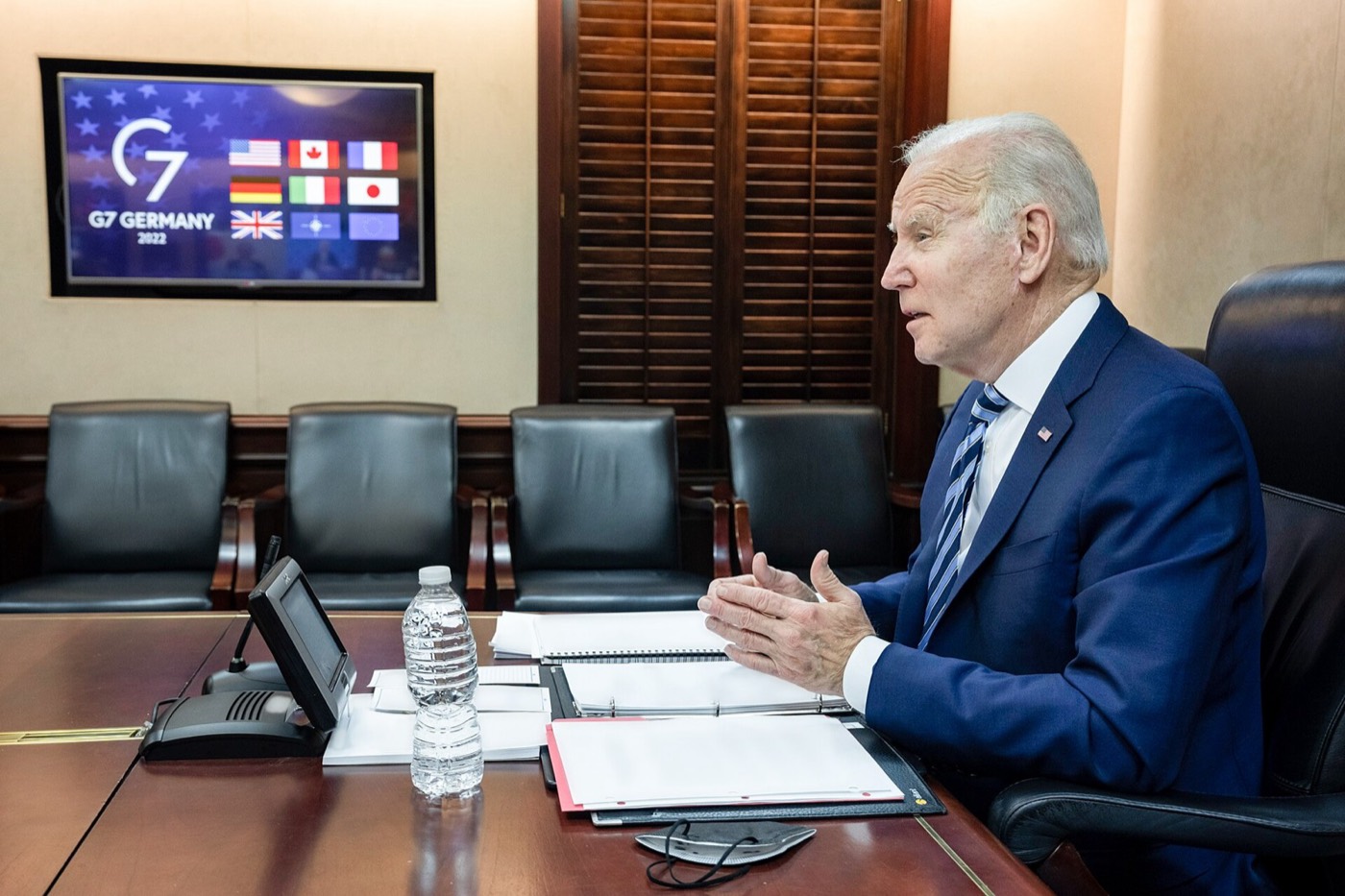
This photograph shows President Biden meeting virtually with G7 counterparts in late February 2022, the week the freeze was agreed. The decision to act together, all at once, is what gave it force — a single country freezing Russian reserves alone would have barely registered.
The second move targeted the plumbing banks use to pay each other.
SWIFT is the messaging system banks worldwide use to tell each other to move money. It does not hold funds itself, but a bank cut off from it struggles to get paid for anything it sells abroad. On the twelfth of March 2022, seven Russian banks were disconnected from SWIFT. Three more, including Sberbank, Russia's largest, followed on the fourth of May.
Freezing reserves and cutting SWIFT access are different tools solving different problems — one targets savings, the other targets everyday payment.
Years later, these decisions are still being argued over. The Kremlin's spokesman, Dmitry Peskov, had a blunt reply to any Western plan to spend the frozen reserves. "It would be, in fact, outright theft." Russia has never accepted the freeze as settled. The reserves remain frozen rather than confiscated.
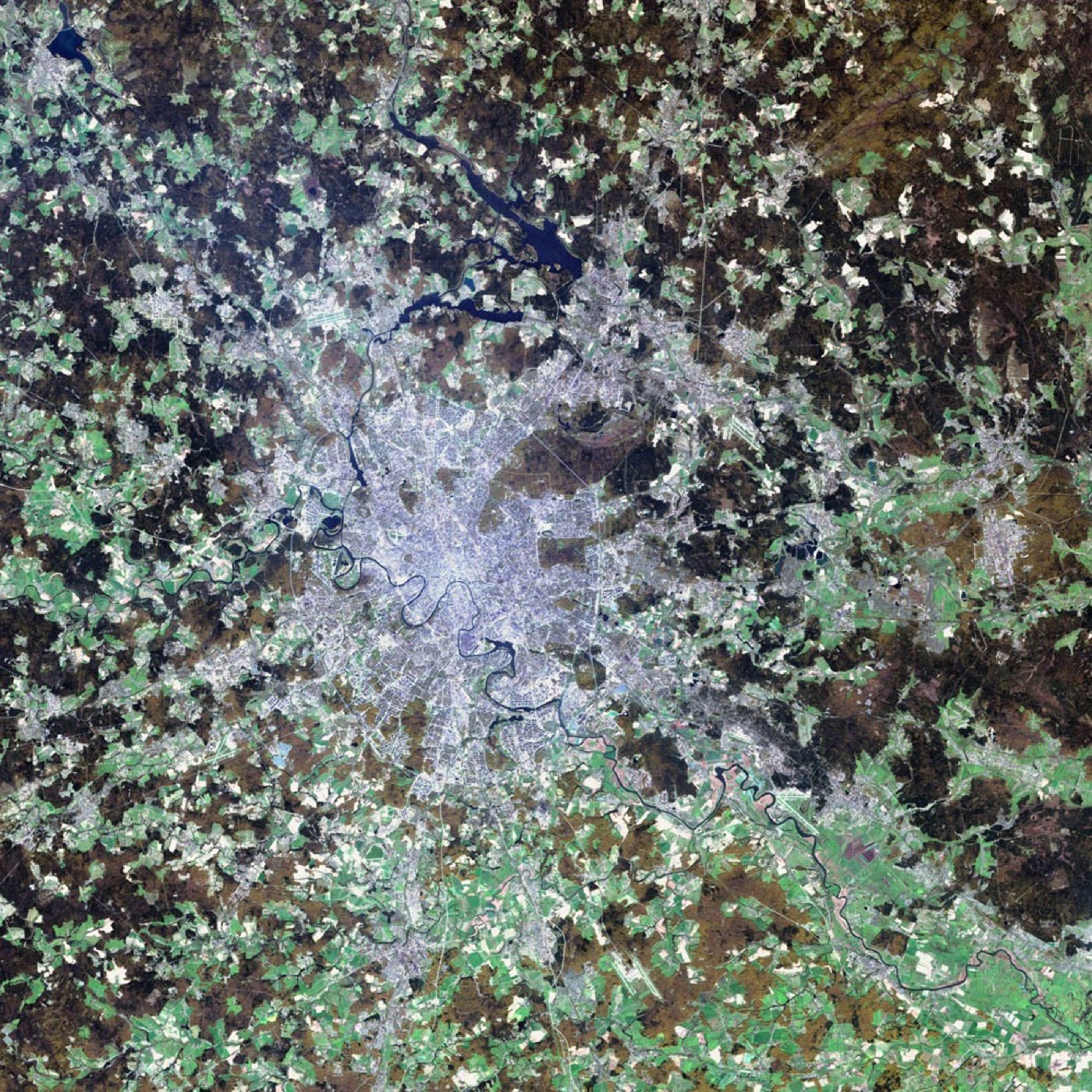
This is Moscow, seen from orbit. Somewhere in that financial district sits a central bank that, as of today, still cannot touch roughly $300 billion of its own money. That fact alone has not forced Russia to end the war. What it has done is narrow, permanently, how that money could ever have been used.
3. The price cap idea

Freezing reserves deals with money Russia already had. The price cap was built for money Russia was still earning, every single day, by selling oil.
A price cap works like this: Western shipping, insurance and finance companies are banned from helping move Russian oil sold above a set price. Since almost all the world's tanker insurance runs through Western insurers, that threat has real teeth — a shipowner who breaks the cap risks losing cover for the whole vessel.
The G7 set the first cap at $60 a barrel in December 2022.
As stated by the G7 finance ministers at the time, the goal was "reducing Russia's revenues, while keeping global energy markets stable." That second half mattered as much as the first. Cutting Russia off from oil entirely risked a price spike that would have hurt the G7's own economies too.
The cap did not stay at $60. It has moved twice since.
The EU cut the cap to $47.60 a barrel in January 2025. A year later, it cut the cap again, to $44.10. Then, in July 2026, the EU's 21st sanctions package froze the cap there for a year. Without that freeze, its own formula would have pushed the cap back up, toward roughly $75, after a separate oil-price spike elsewhere.
Notice what the cap does not do. It does not stop Russia selling oil. It tries to make every barrel sold worth less to the seller, while still letting the oil reach the market. That is a narrower, more fragile kind of pressure than a ban — and it only works if the shipping and insurance behind every tanker actually obeys it.
Which is the exact weakness Russia found first.
4. Birth of the shadow fleet

If you cannot sell oil above the cap using Western insurance, the obvious answer is: stop using Western insurance.
That is what Russia built. A shadow fleet is a collection of ageing tankers, bought up through opaque holding companies and barely insured by Western standards at all. It carries Russian oil wherever a buyer will take it, cap or no cap. Nobody designed this fleet in one place. It grew, tanker by tanker, as the cap made the old way of shipping too risky.
How big is it? Nobody fully agrees, which is itself telling.
Ukraine's military intelligence agency counted 854 tankers in the shadow fleet as of May 2026. Other trackers, using looser definitions of which ships count, put the wider total anywhere from six hundred to one thousand four hundred. A fleet nobody can precisely count is, by design, a fleet that is hard to police.
Here is the mechanism in full. A tanker loads Russian crude at a Baltic or Black Sea port. It carries no Western insurance, so the price cap has nothing to grip onto. It sells the oil, often above the capped price, to a buyer in Asia who was never bound by the cap to begin with.
The cap was built to use Western insurance as its one narrow pressure point. The shadow fleet's whole purpose is to not need that pressure point at all.
The routes run from ports like Primorsk on the Baltic and Novorossiysk on the Black Sea, out past Western Europe or through the Suez Canal, to buyers mainly in India and China. Neither country is bound by the G7's price cap, so neither is breaking it by buying.
A fleet built to be unaccountable raises an obvious next question: can anyone actually catch it?
5. Chasing the ghost ships
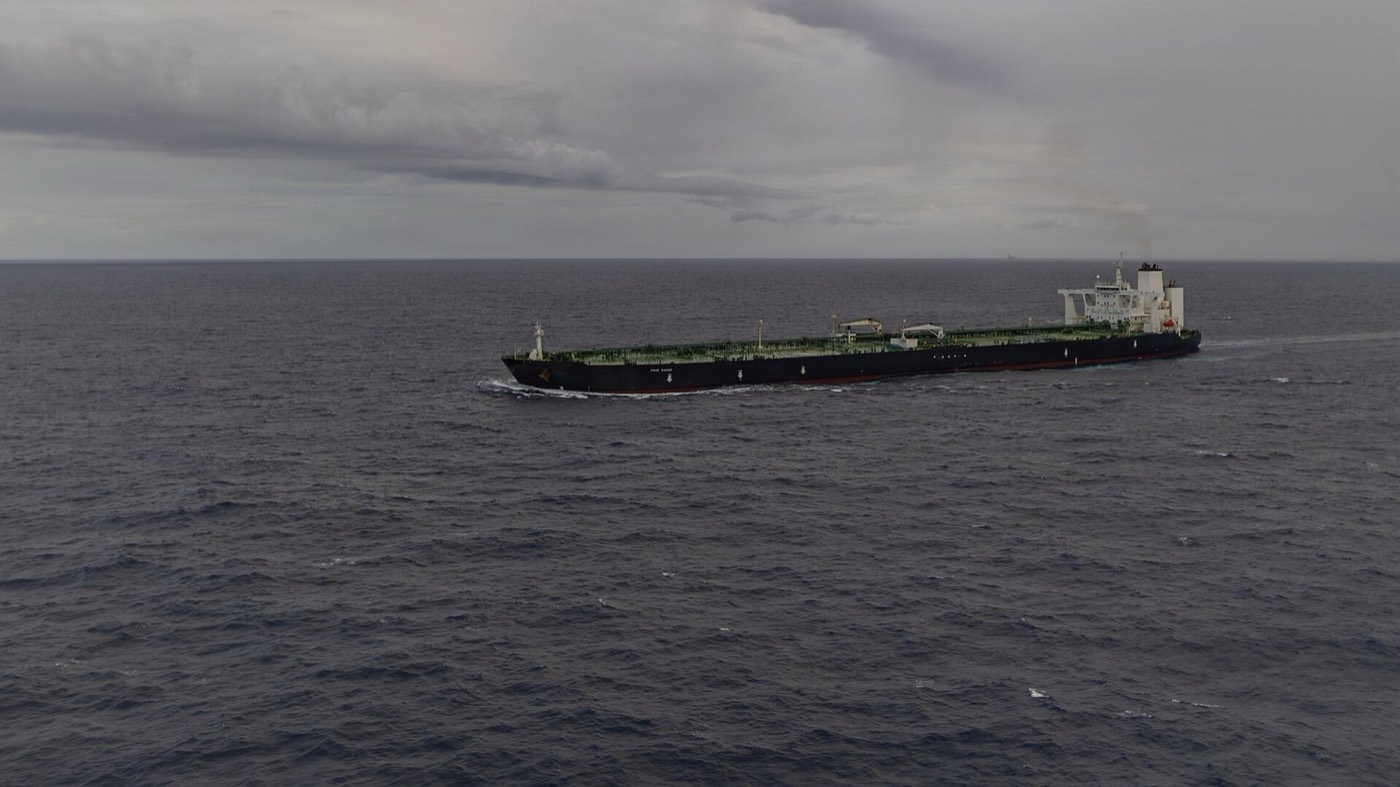
The EU's answer has been to blacklist individual ships, one by one, as it identifies them.
The EU's 20th sanctions package, agreed in April 2026, named 46 more vessels. That took its shadow-fleet blacklist to 632 ships, all banned from EU ports and services. The 21st package, three months later, added 41 more. The total passed 670.
A blacklisted ship cannot dock in an EU port or buy EU insurance. It can still sail everywhere else.
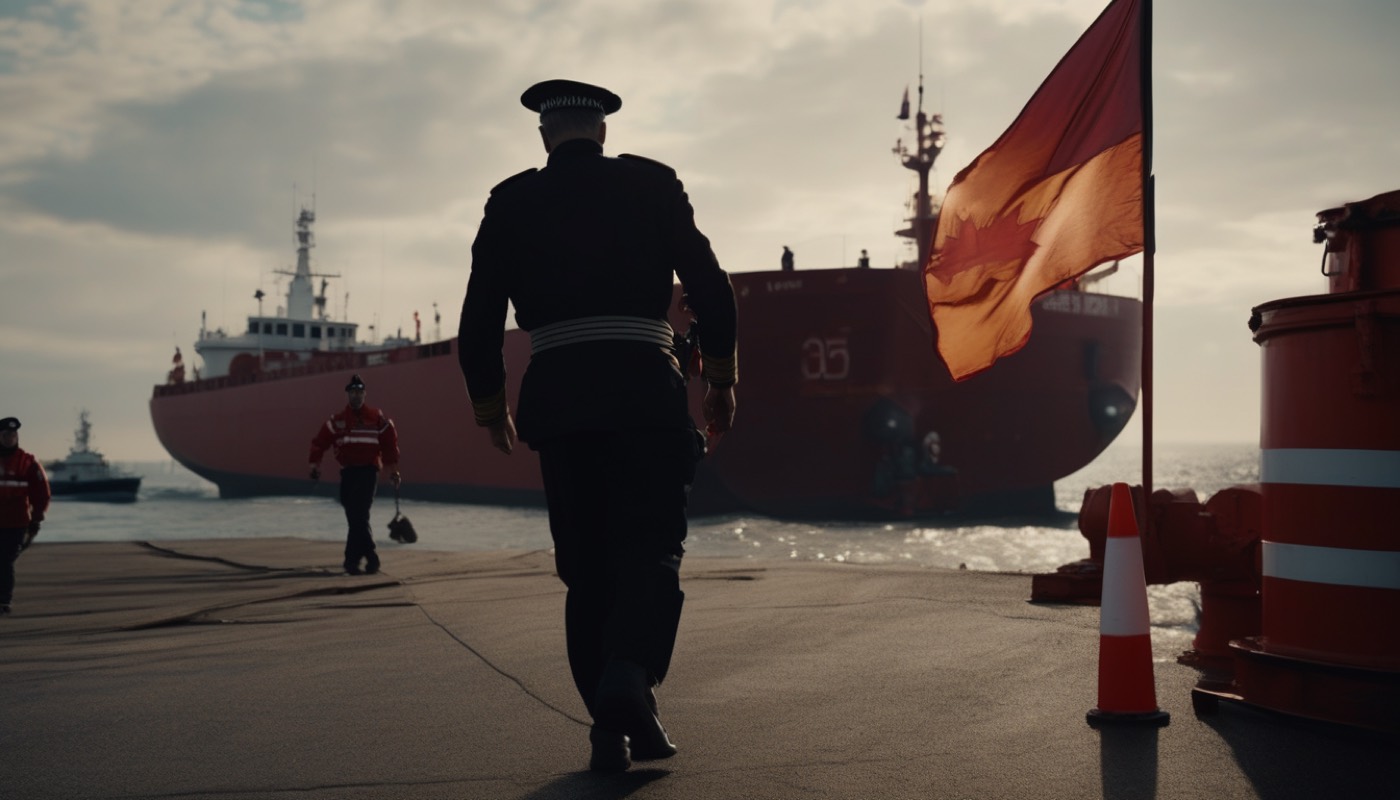
This photograph shows the stateless tanker MT Sophia, boarded by the US Navy in the Atlantic in January 2026. A right-of-visit boarding like this is how enforcement actually reaches a ship that flies no real flag at all — a slow, ship-by-ship process, not a single switch that shuts the fleet down.
Flags are where a lot of this chase actually happens.
A falsely flagged vessel claims a country's registration without that country's permission — in effect, sailing under a fake passport. A report by the Centre for Research on Energy and Clean Air tracked this through 2025. It found 113 vessels doing it over nine months. Between them, those ships carried oil worth about 4.7 billion euros. The shipping registry body's own count kept climbing after that. By the second quarter of 2026, it listed 580 falsely flagged vessels worldwide. That was up from 470 only two quarters before.
None of that is a finish line. Every ship caught and blacklisted is replaced, sooner or later, by another bought cheaply and re-flagged. Enforcement here is a permanent chase, run one ship at a time, against a fleet that keeps being rebuilt faster than any single blacklist can keep up with.
Which is why the sharpest pressure on Russia's oil money, in the end, came from somewhere else entirely.
6. The real pressure point: refineries
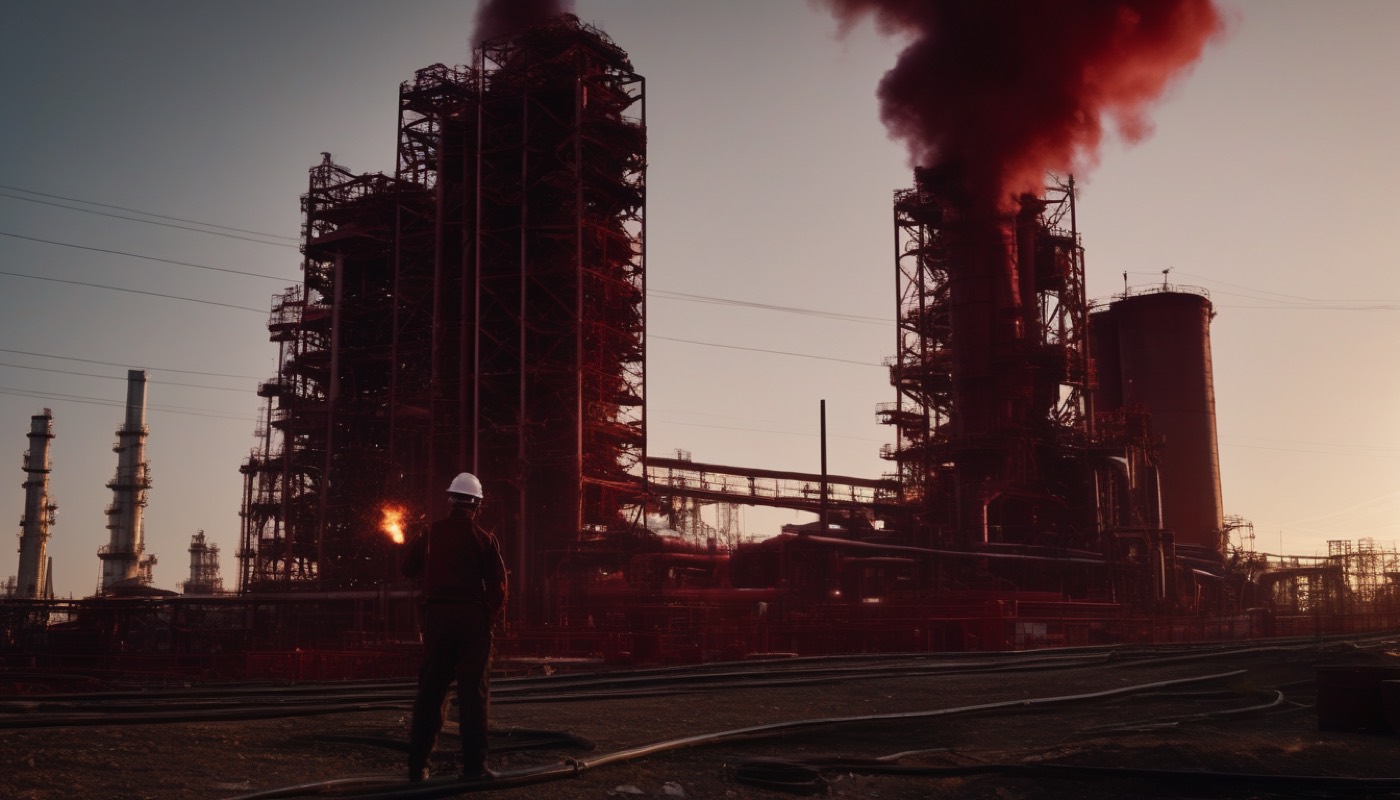
While the West was chasing tankers at sea, Ukraine shifted its own strategy onto Russian soil.
A refinery turns crude oil into the fuels people and vehicles actually use — diesel, petrol, jet fuel. Since 2022, Ukraine has flown drones at Russian refineries directly, rather than relying only on sanctions to make the oil behind them worth less. Look just at the first eight months of 2026. Across that stretch, a Russian refinery was struck on average once every three days.
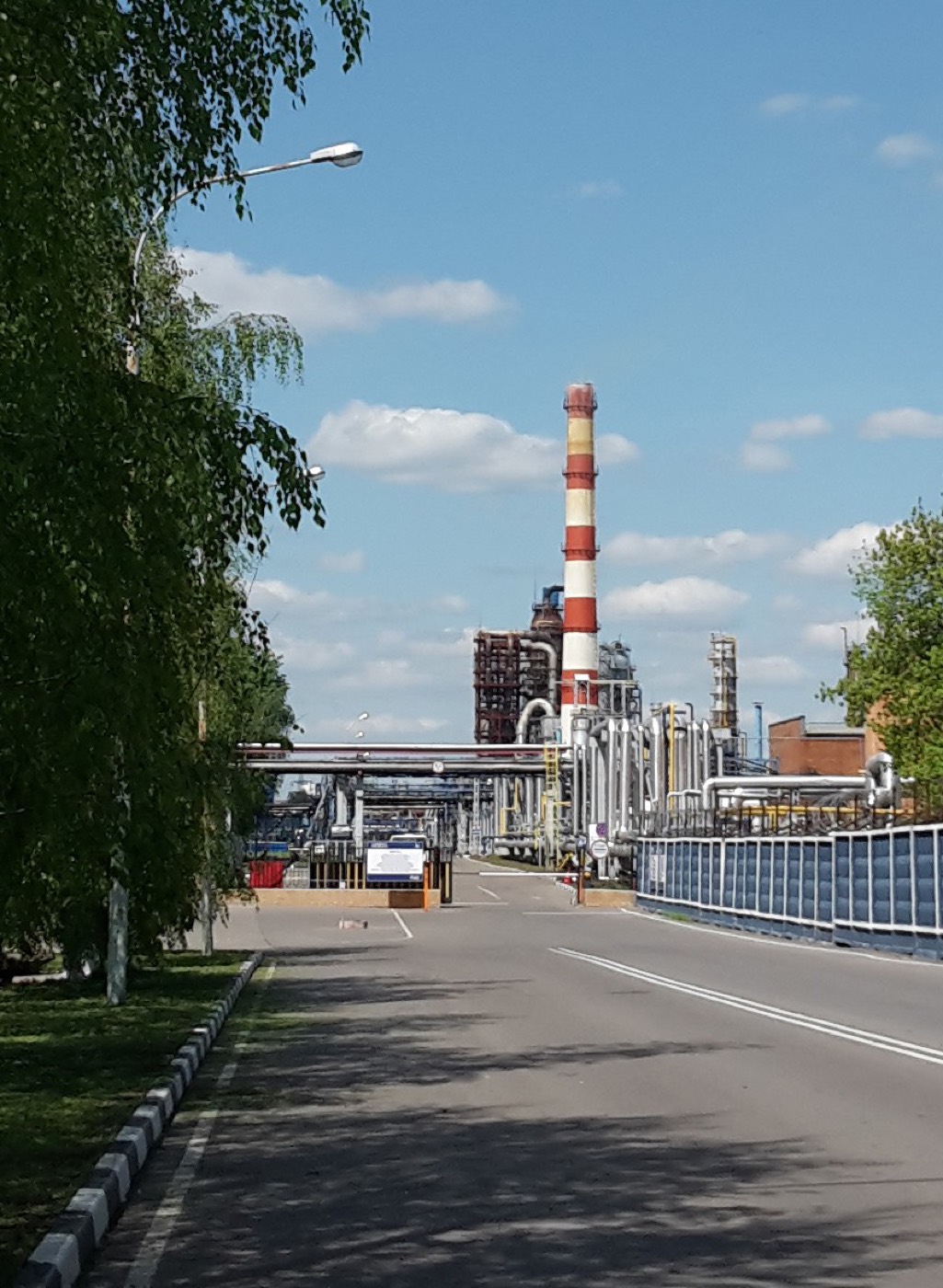
This photograph shows the Gazpromneft Moscow refinery, a real site of the kind these strikes hit. By May 2026, Russian reporting itself counted 158 strikes on refineries since the invasion began. At least 24 of Russia's 33 largest plants had been reached.
Put the two sides on the map. Ukraine launches the drones. Moscow is where refineries like this one stand, deep inside Russian territory.
Some sites have taken this far more than once.
Two refineries, Ryazan and Saratov, have each been struck fifteen times since 2022. Fifteen strikes on one site is not a disruption. It is a target that keeps being rebuilt and keeps being hit again, which is a different kind of pressure entirely from a financial sanction.
A sanction can be evaded by changing who you sell to. A destroyed distillation unit has to be physically repaired before it works again — and that takes months, not a change of paperwork.
7. Russia's fuel crisis, 2025-2026
Put the strikes together over two years and the effect on Russia's own fuel supply becomes impossible to hide.
Russian refinery crude runs — the amount of crude a refinery actually processes into fuel — fell to 3.8 million barrels a day in June 2026. That is down thirty per cent from a year before. It is the lowest level since 2004.
A country that cannot refine enough of its own oil runs short of its own fuel, war or no war.
Russia has responded by banning exports to protect its own supply, and has had to keep extending that ban. Diesel, marine fuel and gasoil exports by Russian producers were first blocked to cover a domestic shortage. That ban has now been extended a third time, through the end of October 2026, as winter demand rises.
This is the irony sitting underneath the whole crisis. Russia is not short of crude oil. It has plenty. What it is short of is the refining capacity to turn that crude into the diesel its own trucks, farms and military actually run on — and that capacity is exactly what the strikes have been destroying.
That shortage did not come from a signed sanctions document anywhere. It came from drones, and a resource that takes years to rebuild once it is gone.
8. Lessons from Iran: slow squeeze, real result
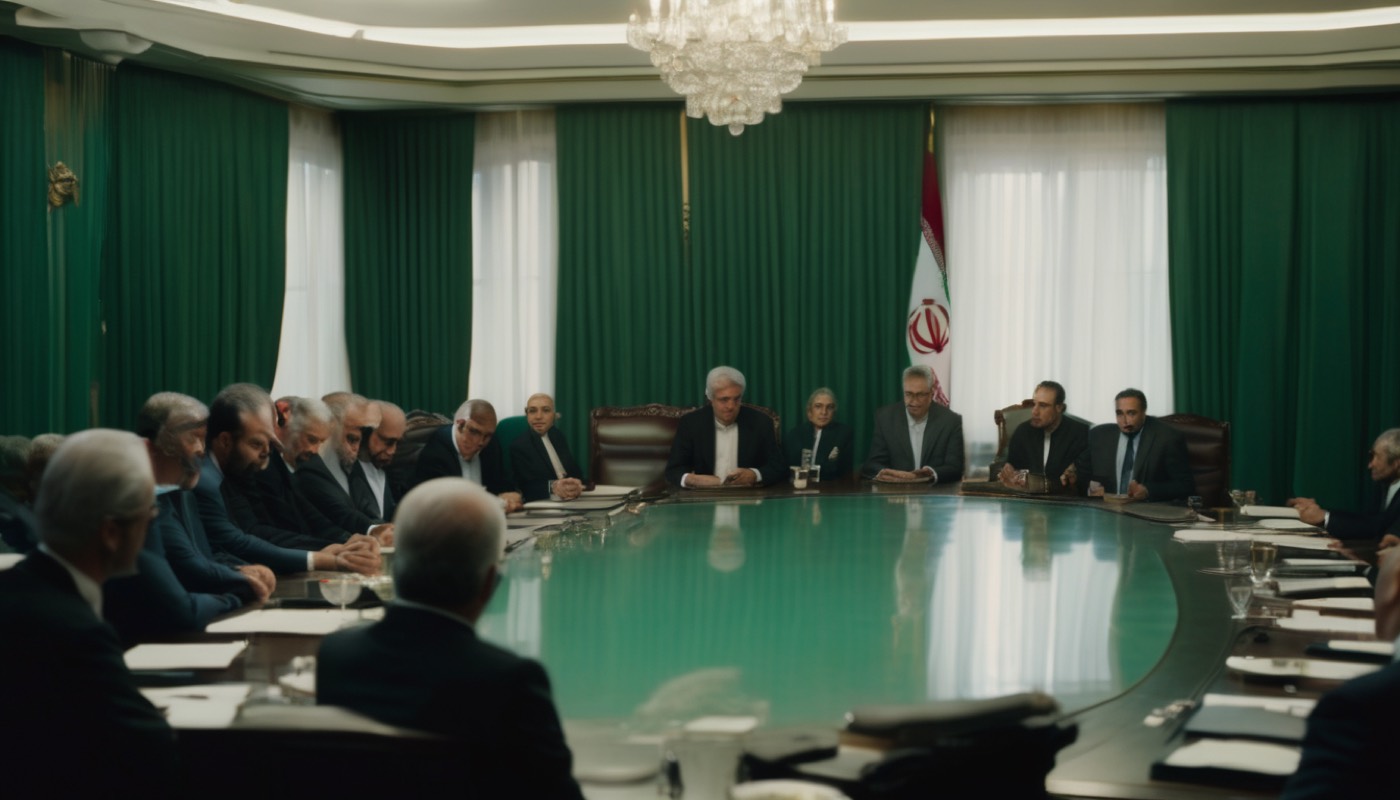
To judge whether any of this is "working," it helps to look at a sanctions campaign that actually ran its full course: Iran's.
Lay the dates out. The UN Security Council passed its first sanctions against Iran's nuclear programme on the twenty-third of December 2006. It took nearly nine years of steadily tightening pressure before Iran signed the 2015 nuclear deal. The United States walked away from that deal in May 2018.
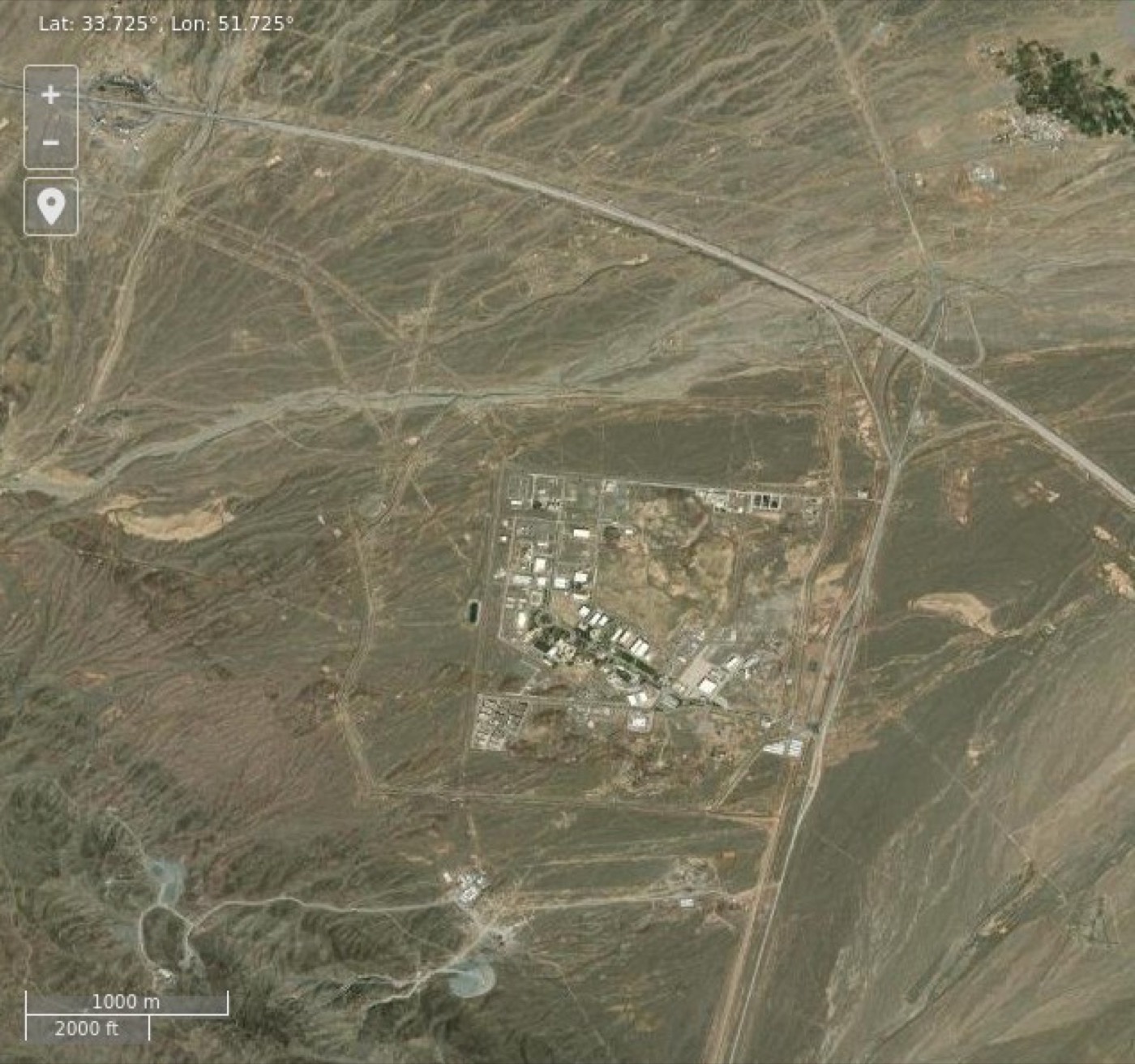
This satellite image shows the Natanz enrichment site in Iran, the facility those nine years of sanctions and negotiation were ultimately about. Sanctions did not destroy it. What sanctions did was make the cost of keeping it running high enough that Iran eventually agreed to limit what happened inside it.
That is the result sanctions supporters point to: years of patient pressure that produced a real, signed agreement.
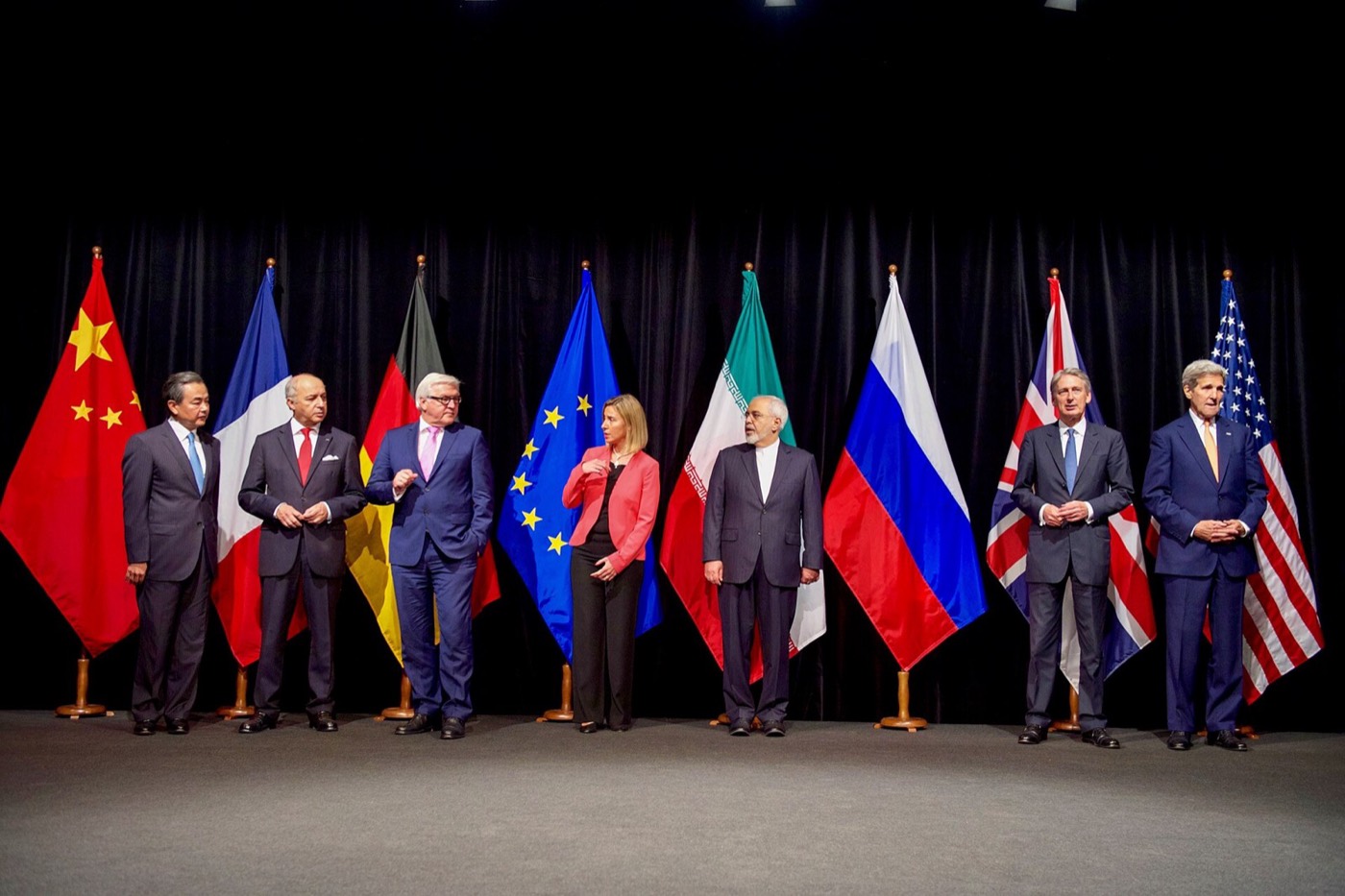
This photograph shows the P5-plus-1 powers and Iranian foreign ministers after reaching that deal in Vienna, in July 2015. Years of sanctions on their own did not get Iran to this room. Sanctions combined with a genuine diplomatic offer did.
Put the two places on the map. Natanz, the facility at the centre of the dispute, sits deep inside Iran. Vienna, where the deal to limit it was actually signed, is a continent away.
What sanctions critics point to is what happened three years later.
Once the United States withdrew from the deal in 2018 and reimposed its own sanctions, the agreement did not hold. Iran was not left where it started. It had nine years of sanctions behind it, a broken deal, and a renewed sanctions regime with none of the deal's limits still in force.
So even the sanctions campaign that is usually called a success took nine years to produce a deal, and that deal did not survive one change of government on the other side of the table.
9. Lessons from North Korea: sanctions that leak
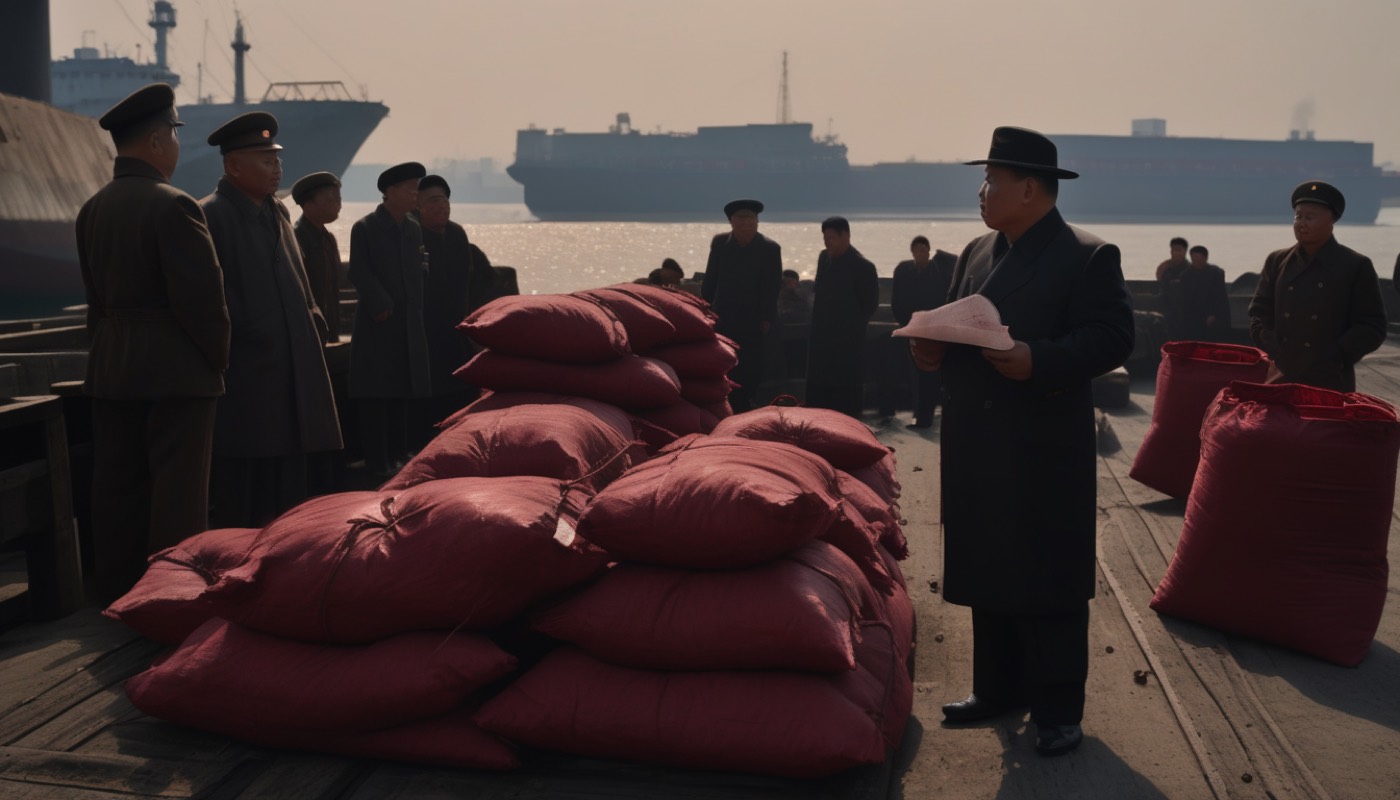
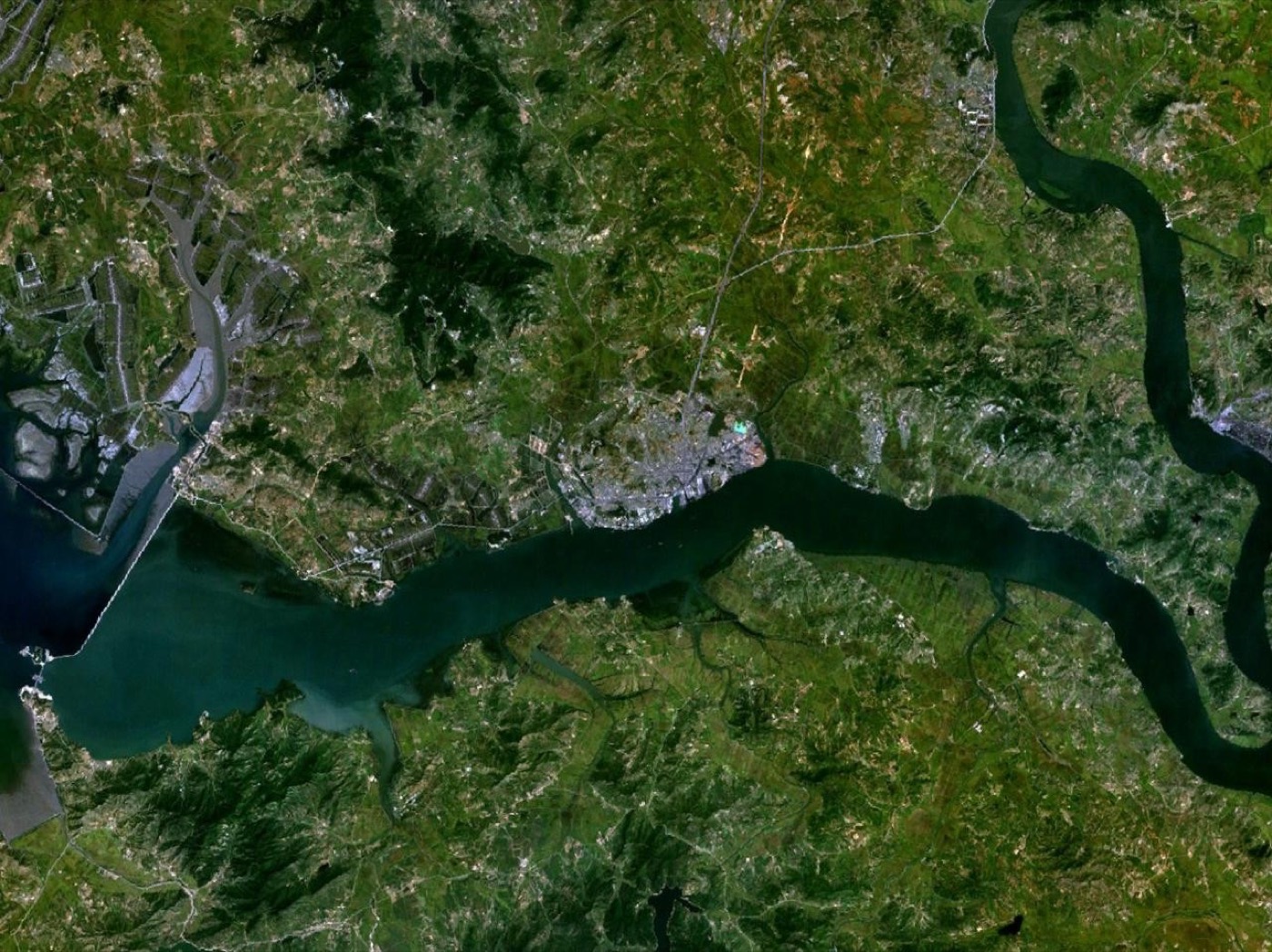
If Iran shows what patient sanctions can achieve, North Korea shows what happens when enforcement simply cannot keep up.
On paper, North Korea sits under one of the most complete sanctions regimes the UN has ever built — a total ban on exporting coal, the country's main source of outside income. In practice, North Korea exported an estimated 1.5 million tonnes of coal in 2025 anyway.
This satellite image shows Nampo, one of North Korea's coal-export ports. A UN ban does not physically stop a ship loading coal here. It only makes doing so illegal — and illegal is not the same thing as impossible when enforcement is thin.
The mechanism is almost identical to Russia's shadow fleet, just older and cruder.
Coal leaves a North Korean port. It is transferred, ship to ship, at sea, so no port record ever shows it coming from North Korea at all. Some of it is relabelled as Russian-origin coal before it reaches a buyer, which lets a purchaser claim, on paper, that the sanctioned country was never involved.
A near-total ban, repeatedly leaked around for years, is the clearest case this video has of a sanction that works perfectly on paper and barely at all in practice.
10. Why some sanctions bite and others don't

Three case studies in, a pattern is worth stating plainly, because it is not simply about how severe a sanction sounds on paper.
Financial sanctions, like SWIFT exclusion and asset freezes, choke a single narrow pipe that almost everyone has to use. Commodity bans, like oil price caps or coal export bans, try to block something that can physically move through thousands of different ships, ports and buyers.
That difference in shape is the difference in how hard each one is to dodge.
Disconnecting a bank from SWIFT blocks one specific system that has no easy substitute. Banning a commodity means policing millions of barrels of oil or tonnes of coal, spread across open water, flags of convenience and buyers who were never bound by the rule in the first place.
Seven banks were cut from SWIFT in a single afternoon in March 2022, and the decision stuck. Blocking the oil and coal behind the price cap and the North Korea ban has instead meant years of chasing hundreds of individual ships, one at a time, with no single afternoon that settles it.
The sanction with the fewest places to hide is the one that actually holds. A financial pressure point has almost nowhere to go. A commodity has the entire ocean.
11. Adaptation versus attrition
Put Russia's own record from this video together and a sharper distinction appears: not all pressure is slowed down the same way.
Russia rebuilt its financial plumbing fast. New payment channels, trade routed through currencies the SWIFT ban never touched, a shadow fleet assembled within months of the price cap taking effect. Financial sanctions are, in the end, rules — and a determined state can rewrite its own habits around a rule quickly.
A damaged refinery is not a rule. It is a physical object.
The IEA has projected Russia could lose up to thirty per cent of its refining capacity for as long as eighteen months, because rebuilding a distillation unit after a drone strike takes real construction time that no change of policy can shorten.
That is the line between adaptation and attrition. Russia adapted its finances in months. It cannot out-build the damage being done to its refineries at anything like that speed, because concrete and steel do not respond to a change of strategy the way a bank transfer does.
This is where the two halves of the Western campaign actually meet. Financial sanctions never fully worked alone — Russia adapted around most of them. What has actually ground Russia's war economy down over time is physical destruction that sanctions on their own never could have delivered.
12. The verdict: what sanctions can and cannot do

So, back to the question this video opened with: are sanctions a weapon that is actually working?
Set the record side by side. The reserve freeze and the SWIFT ban, both from 2022, landed hard and fast, and Russia has never fully escaped either one. The price cap pushed Russia into building a shadow fleet that still gets some oil to market. Iran shows sanctions can force a real deal, given nine years. North Korea shows the same sanctions can also simply leak for a decade.
None of that is a simple yes or a simple no.
The honest answer is narrower than either side of this argument usually wants. Sanctions alone did not stop Russia's war, and on their own they probably never could. What this video's own evidence shows is pressure that compounds — financial sanctions that Russia adapted around, married to drone strikes on refineries that Russia physically cannot out-build.
A weapon short of war, it turns out, is not one weapon at all. It is money frozen, a price capped, and a fleet built to dodge that cap. And finally, it is strikes on the one thing sanctions alone were never going to reach — the refineries themselves, where adaptation runs out and attrition begins.
Sources and credits
Photo credits (Wikimedia Commons)
- President Biden meets virtually with G7 counterparts to agree sanctions on Russia, 24 Feb 2022: The White House, Public domain - https://commons.wikimedia.org/wiki/File%3APresident_Joe_Biden_meets_with_G7_counterparts.jpg
- Stateless crude oil tanker MT Sophia boarded by US Navy during a right-of-visit operation, Atlantic Ocean, 7 Jan 2026: US Navy, Public domain - https://commons.wikimedia.org/wiki/File%3AThe_stateless_crude_oil_tanker_MT_Sophia_transits_the_Atlantic_Ocean_during_a_right_of_visit_boarding%2C_Jan._7%2C_2026_-_260107-N-IQ220-1043.jpg
- Gazpromneft Moscow Oil Refinery (MNPZ), a real Russian refinery of the kind hit by Ukrainian drone strikes: Nickpo, Public domain - https://commons.wikimedia.org/wiki/File%3AMnpz-roadto.jpg
- Natanz nuclear enrichment facility, Iran, satellite view: Imagery from LANCE FIRMS operated by NASA's Earth Science Data and Information System (ESDIS) with funding provided by NASA Headquarters., Public domain - https://commons.wikimedia.org/wiki/File%3ANASA_FIRMS_2025-06-19_Natanz.png
- P5+1 and Iranian foreign ministers after reaching the Iran nuclear deal (JCPOA), Vienna, 14 July 2015: U.S. Department of State, Public domain - https://commons.wikimedia.org/wiki/File%3ASecretary_Kerry_Poses_for_a_Group_Photo_With_Fellow_EU%2C_P5%2B1_Foreign_Ministers_and_Iranian_Foreign_Minister_Zarif_After_Reaching_Iran_Nuclear_Deal.jpg
- Nampo, North Korea - port and surrounding coast, satellite view: NASA, Public domain - https://commons.wikimedia.org/wiki/File%3ANamp%27o_125.39169E_38.73185N.jpg
- Moscow, Russia - satellite view of the city: NASA Goddard Space Flight Center from Greenbelt, MD, USA, Public domain - https://commons.wikimedia.org/wiki/File%3AMoscow%2C_Russia_-_Flickr_-_NASA_Goddard_Photo_and_Video.jpg


Primary sources
- IEA, 'Russian refining sector struggles amid intensifying Ukrainian attacks', via Oil & Gas Journal, 2026 - the once-every-three-days refinery strike rate, first eight months of 2026..
- Bloomberg, 'Russian Refinery Runs Plunge to Lowest in More Than Two Decades', 13 July 2026 - crude runs of 3.8m barrels/day in June 2026, down 30% year-on-year, lowest since May 2004.
- Euromaidan Press, citing Russian media reporting, 22 May 2026 - 158 refinery strikes since 2022 reaching 24 of 33 largest plants; Ryazan and Saratov each struck 15 times.
- The Moscow Times / Interfax / Hydrocarbon Processing, reporting the third extension of Russia's producer diesel/marine-fuel/gasoil export ban through 31 October 2026, late September 2026.
- European Council / EEAS, G7 and EU price-cap statements and packages, 2022-2026 - the $60/$47.60/$44.10 cap history and the 21st package's freeze, July 2026.
- Hellenic Shipping News / Skuld / Cyprus Shipping News, EU 20th (April 2026) and 21st (July 2026) sanctions packages - the shadow-fleet blacklist reaching 632, then over 670 vessels.
- Ukraine HUR, via news.liga.net, 7 May 2026 - 854 tankers counted in the shadow fleet; S&P Global/Lloyd's List/Kyiv School of Economics Institute, 600-1,400 tanker range.
- CREA (Centre for Research on Energy and Clean Air), 'Flags of Inconvenience', 27 November 2025 - 113 vessels under false flags over nine months of 2025, carrying oil worth ~EUR4.7bn.
- Windward, Q2 2026 maritime sanctions report, citing IMO registry data.
- US Navy (image credit) / Wikimedia Commons - MT Sophia, stateless tanker, right-of-visit boarding, Atlantic Ocean, 7 January 2026.
- UN Security Council, Resolution 1737 (23 December 2006) and subsequent Iran sanctions reporting; US State Department archive on the JCPOA (signed 14 July 2015, Vienna) and US withdrawal (8 May 2018).
- Korea JoongAng Daily / NK News, reporting a South Korean lawmaker's NIS-sourced briefing, June 2026.
- Reuters, via The Business Standard, 17 May 2022 - Dmitry Peskov's 'outright theft' quote on Western plans for the frozen Russian reserves.
- G7 Finance Ministers' statement, 2 September 2022, via the European External Action Service - the price cap's stated goal of 'reducing Russia's revenues, while keeping global energy markets stable'.
Not regulated financial advice.