
Hewlett-Packard: A Timeline
Two Stanford friends, a rented garage, and a coin toss that decided whose name came first. This video follows Hewlett-Packard from the partnership Bill Hewlett and Dave Packard signed on 1 January 1939 to the two separate public companies it split into on 1 November 2015, and to where both stand in 2026.
It covers the HP 200A audio oscillator and Disney's order of eight 200B units for Fantasia; the HP Way and the 1957 share listing; the HP 9100A calculator and the pocket-sized HP-35; the ThinkJet and LaserJet printers that became HP's biggest profit engine; the 1999 spin-off of Agilent and the hiring of outsider CEO Carly Fiorina; the bitterly contested Compaq merger and the narrow 2002 shareholder vote; the 2006 boardroom pretexting scandal and Mark Hurd's EDS purchase; Leo Apotheker's costly year of the TouchPad and the Autonomy deal; Meg Whitman's turnaround and the 2015 split into HP Inc and Hewlett Packard Enterprise; and the Autonomy fraud case reaching a final High Court damages ruling against Mike Lynch's estate in March 2026.
By the end, both HP Inc and Hewlett Packard Enterprise have reported record quarterly results within weeks of each other in 2026, eleven years after the split, and a new HP Inc chief executive was just three months into the search for a permanent replacement.
No figure appears without its date and source.
Educational documentary. Not financial or investment advice.
Tags
Chapters
- Two Friends and a Garage (1934-1939)
- The Oscillator and Fantasia (1939-1945)
- The HP Way (1946-1966)
- Calculators and Computers (1966-1980)
- The Printer Money Machine (1980-1992)
- Splitting Off the Roots (1999)
- The Compaq Fight (2001-2005)
- Spies in the Boardroom and Hurd's Cuts (2005-2010)
- Palm, TouchPad and Autonomy (2010-2012)
- Whitman Breaks It in Two (2011-2015)
- Two HPs and the Autonomy Reckoning (2015-2026)
- Where HP Stands Now (2026)
Video notes
1. Two Friends and a Garage (1934-1939)
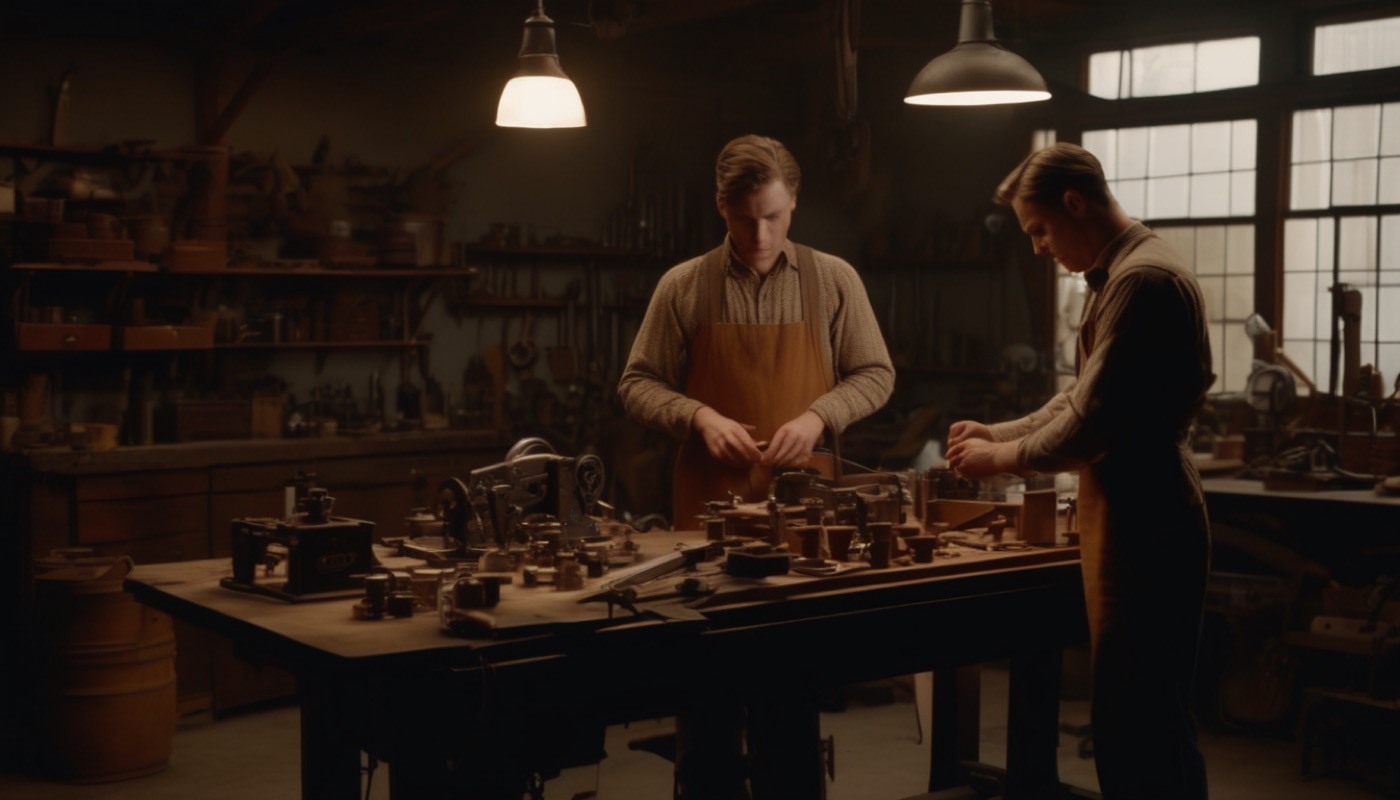
Bill Hewlett and Dave Packard met as engineering students at Stanford University in the early nineteen thirties, and they stayed close after they graduated.
This video follows Hewlett-Packard from a two-man partnership formed in 1939 to the two separate companies it became in 2015. It also covers where both of those companies stand in 2026 - the calculators, the printers, the mergers that went wrong, and the split that followed.
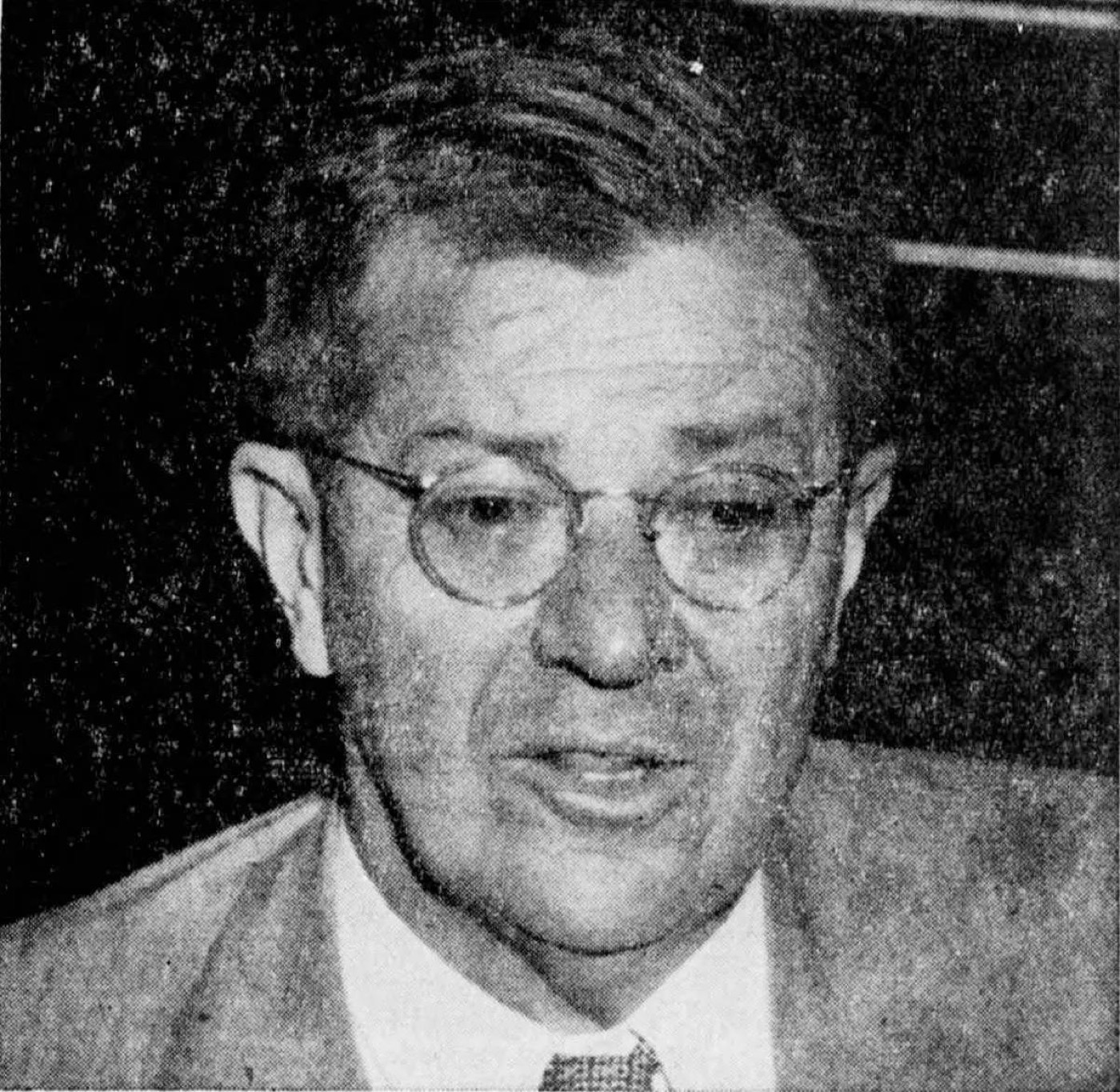
A Stanford professor named Fred Terman encouraged both men to start a company of their own rather than take a safer job elsewhere, and he lent them some of the test equipment they needed to begin.
Terman taught electrical engineering at Stanford. He is often credited with pushing bright students toward starting companies near the university, rather than moving east to take jobs at established firms. Hewlett and Packard were two of those students, and Terman is one reason their garage sits where it does.
In 1938 the two men moved into a rented house on Addison Avenue in Palo Alto, with Packard and his wife living upstairs and a one-car garage behind the house serving as the workshop.
The partnership itself was signed on the first of January, 1939, with starting capital of five hundred and thirty eight dollars. Stanford sits a few miles from that garage, and HP's later headquarters on Page Mill Road is close to both.
They had already decided to go into business together, but they still had to settle one detail: whose name came first. They flipped a coin, Hewlett won the toss, and the firm became Hewlett-Packard rather than Packard-Hewlett.
The timeline on screen marks three points in the founding story. Terman encouraged both men in the mid-nineteen-thirties. They moved into the garage in 1938. They signed the partnership on the first of January, 1939. That garage is still standing, and in 1989 the state of California made it a historical landmark.
The garage carries a plaque now. It reads: "This garage is the birthplace of the world's first high-technology region, 'Silicon Valley.'" That sentence is one reason the whole region is named for what two Stanford friends started there.
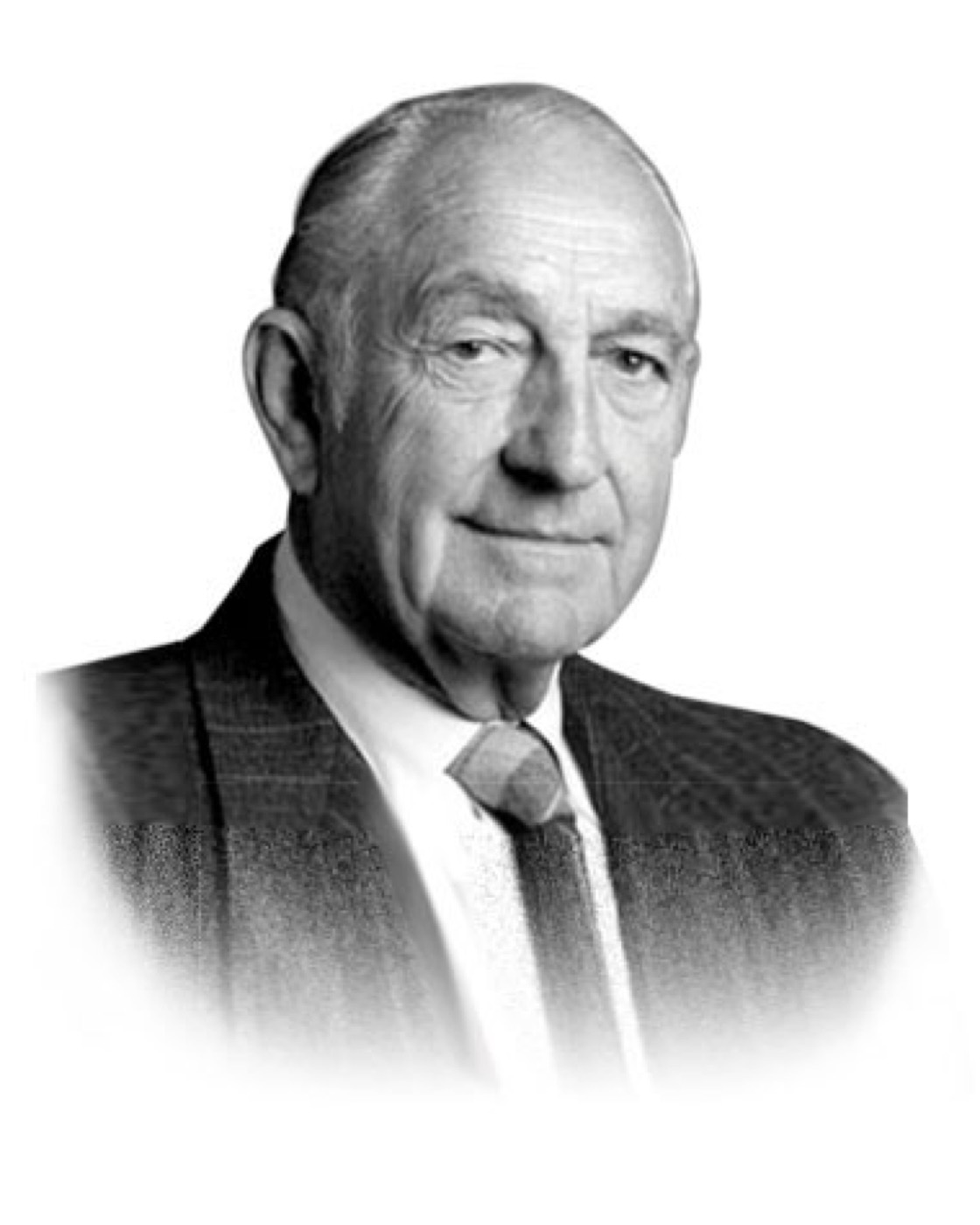
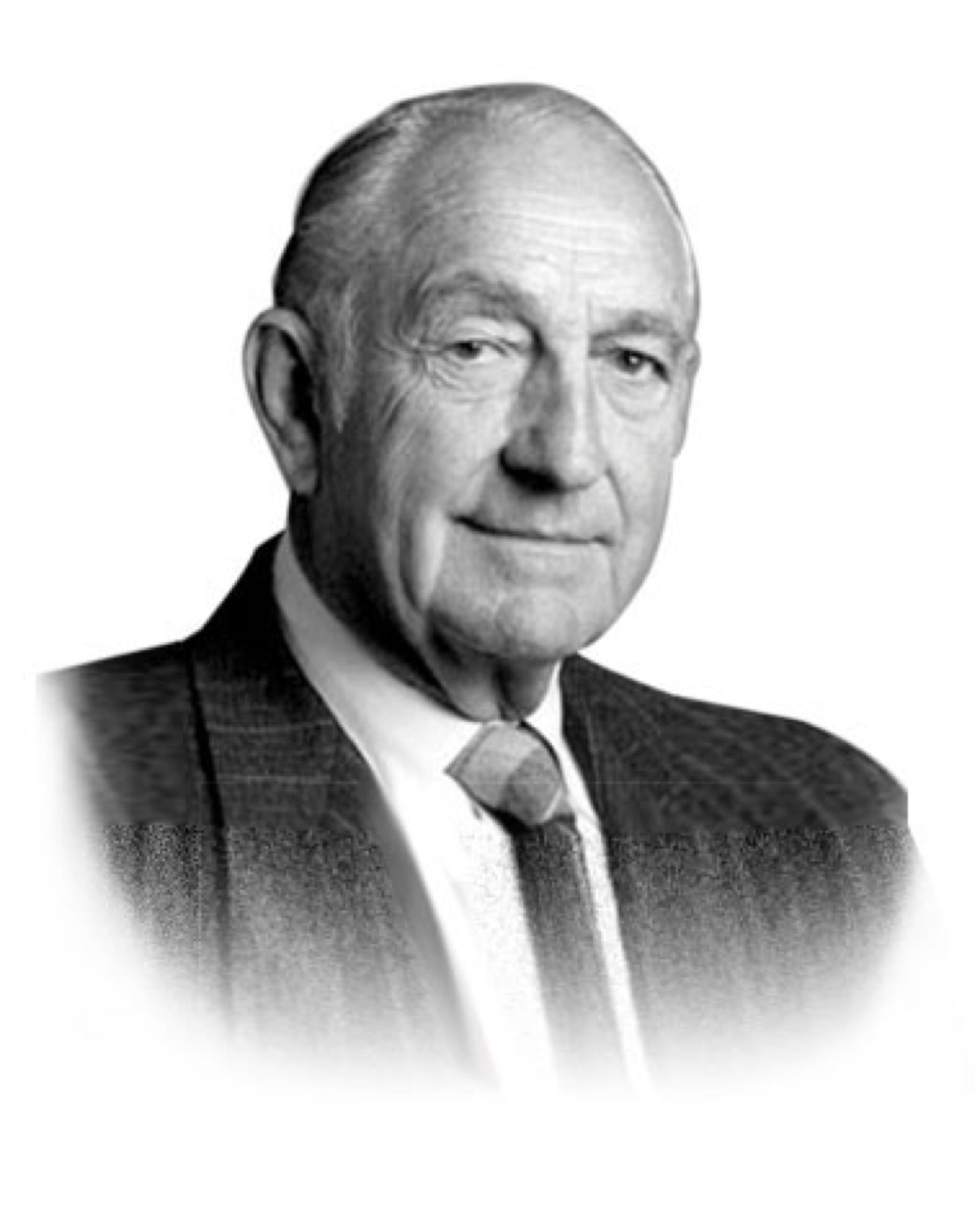
Dave Packard was the taller, more methodical of the two founders. After Stanford he had worked briefly at General Electric before coming back to Palo Alto to start the company, and decades later he served as US Deputy Secretary of Defense under President Nixon.
Terman himself never worked at the company, and he never wanted to. He saw his role as planting engineers near the university and then getting out of the way, a habit that shaped far more of Silicon Valley than just one garage on Addison Avenue.
2. The Oscillator and Fantasia (1939-1945)
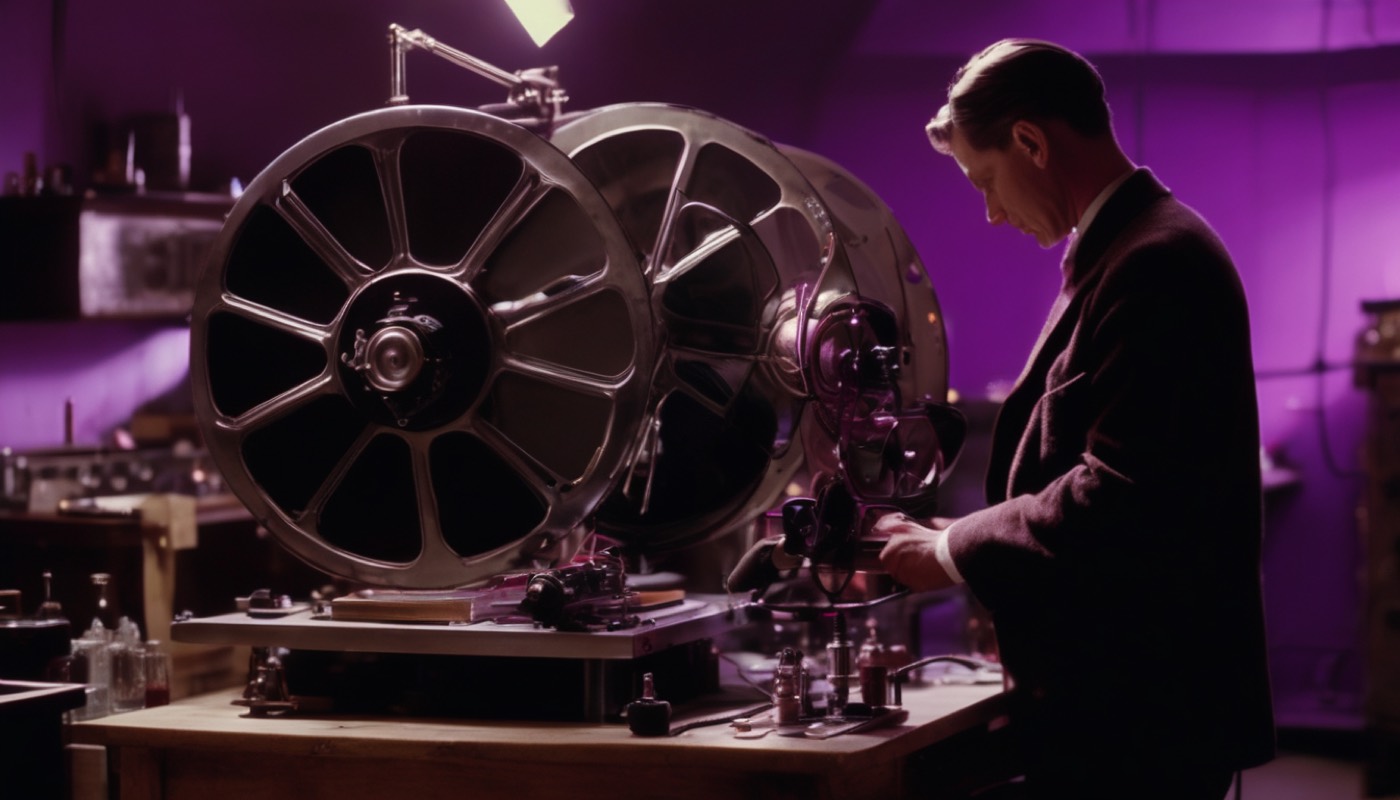
Hewlett's first product grew out of research he had done as a graduate student: an audio oscillator that produced a cleaner, steadier tone than the instruments already on the market.
The HP 200A audio oscillator was Hewlett and Packard's first product. It tested and measured sound equipment, and it sold for far less than rival instruments because of a clever, inexpensive circuit design.
Walt Disney Studios needed exactly that kind of test equipment to build the new multi-channel sound system for an ambitious animated feature, and the studio ordered eight of the improved HP 200B oscillators.
Disney bought eight HP 200B oscillators to help build and test the sound system for Fantasia, the studio's 1940 feature. It was an early sign that a two-man company in a rented garage could sell to a major customer.
Then came the war. The United States needed enormous quantities of radar and radio equipment, and every piece of it had to be tested before it reached a soldier or a ship.
Through the war years, Hewlett-Packard made the instruments that tested America's radar and radio gear. Government orders turned the company from a handful of employees into a real manufacturer with factory space of its own.
The timeline on screen covers the partnership forming in 1939, Disney's order arriving the following year, and the end of the war in 1945. By that point, Hewlett-Packard had stopped being an experiment and had become a company.
By the time peace returned, the firm was no longer two friends with a single product. It had a factory, a payroll, and a name customers already recognised.
3. The HP Way (1946-1966)
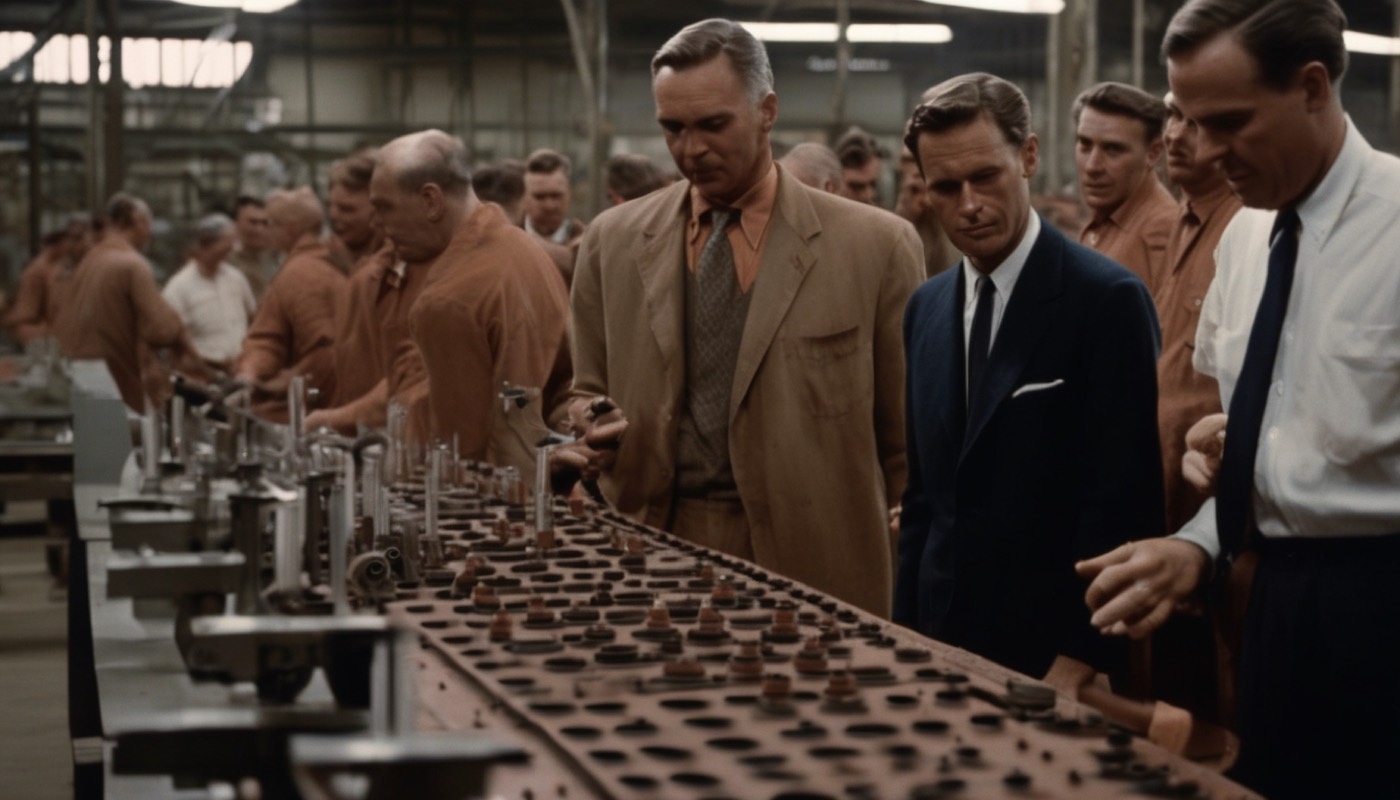
After the war, Hewlett and Packard built the company around a set of ideas about how to treat employees. Those ideas later became known as the HP Way.
The HP Way meant open-door offices, managers who walked the factory floor and talked to workers directly, and profit sharing so employees had a stake in what they built. None of it was unusual on its own, but doing all of it together was rare for the time.
That approach helped the company grow steadily through the nineteen fifties as the leading maker of test and measurement instruments: oscilloscopes, voltmeters, and the signal generators that other engineers relied on.
On the sixth of November, 1957, Hewlett-Packard shares began trading on the New York Stock Exchange, giving the company access to capital it had never had as a private partnership.
HP went public on the New York Stock Exchange on the sixth of November, 1957. The listing let the company raise money for new factories and new products, without the two founders having to put up all of it themselves.
Hewlett and Packard kept the culture they had built even as the company grew into thousands of employees. They believed trust between management and workers was what had made the company successful in the first place.
By the mid-nineteen-sixties, Hewlett-Packard was the clear leader in test and measurement equipment. It had become a model other Silicon Valley companies tried to copy: treat people well, let them do good work, and the company would take care of itself.
The company's oscilloscopes and voltmeters sat on benches in university laboratories, broadcast studios and factory floors around the world. Engineers who trained on HP equipment carried that familiarity with them for the rest of their careers, and that quiet, steady reputation is what gave Hewlett-Packard the standing to move into entirely new kinds of products.
4. Calculators and Computers (1966-1980)
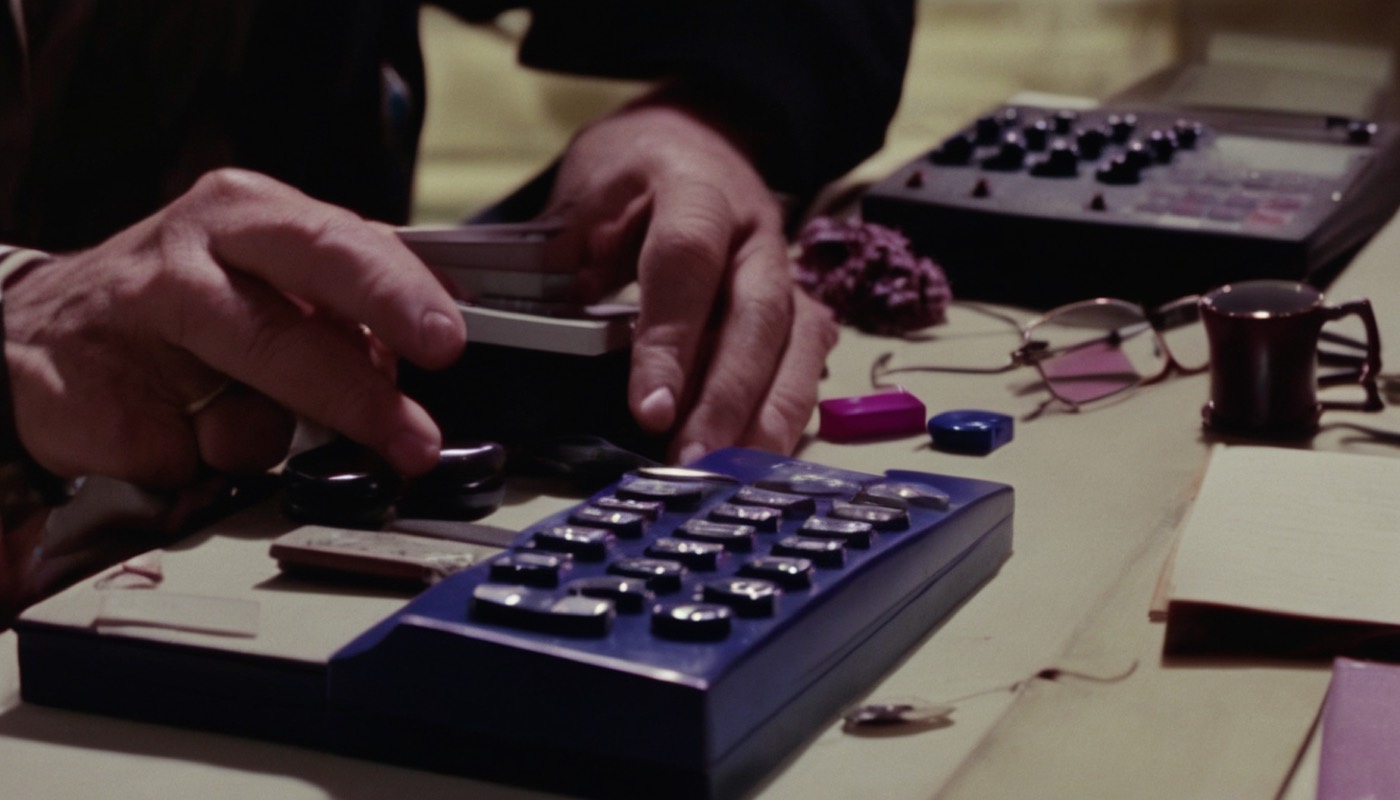
Through the late nineteen sixties and into the nineteen seventies, Hewlett-Packard moved from making instruments that measured things into making machines that computed things.
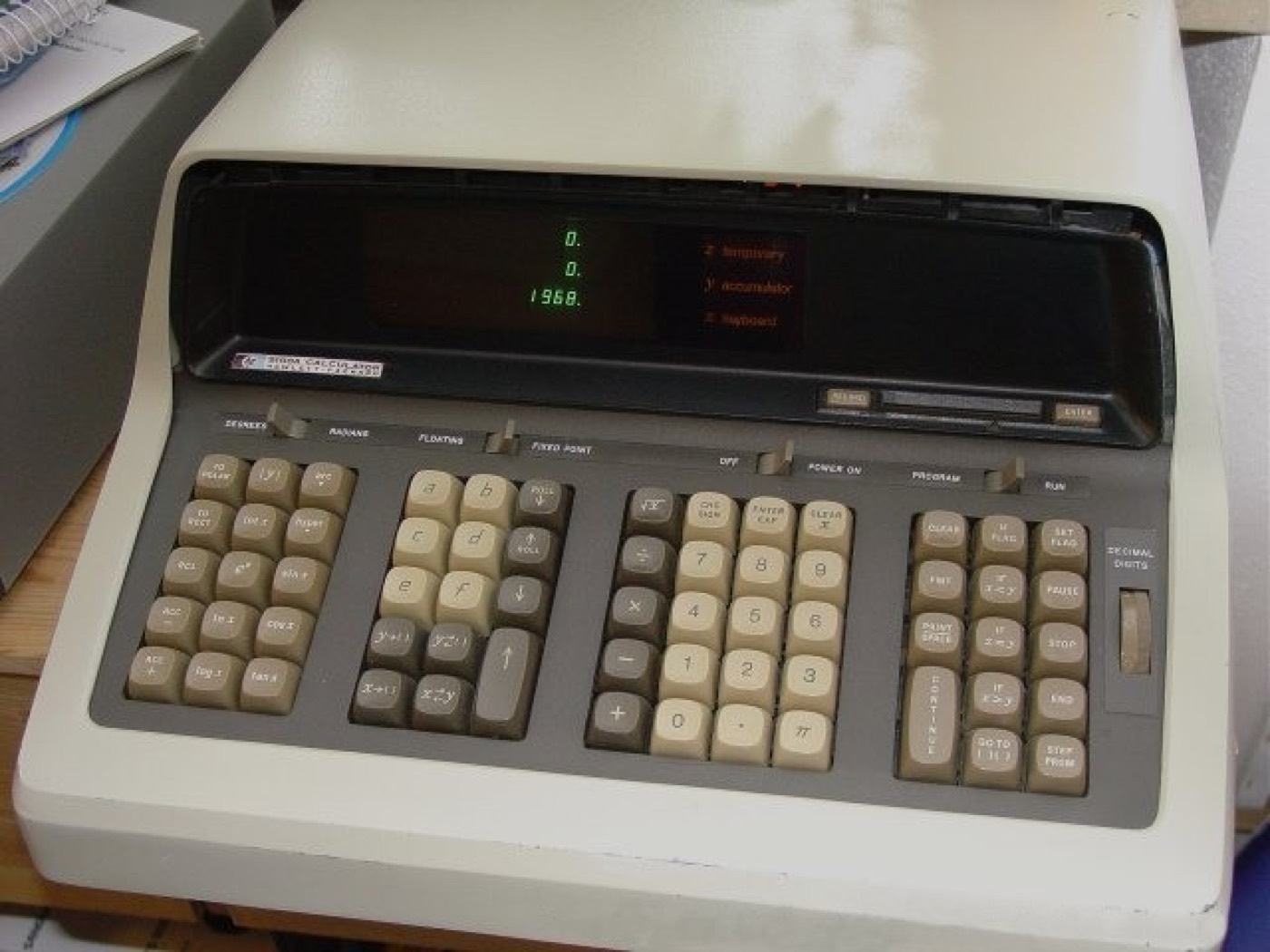
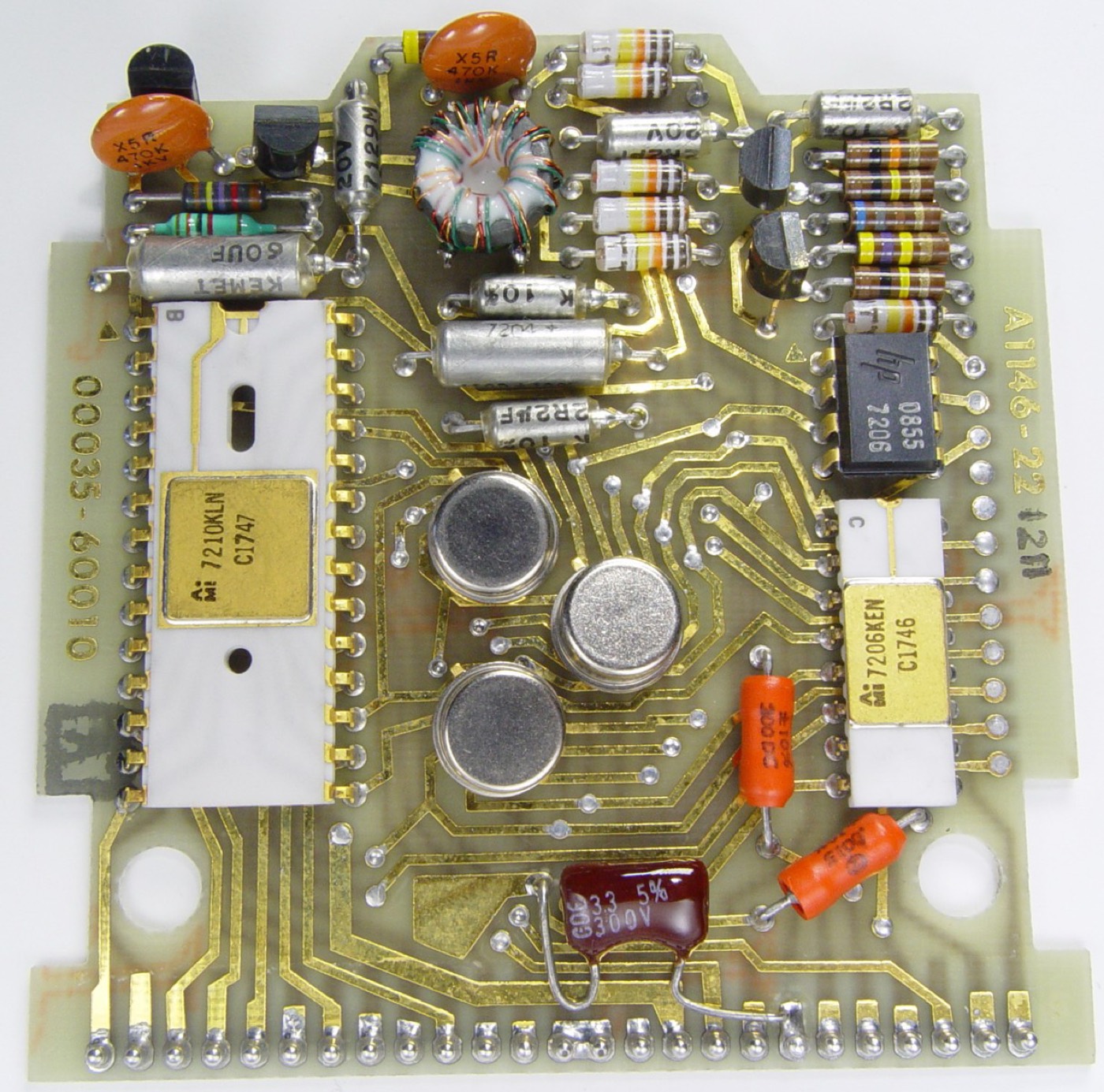
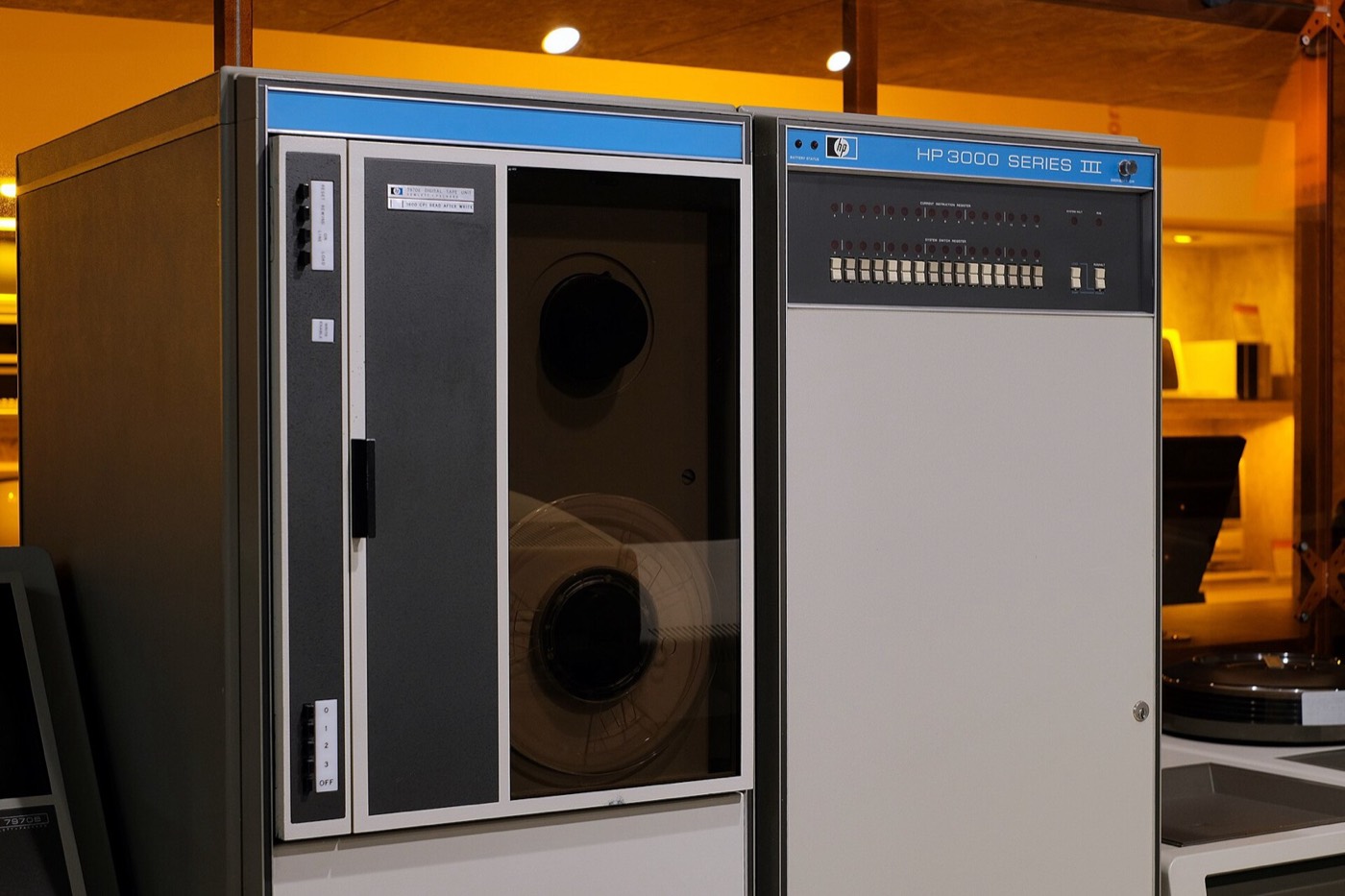
The timeline on screen marks four products from this period. The HP 2116A computer arrived in 1966. The HP 9100A desktop calculator followed in 1968. The pocket-sized HP-35 came in 1972. The HP 3000 business computer followed soon after that. Each one moved the company further from instruments and closer to computing.
The HP 2116A was built to control other instruments, but it also showed that HP could build a general-purpose computer, not just test equipment.
Two years later came the HP 9100A, a desktop calculator that filled a shoebox-sized case and could handle the kind of mathematics that had previously needed a much larger machine.
Then, in 1972, came the product that made Hewlett personally famous among engineers: the HP-35, the first scientific calculator small enough to fit in a shirt pocket.
The HP-35 could do trigonometry and logarithms — the functions engineers had previously needed a slide rule for — in a device you could carry in a pocket. Hewlett reportedly pushed the project because he wanted a pocket calculator for himself, and it changed what engineers carried to work. It sold for three hundred and ninety five dollars.
The HP 3000 business computer rounded out the decade, giving HP a foothold in computing that it would build on for years. By 1980, Hewlett-Packard was no longer only an instrument company. It was a calculator company and a computer company too.
5. The Printer Money Machine (1980-1992)
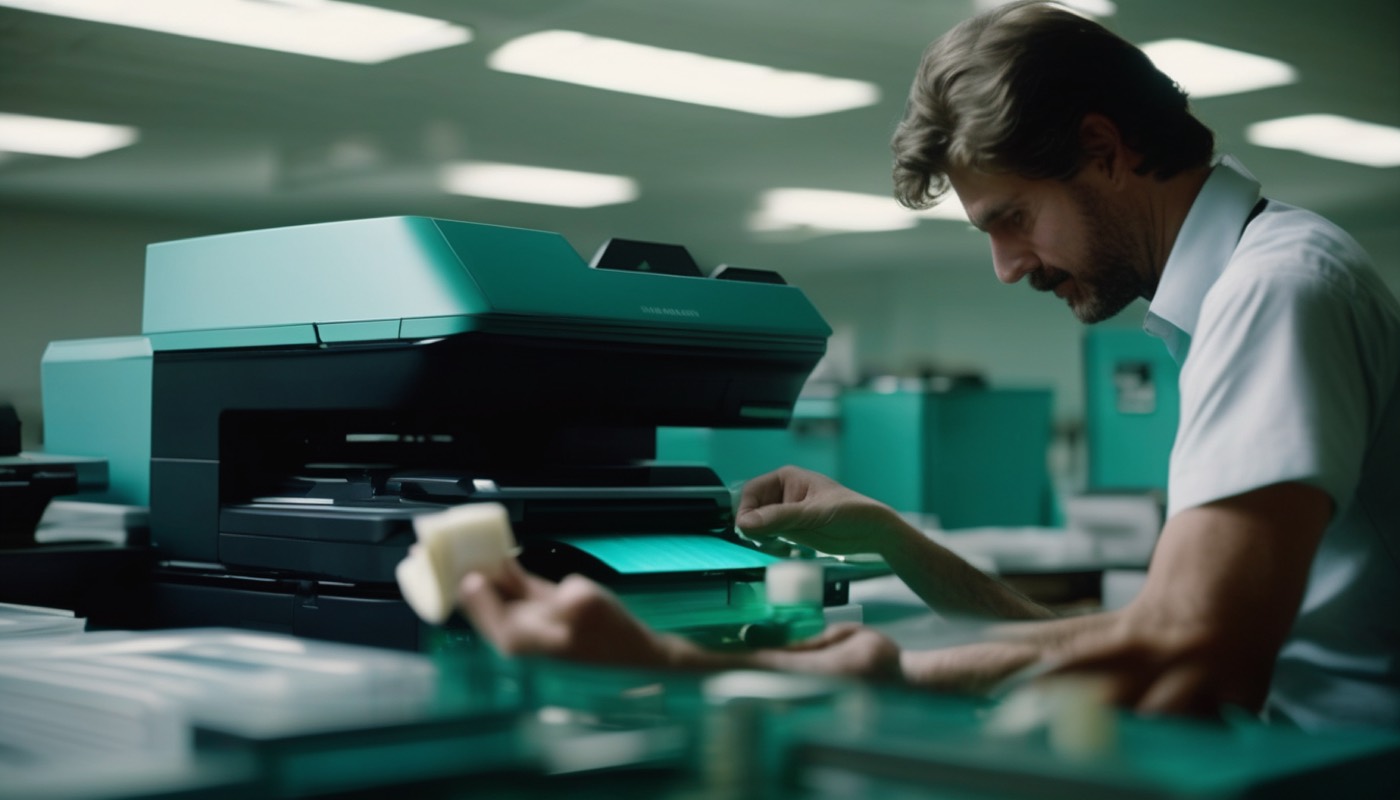
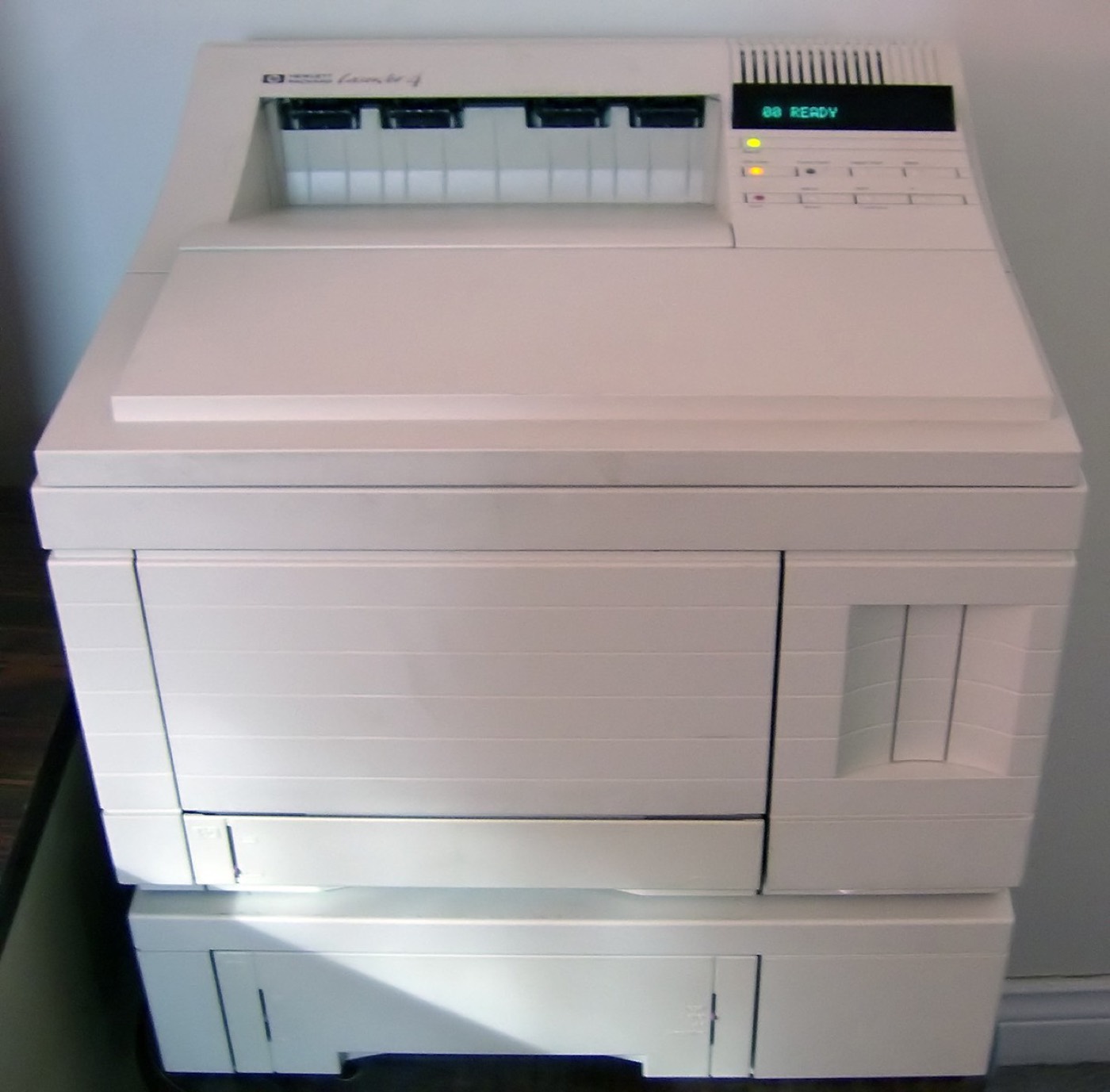
As the founders stepped back from day-to-day running of the company, Hewlett-Packard found a product line that would fund it for decades: printers.
In 1984 Hewlett-Packard launched two printers that defined the decade that followed. The ThinkJet sprayed ink onto the page, aimed at homes and small offices. The LaserJet used a laser and toner powder, and it became the standard machine for office printing worldwide.
The real money, though, was not in the printers themselves. It was in the ink cartridges and toner cartridges that customers had to keep buying.
The LaserJet and ThinkJet established what is sometimes called the razor-and-blades model. Sell the printer itself at a modest margin. Then sell the ink or toner it needs, again and again, for years. That recurring cartridge revenue became HP's single biggest source of profit.
John Young took over as chief executive from the founders and ran the company through most of the nineteen eighties. Lew Platt succeeded him in 1992, as Hewlett and Packard moved further from daily management.
Under both men, the printer business kept growing. By the early nineteen nineties, printing and the ink that went with it had become the engine funding almost everything else Hewlett-Packard did.
That success came with a quieter cost. As printing and personal computers grew to dominate HP's revenue, the original instrument business became a smaller slice of a much bigger company — a tension that would eventually have to be resolved.
6. Splitting Off the Roots (1999)
By the late nineteen nineties, Hewlett-Packard was really two different kinds of business living inside one company: the original test and measurement instruments that Hewlett and Packard had started with, and the much larger computer and printer business that had grown up around it.
In November 1999, Hewlett-Packard spun off its original test and measurement business as a separate company called Agilent Technologies. The instruments that had been HP's first product line, the one Hewlett himself had invented, became a company of its own.
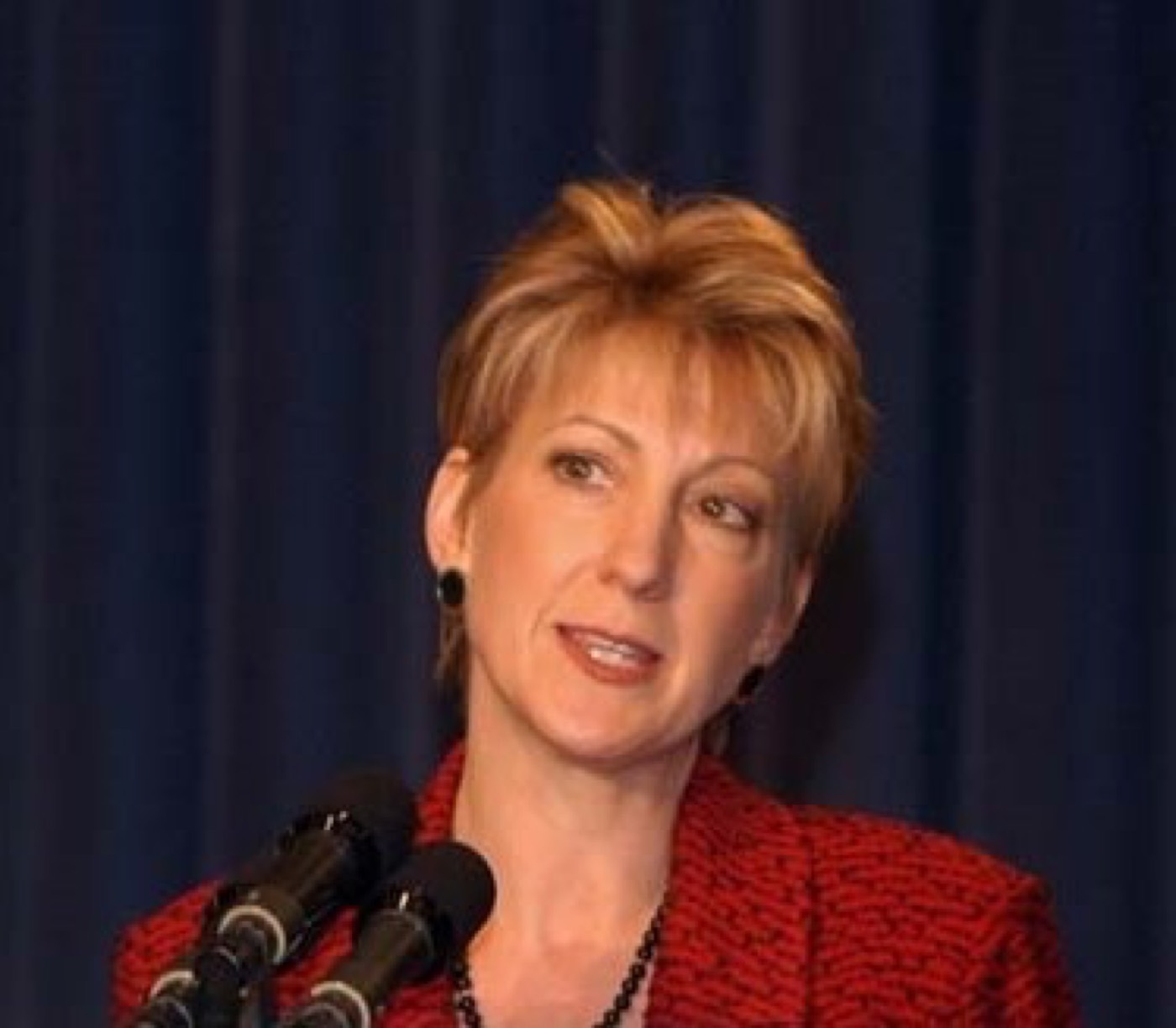
The same year, HP's board went outside the company for a new chief executive for the first time, hiring Carly Fiorina, who had previously run a division of Lucent Technologies.
Fiorina was named HP's chief executive in July 1999, the first outsider and the first woman to lead the company. She took over a firm that had just given up the business it was founded on, and her job was to decide what the remaining, much larger company should become.
It was a striking move for a company built on continuity from its founders. The board handed the top job to someone who had never worked there, right after cutting away the division that carried the company back to its first product.
Fiorina would not wait long before making her first big bet, and it would become the most contested decision in the company's history.
Both founders were still alive when Agilent was spun off, and both had worried publicly that the company they had built was losing its engineering culture. Hiring an outsider to run what remained was, in its own way, an answer to that worry.
7. The Compaq Fight (2001-2005)
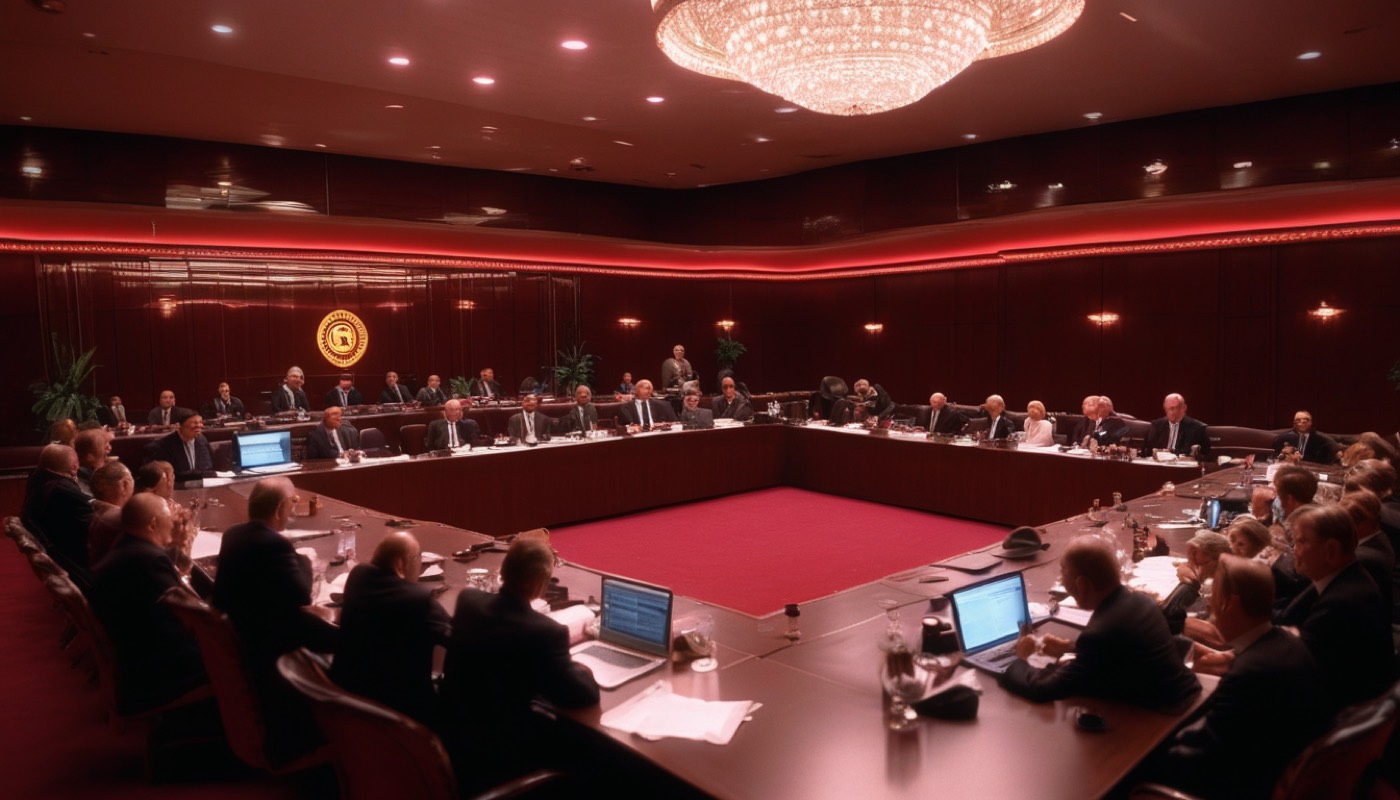
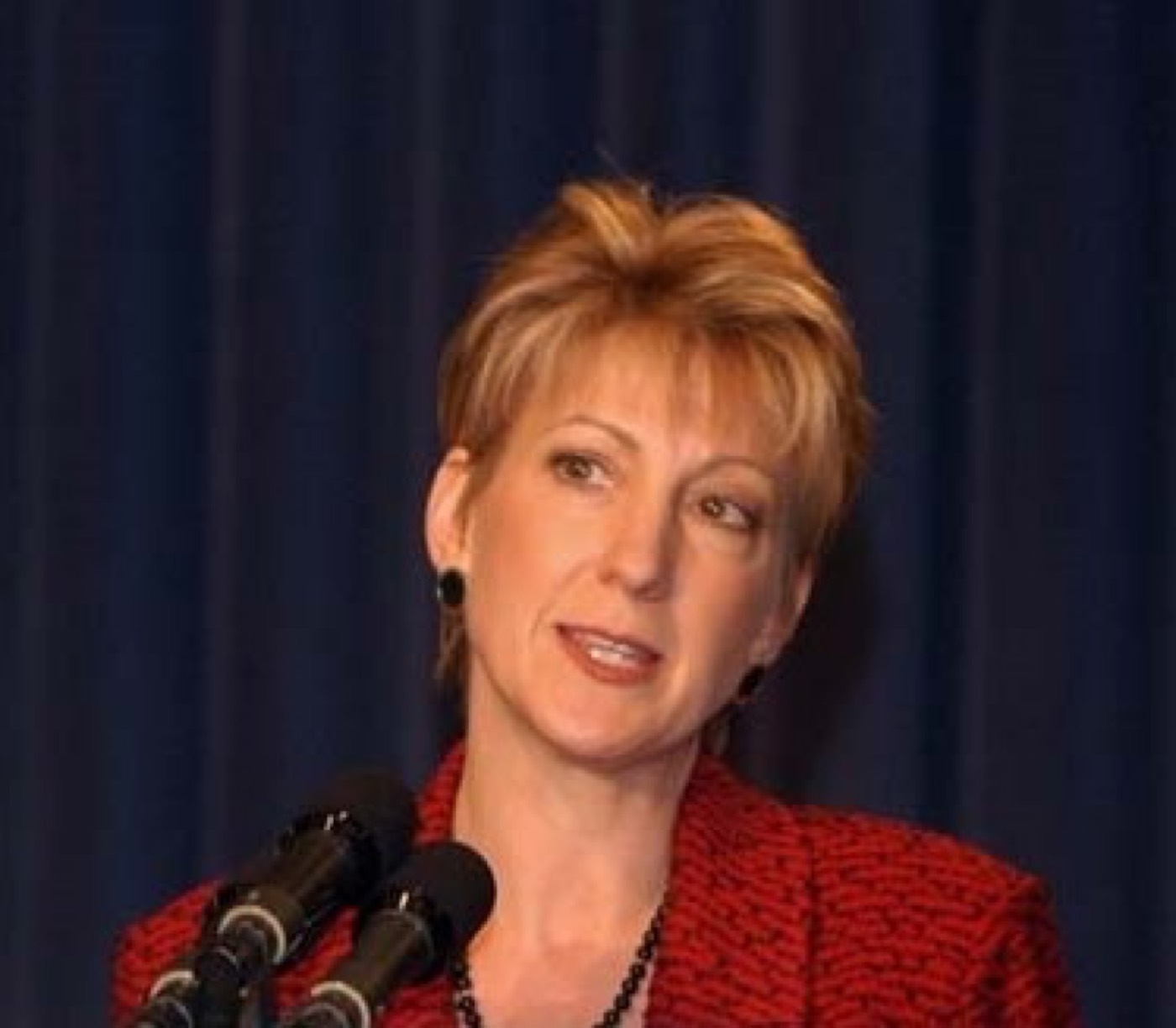
In 2001, Fiorina proposed merging Hewlett-Packard with Compaq, another large computer maker, to create a company big enough to compete with IBM and Dell on price and scale.
Fiorina's plan to merge with Compaq, announced in 2001, would have combined two of the biggest personal computer makers in the world into one company. Supporters said scale was the only way to survive; critics said it meant merging two struggling businesses into one bigger struggling business.
Walter Hewlett, Bill Hewlett's son and a member of HP's board, publicly opposed the deal and ran a proxy fight — a campaign to persuade shareholders to vote against the board's own recommendation.
Walter Hewlett put his objection on the public record, in a filing with US regulators: "we believe that the HP/Compaq merger will destroy stockholder value." He spent millions of dollars of his own money campaigning against his own family's board.
On the nineteenth of March, 2002, shareholders voted, and the result was close: roughly fifty-one per cent in favour, enough for the merger to proceed. The deal closed on the third of May.
The vote on the Compaq merger passed by a margin of about fifty-one per cent, one of the narrowest outcomes ever recorded for a deal that size. The timeline on screen marks the 2001 announcement and the March 2002 vote. It ends with Fiorina's departure three years later.
Fiorina stayed on to run the combined company, but the merger never delivered the gains she had promised. In February 2005, HP's board forced her out as chief executive.
8. Spies in the Boardroom and Hurd's Cuts (2005-2010)
Fiorina's successor, Mark Hurd, arrived with a reputation for cutting costs, and he set about trimming HP's workforce and spending almost immediately.
Mark Hurd became HP's chief executive in 2005, after Fiorina's departure, and he was known for aggressive cost control rather than big strategic bets. Investors initially welcomed the change in style.
But before Hurd's cost-cutting could define his tenure, the company found itself in a different kind of trouble. In September 2006, it emerged that HP's own board, under chair Patricia Dunn, had hired investigators to find a boardroom leak.
The investigators used a practice called pretexting: lying about who they were, to get phone companies to hand over the private call records of board members and journalists. The scandal became public in September 2006, a congressional hearing followed that same month, and Dunn resigned.
Hurd survived the scandal and went on to make HP's largest acquisition up to that point: buying the technology-services company EDS for about thirteen point nine billion dollars, completed in August 2008.
The timeline on screen marks the pretexting scandal in September 2006 and the EDS purchase in August 2008. Hurd then resigned in 2010, over an unrelated expense-reporting dispute. Three very different events, inside one decade of HP's history.
Hurd's exit in August 2010 left HP looking for yet another chief executive. The choice the board made next would prove far more costly than anything that came before it.
9. Palm, TouchPad and Autonomy (2010-2012)
Leo Apotheker took over as chief executive in November 2010, and in less than a year in the job he made two of the most criticised decisions in HP's history.
Apotheker's HP had bought Palm, the smartphone maker, earlier in 2010, hoping its webOS software could power a new line of devices. The plan centred on a tablet computer called the TouchPad.
The TouchPad launched in the summer of 2011 to weak sales, and HP killed the product after just forty-nine days on the market.
HP announced it was ending the TouchPad on the eighteenth of August, 2011. The very same day, it announced a deal to buy a British software company, Autonomy, for eleven point one billion dollars.
HP paid eleven point one billion dollars for Autonomy on the eighteenth of August, 2011. A little over a year later, HP wrote down eight point eight billion dollars of that purchase, saying it had found accounting irregularities at the company before the deal closed.
The comparison on screen shows those two figures side by side: eleven point one billion dollars paid, against eight point eight billion dollars written off. It remains one of the most expensive single mistakes in the company's history.
Apotheker did not survive the fallout. The board replaced him before the Autonomy write-down was even announced, bringing in a new chief executive with a very different reputation.
10. Whitman Breaks It in Two (2011-2015)
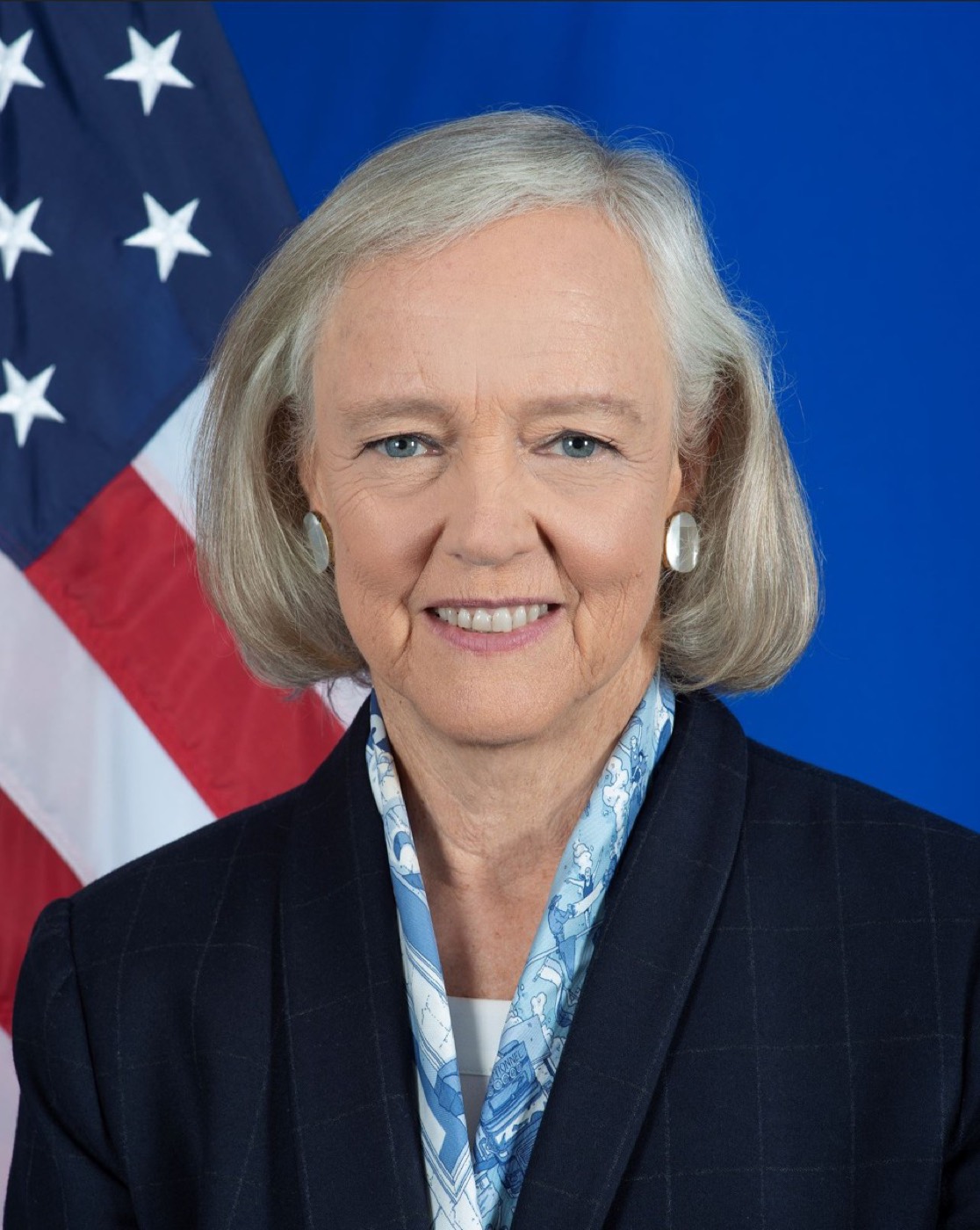
Meg Whitman, formerly the chief executive of eBay, took over at HP in September 2011. She inherited the Autonomy deal, the TouchPad failure, and a company unsettled by a run of chief executives.
Whitman's turnaround plan focused on cutting costs, stabilising the printer and personal-computer business, and rebuilding trust with investors after years of boardroom turmoil. It took years rather than months to show results.
Rather than trying to hold one sprawling company together, Whitman eventually concluded that HP would do better split into two separate, more focused businesses.
On the first of November, 2015, HP split into two public companies. HP Inc kept the personal computers and printers. Hewlett Packard Enterprise took the servers, networking and corporate-computing business. The diagram on screen shows that family tree. It starts with the original HP, then the Agilent spin-off in 1999, then the Compaq and EDS deals folded in along the way, and finally the 2015 split into the two companies that exist today.
Whitman became chief executive of Hewlett Packard Enterprise, the half built around corporate technology, while a separate leadership team ran HP Inc's consumer-facing printers and computers.
It was the opposite instinct from Fiorina's. Fiorina had tried to make HP bigger by merging with Compaq; Whitman made it smaller by splitting it in two, betting that two focused companies would do better than one unfocused one.
Investors largely welcomed the split. Each new company could be judged on its own numbers, with its own board and its own strategy, rather than folded into results mixing profitable printers with a struggling enterprise-technology business.
11. Two HPs and the Autonomy Reckoning (2015-2026)
Since the November 2015 split, HP Inc and Hewlett Packard Enterprise have gone in different directions, each chasing growth in the parts of the business it kept.
Hewlett Packard Enterprise built on the networking business it already had and added more of it, completing a roughly fourteen billion dollar purchase of Juniper Networks on the second of July, 2025. HP Inc, meanwhile, focused on printers and personal computers, including buying the headset and audio maker Poly.
The two deals on screen come from opposite ends of HP's history: Autonomy's old headquarters in Cambridge, England, and Juniper's headquarters in Sunnyvale, California. Both sit a long way from the Palo Alto garage where it all started.
While the two companies built their separate futures, the Autonomy case from 2011 was still working its way through the British courts.
In 2022, London's High Court ruled that HP had succeeded in its civil fraud claim over the Autonomy purchase. Autonomy's founder, Mike Lynch, was separately acquitted of related criminal charges in the United States in June 2024, then died that August. The civil case continued against his estate.
On the twenty-fifth of March, 2026, the High Court set the estate's final damages at nine hundred and twenty million pounds in total, and refused the estate permission to appeal that figure directly.
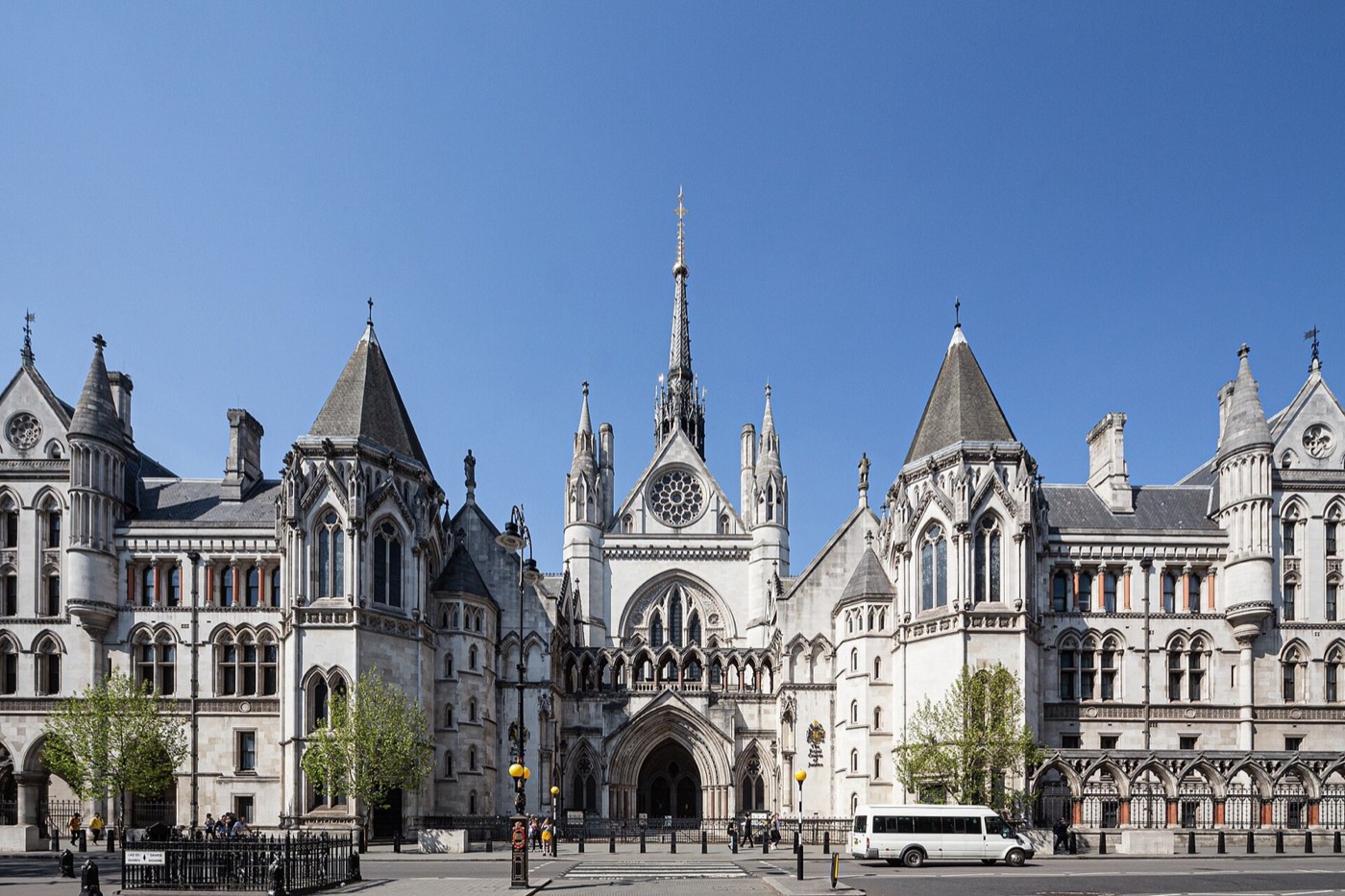
The Royal Courts of Justice in London is where the Autonomy case was heard and decided. Fourteen years after HP announced the deal, the court had only just finished settling what it had actually cost.
Lynch's estate can still apply to the Court of Appeal itself for permission, so the case may not be entirely finished even now. But for Hewlett Packard Enterprise, the ruling closes most of the legal chapter on a deal that began as an eleven point one billion dollar bet on software.
12. Where HP Stands Now (2026)
In 2026, both companies HP split itself into are reporting some of their strongest results since the separation, even as HP Inc went through another change at the top.
Enrique Lores stepped down as HP Inc's chief executive on the third of February, 2026, to take the top job at PayPal. Board member Bruce Broussard, previously chief executive of the healthcare company Humana, became interim chief executive that same day, while the board searched for a permanent replacement.
Weeks later, both halves of the old HP reported record numbers for the same quarter. Hewlett Packard Enterprise posted third-quarter revenue of twelve point two billion dollars, up thirty-four per cent. The results were announced in September 2026. HP Inc reported third-quarter revenue of fifteen point seven billion dollars, up twelve point five per cent, announced in August.
The bars on screen compare those two record quarters: twelve point two billion dollars at Hewlett Packard Enterprise against fifteen point seven billion dollars at HP Inc. Both were reported within weeks of each other in 2026. Split apart for over a decade, both companies were growing again at the same time.
Neither of those numbers has much to do with a garage on Addison Avenue, a coin toss over whose name came first, or eight oscillators bought by Disney. But the instinct behind all of it is close to the one Hewlett and Packard started with: build something useful, sell it well, and work out the next thing afterward.
That garage is still a California historical landmark. The company it started is now two separate companies, each bigger than almost anything its founders could have imagined, and each still working out what comes next.
Sources and credits
Photo credits (Wikimedia Commons)
- Dave Packard, HP co-founder (public-domain photo from his service as U.S. Deputy Secretary of Defense): Department of Defense Historical Office Public Affairs, Public domain - https://commons.wikimedia.org/wiki/File%3ADavid-Packard-DepSecDef.jpg
- Fred Terman, Stanford professor who mentored Hewlett and Packard: Ric Teague, Public domain - https://commons.wikimedia.org/wiki/File%3AFrederick_Terman_%281955%29.jpg
- HP 9100A desktop calculator (1968): Benutzer:Poipoi at de.wikipedia, Public domain - https://commons.wikimedia.org/wiki/File%3AHP9100A.JPG
- HP-35 pocket calculator main board (1972): Kucharek 16:25, 16 September 2006 (UTC), Public domain - https://commons.wikimedia.org/wiki/File%3AHP_35_pocket_calculator_main_board.jpg
- Carly Fiorina, HP CEO 1999-2005: U.S. Department of Commerce, Photographic Services, Public domain - https://commons.wikimedia.org/wiki/File%3ACarly_Fiorina_2003.jpg
- Meg Whitman, HP CEO 2011-2015: United States Department of State, Public domain - https://commons.wikimedia.org/wiki/File%3AMeg_Whitman%2C_U.S._Ambassador.jpg
- Royal Courts of Justice, London - seat of the High Court that ruled on the Autonomy case: This image was produced by me, David Castor (user:dcastor). The pictures I submit to the Wikipedia Project are released to the public domain. This gives you the, CC0 - https://commons.wikimedia.org/wiki/File%3ARoyal_Courts_of_Justice_2019.jpg


Primary sources
- David Packard, 'The HP Way' (HarperBusiness, 1995)
- Michael S. Malone, 'Bill & Dave' (Portfolio, 2007)
- US House Energy and Commerce Committee hearing record, 28 September 2006 (pretexting scandal)
- HP / HPE separation press releases, 1 November 2015.
- UK High Court - ACL Netherlands B.V. and others v Michael Richard Lynch and another, judgments 2022 and March 2026.
- HPE - fiscal 2026 third-quarter results press release, September 2026.
- HP Inc - fiscal 2026 third-quarter results press release / Form 8-K, August 2026.
- HP Inc - leadership-transition Form 8-K, 3 February 2026; The Register, 3 February 2026.
- Computing.co.uk and GB News, March 2026 (Lynch estate damages ruling, appeal refused)
Not regulated financial advice.