
Is the Federal Reserve Still Independent?
For a year and a half, the President of the United States has demanded the Federal Reserve cut interest rates to near one per cent, called its chair a 'major loser,' and tried to fire a sitting Fed governor. This video asks whether the Fed's independence from politics is actually holding, or being worn away.
It starts with why central banks were built to sit outside electoral politics at all, then the 1970s failure that proved the point: Arthur Burns's Fed caving to pressure and letting inflation reach nearly 15% by 1980, and Paul Volcker's brutal fix, interest rates above 19% in 1981. It explains how the FOMC actually works today - 7 Senate-confirmed governors and a rotating cast of regional bank presidents - and the real levers a president has: appointment, public pressure, and an untested 'for cause' removal power.
Then 2025-2026: Trump's demands for 1% rates and his attempt to remove Governor Lisa Cook, the case's path to the Supreme Court and its narrow 29 June 2026 ruling, the Fed board's unanimous reappointment of 11 of 12 regional bank presidents on 10 December 2025, and the chair handover from Powell to Kevin Warsh in May 2026.
The video closes with the clearest answer the record gives: in September 2026, the FOMC under Trump's own pick raised interest rates, unanimously, against his explicit public demand for cuts.
Every figure is on screen with its source and date.
Tags
Chapters
- A question with a trillion-dollar answer
- Why central banks were built to say no
- The Great Inflation of the 1970s
- Volcker's shock therapy
- How the Fed actually sets rates
- The levers a president really has
- 2025: the pressure campaign opens
- The Lisa Cook case reaches the Supreme Court
- Reshaping the Fed from inside
- The regional presidents close a loophole
- What the data actually says
- How close has independence come to breaking?
Video notes
1. A question with a trillion-dollar answer

For most of 2025 and 2026, the President of the United States has been telling the Federal Reserve what to do. He has demanded interest rates near one per cent. He has called the Fed's chair a loser, in public, by name. He has tried to fire a sitting member of the Fed's board.
In April 2025, President Trump posted on Truth Social that Fed Chair Jerome Powell was "Mr. Too Late, a major loser," and should cut rates immediately. It was not a one-off remark. Over the following eighteen months, he repeated versions of the same demand in public, in writing, again and again.
None of that is normal. For nearly a century, the whole point of a central bank has been that it does not take instructions from whoever happens to be president. So the question this video asks is simple to state and hard to answer: is that independence actually holding, or is it being worn away one pressure campaign at a time?
This video is going to answer that question by tracing one argument: interest rates should be set by economic data, not by whoever is trying to win the next election. We will see where that idea came from, how it is built into law and practice today, and how close it has come to breaking in the last two years.
By the end, you will be able to judge for yourself what actually changed, and what, so far, has not.
2. Why central banks were built to say no
Here is the core idea, before any of the history. A central bank sets the interest rate the whole economy borrows against. Raise it, and borrowing slows, which cools spending and prices. Lower it, and borrowing speeds up, which can overheat an economy that is already running hot.
An elected politician has an obvious reason to want rates cut right before an election: cheaper borrowing feels good to voters, at least for a while. A politician has almost no reason to want rates raised right before an election, even when raising them is exactly what the economy needs. That mismatch is the whole argument for independence.
So the design question is: who should hold that lever? Give it to elected officials, and the lever gets pulled on an election timetable instead of an economic one. Give it to an institution insulated from that pressure, and the lever gets pulled when the data calls for it, even if the timing is politically painful.
America chose the second answer, formally, in 1951. Before then, the Federal Reserve was obliged to keep government borrowing costs low, first to help finance the Second World War and then the war that followed it. On the fourth of March 1951, the Treasury and the Fed announced they had reached "full accord" on separating the two jobs. That agreement, called the Treasury-Fed Accord, is the founding act of the independence this video is about.
That is the theory. What happens when the theory gets tested is the rest of this video, starting with the time it failed.
3. The Great Inflation of the 1970s
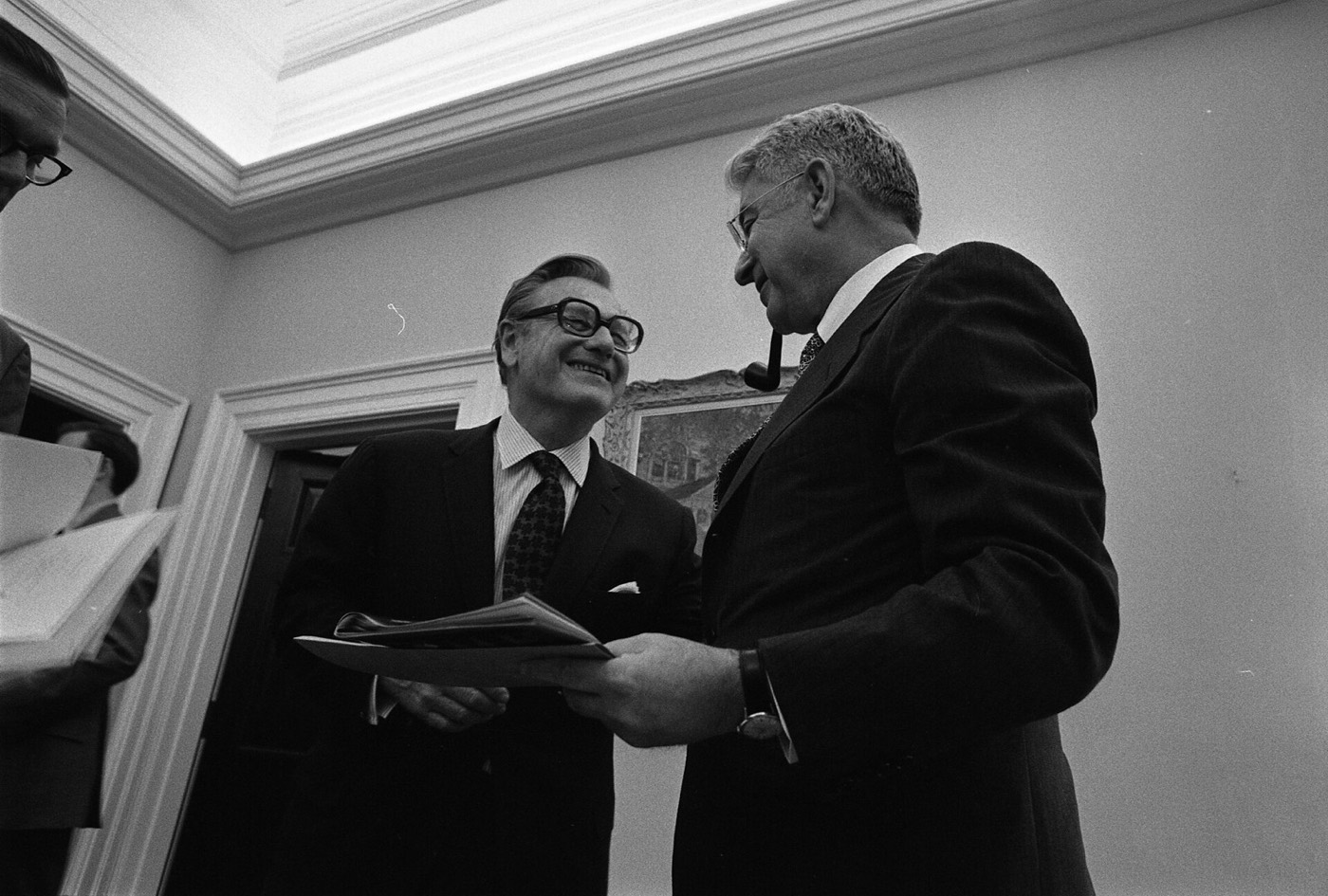
Arthur Burns became Fed Chair in 1970, under President Nixon. He is the example every economics textbook reaches for when it explains why independence matters, because he is the chairman who gave it away.
Arthur Burns chaired the Federal Reserve from 1970 to 1978, under sustained pressure from the Nixon White House to keep money cheap heading into the 1972 election. He largely obliged. Interest rates stayed low even as inflation climbed, because a recession before a presidential election was politically unthinkable to the people around Nixon.
The bill came due over the rest of the decade. Loose money, two oil shocks, and a Fed that kept flinching from the pain of raising rates let inflation run far longer than it should have.
By the time inflation peaked, in early 1980, it had reached nearly fifteen per cent a year, measured by the Consumer Price Index. Prices had climbed into double digits for most of 1979 and 1980 — a sustained spiral, not a single bad month.
Savings lost value every year they sat in a bank account. Wages chased prices and never quite caught them. And the man who finally stopped it was not Burns.
4. Volcker's shock therapy
Paul Volcker took over as Fed Chair in August 1979, and he did something no recent chair had dared: he let interest rates go wherever breaking inflation required, regardless of who it hurt or when.
Paul Volcker became Fed Chair in August 1979. Rather than targeting the interest rate directly, his Fed targeted the amount of money circulating in the economy, and let the interest rate swing freely as a result. It swung further than almost anyone expected.
The federal funds rate — the rate banks charge each other overnight, and the one the whole economy's borrowing costs are built on — rose to levels that look almost unbelievable now.
The federal funds rate rose above nineteen per cent on a monthly average in June 1981, touching as high as twenty-two per cent on individual days that July. Mortgages, car loans and business borrowing all priced off that number. It was, by a wide margin, the highest cost of money in modern American history.
It worked, and it was brutal. Two recessions followed, in 1980 and again in 1981 and 1982, and unemployment climbed into double digits. Inflation broke, and stayed broken for forty years.
Volcker's disinflation is the proof of concept this whole video rests on. An independent Fed did something no elected official would ever have chosen on their own — inflicted a recession deliberately — because the data said it was the only way to stop a worse outcome later. That is what independence is for.
Lay the whole episode out in order, and the shape of it is easy to see.
Volcker took over in August 1979. The first recession came in 1980. The rate peaked in 1981. The second recession, and the break in inflation, came in 1982.
5. How the Fed actually sets rates
So who actually makes that decision today? Not one person, and not the president. It is a committee, built with checks on its own members built in.
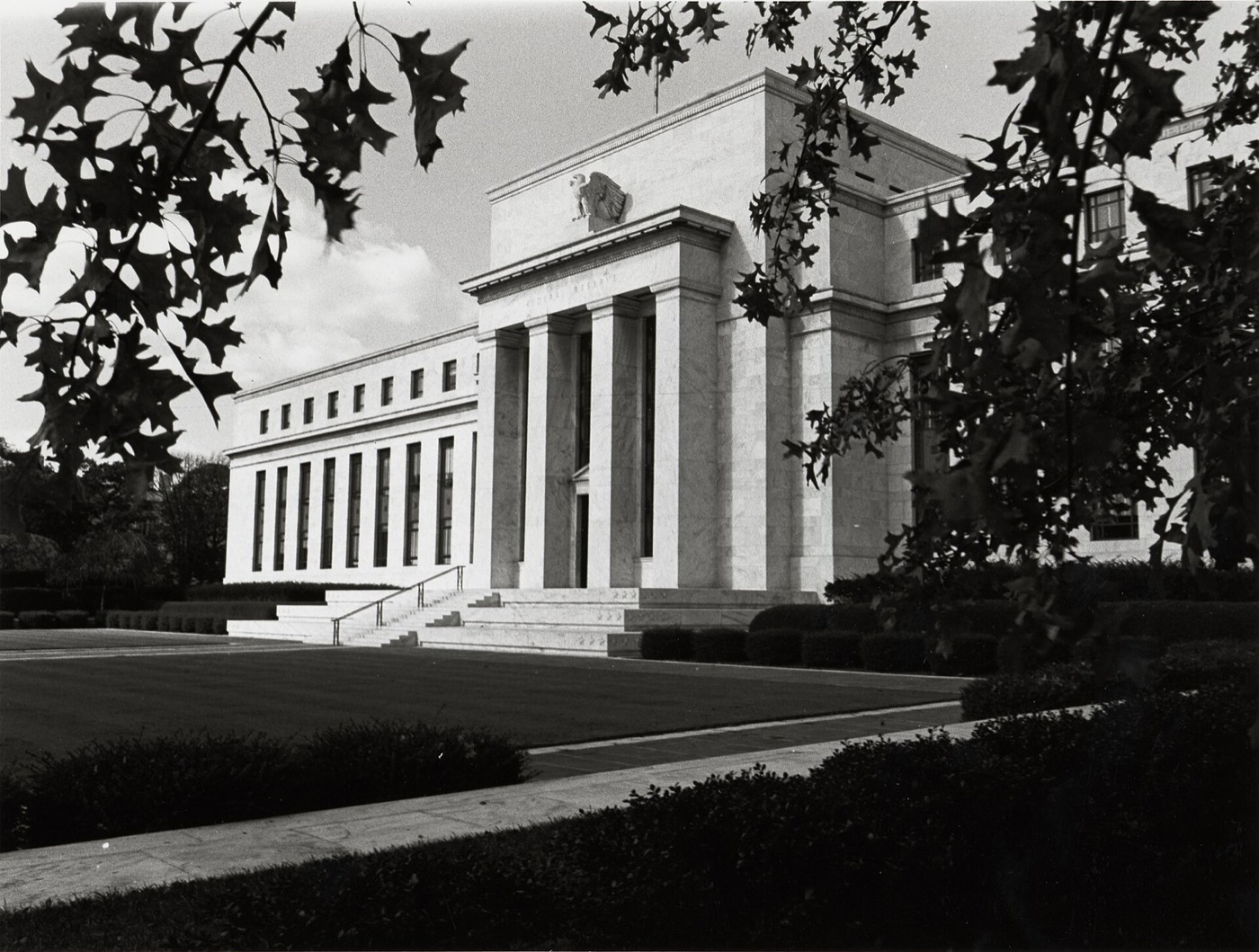
This is the Marriner S. Eccles Federal Reserve Board Building in Washington, DC, the Board of Governors' headquarters since 1937. Every meeting in the rest of this video happens inside it, governors and regional presidents around the same table.
That table seats a specific, and specifically designed, mix of people.
The Federal Open Market Committee, or FOMC, is the Fed's rate-setting body. It has twelve voting seats. Seven go to the Fed's Board of Governors, including the chair, all nominated by the president and confirmed by the Senate. One permanent seat belongs to the president of the Federal Reserve Bank of New York. The remaining four rotate each year among the other eleven regional Reserve Bank presidents.
Those regional presidents are not White House appointees at all. They are chosen by the private-sector boards of their own regional banks, subject to Board approval — one structural layer between the committee and any single administration.
The FOMC meets eight times a year. At each meeting, every voting member states a position, and the group settles on a single target range for the federal funds rate. No single vote, including the chair's, can set that number alone.
Two cities sit at the centre of that committee. Washington, DC is where the Board of Governors and the chair work. New York is where the one permanent regional seat, the Federal Reserve Bank of New York, is based.
That design is deliberate. A rate decided by twelve people, on staggered terms, drawn from two different appointment processes, is much harder for any one president to simply dictate.
6. The levers a president really has
None of that means a president has no influence at all. There are real levers. They are just slower and weaker than a phone call.
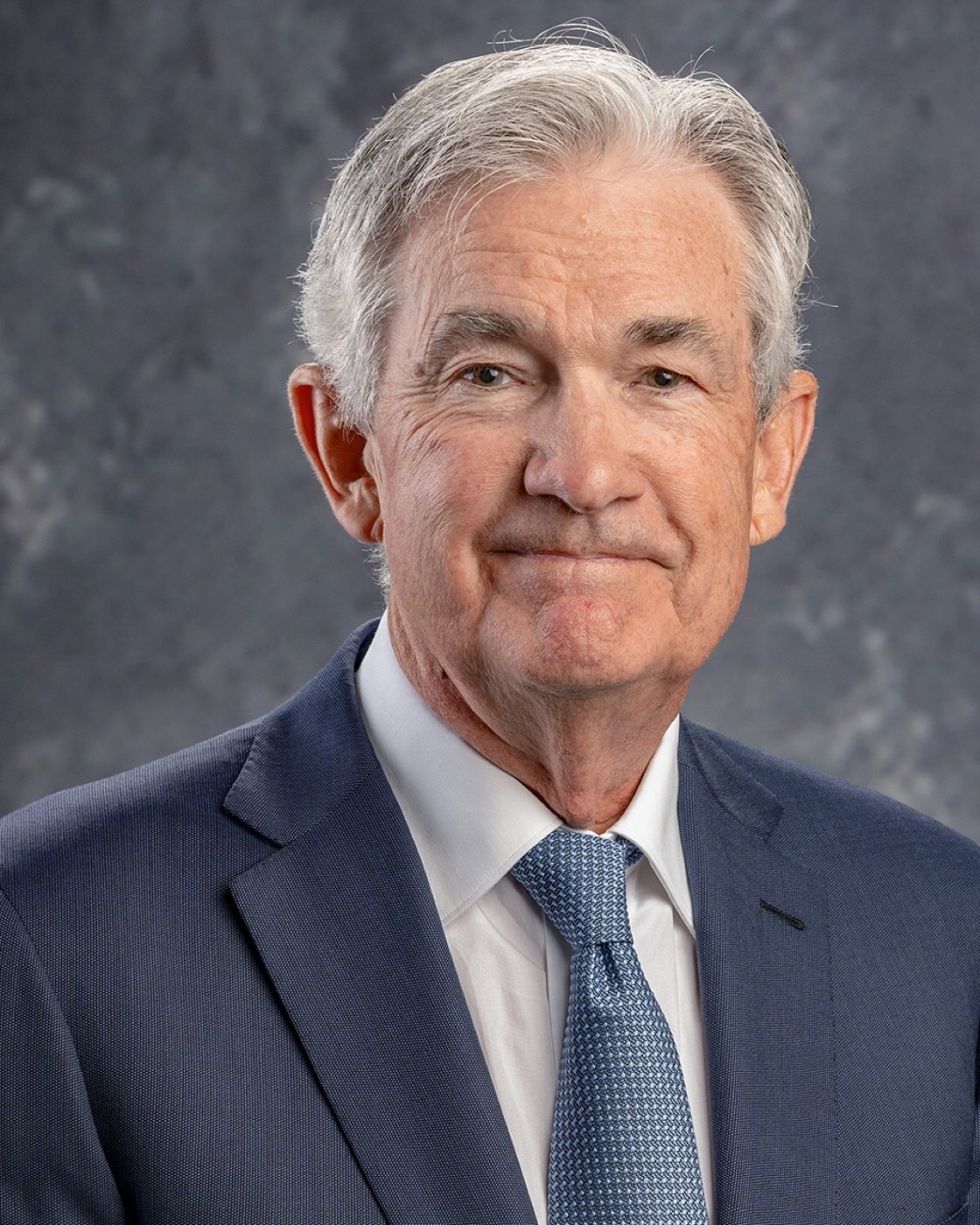
This is Jerome Powell, Federal Reserve Chair since 2018, first appointed by President Trump himself and then kept on by President Biden. Powell is the chair this video's pressure campaign is aimed at, and the clearest illustration of how little a president can do to a sitting chair once appointed.
A chair already in office is hard to touch directly. New appointments are where a president's actual power sits.
A president nominates every Fed governor and the chair, and the Senate must confirm each one. Governors serve fourteen-year terms, staggered so that no single president fills more than a few seats. The chair's own term is four years, renewable, layered on top of their fourteen-year governor seat.
That is the legal lever: appointment, not instruction. A president who waits long enough gets to reshape the board's membership. A president in a hurry does not.
Public pressure is a second lever, and it is the one most visible in this story. Statements, social media posts, and nicknames for the chair are all a president can use without anyone's permission — and they cost nothing to deploy, even if they rarely move a rate decision on their own.
The third lever is the sharpest, and the one nobody has ever actually tested in court until now.
The Federal Reserve Act allows a president to remove a governor, but only "for cause" — meaning proven misconduct connected to the job, not simply disagreement over how they vote. No governor had ever been removed that way before 2025. Whether "for cause" could ever be stretched to cover a policy dispute had never been decided by a court.
That untested lever is exactly the one the next four chapters are about.
7. 2025: the pressure campaign opens
Through 2025, the public pressure on the Fed escalated from criticism into an actual attempt to remove one of its members.
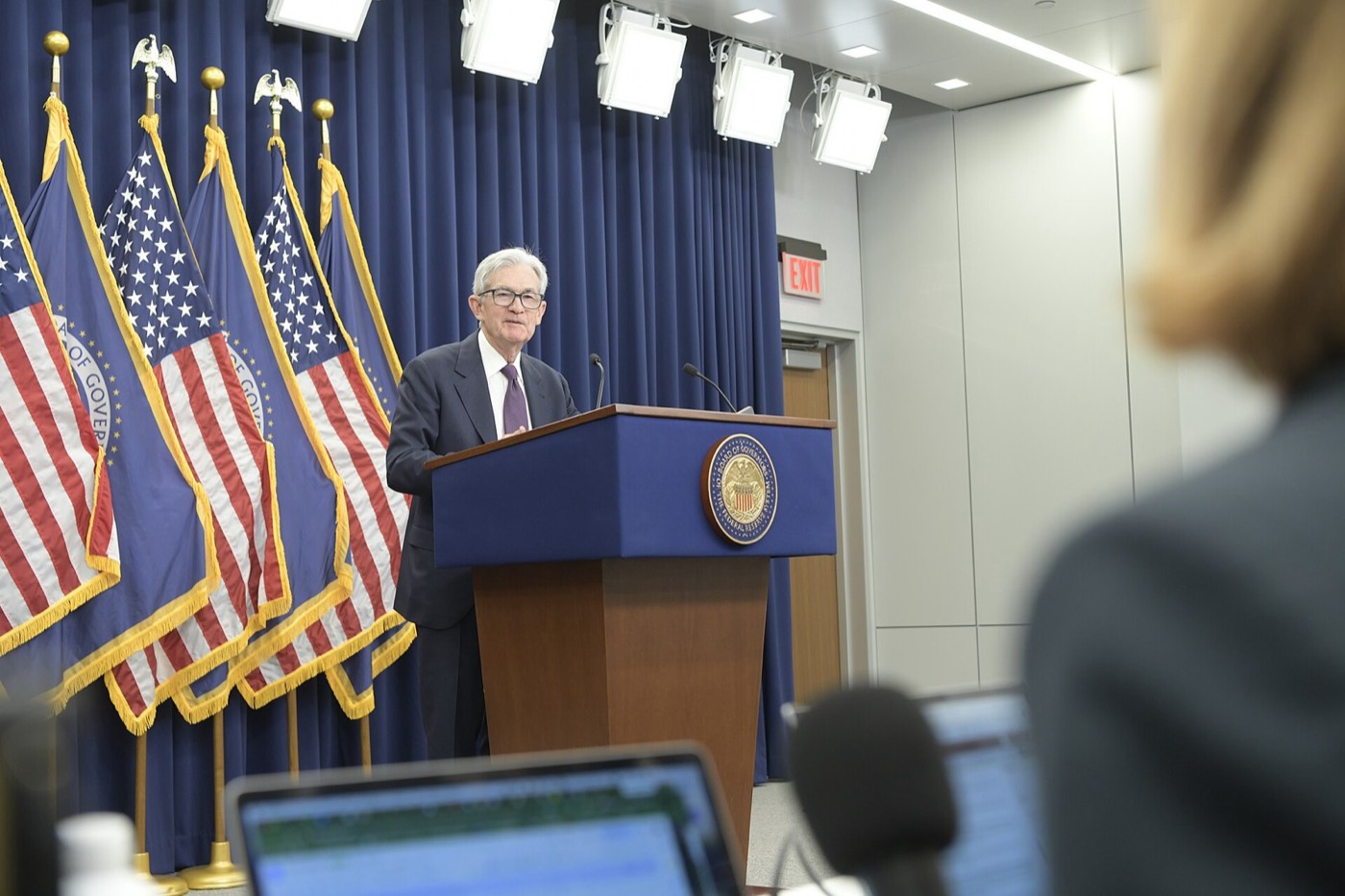
This is Jerome Powell, Federal Reserve Chair, answering reporters' questions after an FOMC meeting. He is the chair the pressure campaign has been aimed at since the start of 2025.
That pressure had a face and a voice, and in April it found its sharpest public line yet.
In April 2025, President Trump posted on Truth Social that Powell was "Mr. Too Late, a major loser," and demanded he cut rates immediately.
By September, Trump was demanding rates fall to one per cent or lower, and the rate never moved anywhere close to that number. In August, though, the pressure found a different target entirely: not the chair's policy, but one governor's seat.
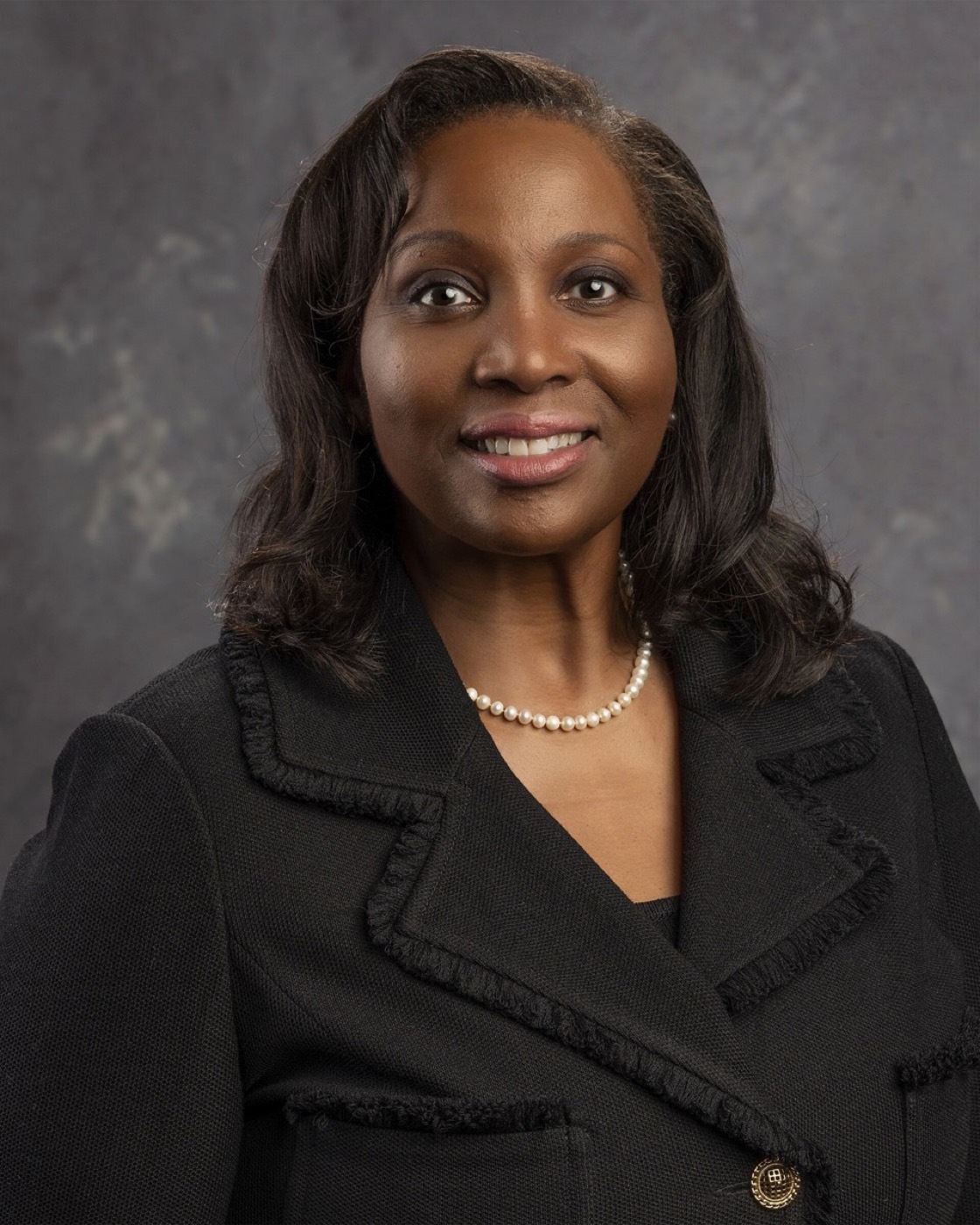
This is Lisa Cook, Federal Reserve Governor, appointed to a fourteen-year term in 2022. In August 2025, President Trump issued a letter purporting to fire her "for cause," citing mortgage-paperwork allegations she has denied.
It was the first attempt by any president to remove a sitting Fed governor, and the two sides disagreed about almost everything in it.
Two claims, directly opposed. The administration said mortgage-fraud allegations gave it lawful cause to remove Cook. Cook said she never received real notice of the charge, or any real chance to respond before the letter arrived.
Cook refused to leave, and the case moved immediately into the courts.
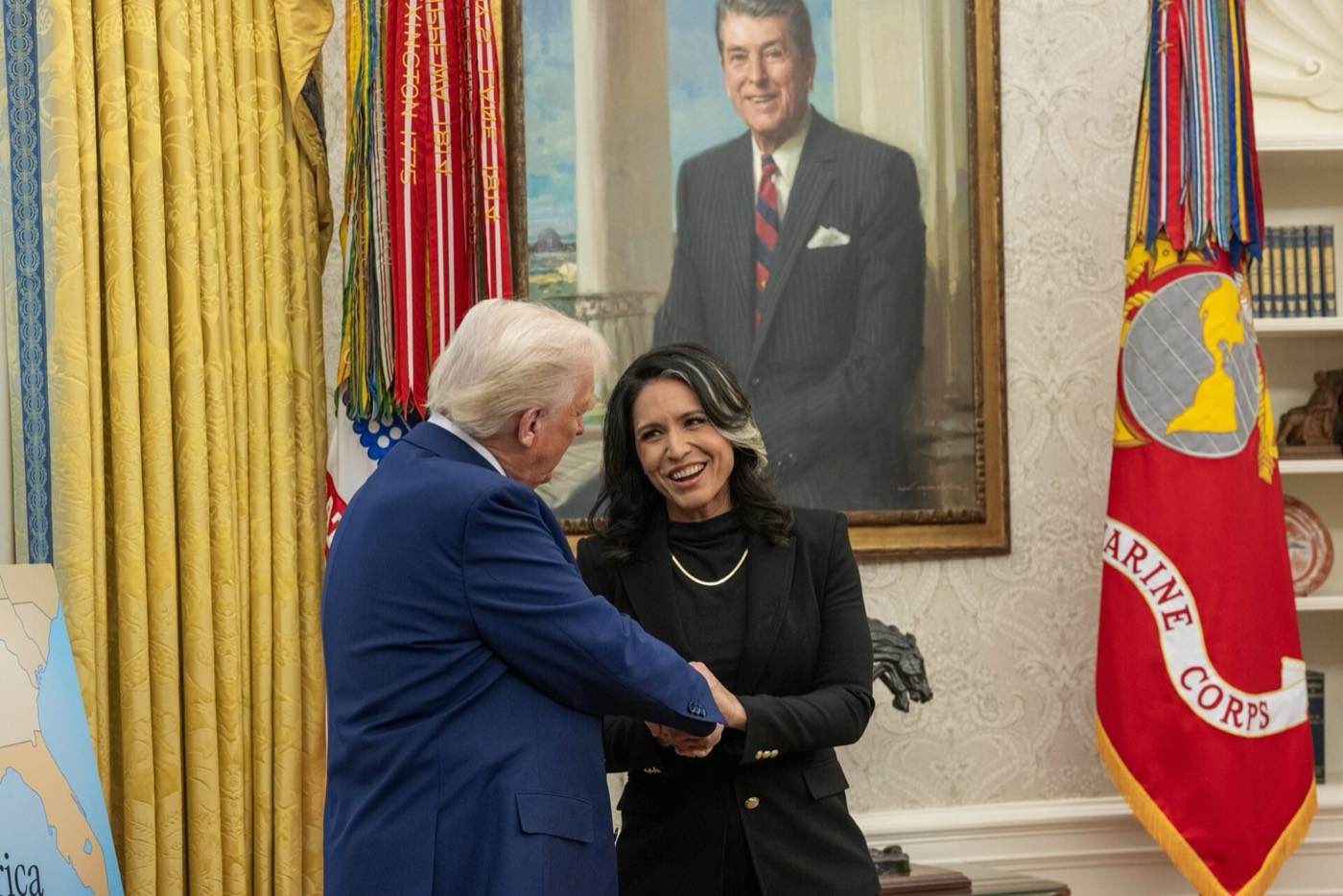
This is Donald Trump in the Oval Office. The letter that opened this dispute was issued from an office like this one, and it is the reason the case moved from a press fight into a federal court.
8. The Lisa Cook case reaches the Supreme Court
A federal district judge sided with Cook almost immediately, and the fight went all the way to the top of the court system.
On the tenth of September 2025, a federal district judge granted Cook a preliminary injunction, keeping her on the Board while the case continued. The administration asked the Supreme Court to lift that order. On the first of October 2025, the Court instead deferred the question, scheduling full argument for January.
That delay mattered on its own. It meant Cook kept her seat and her vote through the FOMC's final meetings of 2025 — including the one that produced this video's central piece of data, three chapters from now.
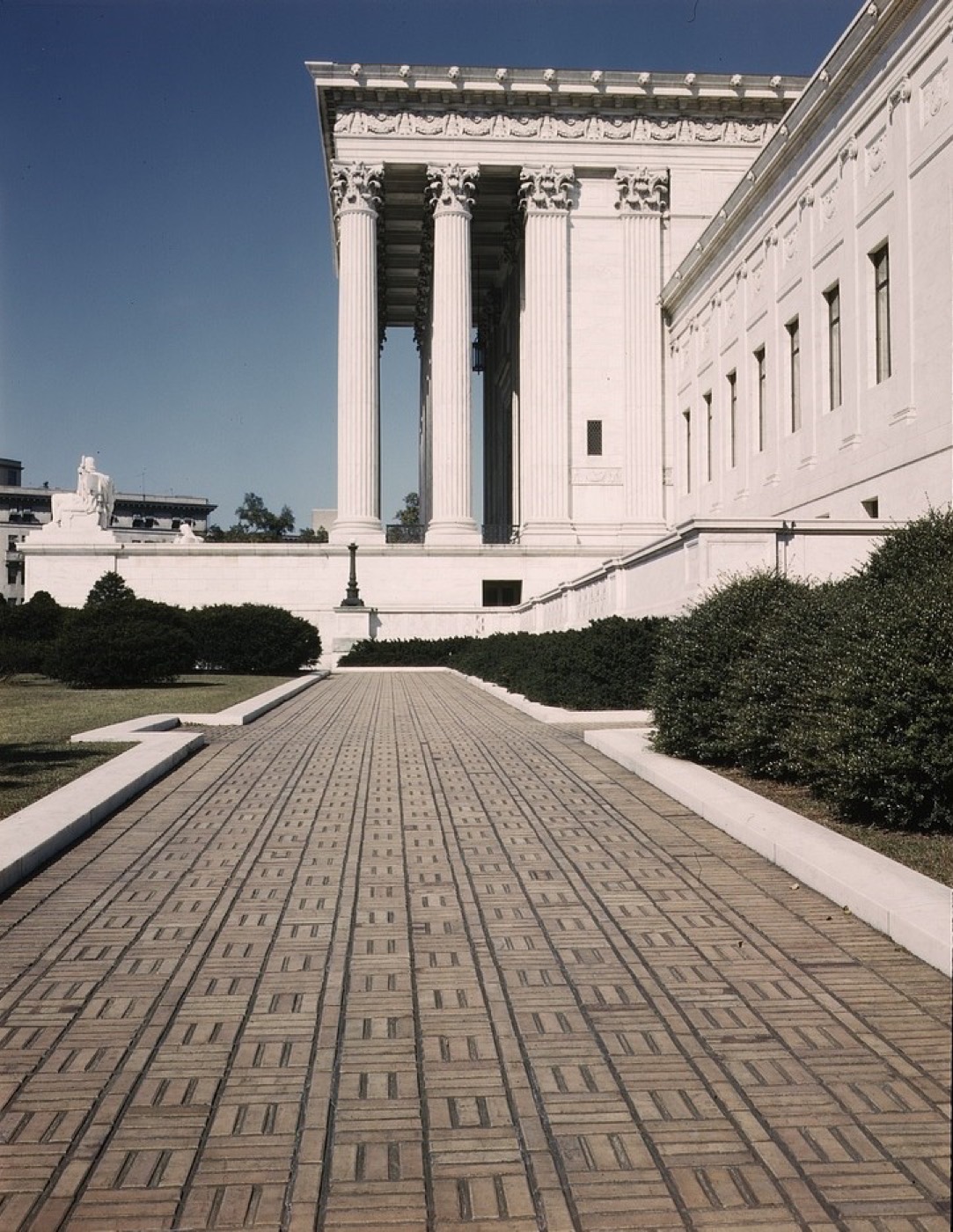
This is the U.S. Supreme Court building in Washington, DC. The case was argued there on the twenty-first of January 2026. On the twenty-ninth of June 2026, the Court ruled 5-4, with Chief Justice Roberts writing for the majority, that the order keeping Cook in her seat should stand while the underlying case continues.
That is a narrower result than it might sound. The Court refused to let the administration remove Cook immediately — but it did not decide, one way or the other, whether a president can ever remove a Fed governor "for cause" over a policy or conduct dispute like this one.
So the case the administration brought to settle the removal question left it open. Cook kept her seat. The power itself remains untested. Both of those facts matter for how this story has unfolded since.
9. Reshaping the Fed from inside
Removing a sitting governor through the courts turned out to be slow and uncertain. There was a faster route available all along: simply appointing new people, through the normal process, as seats opened up.
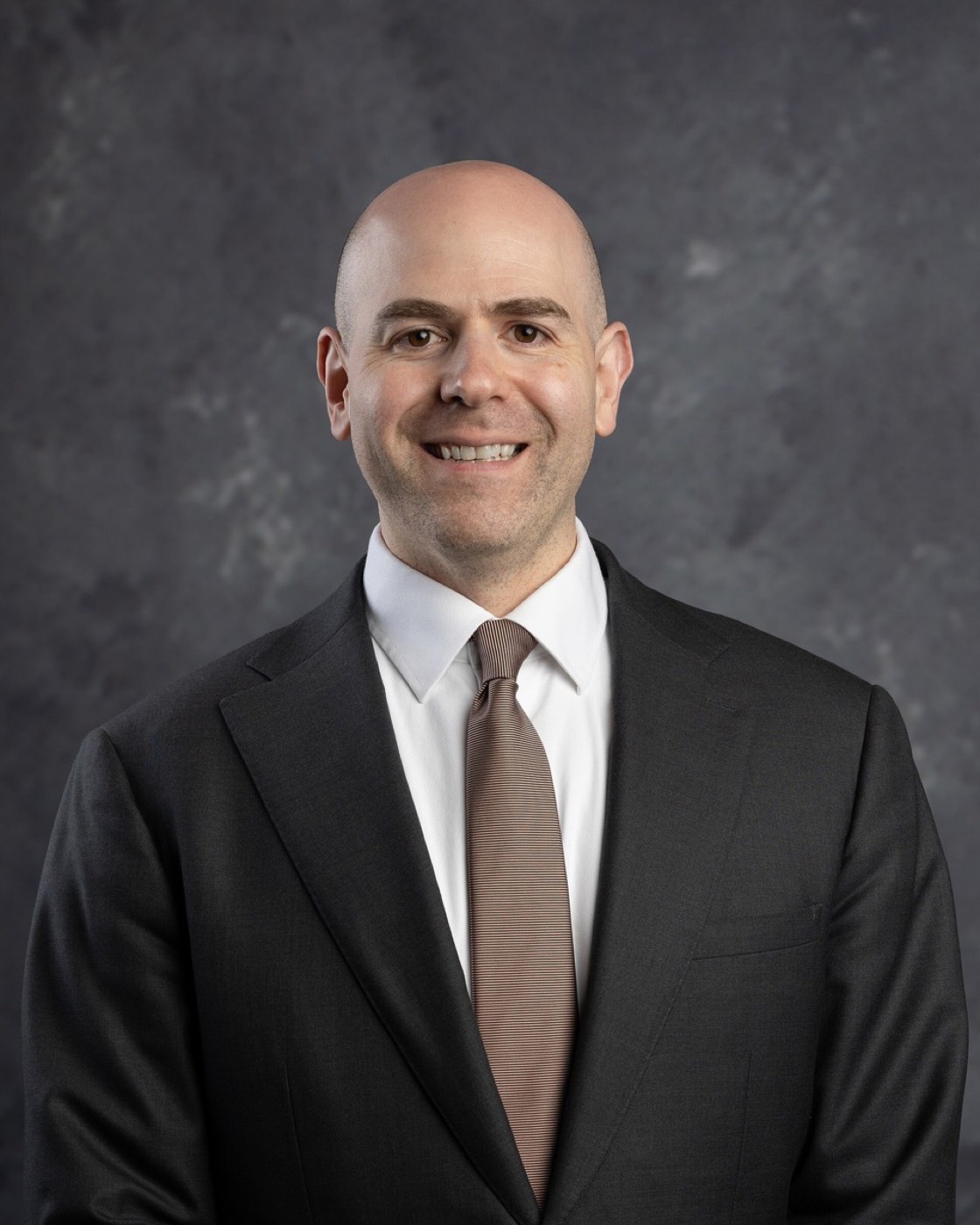
This is Stephen Miran, a Trump economic adviser confirmed to a Board seat in 2025. Unlike the attempt to remove Cook, appointing Miran required nothing unusual — a nomination, a Senate vote, a seat filled exactly as the law allows any president to fill one.
The bigger prize was always going to be the chair's office itself, since Jerome Powell's term as chair was fixed to end in May 2026.
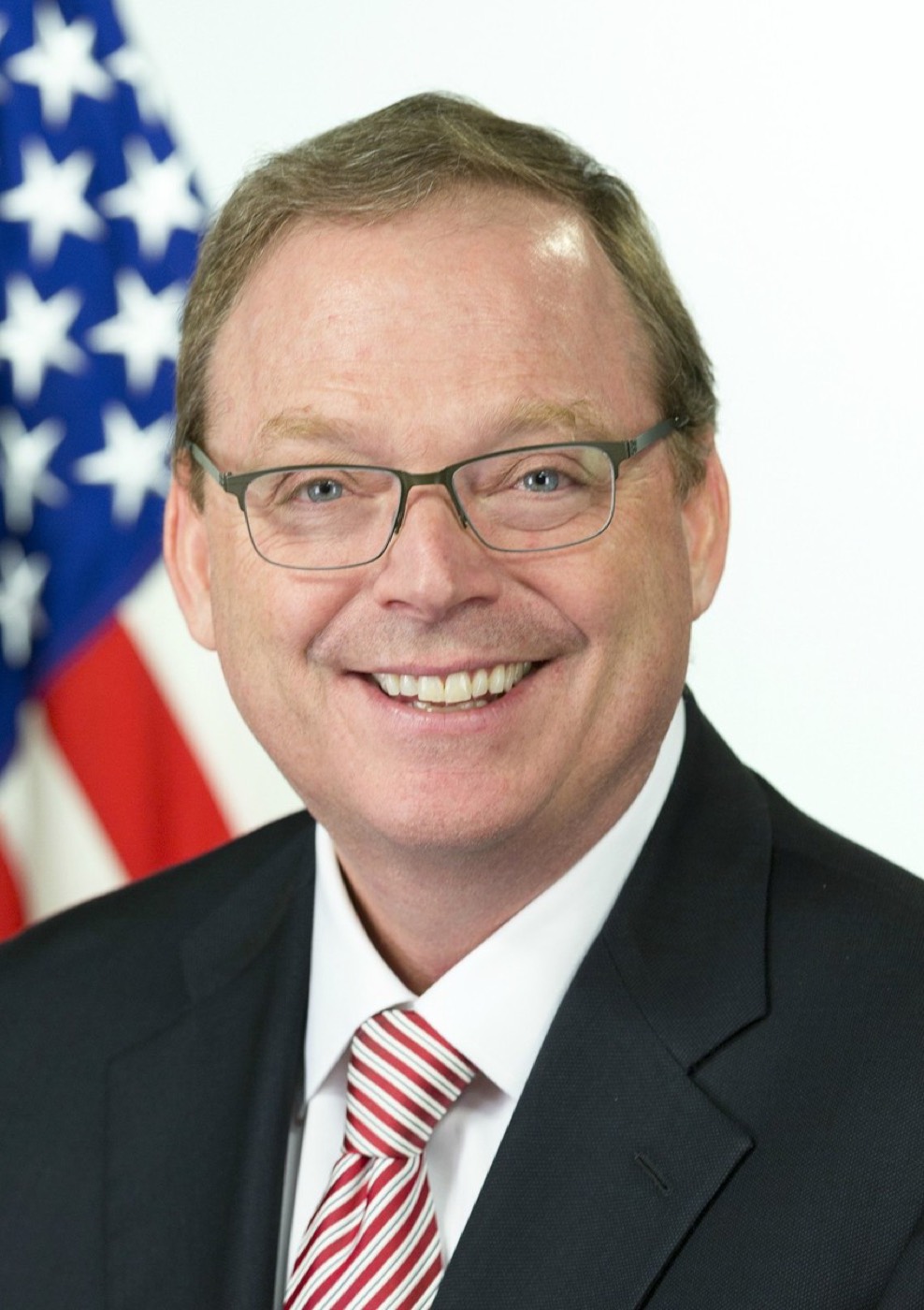
Through December 2025, reporting named Kevin Hassett, Director of the White House National Economic Council, as the frontrunner to replace Powell. On the thirtieth of January 2026, President Trump instead nominated Kevin Warsh, a former Fed governor. The Senate confirmed Warsh in May 2026, and his term as chair began that month, when Powell's ended.
A loyalist taking the chair looked, on paper, like the clearest sign yet that the pressure campaign was working. What that chair actually did with the job is this video's final turn, and it is not what you might expect.
This is Kevin Hassett, Director of the National Economic Council — the role he kept after being passed over for the chair himself. His backing of a separate Treasury proposal, discussed next, shows the pressure campaign did not end with one appointment.
10. The regional presidents close a loophole
While the chair's seat changed hands through the ordinary process, the Fed's own board moved to close off a different kind of opening before anyone could use it.
On the third of December 2025, Treasury Secretary Scott Bessent proposed requiring future regional Reserve Bank presidents to have lived in their district for at least three years before appointment, with the Fed's own Board able to veto anyone who did not qualify. He said it would apply only to future appointments, not existing ones.
A week later, the Fed's Board made that proposal almost beside the point, for the next five years at least.
On the tenth of December 2025, the Federal Reserve's Board of Governors unanimously reappointed eleven of the twelve regional Reserve Bank presidents to new five-year terms, starting the first of March 2026. Only Atlanta's Raphael Bostic was excluded, because he was already retiring. The vote included Trump's own appointee, Stephen Miran.
Reappointing almost everyone, months before their terms technically expired, meant there was no vacancy left for a new residency rule, or anything else, to reach.
Locking in eleven five-year terms at once removed, for half a decade, any opening the administration might have used to reshape who sits on the committee from the regional side. The Board that did it included the president's own appointee, voting the same way as everyone else.
11. What the data actually says

So: after all that pressure, what did the committee the Fed actually set the rate with do?
At its meeting on the tenth of December 2025, the FOMC cut the federal funds rate by a quarter point, to a range of three and a half to three and three-quarters per cent — its third cut that year, on a split vote. Its own published projections, the "dot plot," showed the committee expected just one further cut across the whole of 2026.
One cut, penciled in for an entire year, against a president publicly demanding rates fall to one per cent or below. That gap between demand and projection is the plainest evidence in this video that the pressure was not dictating outcomes.
A "dot plot" is simply the committee's own economic forecasts visualised: each policymaker submits a projection, anonymously, and all of them are plotted together so the spread of opinion is visible, not hidden behind a single average.
What happened after that is the strongest answer this video has found.
In June 2026, Kevin Warsh's first meeting as chair held rates steady, unanimously. Then, on the seventeenth of September 2026, the committee voted 12 to nothing — every member, including Trump's own appointees — to raise the rate by a quarter point, to three and three-quarters to four per cent. It was the Fed's first rate increase since 2023.
A president had spent a year and a half demanding lower rates from a chair he chose himself. That chair's committee raised them instead, unanimously.
12. How close has independence come to breaking?
Put everything in this video on a scale, and ask what actually moved, and what did not.
What survived: no Fed governor has been removed. The rate was never forced anywhere near the one per cent the administration demanded. Eleven of twelve regional bank presidents kept the seats a reshuffle might otherwise have reached. In September 2026, a Fed led by the president's own pick raised rates against his explicit public demand.
What changed is real too, and it should not be waved away just because the rate held.
What changed: an untested removal power has now been fully argued to the Supreme Court once, and the broader question of whether a president can remove a governor for cause remains open rather than settled in the Fed's favor. The chair now in office was chosen specifically for his loyalty, not for continuity with his predecessor. A mechanism for shaping future regional bank presidents has been proposed and is on the table.
Chair Warsh himself put the committee's reasoning bluntly, the day it raised rates against the president who appointed him.
Warsh called it "a sober decision, serious decision, responsible decision," adding that "the plain fact is that inflation is too high and has been for too long."
One decision produced two completely opposite reactions: the chair who made it called it sober and responsible, and the president who appointed him wanted it undone within hours.
Trump demanded lower rates again that same day, in a Truth Social post written mostly in capital letters.
Trump's post read, in part: "LOWER THE INTEREST RATES FOR THE UNITED STATES OF AMERICA, AND FAST!"
The vote behind that post was not close. Twelve members voted, zero dissented, and one president publicly demanded it be reversed anyway.
He told reporters afterward that he had spoken to Warsh directly, and dismissed the vote's weight entirely.
Trump said the vote "is not going to matter," adding that the board was "very hostile" and "very political."
A president said the outcome of a vote by the man he personally appointed would not matter. The vote still went twelve to nothing against him.
That gap — between what a president says about the Fed and what the Fed actually does — is the independence this video set out to measure.
Nobody knows whether the next test looks like this one. A removal case can still return to the Supreme Court and be decided on the merits. A future vacancy could still be filled differently. The three-year residency idea is still only a proposal.
What this video can say is what the record through October 2026 actually shows: pressure applied steadily, for a year and a half, by the most direct means available — and a rate that still moved on the data, not the demand.
Sources and credits
Photo credits (Wikimedia Commons)
- Arthur Burns, Federal Reserve Chairman, talking with Vice President Nelson Rockefeller outside the Cabinet Room: Unknown authorUnknown author or not provided, Public domain - https://commons.wikimedia.org/wiki/File%3APhotograph_of_Vice_President_Nelson_A._Rockefeller_and_Chairman_of_the_Federal_Reserve_Board_Arthur_Burns_Talking_outside_of_the_Cabinet_Room_-_NARA_-_7582446.jpg
- Marriner S. Eccles Federal Reserve Board Building, Washington DC: Federalreserve, Public domain - https://commons.wikimedia.org/wiki/File%3AUS_Federal_Reserve_Eccles_Building_1937.jpg
- Jerome Powell, Federal Reserve Chair, official portrait: Federalreserve, Public domain - https://commons.wikimedia.org/wiki/File%3AJerome_H._Powell%2C_Federal_Reserve_Chair.jpg
- Jerome Powell answering reporters' questions at an FOMC press conference: Federalreserve, Public domain - https://commons.wikimedia.org/wiki/File%3AChairman_Jerome_Powell_answers_reporters%27_questions_at_the_FOMC_press_conference_%2855239092858%29.jpg
- Donald Trump in the Oval Office, February 2025: Office of the Director of National Intelligence, Public domain - https://commons.wikimedia.org/wiki/File%3APresident_Donald_Trump_with_Director_Tulsi_Gabbard_in_the_Oval_Office%2C_February_2025.jpg
- Lisa D. Cook, Federal Reserve Governor, official portrait: Federalreserve, Public domain - https://commons.wikimedia.org/wiki/File%3ALisa_D._Cook%2C_Federal_Reserve_Governor.jpg
- U.S. Supreme Court Building, Washington DC: Office of War Information, Public domain - https://commons.wikimedia.org/wiki/File%3AU.S._Supreme_Court_Building_1a35454v.jpg
- Stephen Miran, Federal Reserve Governor, official portrait: Federalreserve, Public domain - https://commons.wikimedia.org/wiki/File%3AOfficial_portrait_of_Governor_Stephen_I._Miran_HIGH_RES_miran_stephen_%2854810191208%29.jpg
- Kevin Hassett, Director of the National Economic Council, official photo: Executive Office of the President of the United States, Public domain - https://commons.wikimedia.org/wiki/File%3AKevin_Hassett_official_photo.jpg


Primary sources
- Federal Reserve History, 'The Treasury-Fed Accord' - the 4 March 1951 agreement ending the Fed's wartime bond-price peg.
- Federal Reserve History, essays on Arthur Burns and the Great Inflation; Bureau of Labor Statistics CPI series - inflation reaching nearly 15% by early 1980.
- Federal Reserve Bank of St. Louis FRED, series FEDFUNDS, 1979-1982; Federal Reserve History, 'Volcker's Announcement of Anti-Inflation Measures' - the funds rate climbing above 19% in 1981.
- Supreme Court of the United States, docket No. 25A312, Trump v. Cook; SCOTUSblog case file; Faegre Drinker and Mayer Brown client summaries, 29-30 June 2026 - the Court's 5-4 denial of a stay, keeping Cook in her seat without deciding the broader removal question.
- Federal Reserve Board press release, 10 December 2025; Bloomberg, 11 Dec 2025 - the unanimous reappointment of 11 of 12 regional Reserve Bank presidents.
- Al Jazeera / Kitco News, 3 December 2025 - Treasury Secretary Bessent's proposed residency requirement for regional Fed presidents.
- Wire reporting on Kevin Warsh's nomination (30 Jan 2026) and Senate confirmation (May 2026), correcting the earlier Hassett-frontrunner reporting from December 2025.
- Federal Reserve Board, Summary of Economic Projections, 17 Dec 2025 meeting - the one-cut-for-2026 dot plot.
- The Star (Malaysia)/Reuters and Nation Thailand, 17 September 2026 - the FOMC's unanimous rate rise under Chair Warsh and Trump's same-day reaction.
- The London Economic / Good Morning America, April 2025 - Trump's 'major loser' Truth Social post about Powell.
Not regulated financial advice.