
No More Limits: Inside the New Nuclear Arms Race
On 5 February 2026, New START expired. For the first time in about fifty years, the United States and Russia have no treaty capping the world's two largest nuclear arsenals - and no mutual inspections checking what either side actually has.
This video explains what New START capped when it was signed in 2010 by Barack Obama and Dmitry Medvedev (1,550 deployed warheads and 700 deployed delivery vehicles per side), how it was verified through data exchanges and up to 18 on-site inspections a year, and how that ceiling held for fifteen years through periods of otherwise hostile US-Russia relations - until Russia suspended inspections in 2023 and a last-ditch offer from President Putin in September 2025 went unanswered before the treaty lapsed.
It covers what each power is building without a cap: the US's $140.9 billion Sentinel missile programme and $146 billion Columbia-class submarines; Russia's deployed warheads reaching 1,796 in early 2026, the highest since 2017; and China's fastest-growing arsenal of any nuclear power, on course to exceed 1,000 warheads by 2030.
It closes on what UN Secretary-General Antonio Guterres called 'a grave moment for international peace and security', and the diplomatic deadlock behind it: Washington wants a multilateral deal that includes China, and China has refused to join talks since 2020. No figure appears without its date, unit and source. No claim is made about the outcome of any future negotiation.
Educational documentary. Not financial or investment advice.
Tags
Chapters
- Cold Open: The Treaty Nobody Noticed Expiring
- What New START Actually Was
- The Verification Machine Behind the Numbers
- Fifteen Years of Quiet Stability
- Countdown to Expiry: The Failed Renewal
- What the US Is Building Now
- What Russia Is Building Now
- The Third Player: China's Fast Build-Up
- No Treaty, No Inspectors: What Changes in Practice
- What Experts and Officials Are Saying
- Could a New Deal Happen?
- Why This Matters to You
Video notes
1. Cold Open: The Treaty Nobody Noticed Expiring

On 5 February 2026, a treaty expired, and almost nobody outside a small world of arms-control specialists noticed. No ceremony marked it. No alarm went off. But for the first time in about fifty years, the United States and Russia woke up with no treaty at all capping the two largest nuclear arsenals on Earth.
The last time either country went without any numerical limit on strategic nuclear weapons was 1972, when the first SALT agreement entered into force. New START itself was signed in 2010 and took effect in 2011. It expired in 2026 — the newest link in a chain of treaties stretching back more than fifty years, and now, for the first time, a broken one.
That is not a small anniversary. It is the quiet end of an era.
This video explains what that treaty actually did, why it lapsed, and what changes now that nobody is required to count anyone else's warheads.
So start with the treaty itself — what it was, and what it was not.
2. What New START Actually Was

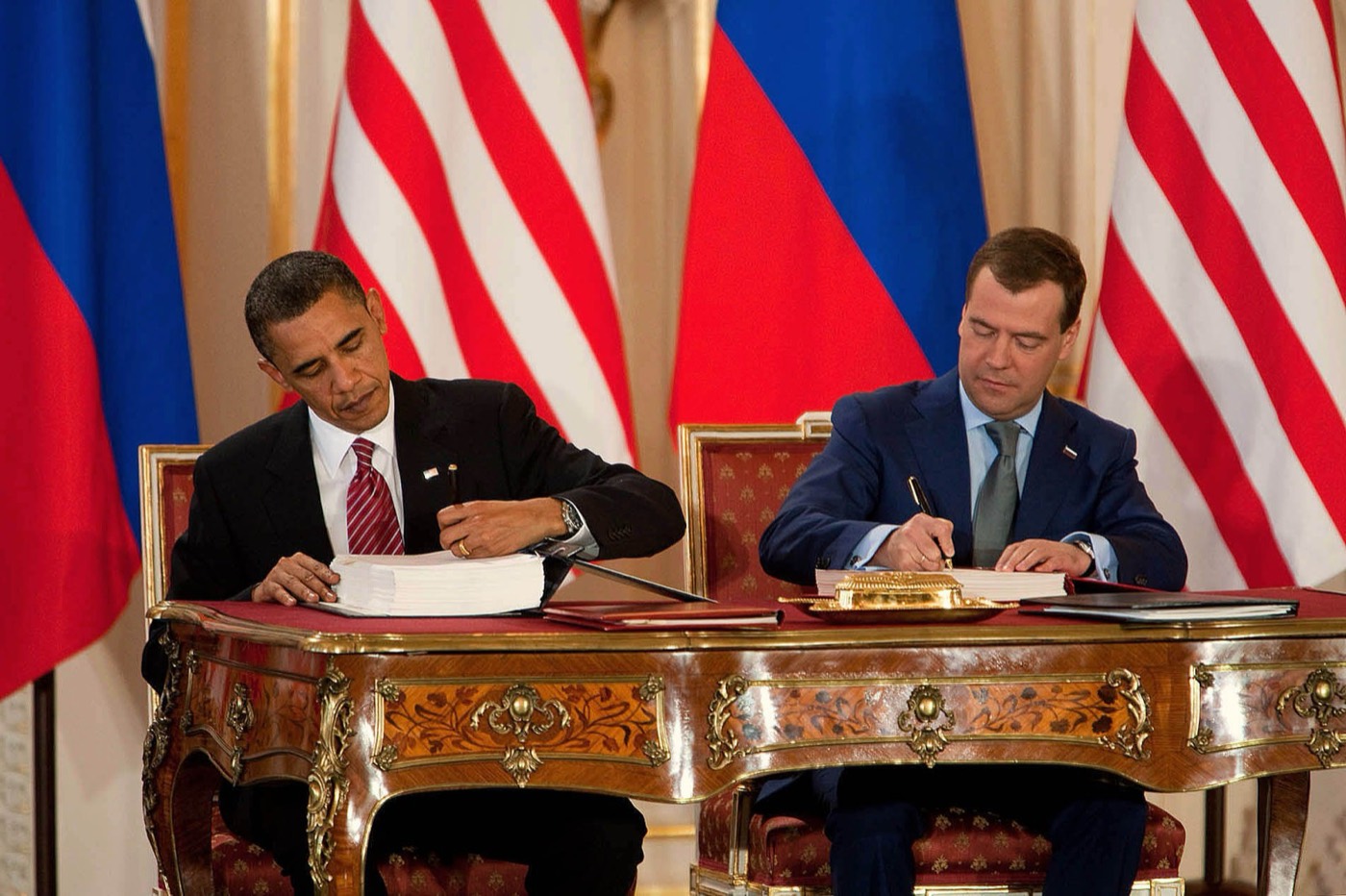
New START was signed in Prague on 8 April 2010, by US President Barack Obama and Russian President Dmitry Medvedev. It entered into force on 5 February 2011.
The treaty capped each side at 1,550 deployed strategic warheads — the explosive devices actually loaded and ready to fire — and 700 deployed delivery vehicles, meaning the missiles, submarines and bombers that carry them. A further cap of 800 covered every deployed and non-deployed delivery vehicle and launcher combined.
Those numbers were not guesses, and they were not self-reported.
This photograph shows Obama and Medvedev at the signing in Prague. The treaty they signed that day bound both countries to the same ceiling for fifteen years, through governments and crises that otherwise agreed on almost nothing else.
What made those caps mean anything was not the signatures. It was what came next.
3. The Verification Machine Behind the Numbers
A cap on paper is only as good as the system checking it is kept.
New START ran on three mechanisms working together. Regular data exchanges listed every covered weapon. A unique identifying number, tracked on each delivery vehicle, stopped either side from quietly swapping one missile for another. And up to eighteen on-site inspections a year let inspectors count warheads and launchers in person.
For twelve years, that machine kept running, through wars and frozen relations alike.
Russia suspended its participation in those inspections in 2023, citing the war in Ukraine and Western support for it. The data exchanges stopped soon after. From that point on, each side was still bound by the treaty's numbers on paper, but nobody was checking them in person anymore.
A treaty without its verification machine is a promise without a witness.
4. Fifteen Years of Quiet Stability

Between 2011 and 2026, New START did something unglamorous but hard to replace: it made both countries' nuclear forces predictable.
Warhead counts on both sides fell through the early 2010s, then held close to the 1,550 ceiling for most of the following decade. On a chart, that is a flat, boring line — which is exactly the point of an arms-control treaty working as intended.
Boring is not the same as unimportant.
That ceiling held through Russia's annexation of Crimea in 2014, through the full-scale invasion of Ukraine in 2022, and through years in which the two governments agreed on almost nothing else. Whatever else collapsed between Washington and Moscow, the number of warheads either side could point at the other stayed within a known, and checked, limit.
The two capitals never stopped disagreeing. The ceiling held anyway.
Russia's defiance was run from Moscow, while Washington kept holding the US side of the same ceiling throughout — proof that the treaty's limits operated independently of how bad relations between the two capitals became.
Fifteen years of that kind of boredom is the whole reason this video exists: it is what just ended.
5. Countdown to Expiry: The Failed Renewal

The clock on New START had been running out since the moment Russia walked away from inspections in 2023.
2023 is when Russia suspended inspections. 2025 is when Russia's president made a last offer. 2026 is when the treaty actually expired, with nothing agreed to replace it.
The 2025 offer deserves its own sentence, because it came close to changing the ending.
At a Security Council meeting on 22 September 2025, President Putin offered to keep observing New START's central numerical limits for one more year after expiry, if the United States did the same. Asked about it, President Trump said, "sounds like a good idea to me."
Calling something a good idea out loud is not the same as making it policy.
The Kremlin said in early October that it had received no formal American response. None followed. On 5 February 2026, the treaty lapsed anyway, and the limits it had held for fifteen years went with it.
6. What the US Is Building Now
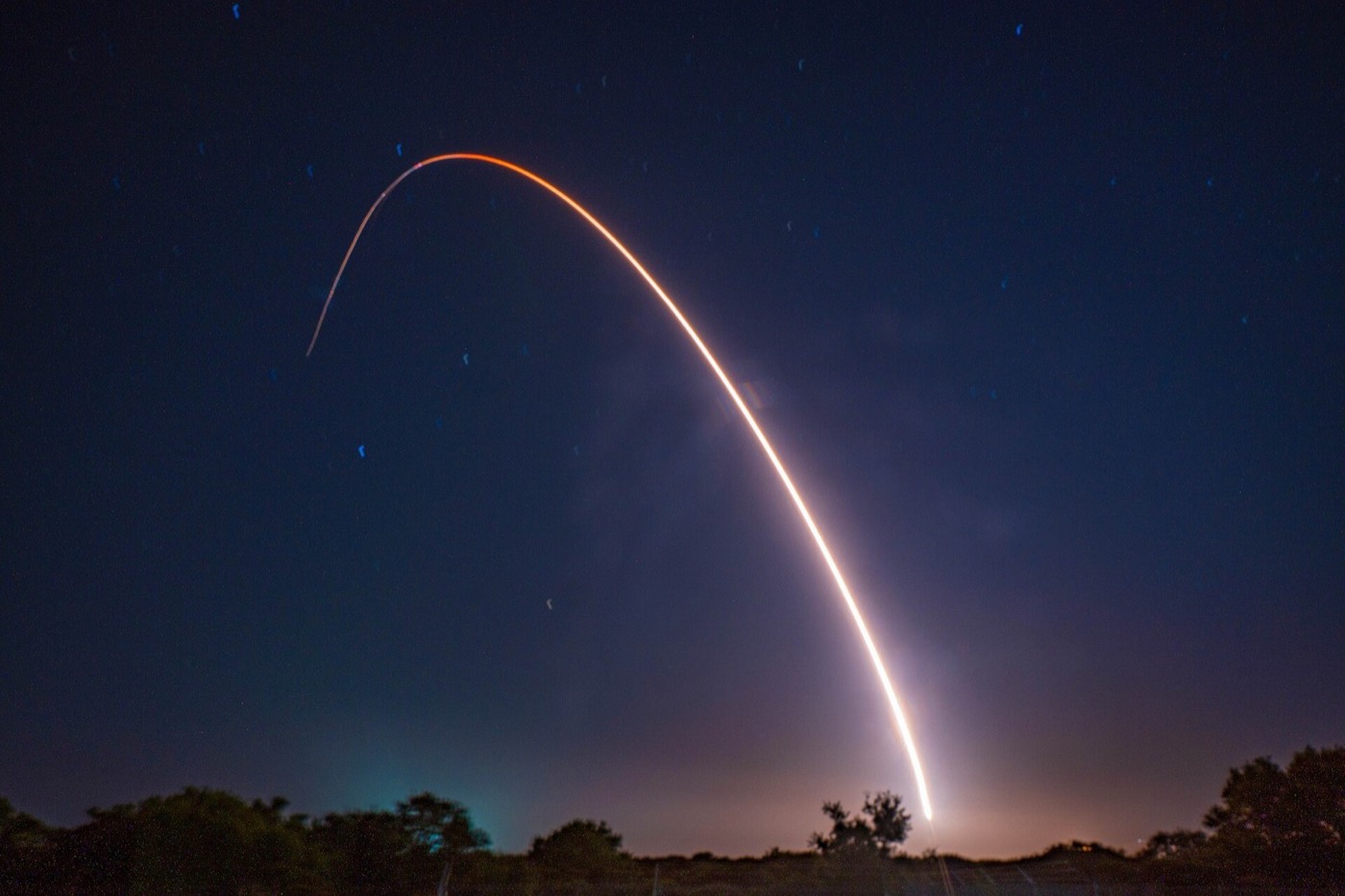
With no cap in place, American nuclear modernisation keeps going at a pace the treaty never had to account for.
The Sentinel programme is meant to replace the ageing Minuteman III land-based missiles, called ICBMs — intercontinental ballistic missiles, fired from underground silos and able to reach another continent. Sentinel's cost has grown to an estimated 140.9 billion dollars, an 81 per cent increase on its original estimate. That overrun triggered a formal congressional cost review in 2024.
This Minuteman III test launch shows the missile Sentinel is meant to replace. Every Sentinel built will eventually sit in a silo just like the ones Minuteman already occupies across the American west.
Missiles are only one leg of the US nuclear force. Submarines are another.
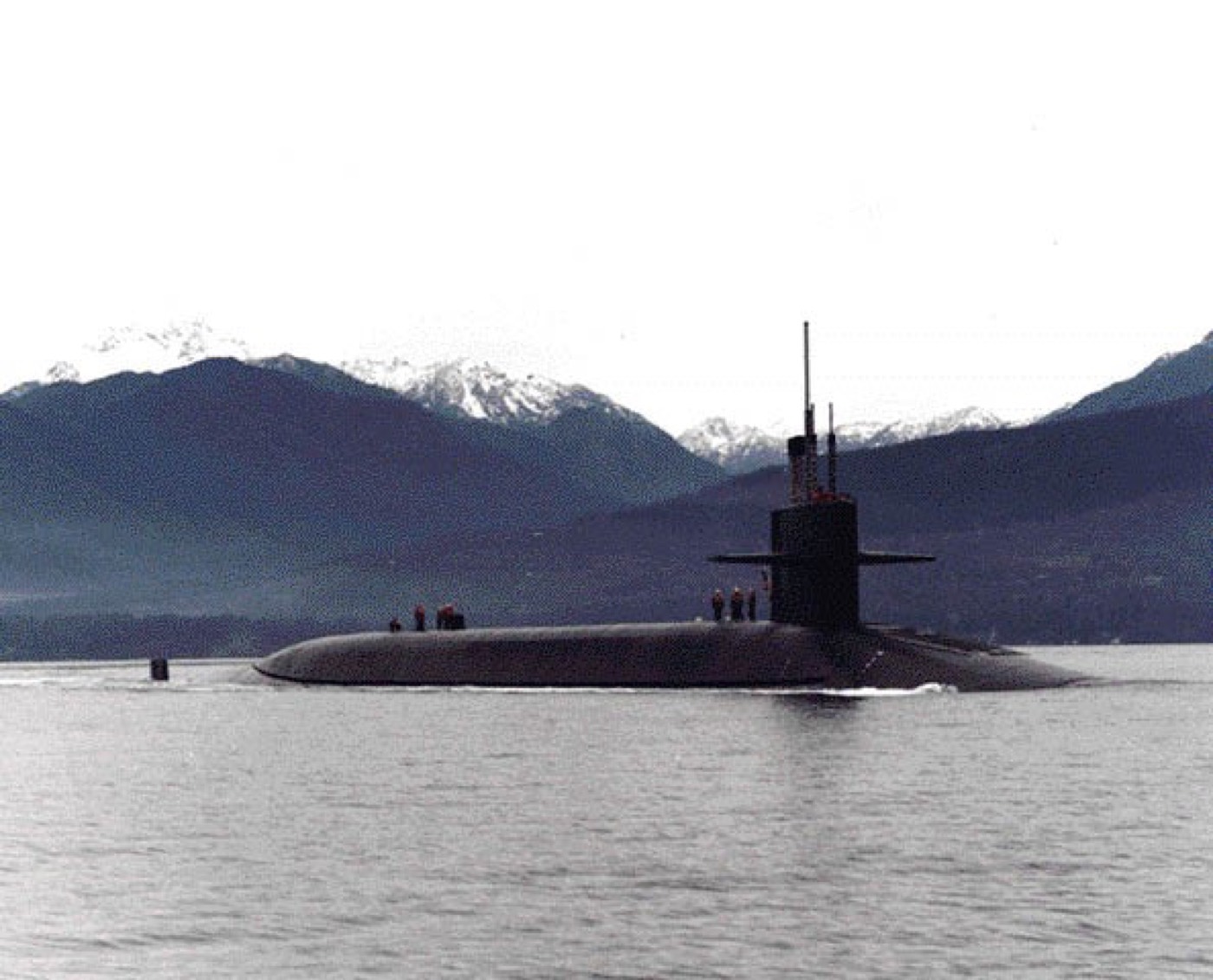
The Columbia-class submarine programme, the Navy's new fleet of ballistic-missile submarines, is estimated at 146 billion dollars in procurement costs, plus a further 6.3 billion dollars in research and development. That research spending runs through 2031. As of April 2026, the Navy was weighing whether to expand the class. Twelve boats could become fifteen.
This is the USS Henry M. Jackson, an Ohio-class submarine of the kind Columbia is built to replace. A ballistic-missile submarine like this one is the hardest part of any country's nuclear force for an adversary to find and destroy, which is exactly why both the US and Russia keep building them.
Both programmes sit inside a wider budget that is also growing fast.
Three dates mark this build-out: the year the cost review confirmed Sentinel's overrun, the year the Navy was weighing whether to expand the submarine fleet, and the year its extra research funding runs out.
US officials requested roughly 69 billion dollars for nuclear weapons operations, upkeep and modernisation in one recent budget request. That was about 31 per cent more than the year before.
None of that spending needs anyone else's permission anymore.
7. What Russia Is Building Now
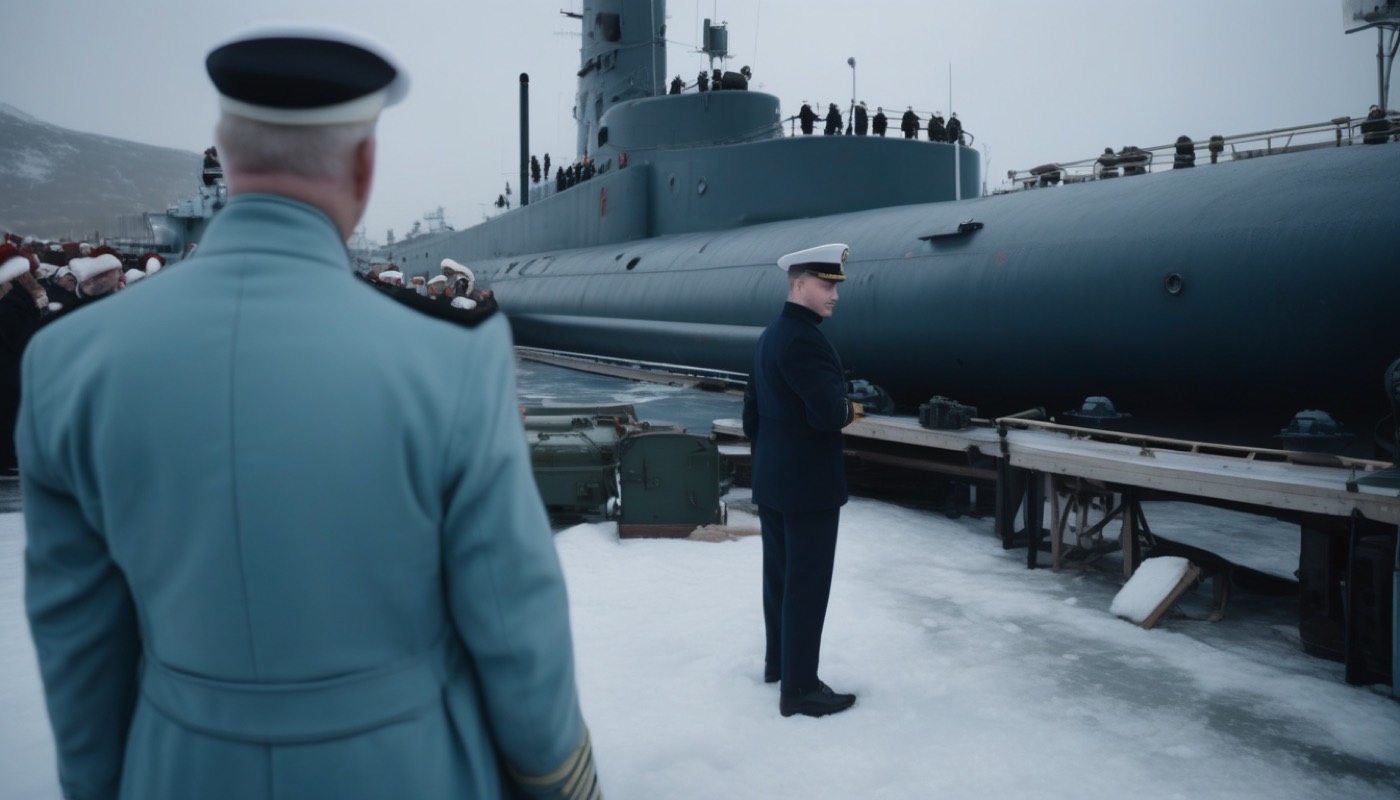
Russia's own arsenal is not standing still either, and it is growing in a direction that would have broken New START's cap had the treaty still been enforced.
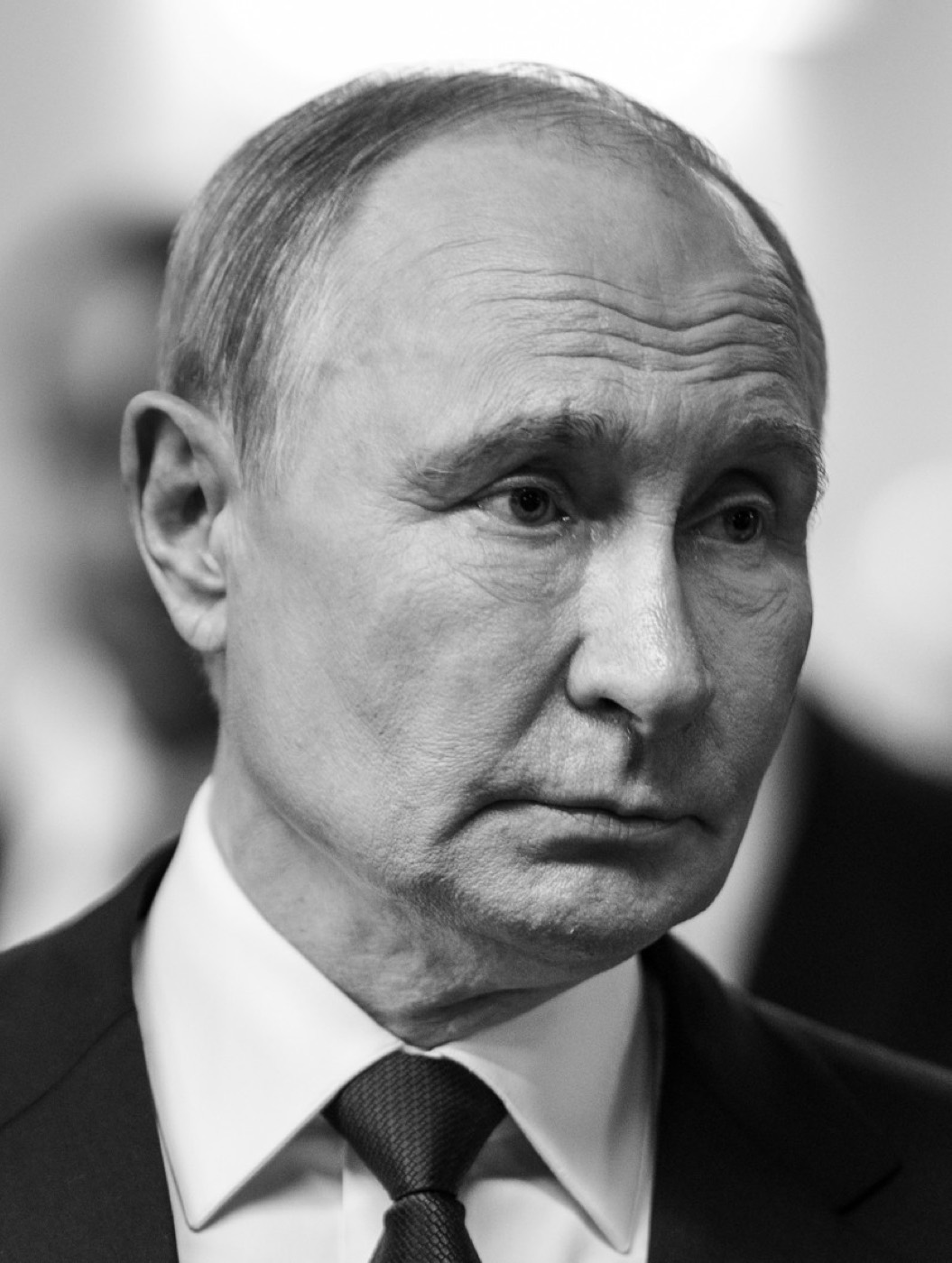
This photograph shows Vladimir Putin at a Russia-United States summit in Alaska in August 2025 — part of the diplomatic backdrop against which Russia's own modernisation has continued.
The actual numbers tell their own story.
Russia's deployed warheads — the ones loaded and ready to fire — reached 1,796 in early 2026. That is the highest level since 2017.
That is only the active portion of a much larger total.
Russia's full stockpile stands at roughly 5,420 warheads in total. Most of the rest sit in reserve, with a smaller number retired but not yet dismantled.
A stockpile that size is spread across every part of the nuclear force, not concentrated in one place.
Three points mark Russia's recent trajectory: its previous deployed-warhead peak, last year's diplomatic summit, and the new high reached this year.
Russia's deployed warheads sit across what is called a triad — different ways to deliver a strike, not just one. In Russia's case that means silo- and road-based missiles, submarine-launched missiles on Borei-class submarines, and long-range bombers. Losing any one leg still leaves the others intact, which is the entire logic of building a triad in the first place.
8. The Third Player: China's Fast Build-Up
New START never covered China, because China's arsenal was far smaller when the treaty was negotiated. That gap is closing fast.
China's stockpile reached about 620 warheads in January 2026. That is up from about 600 warheads a year earlier — a small-sounding rise that still makes China the fastest-growing nuclear arsenal of any country on Earth.
The growth is not only in warheads. It is in the silos built to hold the missiles that carry them.
China has built three new missile-silo fields in its western deserts, in Gansu and Xinjiang provinces, first spotted by satellite imagery in 2021. A draft Pentagon report assessed that more than 100 intercontinental missiles had likely already been loaded into those silos.
Where this ends is still an estimate, not a fact — but it is an official one.
Pentagon reporting projects China's stockpile could exceed 1,000 warheads by 2030. That would be roughly 60 per cent higher than today.
China is also the only nuclear-armed country bound by the Non-Proliferation Treaty that is significantly growing its arsenal rather than shrinking or holding it steady.
The build-up spans three markers in time: when the new silos were first spotted by satellite, where the count stands today, and the year officials expect it could pass a thousand.
9. No Treaty, No Inspectors: What Changes in Practice
Strip away the diplomacy, and the practical change since 5 February 2026 is simple to state.
Before 2023, each side could send inspectors to count the other's warheads and launchers in person, backed by shared data on every covered weapon. Now there are no mutual inspections, no shared database, and no legal requirement for either country to tell the other anything at all.
What replaces a system like that is whatever is left over: satellites, intelligence estimates, and public statements.
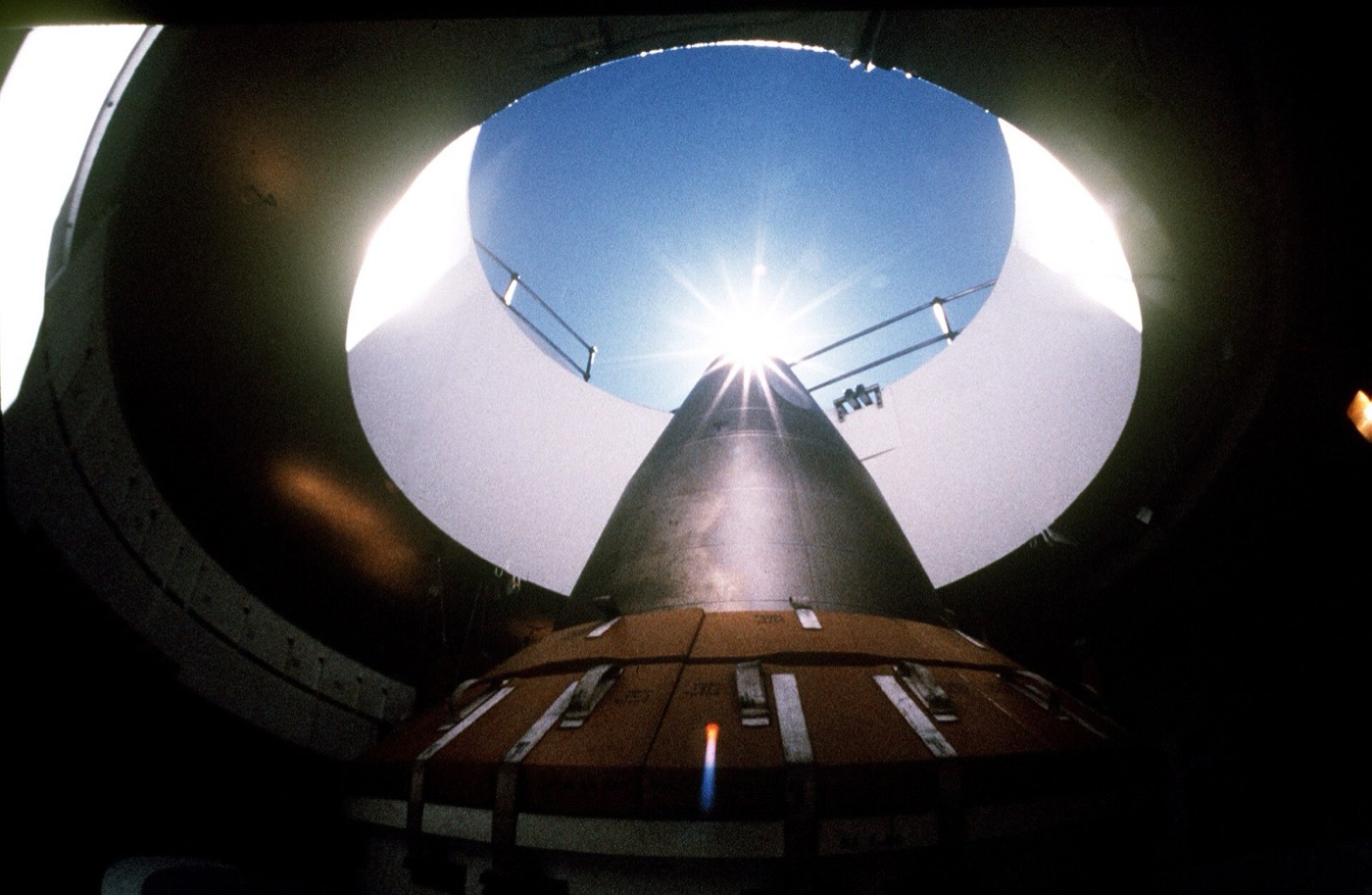
This LGM-118 Peacekeeper missile, photographed inside its silo in 1987, is a reminder that American missiles have sat in silos like this one since long before any treaty existed to count them. For the first time in decades, outside observers are back to estimating what is inside silos like it, rather than reading a number both governments agreed to report.
An estimate can be wrong in ways a verified count cannot.
Three dates frame that change: when missiles like this one already sat quietly in their silos, when the inspectors stopped coming, and when the treaty finally expired.
10. What Experts and Officials Are Saying
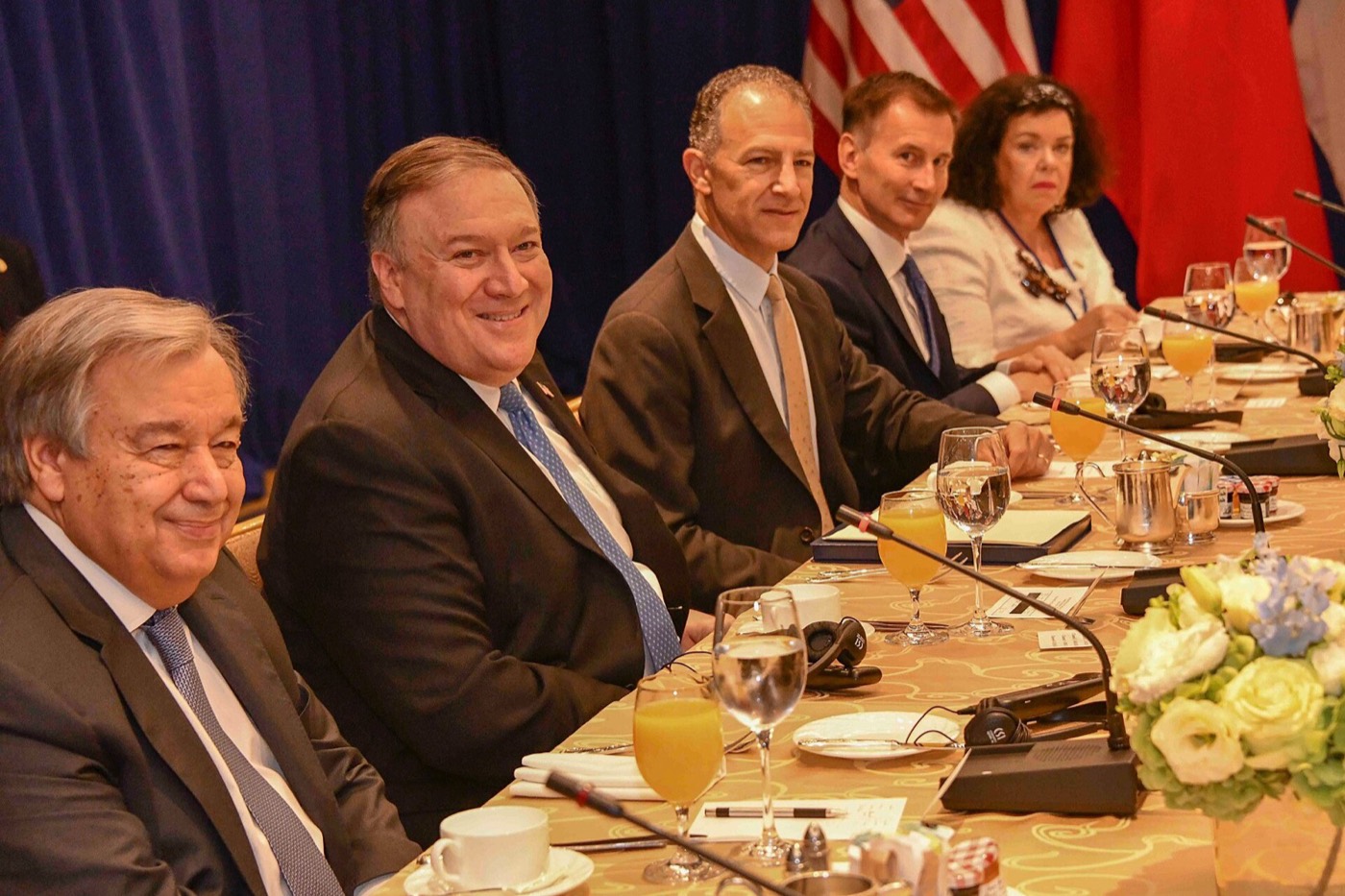
The people whose job is tracking this did not stay quiet when the treaty lapsed.
UN Secretary-General António Guterres called the expiry "a grave moment for international peace and security," warning that the risk of a nuclear weapon being used is the highest it has been in decades, and urging Russia and the United States to return to the table.
This photograph shows Guterres at a UN Security Council meeting — the kind of forum in which his warning about New START's lapse was delivered.
Arms-control analysts and lawmakers used blunter language than a UN statement usually allows.
Specialists at organisations including the Arms Control Association and the Vienna Center for Disarmament and Non-Proliferation describe New START's expiry as the loss of the last working guardrail against an unconstrained arms race, warning that trust built over fifteen years of verified limits does not come back quickly once the checking stops.
11. Could a New Deal Happen?

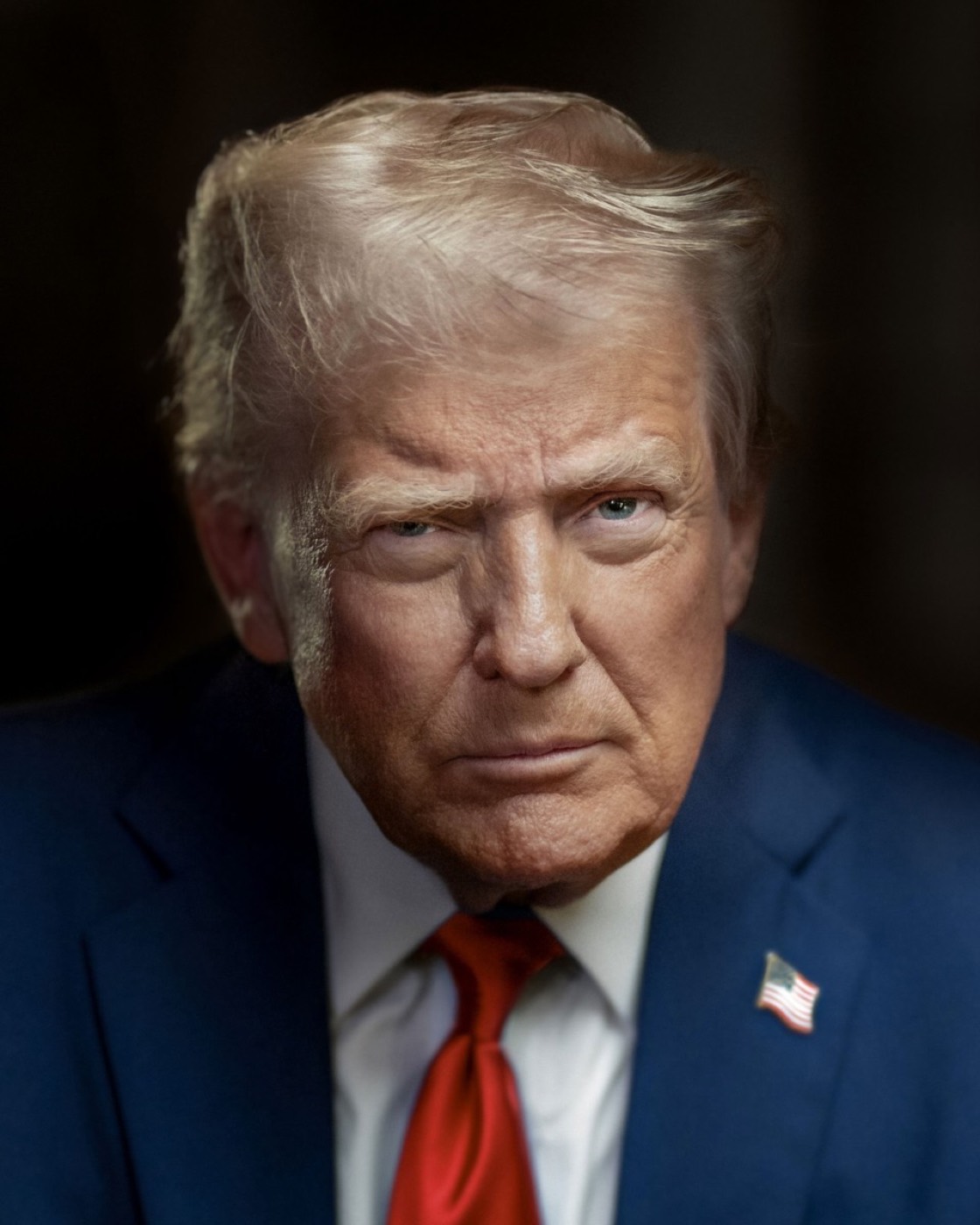
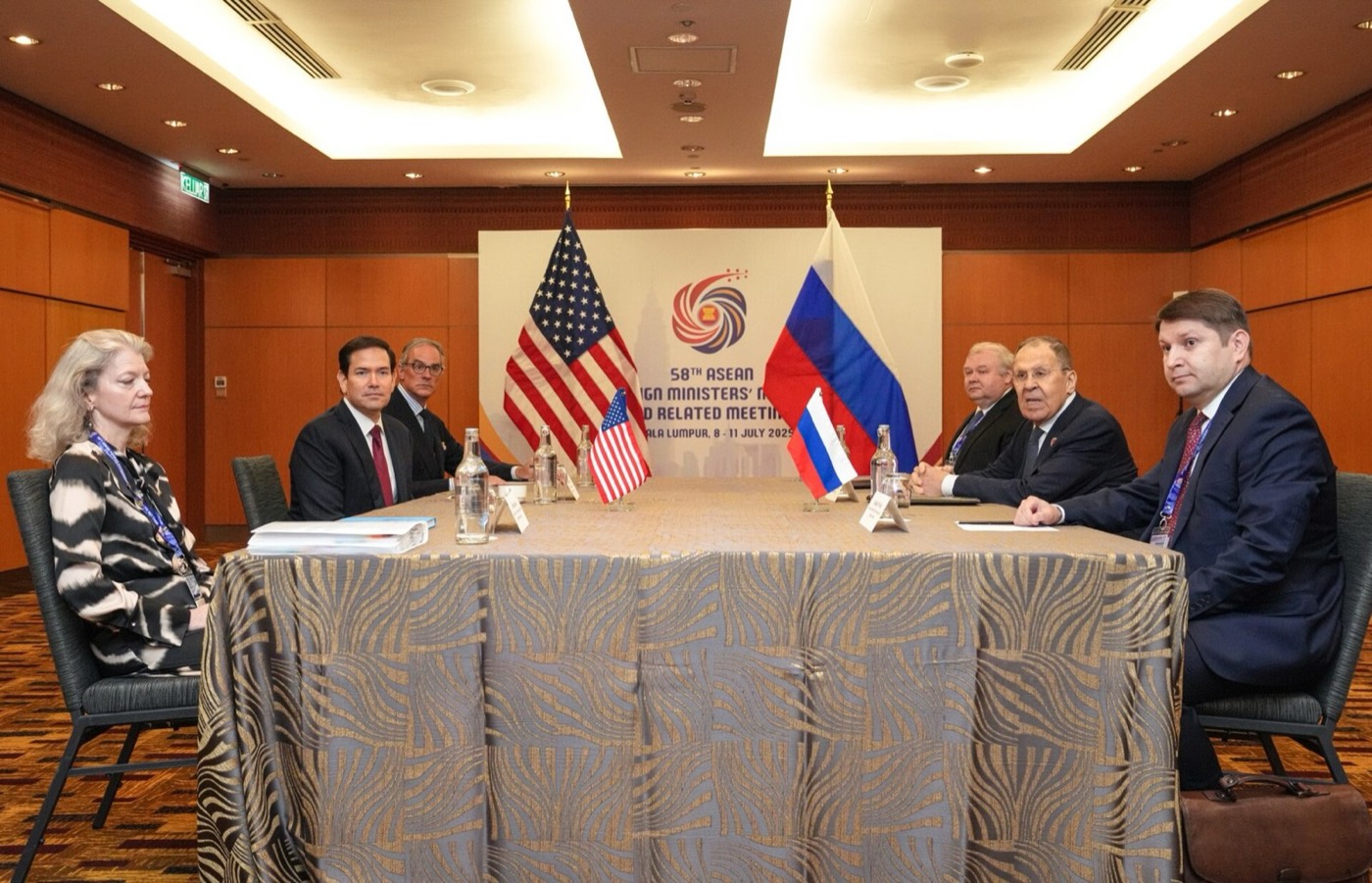
A new treaty is not off the table. It is just a much harder table to sit at than the last one.
After the expiry, the Trump administration said any successor arrangement should be multilateral rather than bilateral, bringing China into the same framework as Russia, instead of simply extending New START's two-country structure.
This is the official portrait of President Trump, whose administration has said it wants a wider deal that accounts for China's growing arsenal, not just Russia's.
Wanting a bigger deal and getting one are different problems.
A bilateral treaty asks two governments to agree on one shared number. A trilateral one asks three governments, with three different arsenal sizes, to agree on a shared framework at once. That is why China has resisted joining talks like these since 2020. China argues that the US and Russia, whose arsenals are far larger, should cut first.
This photograph shows Secretary of State Marco Rubio meeting Russian Foreign Minister Sergey Lavrov — part of the ongoing diplomatic channel between Washington and Moscow, even though no arms-control breakthrough has come out of it.
Three governments, three different incentives, and so far, no agreement at all.
Diplomacy here still runs squarely between two capitals, Washington and Moscow, while a third capital, Beijing, stays outside the room.
12. Why This Matters to You

Pull every thread in this video together, and the change is not really about any one missile or submarine. It is about the absence of a number everyone used to agree on.
Line up the three arsenals as they stand. The United States still holds, roughly, to the old 1,550-warhead ceiling, out of habit rather than law. Russia's deployed force stands at 1,796. China, smaller at about 620, is growing faster than either.
None of those three figures is checked by anyone outside its own government anymore.
What a 2010 paperwork agreement actually bought the world for fifteen years was predictability: a known ceiling, a verified count, and a system that caught cheating before it became a crisis. Its absence does not guarantee a faster arms race — but it removes the one mechanism that reliably slowed the last one down.
So the question this video opened with comes back changed. The world has not necessarily chosen to move backward into an unconstrained arms race. But for the first time in about fifty years, nothing is stopping it from doing exactly that. Whether a new agreement arrives before the gap matters is still an open question.
Sources and credits
Photo credits (Wikimedia Commons)
- Barack Obama and Dmitry Medvedev signing New START, Prague, 8 April 2010: Chuck Kennedy, Public domain - https://commons.wikimedia.org/wiki/File%3AObama_and_Medvedev_sign_New_START.jpg
- US Air Force unarmed Minuteman III ICBM test launch, Vandenberg Space Force Base, May 2025: A1C Jack Rodriguez Escamilla, USAF, Public domain - https://commons.wikimedia.org/wiki/File%3AUnarmed_Minuteman_III_ICBM_launch_-_operational_test_-_Vandenberg_Space_Force_Base_-_May_21_2025.jpg
- USS Henry M. Jackson (SSBN-730), US Navy Ohio-class ballistic missile submarine: unknown, Public domain - https://commons.wikimedia.org/wiki/File%3AUSS_Henry_M._Jackson_%28SSBN-730%292.jpg
- US LGM-118 Peacekeeper ICBM inside its launch silo, 1987: SSGT RONALD RUSH, Public domain - https://commons.wikimedia.org/wiki/File%3APeacekeeper_in_silo_1987.jpg
- Vladimir Putin, Russia-United States summit, Alaska, 15 August 2025: The White House, Public domain - https://commons.wikimedia.org/wiki/File%3A2025_Russia%E2%80%93United_States_summit_with_Vladimir_Putin_in_Alaska%2C_August_15%2C_2025.jpg
- Donald Trump, official presidential portrait, 2025: Daniel Torok, Public domain - https://commons.wikimedia.org/wiki/File%3AOfficial_Presidential_Portrait_of_President_Donald_J._Trump_%282025%29.jpg
- Secretary of State Marco Rubio meets Russian Foreign Minister Sergey Lavrov, Kuala Lumpur, 10 July 2025: U.S. Department of State, Public domain - https://commons.wikimedia.org/wiki/File%3ASecretary_Rubio_Meets_with_Russian_Foreign_Minister.jpg
- Antonio Guterres, UN Secretary-General, at a UN Security Council meeting: U.S. Department of State from United States, Public domain - https://commons.wikimedia.org/wiki/File%3ASecretary_Pompeo_Meets_With_UN_Secretary-General_Guterres_and_Permanent_Members_of_UN_Security_Council_in_New_York_City_%2844949594291%29.jpg


Primary sources
- Arms Control Association, 'U.S. Nuclear Modernization Programs' fact sheet, armscontrol.org/factsheets/us-modernization-2024-update and armscontrol.org/factsheets/usnuclearmodernization - Sentinel $140.9bn/81% overrun; Columbia-class $146bn procurement + $6.3bn R&D through 2031; 15-boat expansion consideration, April 2026.
- Arms Control Association, 'U.S. Nuclear Costs, Projections Continue to Rise', armscontrol.org/act/2024-04 - FY2025 $69bn nuclear budget request, +31%.
- Arms Control Association, 'False Start or New Era? Trump's Call for Multilateral Nuclear Talks', armscontrol.org/blog/2026-02-20 - US multilateral position, China's resistance to trilateral talks since 2020.
- Vienna Center for Disarmament and Non-Proliferation (VCDNP), 'End of New START: Short- and Medium-Term Options', vcdnp.org, 2026 - 2023 inspection suspension; post-expiry verification picture.
- Stockholm International Peace Research Institute (SIPRI) data, as reported by NV.ua/Pravda Ukraine, 'Russia's deployed nuclear warheads hit highest level since 2017', 2026-09-12 - Russia's 1,796 deployed / ~5,420 total warheads.
- Federation of American Scientists / Bulletin of the Atomic Scientists, 'Chinese Nuclear Weapons, 2026', thebulletin.org, 2026-07 - China's ~620 warheads, growth trajectory.
- Draft Pentagon report on Chinese missile silos, as reported by chinaglobalsouth.com (2025-12-23) and wire summaries - three new silo fields, >100 ICBMs loaded, >1,000 warheads projected by 2030.
- United Nations, Secretary-General's statement on New START's expiration, un.org/sg, Feb 2026, cross-checked against Newsonair and Arab News - Guterres's 'grave moment' quote, verbatim.
- Wire coverage of Putin's 22 September 2025 Security Council offer and Trump's response, via Tribune India and multiple wire outlets, Sept-Oct 2025 - verbatim Trump quote and Kremlin's 'no response yet' statement.
Not regulated financial advice.