
Sodium-Ion Batteries: The End of Lithium's Grip?
On 27 April 2026, CATL and HyperStrong signed a three-year, 60 GWh sodium-ion energy-storage supply deal -- the largest sodium-ion order ever placed. This video explains the chemistry behind that order: why lithium-ion has dominated batteries since Sony's 1991 launch, why sodium was set aside in the 1970s and 80s despite being one of the most abundant elements on Earth, and what changed to bring it back.
Inside a sodium-ion cell: the same rocking-chair design as lithium-ion, but a bigger ion, a hard-carbon anode, and aluminium current collectors instead of copper. What that trade gives up -- CATL's Naxtra cell reaches up to 175 Wh/kg against LFP's roughly 160-205 Wh/kg -- and what it gains: claimed 90%+ power at -40C, over 10,000 cycles, lower raw-material cost and better safety.
Then the real-world proof: the Changan Nevo A06, the first mass-production sodium-ion passenger car (5 February 2026); CATL's Tener Sodium grid-storage system (22 June 2026); the supply chain, including BYD's 30 GWh Xuzhou plant and the collapse of US start-up Natron Energy in September 2025; and the risk sitting under all of it -- sodium-ion's cost case depends on lithium carbonate staying expensive, and lithium's price swings hard.
The verdict: not a lithium-ion replacement, but a real win in grid storage and cold climates, while lithium chemistries stay ahead everywhere energy density decides the outcome.
Every figure is on screen with its source and date. Where sources disagree -- 2025-2026 lithium carbonate prices -- the disagreement is shown, not resolved by picking one number.
Tags
Chapters
Video notes
1. The 60 GWh headline

For fifteen years, almost every battery that matters has been built around one element: lithium. In this video we look at the element trying to take some of that market away, and the deal that just proved it can be built at scale.
On the twenty-seventh of April 2026, CATL and the Chinese storage firm HyperStrong signed a three-year deal for sixty gigawatt-hours of sodium-ion batteries for grid storage. Both companies called it the largest sodium-ion order ever placed.
Sixty gigawatt-hours is not a small number, and it did not appear from nowhere.
The two companies had already agreed a ten-year pact in November 2025. Under it, HyperStrong committed to buy at least two hundred gigawatt-hours of CATL battery cells by 2035, and the new sixty gigawatt-hour sodium-ion order sits inside that wider relationship.
So the question this video answers is simple to ask and harder to answer honestly: is sodium-ion the battery industry moving forwards to something cheaper, or is it a niche chemistry that lithium will always beat where it counts? To answer it, we need to understand why lithium has the grip it has, what sodium actually gives up and gains against it, and whether the economics survive if lithium gets cheap again.
2. Why lithium has a grip

Start with the incumbent, because sodium-ion is defined entirely by what it is trying to compete against.
Sony put the first commercial lithium-ion battery on sale in 1991, inside a camcorder. Within a decade it had displaced older rechargeable chemistries in almost every portable device, and it went on to power the electric-vehicle boom of the 2010s and 2020s.
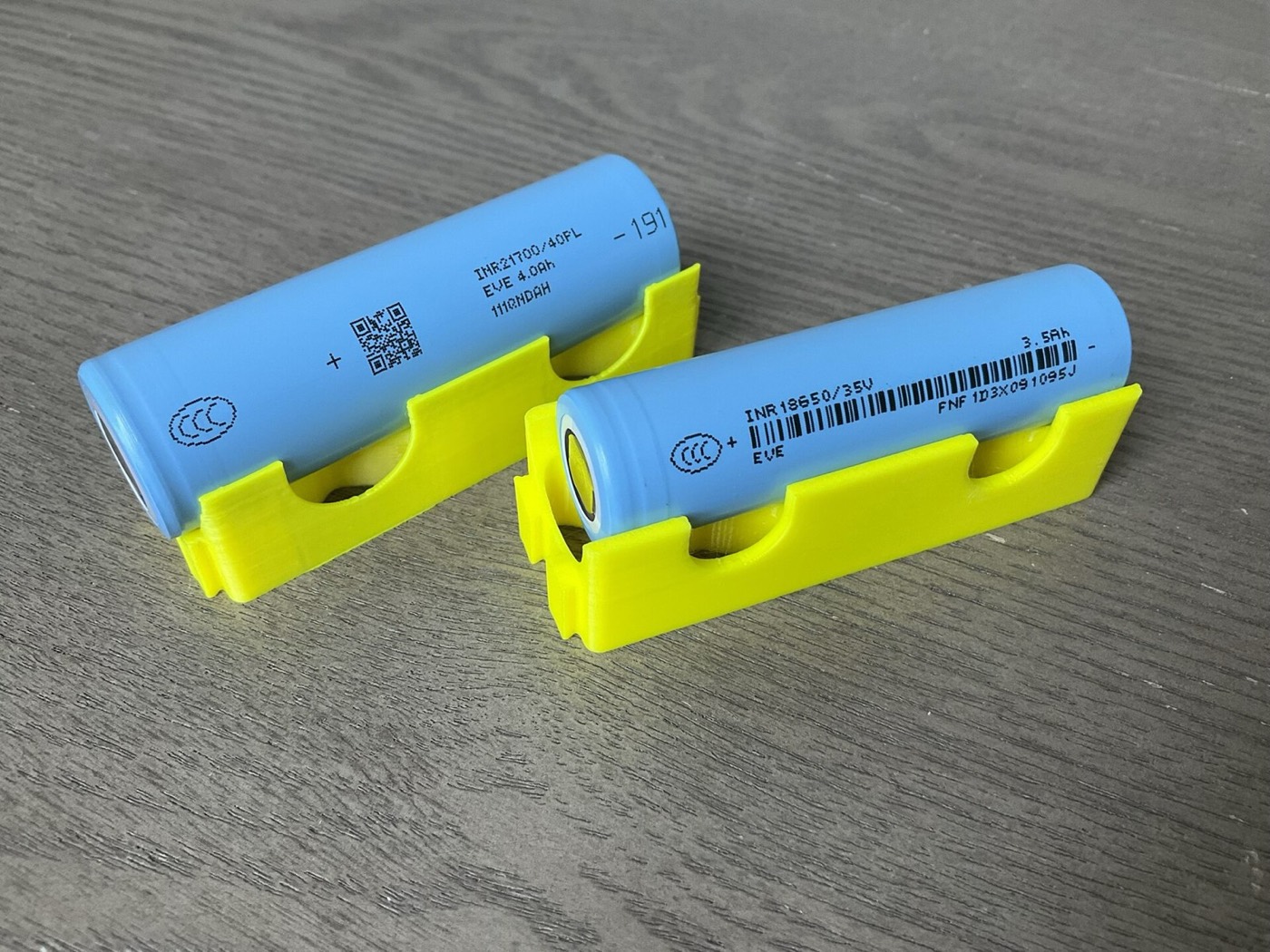
This is the descendant of that 1991 cell — the same basic chemistry, refined for thirty-five years.
These are 18650 and 21700 lithium-ion cells, the small cylindrical format used in everything from power tools to electric cars. The numbers in the name are the cell's dimensions in millimetres.
That win over sodium was not automatic. Researchers had studied sodium as a battery ion alongside lithium back in the 1970s and 80s, before lithium pulled ahead.
Lithium is the lightest metal there is, and a lithium-ion cell packs more energy into a given weight than a sodium cell built the same way. When the priority was a battery light enough to carry in a camcorder or a laptop, sodium lost the argument on that one number, and research funding followed lithium instead.
Lithium-ion's other defining feature is what it is made from.
A typical lithium-ion cell needs lithium at its core, and often cobalt or nickel as well. All three are mined in a small number of countries, and all three have had periods where their price moved sharply in a single year. That volatility is a cost that ends up in every battery built with them, and every electric car.
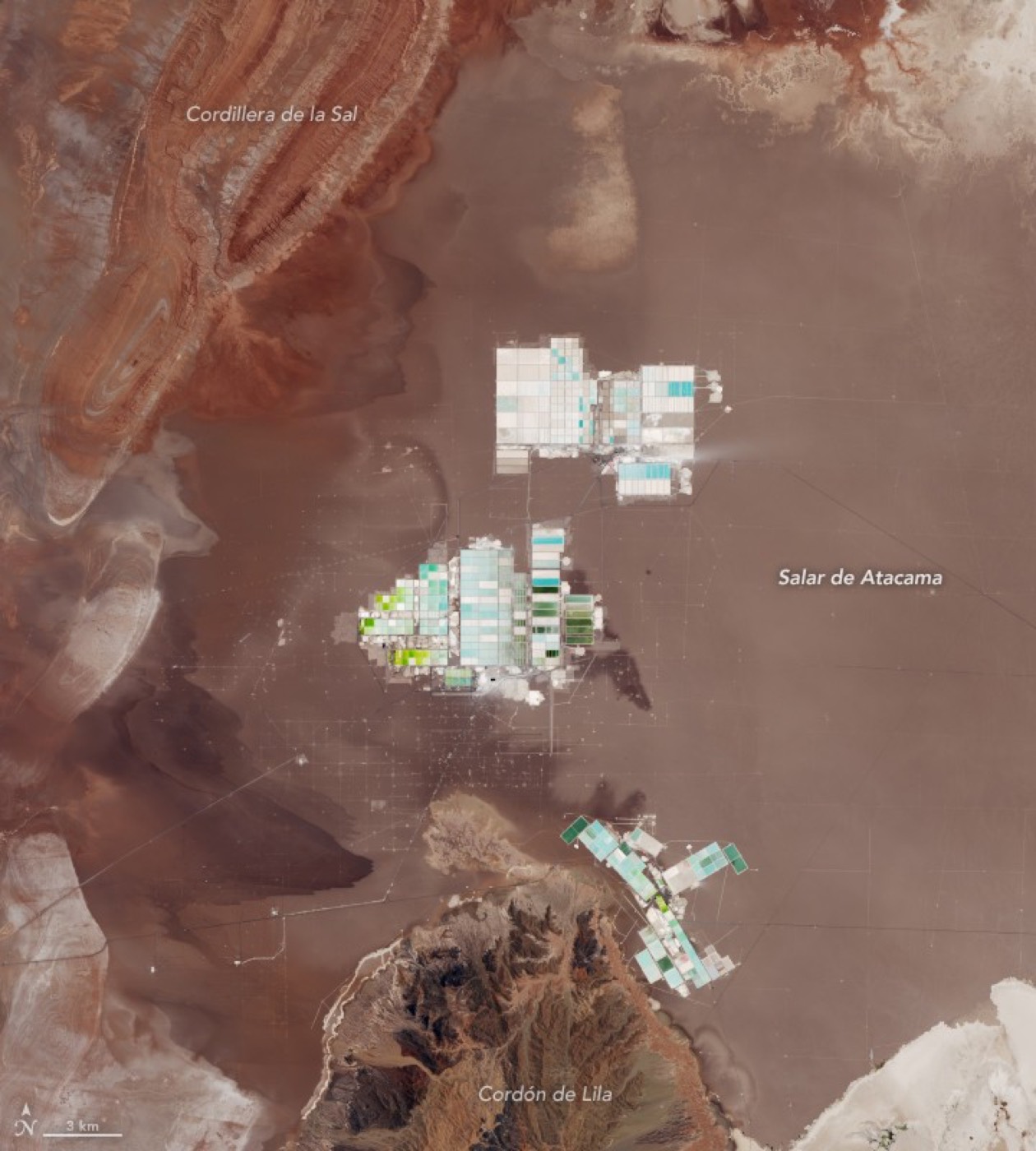
Here is what that geographic concentration actually looks like on the ground.
This is Salar de Atacama in Chile, one of the world's largest sources of lithium, extracted from brine pumped into evaporation ponds like these. Lithium's supply is concentrated in places like this one; sodium's, as the next chapter shows, is not.
Chile's brine and Western Australia's hard-rock mines are two of the small number of places most of the world's lithium actually comes from. Sodium needs no equivalent map at all.
That is the grip: unmatched energy density, a mature industry built over three decades, and a raw-material bill that keeps swinging. Sodium-ion does not try to beat lithium-ion on the first of those. It is aimed at the third.
3. Sodium: the everywhere element
If lithium's weakness is where it comes from, sodium's whole case starts with where it comes from too — everywhere.
Sodium is the sixth most abundant element in the Earth's crust, and it sits, effectively for free, in seawater and salt deposits on every continent. Lithium, cobalt and nickel are concentrated in a handful of countries; sodium is not concentrated anywhere, because it is everywhere.
That abundance shows up directly in the raw-material bill.
Sodium carbonate, the raw material a sodium-ion cell is built from, trades at a few hundred dollars a tonne. Lithium carbonate, lithium's equivalent raw material, trades at many times that price even in its cheapest years. It also swings far more sharply, and we come back to exactly how much later in this video.
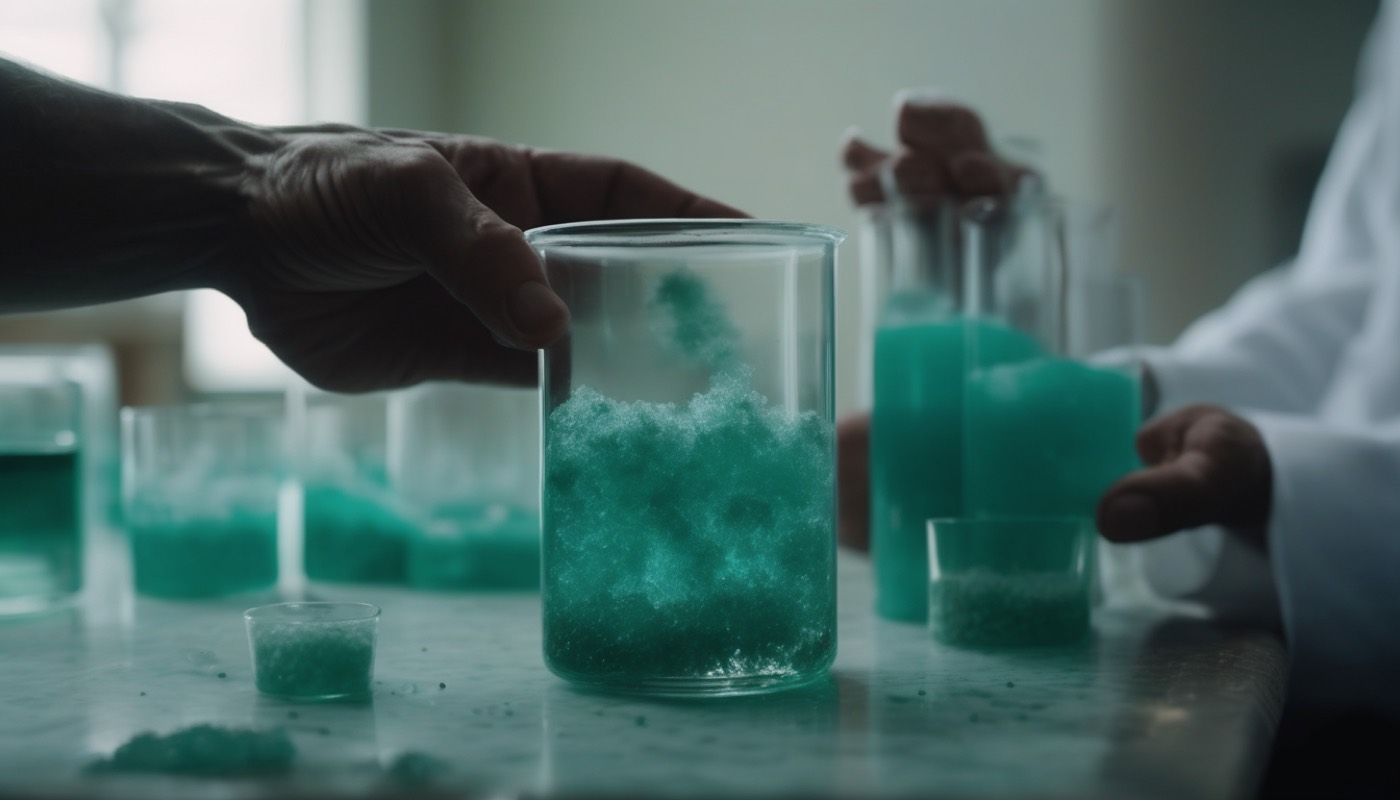
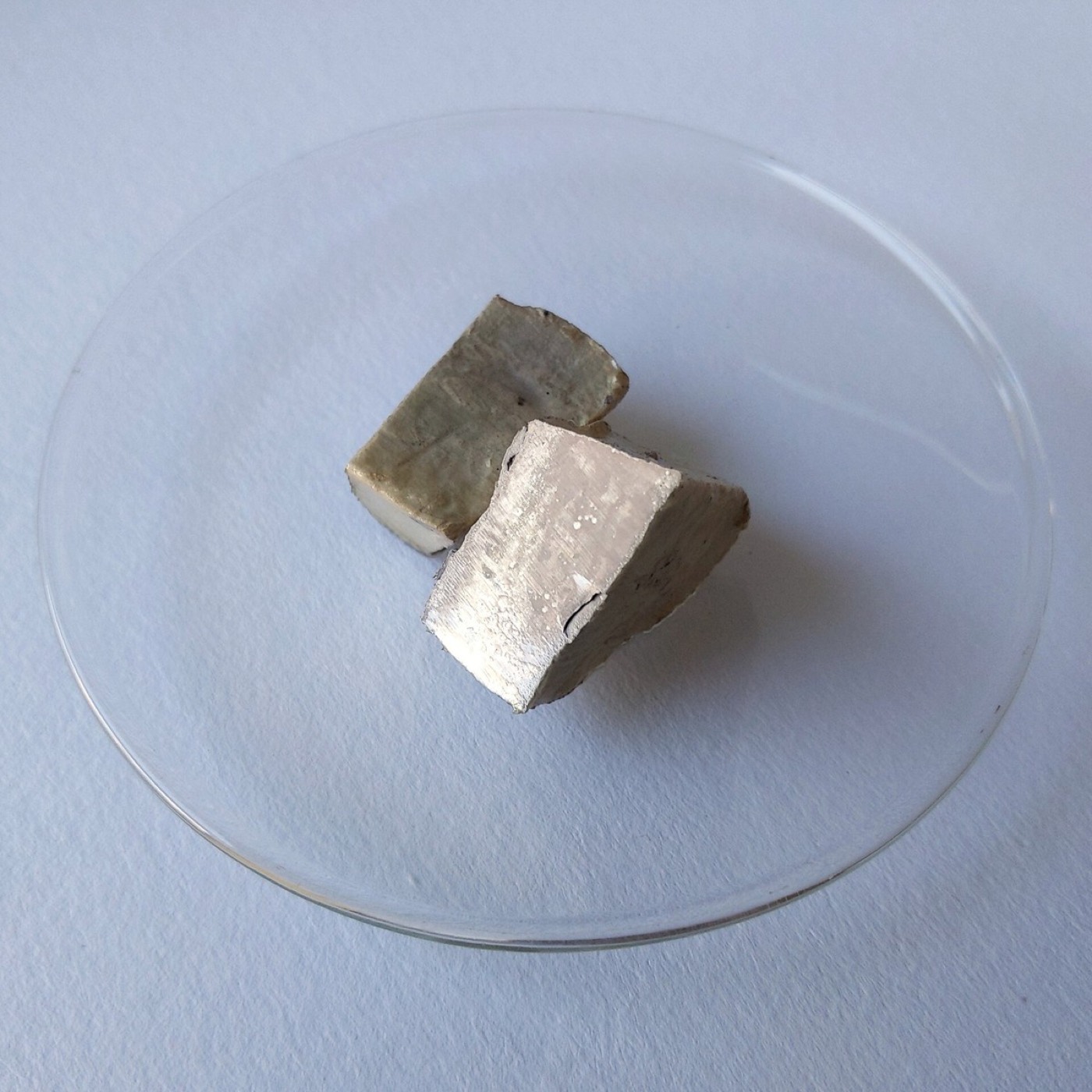
Here is a sample of sodium metal, the pure element behind the chemistry. It is soft enough to cut with a knife, and violently reactive with water, which is one reason cell designers never use it in metallic form.
This is a sample of sodium metal. In a battery it is never used like this — it is locked into a stable compound, the same way lithium never appears as bare metal inside a lithium-ion cell either.
So if sodium is this cheap and this abundant, and people knew that in the 1970s, the obvious question is why nobody built one of these at scale before 2026. The honest answer is that until recently, nobody needed to. Lithium-ion was good enough, and getting cheaper. That changed once battery demand outgrew what a single element's supply chain could comfortably support — which is the opening this chapter exists to explain.
4. Inside a sodium cell
So what does a sodium-ion cell actually look like inside, compared with the lithium-ion cell next to it on the shelf?
Both chemistries work the same way, often called a rocking-chair design: charged ions shuttle back and forth between two electrodes through a liquid electrolyte, carrying charge on the way out and back on the way in. Sodium-ion changes what those electrodes are made of, not the basic idea.
The change starts with the ion itself.
A sodium ion is bigger than a lithium ion. That single fact drives most of the design differences that follow: sodium-ion cells typically use a hard-carbon anode instead of the graphite lithium-ion uses, because the larger ion fits hard carbon's structure better than it fits graphite's.
The bigger ion changes one more component, and this one matters for cost as much as chemistry.
Lithium reacts with aluminium at the low voltage a lithium-ion cell's negative electrode runs at, so lithium-ion cells need copper there instead — a heavier, more expensive metal. Sodium does not react with aluminium the same way, so a sodium-ion cell can use aluminium for both of its current collectors, the foil layers that carry current in and out of the cell.
Same rocking-chair idea, a bigger ion, a different anode material, and cheaper metal doing the same electrical job. None of that is exotic engineering — it is the direct, predictable consequence of swapping one ion for a larger one, and it is why sodium-ion cells can be built on much of the same manufacturing equipment lithium-ion already uses.
5. What sodium gives up
None of that is free, and the video would not be honest if it skipped the cost.
CATL's Naxtra sodium-ion cell reaches up to one hundred and seventy-five watt-hours per kilogram. LFP, the lithium chemistry sodium-ion competes with most directly, runs roughly one hundred and sixty to two hundred and five watt-hours per kilogram at the cell level, depending on design. Sodium-ion sits at or below the bottom of that range.
Energy density is not an abstract number — it is what decides how heavy a battery has to be for a given amount of stored energy, or how far a car can go on one.
A lower watt-hour-per-kilogram figure means a sodium-ion battery of the same size stores less energy than an LFP battery, or a battery storing the same energy weighs more. In a car, that shows up directly as less range for the same size of pack, which is the trade-off item seven returns to.
That is the one place lithium chemistries clearly stay ahead, and sodium's own maker does not pretend otherwise — Naxtra is described as matching LFP's energy density at its best, not beating it.
Every figure in this chapter is CATL's own claim for one product, checked against independent reporting rather than an independent laboratory test. That is the honest limit of what can be said about a cell that reached mass production this year.
So sodium-ion is not going to power the next long-range flagship electric car. What it gives up in energy density, it has to make back somewhere else — and that is exactly what the next chapter covers.
6. What sodium gains
Here is the other side of the trade, and it is where sodium-ion's actual case gets made.
CATL states that its Naxtra sodium-ion cell keeps more than ninety per cent of its power at minus forty degrees Celsius, a temperature that leaves most lithium chemistries badly weakened. It is also rated for more than ten thousand charge cycles.
Cold performance and cycle life both come from the same underlying property: sodium-ion's chemistry is simply less sensitive to the kind of degradation that punishes lithium cells in extreme cold or after heavy use.
CATL's separate grid-storage product, the Tener Sodium system, is rated for fifteen thousand cycles down to seventy per cent of its original capacity. That is a claimed service life of a quarter of a century or more. It also retains over ninety-two per cent of capacity at minus twenty degrees. Those are different numbers for a different product, not a repeat of the car cell's figures.
There is a safety argument too, and it follows the same chemistry.
Sodium-ion cells are widely reported as more thermally stable than the highest-energy lithium chemistries, meaning they are less prone to the runaway overheating that causes battery fires. That property matters most exactly where sodium-ion is being deployed first: dense grid-storage sites, where a fire is hardest to contain.
Cost is the gain that ties the whole case together, and it comes straight from chapter three: a raw material that costs a fraction of lithium carbonate, in a cell built on equipment the industry already owns. Put cheap, cold-tolerant, long-lived and safer together, and you get a battery that is a poor fit for a flagship car. It is a very good fit for something else entirely, which is exactly where CATL has been putting it.
7. CATL Naxtra and the first sodium car
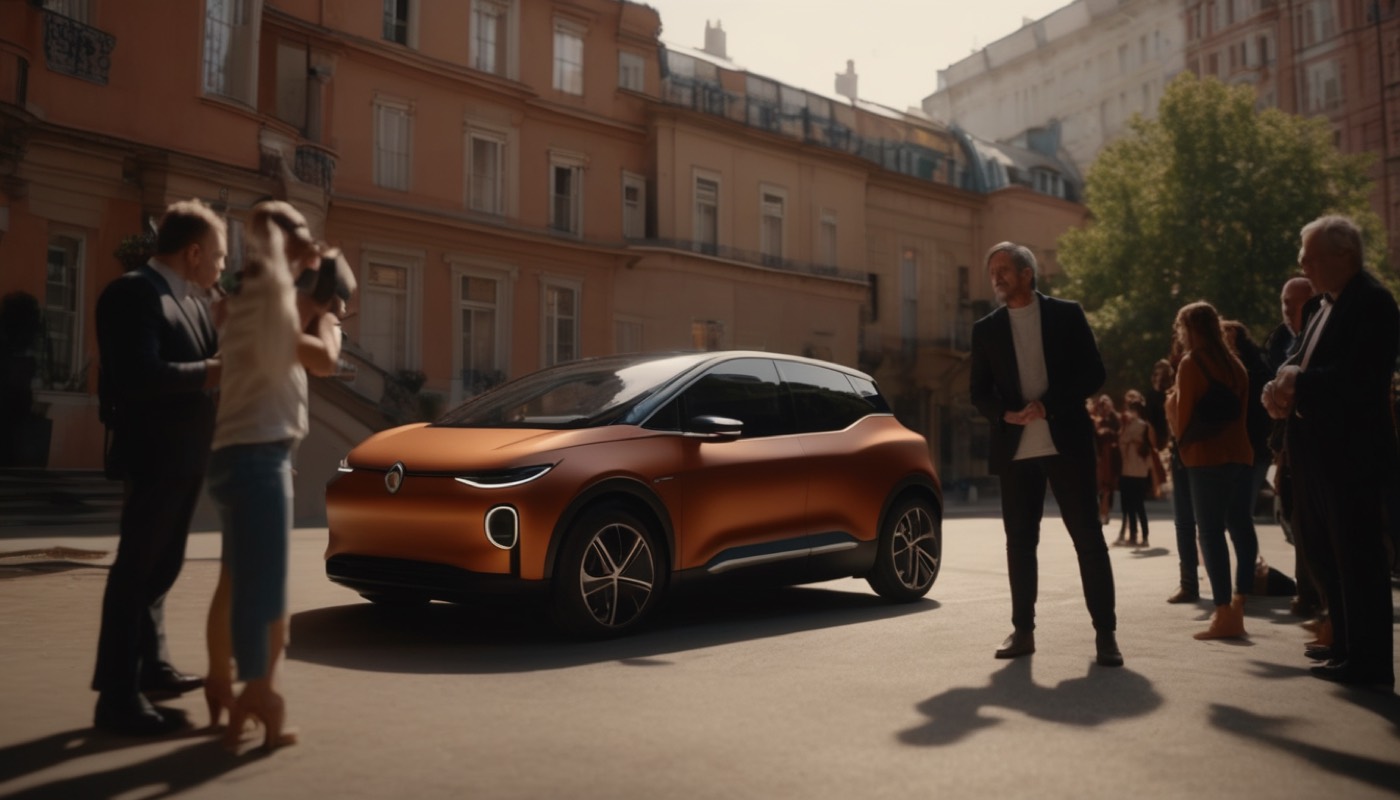
Sodium-ion's first real-world proof did go into a car, though — just not the kind chapter five would predict.
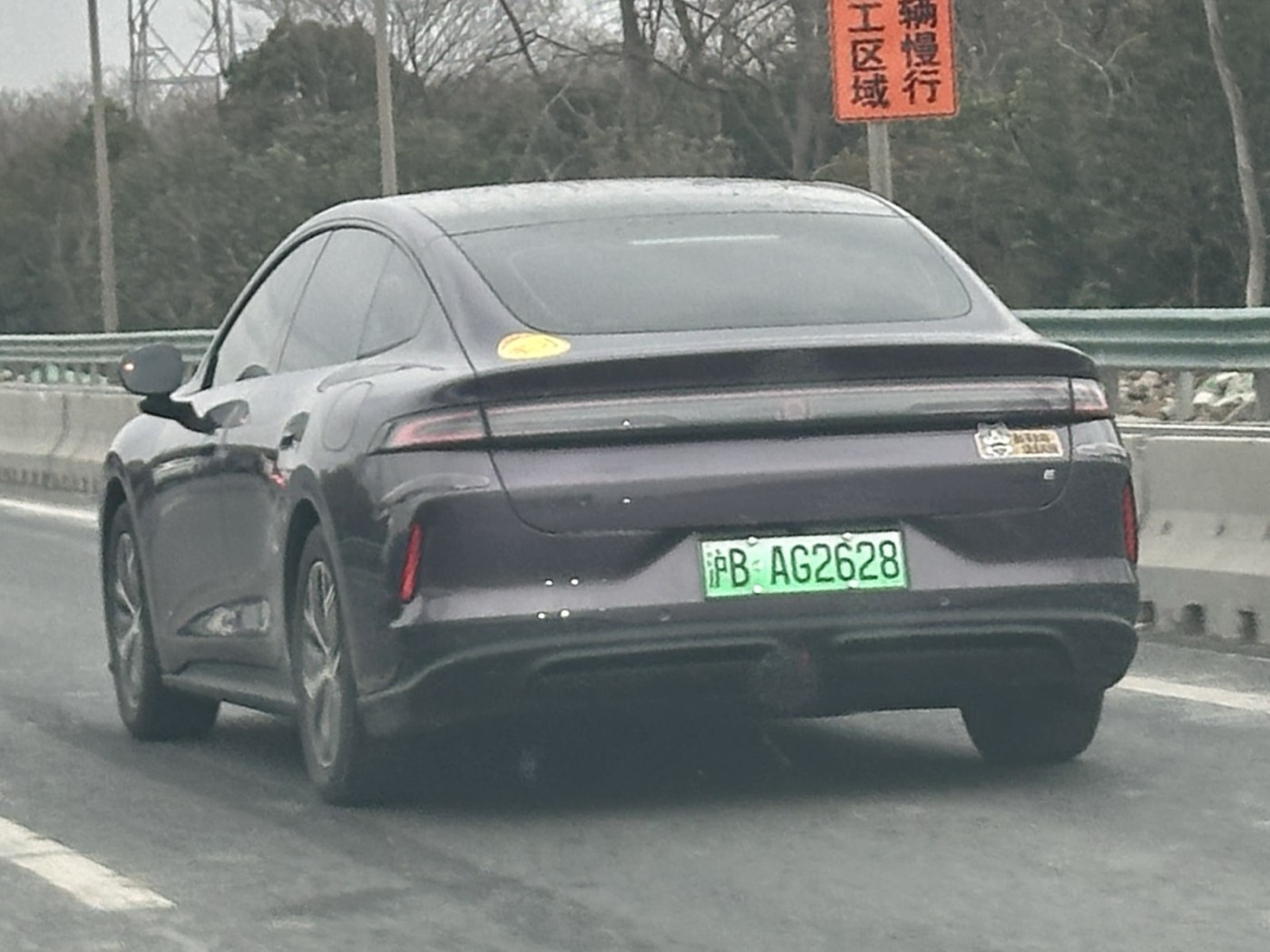
On the fifth of February 2026, CATL and the Chinese automaker Changan unveiled the Nevo A06, described by both companies as the world's first mass-production passenger EV built around a sodium-ion battery. It uses a forty-five kilowatt-hour CATL Naxtra pack.
This is that car — the Changan Nevo A06, badged with CATL's sodium-ion pack, on sale in China from the middle of 2026.
This is the Changan Nevo A06, the first mass-production passenger car to ship with a sodium-ion battery. Its Naxtra pack is rated at a claimed range over four hundred kilometres on China's CLTC test cycle, with sales beginning in mid-2026.
Notice what kind of car this is. It is not a long-range flagship — a four-hundred-kilometre CLTC range is modest by 2026 standards, and CLTC figures typically read higher than the stricter European or American test cycles would show for the same car. That is chapter five's energy-density trade-off, in a real vehicle, on real roads.
The Nevo A06 is positioned as an affordable, shorter-range city car, where sodium-ion's cold-weather strength and lower cost matter more than squeezing out the last kilometre of range — the opposite pitch to a premium long-range EV.
8. Grid storage: where sodium wins now
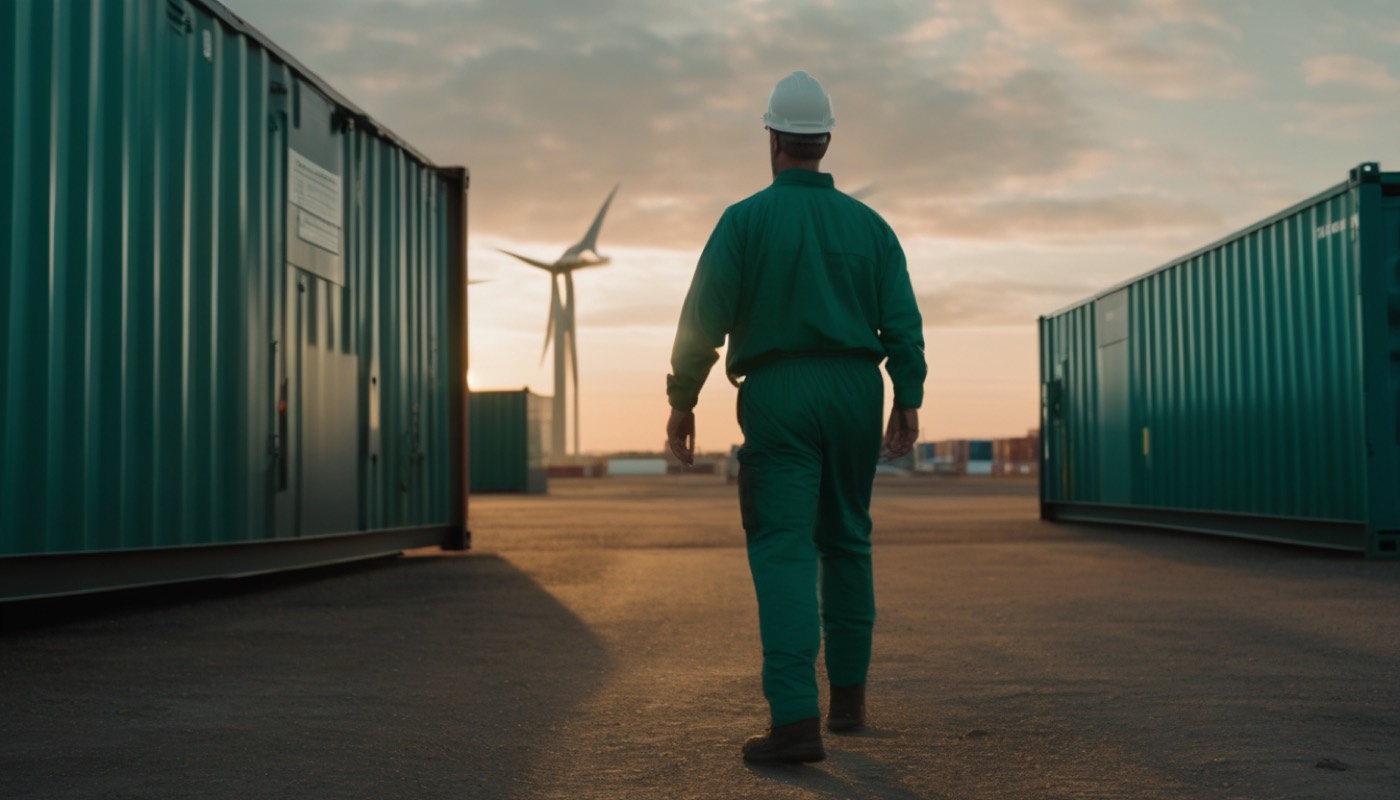
If a modest-range city car is sodium-ion's cautious first step into vehicles, grid storage is where the chemistry stops compromising.
A grid-storage battery sits in a container that does not move, so weight and size barely matter. What matters instead is cost, cycle life and safety — exactly the three things sodium-ion is strongest at, and exactly what chapter six covered.
That is why CATL's biggest 2026 sodium-ion push has been in storage rather than cars.
CATL launched its Tener Sodium storage system in Munich on the twenty-second of June 2026, rated above thirty megawatt-hours per unit and described by CATL as the first field-validated sodium-ion storage system at commercial scale. Deliveries to Chinese customers are planned from September 2026, with global shipments from June 2027.
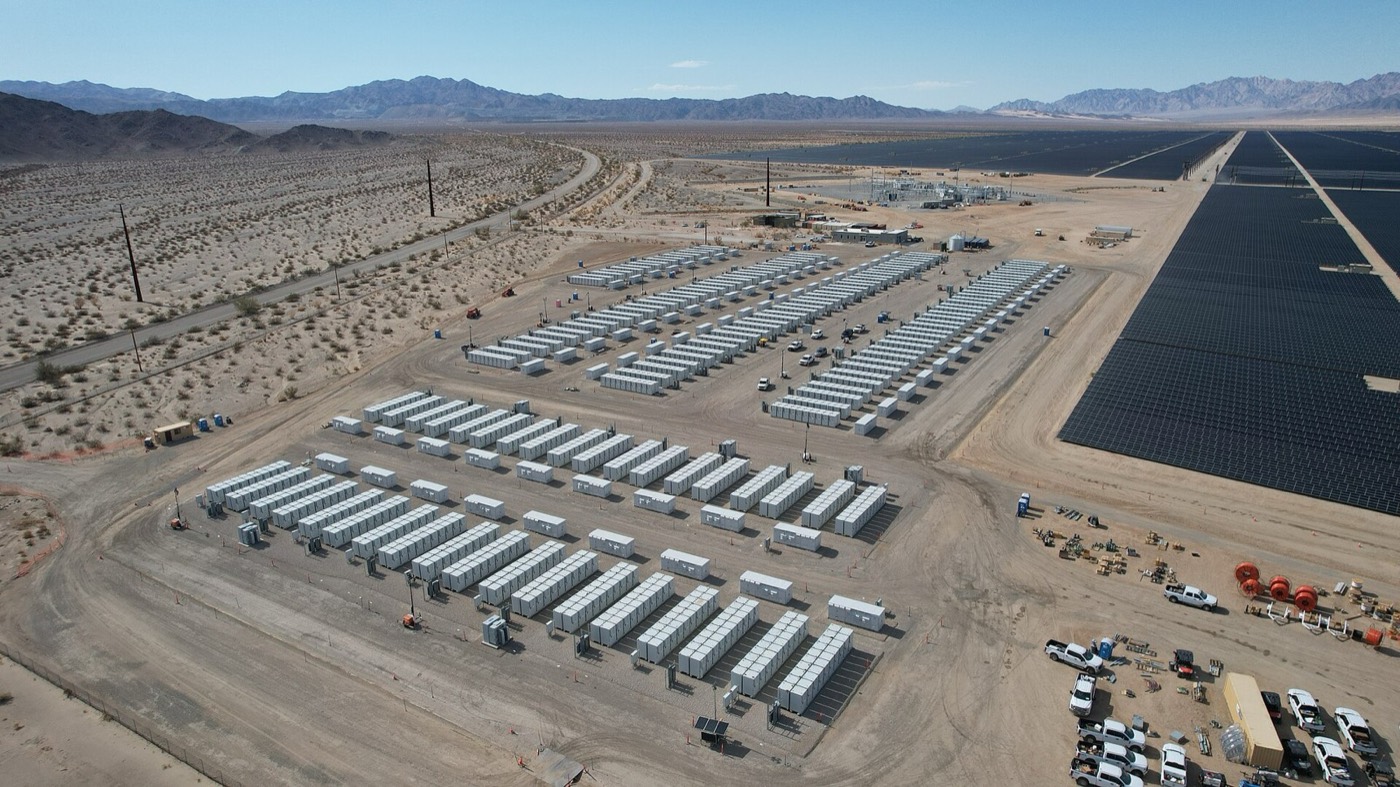
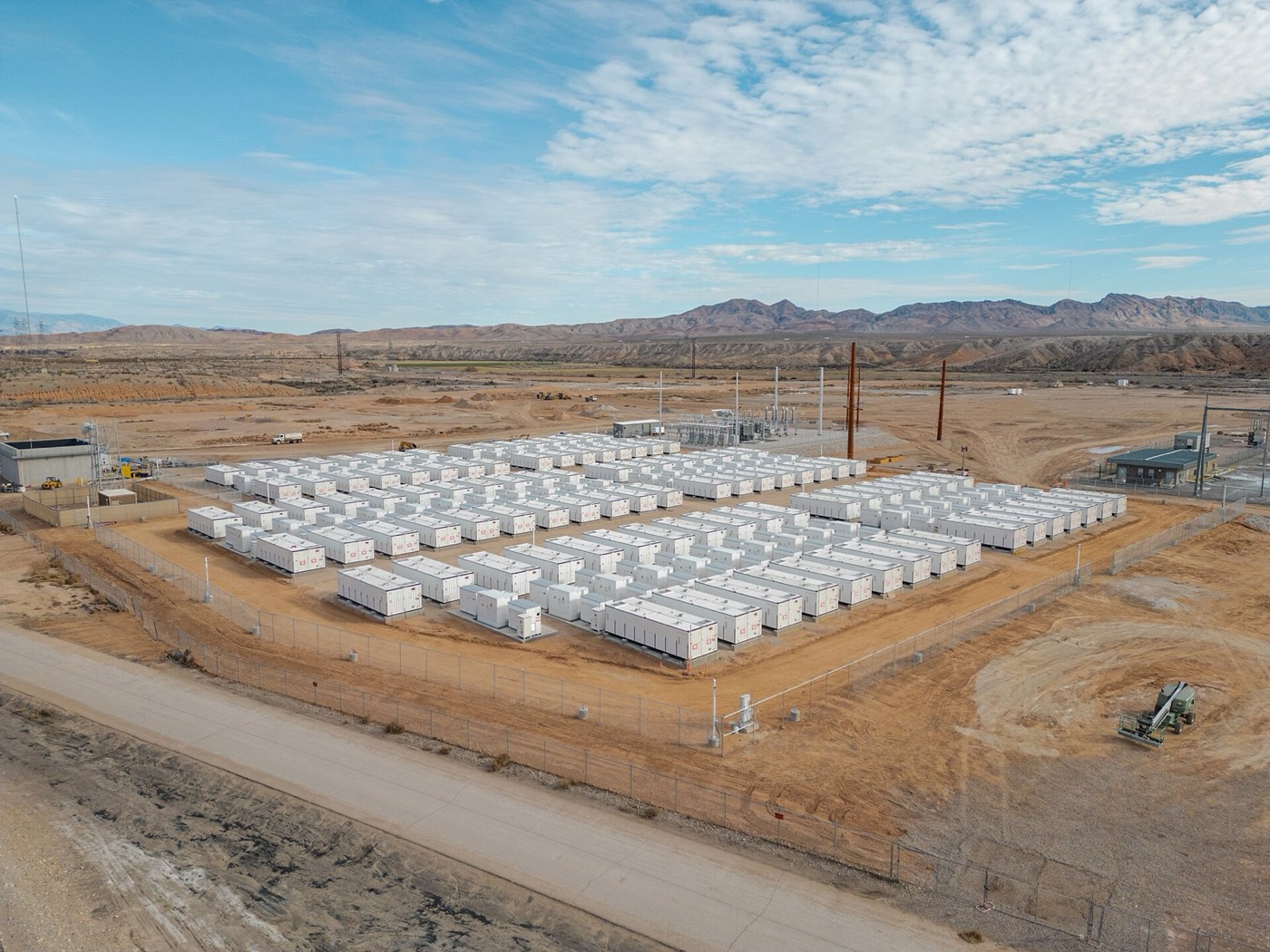
This is what that scale actually looks like on the ground: shipping containers of batteries, built to sit outdoors for decades, next to the wind or solar generation they are there to smooth out.
This is the Desert Sunlight battery energy storage system in California — rows of containers, each packed with cells, connected to the wider electricity grid. This is the kind of installation sodium-ion is now entering.
The April 2026 HyperStrong order from chapter one belongs here too, not in a vehicle showroom.
Wind and solar power generate on their own schedule, not on the grid's. Storage like this holds surplus power for when it is needed, and the sixty gigawatt-hour CATL-HyperStrong deal from chapter one is exactly this kind of order, at a scale nobody had placed for sodium-ion before.
This is the same idea again, at a different site.
This is the Reid Gardner grid battery storage project in Nevada. Sites like this one are exactly where CATL's Tener Sodium system, and the HyperStrong order behind it, are meant to be installed.
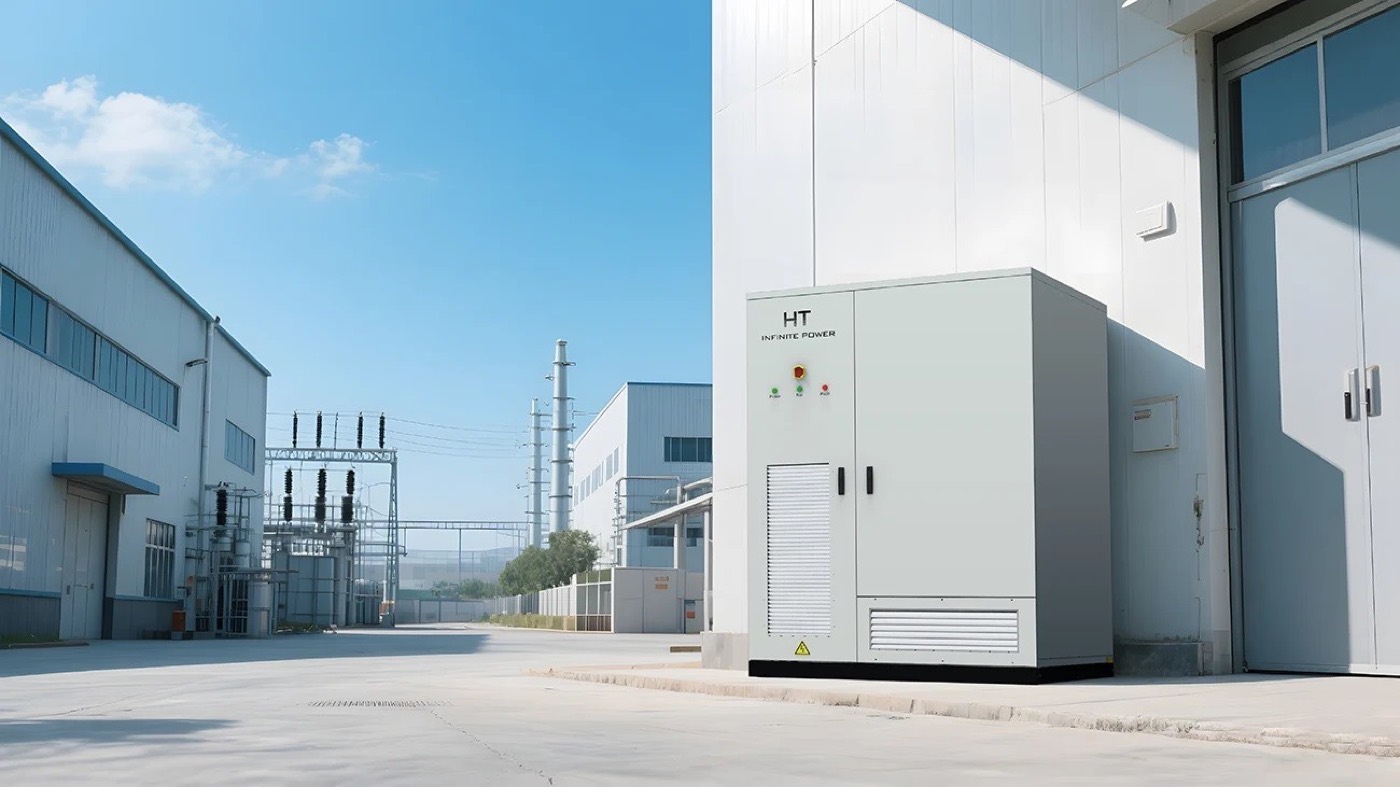
Cooling matters at this scale too, because thousands of cells packed together generate heat that has to go somewhere.
A large storage site has to keep every container within a safe temperature band, or its cells degrade faster and its warranty numbers stop holding. Sodium-ion's wider safety margin makes that job easier, not harder, at this scale.
These are air-cooled industrial battery energy storage containers. The air-cooling shown here is one of the simplest ways a large site keeps its cells within a safe temperature range, whatever chemistry is inside them.
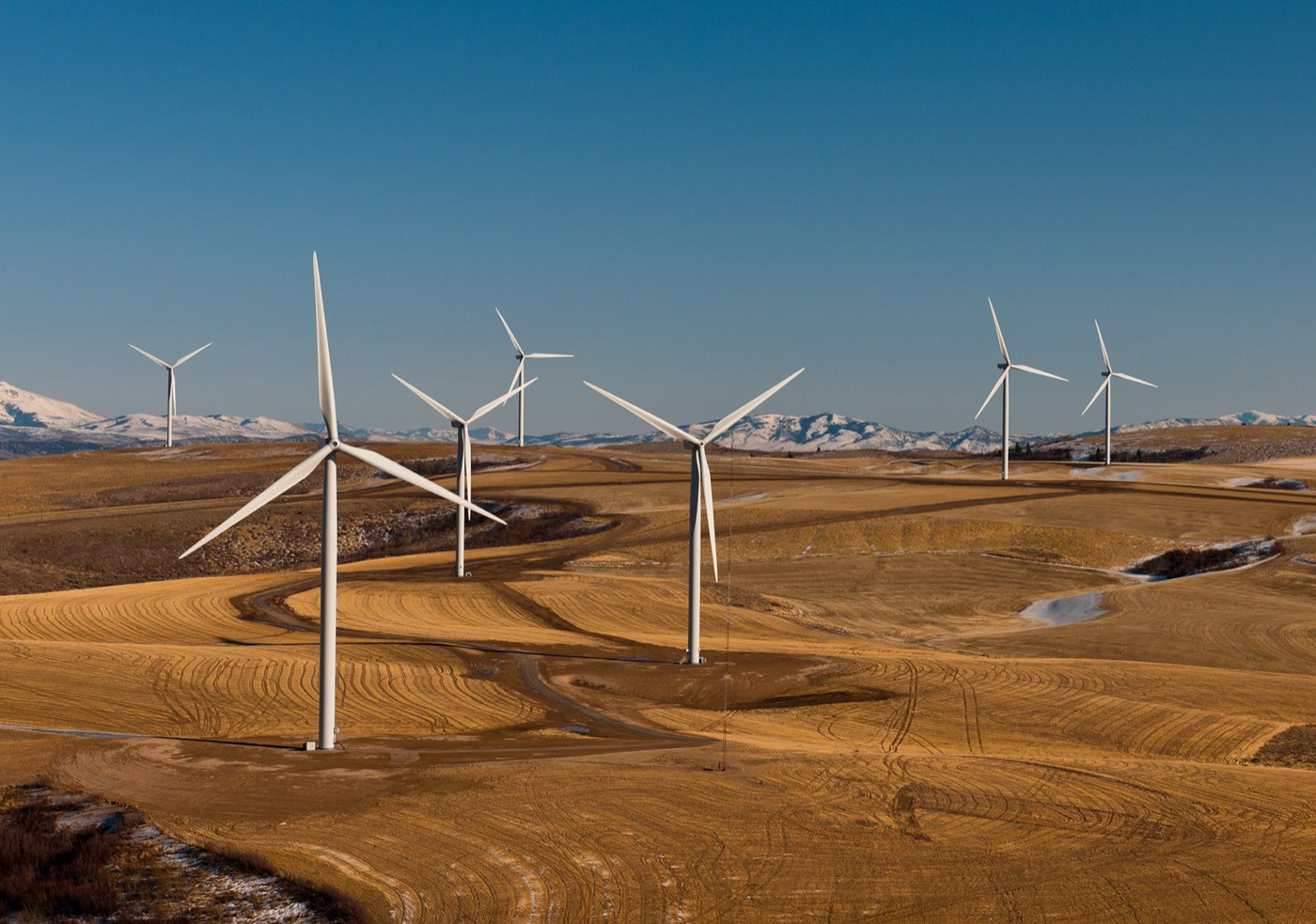
And here, finally, is the other half of the pairing — the generation this storage exists to smooth out.
Put a site like this next to wind or solar generation, and the whole picture comes together: cheap, safe, long-lived batteries next to power that arrives on nature's schedule rather than the grid's.
This is a wind farm in Power County, Idaho. Intermittent generation like this on one side, and batteries built to store cheaply and last decades on the other, is the market sodium-ion is winning first.
None of these sites use sodium-ion yet, but they show the market its first deployments are aimed at.
CATL launched Tener Sodium in Munich, and the storage sites shown in this chapter sit in California, Nevada and Idaho. Different continents, the same job: pairing cheap, long-lived batteries with power that does not arrive on demand.
9. The supply chain
Winning a market on paper and being able to supply it at scale are two different problems, and sodium-ion's supply chain is still the newer of the two.
Hard carbon, the anode material most sodium-ion cells use instead of graphite, is a far less mature supply chain than graphite's. Industry analysts treat hard-carbon supply as sodium-ion's main bottleneck to scaling up production through the rest of the decade.
China currently holds the manufacturing lead across almost every part of that chain, and BYD is one of the companies building it out.
In January 2024, BYD's battery subsidiary Findreams broke ground on a thirty gigawatt-hour sodium-ion battery plant in Xuzhou, Jiangsu, working with the Huaihai Group. It is aimed chiefly at small electric vehicles such as scooters, where sodium-ion's weight penalty barely registers.
Outside China, the picture has been far harder, and one collapse shows why.
In September 2025, the American sodium-ion start-up Natron Energy shut down, laying off ninety-five staff and cancelling a planned one point four billion dollar, twenty-four gigawatt-hour gigafactory in North Carolina. Reporting on the closure points chiefly to a sharp fall in lithium-carbonate prices during 2025, which undercut the cost case sodium-ion was built on, plus the loss of federal EV incentives that had been supporting it.
Natron's collapse is the clearest illustration of this video's central tension, stated plainly: sodium-ion's entire commercial case rests on lithium staying expensive enough to beat. Which is exactly the risk the next chapter has to face.
10. The lithium price problem
So how expensive has lithium actually been, and can sodium-ion's cost advantage survive if that changes?
Battery-grade lithium carbonate in China fell sharply through 2025, to a reported low somewhere between about sixty and seventy-five thousand yuan a tonne depending on the source and the exact week. By mid-2026 it had rebounded to somewhere in the range of one hundred and sixty to two hundred thousand yuan a tonne.
Those numbers are given as ranges on purpose.
Reports of lithium carbonate's exact 2025 low, and its exact 2026 level, genuinely disagree by source and by week. This video is not picking one number and presenting it as settled, because the sources it checked do not agree on one. What every source does agree on is the shape: a sharp 2025 fall, then a rebound that roughly doubled the price well before the end of 2026.
That rebound is the whole risk to sodium-ion's cost case, stated plainly.
Sodium-ion's cost advantage over LFP exists because lithium carbonate has, for long stretches, been expensive. When lithium gets cheap, as it did through most of 2025, that advantage narrows. It was cheap lithium, more than any technical failure, that helped end Natron Energy, the start-up the previous chapter described.
A technology whose economic case depends on a competitor's raw-material price staying high is not a settled winner. It is a bet, made in public, by a company large enough to place it at sixty gigawatt-hours.
11. Verdict: cheaper chemistry or niche?
So: forwards to a cheaper chemistry, or a niche lithium will always beat? The honest answer, on the evidence in this video, is both — in different markets.
Sodium-ion clearly wins on raw-material cost, cold-weather output and cycle life. 2026 gave it three real mass-production milestones: a shipping passenger car, a shipping grid-storage product, and the largest sodium-ion order ever placed. It clearly loses on energy density against LFP, and its cost edge shrinks whenever lithium gets cheap.
Put those two lists side by side, and the pattern is not sodium-ion against lithium-ion in general — it is sodium-ion against the one job lithium was never built to do cheaply.
Grid storage, where weight barely matters and cost, cycle life and safety matter most, is where sodium-ion already wins. A long-range passenger car, where every kilogram counts, is where lithium chemistries are likely to stay ahead for years yet. The Changan Nevo A06 is the exception that proves the rule: a short-range city car, not a flagship.
What happens next depends less on sodium-ion's chemistry, which is now proven at scale, than on lithium's price, which is not something sodium-ion controls.
Watch three things through the rest of 2026: whether CATL's September delivery target for Tener Sodium is met, whether the hard-carbon supply chain keeps pace with new orders, and whether lithium carbonate's 2026 rebound holds or reverses. Any one of those could move the answer this video has given today.
Lithium built the grip it has over thirty-five years, on one number: energy density. Sodium-ion is not trying to beat that number. It is betting that, for enough of the market, that number was never the one that mattered most.
Sources and credits
Photo credits (Wikimedia Commons)
- Atacama lithium brine evaporation ponds, Chile: NASA Earth Observatory, Operational Land Imager (OLI) by Landsat 8, Public domain - https://commons.wikimedia.org/wiki/File%3ASalar_de_Atacama_Lithium_salt_ponds_2018.jpg
- Lithium-ion 18650 and 21700 cells: Sevenethics, CC0 - https://commons.wikimedia.org/wiki/File%3A18650_and_21700_lithium_ion_battery_cell.jpg
- Sodium metal sample: Nefronus, CC0 - https://commons.wikimedia.org/wiki/File%3ASodium_sample.jpg
- Changan Nevo A06, first mass-production sodium-ion passenger car: JustAnotherCarDesigner, CC0 - https://commons.wikimedia.org/wiki/File%3AChangan_Nevo_A06_001.jpg
- Desert Sunlight grid battery energy storage system: blmcalifornia, Public domain - https://commons.wikimedia.org/wiki/File%3ADesert_Sunlight_Battery_Energy_Storage_System_%2852945816430%29.jpg
- Reid Gardner grid battery storage project, Nevada: Sig. Chiocciola, CC0 - https://commons.wikimedia.org/wiki/File%3AReid_Gardner_BESS.jpg
- Air-cooled industrial battery energy storage containers: Yan lance, CC0 - https://commons.wikimedia.org/wiki/File%3AAir-cooled_industrial_and_commercial_battery_energy_storage_system.jpg
- Wind farm, Power County, Idaho: ENERGY.GOV, Public domain - https://commons.wikimedia.org/wiki/File%3APower_County_Wind_Farm_002.jpg


Primary sources
- CATL / PR Newswire, 'CATL and HyperStrong Sign the World's Largest Sodium-Ion Energy Storage Cooperation Agreement', 27-28 April 2026 -- corroborated by Electrek, PV Magazine, CleanTechnica, ESS-News, Interesting Engineering.
- R&D World, 'How CATL's Naxtra architecture moves sodium-ion beyond the lab', 2026; SodiumBatteryHub, April-June 2026; Bike-EV, 'CATL's Sodium-Ion Batteries Now In Mass Production', 2026 -- Naxtra cell specs, 175 Wh/kg, >90% power at -40C, >10,000 cycles.
- CarNewsChina, 'Changan and CATL unveil world's first mass-produced sodium-ion passenger EV', 5 February 2026; paultan.org; IAA Mobility newsroom; InsideEVs; New Atlas -- the Changan Nevo A06.
- CnEVPost, 'CATL pushes sodium energy storage to market with Tener Sodium launch', 22 June 2026; ESS-News, 23 June 2026; CleanTechnica; Interesting Engineering -- the Tener Sodium BESS, 15,000 cycles at 25C to 70% SOH, >92% capacity at -20C.
- CarNewsChina / CnEVPost / electrive.com, 'BYD starts construction of 30 GWh sodium-ion battery plant in China', 5 January 2024.
- LatitudeMedia, 'Facing liquidity problems, sodium-ion startup Natron Energy closes its doors'; CleanTechnica; TechCrunch -- Natron Energy's September 2025 collapse, 95 layoffs, cancelled $1.4bn North Carolina plant.
- CarbonCredits, 'Lithium Prices Climb Again in 2026' and 'Lithium Prices Crash Below $10K, Hitting a 4-Year Low'; Trading Economics; Gasgoo, 2025-2026 -- lithium carbonate price history, given as a range since sources disagree on the exact 2025 low and 2026 level.
- Wikipedia, 'History of the lithium-ion battery'; IEEE Spectrum; Battery Design; Chemistry World -- lithium vs sodium research history, Sony's 1991 commercial launch.
- DataDeep, 'Sodium-Ion Batteries in 2026: Cost Reality vs. LFP, CATL's Naxtra, and the Hard Carbon Bottleneck', 2026 -- sodium vs lithium carbonate raw-material cost gap, hard-carbon supply bottleneck.
Not regulated financial advice.