
Waste to Energy: What Happens When We Burn the Bin?
A bin lorry comes down the street once a week, and whatever is inside the wheelie bin disappears from view. This video follows residual waste, the rubbish recycling and food-waste collection cannot take out, to find out what actually happens to it.
It traces UK incineration back to 1874, when Nottingham engineer Alfred Fryer patented Britain's first purpose-built refuse destructor, through the furnace-and-boiler pairing that became the modern energy-from-waste plant. It goes inside a plant's moving-grate furnace, running at around 1000 degrees Celsius with a legally required secondary-combustion stage holding flue gas at 850 degrees for at least two seconds, then follows the hot gas to the turbine that generates electricity and sometimes district heat, and the exhaust gas through lime, activated carbon and a fabric filter before the stack. It follows the ash too: most becomes a construction aggregate, while air pollution control residue is hazardous waste sent to licensed disposal.
This video weighs the real service energy-from-waste provides today against the risk that it holds back the waste prevention and recycling the UK has committed to.
Covers England and Scotland; Wales and Northern Ireland run separate waste policies not covered here.
Educational documentary. Not financial or investment advice.
Tags
Chapters
Video notes
1. The bin that won't die
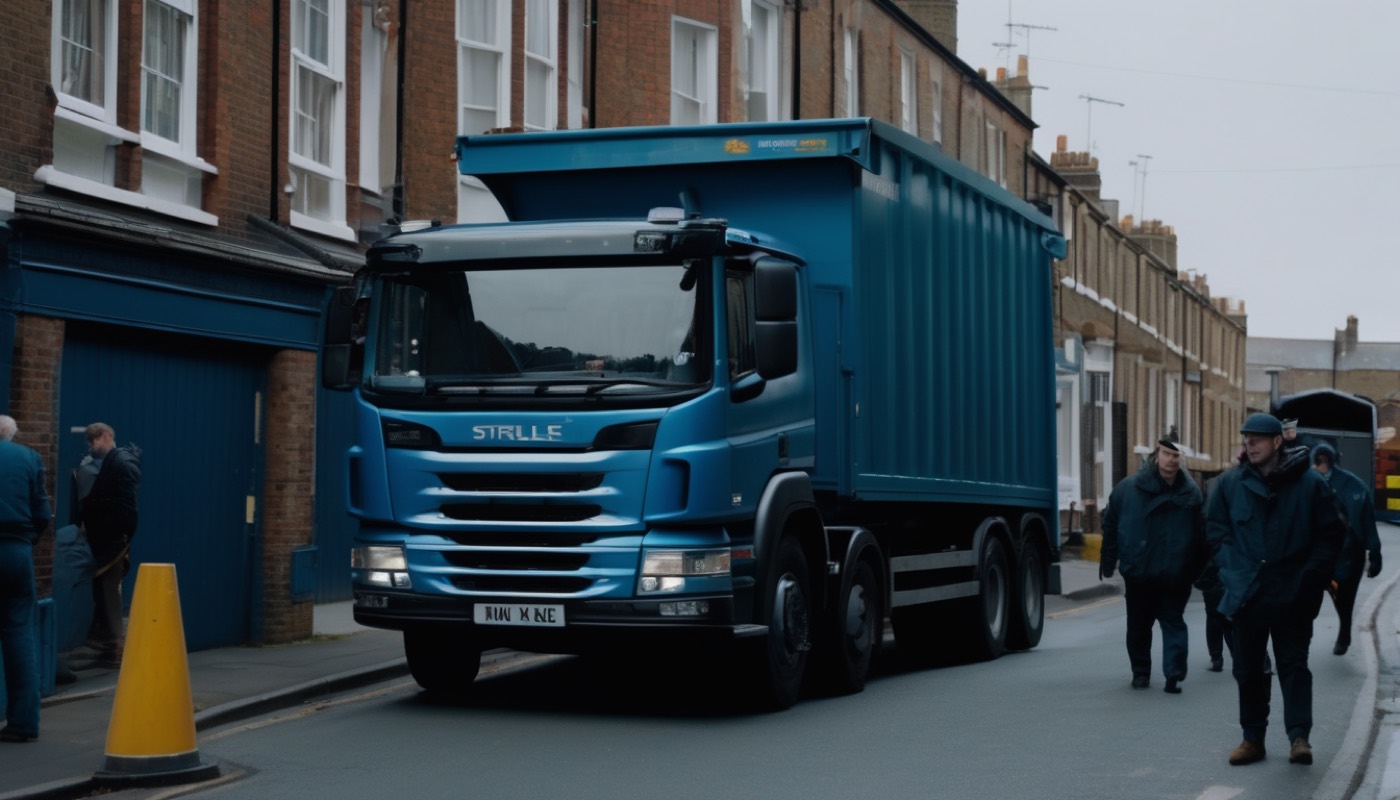
A bin lorry comes down the street once a week, and whatever is inside the wheelie bin disappears from view the moment the truck pulls away. Most people never ask what happens to it next. This video does.
Residual waste is the name for what is left in a bin once recycling and food waste have been taken out separately. It is not one material. It is a mixture of packaging, broken objects, textiles and food scraps that nobody managed to separate out, and it is the waste stream this video is about.
Two things can happen to residual waste once the truck leaves the street. It can go into the ground at a landfill site, or it can be burned for its energy at a plant built for exactly that job. This video is about the second option, and what actually happens inside it.
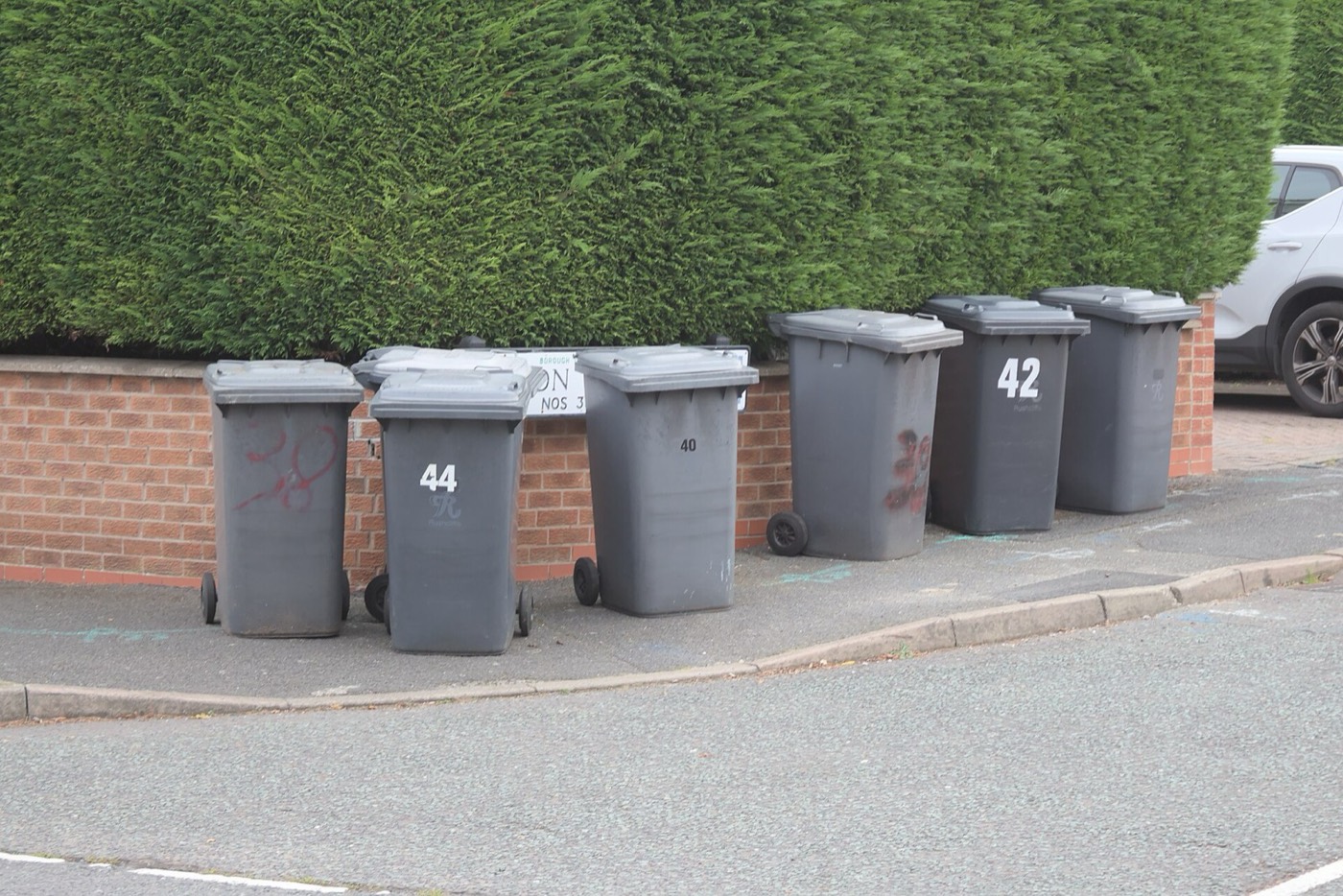
These are the bins this video is talking about: household wheelie bins put out for collection on a residential street in England. What goes into the black or grey bin, the one for waste that cannot be recycled, is residual waste. It is the raw material for everything that follows in this video.
Councils collect it, and then it has to go somewhere physical. A real building, built for the purpose, that most people who use it will never see inside.
More than half of all the household rubbish England's councils collect was burned for energy in the most recent full reporting year. That is now the single most common thing that happens to it, ahead of both recycling and landfill.
A plant that does that burning is called an energy-from-waste plant. The next chapter in this video explains how the UK ended up building them in the first place.
This video follows residual waste across the UK, with most of its examples drawn from England, where most of the data in this video comes from. One of the plants this video uses as an example, the Edmonton Incinerator, is in London, England's capital.
Two real places, then: England as the scope of most of this video's figures, and London as home to one of its clearest examples.
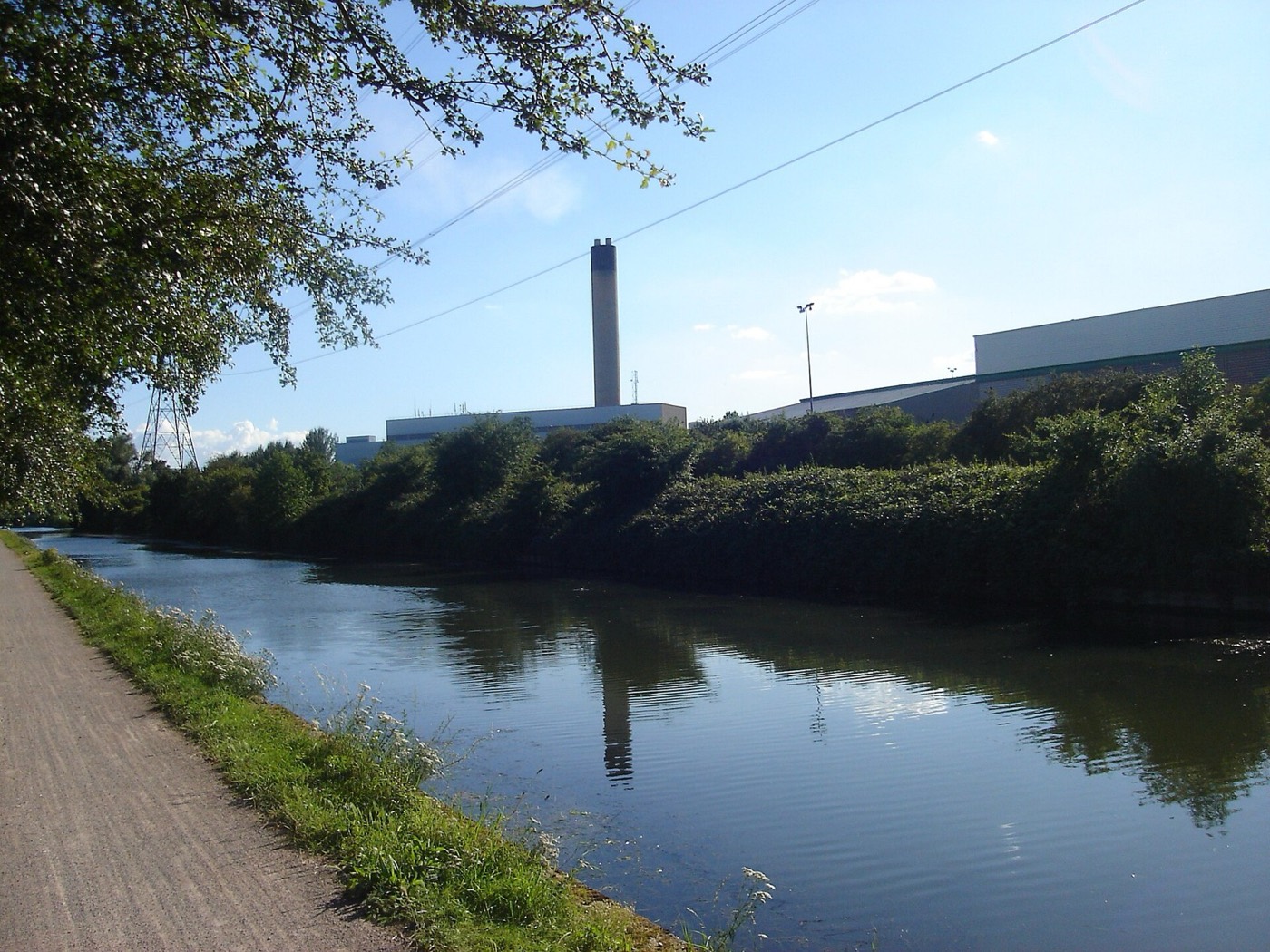
This is the Edmonton Incinerator, a modern UK energy-from-waste plant. It is the kind of building a wheelie bin's contents actually end up inside, and it burns residual waste while recovering the energy as it goes.
So that is the bin that will not die: its contents outlive the collection day, and they are about to travel somewhere most people have never seen. Chapter two picks up exactly there, a century and a half ago.
2. From destructors to power stations
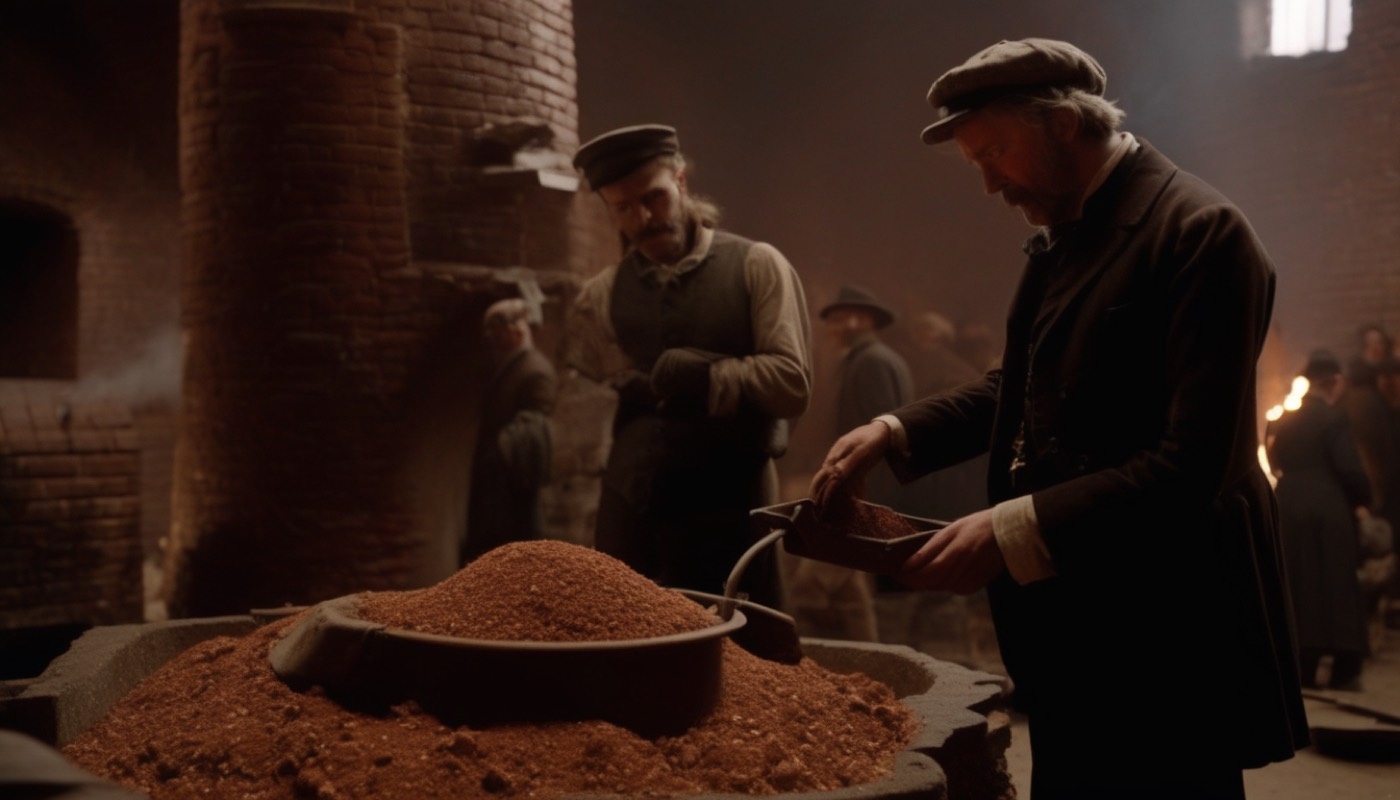
Burning rubbish for energy feels like a modern idea, but the UK has been doing some version of it since the 1870s. This chapter traces that line from its very first step to today.
In 1874, a Nottingham engineer named Alfred Fryer designed and patented Britain's first purpose-built rubbish-burning furnace. It was called a Destructor, and within about thirty years, roughly two hundred and fifty more had been built across the country. By the turn of the twentieth century, some of those destructors were being paired with boilers to put their heat to work, rather than simply venting it away.
That pairing, a furnace joined to a boiler, is the direct ancestor of the plants this video is about. The destructor made rubbish disappear; the boiler made the heat worth keeping.
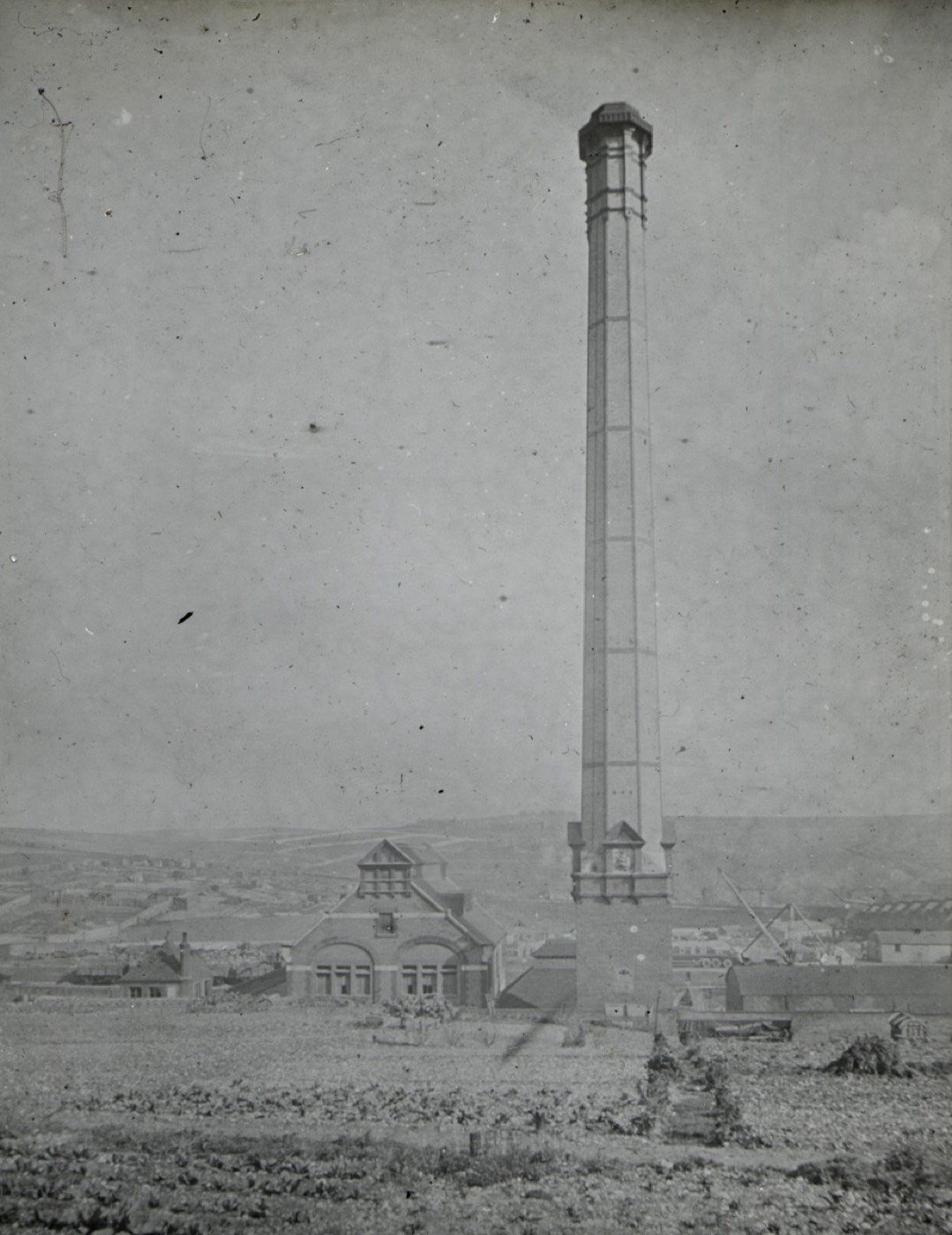
This is the Hollingdean Dust Destructor in Brighton, a Victorian municipal refuse destructor from the same era as Fryer's design. Buildings like this one burned a town's rubbish on an industrial scale, decades before anyone used the phrase energy recovery.
Burning anything hot enough produces heat, and heat can boil water into steam. That single fact is the whole reason a rubbish furnace can also be a power station.
The chain runs the same way it did a century ago. A furnace burns the rubbish. A boiler turns that heat into steam. The steam drives a turbine to raise electricity. Only the scale, the controls and the pollution equipment around that chain have changed since the first destructors.
That basic shape has not changed in a hundred and fifty years, even though everything built around it has.
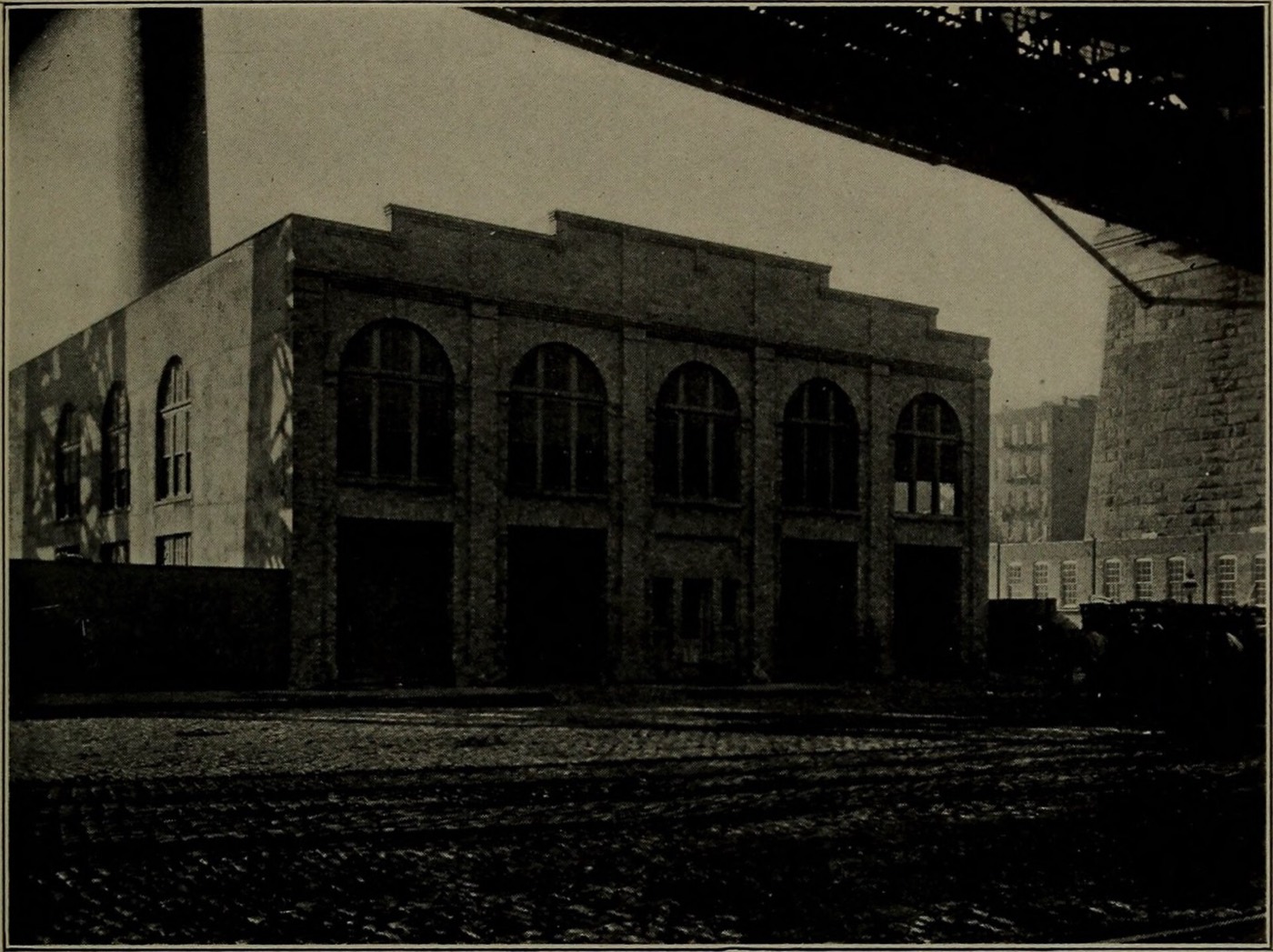
This illustration shows an early municipal refuse-disposal and destructor works, from a published account of the period. Scenes like this one were the testing ground for the furnace-and-boiler design every modern energy-from-waste plant still uses.
So the destructor's descendant is the modern plant this video is about, and the next chapter goes inside one.
3. Inside the furnace
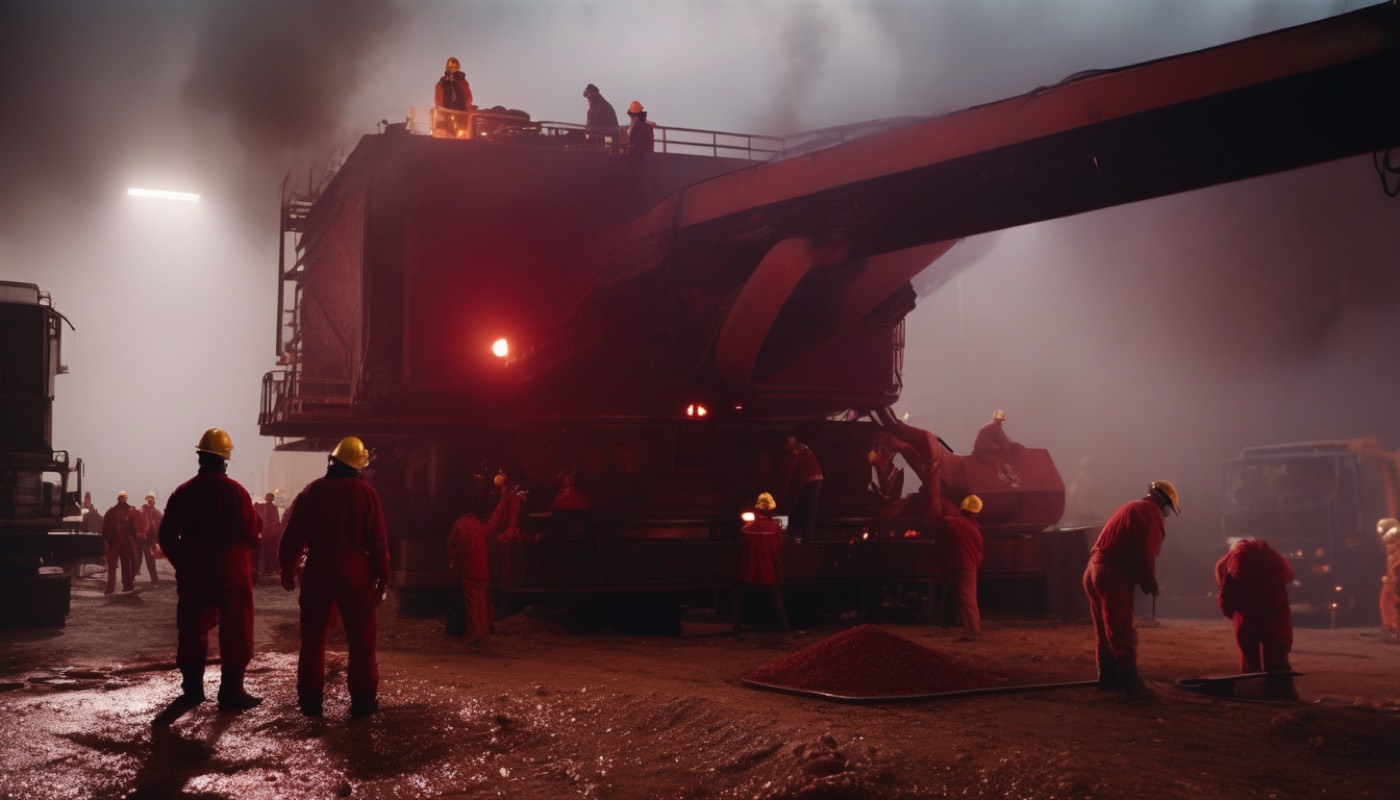
Open the doors of a modern energy-from-waste plant and the first thing you would meet is not fire. It is a bunker the size of a warehouse, full of mixed rubbish, waiting to be fed into the furnace a crane-load at a time.
A grab crane lifts mixed waste from the bunker and drops it into a feed chute. From there it falls onto a moving grate, a slowly travelling floor of metal bars that carries the waste through the furnace as it burns. SUEZ UK, which runs several of these plants, describes the furnace running at temperatures of around one thousand degrees Celsius. Air blown up through the grate bars keeps the fire burning evenly as the waste moves along.
That moving grate is the whole trick: rubbish does not sit still and burn out. It travels, drying first, then burning, then leaving as ash by the time it reaches the far end.
Burning rubbish does not finish the job on its own. Incomplete combustion can create harmful gases and a strong smell, so every plant has a second stage, immediately after the main furnace, called secondary combustion. UK law requires that stage to hold the gas at a temperature of at least eight hundred and fifty degrees Celsius. It has to stay at that temperature for a minimum of two seconds, specifically to break the harmful gases down.
That two-second hold is not a suggestion; it is a legal minimum written into UK environmental permitting rules, and it is the reason a modern plant does not simply billow black smoke the way an open rubbish fire would.
By the time the gas leaves secondary combustion, the hard part of burning is done. What is left is hot gas carrying energy, and a fine ash left behind on the grate. Chapter four follows the hot gas; chapter six follows the ash.
4. Turning heat into power
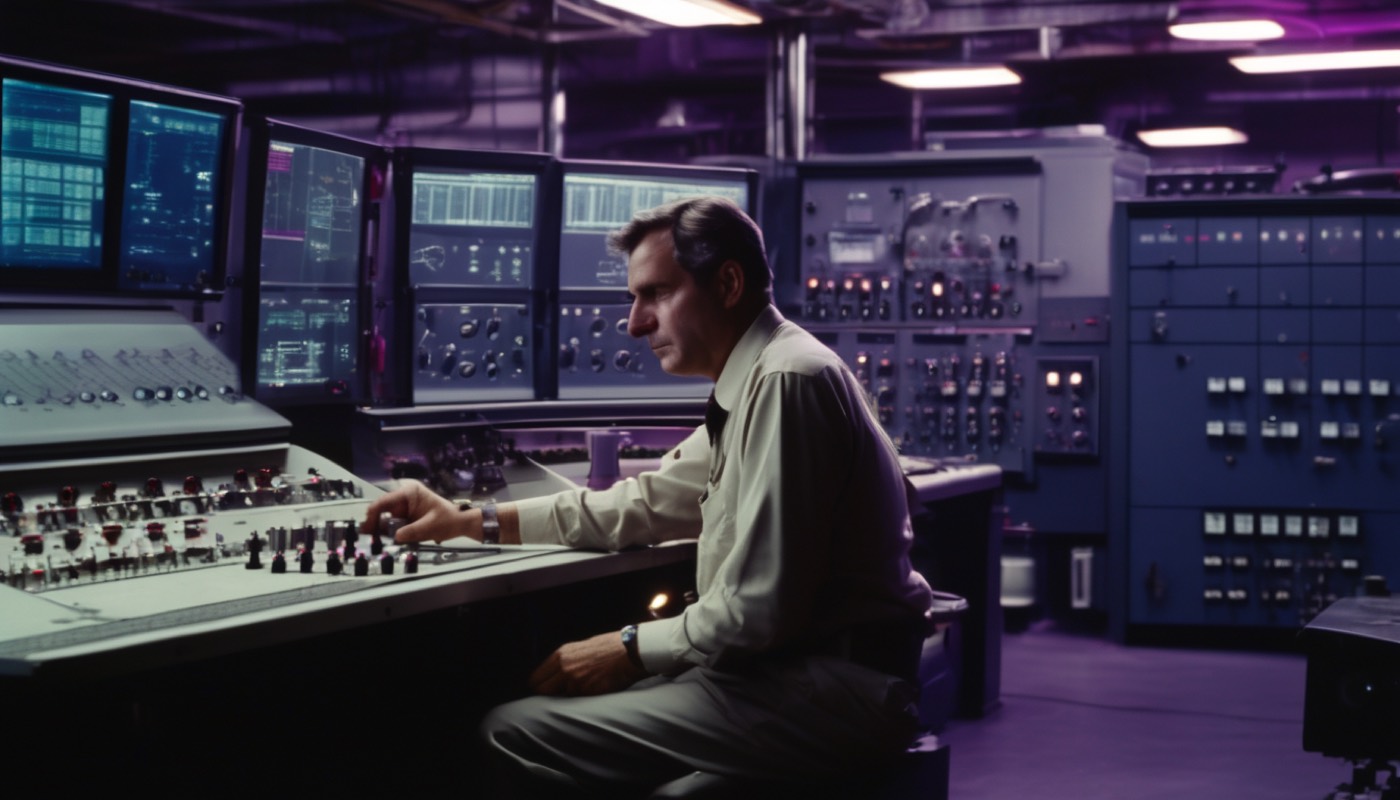
A furnace on its own is just a very controlled fire. The reason anyone builds one at this scale is what happens next: turning that heat into electricity, and sometimes into heat for homes as well.
The hot gas leaving the furnace is called flue gas, and it is routed through a boiler, where it heats water running through a network of pipes. That water turns to steam under high pressure, and the steam is piped to a turbine, where it is forced through blades that spin a generator. Spinning the generator is what actually produces the electricity a plant sends out to the grid.
This is the same chain that turns coal, gas or rubbish into electricity. Flue gas heats a boiler. The boiler makes steam. The steam spins a turbine. Only the fuel changes — the physics of boiling water into steam does not.
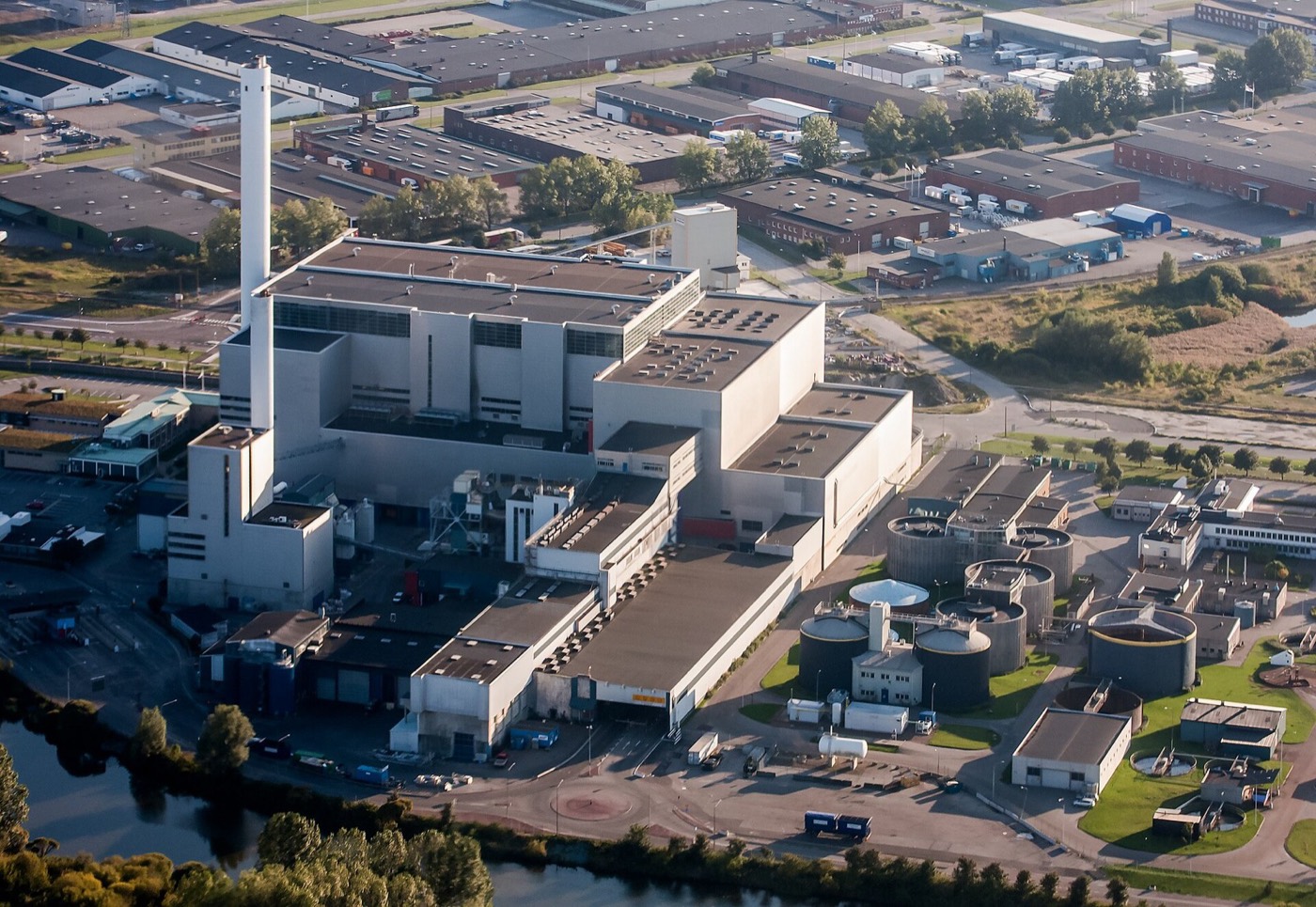
This is the Sysav waste-to-energy and heat-and-power plant, seen from the air. Some plants, like this one, are built not just for electricity but for district heating too: piping hot water from the same process directly into a network of homes and buildings nearby, rather than letting that extra heat go to waste.
Not every UK plant has a district heat network attached, because building one depends on there being enough homes close enough to connect. Where the connection exists, though, the same furnace is doing two jobs: electricity for the grid, and warmth for nearby buildings, from one fire.
So the furnace and the turbine between them turn a bin lorry's cargo into power on the grid. The next chapter deals with what comes out of the chimney once that is done.
5. Scrubbing the smoke
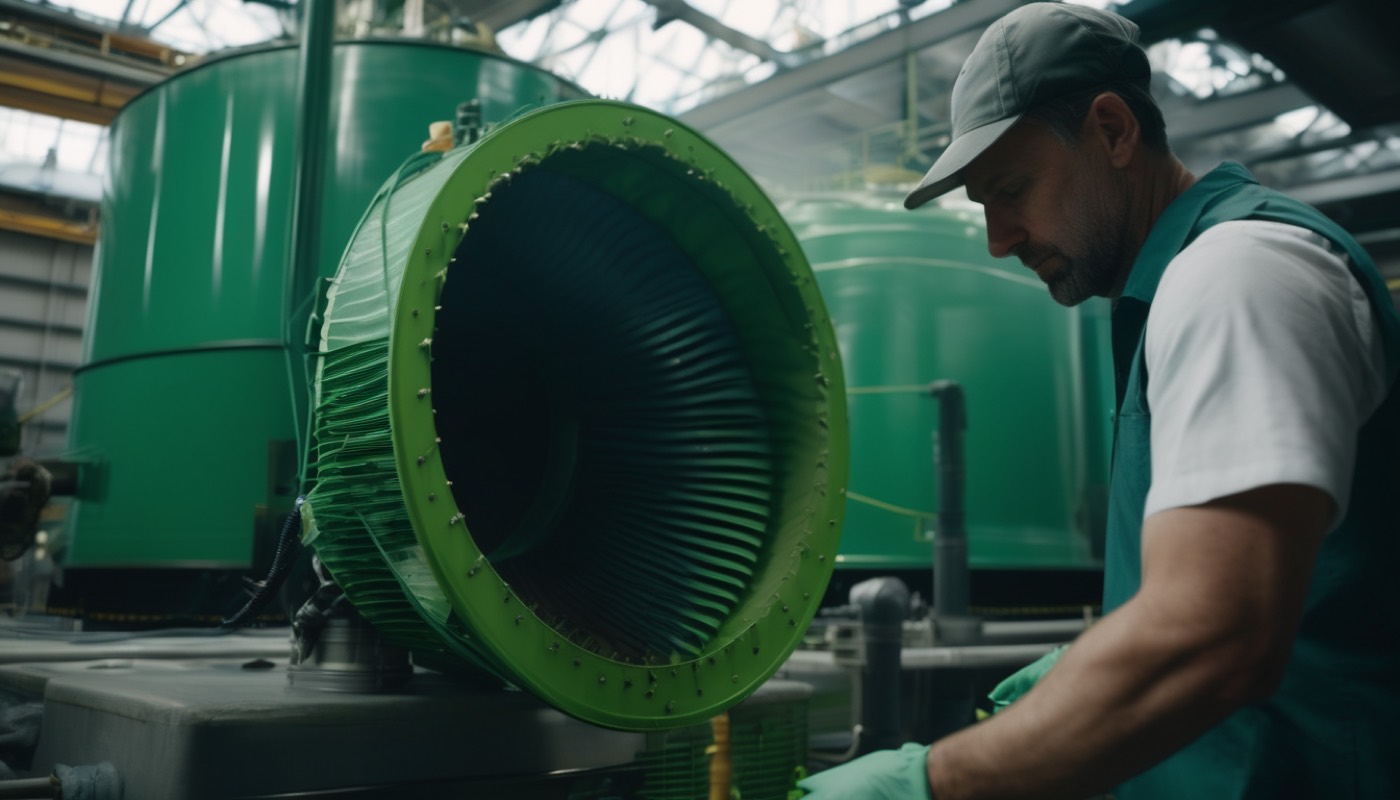
Burning a mixture of household rubbish does not produce clean gas on its own. Plastics, batteries, and all the other things in a residual bin can release acid gases, heavy metals and other pollutants when they burn. All of that has to be dealt with before anything reaches the chimney.
SUEZ UK describes a three-stage clean-up for the flue gas leaving the furnace. Lime is injected to neutralise acid gases. Activated carbon is added to trap dioxins and heavy metals, holding onto them the way a sponge holds water. Finally the gas passes through a fabric filter, a fine mesh that catches the remaining fine particles before anything is allowed up the stack.
Lime, carbon, then a filter: three separate jobs, each aimed at a different kind of pollutant, run one after another on the same stream of gas.
None of those three stages is optional, and none of them is new technology. Lime injection, activated carbon and fabric filtration have been standard across the UK's energy-from-waste sector for years. What they remove does not vanish, though. It becomes a residue, and the next chapter follows it. Cleaning the gas simply moves the problem from the air into a different, more manageable form.
Dealing with the acid gases, dioxins and metals before the chimney is what makes the difference between an open-air rubbish fire and a regulated energy-from-waste plant. What is left behind after burning still needs somewhere to go, which is exactly where chapter six picks up.
6. What's left: the ash
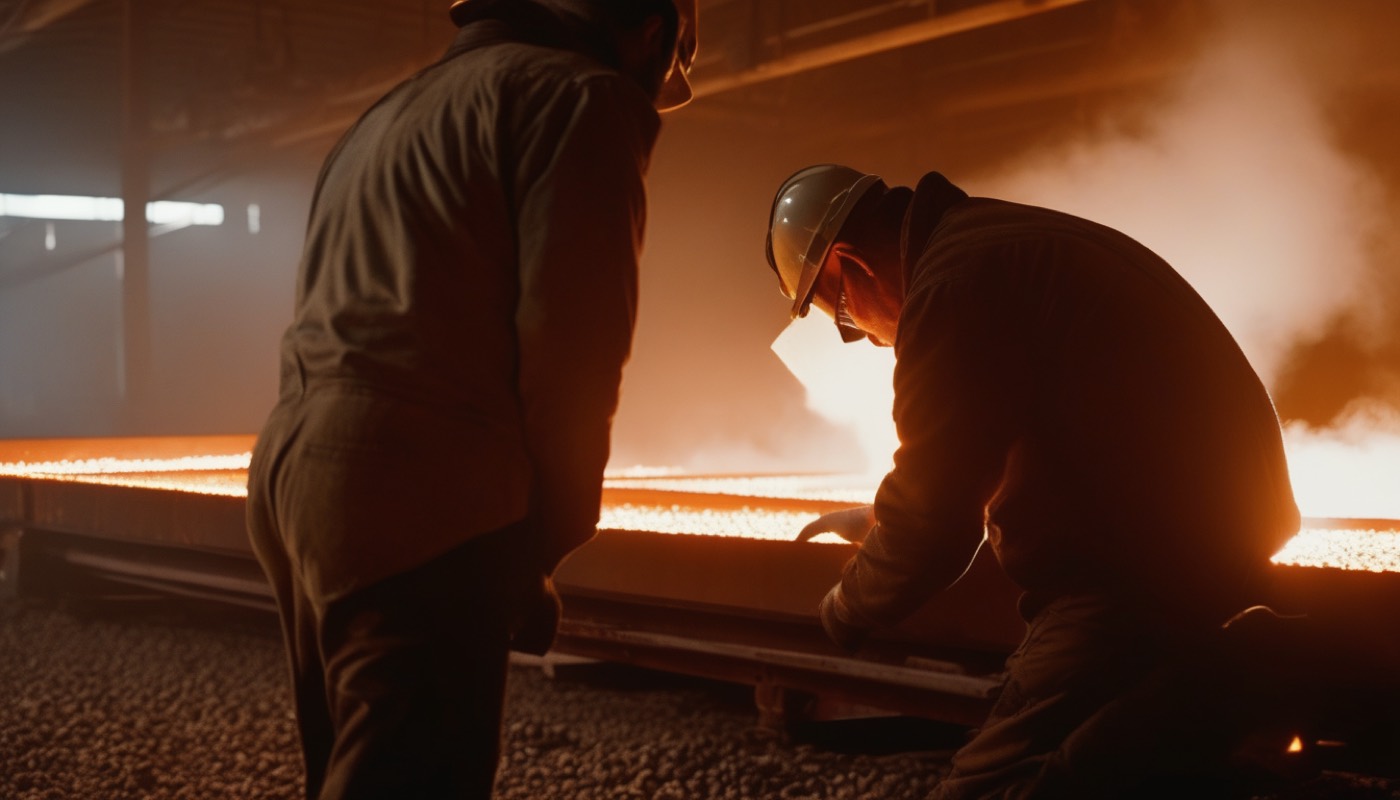
A furnace does not make rubbish vanish. It turns most of it into gas, which chapter five followed up the chimney, and the rest into ash, which is what this chapter follows.
Ash that falls off the end of the moving grate is called bottom ash, and it is mostly a grey, gritty material along with lumps of melted glass and metal. A magnet positioned over the ash conveyor pulls out ferrous metal, the magnetic kind, so it can be sold for recycling before the rest of the ash goes anywhere else.
Once the metal is out, the remaining bottom ash is not simply waste to be buried. After processing, it is commonly used as an aggregate, a material mixed into construction products, in the same role that quarried stone or sand would otherwise fill.
Not all of the residue from an energy-from-waste plant is reusable, though. The material caught by the lime, carbon and fabric-filter stages in chapter five is called air pollution control residue. Because it concentrates the pollutants taken out of the gas, it is classified as hazardous waste. It cannot go into ordinary aggregate, and it has to be sent to specially licensed disposal sites, kept entirely separate from the bottom ash.
So one plant produces two very different outputs from its ash alone: most of it becomes a building material, and a smaller, more dangerous fraction has to be contained on its own. That split between useful aggregate and hazardous residue is one the next two chapters return to, because it is part of the full cost of burning rubbish, not just the benefit.
7. The carbon bill
Every chapter so far has described a service: rubbish goes in, electricity and sometimes heat come out, and the leftover ash is mostly put to use. None of that is free of carbon, and this chapter is about the bill.
Energy-from-waste releases about seven hundred and ninety-nine grams of fossil carbon dioxide for every kilowatt-hour of electricity it generates. Burning gas to generate the same kilowatt-hour releases about one hundred and eighty-five grams. That comparison, from research published in 2021 and still the figure in current use, means burning rubbish for power is markedly more carbon-intensive than burning gas for the same amount of electricity.
Put plainly: for the same unit of electricity, burning rubbish puts more fossil carbon into the air than burning gas does, by a wide margin.
UK incineration as a whole produced about six and a half million tonnes of carbon-dioxide-equivalent emissions in 2019, Defra's most recent year for this specific figure. That is roughly one and a half per cent of the UK's entire non-biogenic greenhouse gas output, from burning rubbish alone, in a single year.
Non-biogenic simply means carbon that was locked away, mostly in plastics made from oil. It is different from carbon that was recently part of a living plant. Burning plastic releases carbon that was never going to re-enter the air on its own, the way burning food waste or paper would.
That carbon cost is the other half of the service described in earlier chapters, and it is the reason the next chapter's policy decision matters as much as it does.
8. The policy U-turn

Governments have a tool for putting a price on carbon: the Emissions Trading Scheme, which charges certain industries for every tonne of carbon dioxide they release. Waste incineration has never been inside it, and this chapter is about the decision to keep it that way for now.
The story runs through several dates. The Environment Act 2021 set a legally binding target to cut the residual waste England sends to incineration or landfill in half. That target took legal effect in January 2023. It must be fully met by 2042, with an interim staging post in 2030. Separately, the government had planned to bring waste incineration into the Emissions Trading Scheme from 2028. On the twenty-sixth of August 2026, the UK ETS Authority confirmed that planned 2028 start date would not happen after all.
Two different timelines, one about cutting the waste itself and one about pricing its carbon, running alongside each other, and only the second one has just been delayed.
The government's own words on the delay were direct. "We are aware that a lack of certainty regarding expansion of the UK ETS to waste incineration is undermining the ability of local authorities and industry to plan and budget for the future." No replacement date has been announced yet. The government says only that a new timeline will follow.
That uncertainty cuts both ways. Operators do not know when a carbon price is coming, and councils signing long contracts with incinerators cannot know what it will cost to keep using them.
So the waste-reduction targets from the start of this chapter are still legally binding, on their own fixed timetable, while the carbon price that was meant to sit alongside incineration has no date at all. Chapter nine asks what that mismatch does to capacity already being built.
9. Built for more rubbish than exists
Building an incinerator is a decades-long commitment: the plant has to be fed every year it operates to pay for itself. This chapter asks whether England is building more of that commitment than it has rubbish to fill.
England currently has fifty-three operational incinerators, with a combined capacity of fifteen point eight million tonnes of waste a year. A further ten plants are under construction, adding four point six million tonnes more. Put together, that is over twenty million tonnes of yearly incineration capacity either running now or being built.
That is the supply side. The demand side is residual waste itself, and government policy is actively trying to shrink it, through recycling targets that leave less and less material that needs burning or burying at all.
Campaign group UKWIN modelled what happens if England's own waste-reduction targets are actually met. Even assuming not one more incinerator is built beyond what already exists, their figures show incineration capacity exceeding the available residual waste by one point six million tonnes in 2030. That overcapacity gap only grows from there, reaching seven point six million tonnes by 2042.
Overcapacity, in this sense, means plants built to burn more rubbish than the country is on track to actually produce, once recycling targets start to bite.
All of this capacity sits in England specifically. The fifty-three plants, the ten more being built, and the overcapacity UKWIN projects are an England-wide picture, not a UK-wide one.
A plant with spare capacity and years left on its contracts needs something to burn. Chapter ten asks what that need does to the push for more recycling.
10. Locking in or freeing up recycling?
An incinerator is not paid for by the rubbish it burns on day one. It is paid for over a long contract, often running for decades, and that contract usually guarantees it a certain tonnage of a council's waste, every single year.
Those long contracts were designed to make an expensive plant affordable to build, by guaranteeing its operator a steady supply of fuel for decades. The trouble is that the same contracts can lock a council into sending waste to be burned, even in years when better recycling has reduced how much residual waste the council actually has left over.
A council that recycles more successfully than its contract assumed can end up without enough residual waste to meet its own commitment, or paying a penalty for falling short.
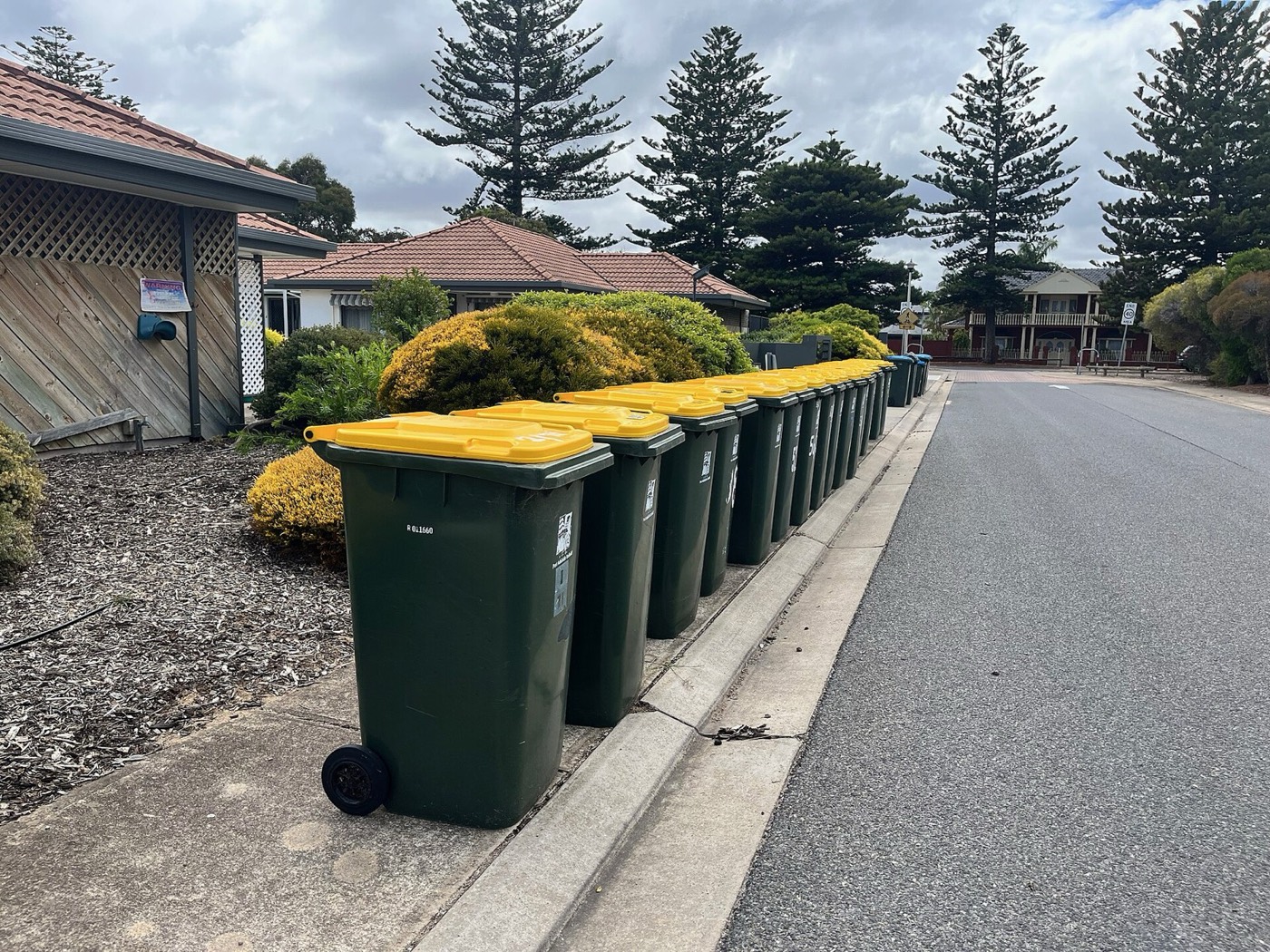
These are yellow recycling bins out for collection, the alternative route for the material this chapter is about. Incineration currently handles over half of England's local-authority collected waste. Government targets want that share cut to around a quarter by 2035, to make room for a recycling rate of sixty-five per cent instead. A council bound by an incineration contract has every incentive to keep its tonnage flowing even as those targets pull the other way.
That is the tension this chapter is named for: the same contracts that made it possible to build the plants in chapter nine can make it harder to hit the recycling targets this chapter describes.
Not every part of the UK faces that tension equally, and chapter eleven looks at where the balance actually tips the other way.
11. When burning beats burying

Everything so far has weighed a cost against a benefit. This chapter asks where that weighing still comes out in incineration's favour, and where it does not.
England and Scotland are heading in different directions on this. England already has an estimated incineration overcapacity problem, set out in chapter nine, with plants built for more rubbish than recycling targets will leave behind. Scotland's position looks different for now: its incineration capacity has grown fast, but from a much smaller base, and the country has recently acted to keep new capacity in check before it reaches England's scale.
That difference in starting position matters, because the right answer on burning versus burying is not the same one in every part of the UK.
Scotland burned over one point eight six million tonnes of waste in 2024. That is a rise of three hundred and fifty-four per cent since 2011. It is a much faster rate of growth than England has seen recently, even though Scotland's total incineration capacity still sits well below England's.
Rapid growth from a low base is not the same problem as overcapacity from a high one, but left unchecked for long enough, it can become the same problem later.
So the case for burning over burying holds up best where capacity has not yet run ahead of the waste available to fill it, and genuinely residual material, the kind that truly cannot be recycled, is what is actually going into the furnace. Where capacity has outrun the waste, as chapter nine described for England, that same case gets much harder to make.
12. What happens when we burn the bin
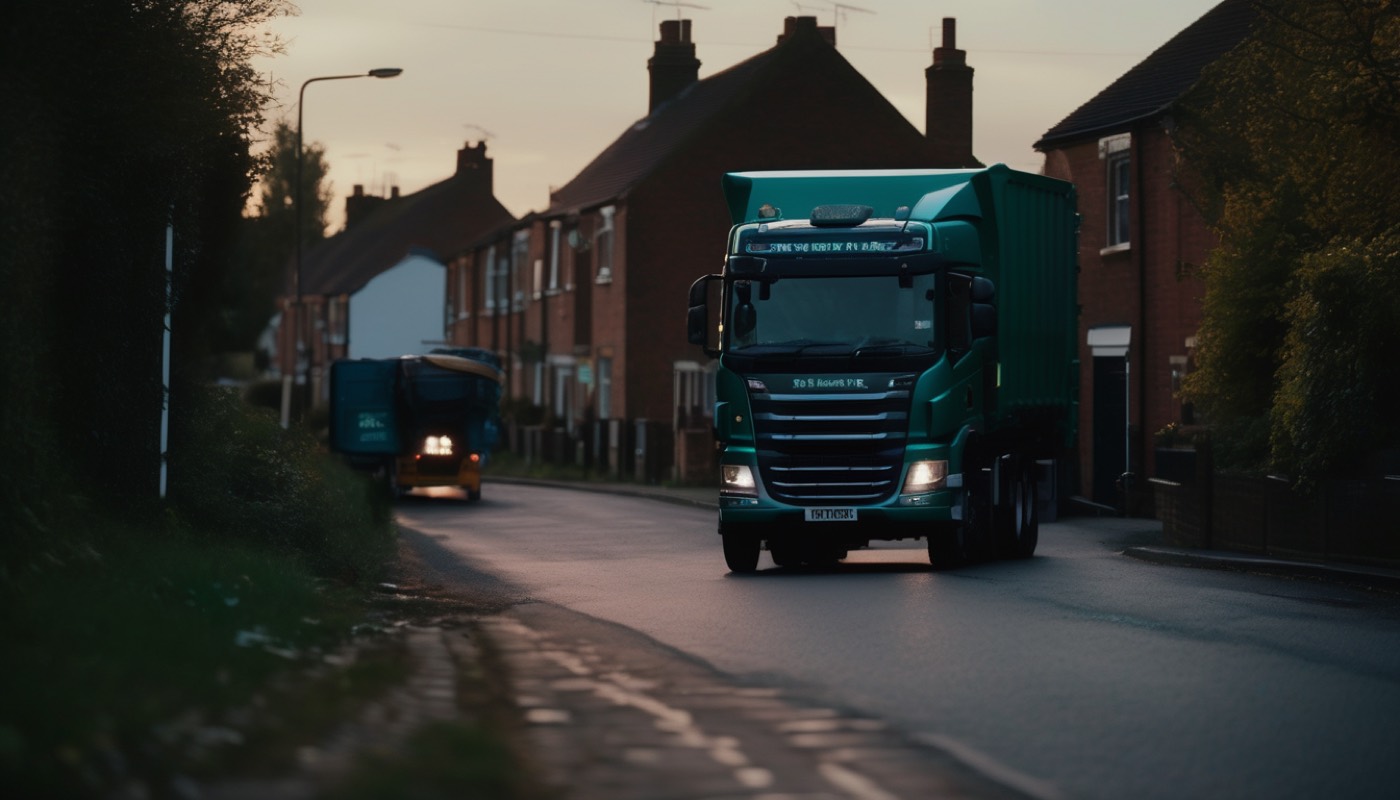
So, back to where this video started: a bin lorry pulls away, and its contents disappear from the street. By now you know where they can go, and what that choice actually costs.
Energy-from-waste is a genuine service. It takes rubbish nobody could recycle, generates real electricity and sometimes real heat from it, and turns most of the leftover ash into a usable building material rather than landfill. None of that is in doubt, and it is why incineration became the single most common fate for England's residual waste in the first place.
That is the case for the plants this video has spent eleven chapters inside.
Against that sits everything else this video has shown. This video found a carbon cost noticeably higher than gas, for the same unit of electricity. It found a policy meant to price that carbon, now delayed with no new date. And it found capacity built to burn more rubbish than the country's own recycling targets will leave behind by 2042.
Long contracts that made the plants affordable to build are the same contracts that can discourage the recycling needed to meet those targets.
Whether energy-from-waste moves waste management forwards or holds it back is not one answer for every plant. It depends on two things: whether what goes into the furnace is genuinely residual, and whether the contract behind that furnace still fits the country's own recycling targets.
That is what happens when we burn the bin. It is a real service, with a real bill attached. And it is a question this video leaves with you, rather than answering it for you, because the answer changes as the recycling numbers do.
Sources and credits
Photo credits (Wikimedia Commons)
- Hollingdean Dust Destructor, Brighton - Victorian municipal refuse destructor: Unknown authorUnknown author, Public domain - https://commons.wikimedia.org/wiki/File%3AHollingdean_Dust_Destructor.jpg
- Illustration of early 1900s municipal refuse disposal/destructor works, from The Disposal of Municipal Refuse (1906): Internet Archive Book Images, No restrictions - https://commons.wikimedia.org/wiki/File%3AThe_disposal_of_municipal_refuse_%281906%29_%2814595962280%29.jpg
- Edmonton Incinerator, London - modern UK energy-from-waste plant exterior: Northmetpit (talk) 12:10, 13 January 2008 (UTC), Public domain - https://commons.wikimedia.org/wiki/File%3AEdmonton_Incinerator_DSC00571.jpg
- Sysav waste-to-energy and heat/power plant, aerial view: This image was produced by me, David Castor (user:dcastor). The pictures I submit to the Wikipedia Project are released to the public domain. This gives you the, CC0 - https://commons.wikimedia.org/wiki/File%3ASysav%E2%80%93flygbild_06_september_2014.jpg
- Household wheelie bins out on a UK residential street (West Bridgford, Nottinghamshire): Aethonatic, CC0 - https://commons.wikimedia.org/wiki/File%3ABins_in_West_Bridgford_-_2_October_2025.jpg
- Yellow recycling bins out for collection: AlphaLemur, CC0 - https://commons.wikimedia.org/wiki/File%3AYellow_recycling_bins_out_for_collection.jpg


Primary sources
- UK Government (DESNZ / UK ETS Authority), UK ETS scope expansion to waste: consultation and policy update, 26 August 2026 - confirmed live 11 October 2026 against five independent trade reports (Circular Online, Let's Recycle, APSE, S&P Global Commodity Insights, Resource Media), all dated 26-27 August 2026 and describing the same delay and the same DESNZ verbatim statement used in the script.
- UKWIN (United Kingdom Without Incineration Network), Incineration Overcapacity Briefing, July 2026 Source for 53 operational incinerators (15.8 Mtpa), 10 under construction (+4.6 Mtpa), the 2030-2042 overcapacity table (1.64 Mt rising to 7.64 Mt), the >50% 2024/25 England incineration share, and the 65%-recycling-implies-~25%-incineration figure.
- Defra National Atmospheric Emissions Inventory (NAEI), 2019 waste-incineration greenhouse gas figures, via Resource Media and UK-AIR's own NAEI documentation - the ~6.5 million tonnes CO2e / ~1.5% of UK non-biogenic GHG figure.
- The Eco Experts, 'The UK turns 2.9 million tonnes of your recycling into dangerous emissions', published 23 April 2021, re- - the 799g/185g CO2-per-kWh comparison.
- Grace's Guide to British Industrial History, 'Alfred Fryer', and Wikipedia, 'Incineration' (history section), both - the 1874 Nottingham Destructor.
- Air Quality News and Environmental Standards Scotland (December 2025 incineration-capacity investigation report), both - Scotland's 1.86 million tonnes incinerated in 2024, a 354% rise since 2011.
Not regulated financial advice.