
Driverless Trucks: Is Autonomous Freight Finally Here?
A truck is rolling down a Texas interstate at seventy miles an hour, and there is nobody in the driver's seat. Is that the forwards step that fixes a trucker shortage and cuts road deaths, or a backwards bet on machines still confined to a handful of highway miles?
This video opens on the stakes: a US driver shortage the American Trucking Associations puts at 60,000-82,000 drivers in 2026, and 5,340 people killed in large-truck crashes in 2024. It explains why long, straight interstate miles became the first place driverless freight actually shipped commercially, ahead of city robotaxis, and how a driverless truck's lidar, radar and camera stack has to see further ahead than a car's to manage its much longer stopping distance.
Then the companies that didn't make it - Starsky Robotics, folding in 2020; TuSimple, winding down its US operations in 2023; Waymo, sidelining its Waymo Via trucking unit the same year - before the 'safety case' every surviving company must pass to remove the human safety driver at all.
The video follows Aurora Innovation's driverless runs on Interstate 45 between Dallas and Houston, past 500,000 driverless miles as of its September 2026 investor update, against its own target of 30,000 trucks by 2030. And it follows Kodiak AI's two different bets: driverless sand-hauling for Atlas Energy Solutions in the Permian Basin, and a September 2026 California produce pilot between Fresno and Los Angeles where a human safety driver still rides along.
It sets each company's current fleet and mileage against its own stated targets, weighs the jobs automation threatens against the jobs it cannot yet do, and closes on the last mile - the city streets, docks and loading bays no driverless truck yet handles.
Every figure is on screen with its source and date.
In these topics
Chapters
- A seat nobody wants and a seat nobody's in
- Why freight went to the highway, not the city
- How a truck without a driver sees the road
- The companies that didn't make it
- The exam before the empty seat
- Aurora's empty cab on the Dallas-Houston run
- Kodiak's two bets: oilfield and orchard
- Doing the math against 2030
- Whose job is actually on the line
- Where the empty cab stops
Video notes
1. A seat nobody wants and a seat nobody's in
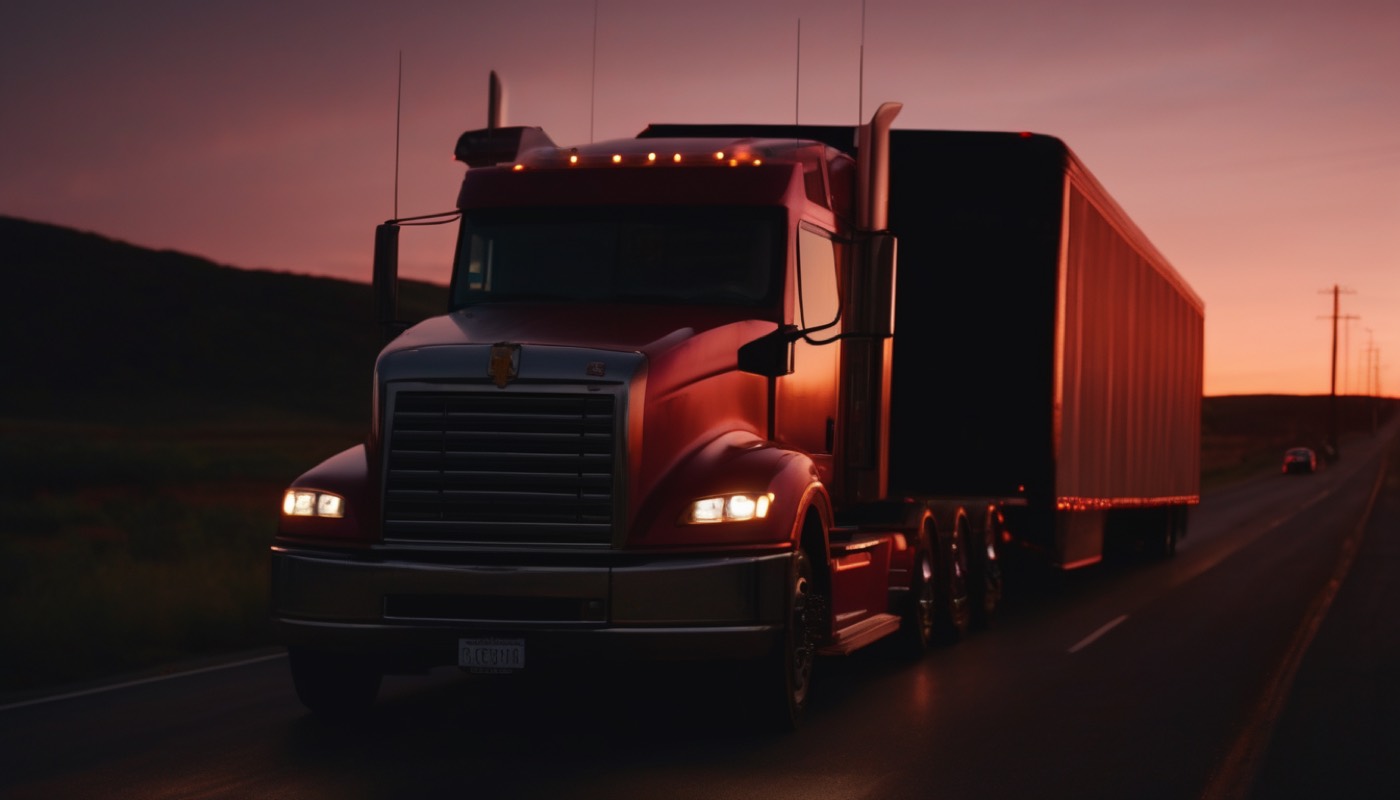
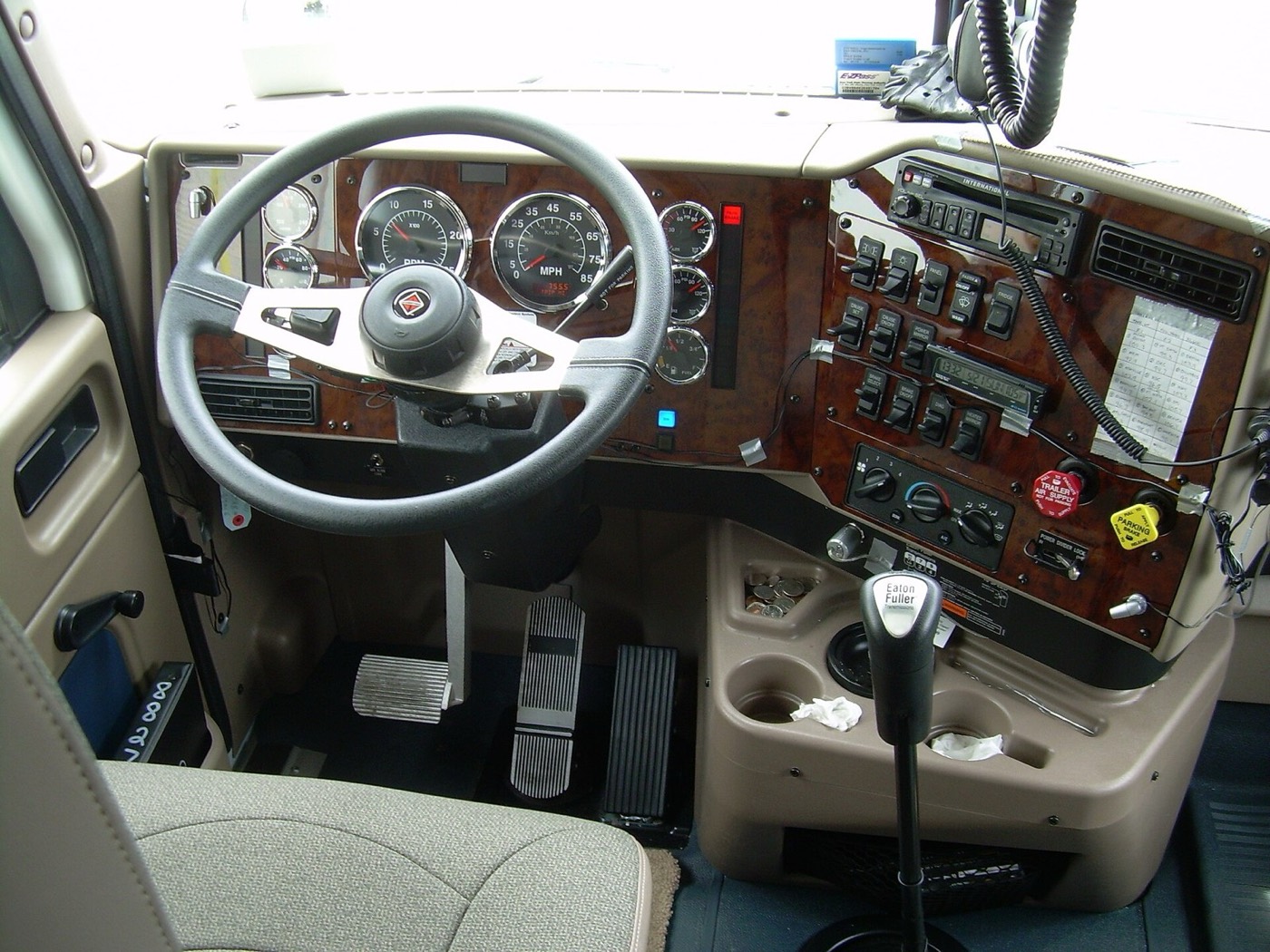
A truck is rolling down an interstate highway at seventy miles an hour, and there is nobody in the driver's seat at all.
This is the kind of cab that truck is built around: a steering wheel, a dashboard, and a seat meant for one person to sit in for hours at a time. Right now, across the United States, there are not enough people willing to sit in that seat.
That shortage is not a small gap. The American Trucking Associations puts the US truck driver shortage at roughly sixty thousand to eighty-two thousand drivers in 2026, a gap that has been getting worse for years, not better.
Five thousand, three hundred and forty people were killed in crashes involving large trucks in the United States in 2024. That is thirty percent more deaths than a decade earlier, even as trucks have gained more safety technology than ever before.
So before this video gets anywhere near the sensors, the software, or the companies racing to build this technology, it has to ask the plain question those two numbers raise.
Can a truck with no one in the seat actually fix either of those problems today — the shortage of people willing to drive, or the deaths on the road? That is the question this video spends the next fifteen minutes answering, honestly, chapter by chapter.
2. Why freight went to the highway, not the city
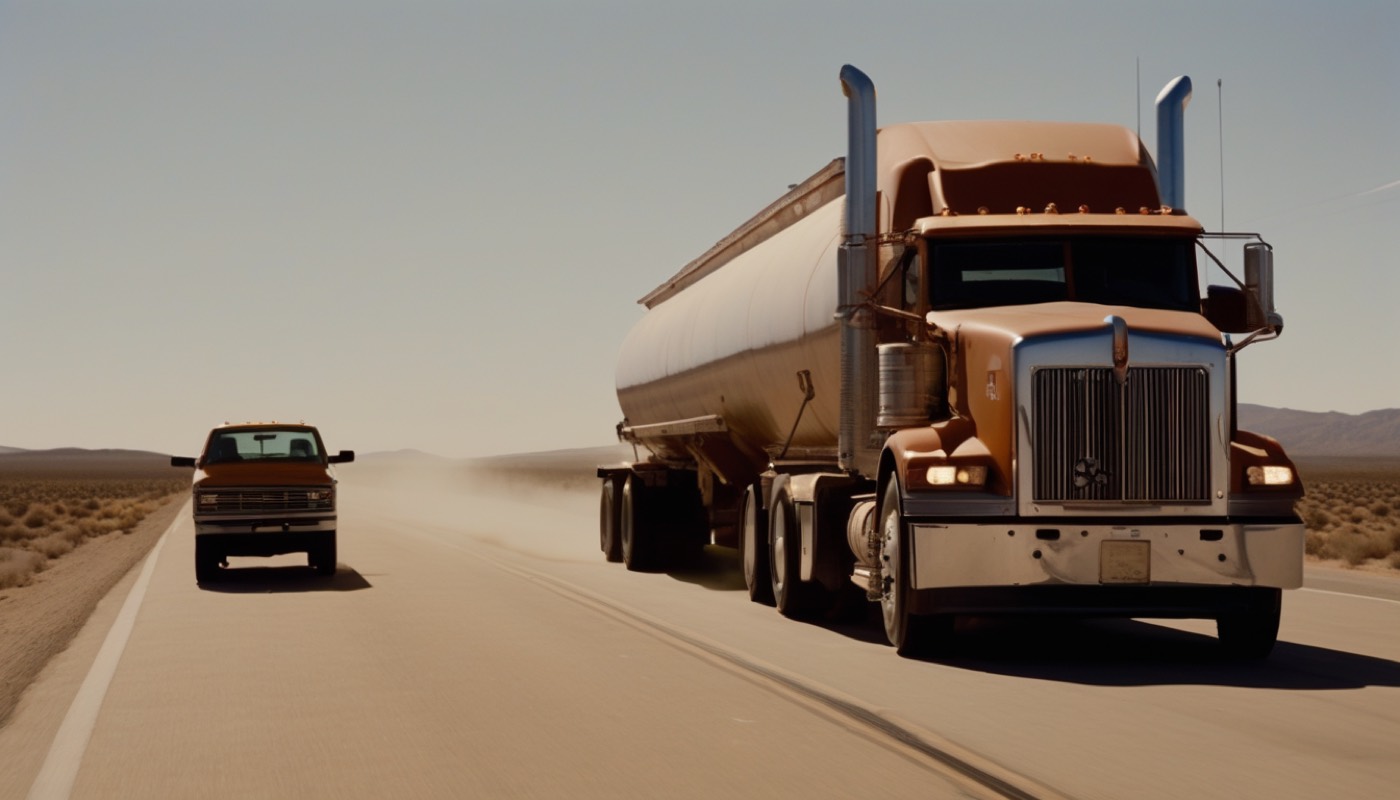
If you have read anything about self-driving cars, you have probably read about robotaxis creeping through city traffic. Freight went a different way first, and the reason is the road itself.
A city street throws a driving system an intersection every few hundred feet, a pedestrian who might step off the curb, and a turn to make almost every block. A long-haul interstate throws it almost none of that for hours at a stretch.
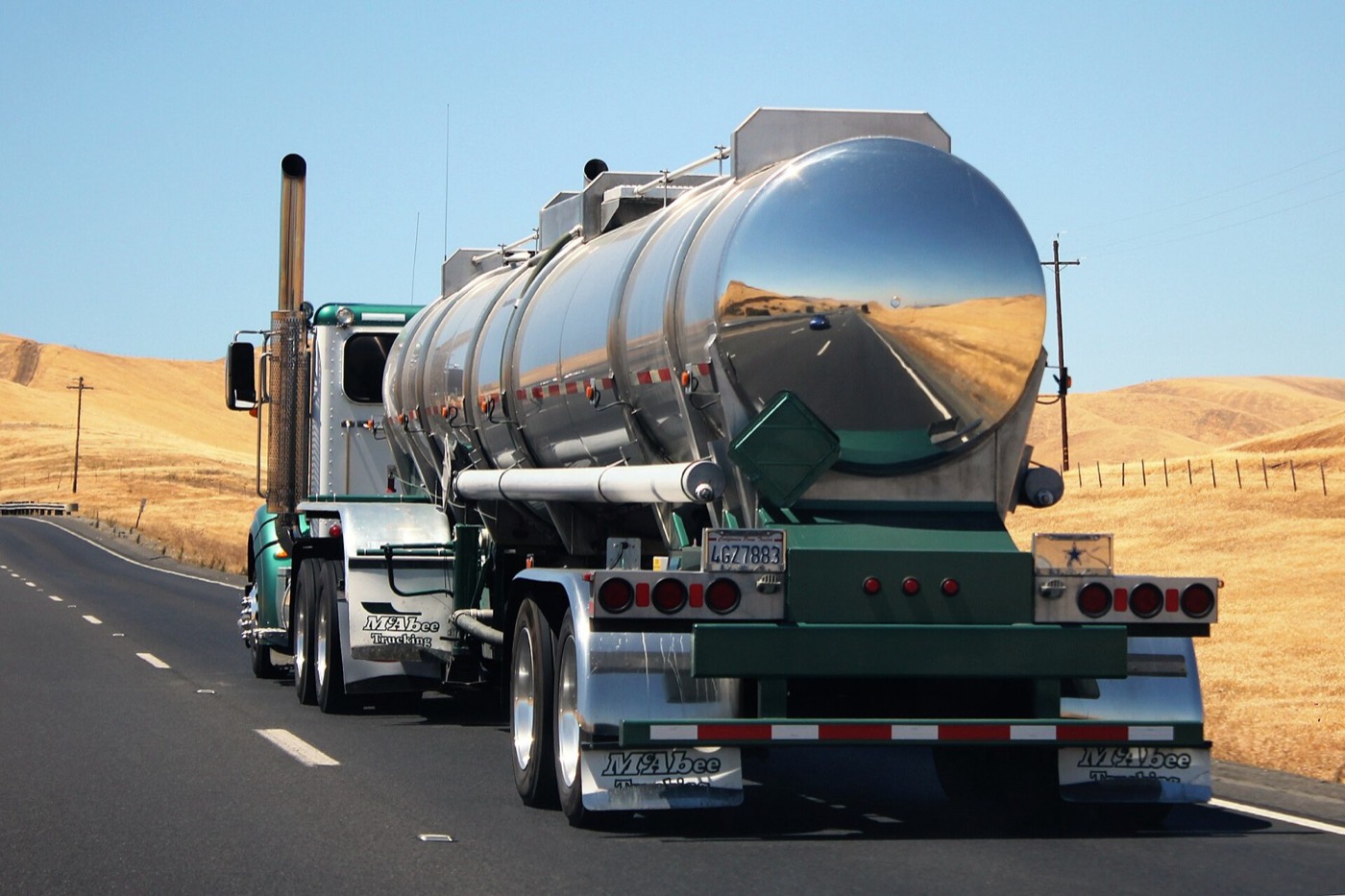
Here is the same comparison from the other side, on a stretch of highway like this one.
This is a long-haul truck on a California interstate, the kind of road where autonomous freight has actually gone to work first. Fewer intersections, fewer pedestrians, fewer turns, and far more predictable rules than any city street offers.
That is why, years before a city robotaxi could be trusted with a crowded downtown block, a truck could already be trusted with hundreds of miles of straight interstate.
3. How a truck without a driver sees the road
Trusting a truck with that stretch of road still means it has to see everything on it, further away and more reliably than a person ever could.
A driverless truck sees the road through three kinds of sensor working together. Lidar bounces laser light off everything nearby and builds a three-dimensional picture of it. Radar does something similar with radio waves, and keeps working in rain, fog or glare that would blind a camera. Ordinary cameras add colour, lane markings and road signs that neither lidar nor radar can read on their own.
Software blends all three readings into one picture of the road, because each sensor is strong exactly where the others are weak.
A loaded truck weighs many times what a car does, so it needs far longer to stop once the brakes are applied. That means its sensors have to see a hazard much further down the road than a car's sensors ever need to, just to leave enough time to slow down safely.
That longer sight line is not a nice-to-have. It is the entire reason a truck's sensor stack is built bigger and sees further than a car's.
4. The companies that didn't make it
Before this video gets to the companies doing this today, it owes you the companies that tried and failed, because their failures shaped everything that came after.
Starsky Robotics was founded in 2016, betting on a mix of highway autonomy and a human teleoperator who could take over remotely for the tricky bits at either end of a route. It shut down in March 2020, after its founders could not raise the money to keep going, and after investor appetite for self-driving trucks had cooled across the whole industry.
That was not the last door to close.
TuSimple announced in December 2023 that it would wind down its US operations entirely, cutting about seventy-five percent of its American staff, and shift its focus overseas instead. Waymo, the company best known for its robotaxis, sidelined its own trucking unit, Waymo Via, that same year, choosing to put its engineers back onto passenger cars.
Three different companies, three different reasons, and the same conclusion each time: driverless trucking turned out to be harder, slower and more expensive than any of them had planned for.
5. The exam before the empty seat
Every company still standing after those collapses has to pass the same exam before it is allowed to take the human out of the cab at all.
Regulators call it a safety case: a detailed internal record, built up over hundreds of thousands of miles, showing exactly how the system handles the situations it will meet on the road, and exactly what it does when something goes wrong. A company has to hand that record to a regulator and convince it that the system is safe enough before it may remove the human safety driver at all.
Nobody skips that exam, however far along their technology looks from the outside.
A safety case is not a single document signed once. It keeps growing with every mile logged, every incident recorded and every software update made, and a regulator can always ask to see more of it before agreeing that a company's trucks are ready to run with an empty seat.
That is the gate every company in this video has had to pass through, and the next two chapters show what is on the other side of it.
6. Aurora's empty cab on the Dallas-Houston run
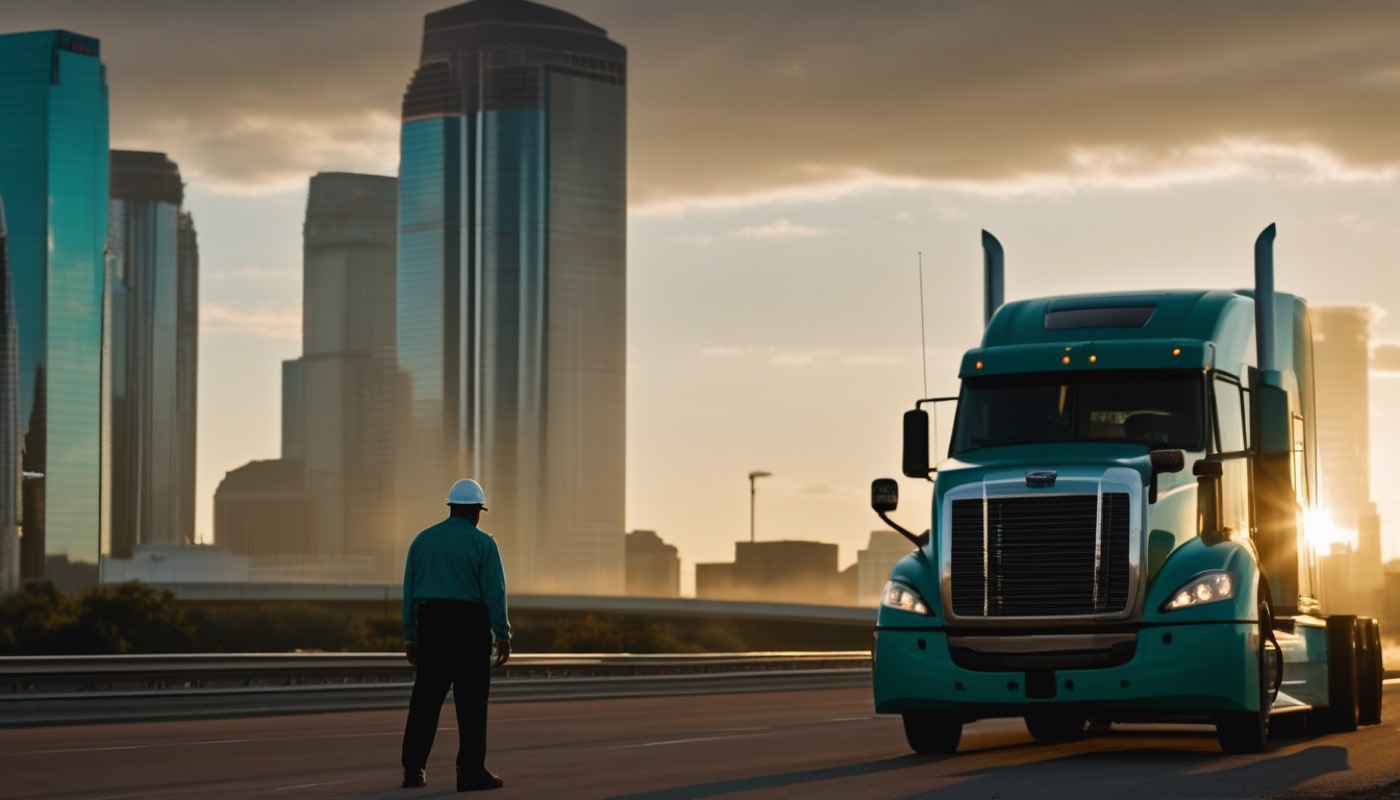
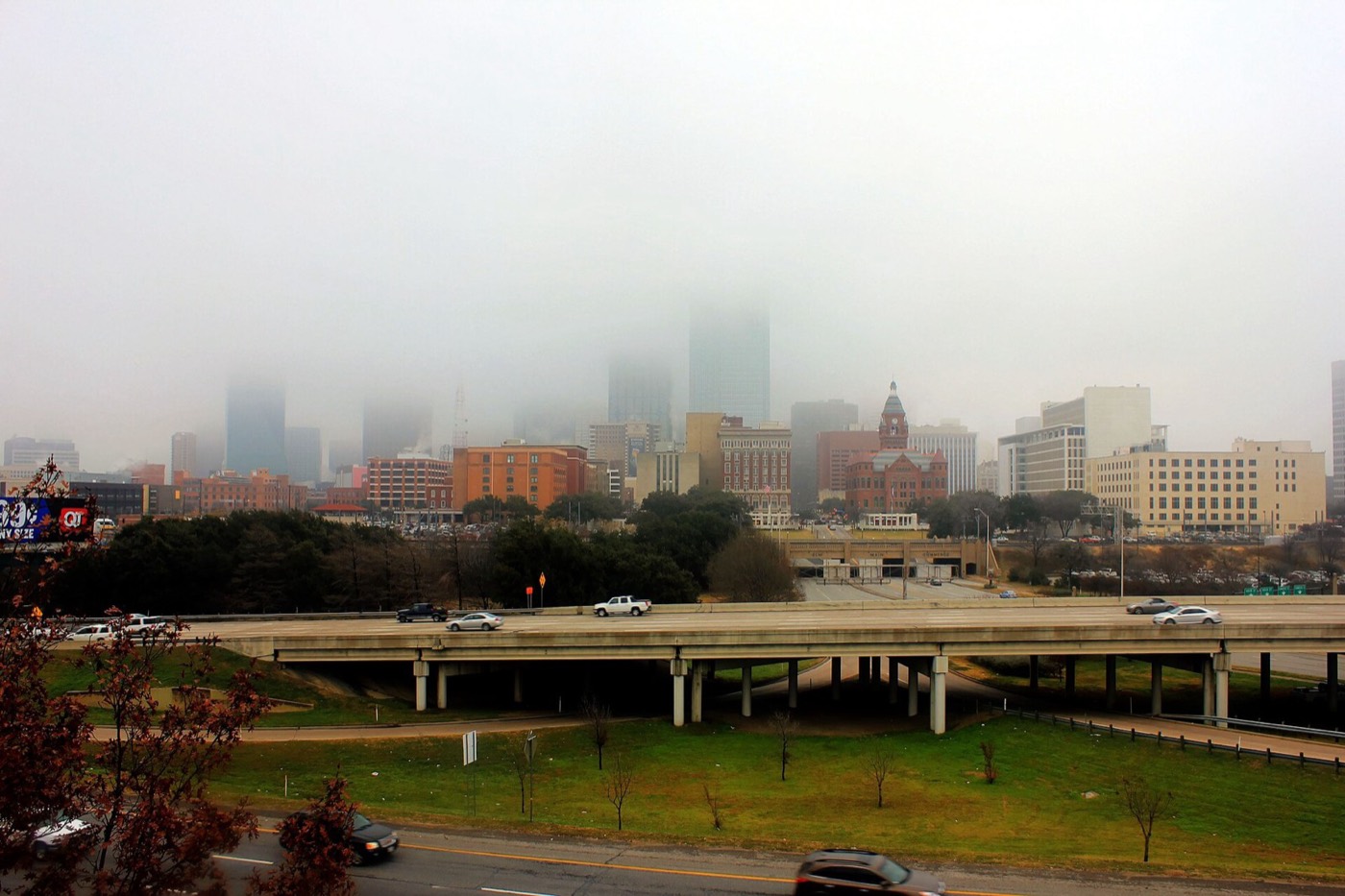
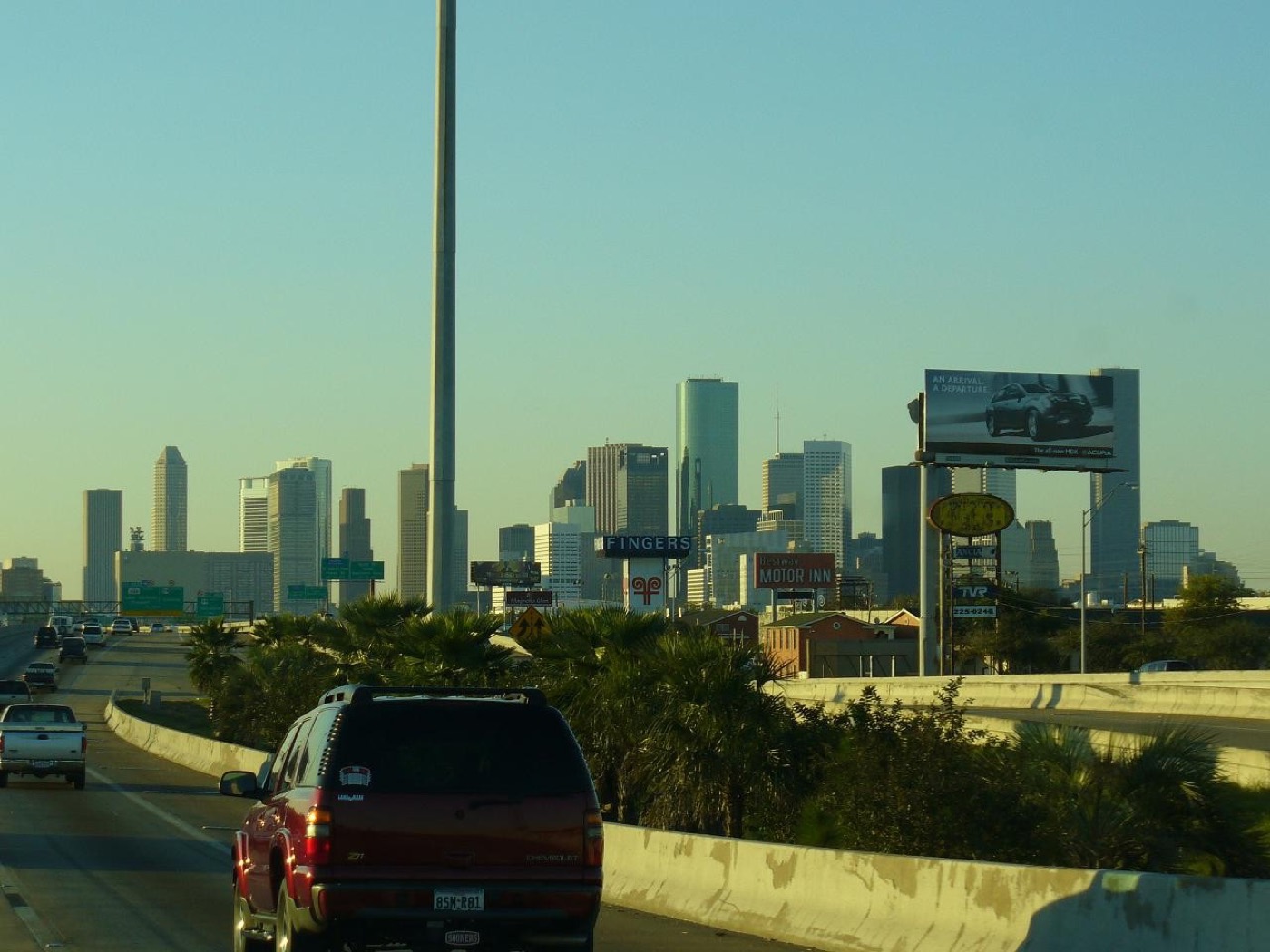
The furthest anyone has pushed that empty seat on an American highway is Aurora Innovation's lane between two Texas cities.
This is the Dallas skyline near the northern end of that lane. Aurora's driverless trucks leave a terminal close to here on the days the route is running, with nobody in the driver's seat.
The lane itself runs along Interstate 45, linking Dallas and Houston, two of the largest cities in Texas and two of the biggest freight markets in the country. Aurora chose this corridor because the distance, the traffic pattern and the weather all suited its earliest driverless runs.
And this is downtown Houston, where the same highway ends. Aurora's driverless trucks have covered that entire run, from one skyline to the other, with nobody steering.
Aurora told investors this autumn that its trucks had safely completed over five hundred thousand driverless miles since commercial launch, with no one in the driver's seat on this exact route. The company is aiming to end 2026 with two hundred fully driverless trucks on the road.
Aurora's technology also drives trucks for customers like Werner and McLane with a human still in the cab for now, and those trucks are running over two hundred and twenty-five thousand miles a year each. That is more than double what a traditional, human-driven truck typically covers, because the system can keep a truck moving for longer stretches of the day.
By Aurora's own count, five hundred thousand miles with nobody steering is the clearest sign yet that this is no longer a demonstration. It is already, in a limited way, a business.
7. Kodiak's two bets: oilfield and orchard
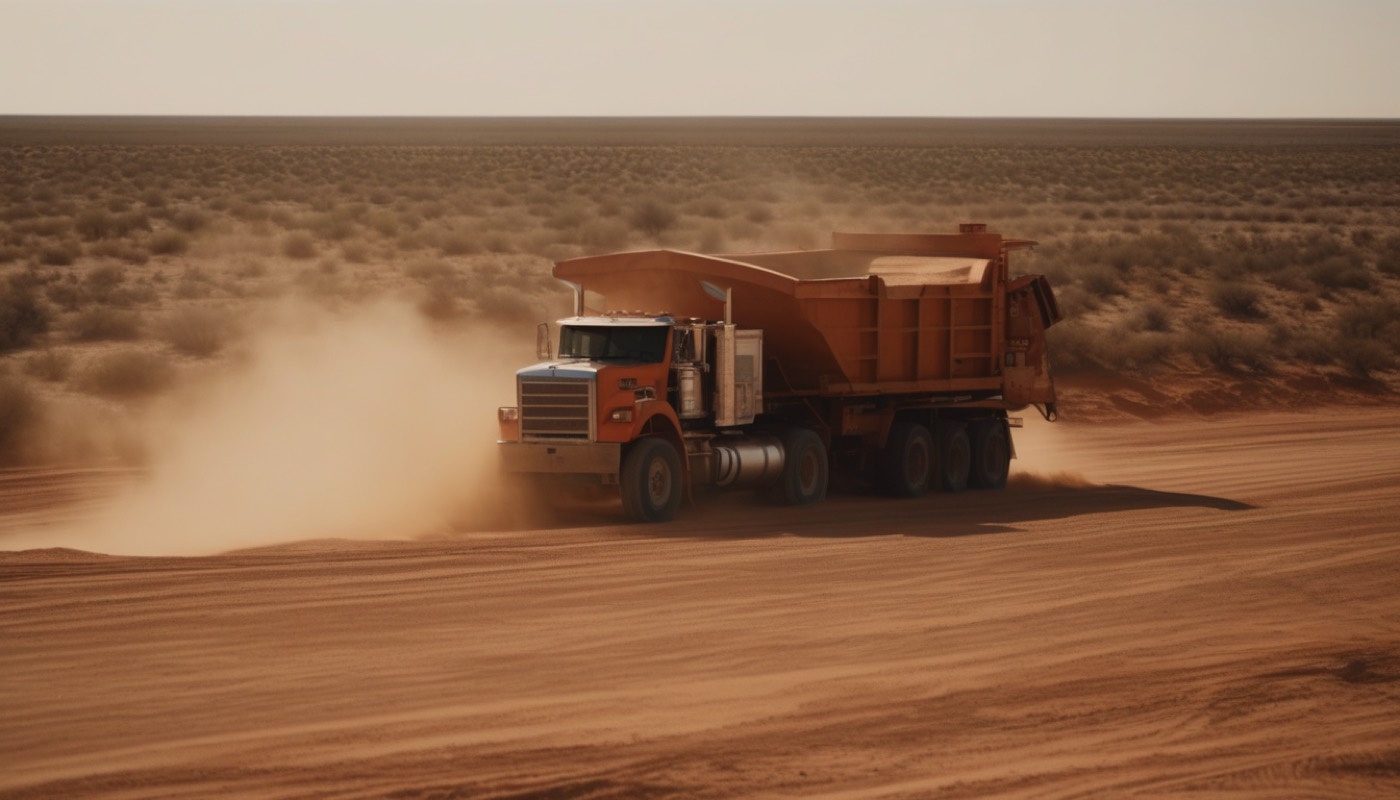
While Aurora focuses on one highway lane, its rival Kodiak is running two very different driverless bets at once.
The first is out in the Permian Basin, the oil and gas region spanning west Texas and southeastern New Mexico, where Kodiak's driverless trucks haul sand for a customer called Atlas Energy Solutions. The second is nearly a thousand miles away, on a produce route between the farms around Fresno, California, and distribution centres in Los Angeles.
The Fresno-to-Los-Angeles route only opened on 22 September 2026, and it comes with one important difference from the Texas oilfield runs.
"California's comprehensive autonomous vehicle regulations are a major unlock for freight innovation in our home state," said Don Burnette, Kodiak's chief executive, when the Fresno-to-Los-Angeles pilot began.
The permit behind that pilot is itself new: California's DMV issued it on 13 August 2026, the state's first for heavy-duty autonomous trucks. It allows supervised testing only, so a human safety driver still rides in the cab on that route for now.
"Our work with Kodiak helps us understand how embracing this cutting-edge technology improves safety, increases margins, and affirms our leadership position," said Lucky Dosanjh. He is president and chief executive of DTL Transport, the carrier running the produce loads alongside Kodiak.
The oilfield bet, in the Permian Basin, is further along than the produce route, and it has been growing fast.
Kodiak's driverless fleet for Atlas Energy Solutions had grown to twenty-eight trucks by 31 March 2026. By that date it had already completed about seven thousand sand deliveries across fifteen routes. Atlas and Kodiak have agreed to expand that fleet to one hundred trucks by the middle of 2027.
Two very different jobs, two very different stages of the same bet: oilfield sand already running with no driver, and a California orchard route still running with one.
8. Doing the math against 2030
Put those targets next to each other, and a much bigger question appears than either company's press release usually admits to.
Aurora's own fleet target starts at two hundred trucks by the end of 2026. It is supposed to grow to more than thirty thousand trucks by 2030. Kodiak and Atlas want a smaller jump over a shorter time. Their fleet goes from twenty-eight trucks in March 2026 to a hundred trucks by the middle of 2027.
Set on the same short timeline, those targets look very different in scale.
2026 is the year both Aurora and Kodiak are running their first genuinely driverless highway miles. 2027 is the year Kodiak and Atlas say their oilfield fleet reaches one hundred trucks. 2030 is the year Aurora says its own fleet reaches thirty thousand.
Aurora is not only counting trucks, either.
The company told investors it expects an eighty-million-dollar revenue run rate by the end of 2026. That forecast rises to more than five billion dollars by 2030 — a target just as steep as its truck count.
Whether either forecast holds up depends on whether the rest of this decade goes the way each company's own plan says it will.
9. Whose job is actually on the line
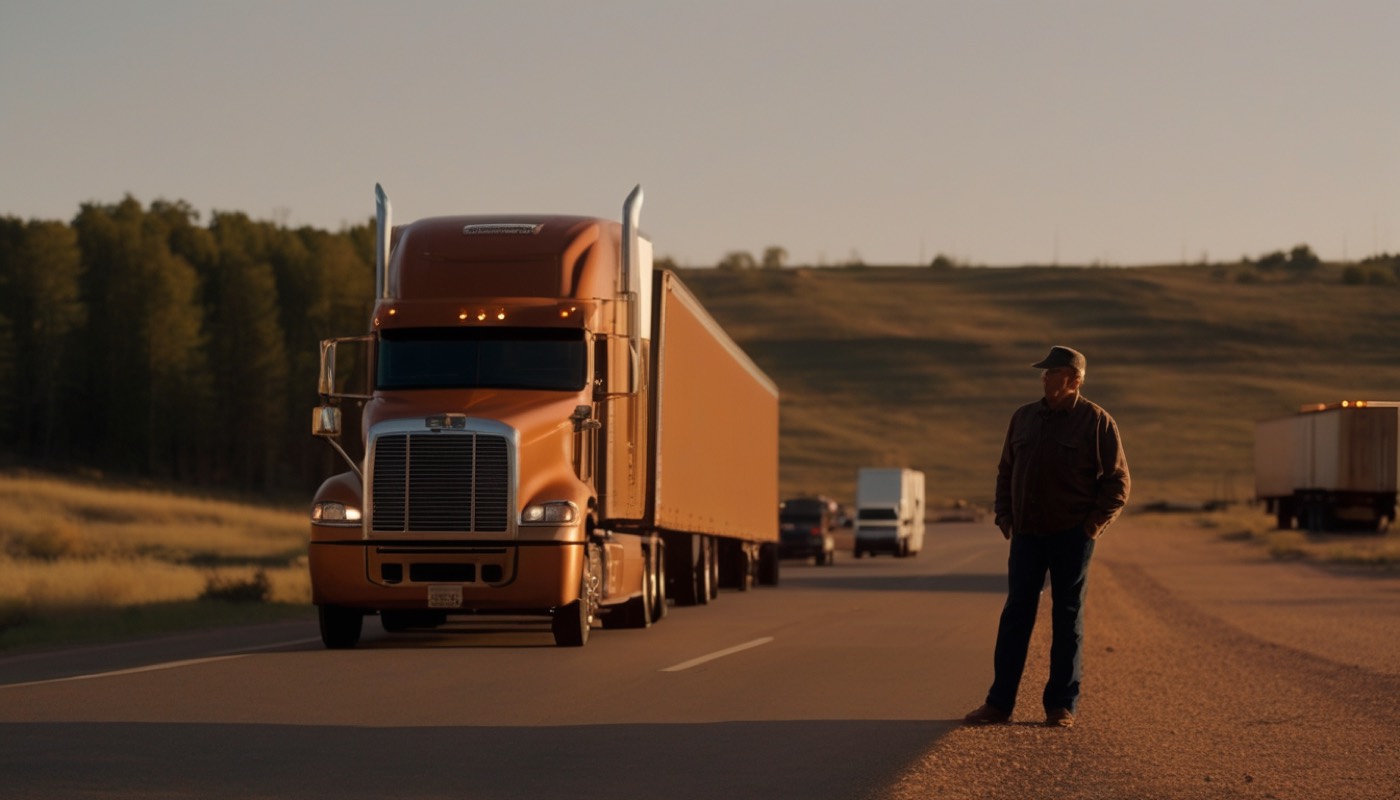
Numbers that large are not just a story about trucks. They are a story about the people currently sitting in the seats those trucks are built to empty.
The case for automation is the same two numbers from chapter one: a driver shortage that nobody has solved by paying more or recruiting harder, and a death toll that keeps climbing even as trucks get safer in almost every other way. A machine that never gets tired and never looks at a phone is, on paper, an answer to both.
The case against it is just as real, and it is not only about jobs.
Every mile a driverless truck runs today is a highway mile, in good weather, on a route a company has spent months preparing a safety case for. None of that touches the local, complex driving a human driver still does every day: backing into a loading bay, navigating a job site, or working out what to do when a road is blocked by something no sensor has ever been trained on.
So the honest answer sits uncomfortably in the middle: some driving jobs are genuinely threatened, and some of the hardest parts of the job are nowhere close to being replaced.
10. Where the empty cab stops
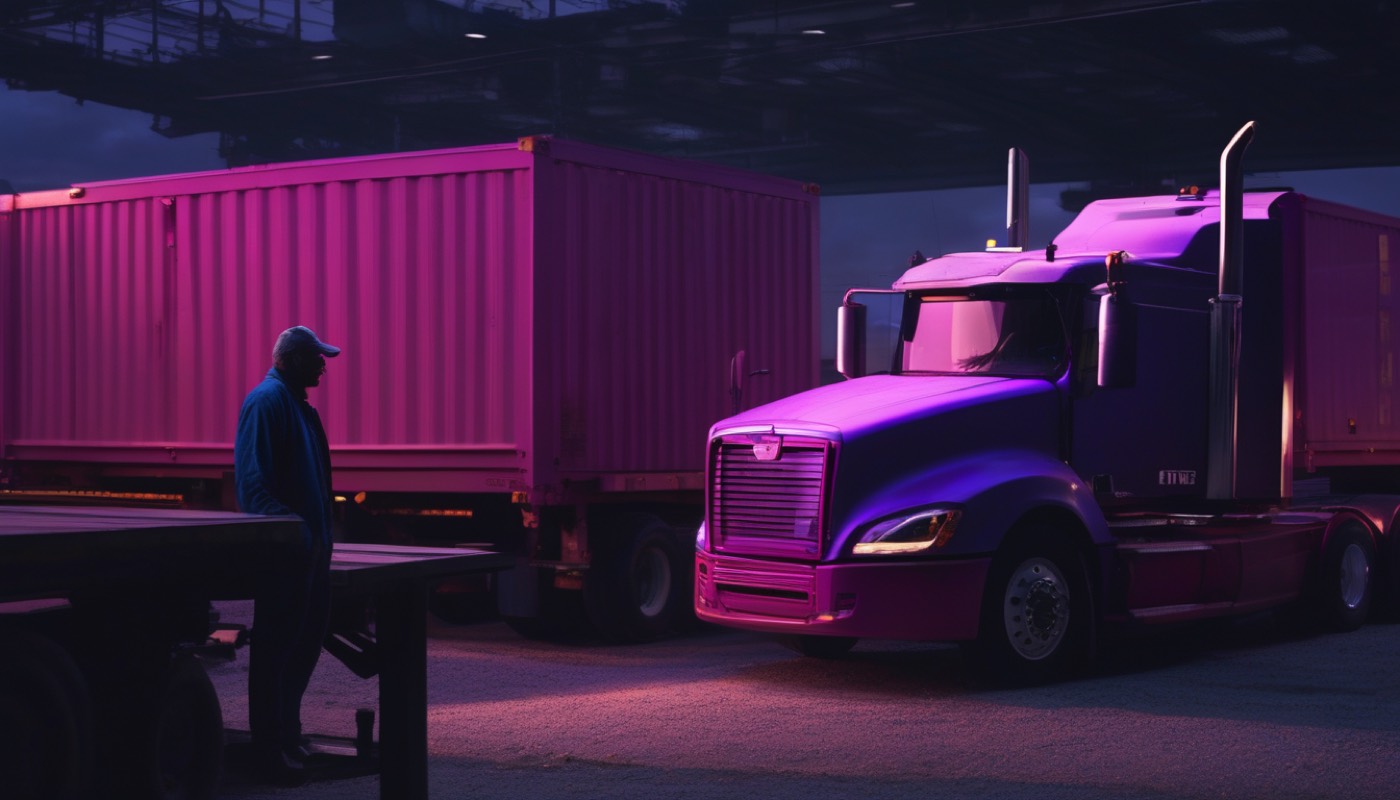
That unfinished part of the job is also where this video has to end, because it is the gap between a demonstration and a delivery.
Every driverless mile this video has described happens on a highway, between two points a company chose because the driving there is the easiest kind there is. Getting a truck onto that highway in the first place, and off it again at the other end, still means city streets, a loading dock, and a driver.
That last stretch has a name in the industry: the last mile, and no driverless truck yet drives it start to finish.
A driverless highway truck can already cover hundreds of miles of open interstate with nobody steering. It still cannot back itself into a loading bay, so somewhere on the edge of every one of these routes, a human-driven local truck takes over for the final few miles into the yard.
That handoff, not the highway miles before it, is the real measure of how far driverless freight still has to go. Today, it has not reached it yet.
Sources and credits
Photo credits (Wikimedia Commons)
- Truck cab interior (Navistar International 9400i) - steering wheel and dashboard: ErgoSum88, Public domain - https://commons.wikimedia.org/wiki/File%3ATruck_cab.JPG
- Interstate 45 with downtown Houston skyline, Texas: iodine127, Public domain - https://commons.wikimedia.org/wiki/File%3AHouston_from_I-45.JPG
- Dallas skyline and highway interchange, Texas: Yinan Chen, Public Domain - https://commons.wikimedia.org/wiki/File%3AGfp-texas-dallas-highway-and-skyline.jpg
- Long-haul tanker semi-truck on a California interstate (Interstate 5, Fresno County): Carlos ZGZ from Paris, France, CC0 - https://commons.wikimedia.org/wiki/File%3AHighway_5_%2823907406419%29.jpg


Primary sources
- Aurora Innovation, Form 8-K exhibit (Analyst Day), 23 September 2026, sec.gov - 500,000+ driverless miles since commercial launch, 200-truck end-2026 target, 30,000-truck 2030 target, $80M 2026 revenue run rate, $5bn+ 2030 revenue target, 225,000+ driver-powered miles/year for Werner and McLane.
- Aurora Innovation and Kodiak Robotics, Evercore ADAS, AV & AI Forum remarks, 29 September 2026 (Investing.com transcript coverage) - Aurora's commercial-reality framing; Kodiak's Sun Belt driverless target, end of 2026.
- Kodiak AI / DTL Transport, GlobeNewswire press release, 24 September 2026 - Fresno-Los Angeles produce pilot opened 22 September 2026 under California DMV heavy-duty AV testing permit (issued 13 August 2026); safety driver aboard; quotes from Don Burnette (Kodiak CEO) and Lucky Dosanjh (DTL Transport President/CEO).
- Truckinginfo.com and Atlas Energy Solutions investor relations (ir.atlas.energy), 2026 - Atlas/Kodiak driverless Permian Basin fleet at 28 trucks as of 31 March 2026, ~7,000 deliveries, 450,000+ tons hauled across 15 routes; 100-truck target by mid-2027; quote from John Turner (Atlas CEO/president).
- FreightWaves, 'Starsky Robotics ends remote truck experiment, shuts down operations', 19 March 2020, corroborated by SiliconANGLE and Forbes coverage of the same date - Starsky founded 2016, $20.3M raised including a $16.5M 2018 Series A, shut down March 2020.
- PYMNTS and Transport Topics, December 2023, corroborated against TuSimple's SEC 8-K filings - TuSimple wind-down of US operations announced December 2023, ~150 US staff (75% of US workforce) cut, substantially complete by end of 2024.
- FreightWaves, 'Waymo Via backs away from autonomous trucking', July 2023 - Waymo Via sidelined, most truck work indefinitely delayed, narrower Daimler Truck chassis relationship continuing.
- National Safety Council, Injury Facts, 'Large Trucks' (injuryfacts.nsc.org), fetched 1 October 2026, sourcing FMCSA/NHTSA FARS data - 5,340 people killed in large-truck crashes in the US in 2024, a 30% increase over the prior decade.
- American Trucking Associations driver-shortage estimate, 2026, corroborated via Innovative Logistics Group and OTR Trucking trade coverage of the ATA figure (ATA's own trucking.org page returned a 404 on direct fetch, 1 October 2026) - US truck driver shortage of roughly 60,000-82,000 drivers in 2026.
Not regulated financial advice.