
The Driverless Tractor: Who's Really Farming Now
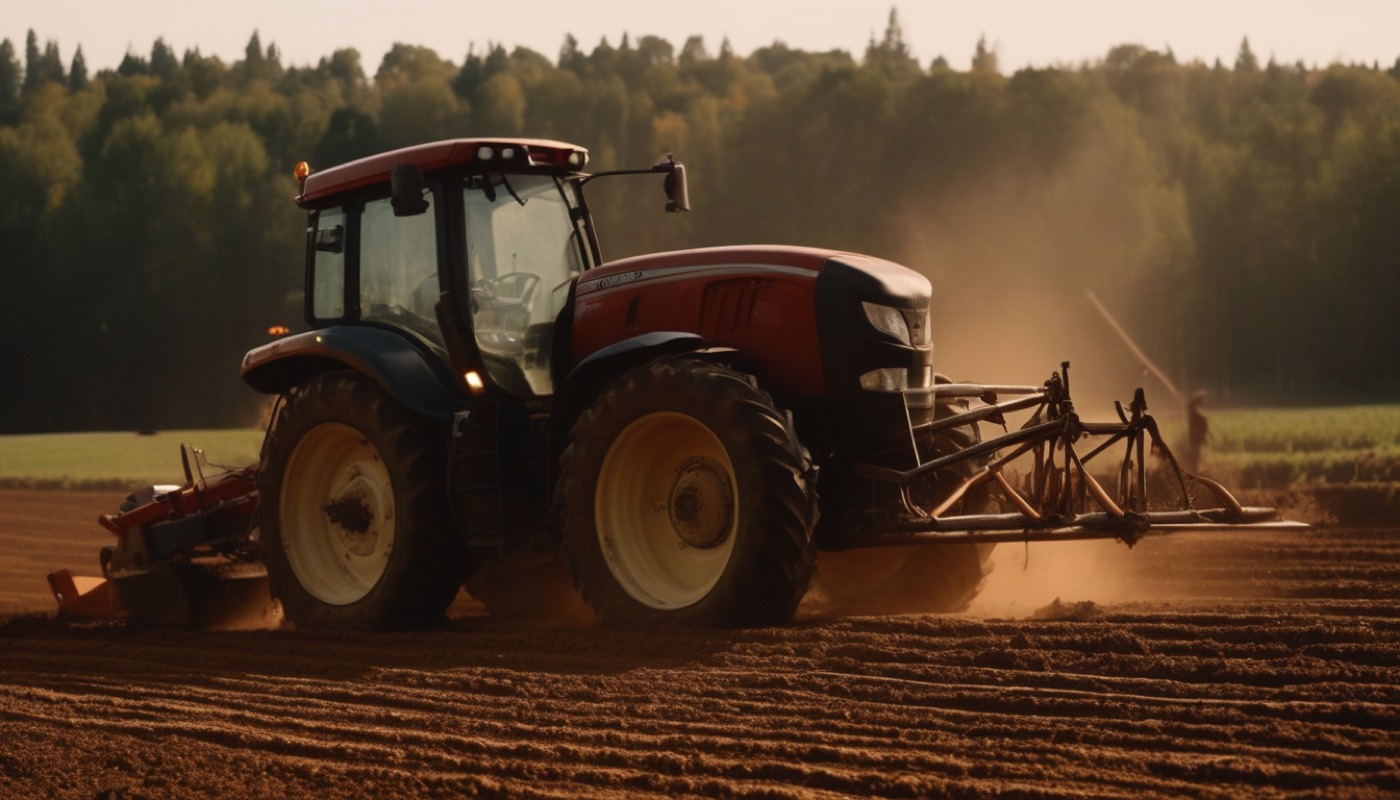
A John Deere 8R tractor works a Midwest field with nobody in the cab, tilling the soil on a normal shift - not a demo, a real job. This video asks whether autonomous vehicles quietly arrived on the farm before they arrived on the road.
It starts with why: a US agricultural workforce down about 155,000 people between March and July 2025 alone, and farms leaning harder on temporary foreign labour to fill the gap. Then the history - Bear Flag Robotics, founded 2017, bought by John Deere for $250 million in August 2021, revealed as the fully autonomous 8R at CES in January 2022 - and the slow four-year rollout from that reveal to a full commercial release for the 2026 season.
Then the mechanism: the real 'swipe to farm' workflow, the camera-and-satellite sensor stack accurate to under an inch, and the neural network that classifies every frame in about a tenth of a second and - critically - stops and asks a person when it isn't sure, rather than guessing.
Then the limits. This is proven for exactly one job: tillage, with Deere's TruSet chisel plow. Planting, spraying and harvest still need a person in the cab. CNH, AGCO, Kubota and Sabanto are all building toward the same goal, and Monarch Tractor - founded 2018, building electric 'driver-optional' tractors - was wound into an acquisition in April 2026 that even Monarch's own statement wouldn't name the buyer of (TechCrunch traced it to Caterpillar via patent filings).
Finally, why the fenced, repeated field was an easier problem than the open city street - compared directly against Waymo's own eleven-year road to 14 US cities - and a grounded, sourced read on how far farm autonomy has actually gone by the end of 2026, not a hype claim.
Every figure is on screen with its source and date.
In these topics
Chapters
- A field with no one in the cab
- Why farms needed this first
- From Bear Flag to Deere
- The slow rollout to 2026
- What "swipe to farm" actually means
- How the tractor sees the field
- What the software decides
- One job, not every job
- The rest of the field: who else is building this
- The human still on call
- Farm versus road: why agriculture got there first
- How far this really goes by the end of 2026
Video notes
1. A field with no one in the cab
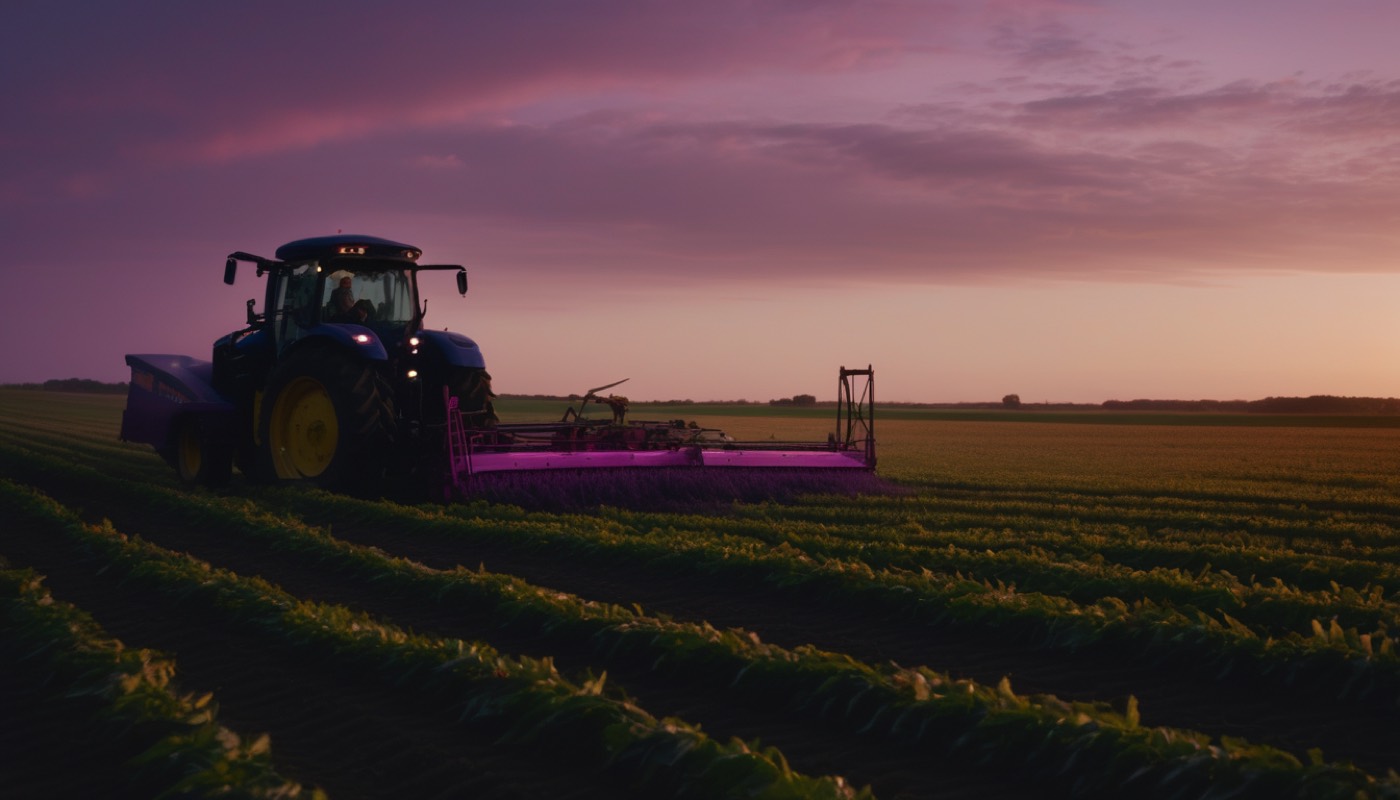
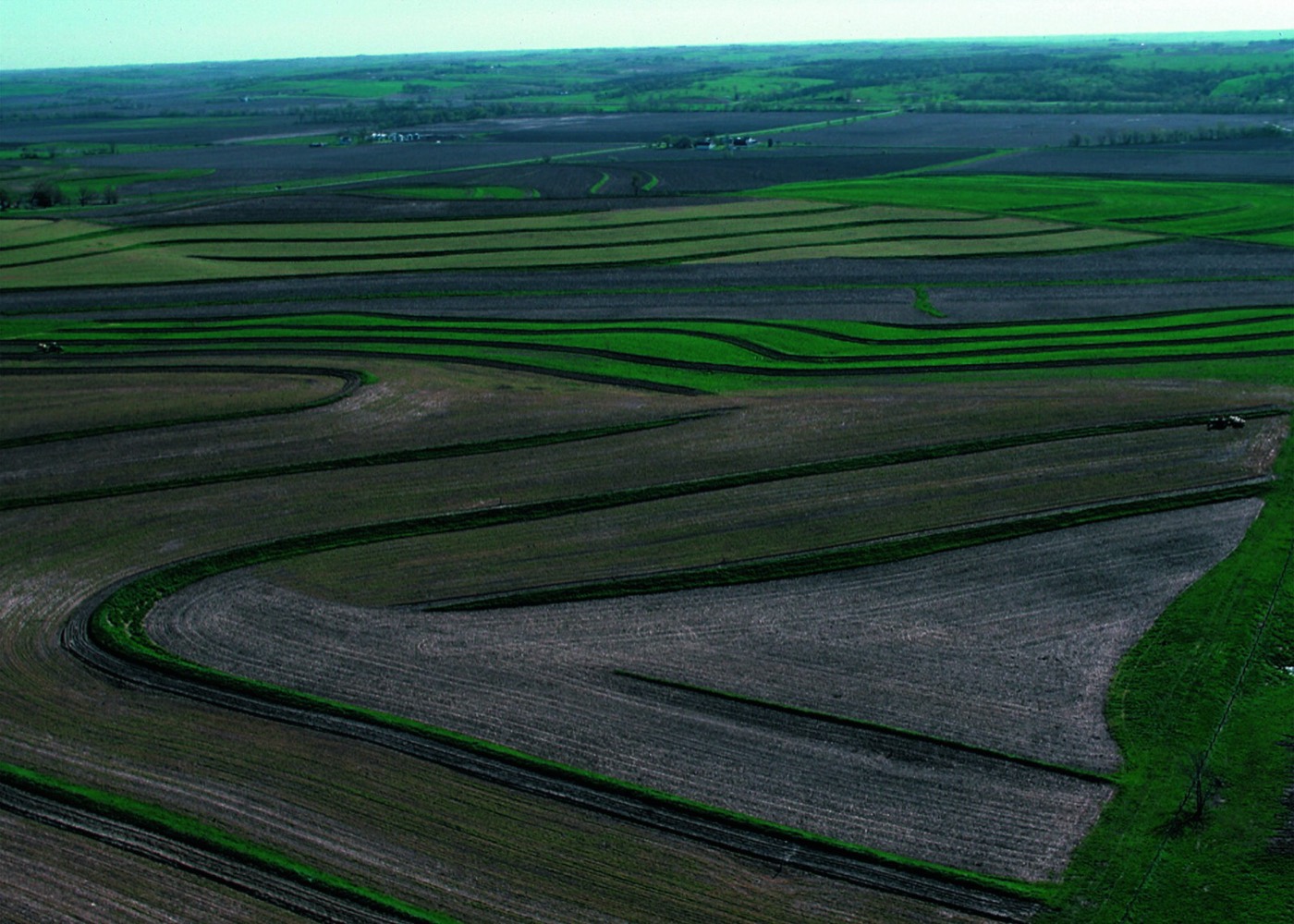
Picture a tractor working a field in Iowa. It is pulling a plow through dry autumn soil, turning in straight, even lines, all day. That work — breaking and turning the ground before a seed goes into it — is called tillage, and it is the job this machine has been trusted to do alone. There is nobody in the cab.
This is the kind of field a driverless tractor works today: open Midwest row-crop land, planted mostly with corn and soybeans. Deere's autonomous tillage system has been working fields like this one since the start of 2026.
That is not a demonstration, and it is not a prototype circling a test track. It is a normal shift, on a working farm, doing a job a person used to sit in that seat to do.
The region is the US Midwest row-crop belt — Iowa, Illinois and Nebraska among the largest. Field-testing of the autonomous system has been running across eighteen US states.
Self-driving cars have spent a decade and a half on test tracks and pilot cities, still fighting for permission to carry a paying passenger with nobody at the wheel. Tractors got there first, and with far less attention.
First, why farms needed this before cities did. Then the history of the company that built it, how the tractor senses the field and decides what to do, and who else is racing to build the same thing. Finally, the limits — and what "driverless" has not yet done.
2. Why farms needed this first
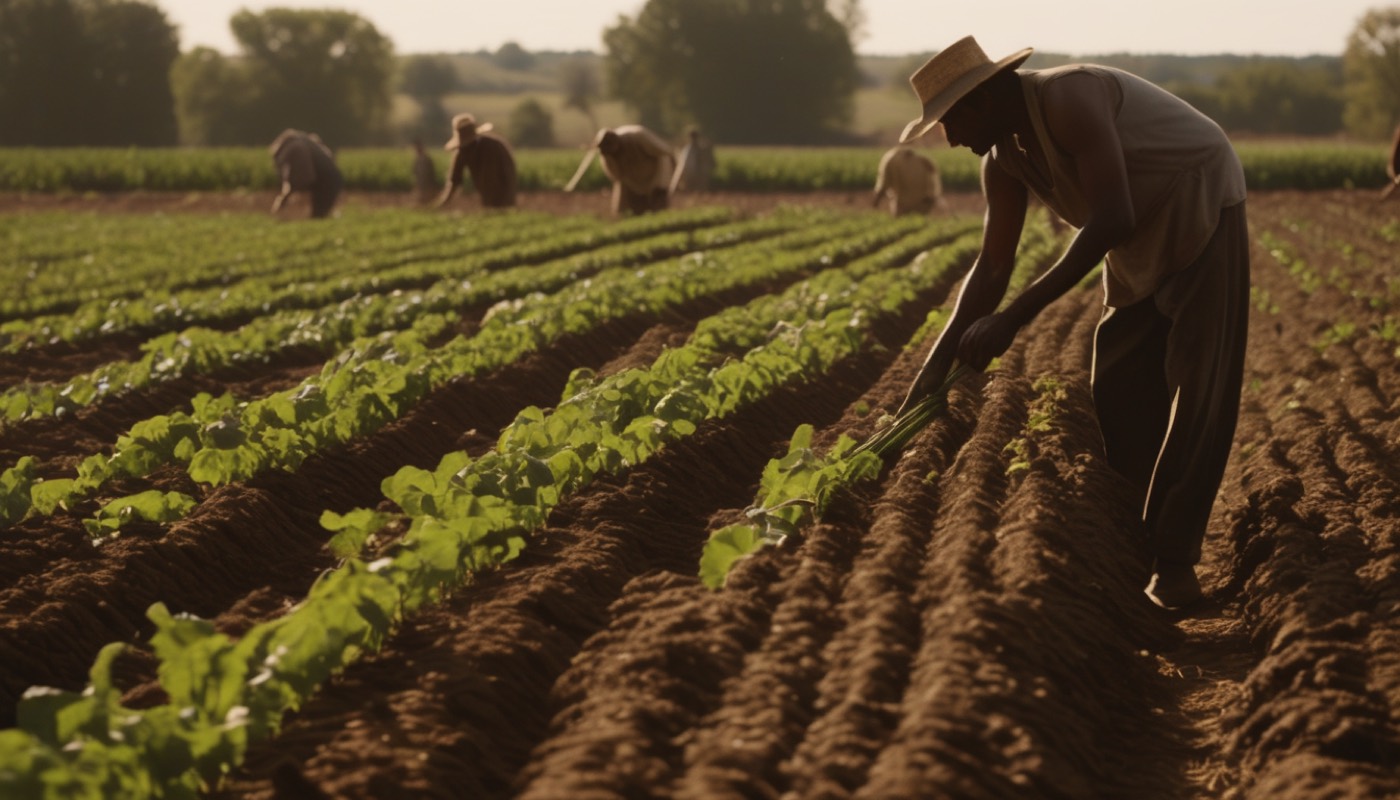
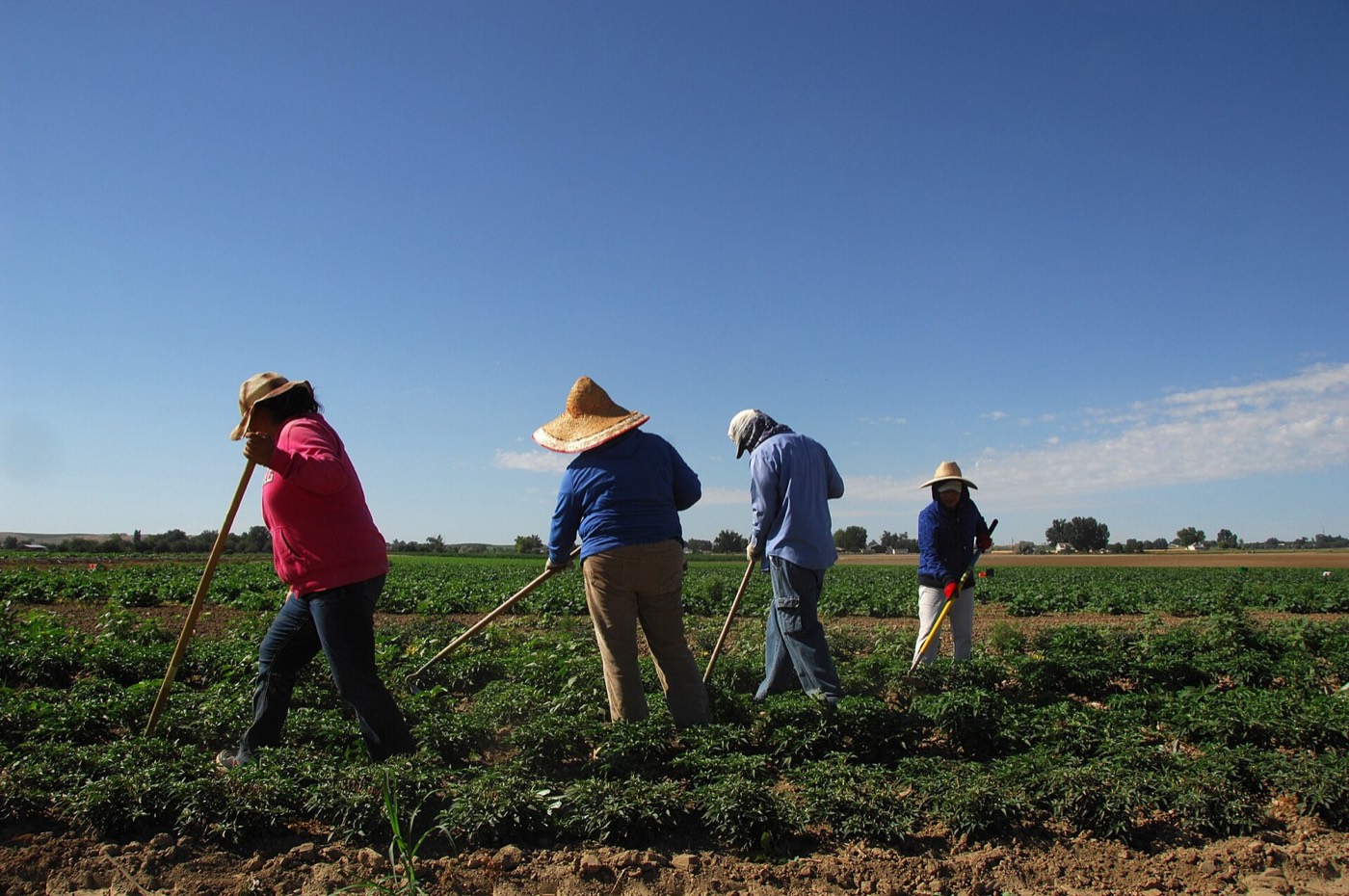
Driverless tractors did not arrive because a field is easier to automate than a city street. They arrived because farms ran short of people willing to do the work.
Here are migrant farm workers weeding a field by hand in Kansas. For generations, this kind of seasonal work has depended on workers hired by the season. Planting, weeding, and driving equipment at harvest — much of it done by people from abroad.
That supply has been shrinking fast.
The US agricultural workforce fell by about a hundred and fifty-five thousand people between March and July of 2025. Farms have leaned harder on a visa programme for temporary foreign labour, called H-2A, to fill the gap. Close to four hundred thousand positions were certified that same year, and that use has grown sharply over the past decade.
Close to three-quarters of US farms now depend on immigrant labour, and the country's total farm labour bill passed fifty-three billion dollars in 2025.
A tractor that can work a field without anyone in the cab is not simply a convenience. It is a machine that keeps running on a day when nobody is available to drive it.
3. From Bear Flag to Deere
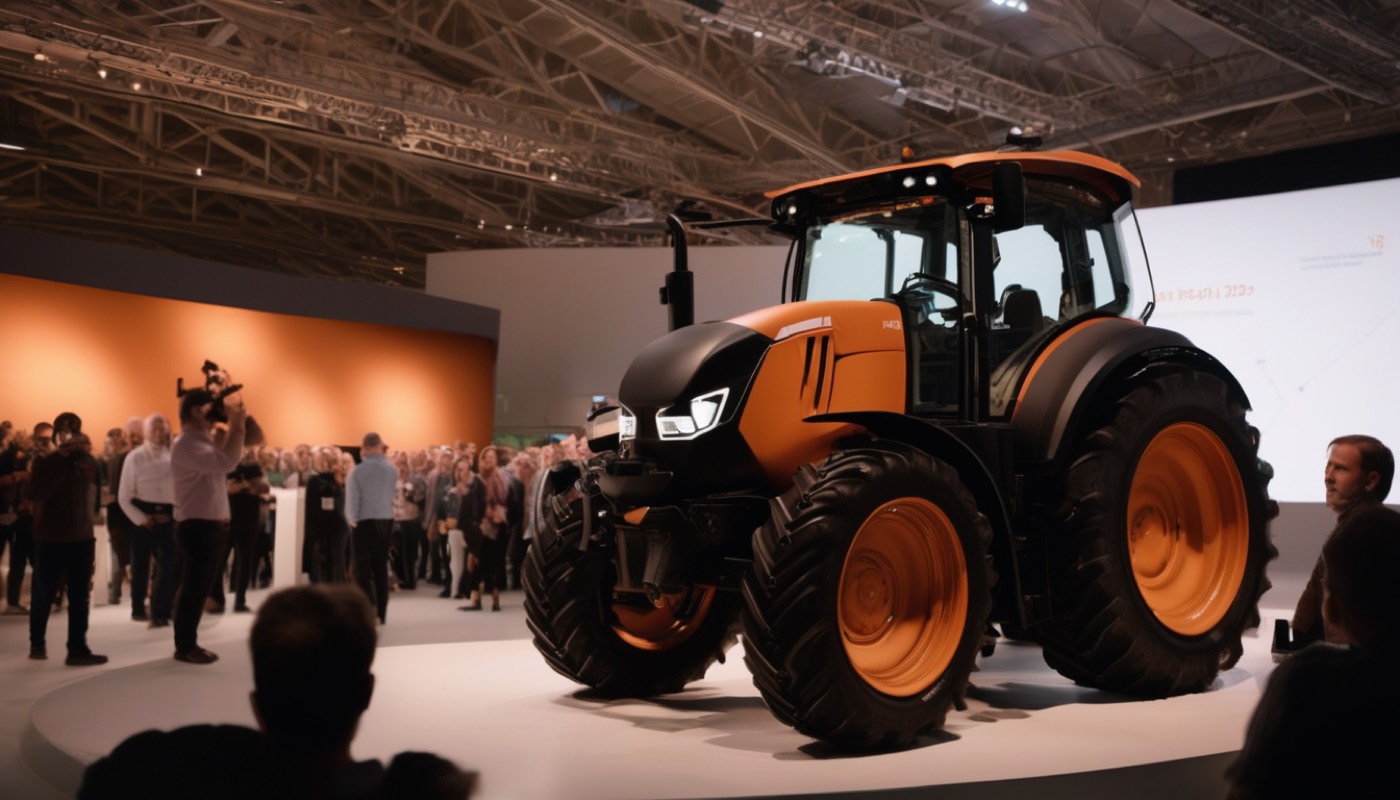
The company behind the tractor in the opening shot did not start out building tractors at all.
Here is how the years ran. A small Silicon Valley startup called Bear Flag Robotics was founded in 2017. In 2019, John Deere began working with it as a partner in Deere's own "Startup Collaborator" programme. In August 2021, Deere bought the company outright, for two hundred and fifty million dollars. By January 2022, Bear Flag's technology had become Deere's own fully autonomous 8R tractor, shown to the public for the first time.
The acquisition price was two hundred and fifty million dollars, reported by TechCrunch on the fifth of August 2021 and confirmed the same day in Deere's own announcement.
Bear Flag had joined the well-known startup incubator Y Combinator back in 2018, while it was still an independent company proving out the idea of retrofitting ordinary tractors to drive themselves. Buying it gave Deere a finished system rather than a research project.
The reveal in January 2022 was not a finished product a farmer could buy. It was a promise. What came next took four more years.
4. The slow rollout to 2026
Deere began offering the autonomous system commercially on a limited basis in 2023. In 2025, twenty owners of Deere's newest tractors were fitted with the driverless tillage kit for that year's growing season. That was a small, hand-picked group, not a public launch. At CES in January 2025, Deere showed a second-generation kit built around sixteen cameras. It replaced the original six pairs, judged distance more accurately at range, and let the tractor drive faster. By 2026, Deere says the system is ready for full commercial release.
A field test is not the same thing as a product on a dealer's lot, and the gap between the two explains why this rollout has taken so long.
The newer, sixteen-camera kit calculates depth more accurately at longer range than the original six-pair system. Deere says that extra range lets the tractor drive up to forty per cent faster while still spotting obstacles in time.
Even in 2026, the system still does one job: tillage, the breaking and turning of soil before planting. Planting itself, spraying crops and harvesting are not part of this autonomous kit, and a person still has to be in the cab for all three.
So "fully autonomous" has, so far, meant one task, proven carefully, rather than a tractor that can run a whole season on its own.
5. What "swipe to farm" actually means
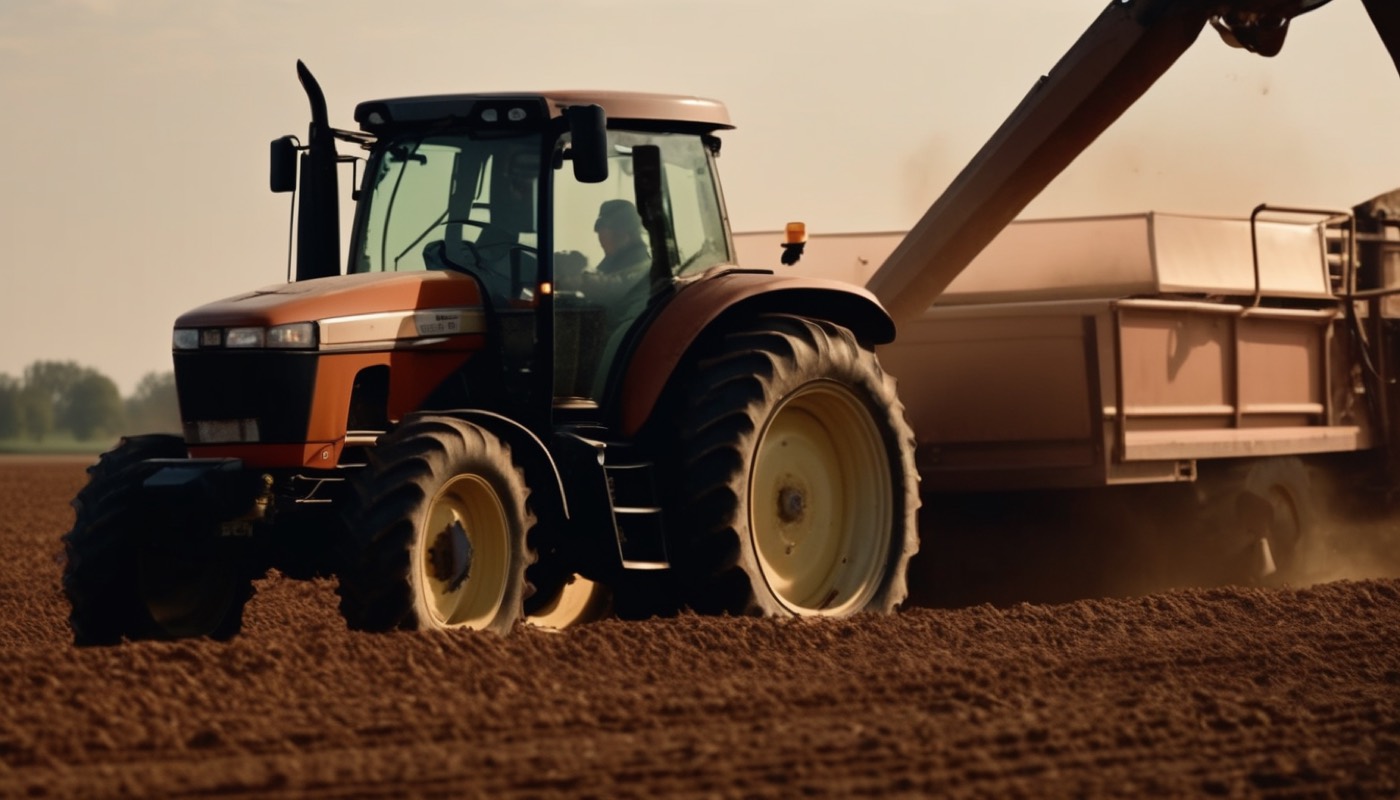
Here is what actually happens when a farmer uses this system, step by step.
First, the operator drives the tractor to the field in the ordinary way, sitting in the cab. Then, on a tablet, they set up the job: which implement is attached, how deep it should cut, how fast it should go. Once that is confirmed, the operator hands control to the system with a single tap Deere calls swipe-to-farm, climbs down, and leaves the field.
The tractor is now working alone, but it is not unwatched.
From a phone or tablet, anywhere with a signal, the operator can see the tractor's exact location, its status, and how much work it has done. One person can watch several machines running in different fields at once, rather than sitting in any one of them.
What has changed is not that a human stopped being involved. What changed is where that human stands: not gripping a wheel, but reading a screen, often from somewhere else on the farm entirely.
That shift — from hands on the wheel to eyes on a screen — is the whole of what "driverless" means here. The next two chapters explain how the tractor manages without those hands.
6. How the tractor sees the field
A tractor working alone needs to sense the field the way a careful driver would, without a driver's eyes.
The system reads the world through two main senses. Cameras, arranged all around the machine, give it a 360-degree view in ordinary light. Satellite positioning, accurate to a fraction of an inch, tells it exactly where it is.
The tractor checks its position against an invisible boundary called a geofence many times a second, and stays accurate to within less than one inch of its planned path. That satellite accuracy comes from a widely used positioning method, accurate to a few centimetres rather than the several metres of an ordinary phone's GPS.
On most of Deere's row-crop machines, cameras alone do the sensing — there is no laser-ranging sensor, called lidar, fitted to them. Deere does add lidar to one specialised machine, a tractor built for orchards, where thick leaf cover can hide a camera's view.
Positioning tells the tractor where it is. Seeing the field tells it what is actually in front of it — and that second part is the harder problem.
7. What the software decides

Knowing your own position is not the same as knowing whether a shape ahead is a fence post, a rock, or a person.
Every image from every camera is fed through a deep neural network — a program trained on huge numbers of past images to recognise what things are. It classifies every point in the picture in about a tenth of a second, and decides, on that basis, whether to keep moving or to stop.
If the system is confident nothing is in the way, it carries on. If it detects something, it stops immediately. And if it cannot tell what it is looking at, it does not guess: it stops the tractor and sends an alert to a person.
That third case — not deciding it was safe, but admitting it could not tell — is the one that matters most. The system is built to hand a judgement call to a human rather than make one it is not sure of.
8. One job, not every job
It is worth being plain about how narrow this still is, because the marketing around it rarely is.
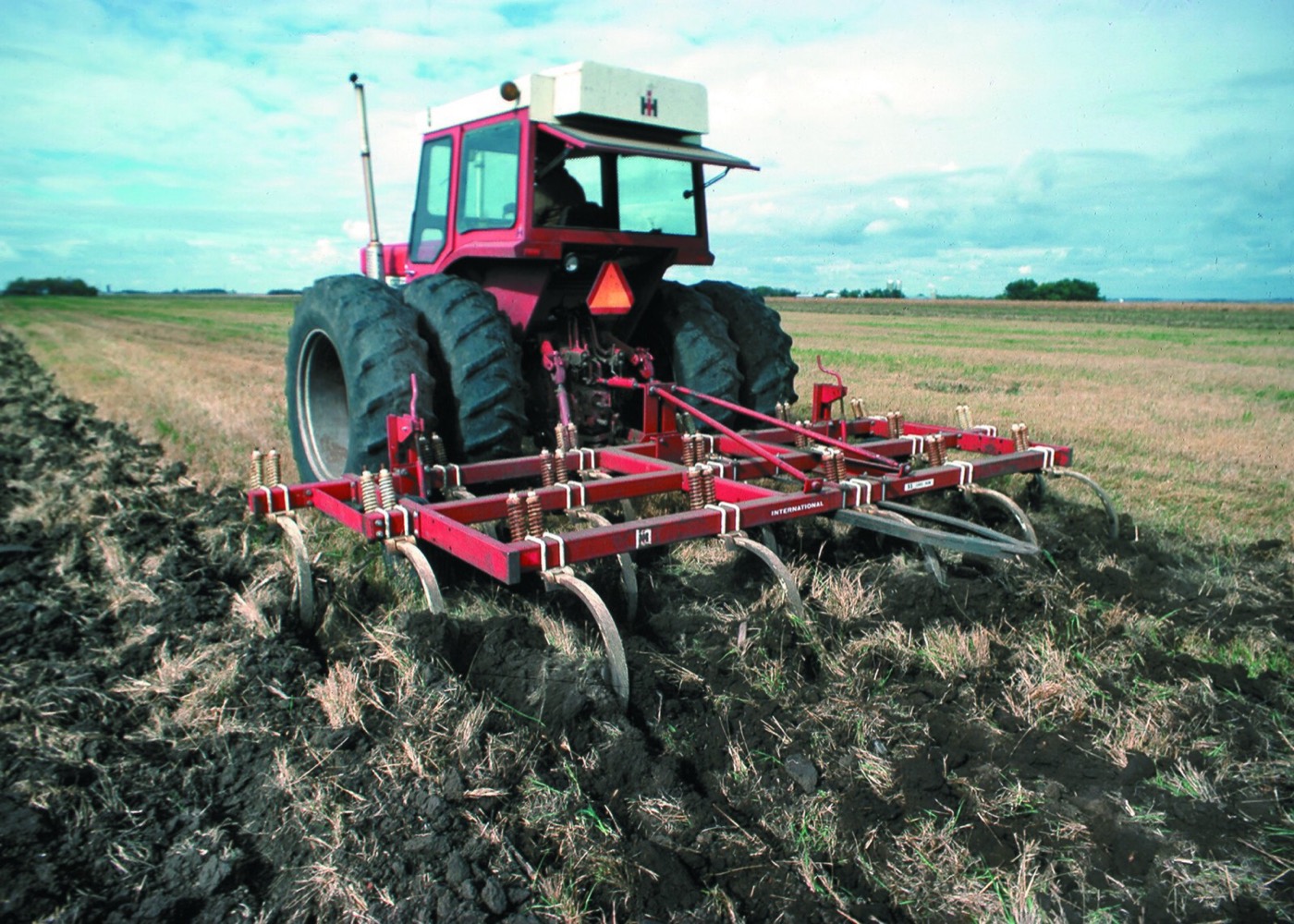
This is the actual job: a tractor pulling a chisel plow, breaking up soil before planting. Deere's autonomous kit is built specifically around this implement, fitted to its 8R and 9R-series tractors.
The system works with Deere's TruSet-enabled chisel plow, and newer field cultivators and rippers. It is proven for one task only: tillage. It is not yet approved or sold for planting seed, spraying chemicals, or bringing in the harvest.
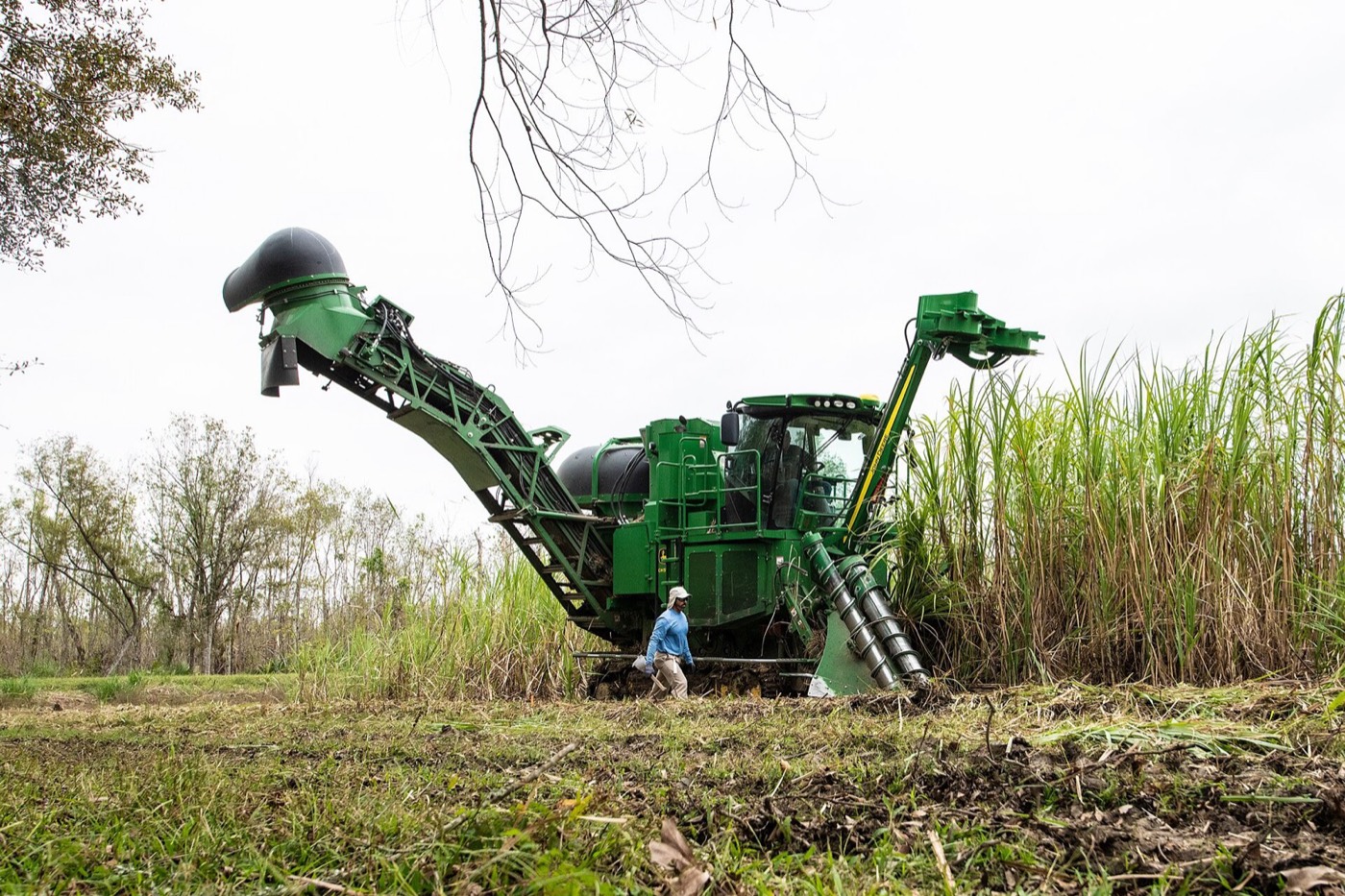
Here, by contrast, is a sugar-cane harvester at work — a different machine doing a different job, with a person still driving it. Harvest, in particular, is a far harder problem: timing, crop damage and machine complexity all go up at once.
That was a deliberate choice, not an oversight. Tillage happens on a field that is already empty of a growing crop, with nothing fragile nearby to damage. It was the easiest job to prove first, and Deere proved that one before touching the rest.
9. The rest of the field: who else is building this
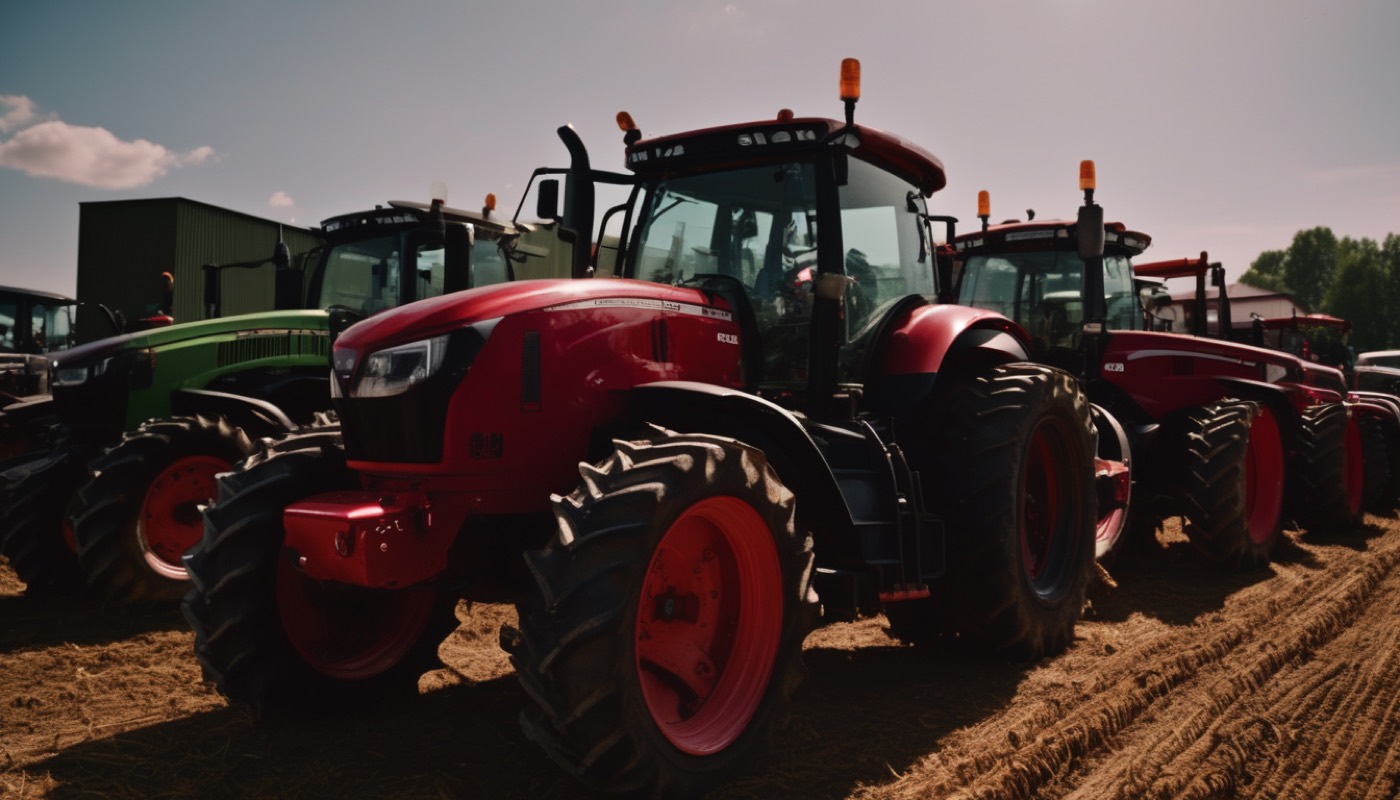
Deere is not the only company chasing this. It is simply the one furthest along.
AGCO, which owns Fendt and Massey Ferguson, uses the term "supervised autonomy" for its approach. Its newest Fendt tractor, launched in September 2025, already handles one task without a driver. It lines itself up automatically with a combine, so grain can be unloaded on the move. Fully autonomous tillage, on the same system, is due to be added starting in 2026.
CNH Industrial, through its Case IH brand, showed its first autonomous machine — a self-driving fertiliser spreader, built with the sensor company Raven — in 2023. Kubota sells a small autonomous tractor, but only in Japan, and has not said whether it will sell one anywhere else. Sabanto takes a different approach entirely: rather than building its own tractor, it sells a kit that retrofits autonomy onto tractors of almost any make.
Then there is the company that did not make it.
"A large global equipment manufacturer" is the only description Monarch Tractor's own statement gave for whoever had acquired it. Monarch was founded in 2018, and built electric, driver-optional tractors. It raised more than two hundred million dollars. In April 2026, after a string of setbacks, it was wound down into that acquisition.
Monarch itself never named the buyer.
TechCrunch reported, in April 2026, that patent-filing records pointed to Caterpillar as the buyer. Neither company had confirmed that on the record, but it was a strong signal of who it was.
If a construction-equipment giant is buying self-driving farm technology, that is a company betting this market is about to matter.
10. The human still on call
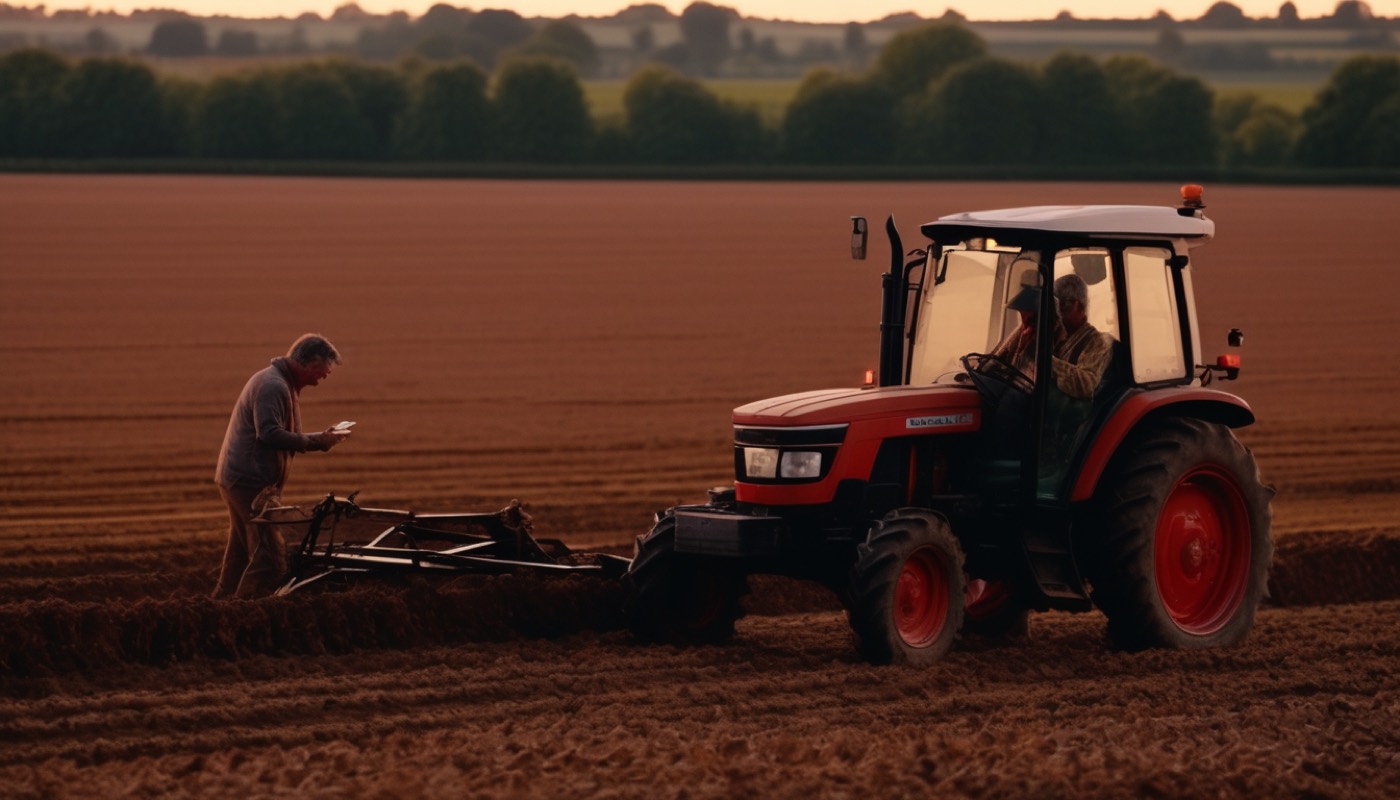
For all the talk of "driverless," no part of this runs with nobody responsible for it.
A person is always reachable, by phone or tablet, able to stop the machine the moment something looks wrong. That is not a backup for a rare failure — it is how the system is designed to work, every single day it runs.
The hardest cases are still the ones that trip the system up: telling a half-buried rock from a resting animal, a drifting plastic bag from a person crouching to check the soil. None of that is solved by better cameras alone — it is why a human stays on call rather than being removed from the loop entirely.
A tractor that can plow a field alone is still, in a very real sense, being watched the whole time it does it.
11. Farm versus road: why agriculture got there first
So why did a tractor reach this point years before a robotaxi did?
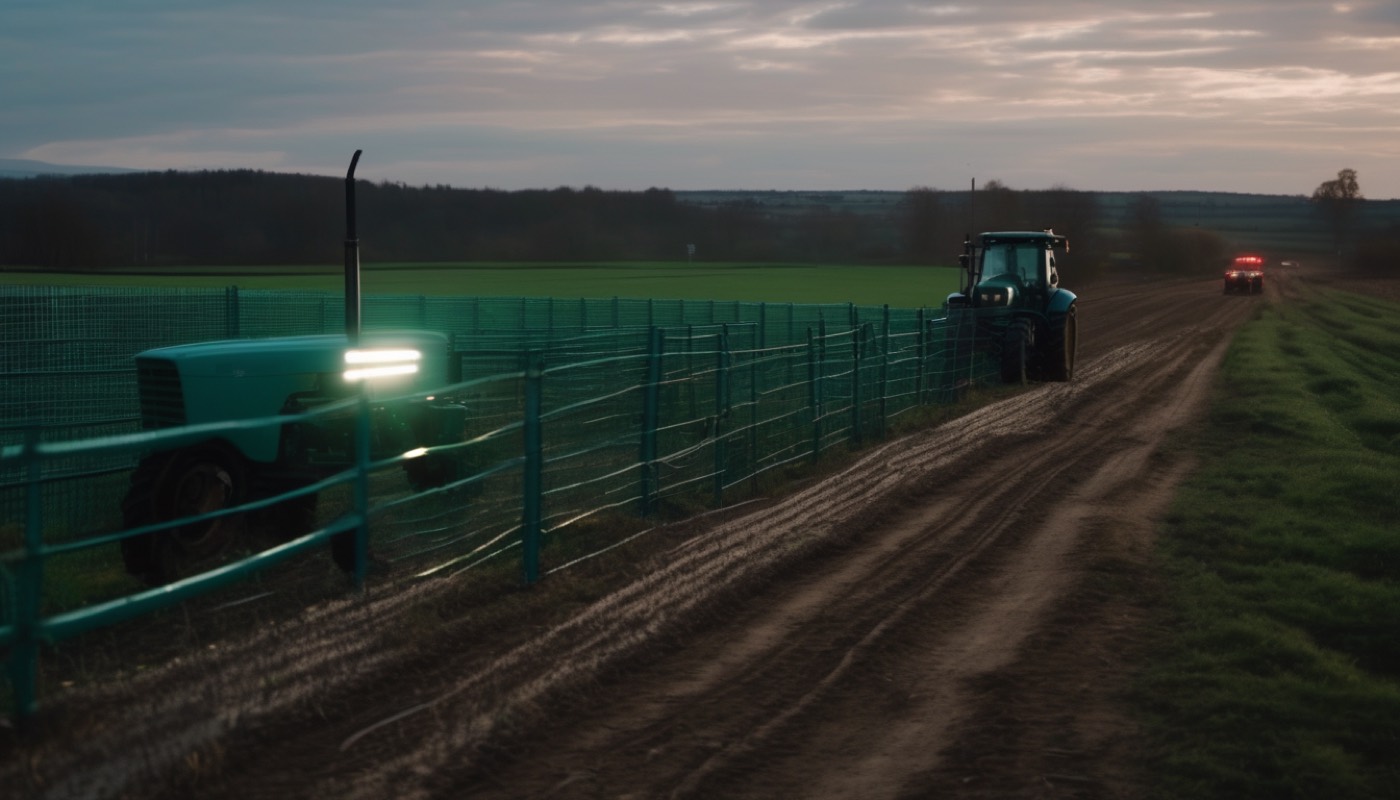
A farm field is fenced, privately owned, and repeats the same small set of obstacles every season: fences, ditches, the occasional piece of equipment. A city street has pedestrians, cyclists, other drivers and constant surprise, and the vehicle has no right to simply stop and wait for permission to proceed.
Compare the two timelines directly.
Google began its self-driving car project in 2009. It took until 2020 for the first member of the public to ride in one of its cars with nobody at all in the driver's seat — eleven years. By September 2026, that service, now called Waymo, had reached fourteen American cities. Its fleet had grown to more than four thousand vehicles.
Bear Flag Robotics was founded in 2017. Full commercial tillage, Deere's narrowest possible version of "driverless," arrived in 2026 — nine years. A shorter path, but still not a short one, and still only one job out of an entire farming season.
Neither story is instant. The honest difference is which problem was easier to narrow down first — and a fenced field, doing one repeated task, was easier to narrow down than an open city.
12. How far this really goes by the end of 2026
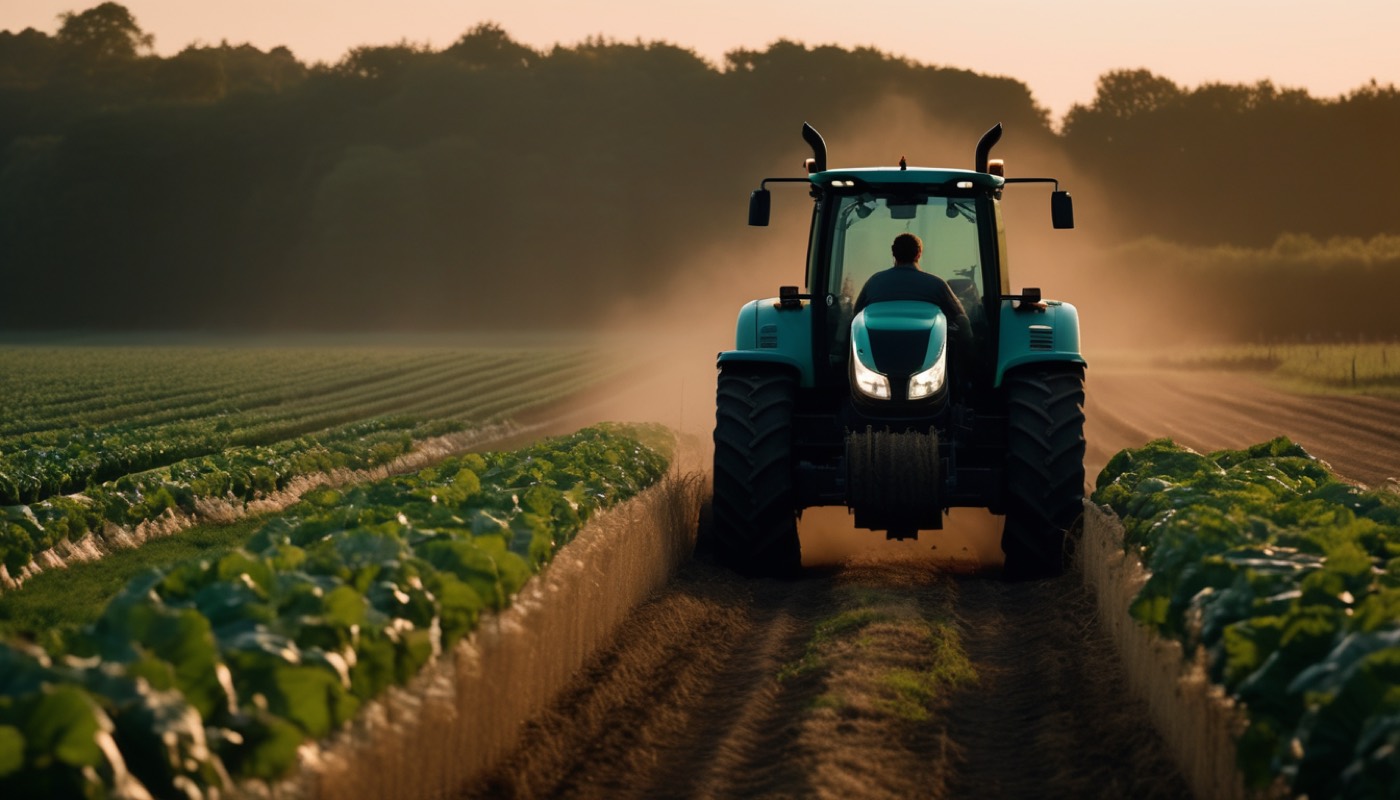
So: has farming actually gone driverless?
The market for autonomous tractors was worth about two point seven billion dollars in 2025. By the end of 2026, it is forecast to reach around three point one billion dollars. More than two-thirds of that market is still semi-autonomous machines, which keep a person in the loop rather than removing them.
The case for "yes": a real product, sold and working unattended shifts on real farms, with a second major manufacturer now building the same kind of system behind it.
The case for "not yet" is just as real. One task, tillage, out of an entire season's work. Only a small number of machines running so far. And a human still has to be reachable every moment one of them runs.
Four things decide how fast this grows from here. Whether the safety record holds as it scales past a handful of farms. Whether planting, spraying and harvest turn out to be solvable the same way tillage was. Whether rival makers close the gap Deere has opened. And whether the price of the kit falls enough for an ordinary farm to afford it.
My own reading of it is this. The driverless tractor is not a demonstration any more — it is a real product, doing a real job, on real farms, right now. But it is doing exactly one job. Whether the rest of the season follows is the open question this channel will keep watching.
Sources and credits
Photo credits (Wikimedia Commons)
- Aerial view of Midwest row-crop farmland, Montgomery County, Iowa: Photo by Tim McCabe, USDA Natural Resources Conservation Service., Public domain - https://commons.wikimedia.org/wiki/File%3ANRCSIA99383_-_Iowa_%283459%29%28NRCS_Photo_Gallery%29.jpg
- Migrant farm workers weeding a field by hand, Kansas, 2012: USDAgov, Public domain - https://commons.wikimedia.org/wiki/File%3AMigrant_workers_weed_a_field_of_peppers_on_Rick_and_Robyn_Purdum%27s_farm_%2820120720-KS-Reclamation-0028%29.jpg
- Tractor pulling a chisel plow through a field (tillage): Photo by Gene Alexander, USDA Natural Resources Conservation Service., Public domain - https://commons.wikimedia.org/wiki/File%3ANRCSSD78001_-_South_Dakota_%286183%29%28NRCS_Photo_Gallery%29.jpg
- John Deere CH570 sugar cane harvester at work: U.S. Department of Agriculture, Public domain - https://commons.wikimedia.org/wiki/File%3AJohn_Deere_CH570_Sugar_Cane_Harvester_%2851837046491%29.jpg


Primary sources
- TechCrunch, 'John Deere buys autonomous tractor startup Bear Flag Robotics', 5 August 2021 - $250 million acquisition, Bear Flag founded 2017, Y Combinator Winter 2018 cohort.
- GPS World / Agriland, August 2021 (citing Deere's own statement) - Deere's 'Startup Collaborator' partnership with Bear Flag began in 2019.
- John Deere news release, 'Autonomous Tractor Reveal', 4 January 2022 (CES) - the 8R plus TruSet chisel plow, six pairs of stereo cameras, geofence accuracy to within less than 1 inch, ~100ms per-frame obstacle classification.
- Farmers Guide (UK) / Precision Farming Dealer / Dakota Farmer, February 2025 - 2025 limited release to 20 owners of MY2025+ 8R/9R tractors for that growing season.
- John Deere CES 2025 announcement, as reported by Rental Yard, Utility Contractor Magazine and Farm Machinery Sales, January 2025 - second-generation 16-camera autonomy kit, Autonomous 9RX, 5ML orchard tractor with lidar, up to 40% faster driving.
- TractorEvolution.com, 'John Deere Prepares Nationwide Launch of Fully Autonomous Tractors in 2026' - 18-state field-testing, full 2026 commercial release, tillage-only scope, remote-alert behaviour.
- US Bureau of Labor Statistics, reported by Red River Radio / DTN Progressive Farmer, 28 October 2025 - US agricultural workforce fell by about 155,000 people (~7%), March-July 2025.
- American Farm Bureau Federation, 'H-2A program use continues to soar' - ~398,258 H-2A positions certified in the year to September 2025, up 185% over the preceding decade; ~73% of US farms depend on immigrant labour.
- Global Market Insights, 'Autonomous Tractors Market' industry report - market ~$2.7bn (2025) to ~$3.1bn (2026); semi-autonomous 67.6% of the 2025 market; John Deere >16% 2025 market share.
- AGCO news release / FutureFarming.com - Fendt 1000 Vario Gen4, launched 26 September 2025, factory-integrated OutRun autonomy (PTx Trimble); autonomous tillage due from 2026.
- Farm Equipment magazine, 'CNH, AGCO and Kubota share outlook on autonomy' - Case IH/Raven Trident 5550 autonomous spreader (2023); Kubota's Agri Robo tractor, Japan only.
- TechCrunch, 'Monarch Tractor's collapse ends in with an acquisition by Caterpillar', 15 April 2026 - Monarch founded 2018, raised more than $200 million; Monarch's own statement named only 'a large global equipment manufacturer'; Caterpillar identified by TechCrunch via USPTO patent-filing assignments, not confirmed by either company.
- TechCrunch, 'Waymo accelerates robotaxi expansion with launches in Denver, San Diego, and Tampa', 1 September 2026 - 14 US cities, fleet of more than 4,000 vehicles.
- CNBC, 5 December 2018, and Waymo blog, October 2020 - Waymo One's paid Phoenix service and first public fully driverless rides.
Not regulated financial advice.