
ASML: The One Machine China Can't Buy
This video explains what that machine actually does: how lithography prints a circuit pattern onto silicon through a photomask and photoresist, why ordinary and deep ultraviolet light ran out of resolving power below about 30 nanometres, and how ASML's EUV systems solve that by vaporising tin droplets into a plasma that emits 13.5-nanometre light, bounced off ultra-precise mirrors in a vacuum because the light is absorbed by almost everything else, including air.
It traces how one company ended up as the sole source: ASML's 1984 founding as a Philips/ASM International joint venture, its 1986 optics partnership with Carl Zeiss, and its 2013 acquisition of light-source maker Cymer for roughly EUR 1.95bn (about $2.55bn) — the combination that let ASML pull ahead of Nikon and Canon, both of which abandoned commercial EUV programmes.
And it covers the fight over who gets to use the machine: the Netherlands' non-renewal of an EUV export licence to China in 2019 under US pressure, the 2023 licensing rules and 2024 partial revocation on advanced DUV tools, and US Commerce Secretary Howard Lutnick's unproven June 2026 accusation that an EUV machine had already reached China — denied by ASML in its own words.
Finally, it covers both sides of China's own answer: ASML's China revenue share falling to 19% in Q1 2026 (from 36% the quarter before) and guided toward 20% for the year; SMIC's domestic DUV scanner, codenamed Mount Everest; and a separate, unnamed Shenzhen project that has built a working EUV light source but, by outside assessment, remains years from a working lithography system.
Every figure is on screen with its source and date.
Educational documentary. Not financial or investment advice.
In these topics
Chapters
- The machine the size of a bus
- What lithography actually does
- Why light itself became the limit
- Chasing EUV: 1980s to 2006
- How an EUV machine makes 13.5nm light
- ASML's rise: Philips spin-off to monopolist
- Why nobody else can catch up
- The chokepoint goes geopolitical
- 2026: the Lutnick accusation
- China's share collapses, China builds its own
- Can China actually build an EUV machine
- Why one machine outweighs an army
Video notes
1. The machine the size of a bus
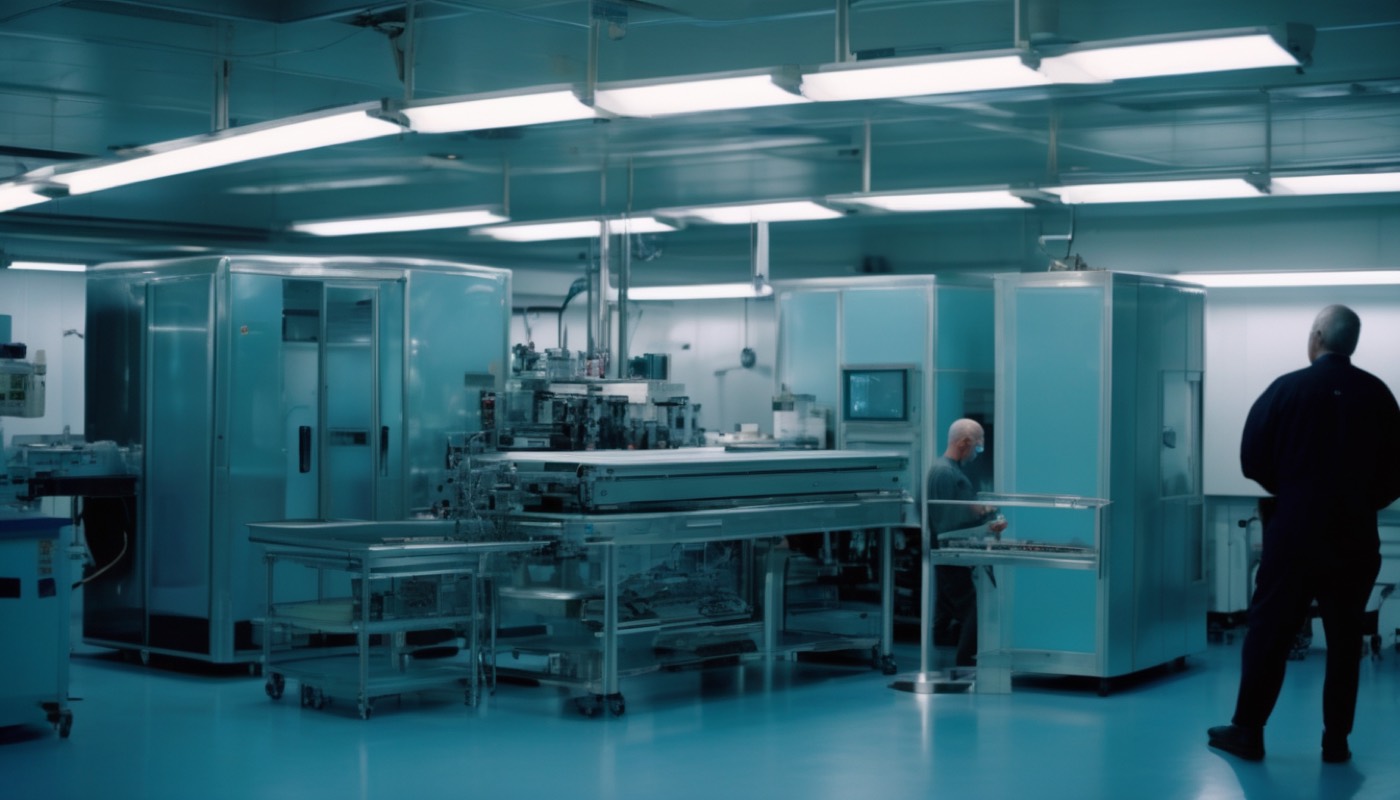
Somewhere in a clean room in Taiwan, South Korea, or the United States, there is a machine roughly the size of a bus.
It weighs around 180 tonnes. It is built from parts sourced from more than 5,000 supplier locations around the world. Each one costs over $200 million. And on this entire planet, exactly one company knows how to build it.
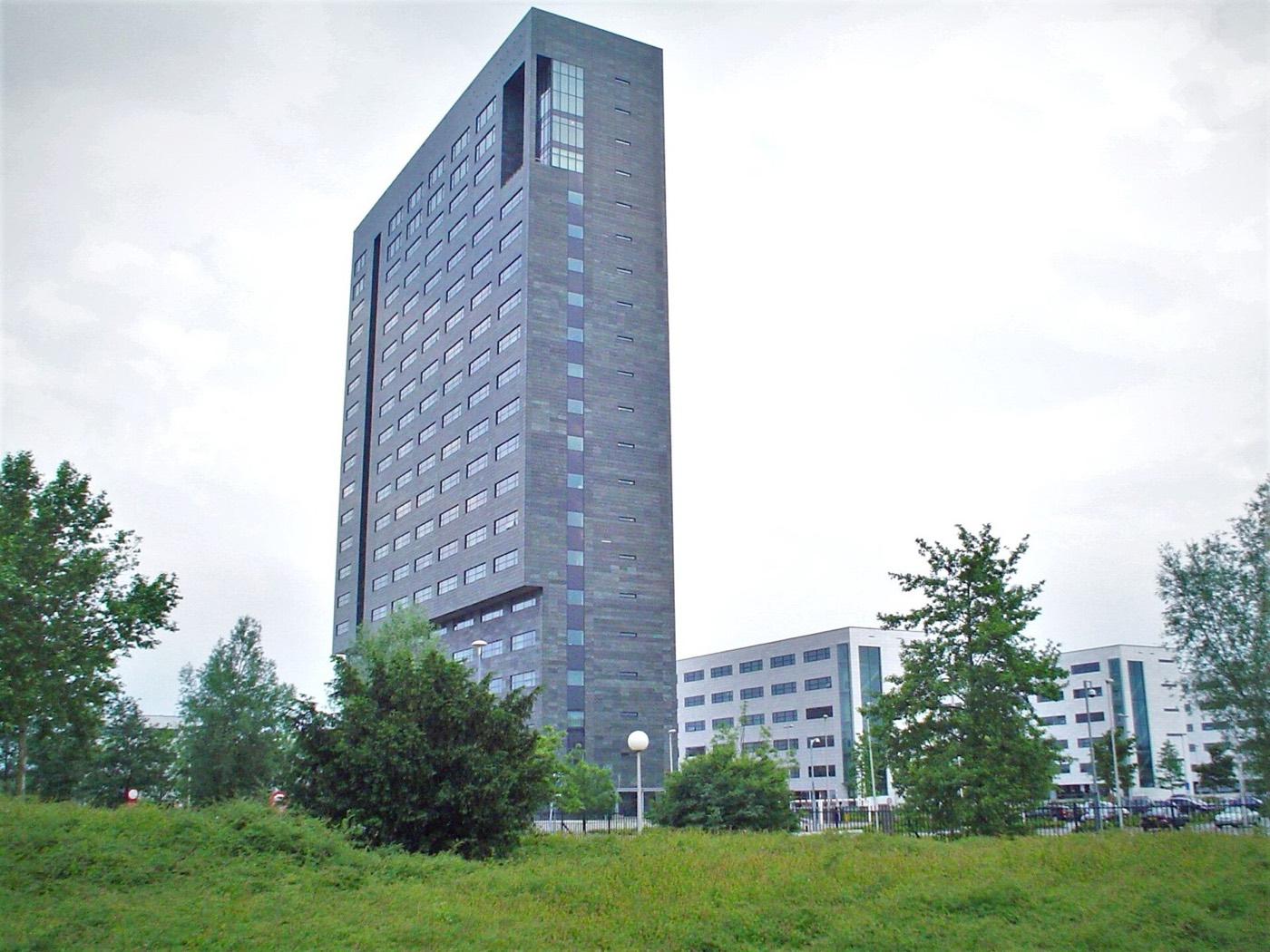
That company is ASML, based in a small city in the Netherlands most people have never heard of. Its machines do not make chips directly. They print the circuit pattern onto the silicon that becomes a chip — a process called lithography, which this video explains in full in a moment.
Every advanced chip on Earth passes through a machine like this at some point. The one in your phone. The ones training the largest AI models. Without ASML's most advanced lithography machines, none of them get made. Not by Intel. Not by Samsung. Not by Taiwan's TSMC, the company that actually etches most of the world's chips.
That single fact is why the United States now treats this machine as a national-security asset. It is why China wants one badly enough to have tried building its own. And it is why the Dutch government has spent the last several years deciding, machine by machine, who is allowed to buy one.
This video has one job: explain what this machine actually does, how one company ended up as its only maker, and why a piece of industrial equipment has become more strategically important than most countries' armies.
2. What lithography actually does
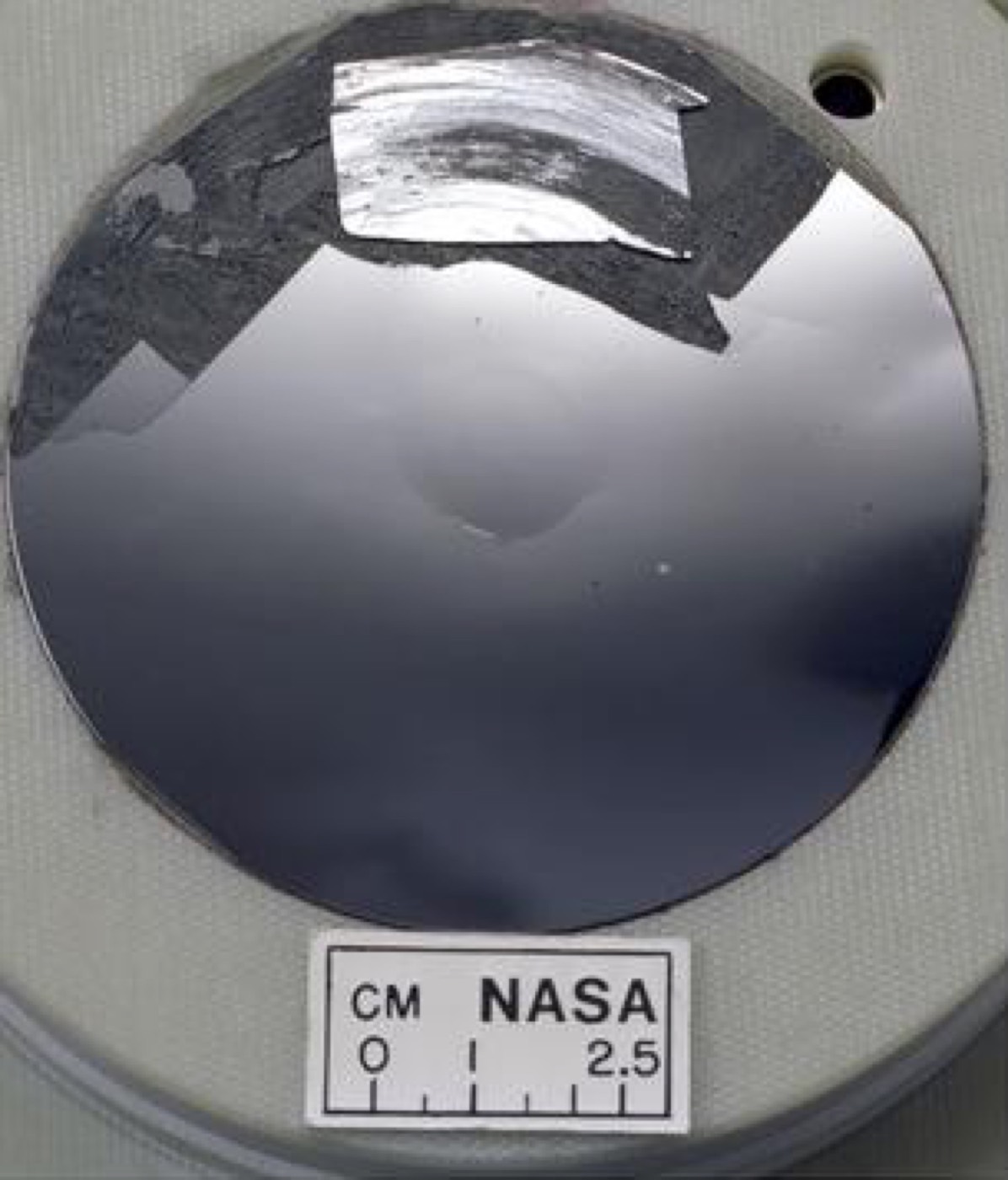
Strip away the complexity, and a chip starts as a flat, round disc of pure silicon called a wafer. The wafer itself carries no pattern. The pattern is what a lithography machine adds.
Lithography means printing the pattern of a circuit onto silicon using light. First, the wafer is coated with a chemical called photoresist — a light-sensitive layer that records whatever pattern of light lands on it, the same basic idea as film in an old camera.
A photomask — a glass plate carrying the circuit's pattern, drawn at a size many times larger than the finished chip — sits above the wafer. Light passes through the mask, and a lens shrinks that light down before it reaches the photoresist below.
Where light hits the photoresist, a chemical reaction marks that spot. Wherever the mask blocked the light, nothing happens. Develop the wafer afterward, the way you would develop a photograph. What is left behind is the circuit pattern itself, ready for the next step, which etches it permanently into the silicon.
That exposure, shrink, and develop cycle is the entire basis of every chip ever made. Do it well enough, with a small enough spot of light, and you can draw transistors — the switches that do a chip's actual computing. Draw them small enough, and billions of them fit onto one piece of silicon the size of a fingernail.
3. Why light itself became the limit
For decades, that cycle got better mainly by using shorter wavelengths of light. A shorter wavelength can draw a finer line, the same way a sharper pencil draws a thinner one.
Chipmakers moved from visible light, to ultraviolet, to deep ultraviolet — light with a wavelength of 248 nanometres, and later 193 nanometres. Each step let the pattern shrink further. For a long stretch of the industry's history, that was enough.
Then it stopped being enough. As the industry pushed transistor features down below roughly 30 nanometres, the deep ultraviolet light itself became the obstacle. Its wavelength was simply too long to draw a line that fine cleanly, no matter how good the lens.
Chipmakers found workarounds for a while. The most important was multi-patterning — exposing the same wafer two, three, or four times with slightly offset patterns. Several coarse passes, stacked together, built up a result finer than any one of them could manage alone. It worked, but it was slow, and every extra pass added cost and room for error.
The industry needed a genuinely shorter wavelength of light. And making that light turned out to be one of the hardest engineering problems anyone had taken on.
4. Chasing EUV: 1980s to 2006
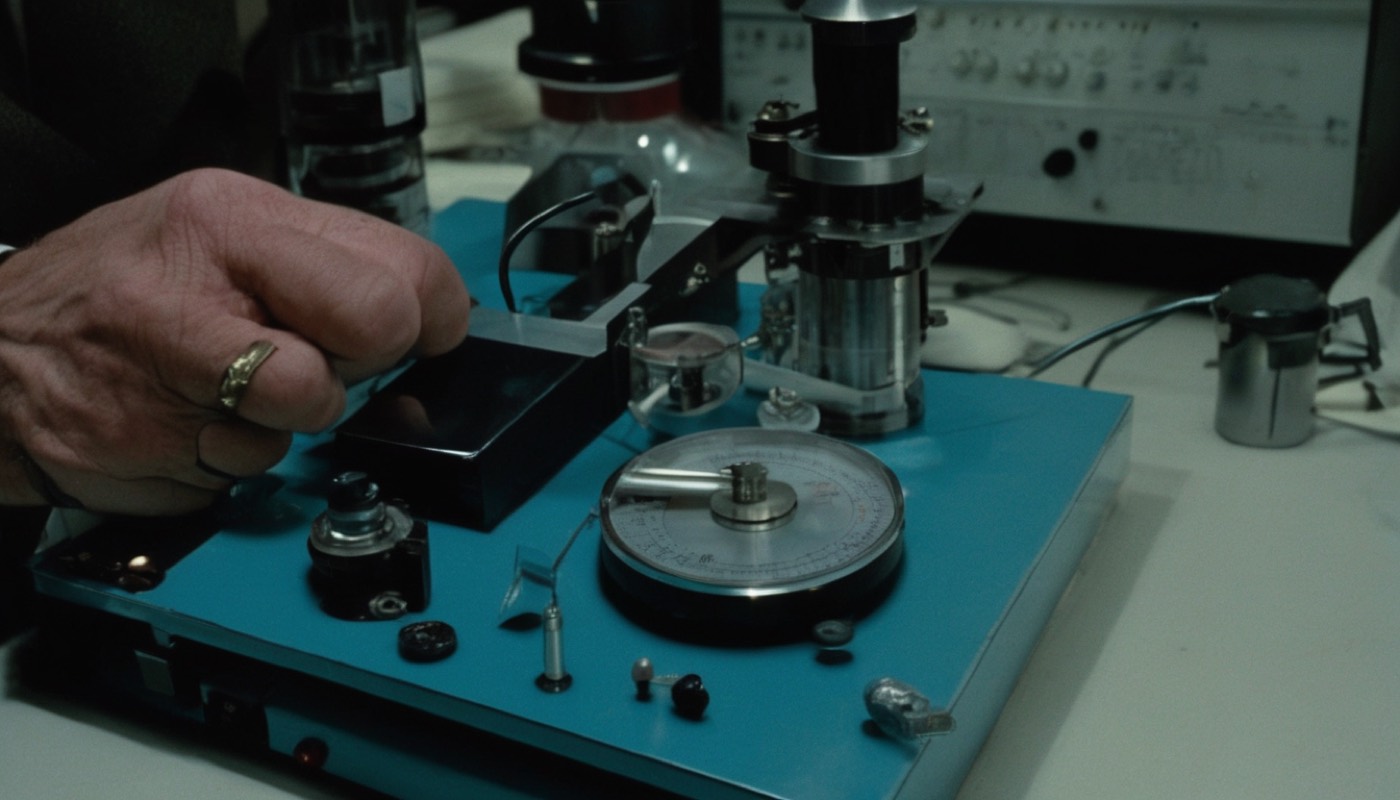
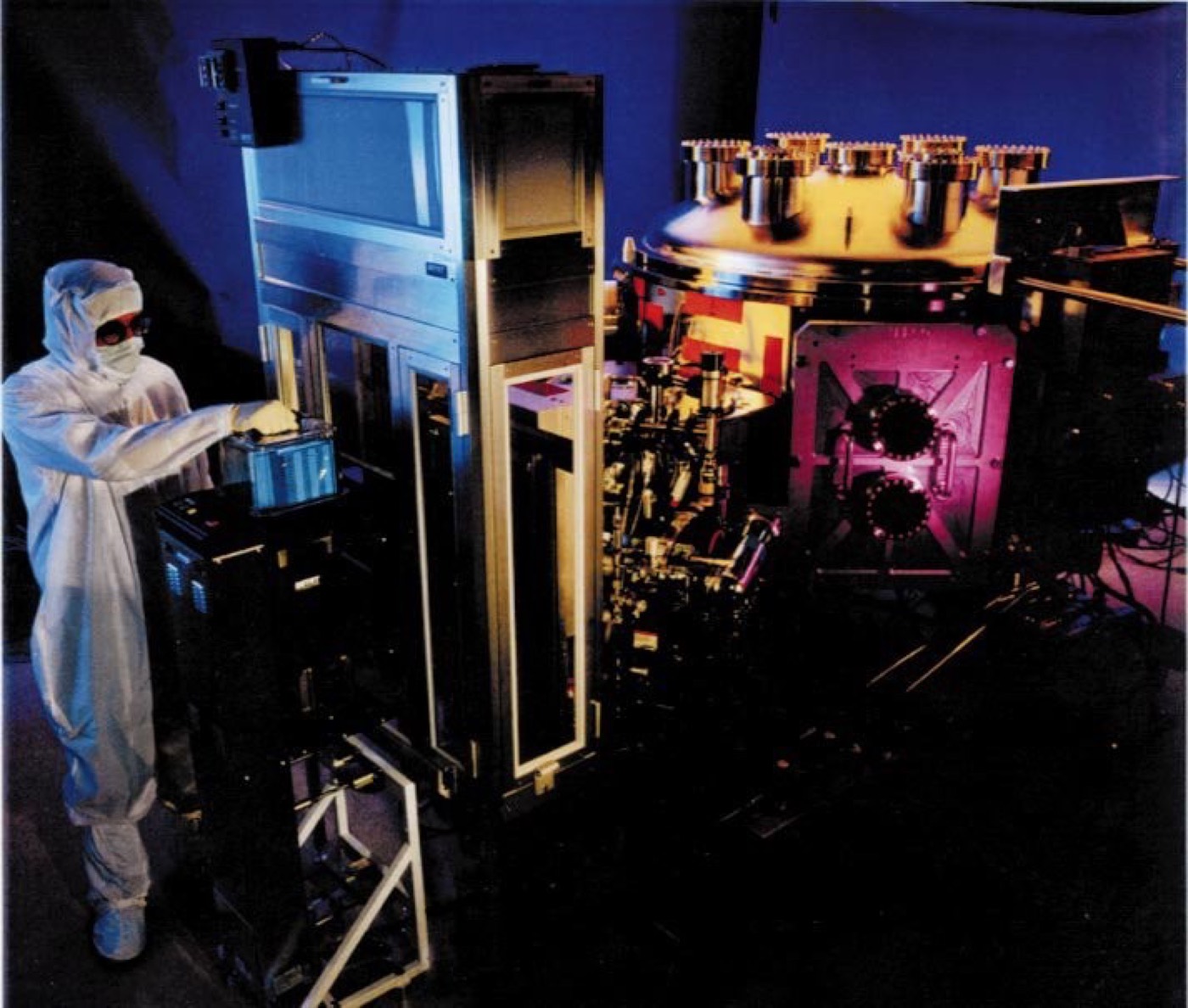
The answer researchers converged on was extreme ultraviolet light — EUV — with a wavelength more than ten times shorter than the deep ultraviolet light already in use.
Extreme ultraviolet is a very short wavelength of light, short enough to print the finest patterns anyone has managed on silicon. The idea goes back further than most people assume. American, Dutch, and Japanese researchers were experimenting with EUV light sources through the 1980s, independently and in parallel. None of them could yet build a machine that used that light reliably.
In 1994, a group of US chipmakers — including Intel, Motorola and AMD — formed an industry consortium to fund and coordinate EUV's development. No single company could absorb the cost of turning a laboratory curiosity into a factory tool alone. A parallel European effort ran alongside it.
It took twelve more years to reach a working prototype. On 29 August 2006, ASML shipped the industry's first full-field EUV demonstration tools.
One went to a research centre in Albany, New York. The other went to imec, a chip-research institute in Leuven, Belgium.
Those two machines were not yet ready for a real factory. They were research tools, meant to prove the approach could work at all. But they marked the moment EUV stopped being a theory and became hardware anyone could actually test.
5. How an EUV machine makes 13.5nm light
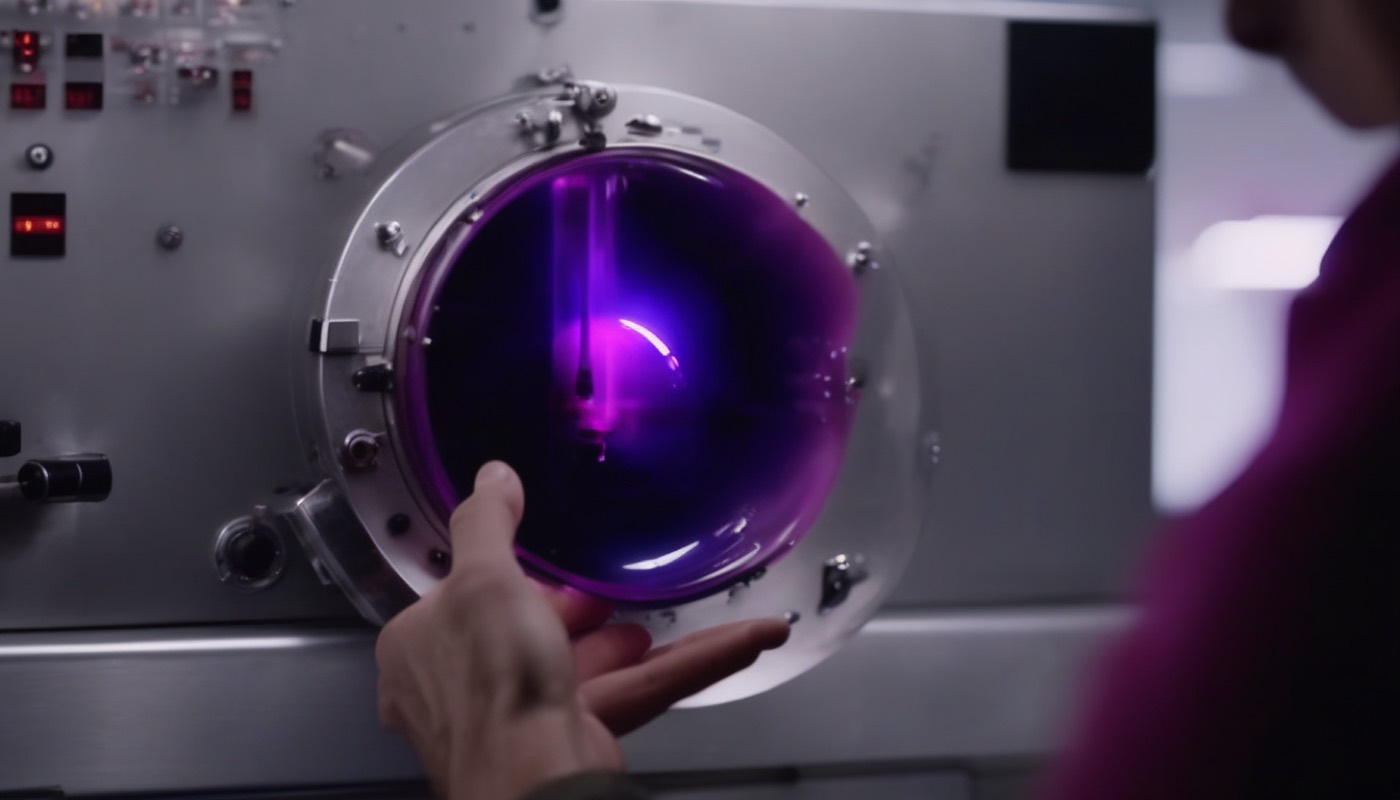
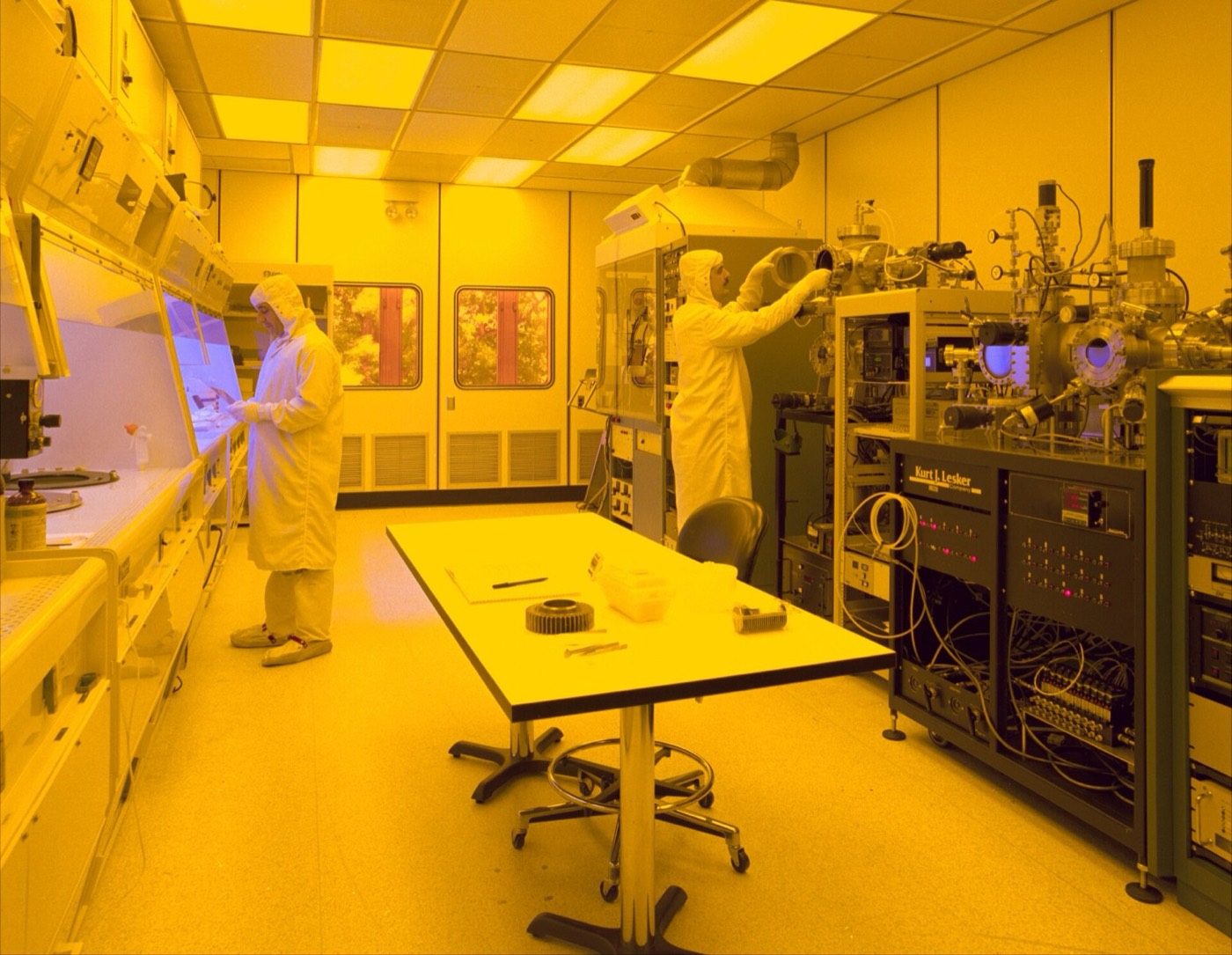
Getting a machine to a research lab is one thing. Making EUV light reliably, every working second of every working day inside a factory, turned out to be the harder half of the problem.
ASML's EUV machines generate light at a wavelength of 13.5 nanometres by firing a powerful laser at a droplet of molten tin, smaller than a grain of sand, roughly fifty thousand times a second. The laser vaporises each droplet into a glowing plasma, and that plasma gives off the EUV light the machine actually uses.
That light is almost unusably difficult to work with. EUV at 13.5 nanometres is absorbed by nearly everything it touches — ordinary glass, and even air itself. A conventional lens, which works by letting light pass through glass, simply does not work here.
So an EUV machine has no lenses at all. Instead, the light bounces between a series of curved mirrors, inside a vacuum chamber with virtually no air to absorb it. Those mirrors are coated with dozens of ultra-thin layers and must be flat to within a fraction of a nanometre — rougher than that, and the short wavelength scatters uselessly off the imperfection.
Generate the light, reflect it off a precisely engineered mirror stack in a vacuum, and focus it onto a wafer moving beneath it with a positioning accuracy measured in atoms. Any one of those steps failing, even slightly, ruins the result. That combination — not any single part of it — is what took decades to get right.
6. ASML's rise: Philips spin-off to monopolist
The company that eventually solved all of that did not start out trying to. On 1 April 1984, a small joint venture was founded in the Netherlands between the electronics giant Philips and a Dutch equipment maker, ASM International. It was called ASM Lithography.
Philips had already built a basic lithography machine, called a stepper, but did not have the resources to bring it to market alone. The joint venture existed to do exactly that — commercialise one product. Nobody involved was planning to end up as the only company on Earth that could do this.
Two decisions, years apart, turned out to matter more than anyone could have known at the time. In 1986, the young company struck a partnership with Carl Zeiss, the German precision-optics maker, after Zeiss's relationship with ASML's rival, GCA, had soured. It was renamed ASML after going public two years later, in 1988.
That Zeiss partnership gave ASML access to some of the most precise optics in the world — the lenses and, decades later, the mirror systems its machines would need for EUV. Competitors building their own machines in-house never matched it.
The second decision came much later. Between October 2012 and May 2013, ASML acquired Cymer, a US company that made the light sources its machines needed, in a deal worth roughly €1.95bn — about $2.55bn. That gave ASML direct ownership of the one piece of the EUV puzzle it did not already have: the tin-droplet light source itself.
Put those two deals together with ASML's own decades of systems-integration experience. By 2013, one company held every major piece required to build a working EUV machine: the optics, the light source, and the engineering to combine them. No rival held all three.
7. Why nobody else can catch up
Two of the biggest names in camera and optics technology, Nikon and Canon, also tried to build EUV machines. Neither one ever sold a commercial EUV scanner.
Both ran into the same wall ASML spent decades climbing: EUV light's extreme absorption by almost every material, the shift from lenses to mirrors in a vacuum, and light sources too unreliable to run in a factory for years without failing.
There was a second, more specific obstacle for Nikon. The 1994 US industry consortium that funded early EUV research declined to let Japanese firms license that American-funded work on the same terms as US companies. Nikon was shut out of a body of foundational research. ASML, through its own and its European partners' work, was never denied it.
By the time EUV was ready to actually sell, in the late 2010s, both Japanese companies had wound down their commercial EUV programmes. ASML had spent that same stretch locking in Zeiss's optics and then simply buying Cymer's light sources outright.
That is why nobody has caught up since. It is not one secret ASML has and competitors lack. It is three separate, extremely hard problems — optics, light source, and systems integration — solved together, inside one company, over roughly thirty years. A rival starting today would not just need to solve the same three problems. It would need to do it after ASML has already had three decades to refine all of them at once.
8. The chokepoint goes geopolitical
A machine this important to the chip industry was always going to attract political attention eventually. It arrived in 2019.
That year, the Dutch government declined to renew an export licence for an EUV machine bound for China, reportedly for the chipmaker SMIC. The Trump administration had run a sustained pressure campaign first — the US Secretary of State lobbied the Dutch government directly, and intelligence material was shared with the Dutch prime minister. The licence was not renewed, and the machine was never delivered.
That was the first time ASML's machine stopped being purely a commercial product and became a lever in a dispute between governments. It was not the last.
From 1 September 2023, the Dutch government went further. It now required a licence for ASML's most advanced deep ultraviolet machines too — not just EUV, but the tier directly below it, the one China could still use to approximate advanced chips through multi-patterning.
Then, on 1 January 2024, the Dutch government partially revoked shipment licences it had already granted, for two specific advanced DUV models bound for China, under continuing pressure from Washington.
By early 2024, the pattern was unmistakable. Export control was no longer a single decision made once, in 2019. It had become an ongoing, machine-by-machine negotiation between the Netherlands, the United States, and China — one this video is about to show getting sharper still.
9. 2026: the Lutnick accusation
That negotiation reached its sharpest point yet in June 2026.
On 19 June 2026, across a series of meetings, US Commerce Secretary Howard Lutnick told ASML's senior leadership something serious. Washington suspected one of ASML's advanced EUV machines had already reached China, in violation of export controls. The accusation was reported first by Bloomberg, and no public evidence has been released to support it.
ASML answered within days, in its own words: "ASML has never shipped an EUV machine to China nor have we shipped to China any component, module or equipment specially designed to be used in an EUV machine."
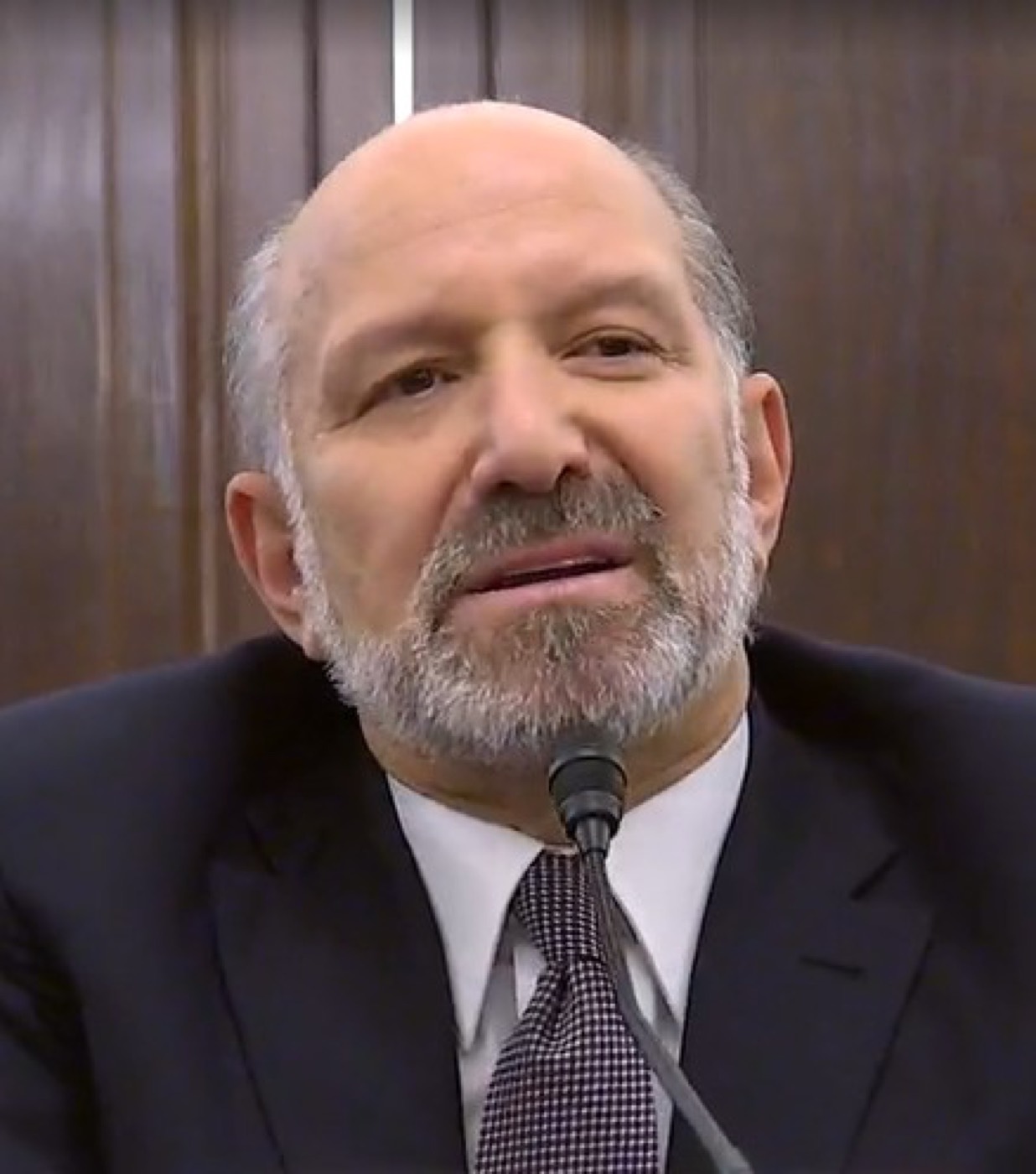
Here is Howard Lutnick, the US Secretary of Commerce, in his official Senate hearing photograph from January 2025 — the official who delivered that warning to ASML's leadership in June 2026.
ASML's defence leaned on exactly the physical facts this video opened with. These machines, the company said, are produced in small numbers and need continuous on-site maintenance from ASML's own engineers. The most advanced ones are the size of a school bus and weigh around 180 tonnes. ASML's argument was simple: a machine like that does not move anywhere unnoticed.
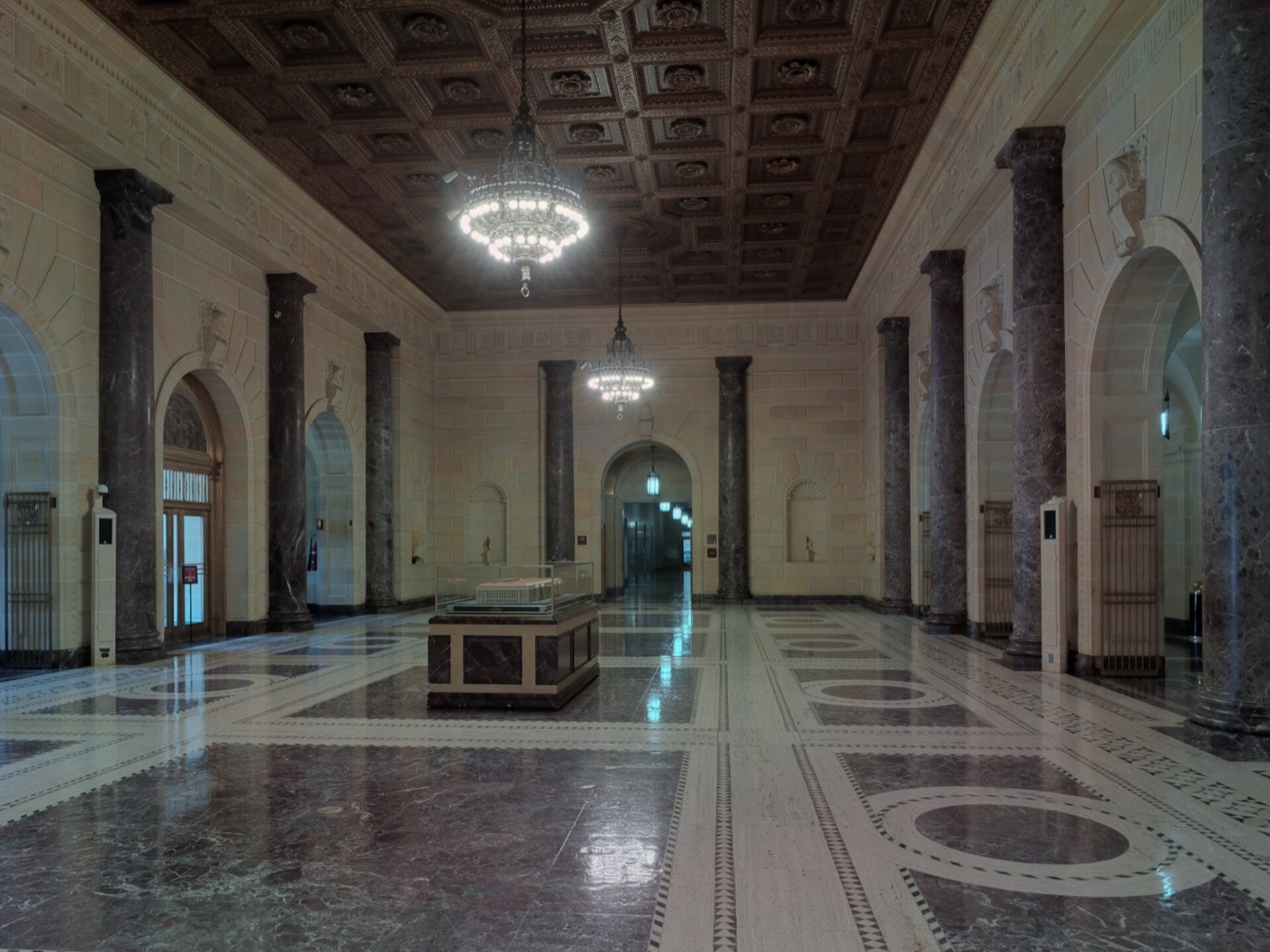
Here is the lobby of the Herbert C. Hoover Building, the US Department of Commerce's headquarters in Washington DC, where Lutnick's department has not answered repeated questions about what evidence, if any, backs the June 2026 accusation.
Washington and China are the two ends of this argument. The machine itself exists only in the Netherlands.
Whatever the truth of it, the accusation itself tells you something the denial cannot erase: one unverified claim about one machine was enough to become a story that mattered to two governments. That is what being the only source of something does to you.
10. China's share collapses, China builds its own
While that accusation was still unresolved, a much more measurable consequence was already showing up in ASML's own financial results.
In the first quarter of 2026, China's share of ASML's system sales fell to 19%, down sharply from 36% just the quarter before. ASML's own guidance points to roughly 20% for the whole of 2026, down from 33% across all of 2025.
That demand did not just disappear. In the same quarter, South Korea's share of ASML's sales rose to 45%, and Taiwan's rose to 23% — the demand leaving China is landing somewhere else.
China's answer to losing access to ASML's best machines has not been to go without lithography. It has been to push harder on the one tier still available to it: deep ultraviolet.
SMIC, China's largest chipmaker, has been testing a domestic immersion DUV lithography tool. It was reportedly built by a Shanghai startup called Yuliangsheng, with involvement from an affiliate of SiCarrier, a Shenzhen-based equipment maker. The approach leans on multi-patterning — the same workaround this video described in chapter three, exposing a wafer several times with a cruder tool to approximate what one EUV pass can do.
That domestic DUV scanner carries its own codename, reported by the Financial Times: Mount Everest. It is worth being precise about what that name actually refers to, because it gets confused with something else this video covers next — Mount Everest is a deep ultraviolet machine, not an EUV one.
11. Can China actually build an EUV machine
The EUV side of China's effort is a separate project entirely, and it runs out of a different city.
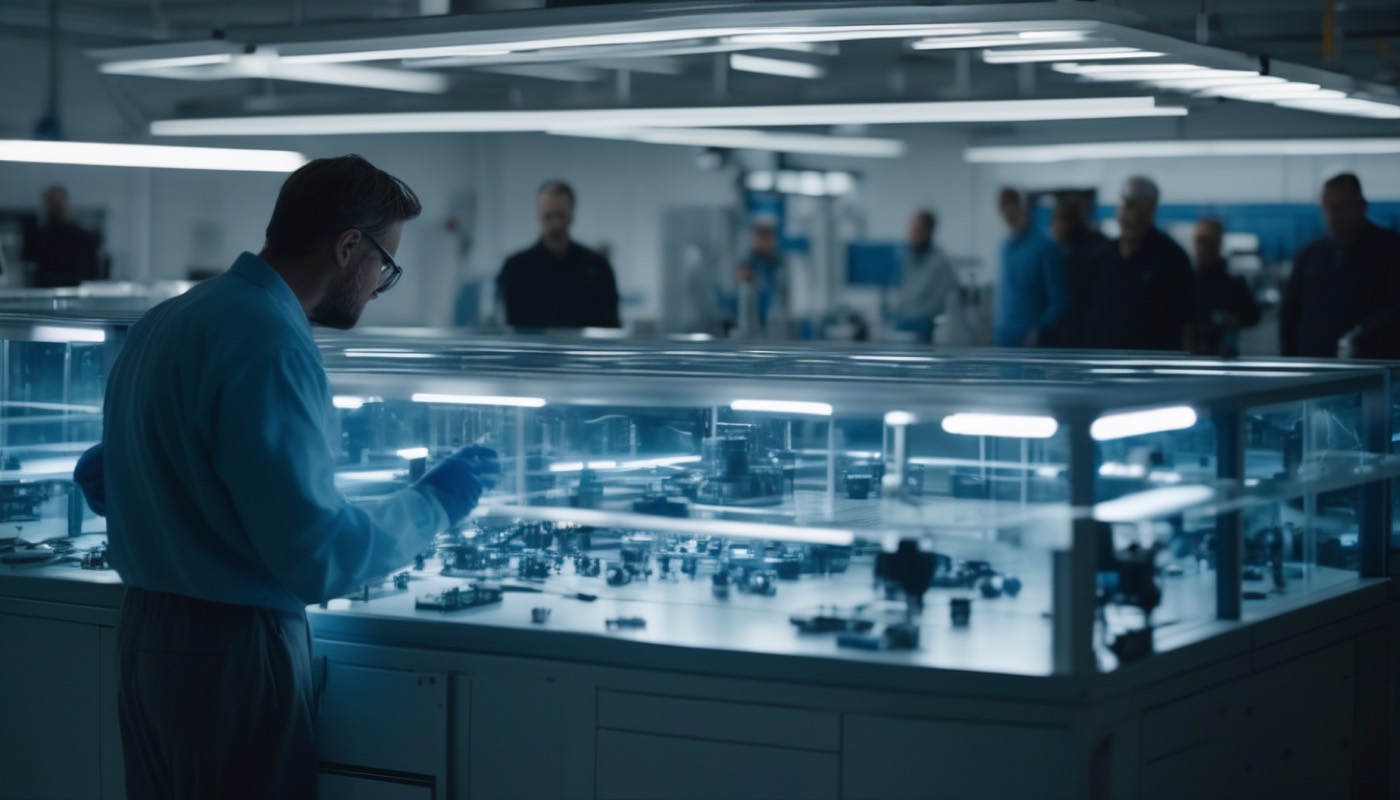
In a high-security laboratory in Shenzhen, a team that includes former ASML engineers has reportedly built a working prototype EUV light source — reverse-engineering elements of ASML's own technology. Reuters reported the prototype was completed in early 2025. It generates genuine extreme ultraviolet light. It has not yet exposed a single wafer.
That distinction matters more than it sounds. A light source is one component of the machine this video described earlier. It is a necessary piece, but only one of several. The mirror stack, the vacuum chamber, and the positioning system still have to work alongside it.
People reportedly close to the Shenzhen project have floated 2028 as a target for actual EUV-based chip production. People closer still to the engineering itself call that unrealistic, and point to 2030 instead.
Independent analysis agrees with the more cautious number. UBS assessed in 2026 that China could reach high-volume production of its domestic DUV tools within two to five years. A working EUV tool, UBS judged, remains unlikely within a decade.
That puts China's EUV-relevant capability roughly where ASML itself stood around 2004 — some fifteen years before ASML began mass-producing EUV systems for sale.
CSIS reviewed the broader run of 2026 announcements about Chinese lithography progress. Its verdict: "more exaggeration than transformation."
That verdict came against a backdrop of a reported $43bn Chinese state commitment to domestic EUV-adjacent development. CSIS itself warns that kind of money is prone to duplication and waste across competing state-backed programmes.
So: a real light source, built by real engineers, inside a real and well-funded national programme. And still, by the most careful outside estimates available, a machine capable of actually printing a chip remains years away at best.
12. Why one machine outweighs an army
Pull all of that together, and the picture is stark in a way few pieces of industrial equipment ever are.
One company, in one small Dutch city, is the only source on Earth for the machine every advanced chip now depends on. The United States treats that fact as serious enough to warn ASML's own leadership over an unproven suspicion. China treats it as serious enough to run a national, high-security engineering programme trying to replace it — and by the best outside estimates, is still years from succeeding.
A country can build an army without anyone else's permission. It cannot build an advanced chip industry without a machine only one company knows how to make — and for now, that company sits in the middle of every negotiation over who gets to use it.
This video does not know how that ends. Export controls might keep China locked out of the machine for another decade. China's engineers might close the gap faster than anyone outside Shenzhen currently believes. Both outcomes are still live, and nothing in this video pretends otherwise.
Three places hold this dispute together. The United States, where the warning came from. China, where the suspicion points. And Shenzhen, where the replacement is being built.
What is certain is simpler, and it is where this video started. Somewhere right now, a machine the size of a bus is doing something no other machine on the planet can do — built from parts made in more than five thousand places. Until that changes, the company that builds it has leverage most countries would recognise as power.
Sources and credits
Photo credits (Wikimedia Commons)
- ASML corporate headquarters, Veldhoven, Netherlands: A ansems, Public domain - https://commons.wikimedia.org/wiki/File%3AASML_headquarters_Veldhoven.jpg
- Howard Lutnick, US Secretary of Commerce, at his January 2025 nomination hearing: United States Senate Committee Hearing Channels, Public domain - https://commons.wikimedia.org/wiki/File%3AHoward_Lutnick_%282025-01-29%29.png
- Extreme ultraviolet lithography (EUVL) research tool, Lawrence Livermore National Laboratory, 1998: Lawrence Livermore National Laboratory, Public domain - https://commons.wikimedia.org/wiki/File%3AExtreme_ultraviolet_lithography_tool.jpg
- Silicon wafer with mirror finish: NASA Glenn Research Center, Public domain - https://commons.wikimedia.org/wiki/File%3ASilicon_wafer_with_mirror_finish.jpg
- Semiconductor manufacturing clean room (NASA Glenn Research Center microfabrication lab): Uploaded by Duk 08:45, 16 Feb 2005 (UTC), Public domain - https://commons.wikimedia.org/wiki/File%3AClean_room.jpg
- Lobby of the Herbert C. Hoover Building, US Department of Commerce, Washington D.C.: Carol M. Highsmith, Public domain - https://commons.wikimedia.org/wiki/File%3ALobby%2C_Herbert_C._Hoover_Building%2C_U.S._Department_of_Commerce%2C_Washington%2C_D.C_LCCN2010719591.tif


Primary sources
- ASML, 'ASML's founding story' corporate history page, asml.com, 2024 - the 1 Apr 1984 founding as ASM Lithography, joint venture of Philips and ASM International.
- ASML, 'ASML Has Shipped the Industry's First EUV Tools', press release, 29 Aug 2006 (primary) - the first full-field EUV demo tools to CNSE Albany and imec Leuven.
- phys.org, 17 Oct 2012, and San Diego Business Journal, Oct 2012 - the Cymer acquisition announced value, EUR 1.95bn (about $2.55bn); ASML completion press release, 30 May 2013.
- nltimes.nl and bits-chips.nl, 2019-2020 reporting - the Dutch non-renewal of an EUV export licence to China under US pressure.
- CNBC, 30 Jun 2023, and Electronics Weekly - the Dutch DUV licensing rule effective 1 Sep 2023.
- ASML's own statement and Forbes, 2 Jan 2024 - the partial revocation of DUV shipment licences.
- Bloomberg, 19 Jun 2026, corroborated by NL Times, DutchNews.nl and chinaglobalsouth.com - Commerce Secretary Howard Lutnick's accusation that an EUV machine reached China, and ASML's verbatim denial.
- Caixin Global, 16 Apr 2026, and ASML's own Q1 2026 results (SEC Form 6-K) - China's share of ASML system sales falling to 19% in Q1 2026 from 36% in Q4 2025, guided to ~20% for the year from 33% in 2025.
- TrendForce, 17 Sep 2025, and TechPowerUp - SMIC's domestic DUV scanner trials, codenamed Mount Everest per Financial Times reporting.
- Reuters, reported via TechRepublic and Taipei Times, 18-21 Dec 2025 - the Shenzhen EUV light-source prototype, built in part by former ASML engineers, which has not yet exposed a wafer.
- TrendForce, 2 Sep 2026, reporting UBS's assessment that China is unlikely to produce a working EUV tool within a decade.
- CSIS, 'Breakthroughs or Boasts? Assessing Recent Chinese Lithography Advancements', Strategic Technologies Blog, 2026 - the 'more exaggeration than transformation' verdict and the $43bn state-investment figure.
Note: The US Commerce Department has not published evidence for the June 2026 accusation, and ASML has denied it in its own words.
Not regulated financial advice.