
Lotus Development: A Timeline
In January 1983 a small Cambridge, Massachusetts company released a spreadsheet for the IBM PC. It was called 1-2-3, it cost $495, and it did for IBM's machine what VisiCalc had done for the Apple II: businesses bought the computer to run the program. This video follows Lotus Development year by year.
Mitch Kapor and Jonathan Sachs founded Lotus in 1982, with $600,000 from Ben Rosen of Sevin Rosen and about $5 million raised in all. 1-2-3 combined a spreadsheet, graphics and a database in one fast program, written in assembly language. Lotus sold $53 million in 1983, went public in October that year, and reached about $157 million in 1984.
Then the harder years. Symphony (1984) disappointed; Jazz for the Macintosh (1985) sold 20,000 copies against 200,000 for Microsoft's Excel. Kapor left in July 1986 and Jim Manzi ran the company. Lotus sued over the look of its menus: it beat Paperback Software on 28 June 1990, but lost to Borland in the First Circuit on 9 March 1995, and a 4-4 Supreme Court left that ruling standing on 16 January 1996. Release 3 of 1-2-3 shipped more than a year late, Lotus backed OS/2, and Excel on Windows took the desktop.
Lotus's second act was Ray Ozzie's Notes, written at Iris Associates in Westford from 7 December 1984 and shipped on 7 December 1989. Notes is why IBM launched a hostile bid on 5 June 1995 at $60 a share, agreed at $64 a week later: about $3.5 billion. IBM dropped the Lotus name in 2012 and withdrew 1-2-3 in 2013-14, and sold Notes and Domino to HCL, completed 30 June 2019. HCL released Notes/Domino 2026 on 19 March 2026. Ben Rosen, who backed Lotus before 1-2-3 existed, died on 23 August 2026.
No figure appears without its date and source.
Educational documentary. Not financial or investment advice.
In these topics
Video notes
1. The VisiCalc moment
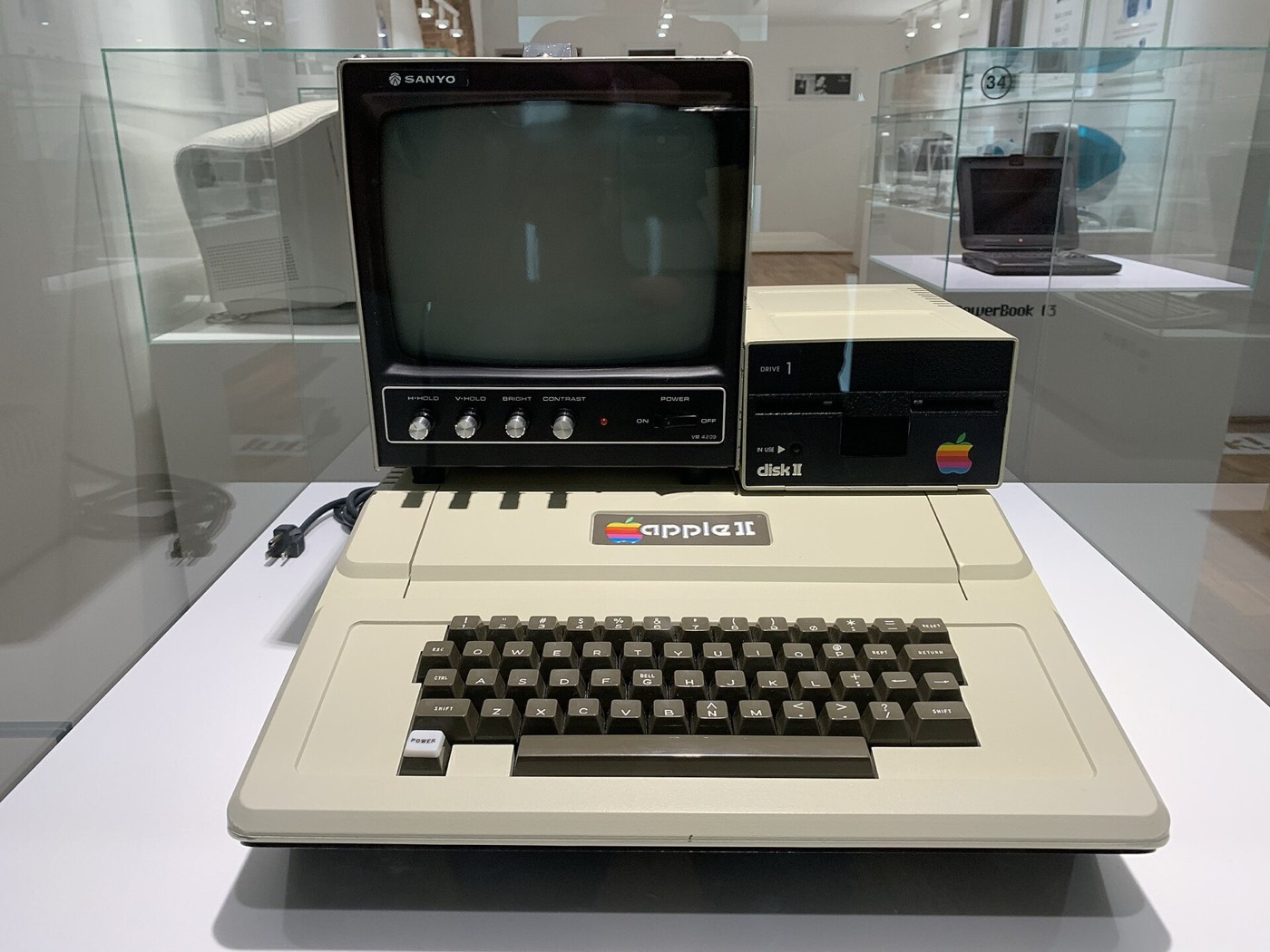
In nineteen seventy-nine, a small program went on sale that changed what a personal computer was for. It was called VisiCalc, and it was the first electronic spreadsheet for a personal computer.
A spreadsheet is a grid of boxes, called cells, that can hold numbers or formulas. Change one number, and every total that depends on it changes too. Office workers had done that by hand, on paper ledgers, one sum at a time.
That was the whole appeal. A budget that took an afternoon to redo could now be redone in seconds, as often as anyone liked.
VisiCalc ran on the Apple Two, a personal computer small enough for a desk. Wikipedia calls it the killer application for the Apple Two, the program that turned a hobby machine into a business tool. A killer app is a program so useful that people buy the computer just to run it.
One of the people watching this closely was a programmer called Mitch Kapor. He worked for VisiCalc's publisher, a company called Personal Software, which later renamed itself VisiCorp.
Kapor wrote two programs that worked alongside VisiCalc. VisiPlot drew charts from the numbers, and VisiTrend ran statistics on them. The International Directory of Company Histories says he made half a million dollars from them. Then VisiCorp bought him out for one point seven million.
Kapor now had money, and he had seen what one program could do for one computer. The question was which computer to bet on next.
In August nineteen eighty-one, IBM launched its Personal Computer. It carried the name that big companies already trusted with their data and their accounts. Kapor bet that the next great spreadsheet would be written for IBM's machine, not Apple's.
This video follows that bet, year by year. It is the story of a company that made the personal computer a business tool, lost the desktop to Microsoft, and left behind a second product that is still running today.
2. Cambridge, 1982

To build the program, Kapor needed a programmer better than himself. He found one in Jonathan Sachs.
Lotus Development was founded in nineteen eighty-two by Mitch Kapor and Jonathan Sachs. Its annual report records that it was incorporated in April of that year. Kapor ran the company, and Sachs wrote the program.
Sachs had worked at the Massachusetts Institute of Technology, and then at Data General and Concentric Data Systems. At Concentric he had already written spreadsheet software. He knew how to make one fast, and speed would turn out to matter more than anything else.
A program like that takes money to finish and more money to sell. That money came from a venture capitalist, an investor who backs young companies in return for a share of them.
The investor was Ben Rosen, of the firm Sevin Rosen, which he had co-founded the year before. The company history says Rosen put in six hundred thousand dollars. Kapor then brought in other investors, to raise about five million dollars in all.
Rosen had spent years on Wall Street as a technology analyst at Morgan Stanley. He had also backed Compaq, the computer maker, and those two bets would make his reputation.
Lotus set up in Cambridge, Massachusetts, across the Charles River from Boston. It later built its own headquarters on Cambridge Parkway, beside the river. The company would stay in Cambridge for the whole of its independent life.
Kapor had taught meditation, and he named the company after the lotus position. The product name was about to become far better known than the company's.
3. 26 January 1983
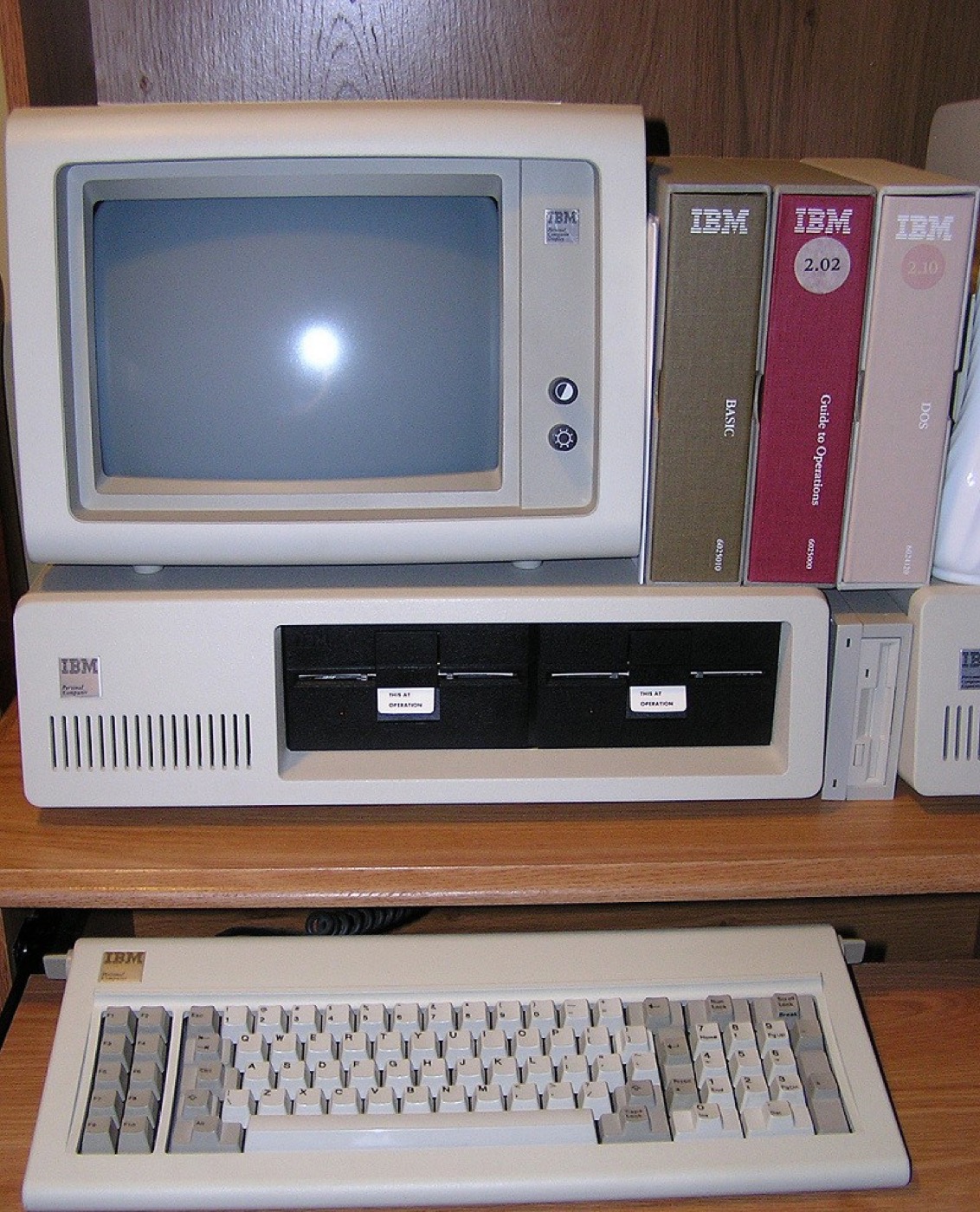
On the twenty-sixth of January, nineteen eighty-three, Lotus released its program. It was called 1-2-3.
1-2-3 was written for the IBM Personal Computer. That machine was the one that offices were now buying by the thousand. A program built for it, and only for it, could use every part of it.
The name described what was in the box. One was a spreadsheet, two was business graphics, and three was a database, a store of records that can be sorted and searched. VisiCalc did the first. 1-2-3 did all three, in one program.
That meant a manager could type in the figures, sort them, and turn them into a chart, without leaving the program or changing disks.
The price was four hundred and ninety-five dollars. In its first year, according to Wikipedia, 1-2-3 sold one hundred and seventy-five thousand copies. It was expensive, and businesses bought it anyway.
The bigger difference was speed. VisiCalc had been written for a slower machine, and it felt slow.
1-2-3 was fast for two reasons. Sachs wrote it in assembly language, the instructions the processor understands directly, rather than in a slower general-purpose language. And it drew on the screen by writing straight into the computer's video memory, instead of asking the operating system to do it.
There was one more thing that people noticed. Press the slash key, and a line of commands appeared across the top of the screen. Choose one, and the next line of choices appeared. That menu would later end up in court.
4. The record year
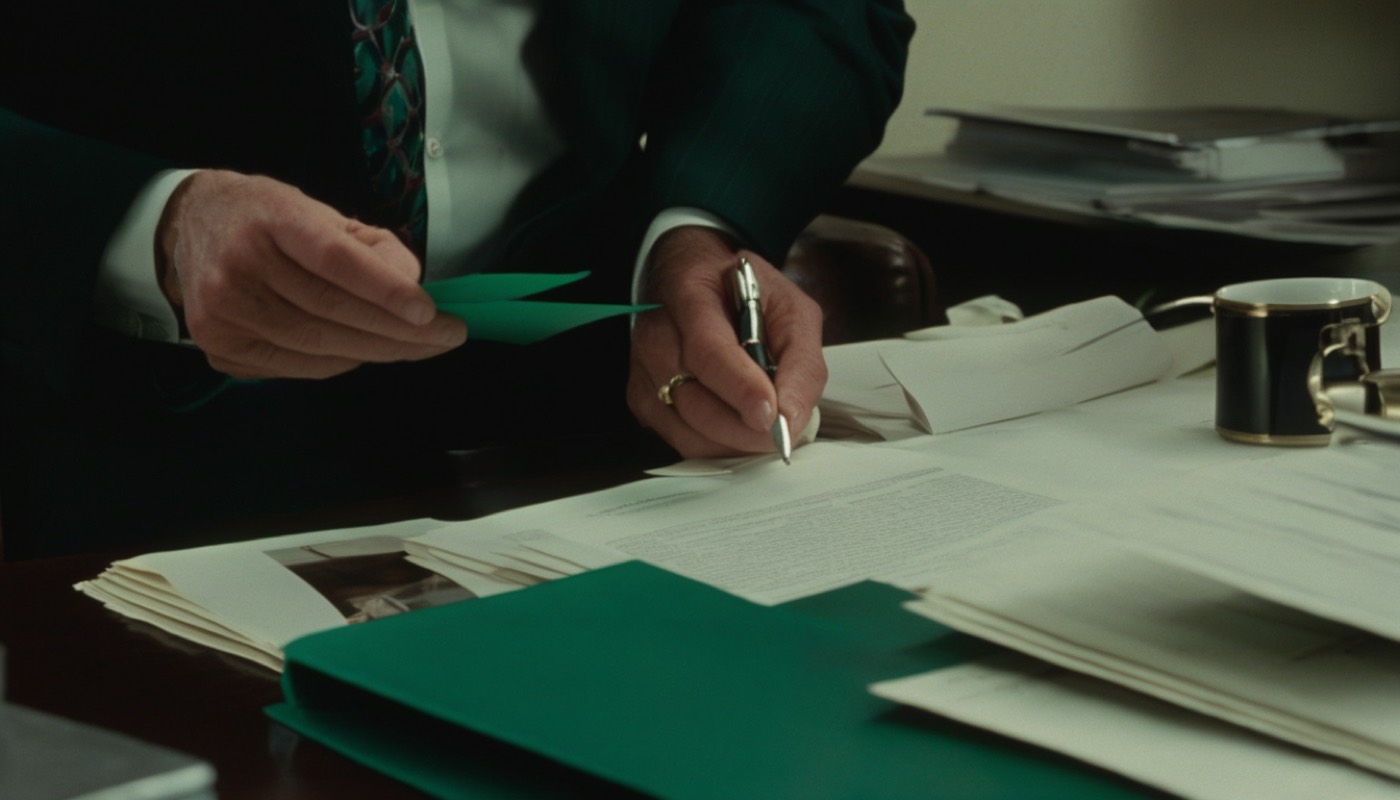
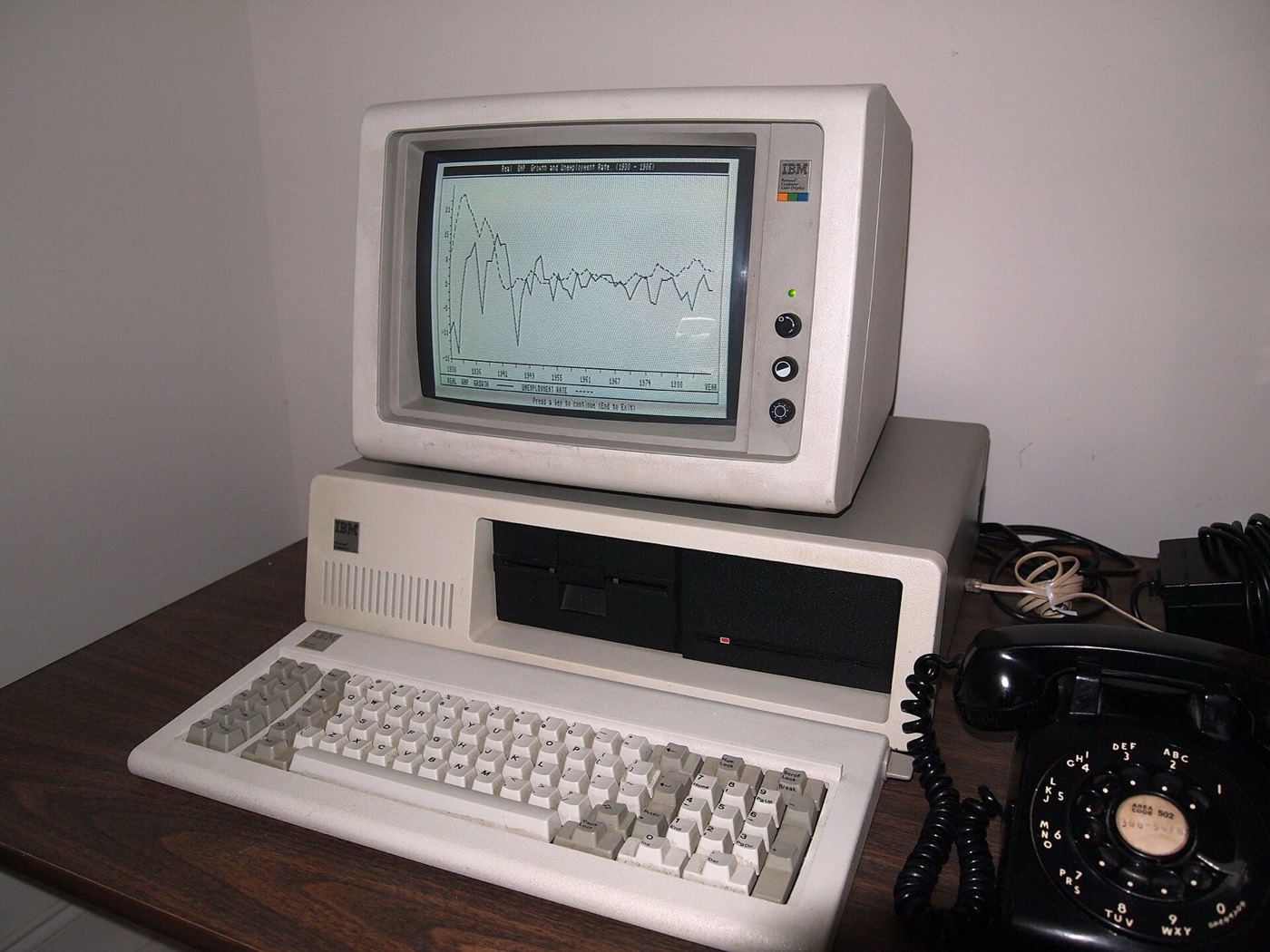
Nobody at Lotus had planned for what happened next.
Lotus finished nineteen eighty-three with fifty-three million dollars in sales. That was in its first year of selling anything. Wikipedia records that it made Lotus the third-largest microcomputer software company in the world.
The company history says Lotus had about two hundred and fifty employees that year. It was hiring as fast as it could find desks.
In October nineteen eighty-three, Lotus held its initial public offering, the first sale of a company's shares to the public. It sold more than two million shares at eighteen dollars each. That raised forty-one million dollars.
So within a year of its launch, Lotus had a hit product, a stock market listing and money in the bank. And 1-2-3 kept selling.
In nineteen eighty-four, sales rose to about one hundred and fifty-seven million dollars. That was roughly three times the year before. The company had grown to about seven hundred people.
1-2-3 did the same thing for the IBM PC that VisiCalc had done for the Apple Two. Companies bought the computer to run the program. That is what made 1-2-3 the killer app of the IBM PC.
VisiCalc, meanwhile, was fading fast. By early nineteen eighty-four, observers expected it to disappear.
5. Symphony and Jazz
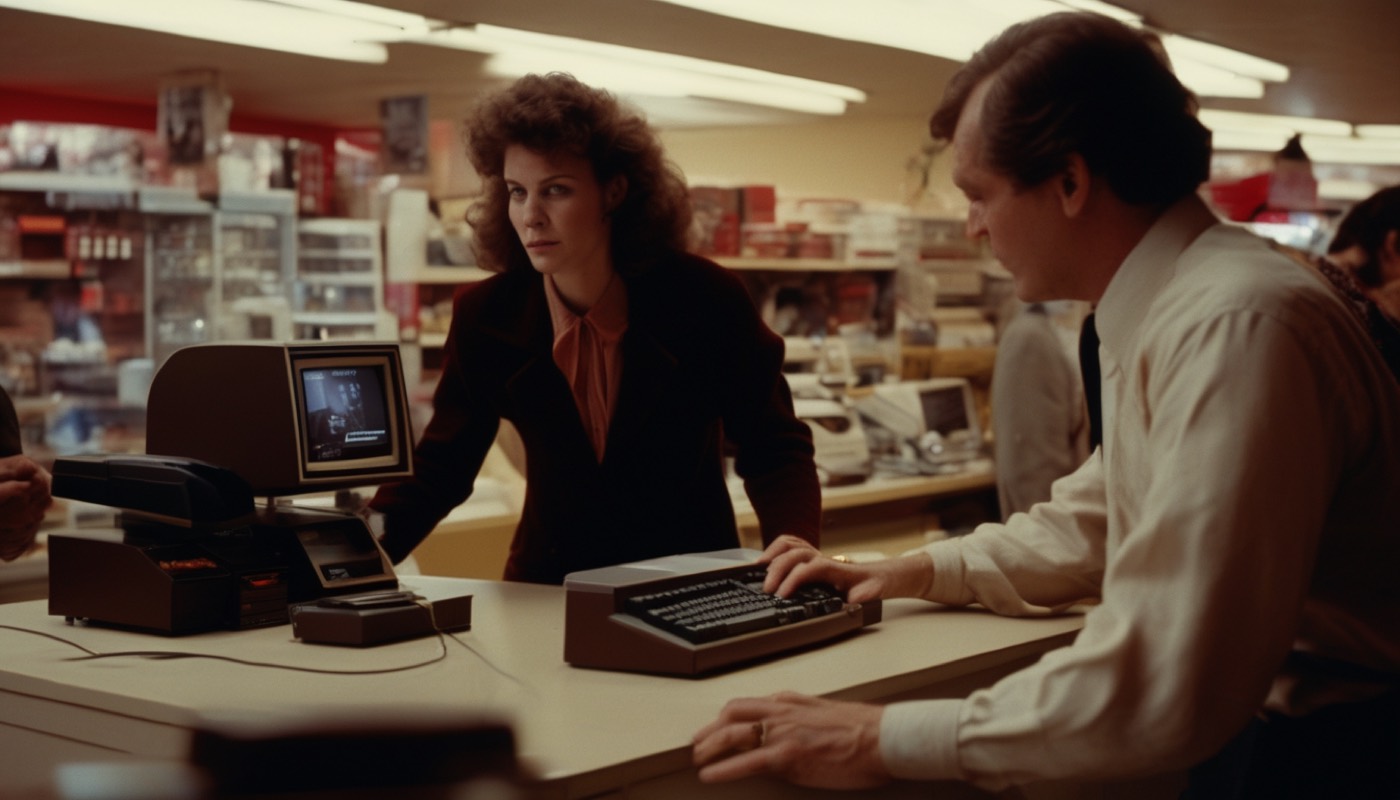
The question for Lotus was what to sell next. Its answer was to put even more into a single program.
In nineteen eighty-four, Lotus launched Symphony for the IBM PC. It added a word processor and communications to the spreadsheet, graphs and database of 1-2-3. The idea was one program for every job on the desk.
Symphony sold, but it never came near 1-2-3. The company history calls its sales disappointing.
Symphony was built by a small team led by Ray Ozzie. The Computer History Museum records that Ozzie led that team in nineteen eighty-three. He will come back later in this video, with something much bigger.
The next bet went to a different computer altogether.
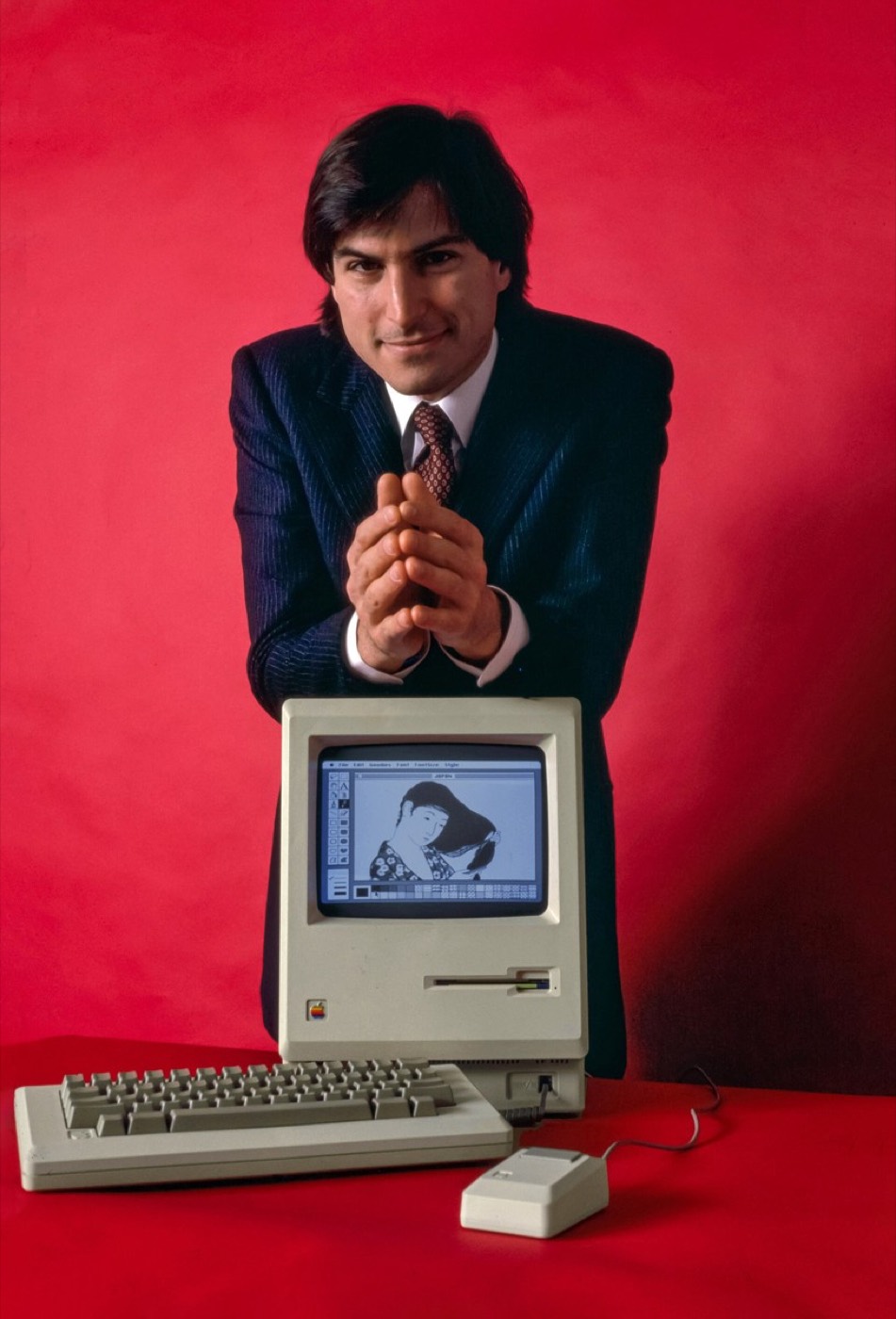
In January nineteen eighty-four, Apple launched the Macintosh. It had a mouse and pictures on the screen, instead of typed commands. Lotus decided to write a program for it, called Jazz.
Jazz came out in nineteen eighty-five, at five hundred and ninety-five dollars. Wikipedia records that Lotus sold twenty thousand copies of it. Microsoft sold two hundred thousand copies of its own Mac spreadsheet, called Excel.
It was the first time Microsoft had beaten Lotus at spreadsheets. It would not be the last.
Kapor later said of the launch: "We spent a fortune on advertising, including TV advertising, which was one of the worst business decisions I ever made." Jazz was slow, and it lacked features that reviewers expected. An improved version was cancelled.
That same year, Lotus bought Software Arts, the company that had written VisiCalc. Wikipedia records that Lotus then ended sales of VisiCalc. The program that started it all was switched off by the company it had inspired.
6. Kapor leaves, Manzi rules
By the mid nineteen eighties, Lotus was no longer a start-up. It was a large company, and Mitch Kapor did not enjoy running one.
Jim Manzi became president of Lotus in October nineteen eighty-four. In April nineteen eighty-six he became chief executive. In July of that year Kapor left the company he had founded, and Manzi became chairman as well.
Wikipedia says Kapor decided he was no longer suited to running a company. Under Kapor, Lotus had been known for having few rules. Under Manzi, it grew into a large sales operation.
That was not a criticism. 1-2-3 was still selling, and Manzi's job was to keep it selling to every large company in the world. By the end of nineteen ninety-four, more than half of Lotus's staff worked in sales, marketing and support.
By nineteen eighty-eight, Wikipedia records, Lotus had sold three and a half million copies of 1-2-3. Up to eight million people were using it. For many office workers, 1-2-3 simply was what a spreadsheet looked like.
And the money kept coming. In nineteen ninety, Lotus's annual report shows sales of six hundred and ninety-two million dollars. The company that had sold nothing eight years earlier now sold close to three quarters of a billion dollars a year.
Kapor went on to other things. In nineteen ninety he co-founded the Electronic Frontier Foundation, a group that campaigns for civil liberties online.
Manzi, meanwhile, had a problem that no amount of selling could fix. Other companies had noticed how much people liked 1-2-3, and they were copying it.
7. Suing over the look
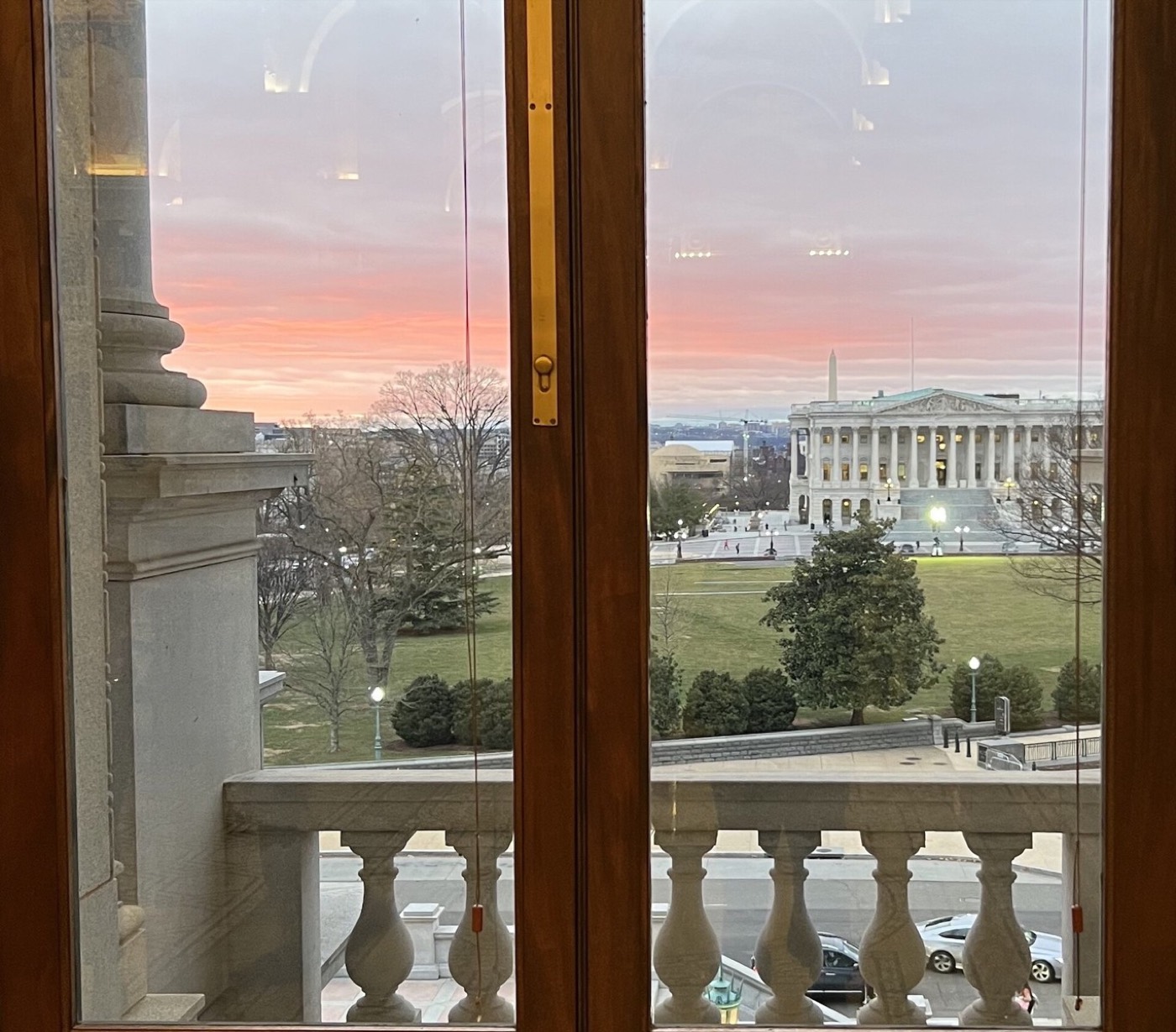
The copies were not copies of Lotus's code. They were new programs that looked and worked like 1-2-3, so that a user could switch without learning anything new.
The 1-2-3 menu was a tree of commands, reached by pressing the slash key. The appeals court would later name three of them, Copy, Print and Quit. Each command could open a further line of choices below it.
The question was whether that menu belonged to Lotus. Copyright protects the way something is expressed, like the words of a book. It does not protect an idea or a method.
Lotus's first target was Paperback Software, founded by Adam Osborne, and its cheaper spreadsheet VP-Planner. On the twenty-eighth of June, nineteen ninety, Judge Robert Keeton ruled for Lotus in the federal court in Boston. He held that the menu structure, taken as a whole, was protected. Paperback folded after the case.
The next target was a much bigger company. Four days later, Lotus sued Borland.
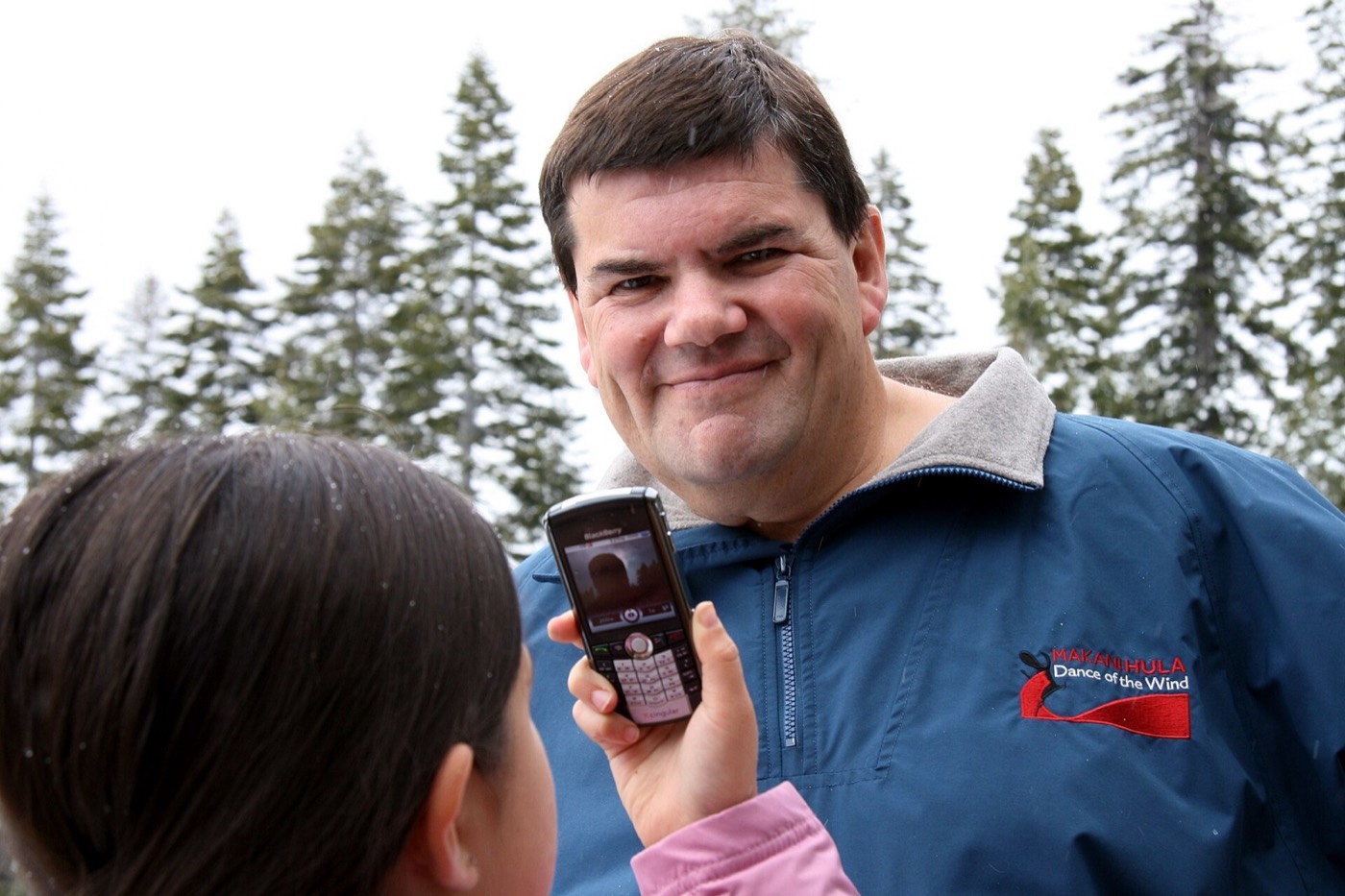
Borland was run by Philippe Kahn, and its spreadsheet was Quattro Pro. Quattro Pro could switch to a menu laid out exactly like 1-2-3's. That let users keep the keystrokes and the macros, the recorded command sequences, that they had built up over years.
Lotus sued in Boston, where the court ruled for it again. Borland was based in Scotts Valley, California, and it appealed. The case would end in Washington, at the Supreme Court.
On the ninth of March, nineteen ninety-five, the appeals court reversed the ruling. It wrote: "We hold that the Lotus menu command hierarchy is an uncopyrightable method of operation." The menu, in the court's view, was like the buttons on a video recorder, a way of working the machine.
Lotus took it to the Supreme Court. On the sixteenth of January, nineteen ninety-six, the Court split four to four, because one justice, John Paul Stevens, did not take part. A tied Court leaves the lower ruling in place, and Borland had won.
The fight over the menus had run from nineteen ninety to nineteen ninety-six. Lotus beat a small rival and lost to a large one. A tied Court sets no rule for the country as a whole, so the wider question was left open.
8. Missing Windows
While Lotus was in court, the ground was moving under the product it was defending.
Lotus decided to rewrite 1-2-3 in a language called C, so that it could run on more kinds of computer. Release Three was delayed by more than a year. The company history says it finally shipped in June nineteen eighty-nine.
The delay mattered because the kind of computer people used was changing. Programs were moving from typed commands to windows and a mouse.
There were two candidates to replace the old typed system, called DOS. One was OS slash two, an operating system that IBM and Microsoft had first developed together. The other was Microsoft's own Windows. Lotus put its effort into OS slash two.
In May nineteen ninety, Microsoft launched Windows three. Wikipedia records that it became the top-selling business software within its first week. Microsoft already had a spreadsheet for Windows, and it was Excel.
Microsoft and IBM fell out over OS slash two in nineteen ninety, and Microsoft left IBM to develop it alone. The platform Lotus had backed was losing.
Lotus released 1-2-3 for Windows in nineteen ninety-one. The company history says the first version had so many bugs that it had to be replaced a month later. Wikipedia says that by the early nineteen nineties, Excel had started to outsell 1-2-3.
Lotus's own annual report shows what happened next. In nineteen ninety-three, its DOS spreadsheet revenue fell by about two hundred and fifteen million dollars. Sales flattened, and in nineteen ninety-four Lotus made a net loss.
Excel was also sold inside Microsoft Office, a bundle with Word and other programs. Lotus answered with a bundle of its own, called SmartSuite, but the desktop was going to Microsoft.
But Lotus had one product that Microsoft could not match. It had been built, all along, by Ray Ozzie.
9. Ozzie's Notes
As a student at the University of Illinois, Ray Ozzie had used a shared computer system called PLATO. People on it could post messages and discuss them together. He wanted to build that for offices.
On the seventh of December, nineteen eighty-four, Ozzie founded Iris Associates in Westford, Massachusetts. Lotus paid for the work, in exchange for an option to buy the result. So Lotus did not own Notes at first, but it would sell it.
Westford is a little over twenty miles north-west of Lotus's home in Cambridge. The two companies stayed separate. Iris wrote the software, and Lotus marketed it.
Lotus Notes went on sale on the seventh of December, nineteen eighty-nine. That was Iris's fifth anniversary to the day. It was groupware, software that lets a group of people share mail, documents and discussions as one team.
The clever part was how Notes shared information between offices that were not always connected.
Each office kept its own copy of a Notes database. From time to time, the copies connected and exchanged their changes, so each ended up the same. That process is called replication, and it let a company in many cities work from the same records.
Companies built their own applications on top of it, from expense forms to customer records. Once built, those applications tied the company to Notes.
Lotus bought the email program cc:Mail in nineteen ninety-one, and it bought Iris itself in nineteen ninety-four. Wikipedia puts the Iris price at about eighty-four million dollars. At the end of nineteen ninety-four, Lotus's annual report counted about one point three five million Notes users.
The desktop was going to Microsoft. But Notes was something no one else sold, and one company wanted it badly.
10. IBM's hostile bid, 1995
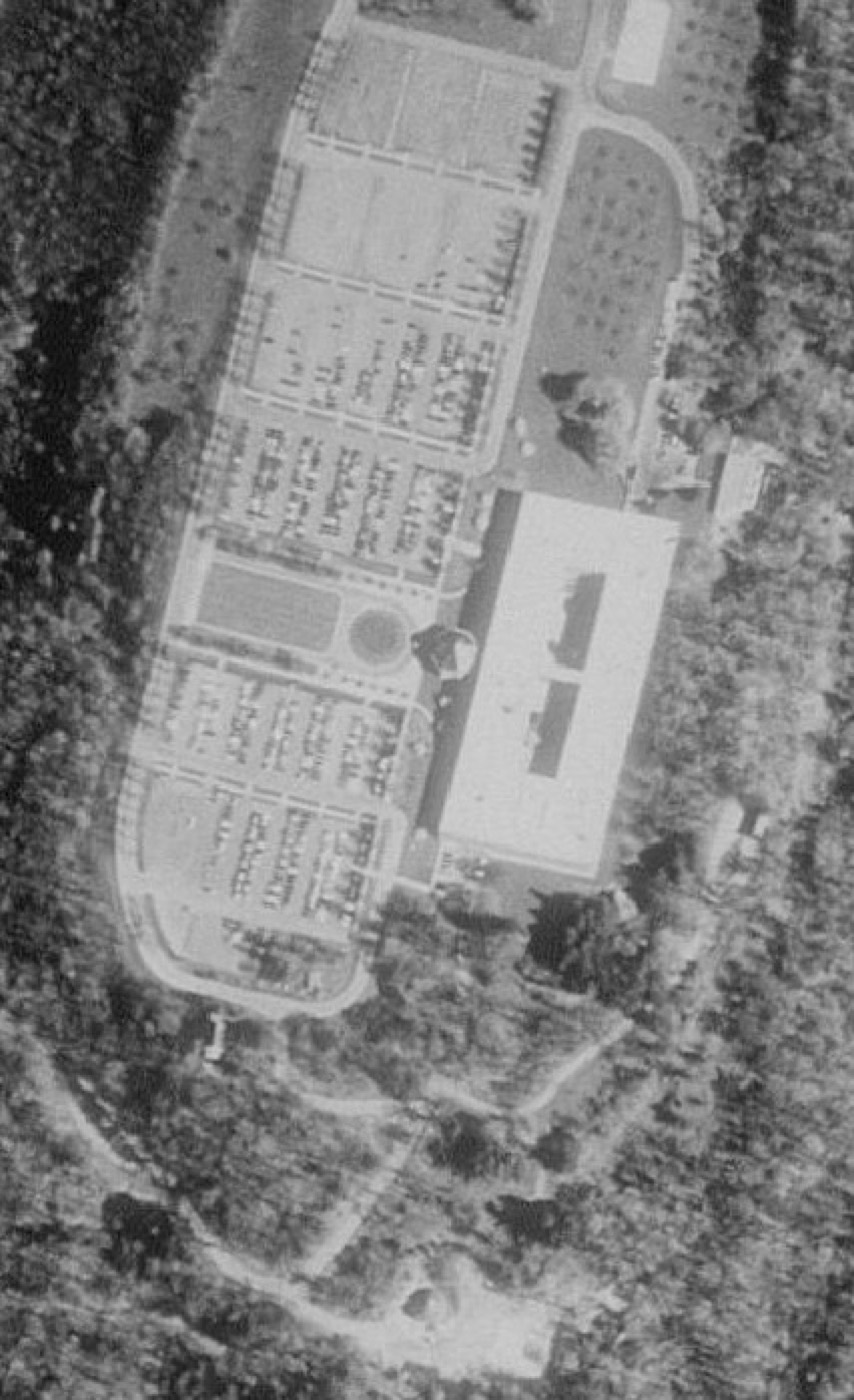
That company was IBM, which had made the personal computer that 1-2-3 was written for.
On the fifth of June, nineteen ninety-five, IBM launched a hostile bid for Lotus. A hostile bid is an offer made straight to a company's shareholders, without the agreement of its board. IBM offered sixty dollars for every Lotus share.
IBM's headquarters was in Armonk, New York, north of New York City. This aerial photograph of it was taken in nineteen ninety-one, four years before the bid. The bid for Lotus was made from here.
Lotus was still in Cambridge, about one hundred and sixty miles away. IBM wanted what Lotus had built there. And with a hostile bid, it did not need the board's permission to ask.
The Associated Press put the value of the first offer at about three point three billion dollars. IBM's chairman, Lou Gerstner, wrote to Jim Manzi that with IBM's sales force "we can rapidly grow Notes' user base". It was a bid for Notes, not for 1-2-3.
Hostile bids are rare in software. The main asset of a software company is its programmers, and they can walk out if they do not like the buyer.
Manzi negotiated instead of fighting. On the twelfth of June, IBM and Lotus agreed a price of sixty-four dollars a share, in cash. IBM put the total value at about three and a half billion dollars.
IBM completed its offer on the third of July, nineteen ninety-five. About ninety-seven per cent of Lotus shares had been accepted. Lotus became part of IBM, and Manzi resigned in October of that year.
Thirteen years after Kapor and Sachs had started it, Lotus was a division of the company whose computer had made it rich.
11. The brand fades
Inside IBM, Lotus was allowed to keep its name. For a while, it kept its place too.
Notes grew fast with IBM's sales force behind it. Wikipedia counts about one hundred and forty million Notes licences sold through two thousand and eight. In many large companies, it was the email system that staff used every day.
The desktop programs did not grow. 1-2-3 and the SmartSuite office package lived on beside Microsoft Office, but they were no longer where the money was.
The last version of 1-2-3, the Millennium Edition, came out in two thousand and two. The following year the division was renamed Lotus Software. It was the last new version of the program.
On the nineteenth of November, twenty twelve, The Register reported that IBM was dropping the Lotus name. The next version of Notes would be called IBM Notes. The name Kapor had chosen thirty years before was being retired.
In June twenty thirteen, IBM announced that 1-2-3 and SmartSuite would be withdrawn. Support ended on the thirtieth of September, twenty fourteen. The spreadsheet that had sold the IBM PC was switched off by IBM.
By then, most of the people who had learned the slash key were using Excel. But Notes was still running, in companies around the world.
12. Notes lives on

The last owner of Notes was not IBM.
On the sixth of December, twenty eighteen, IBM announced that it was selling Notes, Domino and several other products to HCL, the Indian technology group. Domino is the server side of Notes. IBM's filing records a price of one point seven seven five billion dollars.
The sale was completed on the thirtieth of June, twenty nineteen. The product that had started in Westford, and had been bought from Cambridge by Armonk, now belonged to a company headquartered in Noida, India.
So the software passed through four owners. Iris wrote it, Lotus sold it, IBM bought it, and HCL owns it today. Each owner kept it running for the customers who still depended on it.
And HCL is still developing it. In June twenty twenty-five, version fourteen point five added Domino IQ, a built-in artificial intelligence feature that runs a language model on the customer's own server.
On the nineteenth of March, twenty twenty-six, HCL released Notes and Domino twenty twenty-six. The Notes that Ray Ozzie first shipped in nineteen eighty-nine is still being updated, more than thirty-six years later.
Five months later, on the twenty-third of August, twenty twenty-six, Ben Rosen died at the age of ninety-three. Caltech, where he was a trustee, lists Lotus among the more than one hundred start-ups he backed. He had put money into Lotus before 1-2-3 existed.
Lotus's story comes down to a handful of decisions. It bet on the IBM PC, and won. It bet on OS slash two instead of Windows, and lost. And it paid for Ray Ozzie's idea, which outlived the company itself.
The spreadsheet that made the PC a business tool has been switched off. The program Lotus almost did not own is the one still running.
Sources and credits
Photo credits (Wikimedia Commons)
- Apple II computer (the machine VisiCalc sold): Benoît Prieur, CC0 - https://commons.wikimedia.org/wiki/File%3AApple_Museum_%28Prague%29_Apple_II_%281977%29.jpg
- Mitch Kapor, Lotus co-founder: Unknown authorUnknown author, Public domain - https://commons.wikimedia.org/wiki/File%3AMitchKapor.jpg
- IBM PC 5150 with monochrome display, the machine 1-2-3 was written for: Vintageibmmt, Public domain - https://commons.wikimedia.org/wiki/File%3AIBM_5150_PC.JPG
- IBM PC 5150: Fried Dough, Public domain - https://commons.wikimedia.org/wiki/File%3AIbm_computer_pc_5150_%286049156797%29.jpg
- Apple Macintosh, January 1984 (the platform Jazz was built for): Photo: Bernard Gotfryd - Edited from tif by Cart, Public domain - https://commons.wikimedia.org/wiki/File%3ASteve_Jobs_and_Macintosh_computer%2C_January_1984%2C_by_Bernard_Gotfryd_-_edited.jpg
- Philippe Kahn, Borland founder (Lotus v Borland): Fullpower Technologies, Inc. (Uploaded to Commons by User:Ims), Public domain - https://commons.wikimedia.org/wiki/File%3APhilippe_Kahn_Fullpower_Camera_Phone_fullsize.jpg
- US Supreme Court building (Lotus v Borland, 4-4, 1996): Packer1028, CC0 - https://commons.wikimedia.org/wiki/File%3ASupreme_Court_from_Library_of_Congress.jpg
- IBM headquarters, Armonk NY, aerial 1991 (HQ at the time of the 1995 bid): United States Geological Survey (USGS), Public domain - https://commons.wikimedia.org/wiki/File%3AIBM_Old_HQ.png


Primary sources
- Lotus Development Corporation, Form 10-K for 1994, filed 30 March 1995 (SEC EDGAR, CIK 711761) - incorporated in Delaware April 1982; net sales 1990-1994 ($692.2M, $828.9M, $900.1M, $981.2M, $970.7M); 1994 net loss $20.9M; DOS spreadsheet revenue down about $215M in 1993; 1.35 million Notes users and 6.5 million cc:Mail users at 31 Dec 1994; 5,522 employees, 2,840 in sales, marketing and support.
- IBM Form 10-Q, 1995 (SEC EDGAR) - tender offer announced 5 June 1995 at $60; definitive agreement 12 June 1995 at $64, total equity value about $3.5bn; tender completed 3 July, announced 5 July 1995, about 97% of 47.4 million shares.
- Associated Press via The Spokesman-Review, 6 June 1995 - first offer valued at about $3.3bn; Gerstner's letter to Manzi. Deseret News (AP), 5 and 12 June 1995 - hostile bids rare in software.
- International Directory of Company Histories via FundingUniverse, 'Lotus Development Corporation' - Kapor's $500,000 and $1.7M buyout; Rosen's $600,000 and about $5M raised; IPO October 1983, 2M+ shares at $18, $41M; 1983 250 staff, 1984 $157M and 700 staff; Symphony sales disappointing; Kapor left July 1986; Release 3 shipped June 1989; first 1-2-3 for Windows replaced for bugs.
- Lotus Development Corp. v. Paperback Software International, 740 F. Supp. 37 (D. Mass., 28 June 1990), Judge Keeton.
- Lotus Development Corp. v. Borland International, 49 F.3d 807 (1st Cir., 9 March 1995), text via BitLaw; 516 U.S. 233 (16 January 1996), affirmed by an equally divided Court.
- Computer History Museum, 'Ray Ozzie' profile - led the Symphony team at Lotus in 1983.
- The Register, 19 November 2012 - IBM drops the Lotus brand from the next version of Notes.
- IBM Form 10-Q, 2019 (SEC EDGAR) - HCL acquired Notes, Domino and other products on 30 June 2019 for $1,775M including $150M contingent consideration.
- HCLSoftware Digital Solutions Community, 'HCL Domino 2026 (14.5.1) is here!', posted 19 March 2026.
- Caltech, 'Caltech Mourns the Loss of Trustee Benjamin M. Rosen (1933-2026)', August 2026 - died 23 August 2026, aged 93; backed more than 100 start-ups including Lotus.
Not regulated financial advice.