
Your Phone Meets Satellites: The Race to Space Signal
An ordinary phone, with no dish and no new hardware, can now send a text message by bouncing it off a satellite hundreds of kilometres overhead. That should not work, given what phones were designed around — and this video explains why it does, and what it still can't do.
It starts in the 1990s, with Iridium's brick-sized handsets and Globalstar's dish-and-handset service, both of which proved a satellite could carry a call from empty ground but never proved an ordinary phone could do it. Then the three-part problem: a phone's tiny antenna, severe path loss over hundreds of kilometres, and the Doppler shift caused by a satellite moving at roughly 7.5 kilometres a second — and why a satellite also has to transmit on spectrum a mobile carrier already holds the licence to.
Apple's Emergency SOS via satellite, launched on the iPhone 14 in November 2022 and built on Globalstar's network, was the first proof an unmodified phone could do this at all — deliberately narrow, emergency-services-only. Globalstar's later role grew far larger: Amazon agreed to buy the company for about $11.6 billion in April 2026.
Then the two competing approaches: Starlink's 650-plus small direct-to-cell satellites, flying at roughly 350km and carrying T-Mobile's T-Satellite service since July 2025 (text and pictures today, not yet native voice or data), against AST SpaceMobile's much larger BlueBird satellites — BlueBird 6, launched December 2025, carries an array of about 223 square metres, described by the company as the largest commercial communications array ever put into low Earth orbit, built with AT&T and Verizon as U.S. carrier partners.
Starlink's spectrum position changed sharply on 12 May 2026, when the FCC approved SpaceX's purchase of roughly 65 MHz of licensed mobile spectrum from EchoStar, with a $2.4 billion escrow condition. And both companies' plans are bottlenecked by rockets: Starlink's bigger V2 satellites need SpaceX's Starship, targeted for mid-2027, while Blue Origin's New Glenn — one of AST SpaceMobile's launch vehicles — exploded during a pre-launch static-fire test on 28 May 2026, a setback that contributed to AST's 45-satellite target slipping to early 2027.
The video also covers Amazon's July 2026 FCC filing for up to 5,105 direct-to-device satellites, Skylo and Lynk Global's smaller approaches, and the UK's Ofcom clearing a direct-to-device framework in December 2025 before approving VodafoneThree's service in April 2026.
The verdict: a mobile mast can serve far more phones at once than one satellite beam can, because of how spectrum reuse works in small cells versus one wide beam. Every service in this story is built and marketed as a fallback for places masts cannot reach — not a replacement for them.
Every figure in this video is traced to a named, dated source in the accompanying fact sheet, re-checked against live sources on 29 September 2026.
Educational documentary. Not financial or investment advice.
In these topics
Chapters
- The hook: bars from space
- Before phones: Iridium, Globalstar and the dish era
- Why it is hard: the physics
- Spectrum: who owns the airwaves
- Emergency SOS: Apple and Globalstar's first step
- Starlink Direct to Cell and T-Mobile
- AST SpaceMobile: the giant antenna approach
- The spectrum deal: SpaceX and EchoStar
- Rockets as the bottleneck
- Other players and Europe
- Masts or space? The verdict
Video notes
1. The hook: bars from space

Somewhere over open water, a phone sends a text message. No dish. No extra hardware. No new antenna clipped onto the back. The signal leaves the phone, reaches a satellite hundreds of kilometres overhead, and comes back down to the ground on the other side.
The path runs in three short hops: phone to satellite, satellite to a ground station, ground station into the ordinary phone network. Nothing about the phone changed to make that possible. What changed was above it.
That should not work, at least not on the numbers phones were designed around. Phones are built to talk to a cell tower a few kilometres away, using an antenna small enough to fit inside a case a few millimetres thick. A satellite hundreds of kilometres up is a target thousands of times further away than the tower the phone expects.
Every ordinary phone on Earth already carries the radio hardware this needs, because the trick is not a new antenna. It is a very large, very sensitive receiver built into the satellite instead, doing the hard work the phone's tiny antenna never could do on its own.
This video asks a simple question with a complicated answer. Is the ordinary phone going forwards, toward coverage everywhere on Earth? Or is that promise still held backwards, by the physics of a weak signal, the licensed radio spectrum a satellite is legally allowed to use, and rockets that keep slipping their own launch dates?
2. Before phones: Iridium, Globalstar and the dish era
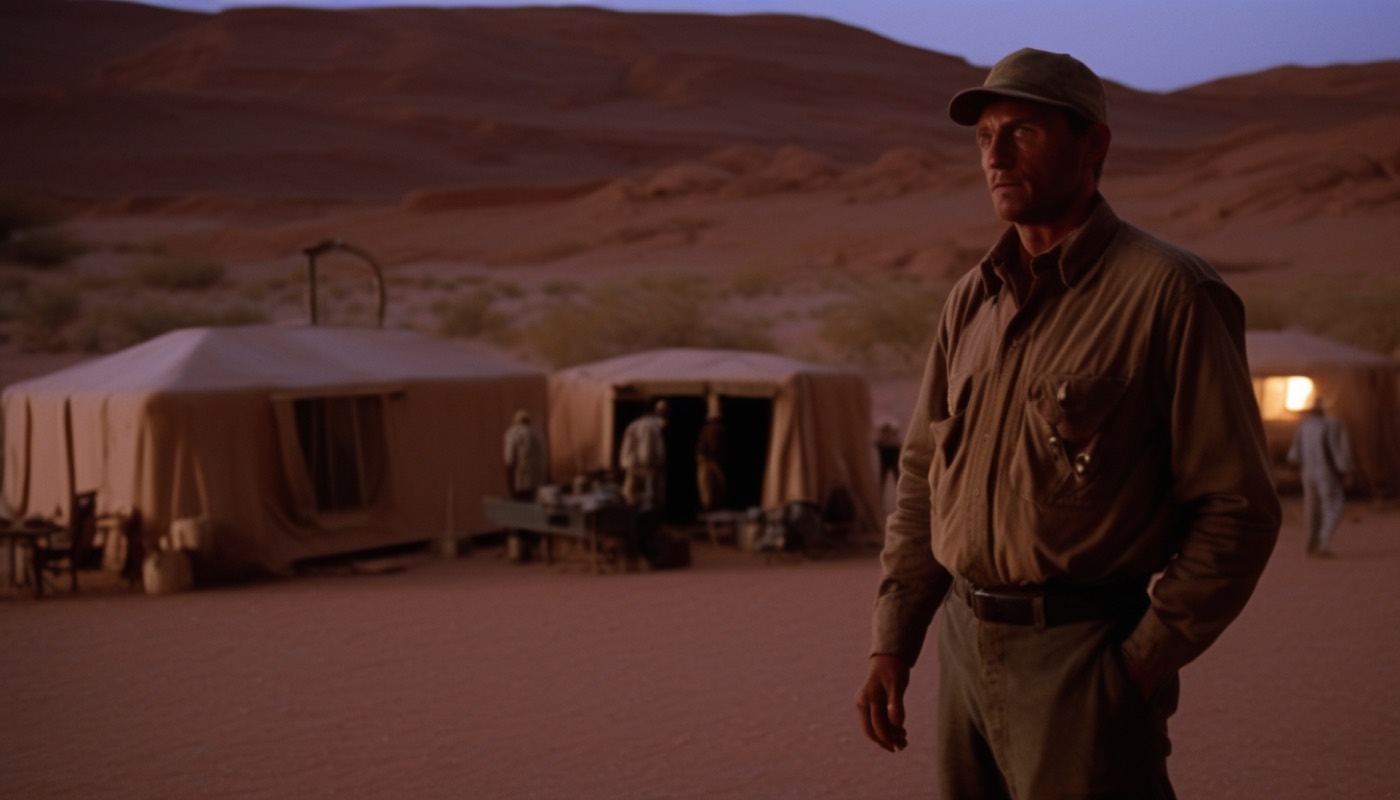
Mass-market satellite phones were tried once already, in the 1990s, and they mostly failed as a mass product.
Iridium, backed by Motorola, launched a constellation of sixty-six satellites between 1997 and 1998, aiming to let a special handset connect from anywhere on Earth. The handset was the size of a brick, needed a clear view of open sky, and cost thousands of dollars. The company filed for bankruptcy in 1999, less than a year after its network went live.
Globalstar took a different path into the same market, in the same decade.
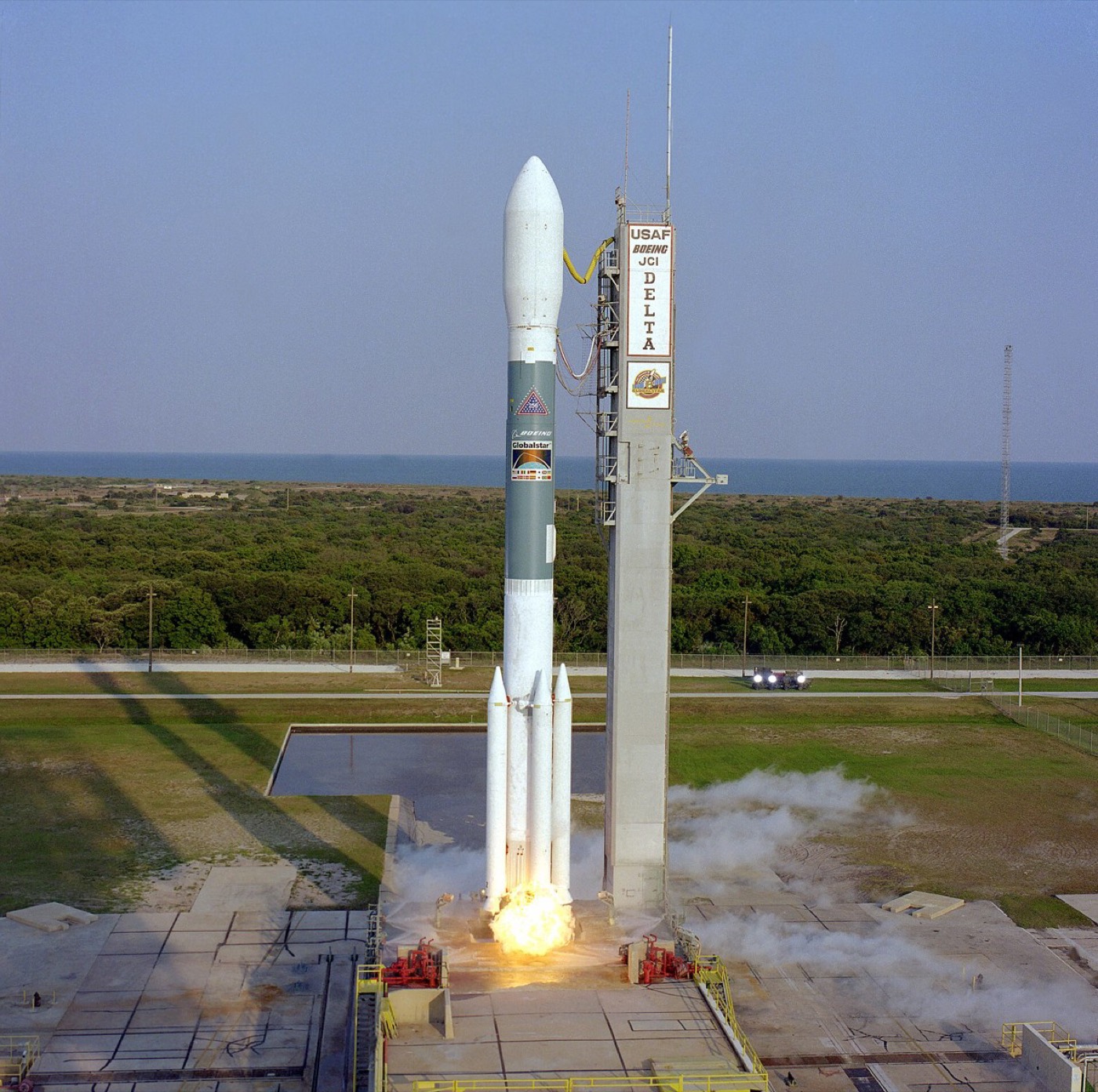
This Delta II rocket lifted a Globalstar-2 satellite into orbit, part of the second generation of a constellation Globalstar first built after the company was founded in 1991. Globalstar's satellites, like Iridium's, needed a dedicated handset rather than an ordinary phone.
That handset, or a modem attached to it, usually needed a dish or at least a clear line of sight to open sky. It stayed a niche tool for ships, remote expeditions and emergency responders, not something anyone carried day to day.
Both networks proved satellites could carry a call from empty ground with no cell tower nearby. Neither proved an ordinary phone could do it without carrying extra hardware.
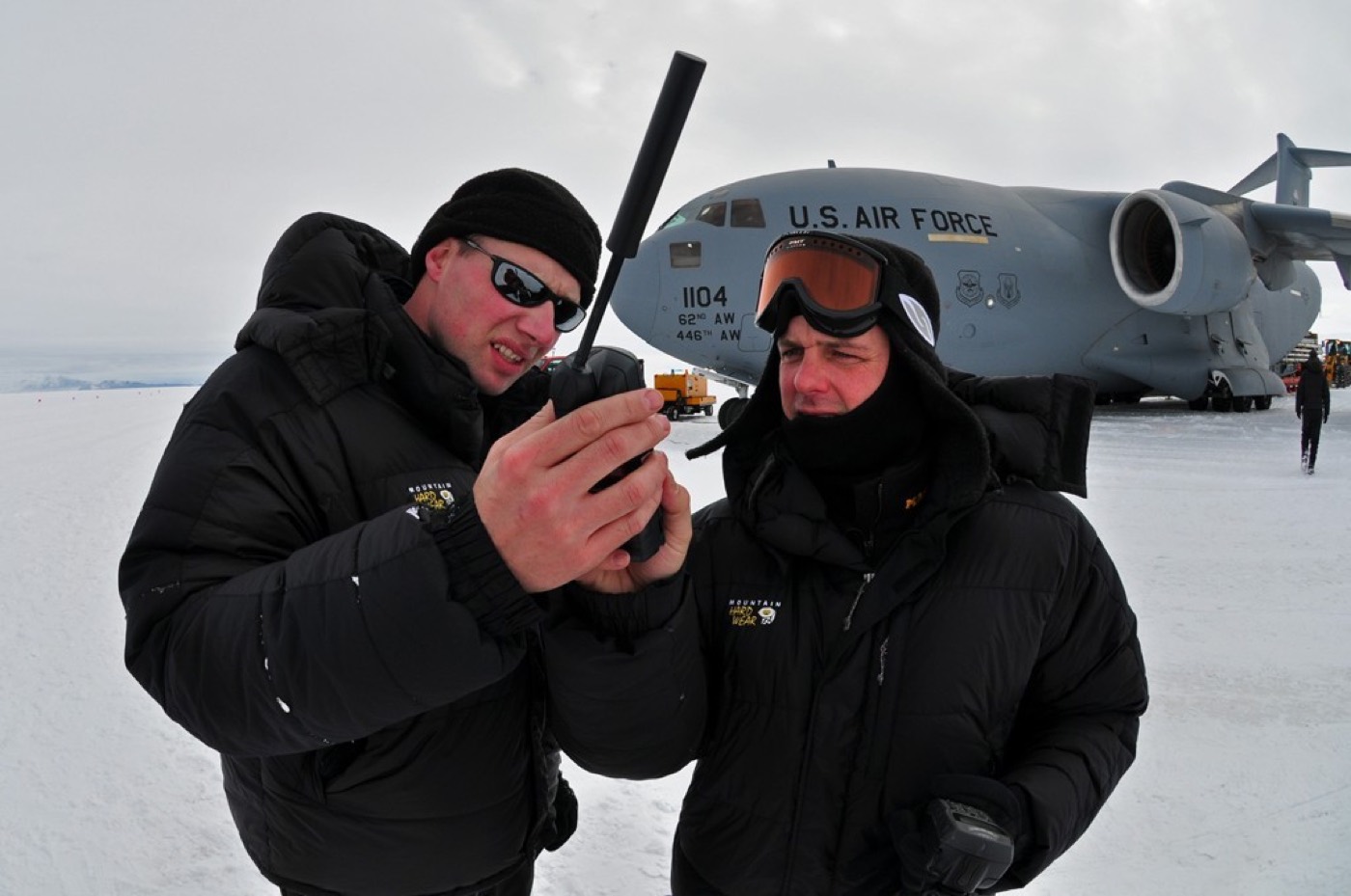
This is a U.S. Air Force serviceman using an Iridium satellite phone in the field. It is exactly the kind of user this era served well — someone who needed to be reachable anywhere, and could carry a second, dedicated device to do it.
That gap, between a satellite phone doing this and an ordinary phone doing this, is what the rest of this video is about closing.
3. Why it is hard: the physics
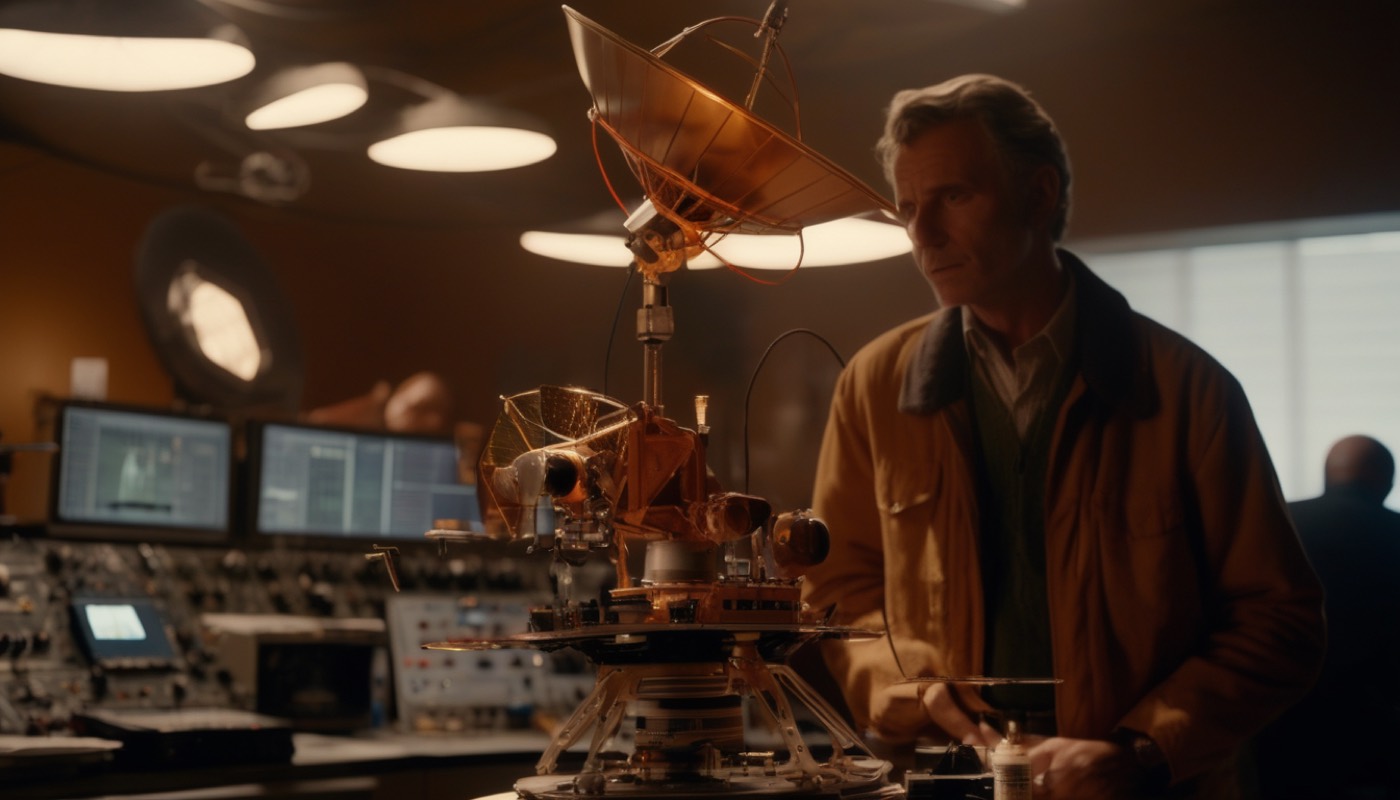
Three separate problems stand between an ordinary phone and a satellite overhead, and each one alone would be hard enough to solve.
The first is antenna size. A phone's antenna is a few centimetres of wire tucked inside the case. A satellite dish built for the same job used to be metres across. Size is what lets an antenna gather a weak signal, and a phone's antenna is thousands of times smaller than the dish this task used to need.
The second problem is power. A phone transmits at a tiny fraction of the power a cell tower uses, because a battery the size of a phone's cannot supply much more.
Radio signal strength falls off sharply with distance, so a signal that reaches a tower a few kilometres away arrives enormously weaker after crossing several hundred kilometres of empty space to a satellite. Engineers call that loss "path loss," and over this kind of distance it is severe by design, not by accident.
The third problem only shows up because the satellite itself is moving, fast.
A satellite in low Earth orbit travels at roughly seven and a half kilometres a second to stay up, circling the planet in about ninety minutes rather than falling back down. As it approaches and then passes overhead, its radio signal shifts in pitch, the same way a passing ambulance siren changes pitch as it goes by. Engineers call this Doppler shift, and a receiver has to keep correcting for it, second by second, or the connection breaks.
None of these three problems is new physics; all three were understood decades before any of this launched. What is new is engineering around them well enough to make an unmodified phone's weak signal usable anyway, over enough distance, with fast enough correction. Often that means shrinking how much the phone has to say — a short text needs far less signal quality to survive the trip than a live voice call does.
That last point explains a pattern this video keeps returning to. Text messages arrived first, on every service in this story, not because engineers chose to start small, but because text is the version of this problem the physics allows today.
4. Spectrum: who owns the airwaves

Solving the physics is not enough on its own. A satellite also has to transmit on a radio frequency the phone is already listening to, and those frequencies are not free to use.
Spectrum is the general name for the range of radio frequencies a phone or a satellite can transmit on. Regulators divide it into narrow bands and license each one to a specific company, for a specific use, because two signals on the same frequency in the same place simply drown each other out.
Mobile carriers already hold licences to the exact bands an ordinary phone listens to. A satellite company that wants to reach an unmodified phone has no real choice but to use those same licensed bands; it cannot simply pick its own frequency and expect the phone to hear it.
A licence is not only about permission. It is also how interference gets managed. A satellite beaming down on the same frequency a nearby tower already uses would drown out that tower's own service. So a regulator or a carrier has to decide precisely which band a satellite may use, in which place, and when.
That is why a regulator licenses the band to a carrier first, the carrier partners with or sells access to a satellite company, and only then can that satellite legally transmit to the phones already listening on that band. Skip a step, and the service has nothing lawful to transmit on.
This is not a footnote. It is the second gate, after the physics, that decides who can offer this service at all. That is why the companies in this story keep showing up in pairs — a satellite operator, and a mobile carrier holding the licence.
5. Emergency SOS: Apple and Globalstar's first step
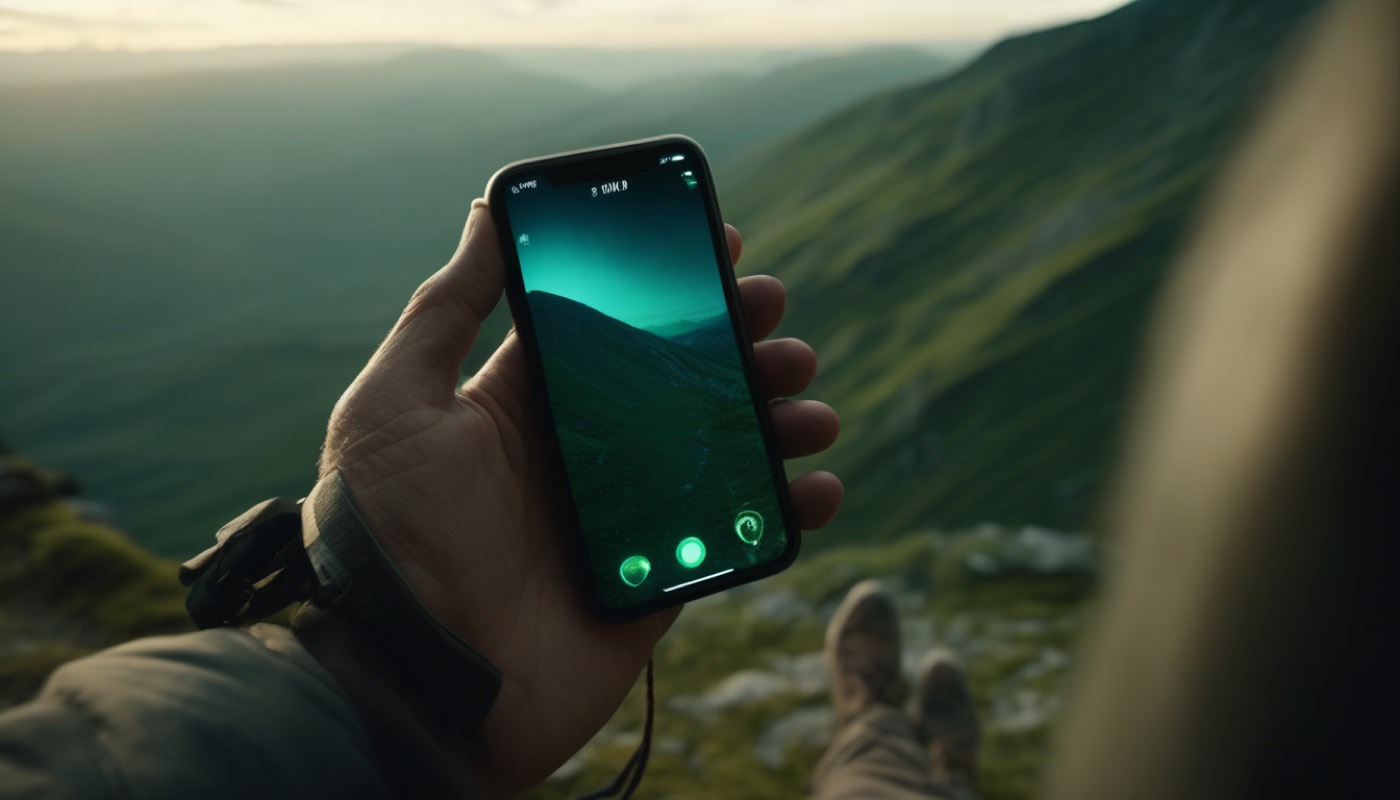
The first version of this idea that reached ordinary people did not offer calls or browsing. It offered one thing: a way to summon help when there was no signal at all.
Apple launched Emergency SOS via satellite on the iPhone 14 in November 2022, built on Globalstar's satellites and licensed spectrum. It lets a phone with no cell signal send a short, structured message to emergency services, walking the user through a series of questions rather than a normal call or text.
It is deliberately narrow, by design rather than by accident. It cannot carry a phone call, a browsing session or an ordinary text to a friend. It cannot be used for anything but contacting emergency services. And the phone has to be pointed fairly precisely at the satellite for the short message to get through.
What it proved mattered more than what it could do: a completely unmodified iPhone, already in tens of millions of pockets, could reach a satellite hundreds of kilometres away using its ordinary hardware. Every direct-to-cell service that followed built on that same proof.
Globalstar's role in this story grew far larger than one feature.
In April 2026, Amazon agreed to buy Globalstar for about eleven point six billion dollars, folding Globalstar's satellites and its licensed spectrum into Amazon's own direct-to-device plans. A company whose satellites once powered a single emergency-text feature became the foundation under one of the largest new entrants to this market.
6. Starlink Direct to Cell and T-Mobile

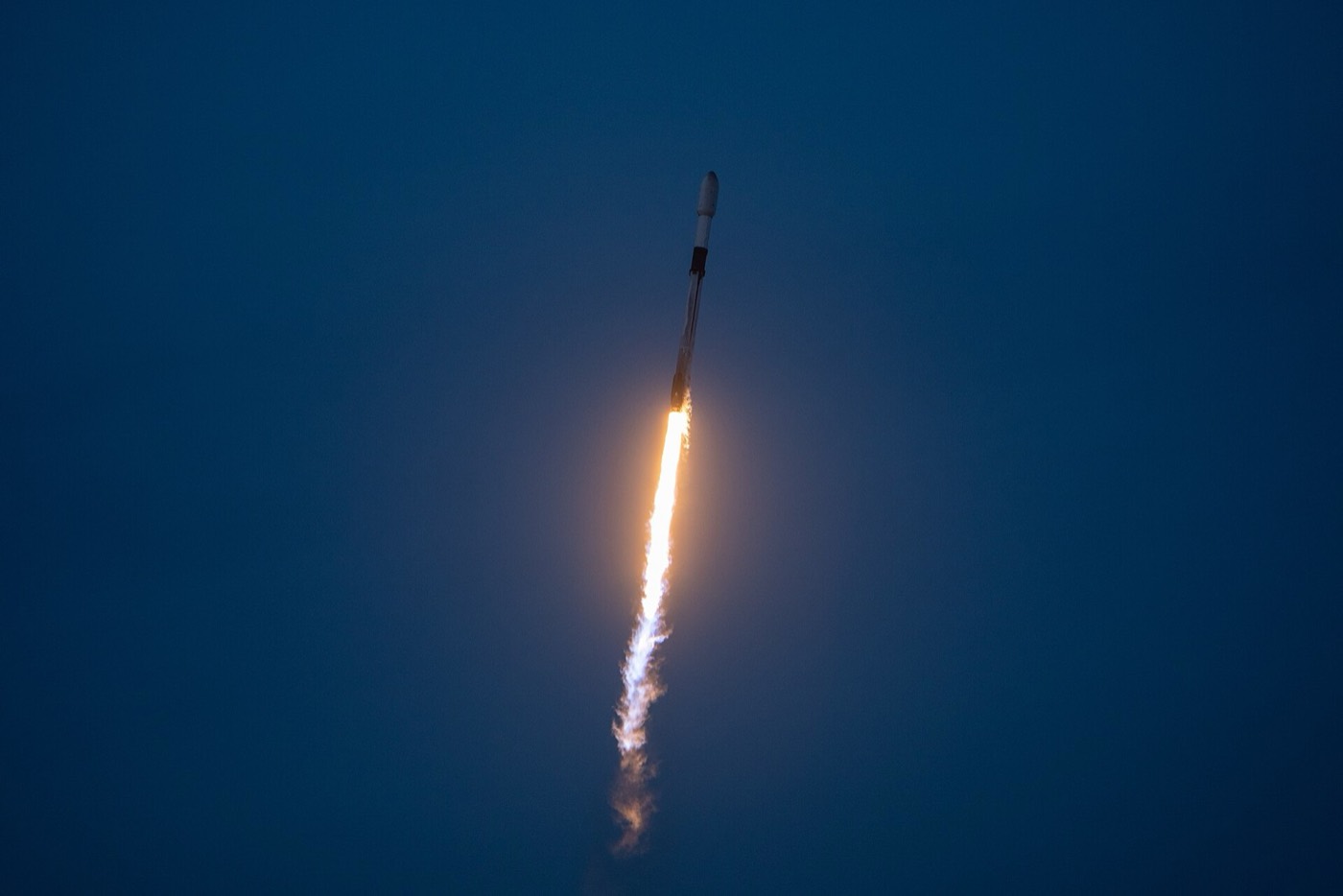
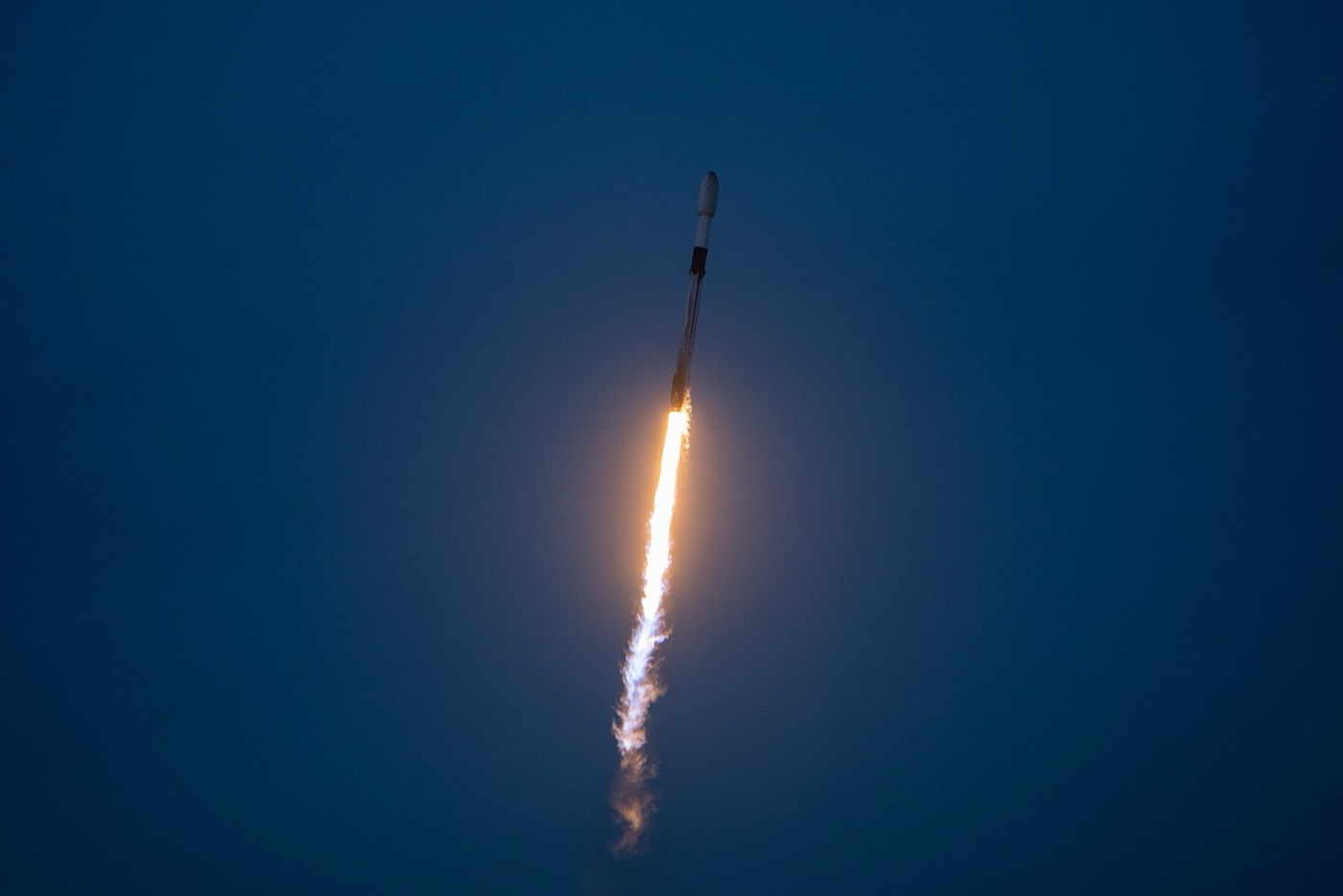
SpaceX took the idea from an emergency feature to a general-purpose service, using the constellation it already had reasons to keep expanding.
Starlink has launched more than six hundred and fifty small direct-to-cell satellites, flying in a lower orbit than its broadband satellites, at around three hundred and fifty kilometres up, specifically to keep the link to an ordinary phone as strong as possible.
T-Mobile turned that constellation into a branded consumer service.
T-Satellite with Starlink launched commercially on 23 July 2025, using T-Mobile's own licensed spectrum alongside Starlink's satellites. By 2026 it covered more than five hundred thousand square miles of the United States that ordinary towers do not reach, and extended roaming access to phones on partner networks in twenty-two countries.
Today's service is deliberately limited in what it carries, and the limits are the story.
Text messaging, picture messaging and a handful of optimised apps work today. Native, always-on mobile data and ordinary voice calls are not yet a standard part of the service; those depend on the next generation of satellites, which need a bigger rocket to fly than the ones that built the current constellation.
That next generation is where this story's two remaining obstacles, spectrum and rockets, come back into view.
This Falcon 9 rocket is carrying a fresh batch of Starlink satellites into orbit, the routine, frequent launches that built this constellation one batch at a time, rather than one giant satellite at once.
7. AST SpaceMobile: the giant antenna approach
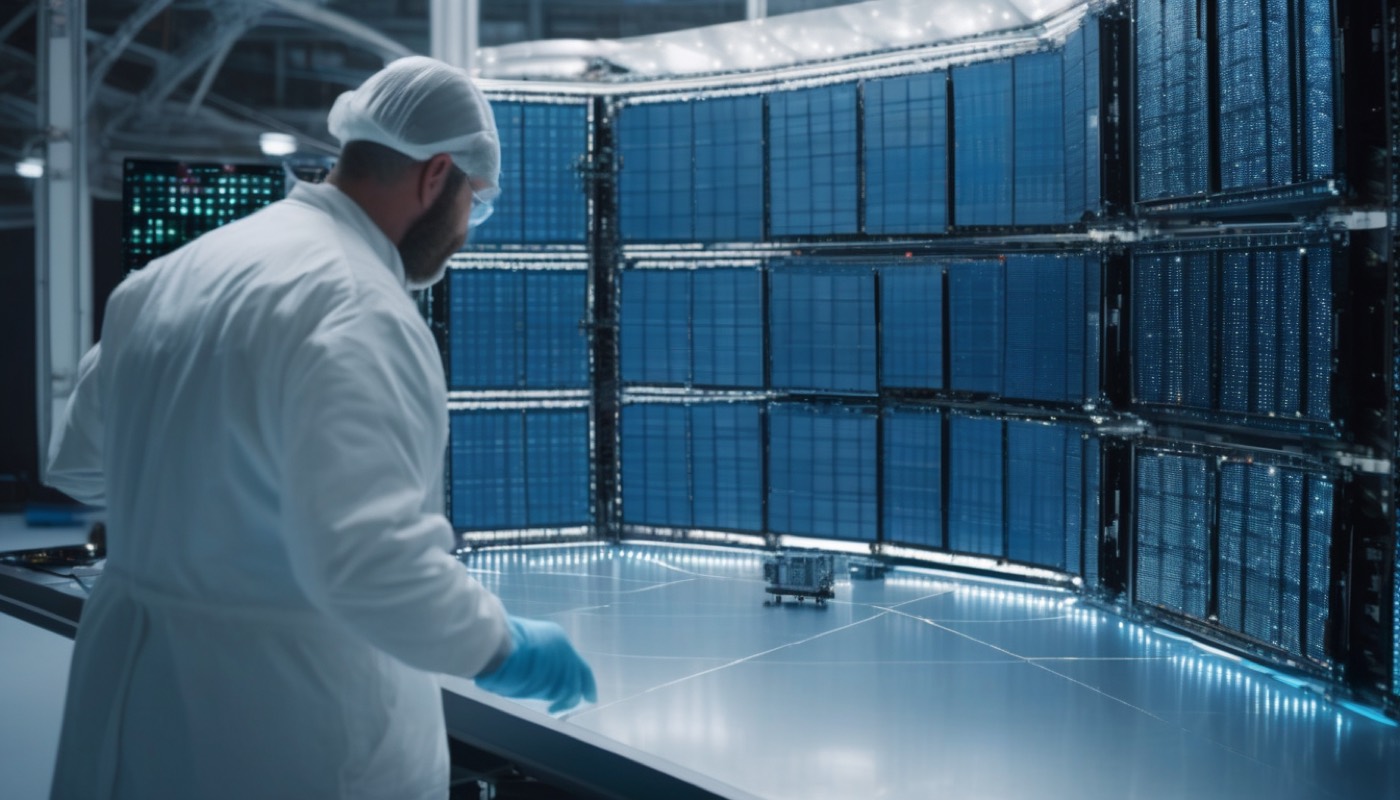
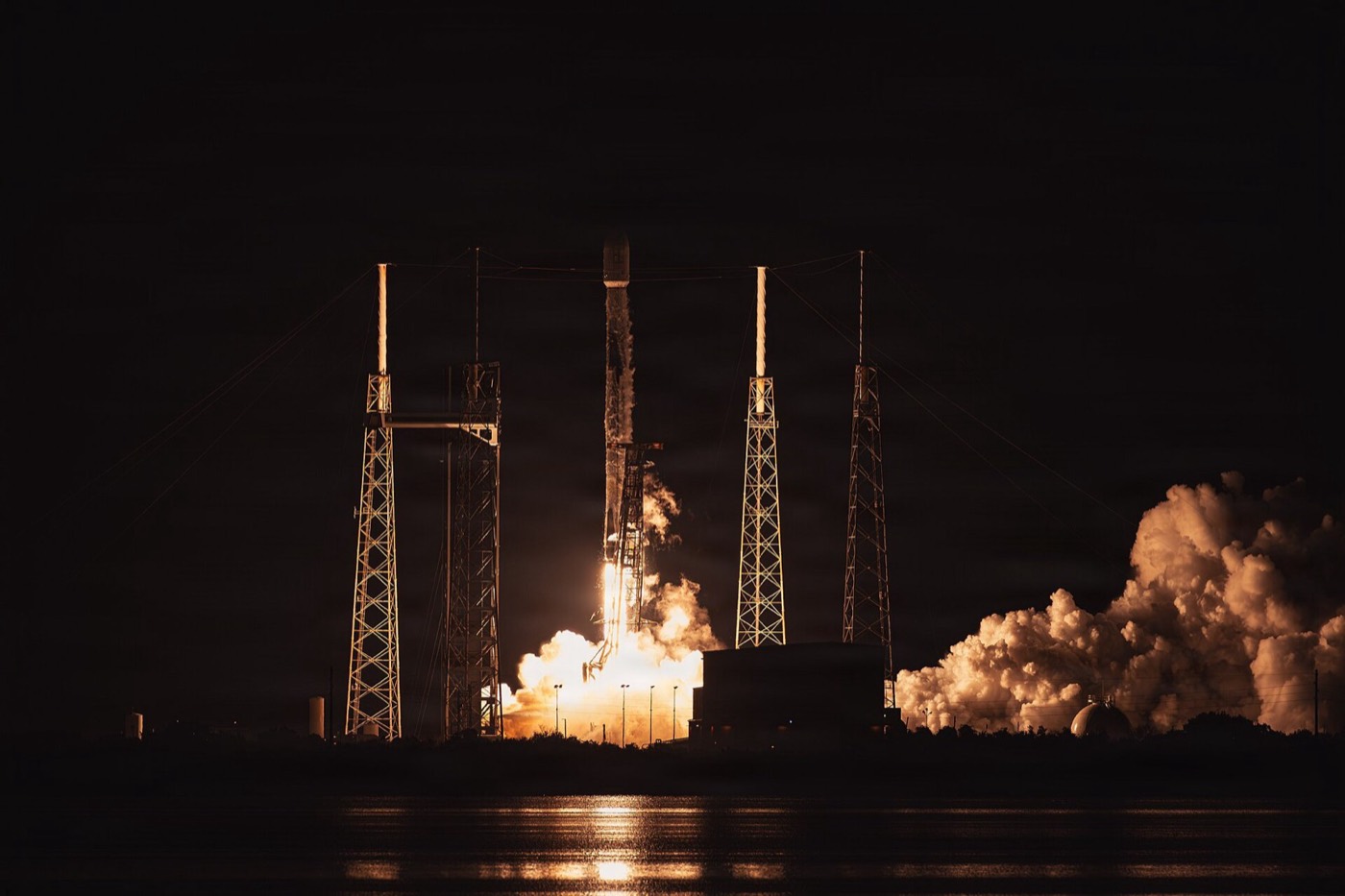
Starlink's approach uses many small satellites. AST SpaceMobile is betting on the opposite: fewer satellites, each one far larger.
AST SpaceMobile's BlueBird satellites carry a phased array, a flat panel built from many small antenna elements working together as one much larger receiver and transmitter. Its newest satellite, BlueBird 6, launched in December 2025 with an array of about two hundred and twenty-three square metres, described by the company as the largest commercial communications array ever put into low Earth orbit.
A bigger array on the satellite does the same job a bigger dish would do on the ground: it gathers a weaker signal, and sends a stronger one back, closer to what a normal phone call needs.
AST SpaceMobile's first five commercial satellites, BlueBird 1 through 5, carried arrays closer to sixty-five square metres each. BlueBird 6's array is more than three times that size, and the company says it carries roughly ten times the capacity of the satellites already flying.
AT&T and Verizon are AST SpaceMobile's carrier partners in the United States, each supplying licensed spectrum and aiming, eventually, for standard phone calls and video rather than text messages alone.
The trade-off is speed of rollout. A giant satellite takes far longer to build and launch than a small one, so AST's constellation has grown much more slowly than Starlink's, satellite by satellite rather than batch by batch.
This photograph shows a set of BlueBird satellites lifting off from Cape Canaveral. Each launch like this adds only a handful of the giant satellites AST needs, next to the dozens SpaceX adds to Starlink's constellation in a single flight.
8. The spectrum deal: SpaceX and EchoStar

Starlink's own spectrum position changed sharply in the middle of 2026, in a deal years in the making.
On 12 May 2026, the FCC approved SpaceX's purchase of roughly sixty-five megahertz of licensed mobile spectrum from EchoStar — the AWS-4, H-block and unpaired AWS-3 bands. The same order approved a separate transfer of EchoStar spectrum to AT&T.
The approval came with a financial condition attached, not just a regulatory one.
Two point four billion dollars of the deal's value must sit in escrow, tied to EchoStar meeting its own separate obligations to build out a 5G network on different spectrum it still holds. The licences themselves are expected to fully transfer to SpaceX by 30 November 2027.
What this spectrum actually unlocks matters more than the deal's size.
These are bands phones already use for ordinary calls and data, not narrow slivers set aside just for satellites. Owning them outright, rather than partnering with a carrier for access, gives Starlink a clearer path toward full voice calls and regular data. That is more than short text messages, sent direct to an unmodified phone.
9. Rockets as the bottleneck

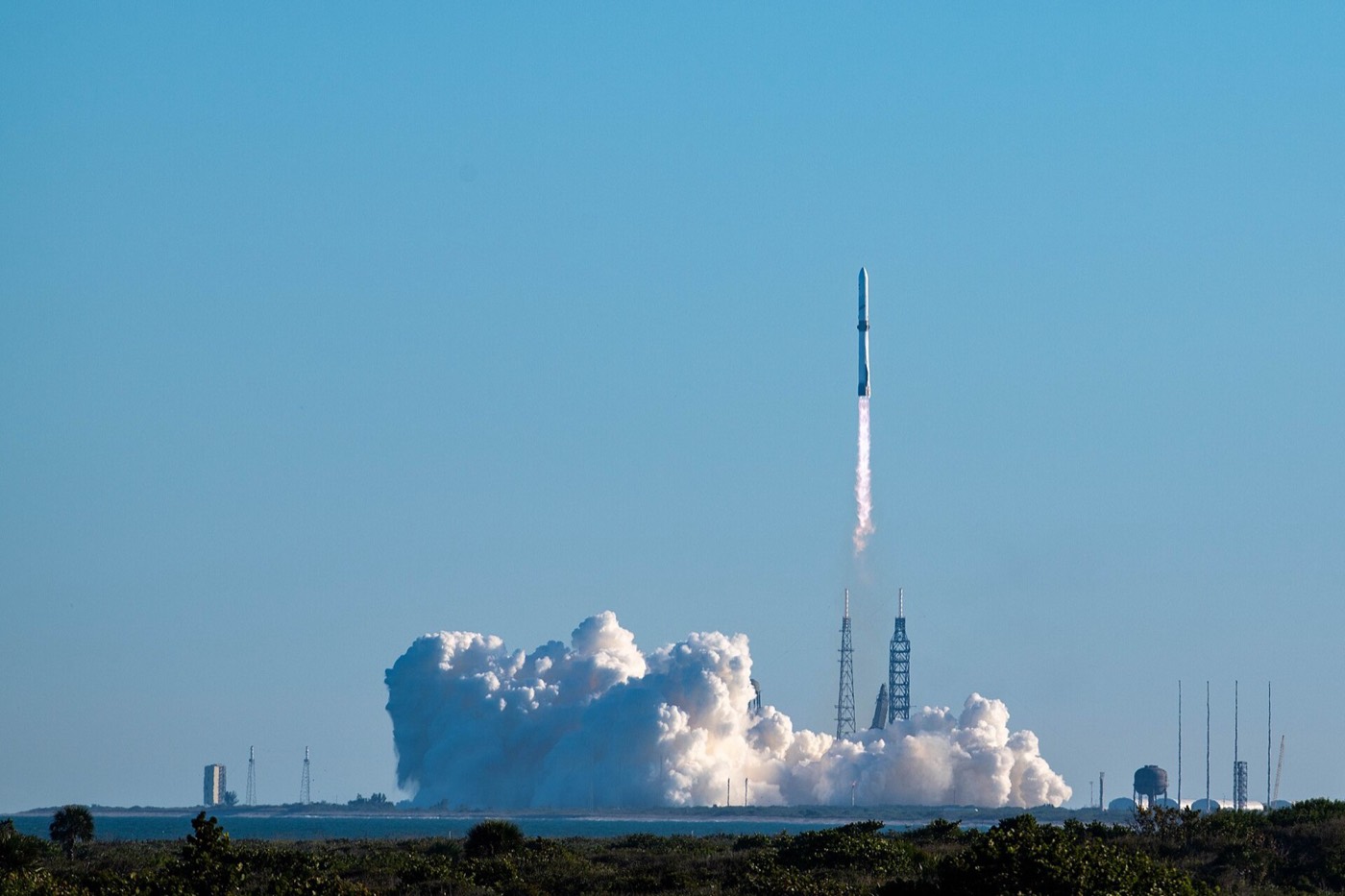
Every satellite in this story needs a rocket to reach orbit, and in 2026 the rockets became the story's tightest constraint.
Starlink's next generation of direct-to-cell satellites, its V2 satellites, are too large to fly on the Falcon 9 rockets that launched the current constellation. SpaceX is targeting Starship, its largest rocket, to carry them, aiming for the middle of 2027, itself a date that has already slipped more than once.
AST SpaceMobile depends on a different rocket entirely, and that rocket had a very bad month.
On 28 May 2026, Blue Origin's New Glenn rocket exploded during a pre-launch static-fire test at Cape Canaveral, destroying the vehicle and damaging the launch pad. Blue Origin confirmed on 5 August 2026 that the cause was a fault in one of the rocket's BE-4 engines.
New Glenn is one of the launch vehicles behind AST SpaceMobile's build-out, so the explosion did not stay Blue Origin's problem alone. Weeks later, AST SpaceMobile told regulators its target of forty-five satellites in orbit had slipped from this year to early 2027, in the same filing that named its launch campaign's delays directly.
AST SpaceMobile's response was to raise up to one billion dollars and start looking at launch itself, rather than depend entirely on outside rocket providers going forward. That is an unusual move for a satellite company, and it is a direct measure of how much one rocket's failure can cost a rival's timeline.
Two very different companies, hit by the same kind of problem. The hardest part of this story is not the phone, and it is not really the satellite either. It is getting enough of either one into orbit on time.
This is a New Glenn rocket successfully lifting off, the same rocket type that exploded on the pad months later, a reminder that even a previously proven vehicle can still fail on a later flight.
10. Other players and Europe

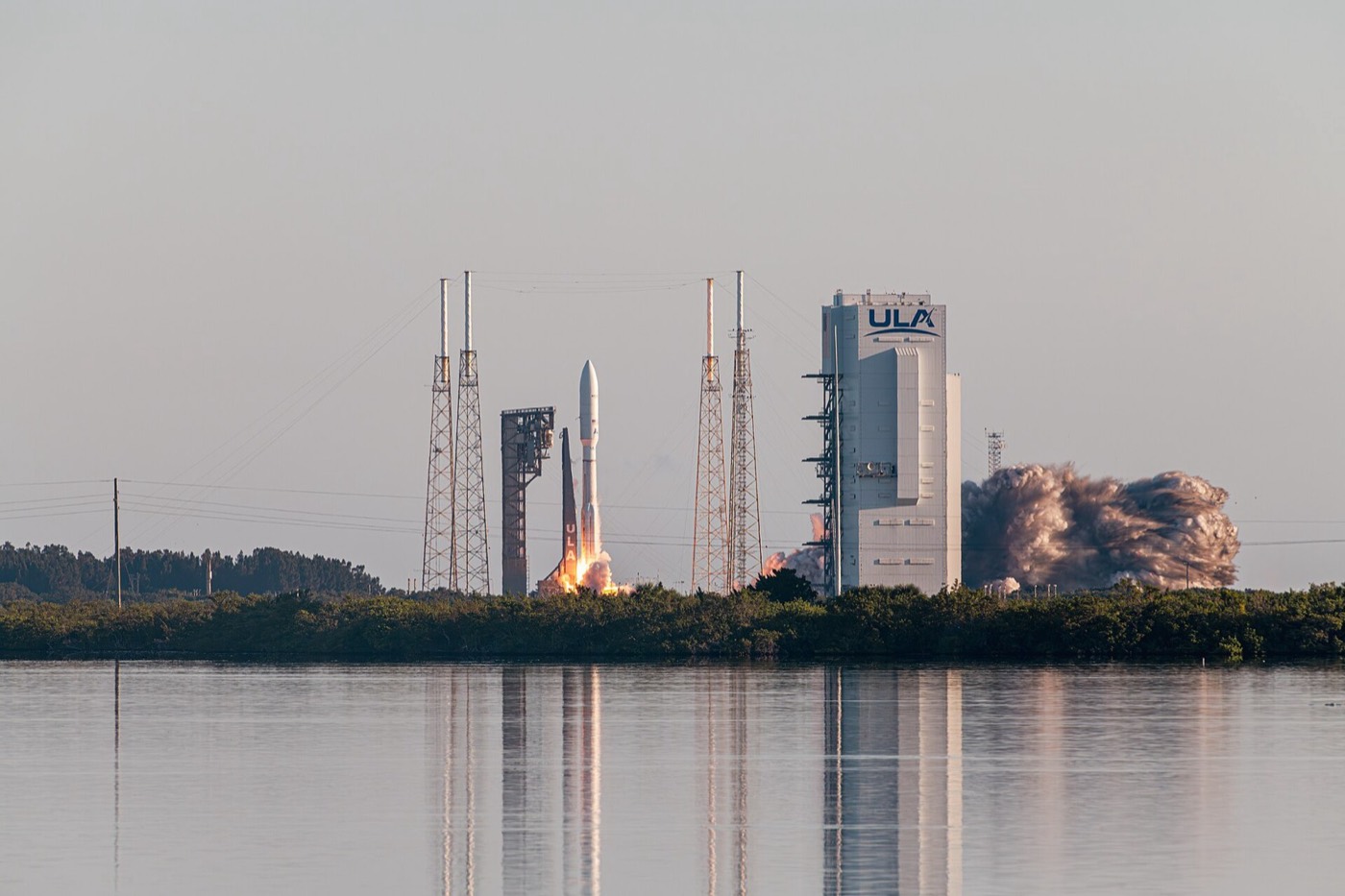
SpaceX and AST SpaceMobile are not the only companies chasing this market, and regulators outside the United States have been moving at the same time.
Amazon filed an application with the FCC in July 2026 for up to five thousand one hundred and five satellites able to connect directly to phones, combining that new constellation with the satellites and spectrum it is acquiring through its purchase of Globalstar. The filing targets deployment starting in 2028, spread across five separate orbital shells.
Two smaller companies take a different approach again, without building a constellation the size of Starlink's or Amazon's.
Skylo connects phones to satellites already in orbit for other purposes, rather than launching a dedicated constellation, and has powered satellite text messaging on several phone brands since 2024. Lynk Global, a separate company, is building its own small constellation aimed specifically at reaching ordinary phones, rather than adapting a network built for something else.
Neither company needs hundreds of satellites, because neither is trying to give a phone a near-constant connection the way Starlink or AST SpaceMobile eventually want to. Skylo's and Lynk's satellites pass over a given patch of ground only a few times a day, which is enough for a text message, but not for a live call.
Regulators in Europe have been clearing the legal path for all of this at the same time the satellites themselves were launching.
The UK's regulator, Ofcom, based in London, approved a framework for direct-to-device satellite services on 9 December 2025. That opened the way for carriers to offer it using their own licensed spectrum. In April 2026, Ofcom approved VodafoneThree to run such a service in the 900 megahertz band, paired with AST SpaceMobile's satellites.
Ofcom's decisions are made in London. The satellites those decisions license, and the satellites Amazon is now filing to add, mostly still leave the ground from one place.
Amazon's Kuiper satellites launch from Cape Canaveral in Florida, the same site AST SpaceMobile and Blue Origin use, while the regulatory decisions that let them reach a UK phone are made across the Atlantic, in London.
This photograph shows a batch of Amazon's Kuiper satellites launching from Cape Canaveral, the same launch site AST SpaceMobile and Blue Origin use, and the base for much of this industry's growth on the U.S. side of the Atlantic.
11. Masts or space? The verdict


Everything in this video has been building toward one practical question: does a satellite replace a mobile phone mast, or only patch the gaps between them?
A single mast in a town can serve thousands of phones at once, because it splits its coverage into many small cells and reuses the same spectrum in each one. A single satellite beam covers a vastly larger area, but has far less capacity to share across everyone inside it at the same moment.
That capacity gap is the reason none of the companies in this story are promising to replace masts. A mast's small-cell design is what lets a crowded city keep working; shrinking a satellite's beam to match would mean flying far more satellites than any company in this video has even proposed.
Every direct-to-cell and direct-to-device service now operating or announced is built and marketed as a fallback, not a replacement. It covers places masts cannot reach economically — remote countryside, mountains and open water, plus the first hours after a disaster knocks local towers offline.
The Scottish Highlands are a fair example of where this actually changes something.
A mast is not always practical across country like this, so a phone that can reach a satellite instead, even for a text message describing an emergency, is a genuine change from having no signal at all.
So: forwards, or backwards? Both, depending on what is being asked of the phone in your pocket. Coverage in the gaps is arriving now, proven already by Apple's Emergency SOS and by T-Mobile's T-Satellite. Coverage that replaces a mast is still held backwards, by a capacity limit that is physics rather than a rollout schedule, and by rockets and spectrum deals that keep slipping their own dates. Your phone will reach further than it used to. On the numbers in this video, it will not stop needing the mast down the road.
Sources and credits
Photo credits (Wikimedia Commons)
- USAF personnel using an Iridium satellite phone: U.S. Air Force photo/Staff Sgt. Robert Tingle, Public domain - https://commons.wikimedia.org/wiki/File%3AUSAF_iridium_phone_use.jpg
- Delta II rocket launching the Globalstar-2 satellite from Cape Canaveral: Department of Defense. American Forces Information Service. Defense Visual Information Center. 1994, Public domain - https://commons.wikimedia.org/wiki/File%3AThe_Boeing_Delta_II_Space_Launch_vehicle_lifts_off_from_complex_17A_at_Cape_Canaveral_carrying_the_Globalstar-2_satellite_into_orbit._Liftoff_occurred_at_6-38_P.M._EDT_-_DPLA_-_ea6cf2acf6fddca1697b0890a4f60de8.jpeg
- SpaceX Falcon 9 Starlink satellite launch: U.S. Space Force photo by Amanda Inman, Public domain - https://commons.wikimedia.org/wiki/File%3AFalcon_9_Starlink_6-35_Launch_%288192458%29.jpg
- AST SpaceMobile BlueBird satellites launching from Cape Canaveral: U.S. Space Force photo by Gwendolyn Kurzen, Public domain - https://commons.wikimedia.org/wiki/File%3ABlueBird_11-13_Launches_from_Cape_Canaveral_Space_Force_Station_%289862273%29.jpg
- Blue Origin New Glenn rocket launch: U.S. Space Force photo by Senior Airman Samuel Becker, Public domain - https://commons.wikimedia.org/wiki/File%3ABlue_Origin_New_Glenn_Rocket_Successful_Launch_%289387521%29.jpg
- Amazon Kuiper satellites launching from Cape Canaveral: U.S. Space Force photo by Gwendolyn Kurzen, Public domain - https://commons.wikimedia.org/wiki/File%3AKuiper_3_Launches_from_Cape_Canaveral_Space_Force_Station_%289339789%29.jpg
- Scottish Highlands: Henry Bates Joel, Public domain - https://commons.wikimedia.org/wiki/File%3A%27Scottish_Highlands%27.jpg


Primary sources
- FCC, 'Order Granting SpaceX-EchoStar Applications' (DA 26-471), docs.fcc.gov, 12 May 2026 — ~65MHz (AWS-4, H-block, unpaired AWS-3), $2.4bn escrow, transfer by 30 Nov 2027..
- SpaceNews, 'FCC approves SpaceX spectrum deal with $2.4 billion escrow condition', May 2026; SatNews, 'FCC Approves Landmark Spectrum Sharing and Direct-to-Device Frameworks', 12 May 2026.
- CNBC, 'Amazon to buy Globalstar to bolster Leo satellite business in deal worth about $11.6 billion', 14 Apr 2026; Bloomberg, same date.
- CNBC, 'Amazon seeks federal approval to launch 5,105 satellites for direct-to-device network', 27 Jul 2026; SatNews, same date.
- Spaceflight Now, 'Blue Origin's New Glenn rocket explodes during prelaunch testing at Cape Canaveral', 29 May 2026; SpaceNews, 'New Glenn rocket explodes on Cape Canaveral pad'.
- LightReading, 'AST SpaceMobile says D2D satellite launch plan delayed to 2027'; Via Satellite/SatelliteToday, 'AST SpaceMobile Discloses Delays to Launch Campaign, Explores Vertical Integration', 16 Jul 2026.
- Ofcom, 'Statement: Enabling satellite Direct to Device connectivity in mobile spectrum bands', 9 Dec 2025; ISPreview UK and TechRadar, VodafoneThree approval, Apr 2026.
- Apple Newsroom, 'Emergency SOS via satellite available today on iPhone 14 lineup', 15 Nov 2022.
- SatelliteInternet.com and KeepTrack, Starlink Direct to Cell 2026 status pages; T-Mobile Newsroom and coverage/support pages, T-Satellite.
- Space Economy Institute, 'AST SpaceMobile BlueBird Satellites: Direct-to-Device Broadband Moves Toward Commercial Service', 12 Aug 2026 — corroborates BlueBird 6's ~223 sqm array size (original BusinessWire release returned HTTP 403 on direct fetch, 29 Sep 2026).
Not regulated financial advice.