
The Cameras That Know Your Face: Policing by Algorithm
A camera on a lamppost in Croydon, or on a street in London's West End, now turns a passing face into a string of numbers and checks it against a police watchlist in real time - and nobody walking past is told it has happened.
This video explains how live facial recognition actually works: capture, facial landmark extraction, the mathematical template sometimes called a faceprint, and the confidence-score threshold that decides whether an officer gets an alert. It explains why the error rate is not even - NIST's own testing (NISTIR 8280, Face Recognition Vendor Test, Part 3: Demographic Effects) found false-match rates can differ across racial groups by a factor of ten to a hundred, and run higher for women than men and at the extremes of age.
It traces Britain's path from South Wales Police's early trials (2017-2019) through the Met's Croydon pilot - 24 operations, October 2025 to March 2026, over 470,000 faces scanned, 173 arrests and one false alert - to a 2026 expansion of static cameras into London's West End and Soho. It sets out the 2020 Court of Appeal ruling in Bridges v Chief Constable of South Wales Police, which found the force's policy unlawful for discretion gaps and an inadequate equality assessment, and Shaun Thompson's 2024 false match near London Bridge, whose judicial review against the Met the High Court dismissed on 21 April 2026 - a decision Thompson and Big Brother Watch intend to appeal. It explains that UK police LFR still runs on general data protection and human rights law, not a dedicated statute, while a Home Office consultation on a new framework closed on 12 February 2026.
It then crosses the Atlantic to CBP and ICE's Mobile Fortify app, which the Illinois Attorney General and City of Chicago allege in a lawsuit filed 12 January 2026 has been used in the field more than 100,000 times, and to Congress's own response: the Facial Recognition and Biometric Technology Moratorium Act of 2026 (H.R. 10563), reintroduced 25 September 2026, and the narrower ICE Out of Our Faces Act, introduced 5 February 2026.
It closes by weighing the Met's own numbers - 470,000-plus scans, 173 arrests, one false alert - against what that one false alert cost the person it happened to, and leaves the viewer with the real trade-off: what a presumption of anonymity in public space is worth, against what proponents say security requires instead.
Educational documentary. Not financial or investment advice.
In these topics
Chapters
- A face in the crowd
- How the machine sees a face
- Why the error rate is not even
- From trial to the street: Britain's path
- Bridges and the law that wasn't there
- The Met's day in court
- A patchwork, not a statute
- America's other track: the border and the street
- Congress tries again
- Counting the trade: arrests versus wrongful stops
- Walking by unidentified
Video notes
1. A face in the crowd
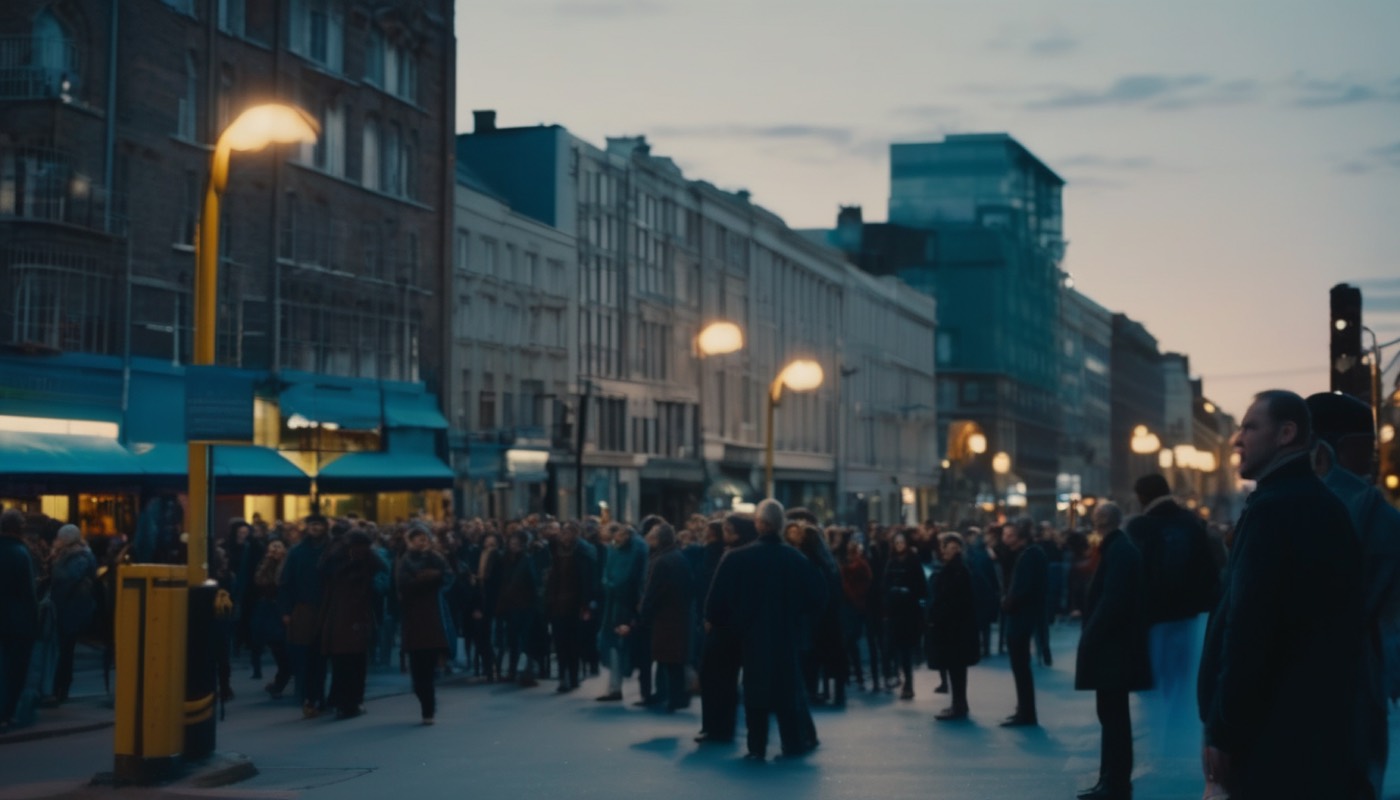
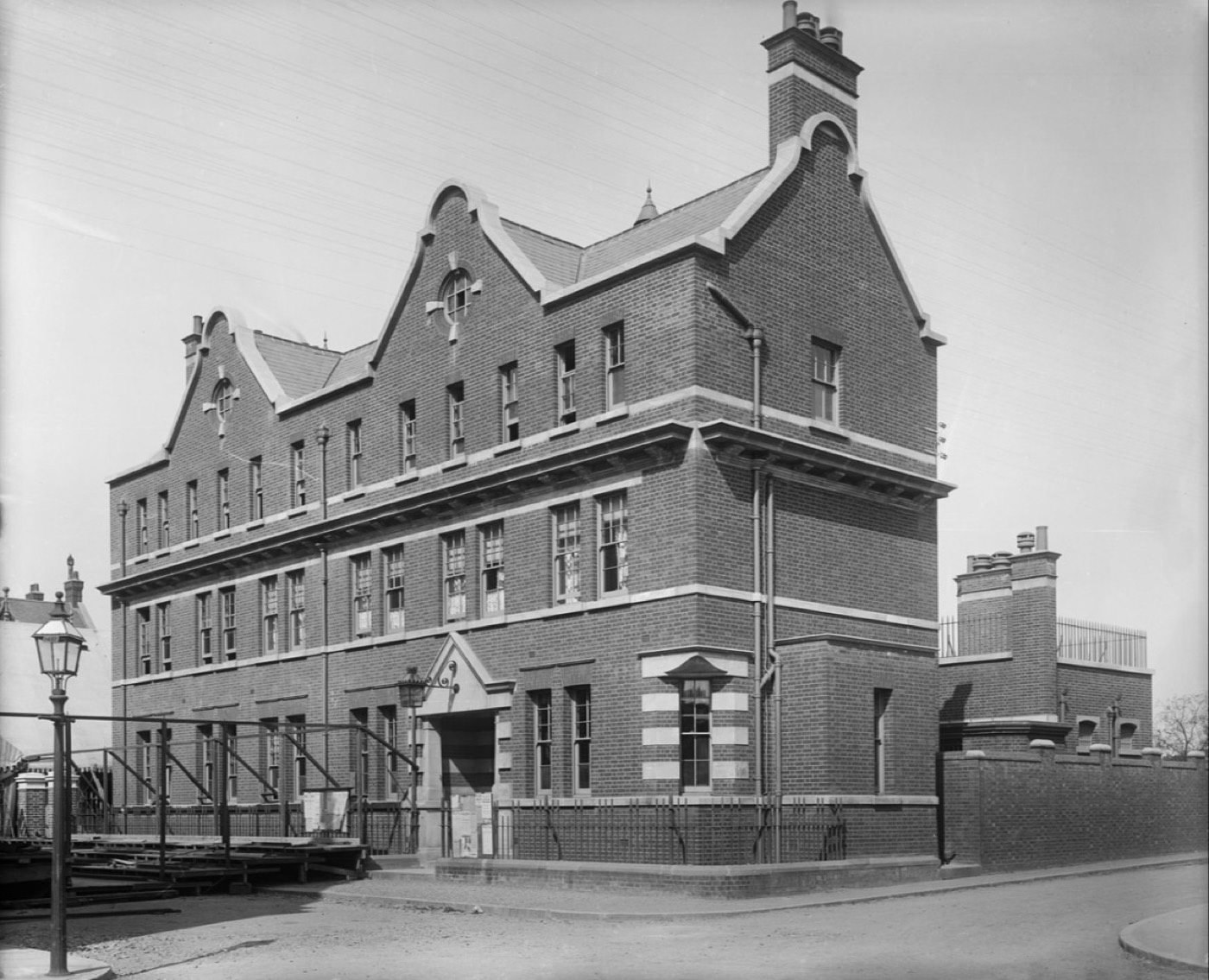
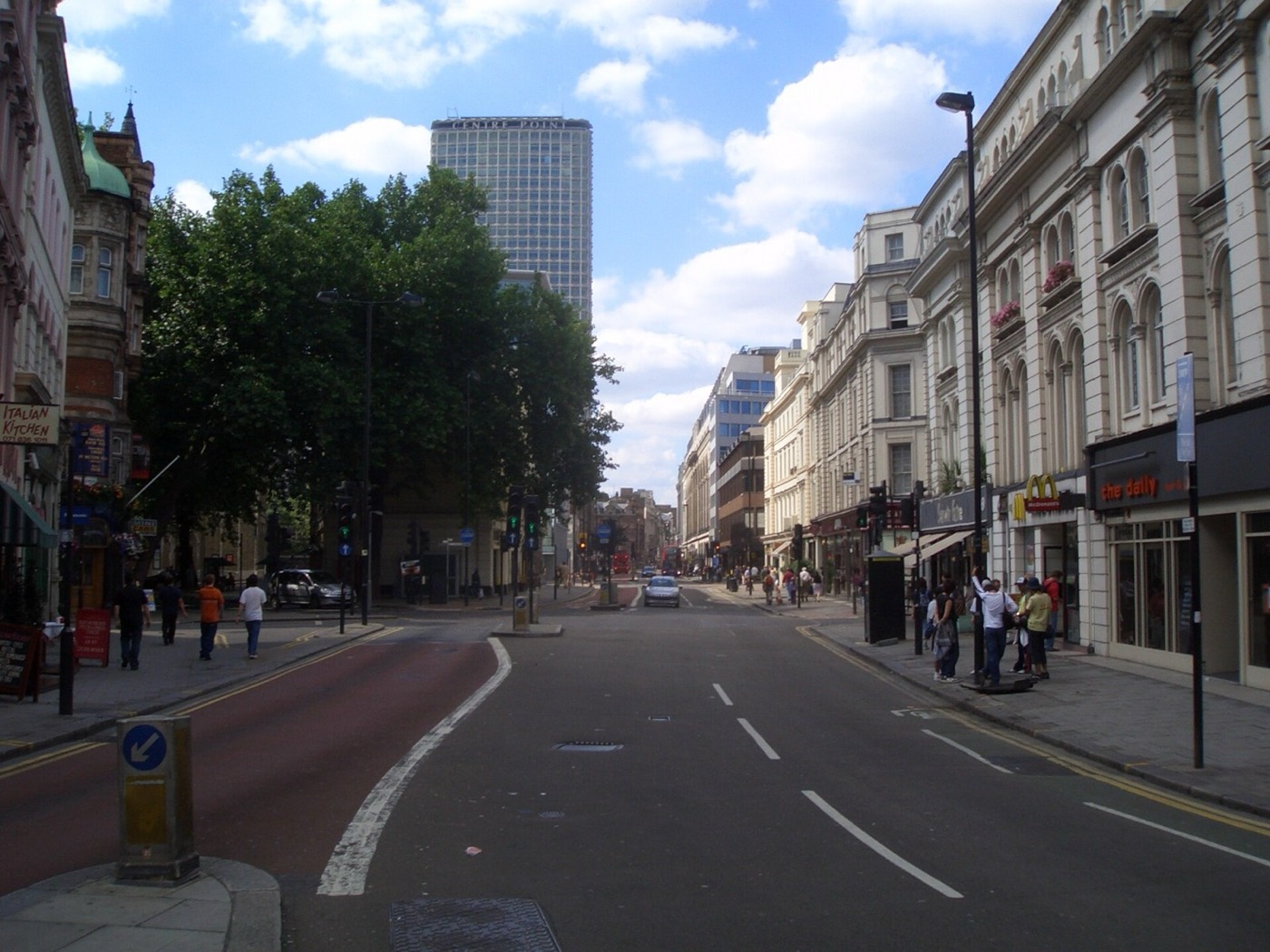
On a street in Croydon, in south London, or in the heart of London's West End, a camera fixed to a lamppost is scanning every face that walks past. It is not simply recording. It is checking each face, right now, against a list of people the police are looking for.
This is Croydon Police Station, close to where the Metropolitan Police ran its live facial recognition pilot. Croydon is where this technology first went live on ordinary people walking past, not at some one-off event.
The system behind that camera is called live facial recognition, or LFR. It checks passing faces in real time, and only alerts an officer when it believes it has found someone on its watchlist — a list of photographs the police loaded in beforehand.
This is New Oxford Street, in the West End, one of the streets due to get these cameras under the Met's expansion. Nobody walking past one is told the camera is there, or that they have just been checked.
Croydon and the West End sit at opposite ends of London, yet both now carry these cameras. What began in one south London borough has already reached the heart of the capital.
Supporters call this one of the most useful tools policing has had in years. Critics call it a surveillance net cast over everyone, guilty or not, to catch a very small number of people. This video sets out what each side is actually trading, and lets you weigh which account holds up.
2. How the machine sees a face
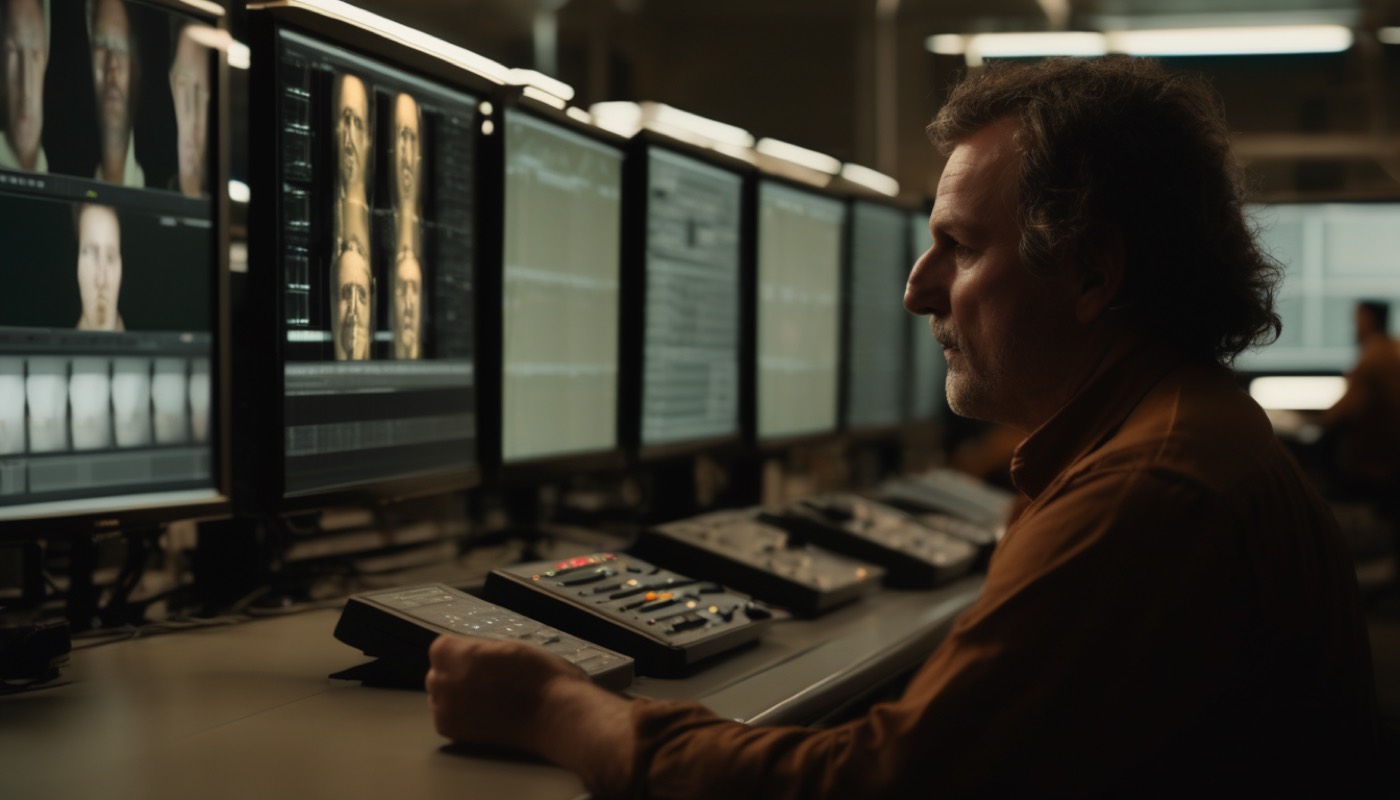
Before a camera can check anyone against a watchlist, it first has to turn a face into something a computer can compare. That happens in four steps, and none of them involve a human looking at the picture.
First, the camera captures the face. Second, software finds fixed points on it — the distance between the eyes, the width of the jaw, the shape of the nose — a step called landmark extraction. Those points are turned into a string of numbers, a mathematical template often called a faceprint. It is that faceprint, not the photo itself, that gets compared against the watchlist.
That comparison happens instantly, every time a face crosses the camera's view. The system is not looking for a perfect match. It is scoring how close two faceprints are, and that score is what decides what happens next.
The system gives every comparison a confidence score, a number showing how sure it is that two faceprints belong to the same person. Below a set threshold, nothing happens. Above it, an officer gets an alert, and decides whether to stop the person.
A high threshold catches fewer matches but makes fewer mistakes. A low threshold catches more real matches, and more wrong ones alongside them. Where a force sets that line decides how often an innocent person gets stopped.
3. Why the error rate is not even
Facial recognition does not fail equally for everyone. The US National Institute of Standards and Technology, known as NIST, tests dozens of these systems against the same images, and its findings are stark.
A false match is when the system says two different people are the same person. NIST's own testing, in a report called the Face Recognition Vendor Test, found that false-match rates can differ across racial groups by a factor of ten to as much as a hundred, depending on the algorithm. Rates were also higher for women than for men on most systems tested, and higher again at the oldest and youngest ages.
Lighting and image quality matter just as much as who is being scanned.
NIST found that pictures taken outdoors, where lighting is uneven, produced roughly half the accuracy of pictures taken indoors. A blurred image or an awkward camera angle pushes the error rate higher still, whoever is standing in front of the lens.
None of this means every algorithm performs the same way. NIST's own public rankings show a wide gap between the most accurate systems submitted and the merely average ones — which is exactly why which algorithm a police force buys matters as much as the policy around it.
4. From trial to the street: Britain's path
Live facial recognition did not arrive on Britain's streets all at once. It moved there in stages, each one building on the last.
South Wales Police ran the earliest trials, deploying automated facial recognition roughly fifty times at football matches and public events between 2017 and 2019. The Metropolitan Police's Croydon pilot followed years later, running twenty-four separate operations between October 2025 and March 2026.
Over that six-month Croydon pilot, more than 470,000 people walked past the cameras. The Met reported 173 arrests by the pilot's end, and just one false alert in the entire period — resolved within minutes, with nobody arrested because of it.
Those numbers were enough for the Met to go further.
In 2026, the Met announced it would install static cameras, mounted on lampposts rather than vans, across crime hotspots in the West End and Soho. Council-led expansion into further London boroughs is planned to follow from 2027, with no fixed limit yet set on how many locations that could eventually cover.
South Wales's early trials, Croydon's pilot, and now London's West End: the geography of this technology in Britain has moved from a handful of one-off trials to a standing feature of ordinary streets. Each stage has covered more ground than the one before it.
5. Bridges and the law that wasn't there

Not everyone accepted South Wales Police's early trials without a fight.
Ed Bridges, a civil liberties campaigner from Cardiff, challenged the force's use of automated facial recognition in court, arguing it breached his right to privacy and had never been properly checked for bias. The case reached the Court of Appeal, which ruled on it on 11 August 2020.
That ruling went against the police on three separate points.
The Court of Appeal found South Wales Police's policy was not tightly enough controlled to count as lawful under human rights law, because officers had too much discretion over who went on a watchlist and where cameras were used. It also found the force's own assessment of the technology's privacy impact was inadequate, and that it had not properly checked whether the system treated people unequally by race or sex before deploying it.
The ruling did not say facial recognition itself was unlawful. It said this particular force's policy around it was too loose to pass legal muster — leaving the technology itself free to spread, as long as a force wrote a tighter policy next time.
Bridges brought his challenge from Cardiff, in Wales, but the ruling that decided it was handed down over a hundred miles away, in London. A local complaint had become a national precedent.
6. The Met's day in court
Four years after Bridges, the question returned to court — this time aimed at the Metropolitan Police.
In February 2024, a community volunteer named Shaun Thompson was stopped by officers near London Bridge after the Met's cameras wrongly flagged him as a match on their watchlist. He was held for around twenty minutes, repeatedly asked for his fingerprints, and was only let go after producing his passport. Big Brother Watch, the civil liberties group that backed his legal case, reports the likely cause was a facial resemblance to someone else entirely.
Thompson, together with Big Brother Watch, brought a judicial review — a case asking a court to decide whether the Met's policy for using live facial recognition was lawful, not whether any individual stop was fair.
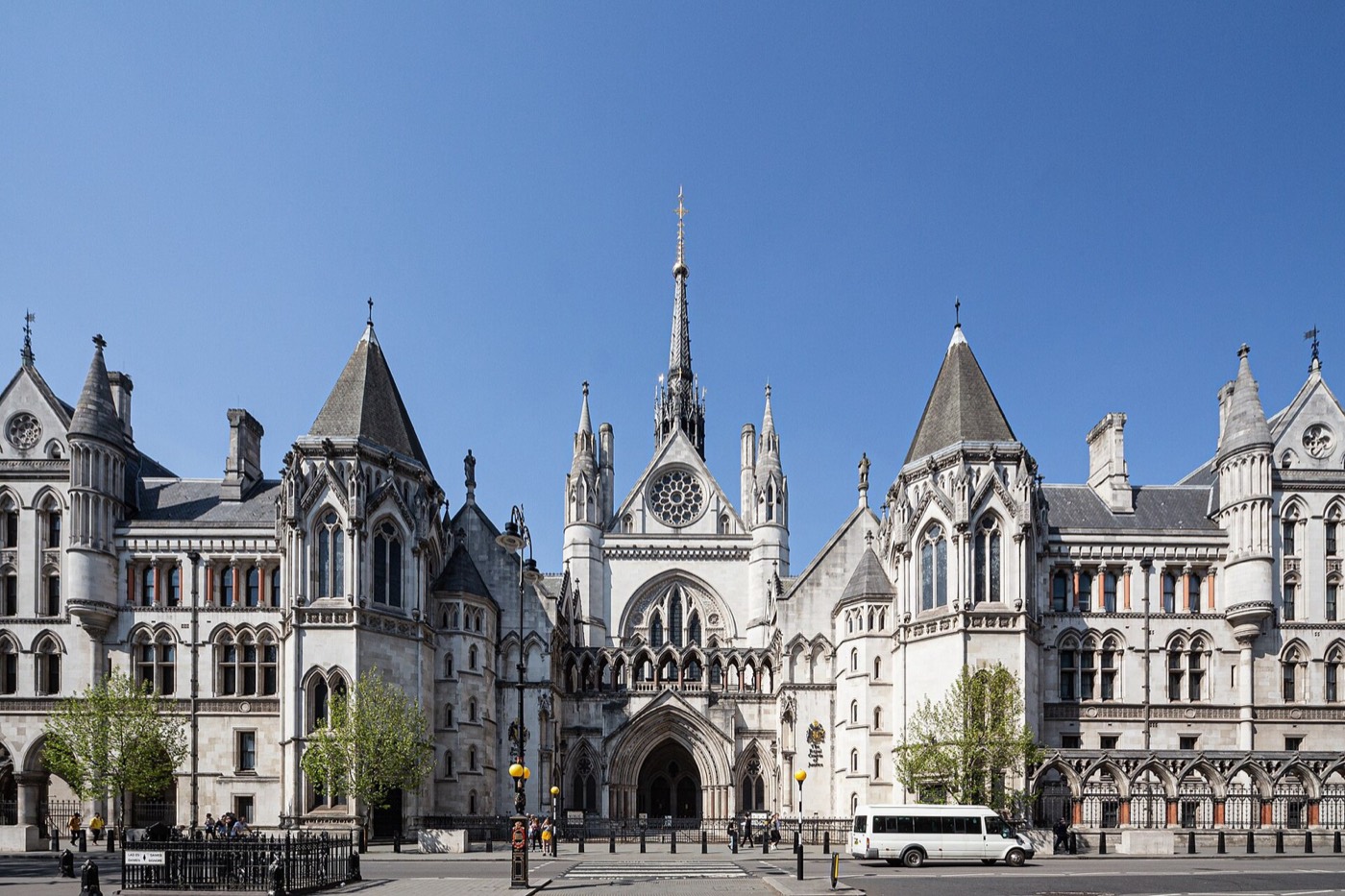
This is the Royal Courts of Justice in London, where the High Court sits. Cases over live facial recognition, including this one, are argued inside this building, not in a specialist tribunal built for the technology.
On 21 April 2026, the High Court dismissed that challenge, ruling that the Met's live facial recognition policy was compatible with human rights law. Thompson and Big Brother Watch have said they intend to appeal the decision.
So four years after Bridges found one force's policy too loose, a different court found another force's policy tight enough — and the argument has moved to an appeal that has not yet been heard.
7. A patchwork, not a statute
Both of those court cases turned on the same underlying gap. Britain has no single law written specifically for live facial recognition.
UK police forces run this technology under general rules never written with it in mind: data protection law, human rights law, and a legal duty to check policies for unfair impact on different groups. A statute — a law passed by Parliament specifically for this purpose — simply does not exist yet.
That absence has not gone unnoticed in government.
The Home Office opened a public consultation on a new legal framework for police use of biometrics and facial recognition, and closed it on 12 February 2026. Campaign groups and the police themselves have both called for clearer rules, for opposite reasons: one side wants tighter limits, the other wants legal certainty that today's deployments will survive a future court challenge.
Until Parliament acts, the law in this area will keep being written case by case, in courtrooms, rather than once, in a statute.
8. America's other track: the border and the street
Britain polices faces with fixed cameras on streets. The United States federal government is testing a very different version: facial recognition that travels in an officer's pocket.
These are Customs and Border Protection officers on duty at a US port. US Customs and Border Protection and Immigration and Customs Enforcement, known as CBP and ICE, use an app called Mobile Fortify. An officer simply points a phone at someone's face, and the app checks it against roughly 200 million images held across federal databases.
That is a different kind of surveillance from a static camera on a street, precisely because it can go anywhere an officer walks.
The state of Illinois and the city of Chicago sued the federal government in January 2026, alleging that Mobile Fortify had already been used in the field more than 100,000 times. Their lawsuit claims the app goes beyond what ICE is legally authorised to do, and breaches Illinois's own biometric privacy law.
Chicago, where the lawsuit was filed, sits roughly a thousand miles from Washington, where the federal government it sued is based. Mobile Fortify does not need either city specifically — it travels in an officer's pocket, which is a far harder thing for any single court or statute to pin down than a camera fixed to a lamppost.
9. Congress tries again
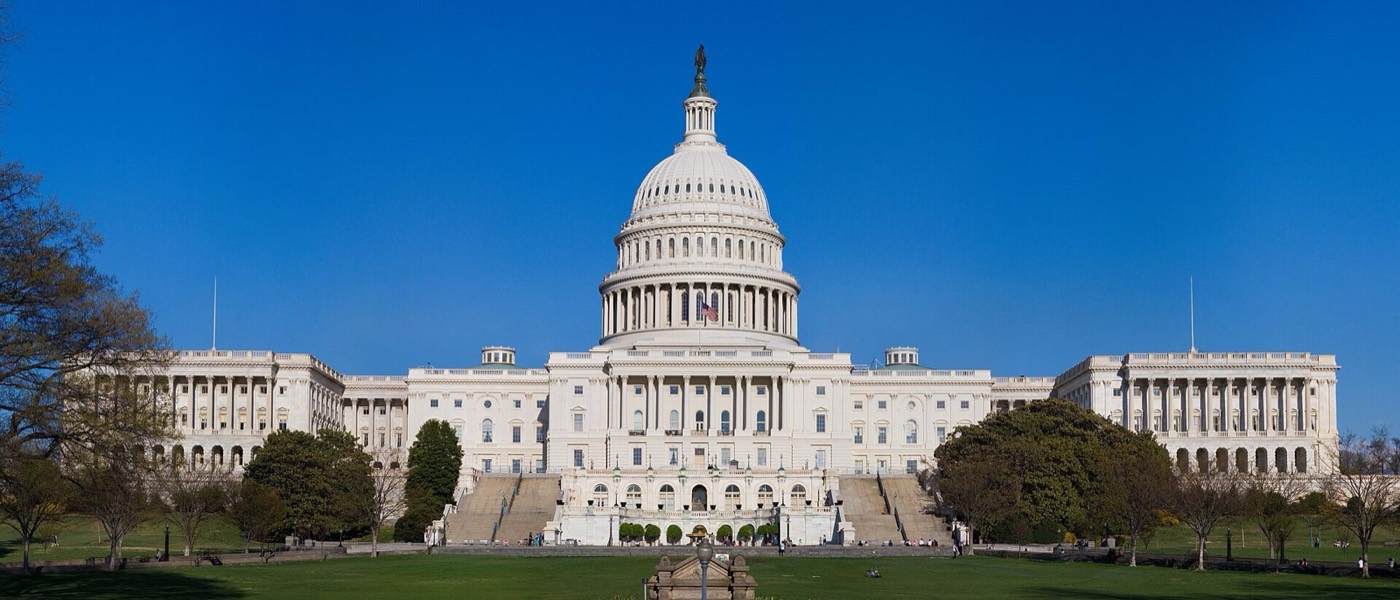
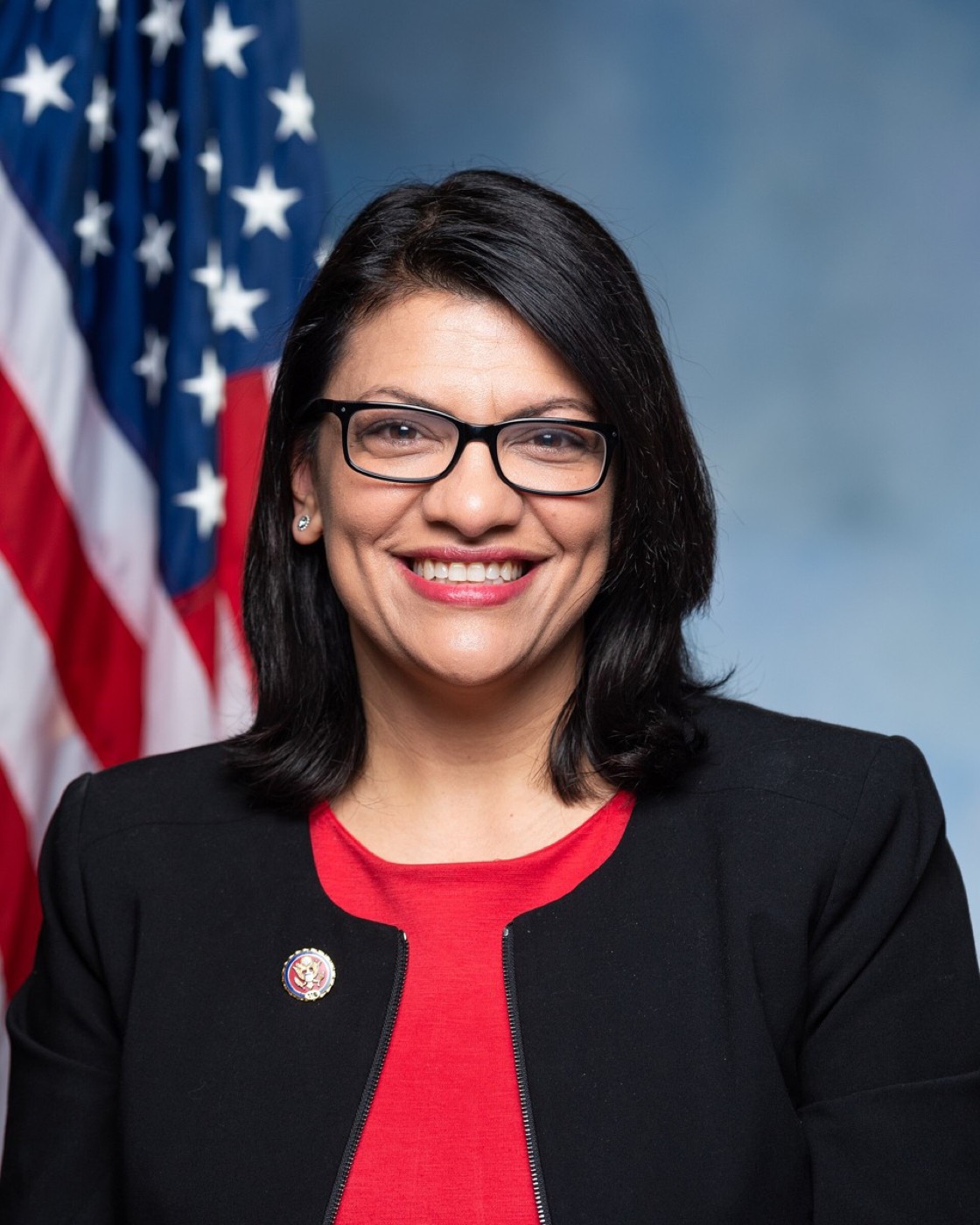
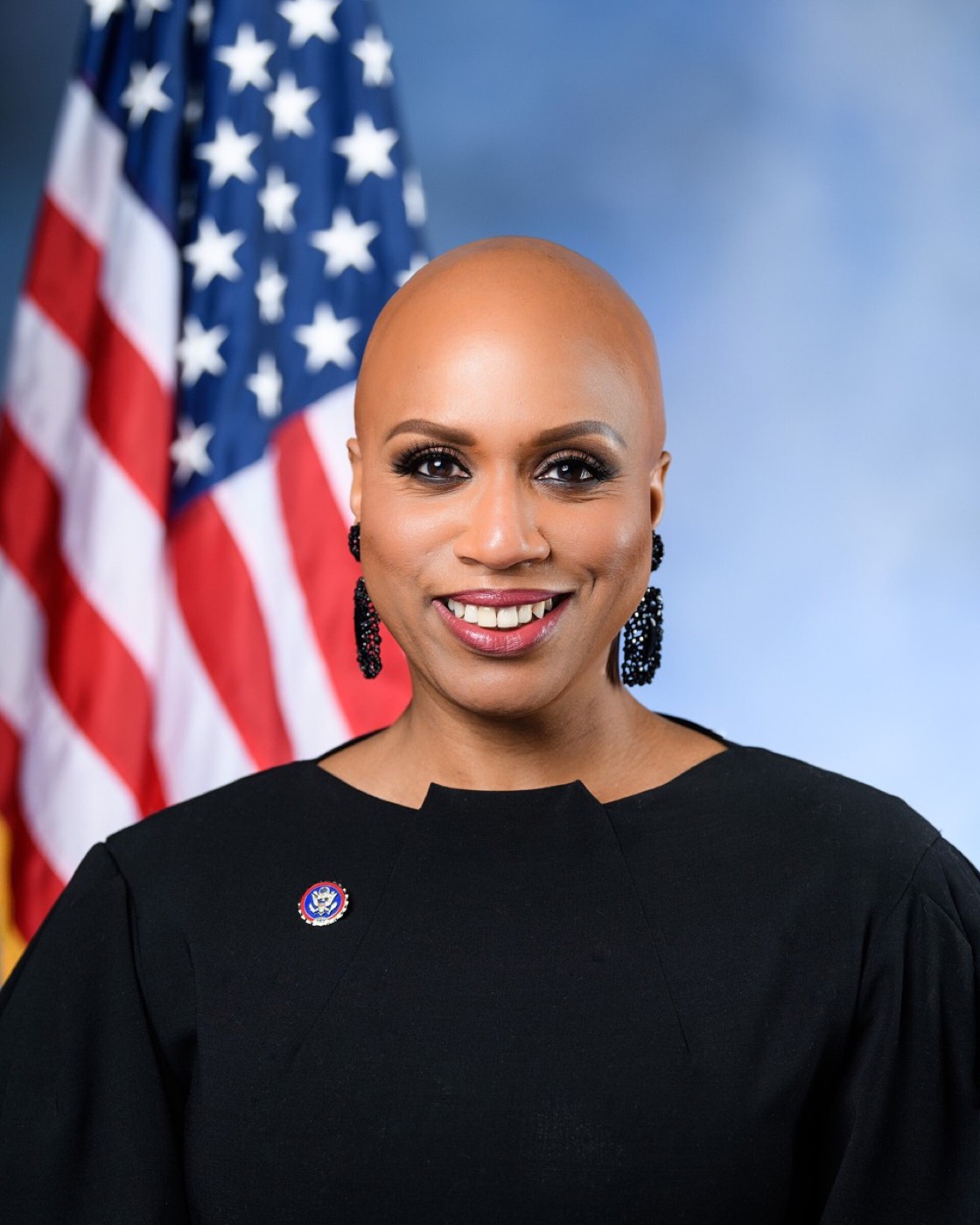
While that lawsuit moved through the courts, lawmakers in Washington tried a different route: banning the technology outright, by statute, before a court ever gets the chance to rule on it.
This is the United States Capitol building, where both chambers of Congress sit. Two bills aimed at this technology have moved through these halls in 2026, and neither has yet become law.
Five lawmakers lead the broader of the two bills, from four different states: Massachusetts, Oregon, Washington state and Michigan. Between them, they cover both chambers of Congress.
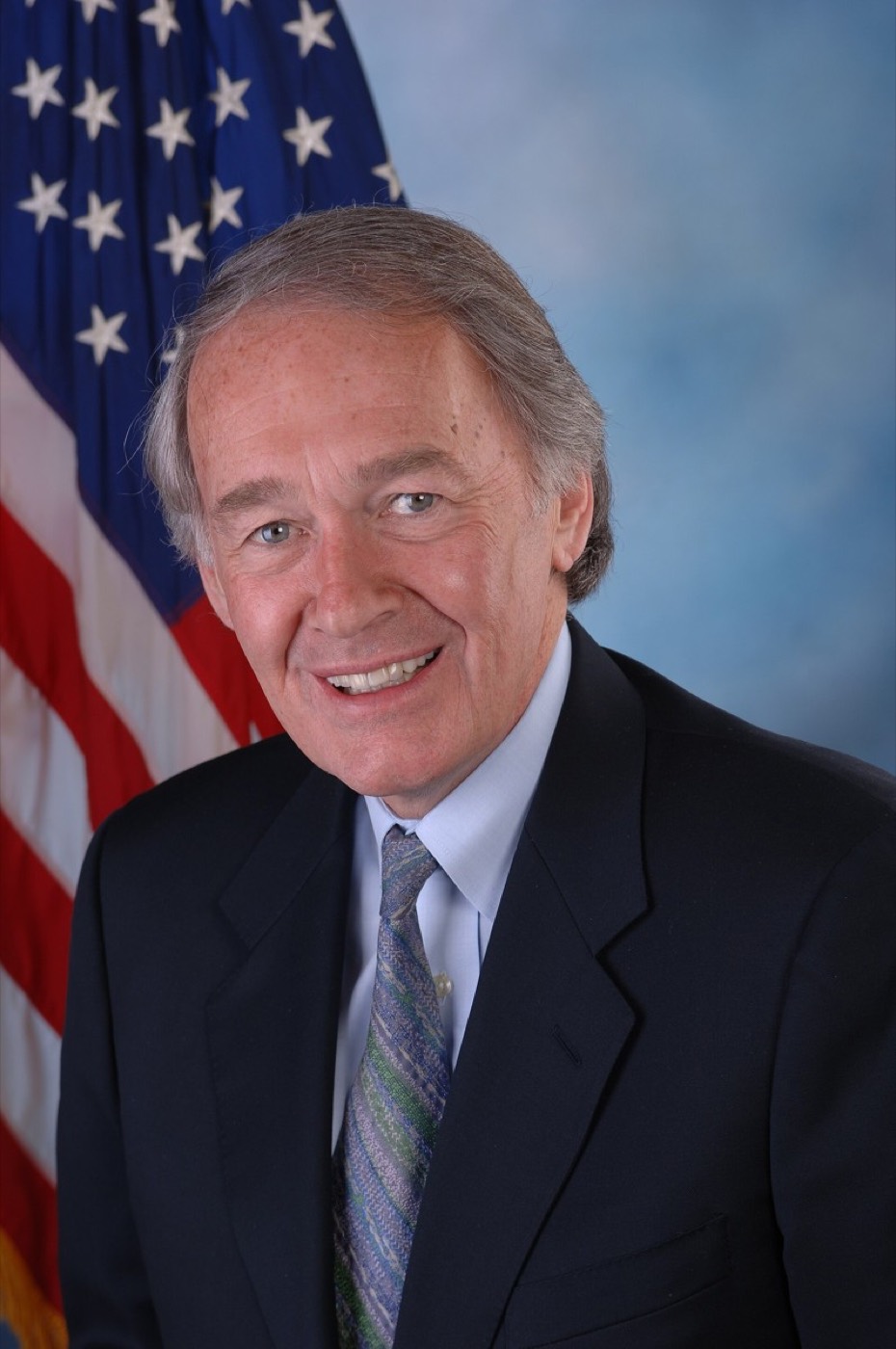
This is Senator Ed Markey of Massachusetts, one of the lead sponsors of that bill. It is formally called the Facial Recognition and Biometric Technology Moratorium Act of 2026, and it was reintroduced on 25 September.
The bill would bar federal agencies, including ICE and CBP, from using facial recognition or similar biometric technology unless Congress specifically authorises it first. It would also tie certain federal grants to police forces adopting similar limits, and let people sue if their biometric data was used unlawfully.
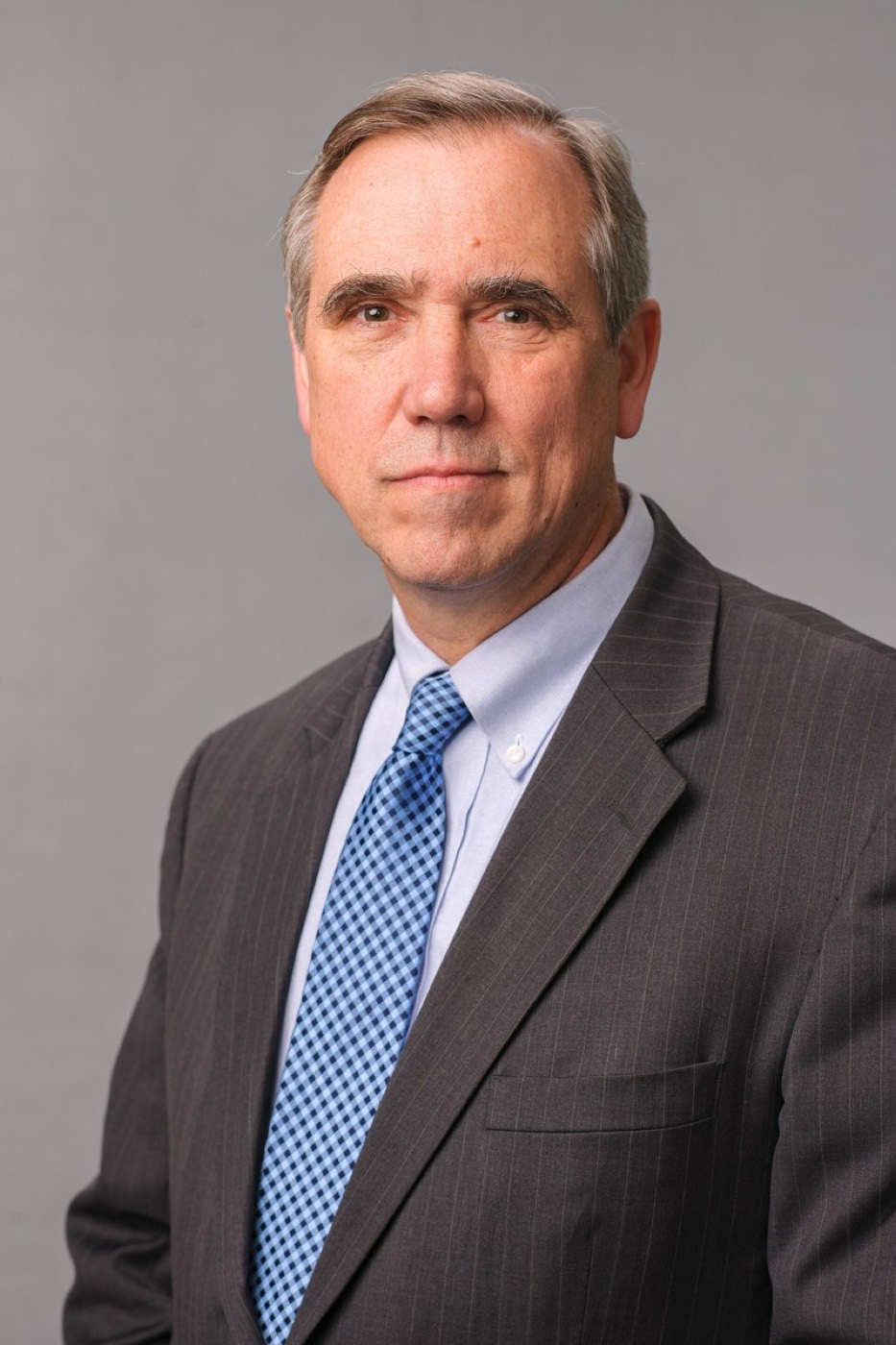
This is Senator Jeff Merkley of Oregon, who co-led the bill alongside Senator Markey.
Both senators have pushed similar bans in earlier sessions of Congress, without success, which is why this version is described as reintroduced rather than entirely new, not as something entirely novel.
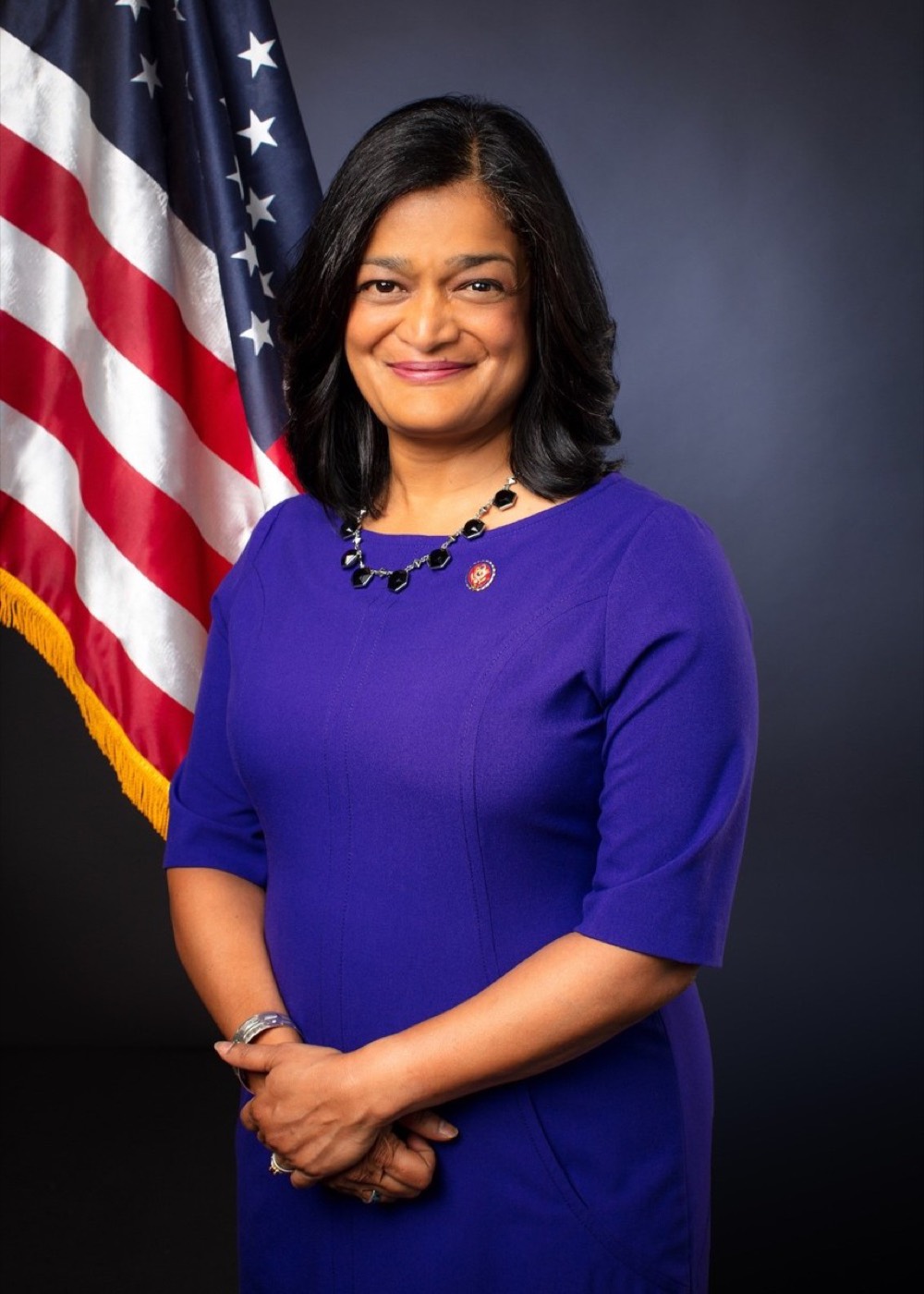
This is Representative Pramila Jayapal of Washington state, who also co-led a narrower, earlier bill in the House.
That earlier bill, the ICE Out of Our Faces Act, was introduced on 5 February 2026, specifically to ban ICE and CBP's use of facial recognition rather than every federal agency's.
This is Representative Rashida Tlaib of Michigan, a cosponsor of the broader Moratorium Act alongside Jayapal.
Together with the Senate sponsors, the House side gives the bill supporters in both chambers of Congress. That is what a bill needs before it can ever become law.
This is Representative Ayanna Pressley of Massachusetts, the fifth lead sponsor named here.
Neither of these bills has yet passed a committee vote, let alone become law. Reintroduction is a statement of intent from these five lawmakers, not a change in what federal agencies are currently allowed to do.
10. Counting the trade: arrests versus wrongful stops

Step back from the courtrooms and the bill text, and the argument over live facial recognition comes down to a trade the public is being asked to accept, whether or not anyone asked them directly.
In the Met's Croydon pilot, more than 470,000 faces were scanned, leading to 173 arrests and one false alert. Supporters read that as overwhelming proof the system works, at a vanishingly small cost in mistakes.
Critics read the same numbers differently.
Shaun Thompson's case shows what one of those rare mistakes actually costs the person living through it: twenty minutes held by police, fingerprints demanded, a passport produced before he was allowed to leave. A false alert counted as a single line in a pilot report is, to the person it happens to, nothing like a rounding error.
The real disagreement is not about the numbers themselves. It is about whether a system that is right almost every time is still worth running, once you know exactly who pays for the times it is wrong.
11. Walking by unidentified
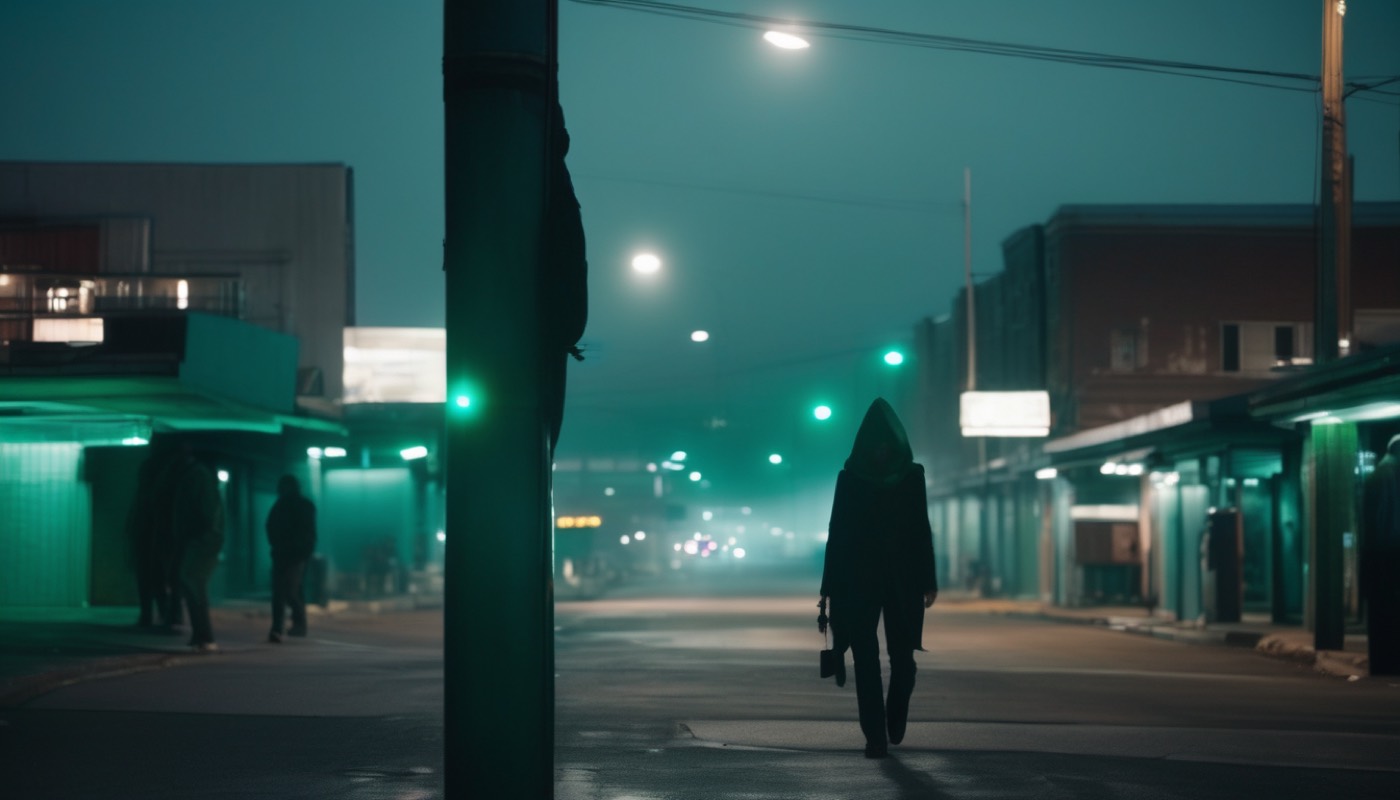
Every argument in this video eventually leads back to one question: who gets to recognise you in public, and who has to ask first.
Civil liberties groups argue for a presumption of anonymity in public space — the idea that walking down a street should not, by default, mean being checked against a police watchlist, unless there is a specific reason to suspect you. That presumption is what live facial recognition quietly removes, one street at a time.
Police forces argue the opposite case just as directly.
Supporters of the technology say it has caught people wanted for serious crimes who might otherwise have walked free, at a cost measured in a small handful of documented mistakes rather than many. To them, giving that up in the name of anonymity is a cost paid in victims, not in principle.
Both sides agree on the facts of what this technology can now do. What they do not agree on is whether a society that can recognise every face in a crowd should — and that is the trade this video leaves with you.
Sources and credits
Primary sources
- Metropolitan Police Service, press releases on the Croydon live facial recognition pilot, Oct 2025-Mar 2026 (news.met.police.uk, mynewsdesk.com) - 24 operations, 470,000+ faces scanned, 173 arrests, 1 false alert.
- Computer Weekly and Police Professional, reporting on the Met's 2026 West End/Soho static LFR expansion.
- UK Court of Appeal, R (Bridges) v Chief Constable of South Wales Police [2020] EWCA Civ 1058, judgment 11 August 2020 (via Doyle Clayton, 5 Essex Chambers, Deka Chambers, SCL case summaries).
- Big Brother Watch press materials and press coverage (BBC, The Register, CMS Law) on Shaun Thompson v Commissioner of Police of the Metropolis, including the High Court's judgment of 21 April 2026.
- GOV.UK, Home Office consultation 'Legal framework for law enforcement use of biometrics, facial recognition and similar technologies', closed 12 February 2026.
- BiometricUpdate.com, direct account of the Illinois/City of Chicago complaint against DHS over Mobile Fortify, filed 12 January 2026, Northern District of Illinois.
- govinfo.gov, bill text BILLS-119hr10563ih.pdf - H.R. 10563, Facial Recognition and Biometric Technology Moratorium Act of 2026, introduced in the House 24 September 2026 by Rep. Jayapal and eight cosponsors.
- Press releases from the offices of Sen. Markey, Sen. Merkley, Rep. Jayapal, Rep. Tlaib and Rep. Pressley, 25 September 2026, on the Moratorium Act's public reintroduction.
- Jayapal.house.gov and Merkley.senate.gov press releases, 5 February 2026, on the ICE Out of Our Faces Act.
Not regulated financial advice.