
Geothermal Can Fracking Tech Power the Grid
On 24 September 2026 Fervo Energy announced first power at Cape Station in Utah: the first utility-scale enhanced geothermal plant to send electricity to a grid. Enhanced geothermal drills into hot rock, cracks it open and pumps water through the cracks, using tools borrowed from the shale oil and gas industry.
This video explains why steady, firm power matters and how natural geothermal works at Larderello, The Geysers and in Iceland, then follows the hot-dry-rock dream of the 1970s at Fenton Hill and the induced earthquakes at Basel (2006) and Pohang (2017) that nearly stopped it. It shows how horizontal wells, staged fracturing and PDC bits changed the economics, how Fervo's well costs fell from $9.4 million to $4.8 million at Cape Station, and what is inside a 33 MW GeoBlock.
It then covers the limits - drilling cost, heat depth, water, earthquakes, permits and geography - who is paying (Google's 396 MW deal and Fervo's May 2026 Nasdaq listing), the rivals (Sage, Quaise, Eavor) and the US Department of Energy's 90 GW by 2050 roadmap. The verdict: forwards, with a limit, and the dates to watch after Phase I. Most Cape Station claims come from Fervo itself and are labelled as such.
Educational documentary. Not financial or investment advice.
In these topics
Chapters
- The Heat Under Our Feet
- Why Firm Power Matters
- Natural Geothermal: Iceland and The Geysers
- Hot Dry Rock: The 1970s Dream
- Setbacks: Basel and Pohang
- The Shale Playbook
- Fervo: Project Red to Cape Station
- Inside a GeoBlock
- The Limits
- Who Is Paying: AI and Utilities
- Superhot Rock and What Comes Next
- Major Source or Niche?
Video notes
1. The Heat Under Our Feet
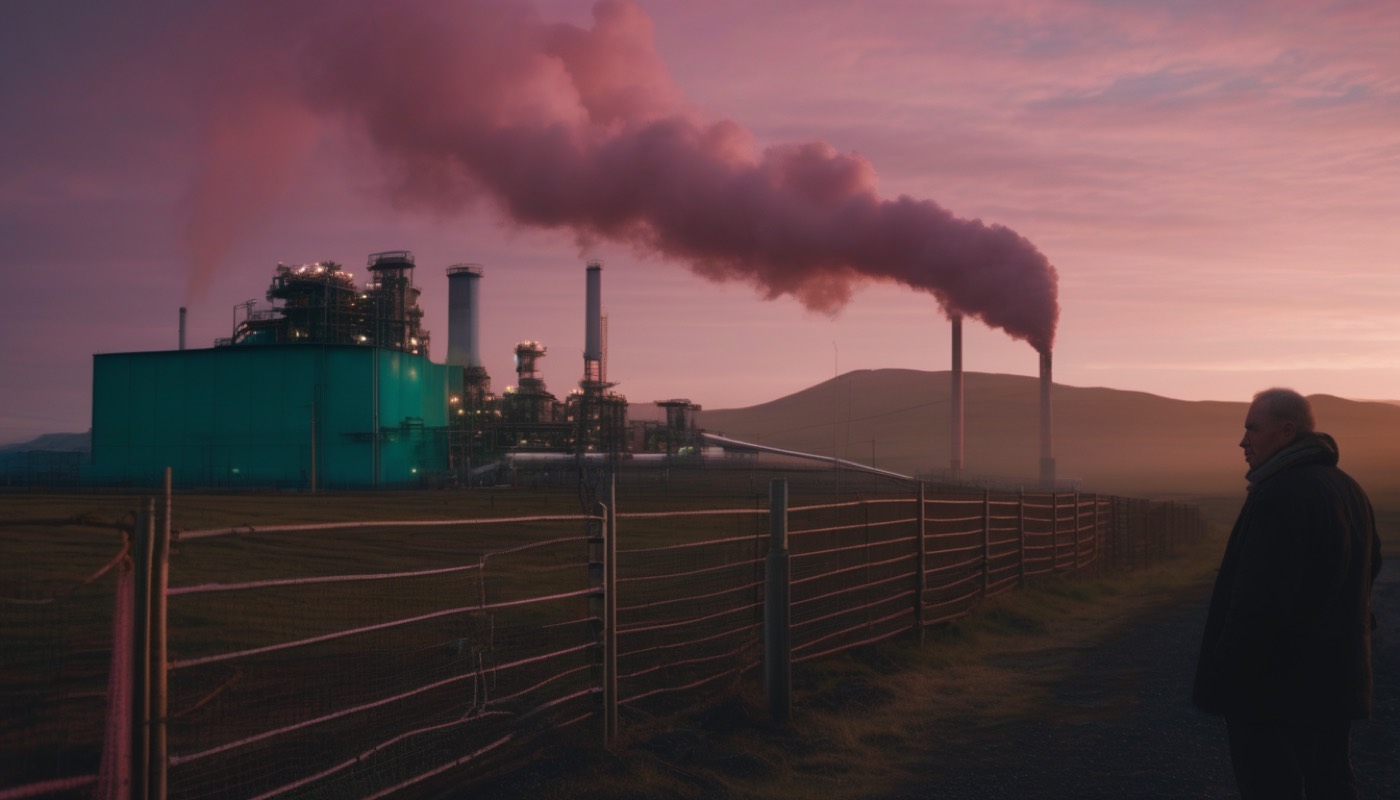
On the twenty-fourth of September, twenty twenty-six, a power plant in the Utah desert did something no plant had done before. It sent electricity to a grid from hot rock that engineers had prepared themselves.
This is Cape Station, still under construction. Its owner, Fervo Energy, says it is the first plant of its kind big enough to sell power to a grid. The kind is called enhanced geothermal. It means drilling into hot rock, cracking it open, and pumping water through the cracks to carry the heat up.
The first block is rated at thirty-three megawatts. A megawatt is a million watts. Three blocks make the first phase, about one hundred megawatts. A second phase adds four hundred more, due in twenty twenty-eight.
The technology is borrowed from the shale oil and gas industry, which is why people call it fracking technology. This video asks whether that borrowed toolkit can make the heat under our feet a large part of the power supply, or whether it stays a clever demonstration.
Fervo's chief executive, Tim Latimer, said: "This is a gamechanger for the geothermal industry." That is the company's own claim, made on the day. The rest of this video tests it.
Almost everything reported about Cape Station so far comes from Fervo itself, and this video says so where it matters.
Here is the route. First, why steady power matters, and how natural geothermal works. Then the failures, the shale toolkit, Fervo's wells, the limits and the money, and a verdict on whether this goes forwards or stays stuck.
2. Why Firm Power Matters
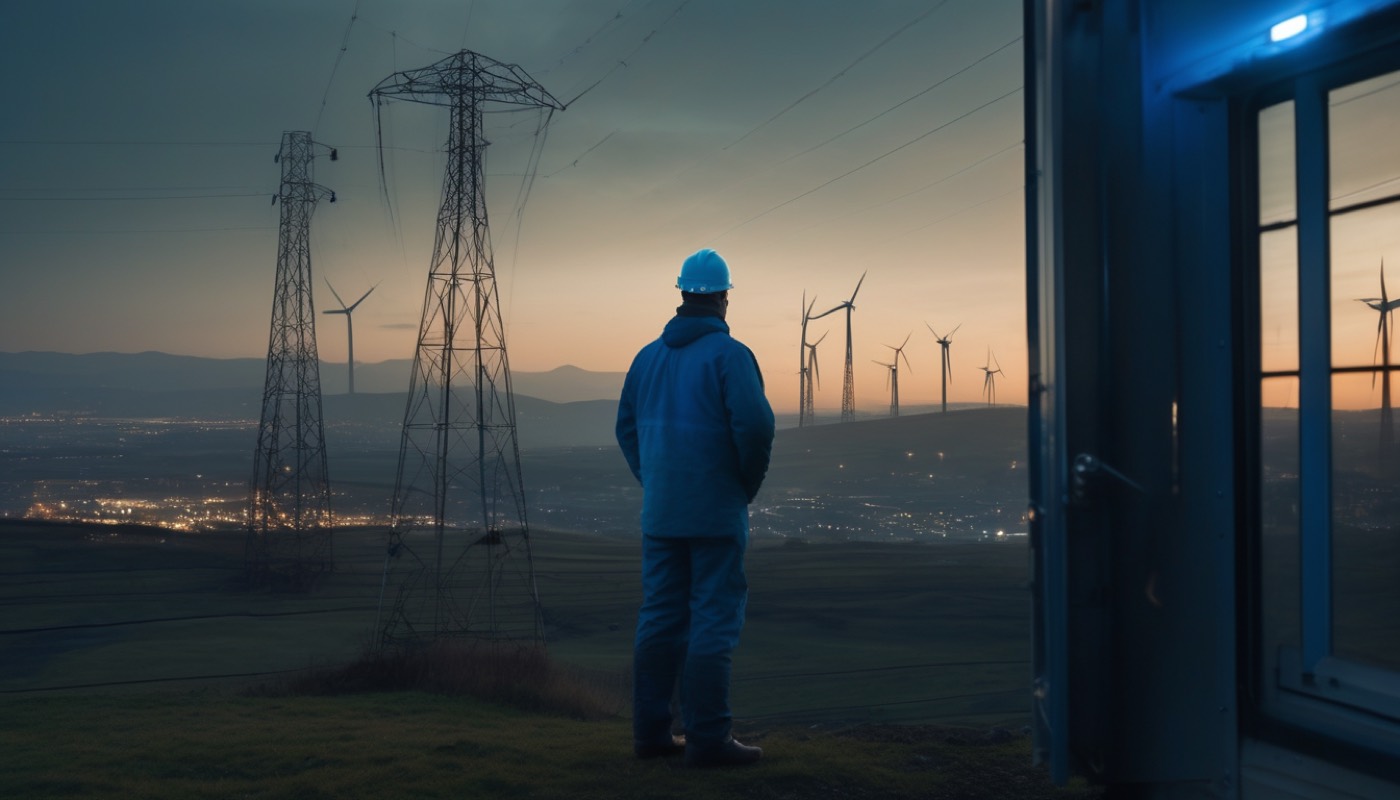
Most clean electricity comes and goes. Solar panels stop at night, and wind turbines slow when the air is still. A grid has to match supply to demand every second, so something must fill the gaps.
Engineers call power that can run at any hour firm power. Gas and coal are firm, but they burn fuel. Geothermal is firm without burning anything, because the heat under the ground does not switch off at night.
Demand for firm power is climbing. Data centres, the buildings full of computers that run artificial intelligence, need electricity all day and cannot pause when the wind drops.
In a report from March twenty twenty-four, the US Department of Energy set out how much new firm clean power the country may need. Between seven hundred and nine hundred gigawatts by twenty fifty. A gigawatt is a thousand megawatts, about the output of one large power station.
3. Natural Geothermal: Iceland and The Geysers
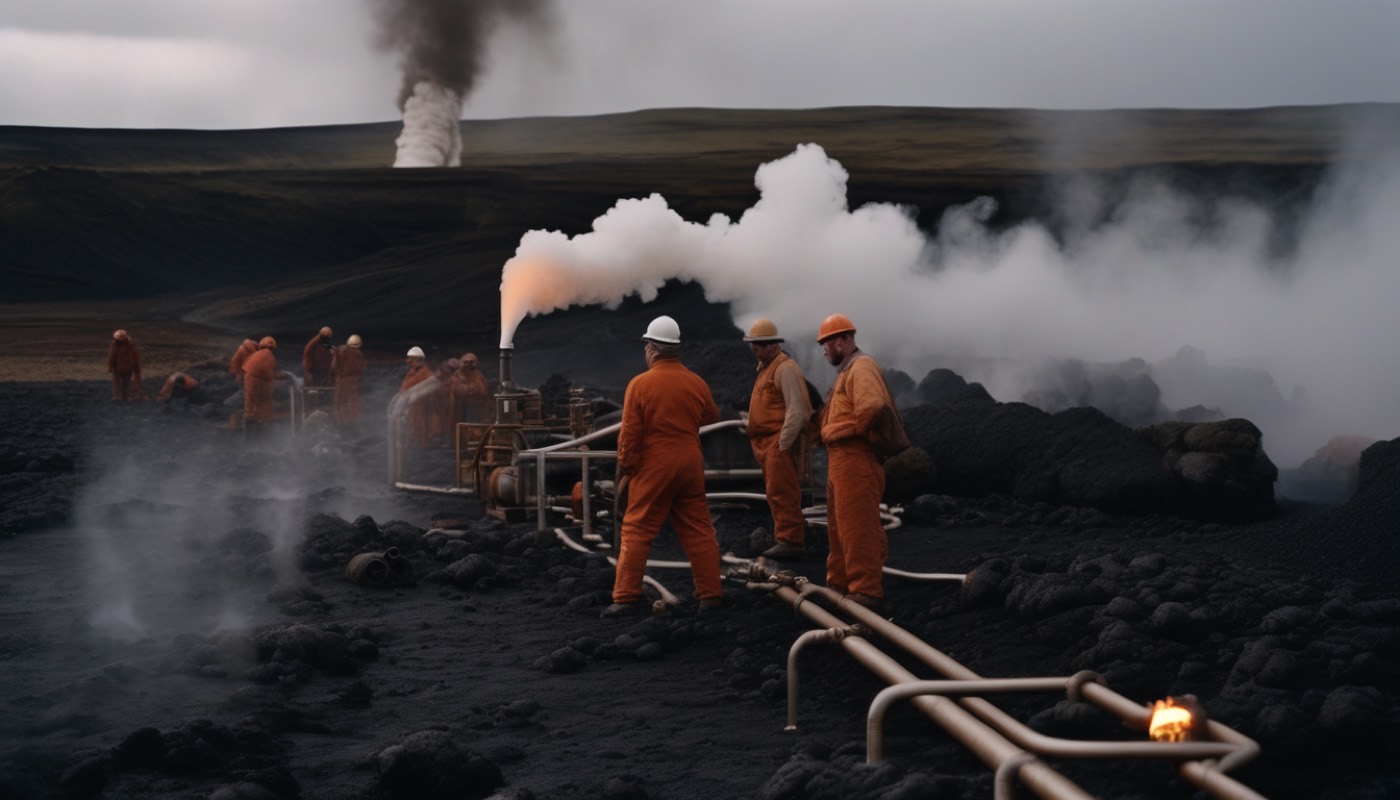
Geothermal power is older than most people think. For over a century it has used heat that the ground gives away for free, but only in a few special places.
Three places tell the story. Larderello in Italy, The Geysers in California, and Iceland. Each sits where the Earth's heat rises close to the surface.
Larderello, in Tuscany, is where it began. In nineteen oh four, Prince Piero Ginori Conti used natural steam from the ground to light five electric bulbs. It was the first electricity ever made from geothermal heat.
The idea then crossed the Atlantic.
The Geysers opened in nineteen sixty, with a plant of eleven megawatts. Today its rated capacity is one thousand five hundred and ninety megawatts. It taps steam that comes straight out of the ground, hot enough to spin a turbine.
This plant at The Geysers turns that steam into electricity. The steam spins a turbine. To keep the field going, treated waste water from nearby towns is pumped back down.
Iceland sits on a volcanic seam, so its heat is everywhere.
Iceland's National Energy Authority says geothermal supplies over sixty per cent of all the energy the country uses. Most of that is hot water for homes, and the rest is electricity.
This is the Nesjavellir power plant in Iceland. Its steam and hot water come from wells drilled into a volcanic area.
Every one of these plants needs three things in the same spot. Heat, water, and rock with cracks that let the water move. Where one is missing, there is no plant.
That is why the map of natural geothermal power is so short. The heat is everywhere below us, but the water and the cracks are not.
This rig drilled a well at The Geysers in the nineteen seventies. Drilling, not luck, is what could carry geothermal beyond places like this.
4. Hot Dry Rock: The 1970s Dream
If the heat is everywhere, why not build your own hot spot? In the nineteen seventies, scientists at the Los Alamos National Laboratory decided to try.
Their idea was called hot dry rock. Drill two wells into hot rock, and crack the rock between them. Then send cold water down one well and bring hot water up the other. The cracked rock does the job of the missing reservoir.
The test site was called Fenton Hill, in New Mexico. The team built two underground reservoirs there, between two point eight and three point five kilometres down. They drew three to ten megawatts of heat from them. That is thermal power, which means heat rather than electricity.
The project ran until nineteen ninety-five. It showed that heat could be reached, cracked open and circulated, and the small tremors it caused were too weak to notice at the surface. It did not show that this could be done cheaply, and no commercial plant followed at that site.
5. Setbacks: Basel and Pohang
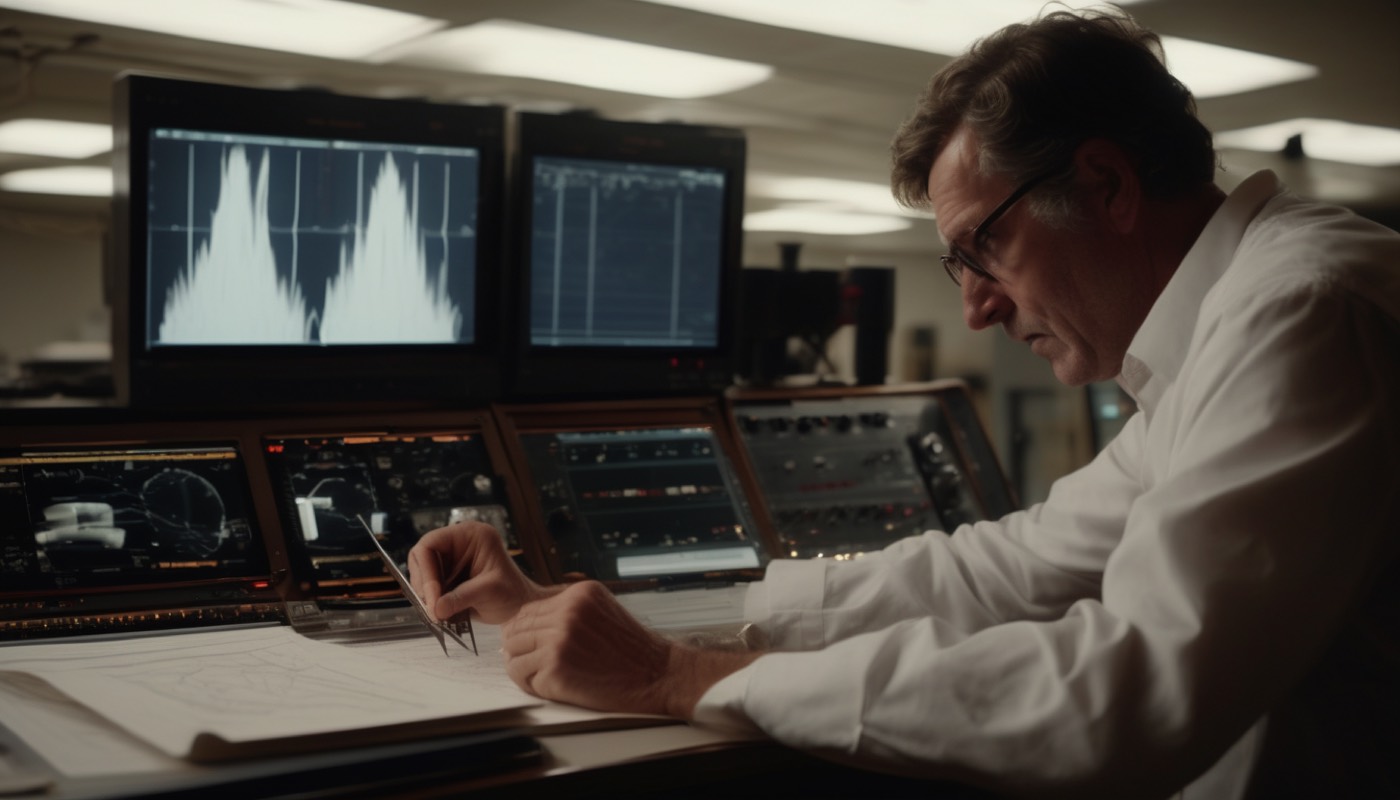
Cracking rock deep underground has a side effect: it can trigger earthquakes. Scientists call this induced seismicity, which just means earthquakes caused by human activity.
Two places show what can go wrong. Basel, in Switzerland, and Pohang, in South Korea. Both were enhanced geothermal projects that pumped water into hot rock under pressure.
In Basel, on the eighth of December, two thousand six, the injection set off a magnitude three point four earthquake. Crews stopped after six days, and the project was abandoned in two thousand nine. Then came Pohang. In November twenty seventeen, an earthquake there struck at magnitude five point five.
Magnitude is the scale for the size of an earthquake, and five point five is far stronger than three point four. Investigators later linked the Pohang quake to the project's water injection. It was one of the two strongest earthquakes in modern South Korean history.
After those two, the field had to face a hard question: could this be done safely at all? The answer that emerged was careful monitoring of every stage of injection, with a plan to stop when the ground answers back.
6. The Shale Playbook
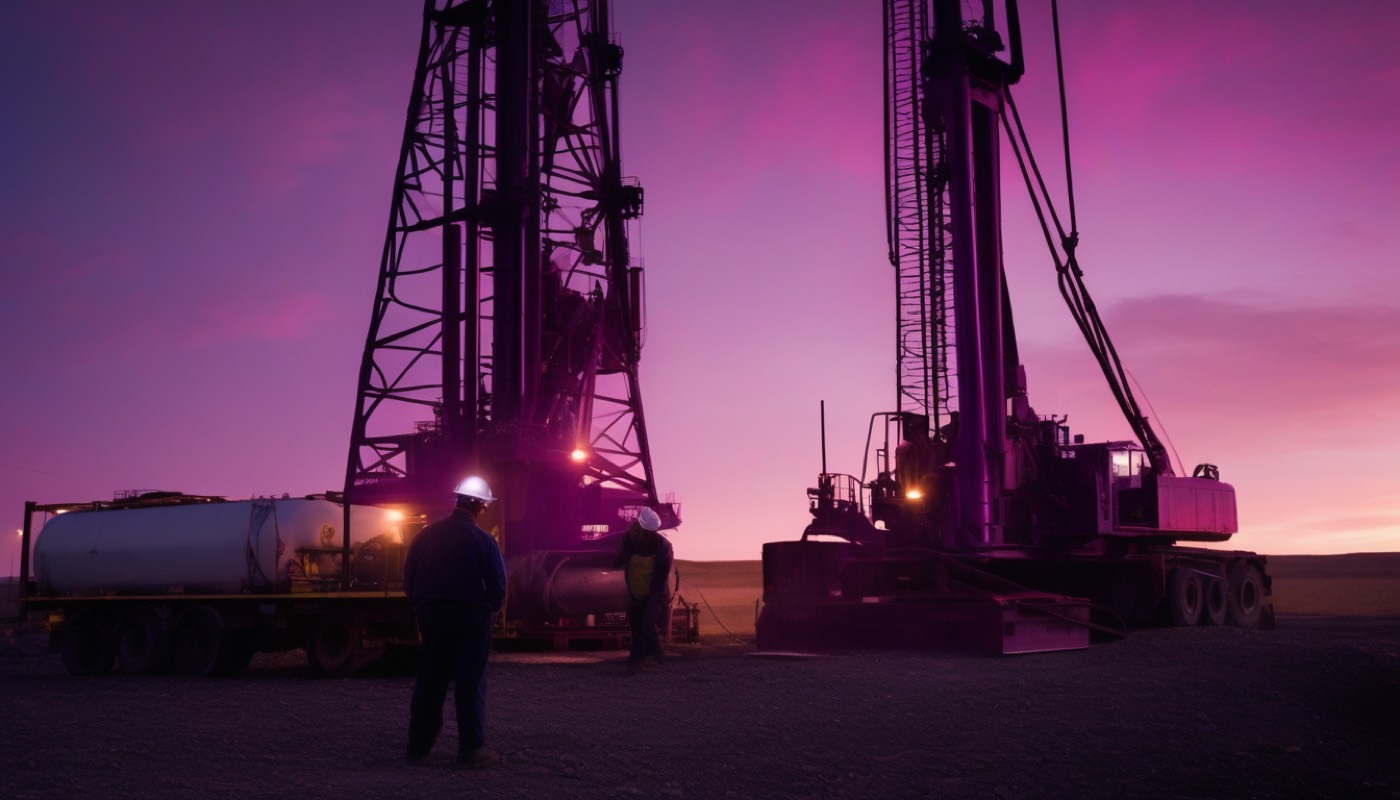
While geothermal struggled, the oil and gas industry learned two skills. One is drilling a well that turns and runs sideways. The other is cracking rock on purpose, in many small steps.
A horizontal well goes down, then turns and runs sideways through the rock. Crews pump water in at high pressure, one short section at a time. This is hydraulic fracturing, the technique called fracking. More cracks along a long sideways leg means more hot rock touched.
This is a polycrystalline diamond compact bit, or PDC bit. Its cutters are made of synthetic diamond, so it can shear through hard rock. Fervo says it uses PDC bits from shale basins to cut through granite.
Deep hot rock is hard on drilling tools. Fervo says it uses mud coolers, machines that chill the drilling fluid, to counter the heat. It also drills with rigs from the oil driller Helmerich and Payne.
None of these tools was invented for geothermal. Their value is that they already existed, with rigs, crews and suppliers ready.
7. Fervo: Project Red to Cape Station
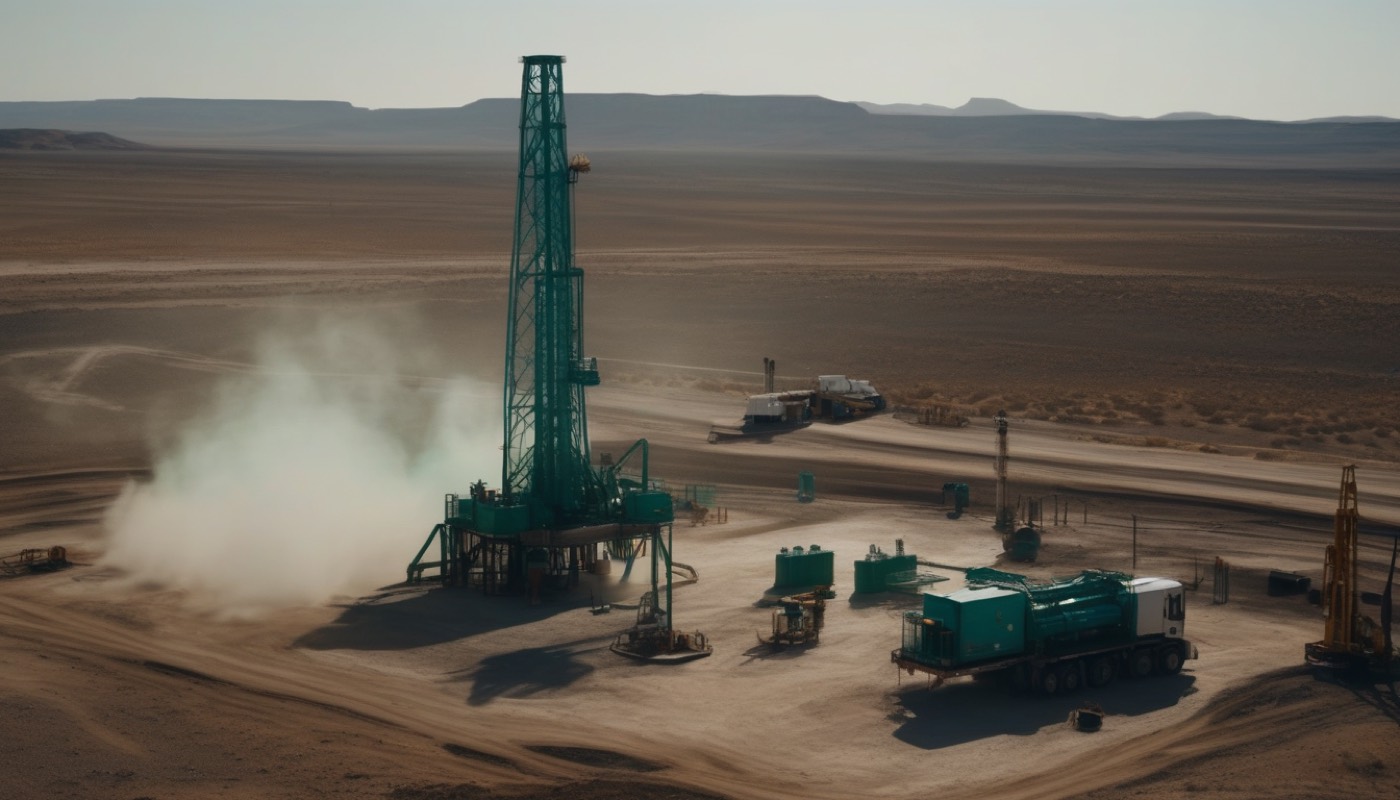
Fervo took that playbook into the desert.
Three sites matter. Project Red in Nevada, and Utah FORGE and Cape Station, both in Utah. FORGE is a test site funded by the US Department of Energy.
In twenty twenty-two, Fervo drilled its first horizontal well at Project Red. In July twenty twenty-three, a thirty-day test there produced three point five megawatts. In twenty twenty-four came the Cape Station drilling results, and the FORGE tests.
At Utah FORGE, scientists cracked two wells in April twenty twenty-four and circulated water between them. About seventy per cent came back, at around one hundred and thirty-nine degrees Celsius. The biggest tremor was magnitude one point nine, too small to feel.
At Cape Station, Fervo reported that drilling cost fell from nine point four million dollars to four point eight million dollars per well, across its first four horizontal wells. The fastest Cape well took twenty-one days. Fervo says that is seventy per cent faster than its first horizontal well at Project Red.
8. Inside a GeoBlock
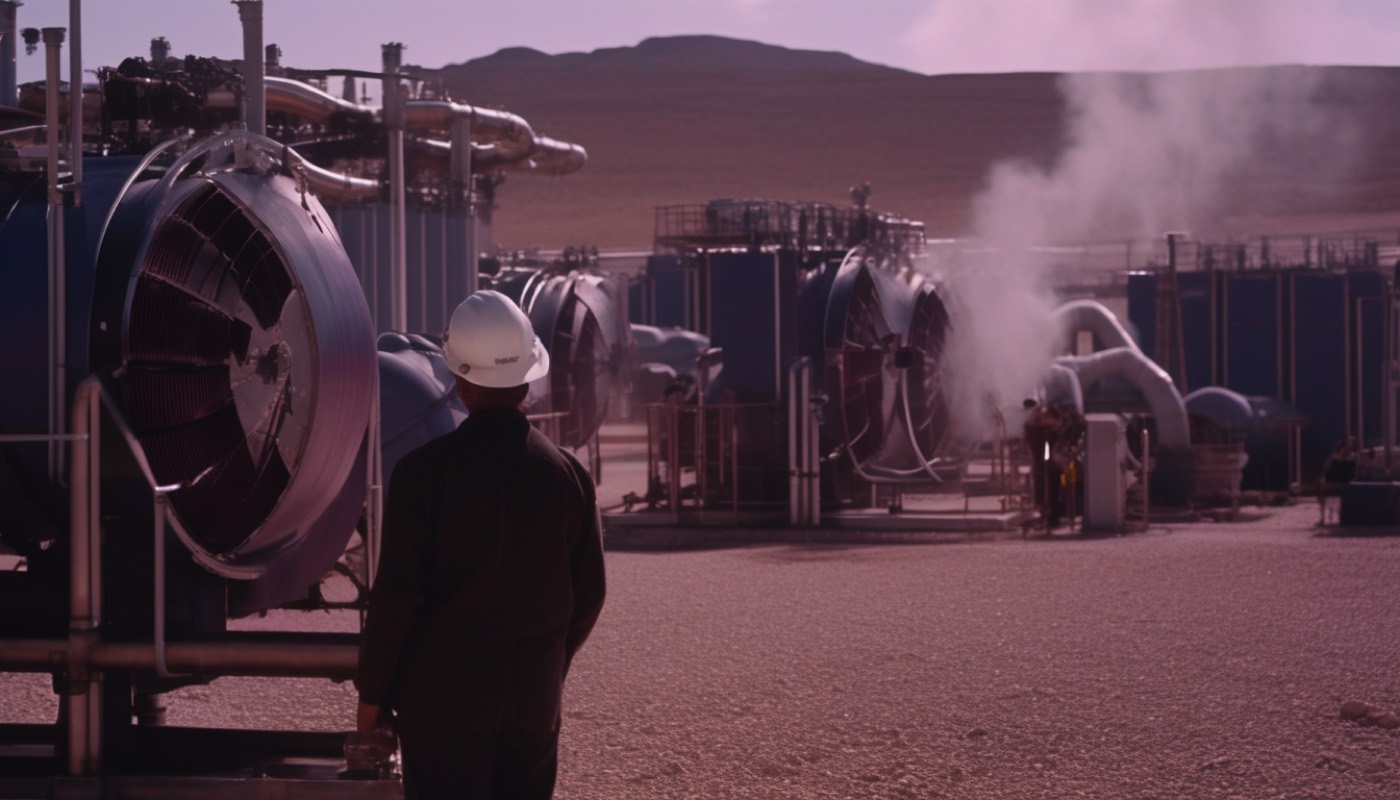
Now to the machine itself. Fervo builds its plant in repeatable units called GeoBlocks, each a set of wells and surface equipment. Building the same unit again and again is the factory idea from shale, applied to heat.
Water goes down one well into the cracked hot rock. It picks up heat and comes back up a second well. At the surface, that hot water warms a second fluid that boils at a low temperature, and the vapour spins a turbine. Fans then cool the water, and it goes back down in a closed loop.
Cooling by fans, rather than by evaporating water, saves water. Fervo says its future projects will use fans only, and will use brackish or degraded water, not fresh water. That is Fervo's own statement, and it matters in a desert.
Phase one is three blocks of thirty-three megawatts. Phase two is planned as eight blocks of fifty megawatts each. Fervo expects phase two to cost about fifty-five hundred dollars for each kilowatt of capacity. A kilowatt is a thousand watts.
9. The Limits
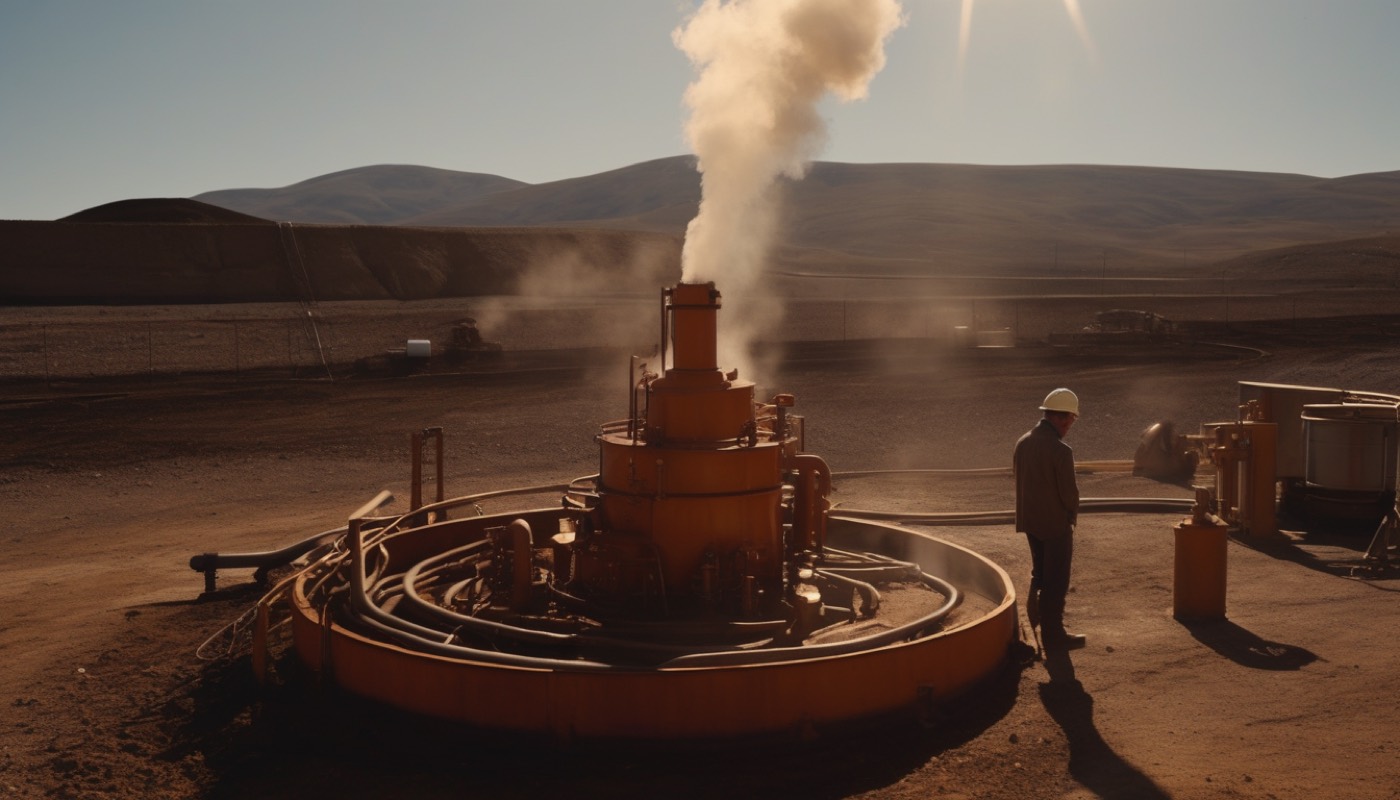
None of this makes geothermal easy. Six limits stand in the way.
Drilling is still the biggest cost, and the rock must be hot enough, which usually means going deep. Water has to be found and managed. Earthquakes must be monitored, and permits take time. And the best heat is concentrated in a few regions.
Worldwide, geothermal power capacity was sixteen gigawatts at the end of twenty twenty-five, according to the International Renewable Energy Agency. It grew by only zero point three gigawatts that year. That is the scale the new plants must change.
On earthquakes, the FORGE tests stayed well below the size people feel. On water, Fervo says it uses none that is fresh. Both statements come from the people who run the sites, so they need independent checking as plants multiply.
10. Who Is Paying: AI and Utilities

Geothermal once struggled to find a buyer willing to pay for the risk. Now the buyers are queueing, and many of them run data centres.
This is a data centre, a building full of computers, with cooling towers on its roof. Google is a major customer of Fervo. Its need for round-the-clock power is why the deals are being signed.
On the first of September, Google signed to buy three hundred and ninety-six megawatts from Cape Station. Fervo calls it the largest enhanced geothermal power purchase agreement so far. Google also holds an option on about six hundred more megawatts.
In June twenty twenty-four, Google and the Nevada utility NV Energy agreed to buy one hundred and fifteen megawatts. In May twenty twenty-six, Fervo listed on the Nasdaq, an initial public offering that raised about two point two billion dollars. The Google option would take the total close to a gigawatt by twenty thirty.
Fervo says its buyers also include other utilities and industrial customers. Customers who need steady power will pay for it, and that money is what funds the drilling.
11. Superhot Rock and What Comes Next
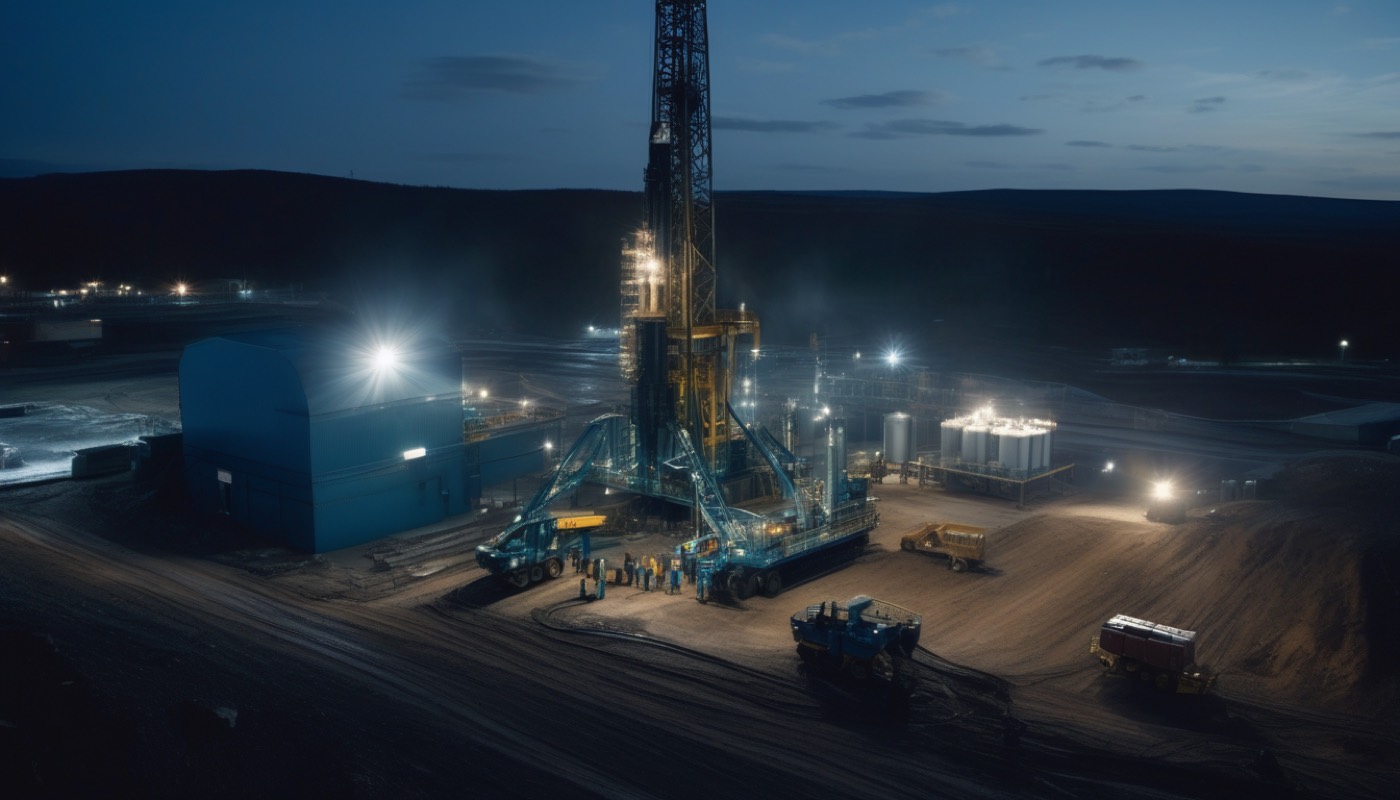
Cape Station works in rock at about four hundred and sixty degrees Fahrenheit. Rivals want to go far hotter, or to drill in a different way.
Sage Geosystems wants to reach depths beyond ten kilometres, where the rock is hotter than three hundred degrees Celsius. Quaise Energy plans to drill with millimetre-wave beams that vaporise rock. Eavor circulates fluid through a sealed loop of pipes, so no water is taken from the rock.
Two of the rivals are already building. Eavor's plant is at Geretsried, in Germany. Quaise plans its plant near Newberry Volcano, in Oregon.
Eavor's plant at Geretsried, in Germany, sent power to the grid in December twenty twenty-five. It is rated at eight point two megawatts of electricity and sixty-four megawatts of heat. Fervo opens the rock, while Eavor seals the pipe.
The dates matter. Quaise hopes to have a fifty-megawatt plant running in Oregon by twenty thirty. The Department of Energy's cost goal is forty-five dollars a megawatt-hour by twenty thirty-five. A megawatt-hour is the unit power is sold in, and the big target date is twenty fifty.
The Department of Energy's roadmap says next-generation geothermal could reach ninety gigawatts. That is about twenty times what the United States has today. With storage and other new technology, it could reach up to three hundred gigawatts.
12. Major Source or Niche?
So is geothermal a major source of power, or a niche? The honest answer depends on cost, not on physics.
Cape Station's first phase is about one hundred megawatts. The world's geothermal fleet is sixteen gigawatts. So the plant that made the news is small next to what exists, and tiny next to the demand.
Three dates are worth watching. The first block is due at commercial operation by the first of October, twenty twenty-six. The other two follow by the first of January, twenty twenty-seven. And the four-hundred-megawatt second phase is due in twenty twenty-eight.
This video's verdict is forwards, with a limit. A made-to-order underground reservoir has now delivered power, which is new. But ninety gigawatts would meet only part of the firm power the United States may need, and the cost of the second phase is still a promise.
The test is simple. If the tenth plant costs clearly less than the first, geothermal can grow into a major source. If it does not, it stays a useful niche, and the heat under our feet stays mostly there.
Sources and credits
Primary sources
- Fervo Energy, 'Fervo Energy Achieves First Power at Cape Station', 24 Sep 2026 (GlobeNewswire and fervoenergy.com) - first power, 33 MW GeoBlock, ~100 MW Phase I, 400 MW Phase II 2028, ~900 MW contracted, CEO quote..
- Fervo Energy and Google, 'Fervo Energy and Google Sign 396 MW PPA', 1 Sep 2026 - 396 MW, ~600 MW option, nearly 1 GW by June 2030, 115 MW Nevada deal (June 2024)..
- Fervo Energy, 'Fervo Energy Announces Pricing of its Upsized Initial Public Offering', 12 May 2026, and 'Fervo Energy Reports Second Quarter 2026 Results' - Nasdaq FRVO; ~$2.2 billion gross proceeds; Phase I and II block sizes; $5,500 per kW; Sawtooth 7..
- Fervo Energy, 'Drilling Results Show Rapid Advancement of Geothermal Performance', 2024 - $9.4M to $4.8M per well, 21 days, 70 per cent faster than Project Red 2022, PDC bits, mud coolers..
- Fervo Energy, 'Technology Breakthrough in Next-Generation Geothermal', 18 Jul 2023 - Project Red 30-day test, 3.5 MW..
- Utah FORGE / University of Utah, 'Utah FORGE Successfully Completes Stimulation and Circulation Tests', 23 May 2024 - ~70% recovery, ~139 C, max induced magnitude 1.9..
- US DOE, 'Pathways to Commercial Liftoff: Next-Generation Geothermal Power', March 2024, via American Public Power Association, 20 Mar 2024 - 90 GW by 2050, up to 300 GW, 700-900 GW clean firm need, $45/MWh 2035 goal.
- IRENA, Renewable Capacity Statistics / Highlights 2026 - 16 GW geothermal at end of 2025, +0.3 GW in 2025.
- Los Alamos National Laboratory / OSTI, 'Lessons learned from the pioneering hot dry rock project at Fenton Hill, USA', Geothermics - reservoirs at 2.8-3.5 km, 3-10 MWt, project to 1995.
- Swiss Seismological Service and Geothermics papers on Basel (mL 3.4, 8 Dec 2006, abandoned Dec 2009); Korean Government Commission (2019) and Science (2019) on Pohang Mw 5.5, 15 Nov 2017.
- MIT News, 'Geothermal energy turns red hot', 15 Apr 2026; CleanTechnica, 'Closed Loop Geothermal Moves Forward In Germany', 1 Apr 2026; Canary Media on Quaise (Project Obsidian, Oregon).
Not regulated financial advice.