
Grid Batteries: Can Storage Save the Power Grid?
Electricity has no shelf. Every unit used this second had to be made this second, somewhere on the same grid — and a grid running increasingly on wind and solar needs somewhere to park power for seconds, hours or days, because the wind and the sun do not take orders from demand.
It does not look away from the January 2025 fire that destroyed most of the Moss Landing plant in California, once the largest battery storage system in the world. And it explains why almost every battery built so far only lasts four hours, and what Form Energy, Xcel Energy and Google are building in rural Minnesota instead: a 300 MW, 30 GWh iron-air battery able to discharge for up to 100 hours.
It closes on new strain arriving from an unrelated direction — AI data-centre demand, rising fast enough on its own to test a grid already mid-transition — and asks the question in its own title plainly: is grid storage letting renewables finally run the grid forwards, or is the grid still one still, cloudy week away from being pushed back onto fossil backup.
Educational documentary. Not financial or investment advice.
In these topics
Chapters
- The grid has no shelf
- Before batteries: a century of pumped hydro
- 2017, South Australia: the Tesla big battery
- Inside a battery container
- Why storage makes renewables usable
- The US build-out: Texas, California and the 52 GW milestone
- China and the global race
- When it goes wrong: the Moss Landing fire
- Four hours is not enough: the long-duration problem
- Google's 100-hour bet in Minnesota
- The new strain: AI data centres
- Forwards or backwards?
Video notes
1. The grid has no shelf
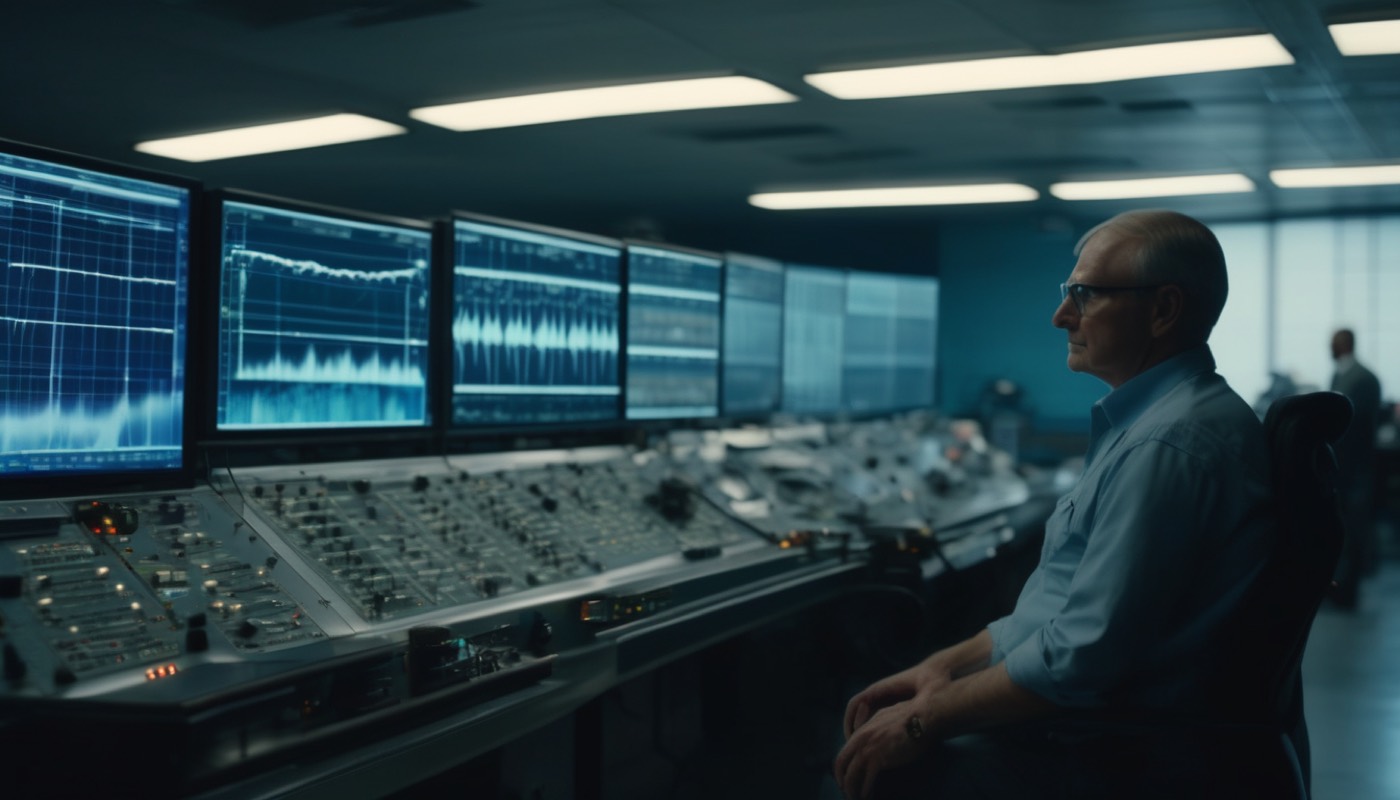
An electric grid has no warehouse. Every unit of power used this second had to be made this second, somewhere on the same network, because the grid itself stores almost nothing.
For a century that was fine, because the plants making the power — coal, gas, nuclear, hydro with a dam behind it — could be told to make more or less, more or less on demand. Wind and solar cannot be told that. The wind drops when it drops. The sun sets when it sets. Neither one waits for the grid to ask.
So a grid leaning on wind and solar needs somewhere to put power the instant it is made but not yet needed, and somewhere to pull power from the instant it is needed but not being made. That parking space has to work across three very different timescales at once: seconds, to smooth out a sudden gust or a cloud crossing the sun; hours, to carry the evening peak after sunset; and, on a bad week, days.
This video is about the machines built to be that parking space — mostly batteries, the size of shipping containers, parked in rows next to solar farms and substations. It follows them from a single battery in South Australia to a build-out now adding gigawatts a year, and it asks the question in the title plainly: is storage actually letting the grid run forwards on wind and solar, or is it one still, cloudy week away from being pushed back onto fossil fuel.
2. Before batteries: a century of pumped hydro
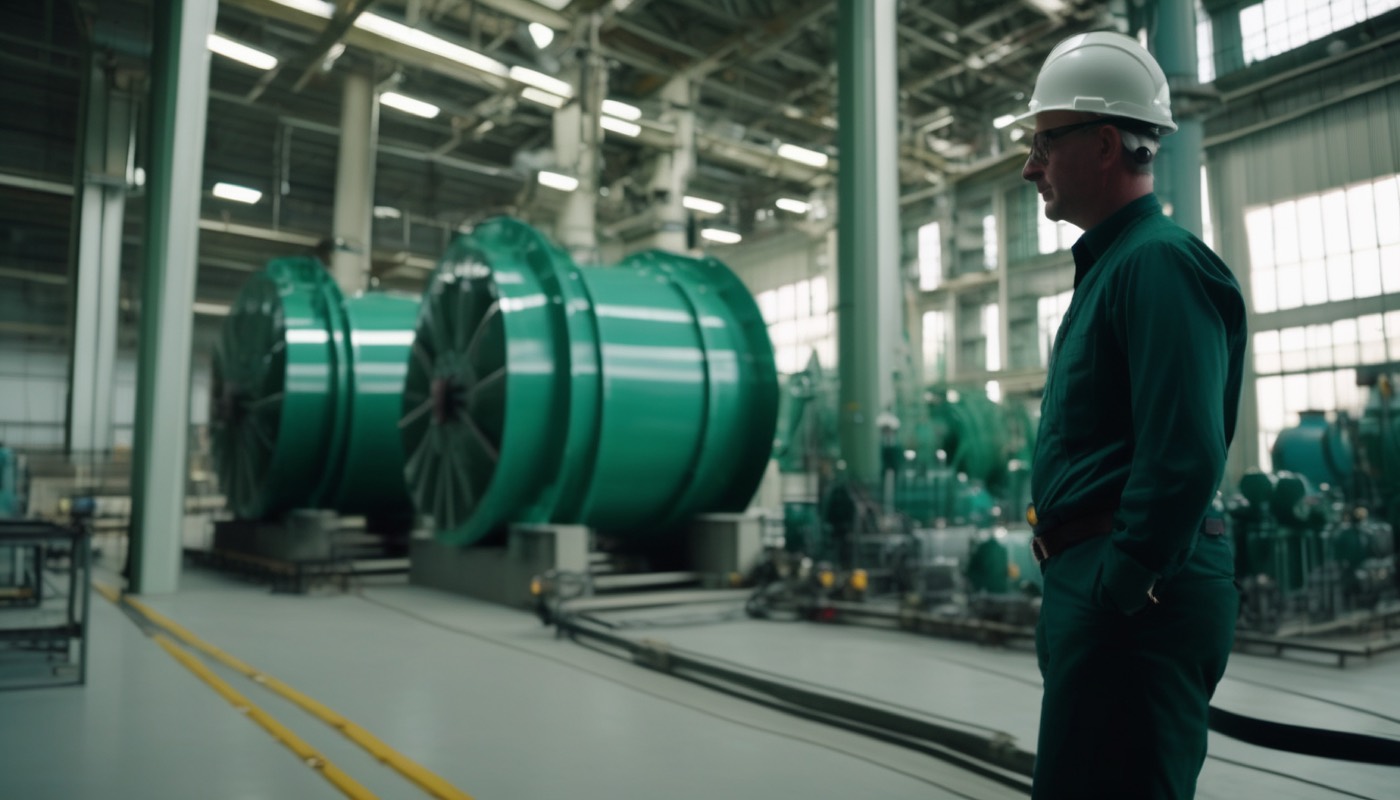
Long before anyone built a grid-scale battery, engineers solved the same problem with water.
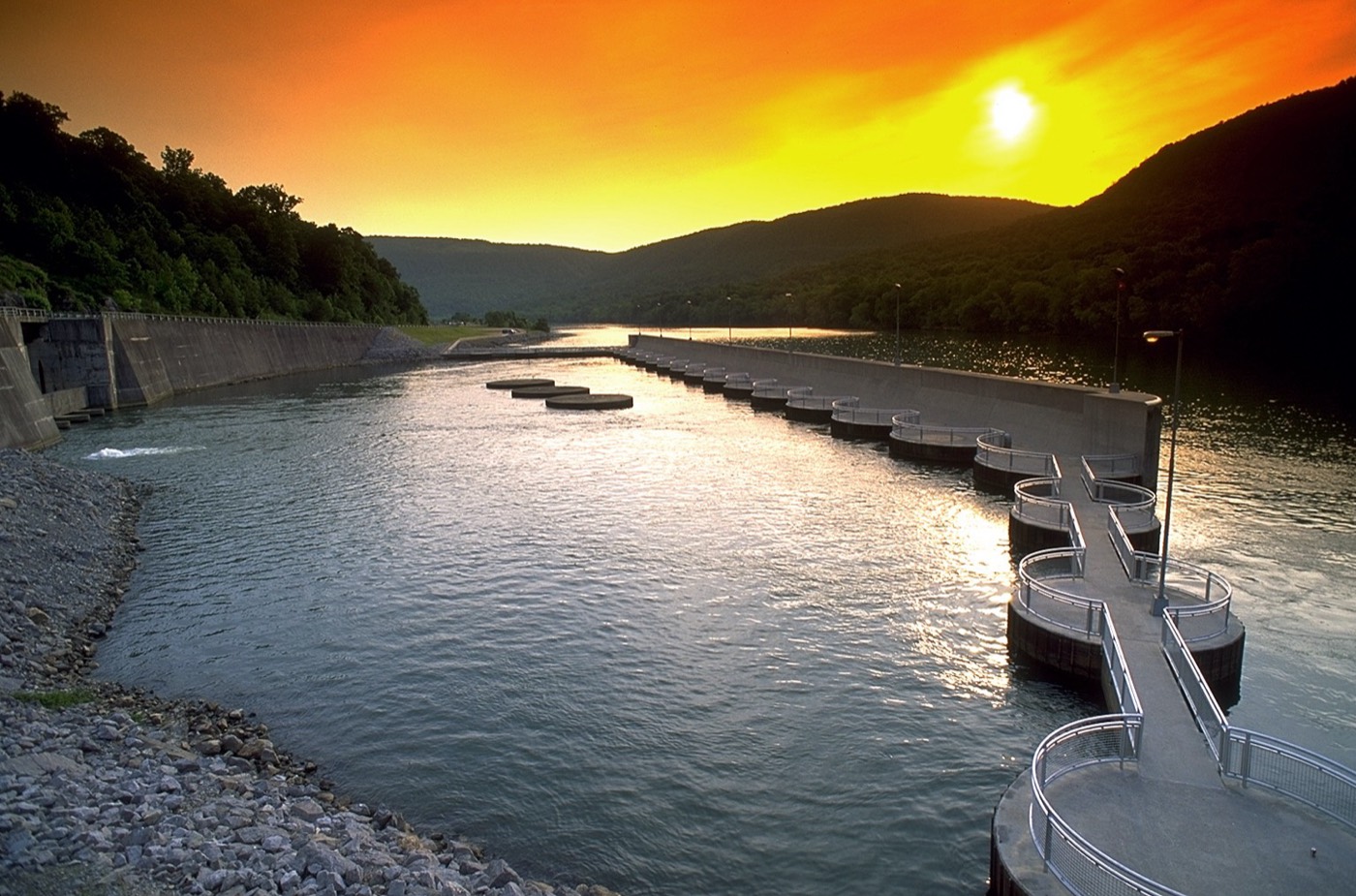
Pumped-storage hydropower works like a battery made of two lakes. At night, when demand is low and power is cheap, pumps push water from a lower reservoir up to a higher one. At peak demand, that water is released back downhill through turbines, generating power on the way. The energy is never created or destroyed — it is simply stored as height, then recovered as electricity when the grid needs it most.
For a hundred years this was the only large-scale way to store electricity at all, and it still is the biggest. Pumped hydro remains the world's dominant form of large-scale energy storage.
Global pumped-storage capacity passed two hundred gigawatts for the first time in 2025. The International Hydropower Association nicknamed it the year of the water battery. A further two hundred and forty-three gigawatts is under construction worldwide right now.
Plants like Raccoon Mountain in Tennessee, built into a mountain beside the Tennessee River, have been running this way since the nineteen seventies. The shape never changes: two reservoirs, a tunnel, and a reversible turbine in between.
Pumped hydro's limit is not how it works. It is where it can be built — a tall hill next to a reliable source of water, close enough to where the power is needed. Most of the good sites were taken decades ago. That is the gap batteries were built to fill.
3. 2017, South Australia: the Tesla big battery
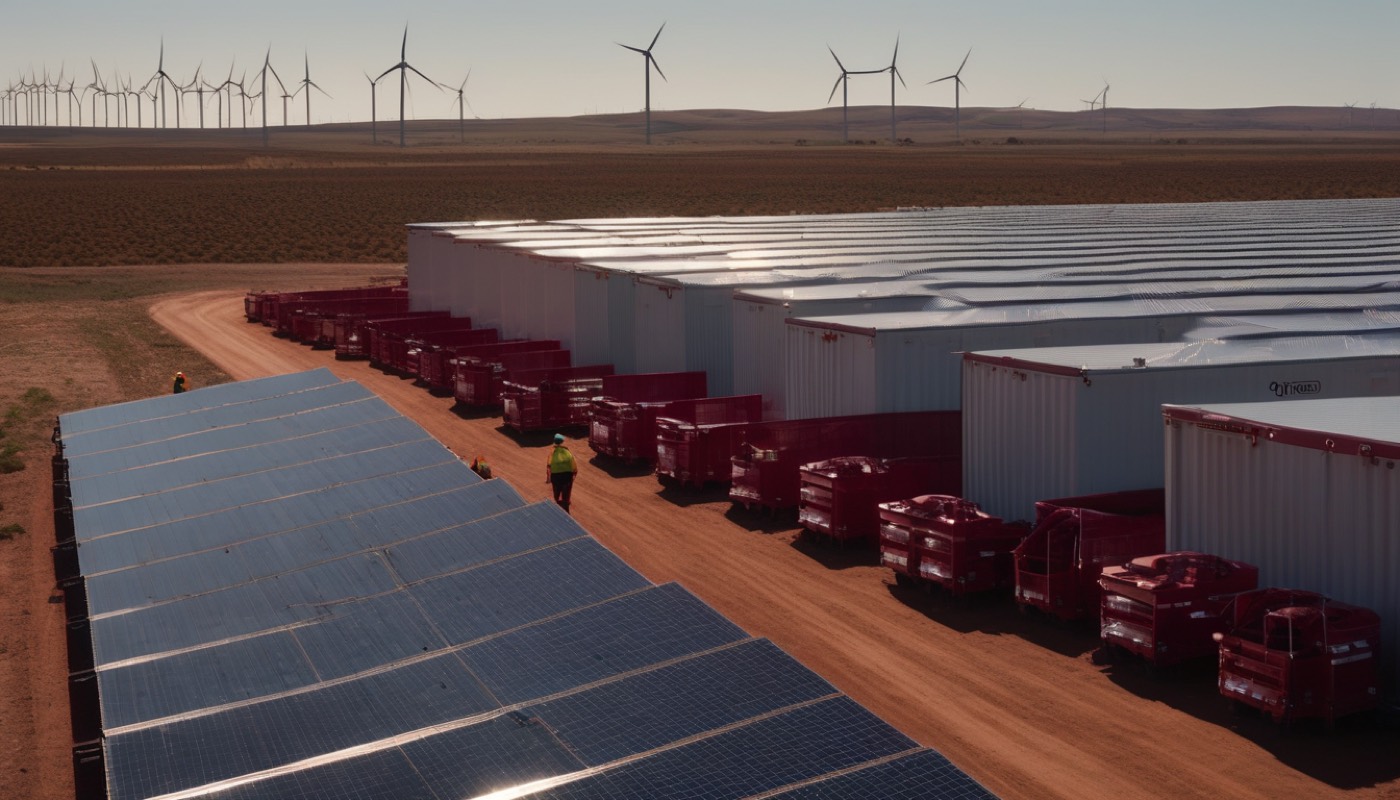
In September 2016, a storm knocked out transmission lines across South Australia and the entire state lost power at once. The blackout became a national argument about whether wind and solar could ever be trusted to keep the lights on.
Into that argument stepped Elon Musk, on Twitter, in March 2017. "Tesla will get the system installed and working 100 days from contract signature or it is free." The South Australian government took the bet. Tesla and the French developer Neoen built what became known as the Hornsdale Power Reserve, a lithium-ion battery the size of a warehouse, on time.
Hornsdale was commissioned on the first of December 2017, rated at 100 megawatts and 129 megawatt-hours. It was expanded in 2020 to 150 megawatts and 194 megawatt-hours. Within its first year it was already doing something pumped hydro mostly is not built to do well: correcting the grid's frequency within fractions of a second, far faster than any spinning turbine could react.
That single battery became the proof the industry needed. If lithium-ion could do grid-scale frequency response reliably, in a real blackout-prone grid, the technology was ready to be built everywhere else too. The build-out that followed is most of the rest of this video.
4. Inside a battery container
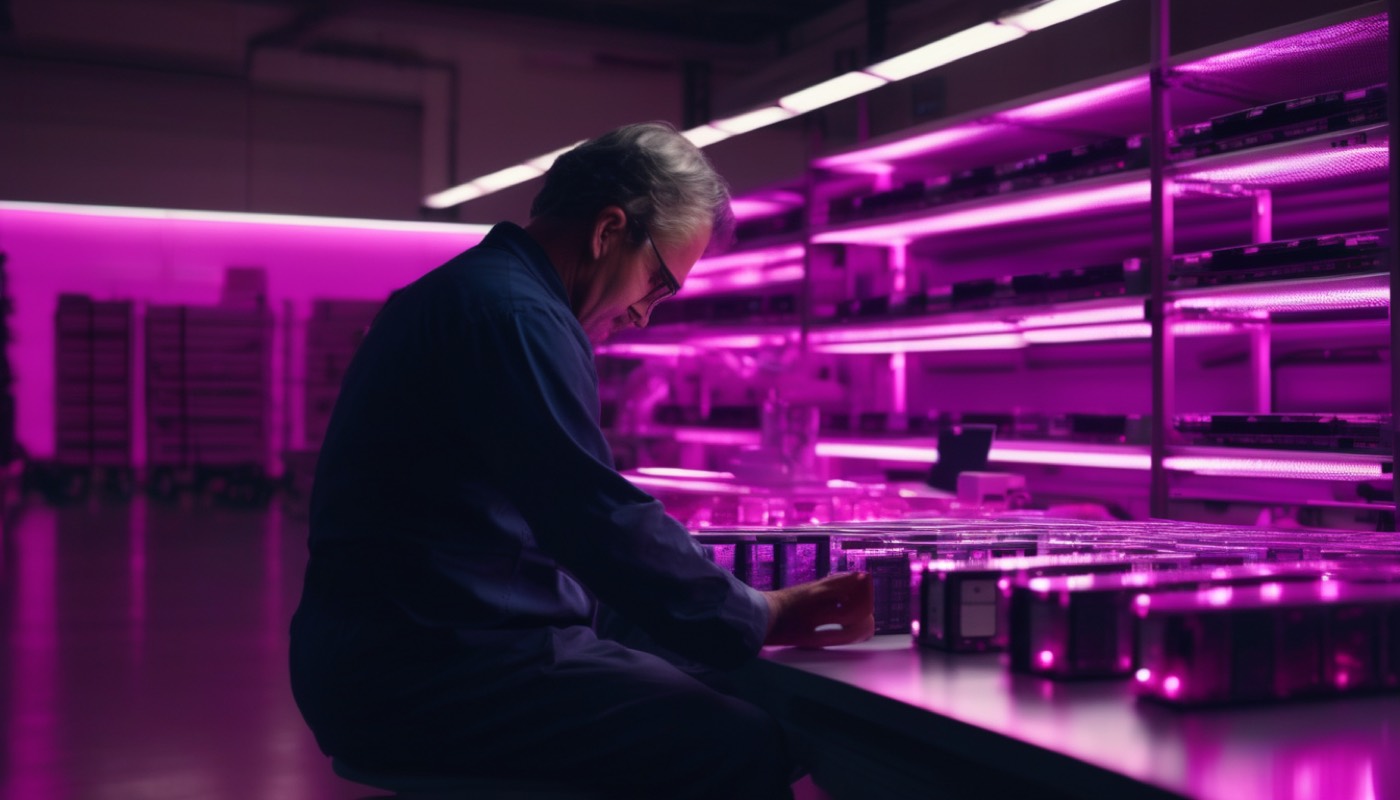
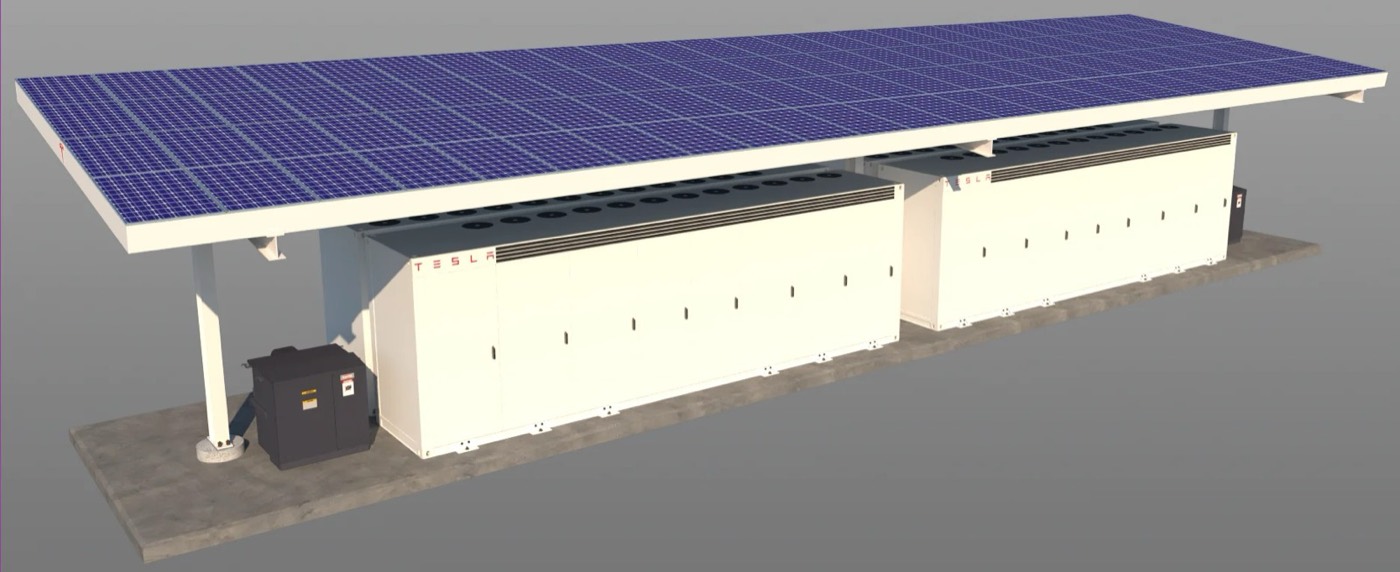
Open one of those containers lined up next to a solar farm and there is no single, dramatic battery inside. There are thousands of them.
A modern lithium-ion battery energy storage system — BESS, in the industry's own shorthand, meaning simply a battery large enough to serve the grid rather than a building — packs thousands of individual battery cells into racks, wired together in the same steel shipping-container shell that moves everything else in global trade. Power electronics called inverters sit alongside the racks, converting the battery's direct current into the alternating current the grid actually runs on, and back again when the battery is charging.
Heat is the enemy of a lithium-ion cell, so every container also carries a cooling system — pumped liquid or forced air — running constantly to hold the cells inside a narrow, safe temperature band, plus a fire-suppression system built specifically for a battery fire, which behaves differently from a fire in anything else nearby.
Manufacturers sell the whole thing as one pre-engineered unit, most famously Tesla's Megapack and its smaller sibling the Powerpack: order one, truck it to site, bolt it down, plug it in. That is why a modern project adds capacity by the row rather than by the building — a developer buys containers the way a data centre buys server racks, identical units multiplied until the site reaches the size it needs.
5. Why storage makes renewables usable
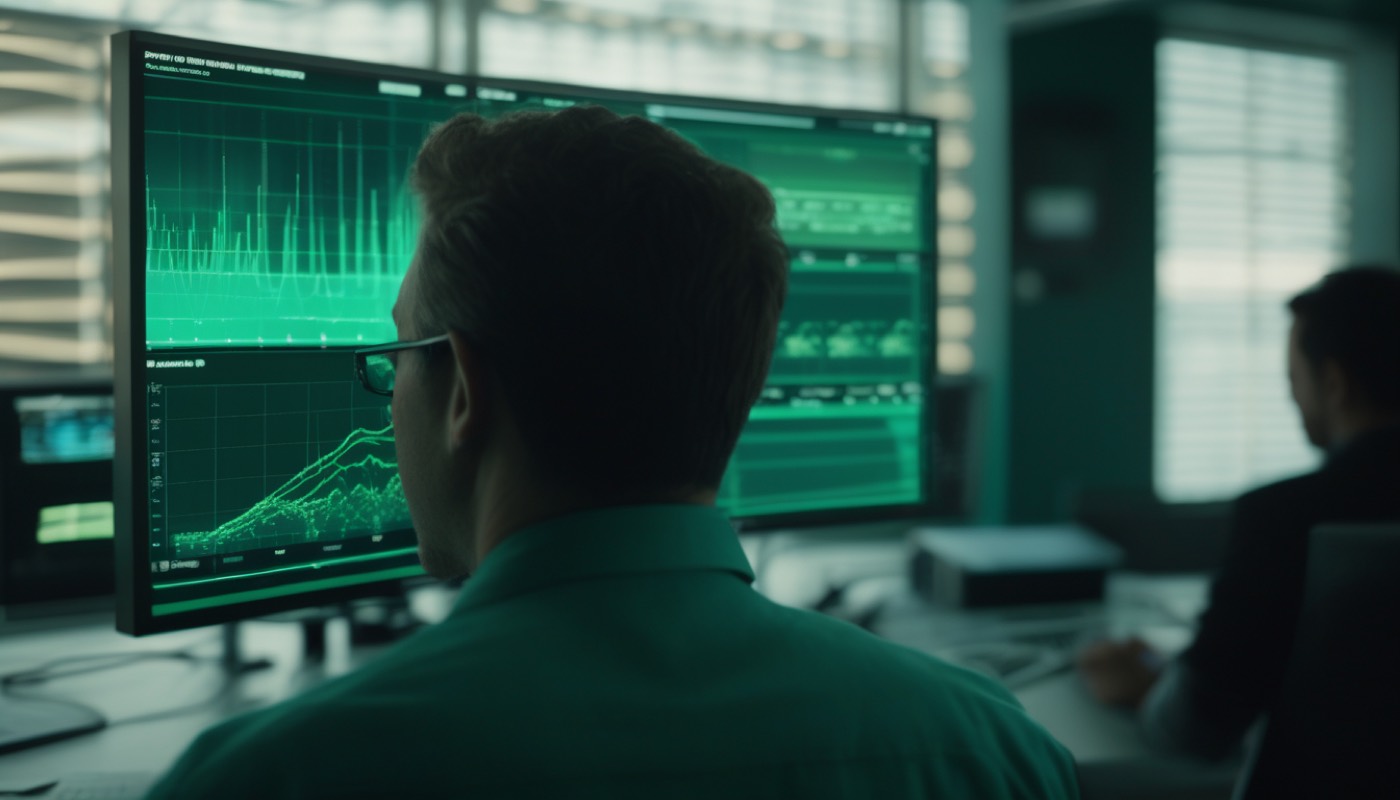
Solar power follows the sun, and the sun does not follow the grid's demand.
Grid operators call the resulting shape the duck curve: demand minus solar generation, plotted across a day. Through the late morning and early afternoon, solar floods the grid and the curve sinks low — sometimes even negative, meaning there is more solar than the grid wants at that moment. Then, as the sun sets and solar drops away just as people get home and switch things on, the curve rockets upward in under two hours. That steep neck is the hardest part of the day for any grid to manage.
Batteries are what turned that shape from a problem into a business. A battery charges in the cheap, solar-flooded middle of the day and discharges into the expensive evening peak, pocketing the difference between the two prices. On many grids that cycle now repeats more than once in a single day, as prices swing up and down with the weather and the clock.
That single piece of arbitrage — buy power low, sell it high, store the gap between the two in a battery — is the economic engine behind almost every project the rest of this video describes.
6. The US build-out: Texas, California and the 52 GW milestone
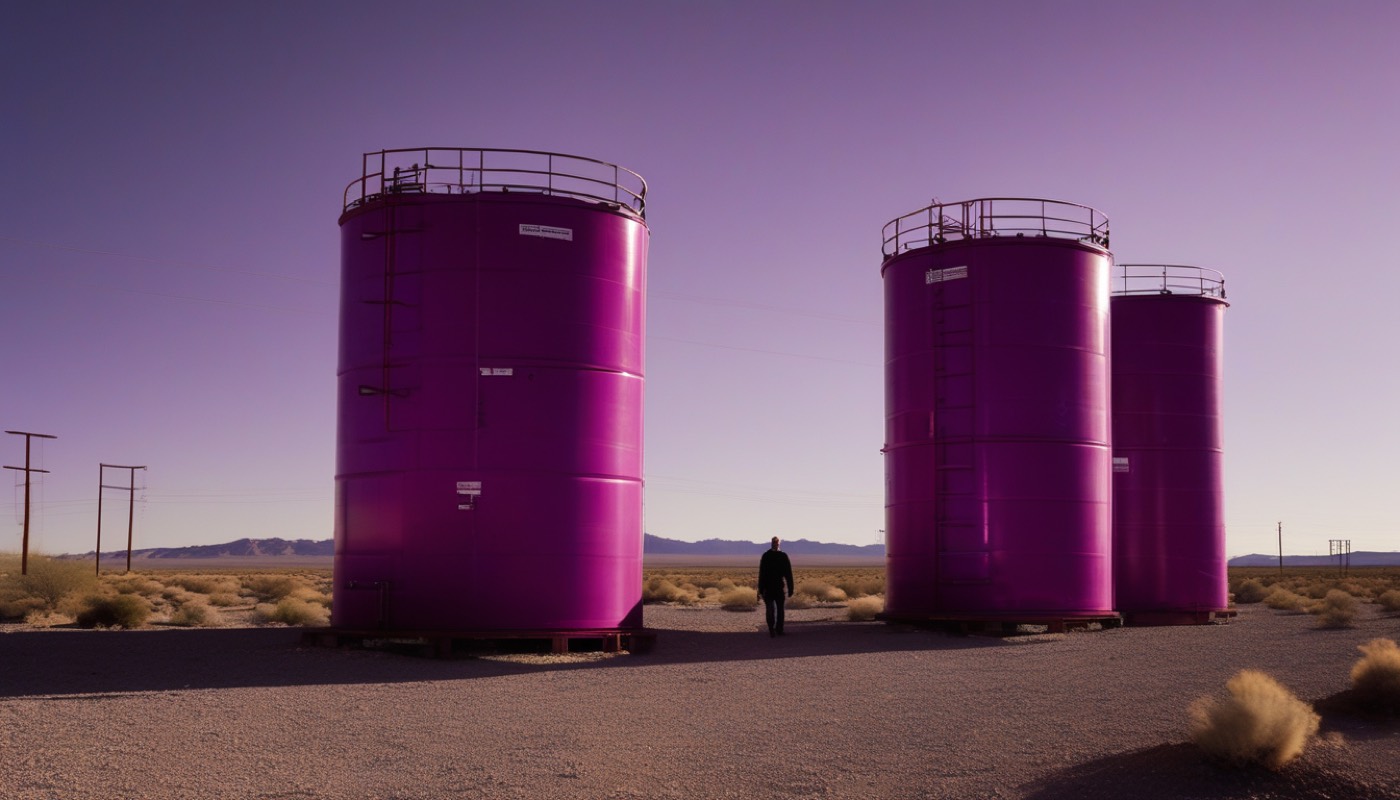
Nowhere has that economic engine run harder than the United States.
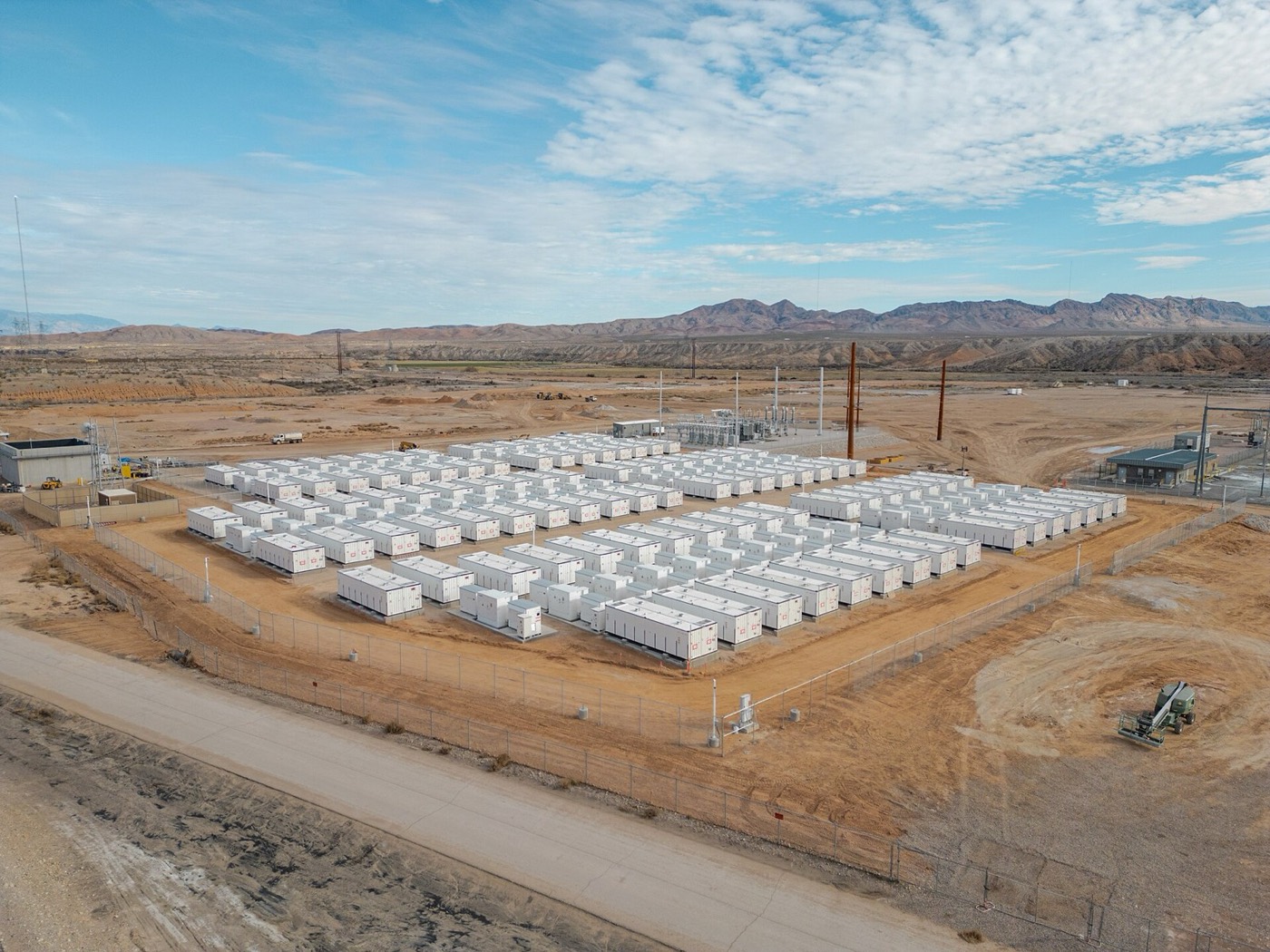
Sites like the Reid Gardner battery storage facility in Nevada show what that build-out looks like on the ground: rows of containers where a power plant once stood. Projects like it are now going up across the country at a pace that would have seemed implausible a decade ago.
US utility-scale battery storage reached nearly 52 gigawatts of operating capacity by the middle of 2026, after operators added 8.3 gigawatts in just the first half of the year. The Energy Information Administration, the federal government's own energy-statistics agency, projects the total will reach roughly 65 gigawatts by the end of 2026 — a record 24 gigawatts added in a single year, compared with 15 gigawatts the year before.
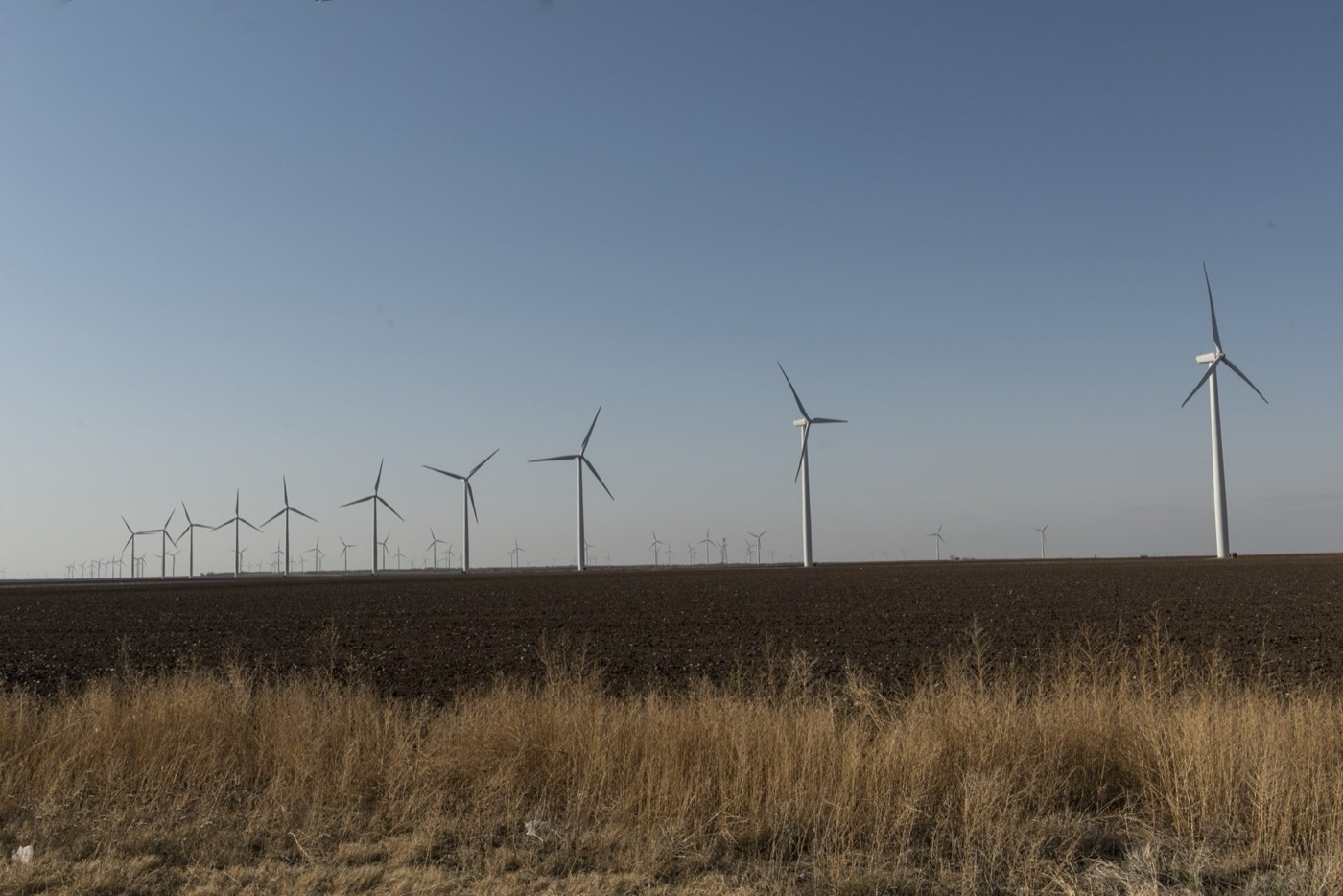
Texas itself looks like this: wind farms near Snyder, in Scurry County, stretching to the horizon, with battery containers now going up beside them. The same wind that once had nowhere to go at three in the morning increasingly has somewhere to be stored.
Texas alone is planned to add about 12.9 gigawatts of new capacity in 2026. That is 53 per cent of the whole country's total, more than California and Arizona combined.
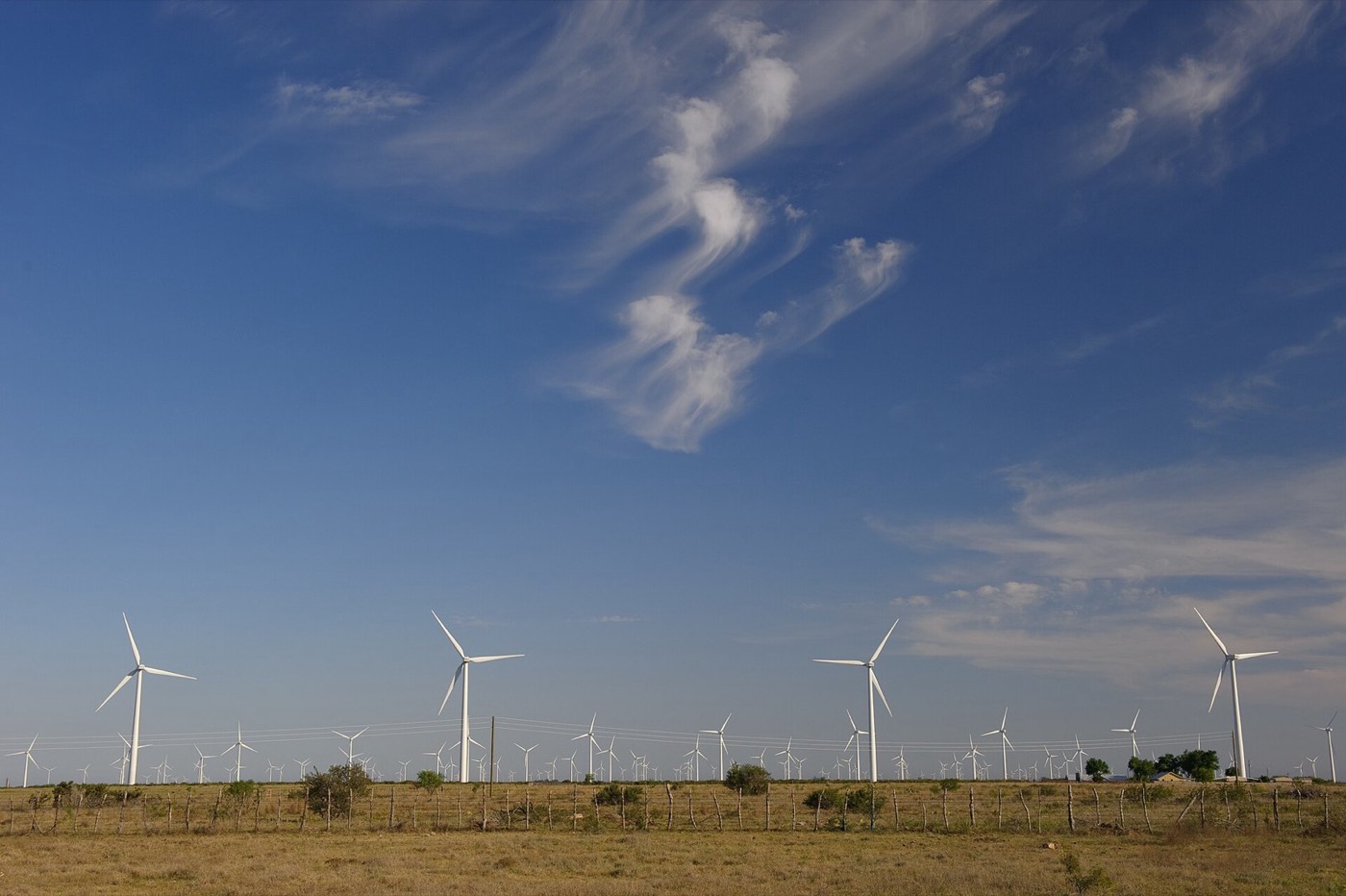
That expansion keeps spreading across the state, wind farm beside wind farm, mile after mile. A separate measure tells a related but different story: in the second quarter of 2026, the single busiest quarter for battery installations ever recorded, it was Arizona that led, installing more battery capacity than any other state that quarter alone.
Texas's lead comes from its own electrical grid, ERCOT, which lets batteries trade power on an open, fast-moving market — exactly the kind of market the duck-curve arbitrage from the last chapter rewards.
7. China and the global race
The United States is not the country building the most. It is not close.
Global battery storage additions reached 112 gigawatts in 2025, up 48 per cent on the year before, according to the research firm BloombergNEF. That is the single biggest jump the industry has ever recorded in one year.
China alone accounted for 54 per cent of that — well over half of everything the entire world installed that year — while the United States added about 16 per cent. Two Chinese manufacturers, CATL and BYD, supply much of the cell manufacturing behind that scale.
CATL alone sold 121 gigawatt-hours of energy-storage batteries in 2025, holding roughly 30 per cent of that global market and topping it for a fifth consecutive year. BloombergNEF expects global additions to keep climbing, toward 158 gigawatts in 2026 alone.
Scale like that is why battery prices have kept falling even as demand keeps rising — more factories, built by more manufacturers, chasing the same falling cost curve that solar panels rode a decade earlier.
8. When it goes wrong: the Moss Landing fire
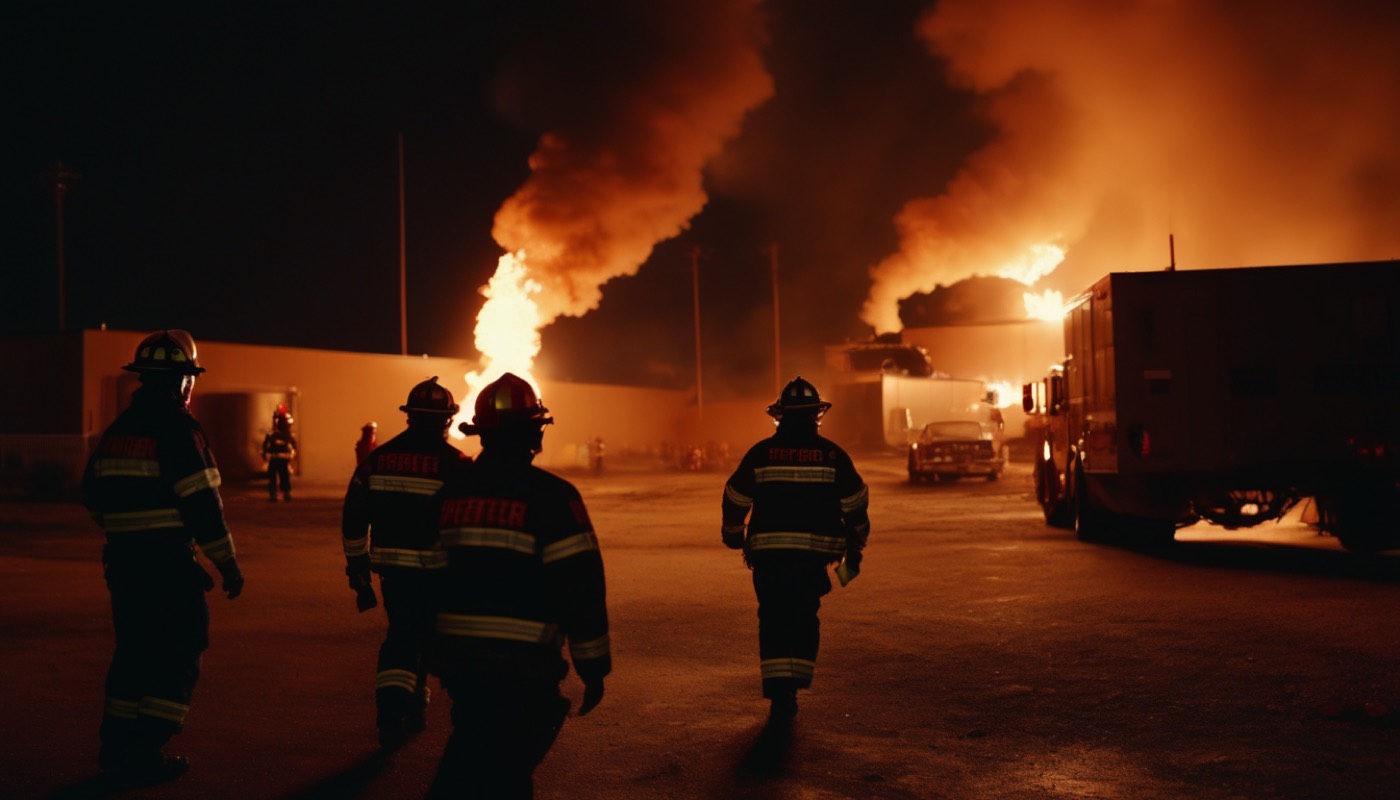
None of this build-out has been without cost, and one night in January 2025 showed exactly what that cost can look like.
On the sixteenth of January 2025, a fire broke out at Vistra's Moss Landing Energy Storage Facility in California, a 300 megawatt, 1,200 megawatt-hour lithium-ion plant that had been, at the time it opened in 2020, the largest battery storage system in the world. Roughly three quarters to four fifths of its battery modules were destroyed. About 1,500 nearby residents were evacuated as the fire burned, because firefighters judged a lithium-ion battery fire too dangerous to approach directly.
The reported mechanism was thermal runaway: once one battery cell overheats badly enough, it can set off its neighbours in a chain reaction that conventional firefighting struggles to stop. The Western Electricity Coordinating Council, the regional body that investigates grid incidents across the US West, published a final report on the fire in December 2025.
Moss Landing had been built inside an existing power-plant building, with batteries stacked on two floors — a layout the industry has since mostly abandoned in favour of the separated, outdoor, container-by-container design described two chapters ago, precisely because it limits how far one container's fire can spread to the next.
9. Four hours is not enough: the long-duration problem
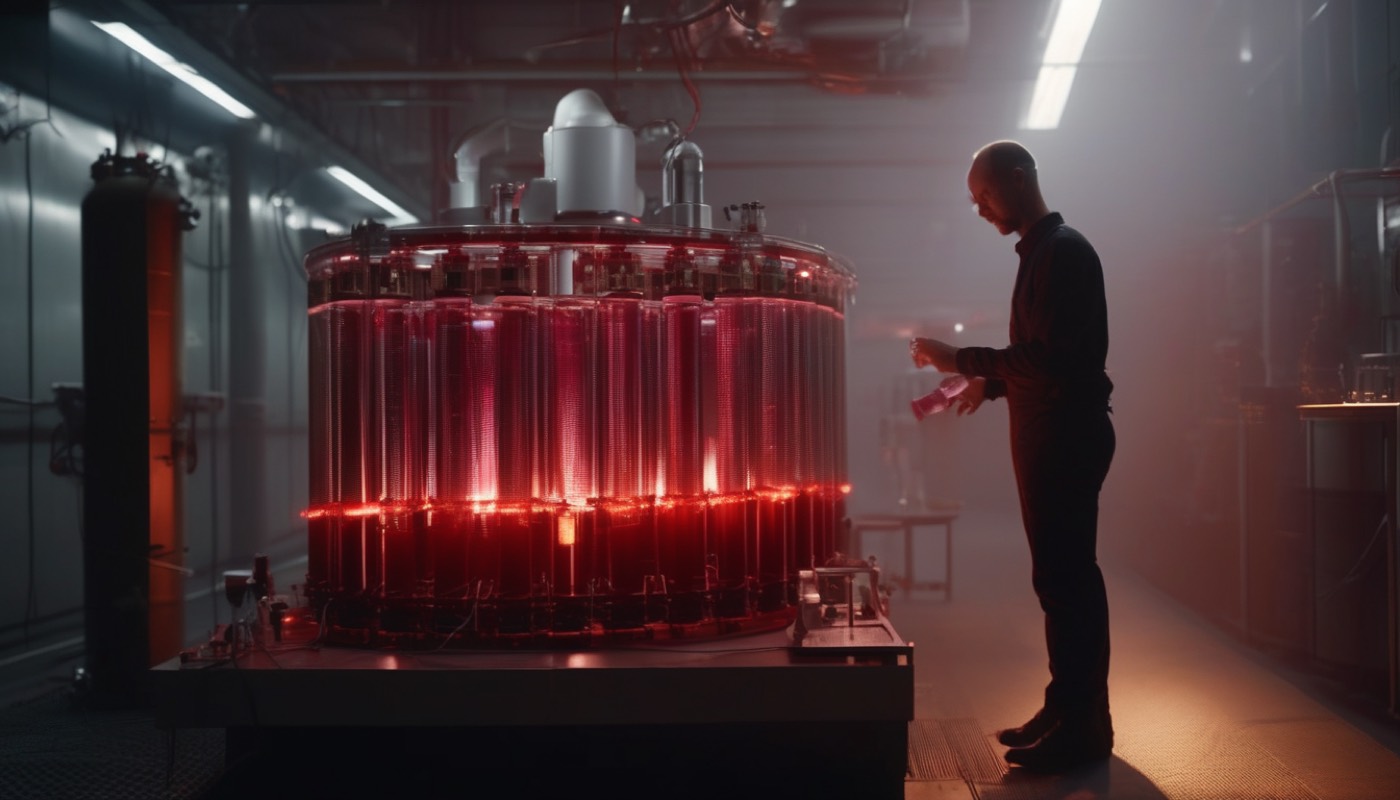
Almost every battery described so far shares one limit nobody can simply engineer away: how long it can keep discharging before it runs flat.
Most grid-scale lithium-ion batteries are built to discharge for one to four hours. That is enough to cover the evening peak the duck curve creates, but it is not enough for a multi-day stretch of low wind and low sun — the exact "cloudy week" this video's angle keeps returning to. A battery sized for four hours is simply empty long before day three of a calm, overcast spell arrives.
Three newer chemistries are being built specifically to last longer: iron-air batteries, which trade speed for days of discharge using one of the cheapest, most abundant elements on Earth; flow batteries, which store energy in tanks of liquid electrolyte that can simply be made bigger to add more hours; and sodium-ion batteries, built from salt rather than lithium, better suited to long, steady discharge than to split-second response. None of the three is trying to replace lithium-ion. Each is built for the gap lithium-ion was never designed to cover.
10. Google's 100-hour bet in Minnesota
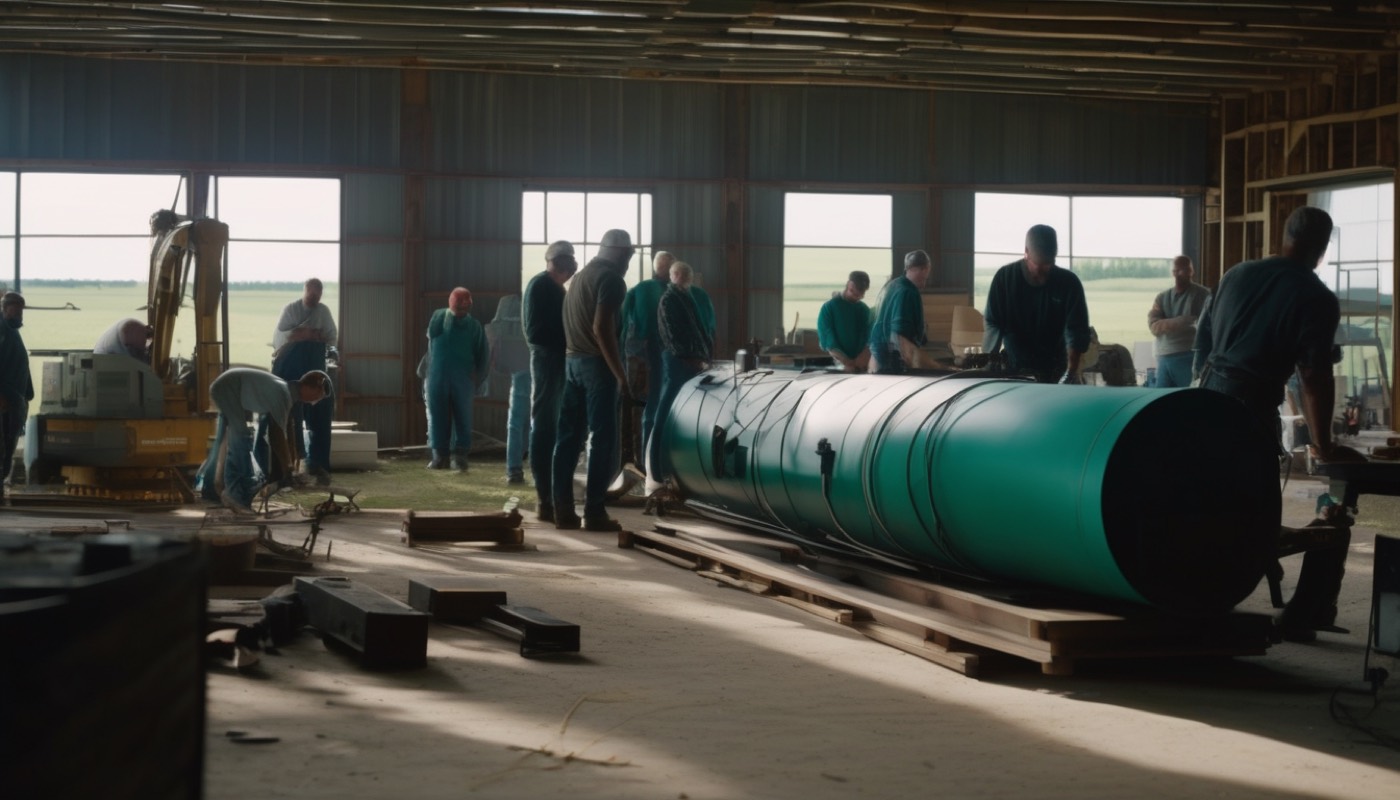
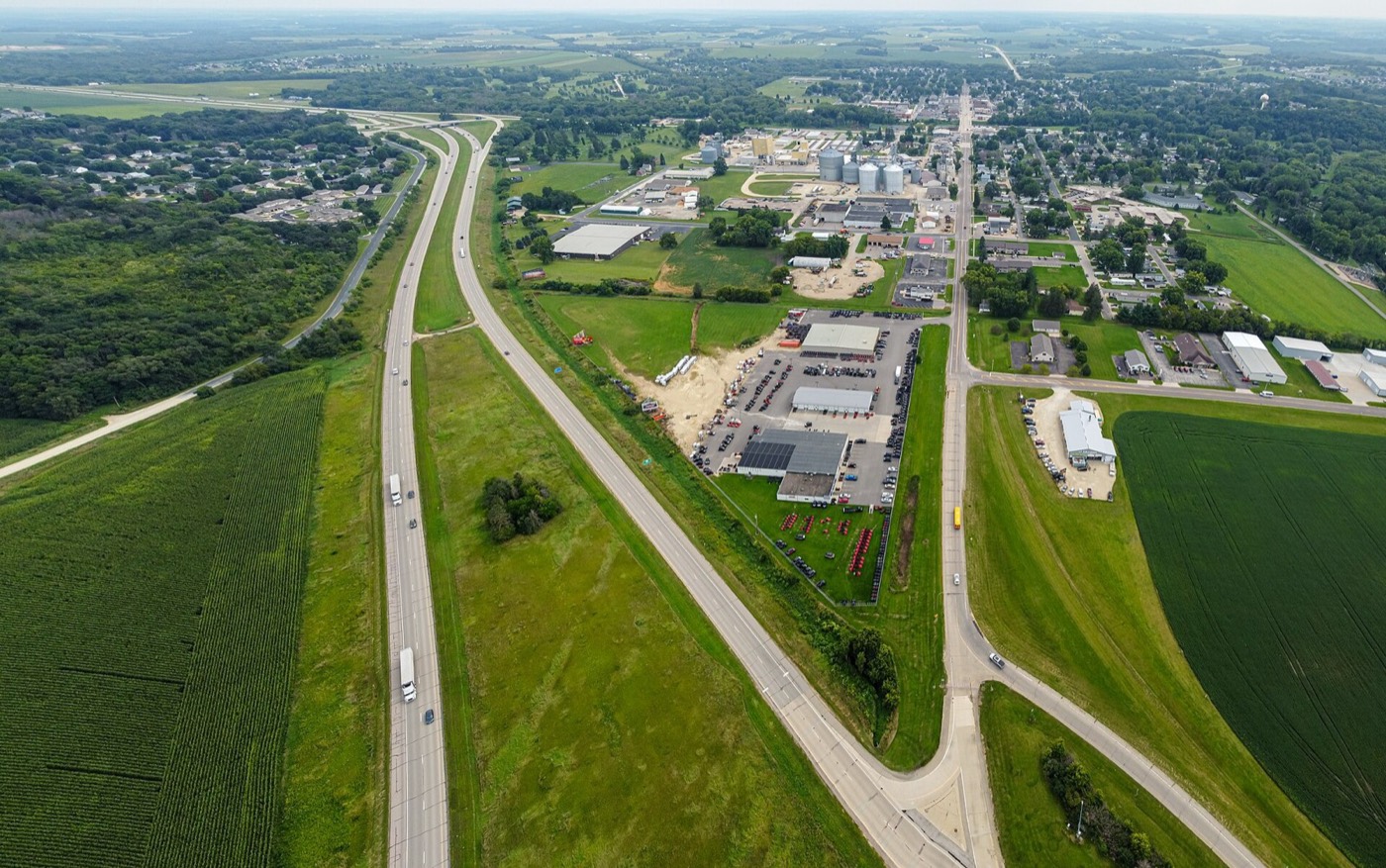
The clearest bet on that long-duration gap so far is being built in rural Minnesota.
Form Energy, Xcel Energy and Google have a definitive agreement to build a 300 megawatt, 30 gigawatt-hour iron-air battery able to discharge for up to 100 hours straight. It is described as the largest battery system by energy capacity announced anywhere in the world to date.
The battery is being built at Pine Island, Minnesota, a small town about to host one of the largest energy storage projects on Earth. It is paired with 1,400 megawatts of wind and 200 megawatts of solar, plus 1,900 megawatts of further clean generation Xcel will build with funding from Google.
The cells themselves are made at Form Energy's own factory in Weirton, West Virginia, over a thousand miles from the Minnesota site where they will spend the next few decades working. Google's interest is not abstract: the power is intended to help run one of its own data centres, the subject of the next chapter.
A hundred hours is still only four days. It will not survive an entire dark, windless month on its own — but it reaches a timescale lithium-ion was never designed to touch.
11. The new strain: AI data centres
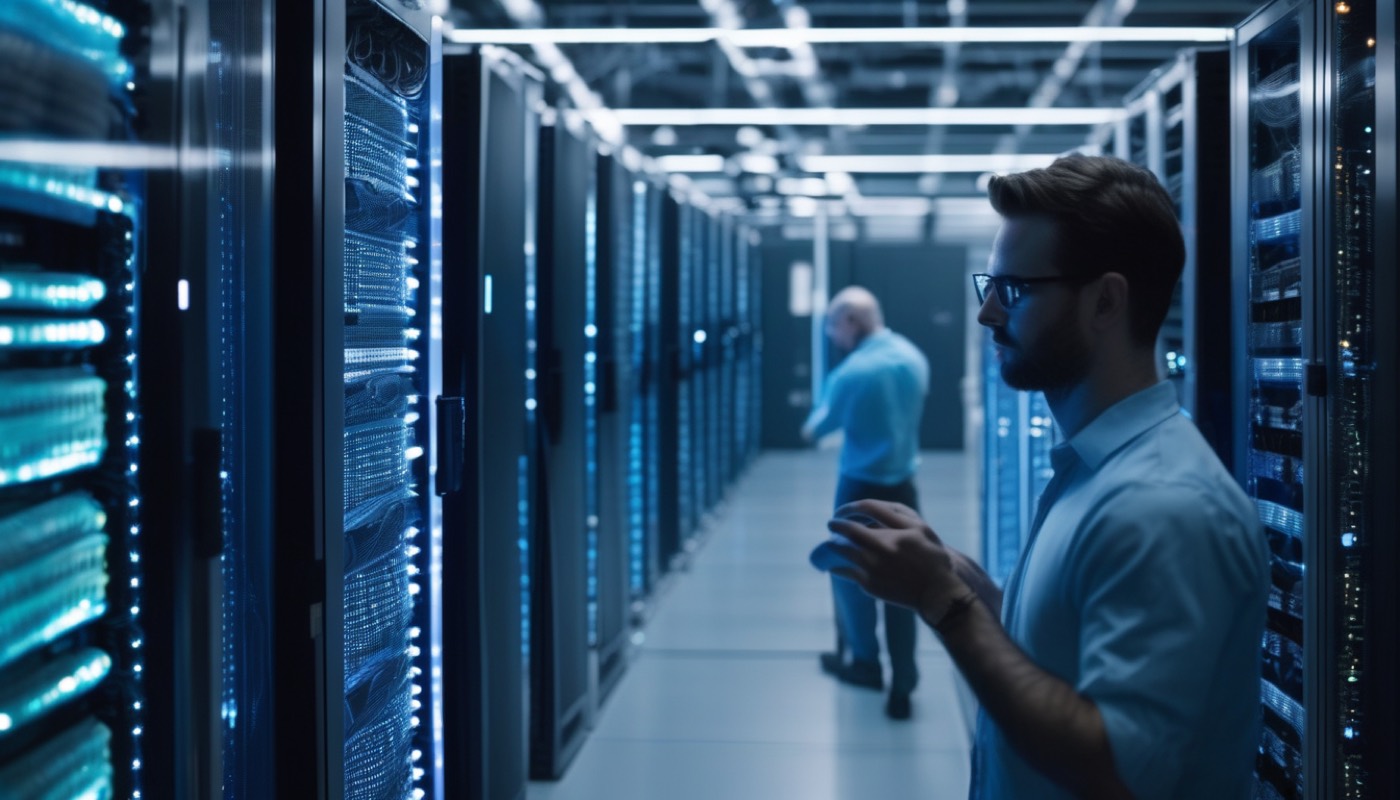
Just as batteries start closing one gap, a new source of demand has opened another.
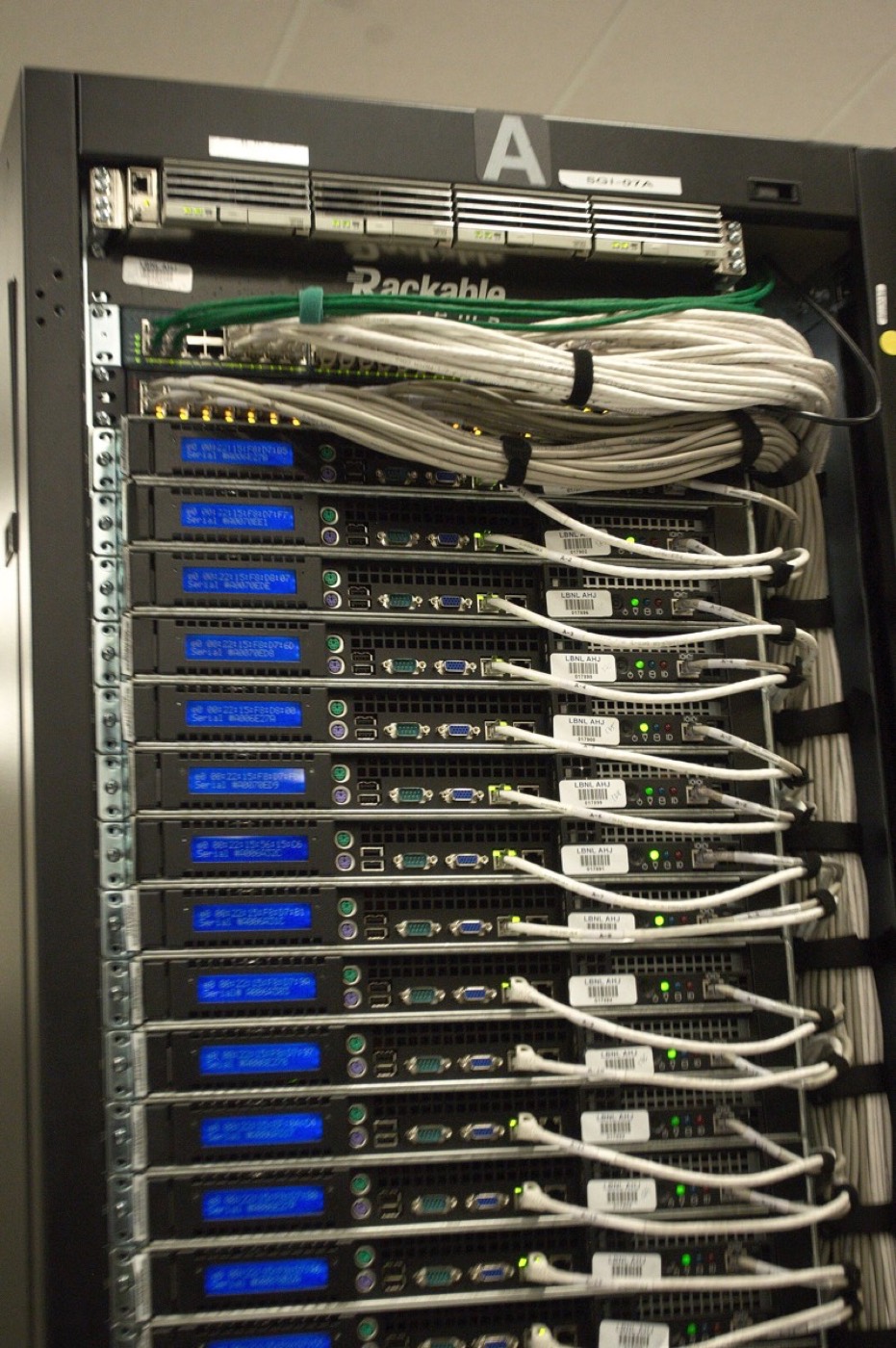
Inside a facility like this one, server racks draw power every second of every day, with no evening lull and no weekend dip. That steady, relentless draw is what makes a data centre's demand different from almost anything else on the grid.
US data-centre electricity demand is tracked by S&P Global's own research unit, 451 Research. It rose to roughly 61.8 gigawatts in 2025, and is projected to climb to about 75.8 gigawatts in 2026. Data centres accounted for about half of all the growth in US electricity demand in 2025, most of it driven by the computing power behind artificial intelligence.
A data centre's power draw does not look like a city's. It can swing sharply within seconds as a large AI training run starts or stops, which is a harder shape for a grid to absorb than the duck curve's slow, predictable rise and fall.
That is why some data-centre operators are now pairing batteries directly with their own buildings, smoothing their own swings locally rather than asking the whole grid to absorb them, and sometimes speeding up how fast they can get connected to the grid at all. Data centres did not cause the storage build-out. They are arriving on top of it, at almost exactly the same time.
12. Forwards or backwards?
So: is grid storage letting renewables finally run the grid forwards, or is the grid still one cloudy, still week away from being pushed back onto fossil fuel?
The case for forwards is the number this video keeps returning to. Nearly 52 gigawatts of US battery storage by mid-2026, projected to reach roughly 65 gigawatts by the end of the year.
The EIA's own reported pipeline of planned projects points further out still, past 105 gigawatts by 2028. Globally, 112 gigawatts were added in 2025 alone, and BloombergNEF expects that pace to keep climbing. None of that existed at any real scale before Hornsdale, in 2017.
The case for backwards is just as real. Almost everything built so far still only holds four hours, which the long-duration chapter showed is not enough for a genuinely still, cloudy week. Moss Landing showed that the technology can fail badly and publicly. And AI data-centre demand is now growing fast enough, on its own, to test a grid that was already being asked to change how it runs.
Both of those things are true on the same grid, at the same time. The honest answer, this video's own angle, is that storage has already changed what the grid can do — but it has not yet made the cloudy week harmless. Whether it does that before the next one arrives is the question this video leaves open, because nobody watching it yet knows the answer either.
Sources and credits
Photo credits (Wikimedia Commons)
- Raccoon Mountain Pumped-Storage Plant, Tennessee (TVA, public domain): Tennessee Valley Authority, Public domain - https://commons.wikimedia.org/wiki/File%3ARaccoon_Mountain_Pumped-Storage_Plant.jpg
- Tesla Megapack grid battery containers with solar canopy: Wikideas1, CC0 - https://commons.wikimedia.org/wiki/File%3ATesla_Megapack_set_of_4_with_solar_canopy.webp
- Reid Gardner battery energy storage system (BESS) site, Nevada: Sig. Chiocciola, CC0 - https://commons.wikimedia.org/wiki/File%3AReid_Gardner_BESS.jpg
- Wind farm near Snyder, Scurry County, Texas (Carol M. Highsmith, public domain): Carol M. Highsmith, Public domain - https://commons.wikimedia.org/wiki/File%3AWind_farm_near_Snyder_in_Scurry_County_in_west-central_Texas_LCCN2015630047.tif
- Expansion of wind farms across Texas (public domain): USDA NRCS Texas, Public domain - https://commons.wikimedia.org/wiki/File%3AA_common_scene_due_to_the_expansion_of_wind_farms_throughout_Texas._%2824486758493%29.jpg
- Pine Island, Minnesota - site of the Form Energy/Google/Xcel iron-air project: Wikideas1, CC0 - https://commons.wikimedia.org/wiki/File%3APine_Island%2C_Minnesota.jpg
- Server rack in a data centre (NERSC), representing AI data-centre power demand: Derrick Coetzee from Berkeley, CA, USA, CC0 - https://commons.wikimedia.org/wiki/File%3ARear_of_rack_at_NERSC_data_center_-_closeup.jpg


Primary sources
- US Energy Information Administration (EIA), 'Today in Energy' battery storage releases, reported by pv magazine USA / ESS News (13 Aug 2026) and Utility Dive (28-29 Apr 2026) - US utility-scale capacity, mid-2026 and end-2026 figures, state-level 2026 planned additions.
- SEIA / Wood Mackenzie, 'US Energy Storage Monitor', reported 1 Sep 2026 by ESS News, CleanTechnica and T&D World - Q2 2026 installed-GWh record and state breakdown.
- Wikipedia, 'Hornsdale Power Reserve'; ReNew Economy - Hornsdale commissioning and 2020 expansion figures.
- BloombergNEF, reported by battery-tech.net and pv-magazine.de/usa/australia/india (May 2026) - 2025 global storage additions and China share; 2026 forecast.
- CATL 2025 results, reported by CNEVPost (9 Mar 2026) and Gasgoo/Autonews (ESS News, 1 Aug 2025) - energy-storage battery sales and market share.
- CTIF (International Association of Fire and Rescue Services) incident report; EPRI StorageWiki failure-event log; energy-storage.news (facility commissioning, Dec 2020) - Moss Landing fire, facility rating, evacuation.
- ESS News (25 Feb 2026); Electrek (26 Feb 2026) - Form Energy / Xcel Energy / Google, Pine Island, Minnesota iron-air project.
- S&P Global Market Intelligence / 451 Research, reported by DataCenterDynamics - US data-centre electricity demand, 2025-2026.
- International Hydropower Association, '2026 World Hydropower Outlook', reported by Renewable Energy World and Water Power Magazine - global pumped-storage capacity.
Not regulated financial advice.