
Mega-Dams: Clean Power or a Dangerous Bet?
On 19 July 2025, China's premier Li Qiang broke ground on the Medog hydropower project, on the Yarlung Tsangpo's Great Bend in Tibet - a machine designed to generate roughly three times as much power a year as the Three Gorges Dam, which is already the largest power station on Earth.
This video explains how a dam actually makes power - head, flow, the penstock, the turbine, the spillway - and why hydropower's dispatchable, fast-ramping, long-lived output makes it the plant a grid calls first. It follows the twentieth century's age of big dams (Hoover, Grand Coulee, the Tennessee Valley Authority), and the two disasters that rewrote how the world builds dams: Vajont, Italy, 1963 (close to 2,000 dead when a landslide sent a wave over a dam that itself never failed) and Banqiao, China, 1975 (as many as 230,000 dead when a typhoon overwhelmed a spillway and triggered a chain-reaction failure of 61 more dams).
It sets China's existing Three Gorges Dam - 22.5 gigawatts, a 600km reservoir, 1.3 million people relocated - against two other rivers that cross borders, the Nile and the Mekong, before returning to Medog itself: five cascade power stations, about 60 gigawatts, roughly 300 terawatt-hours a year, built in a gorge that produced the largest inland earthquake ever instrumentally recorded, in 1950, and a magnitude 6.9 earthquake in 2017 that triggered over 1,800 landslides on its own.
Downstream in India, the Siang Upper Multipurpose Project is India's answer - and, in the final days of September 2026, the site of clashes between villagers and security forces at Geku. The video closes by weighing hydropower's genuine case (still 14% of world electricity, not likely to shrink before 2030) against the specific, unresolved risk of building at Medog's scale on ground with Medog's history.
Educational documentary. Not financial or investment advice.
In these topics
Video notes
1. The biggest machine on Earth
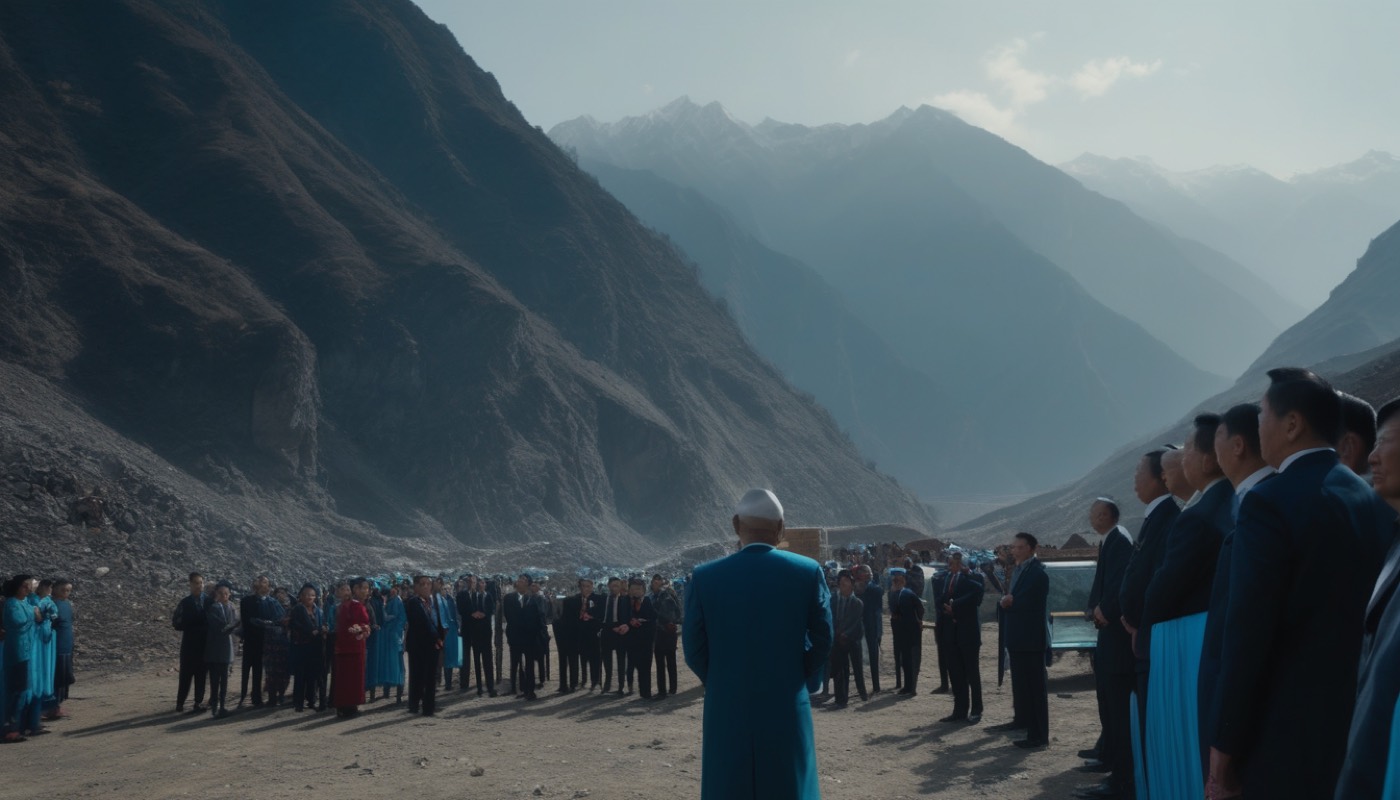

On the nineteenth of July 2025, Premier Li Qiang stood in Nyingchi, in the Tibet Autonomous Region, and broke ground on the largest machine ever built by human beings.
It is called the Medog hydropower project, and it is going up on a stretch of river most people outside China have never heard of. By the time it is finished, it is meant to produce three times as much electricity every year as the Three Gorges Dam - and Three Gorges is already the largest power station on Earth, of any kind. Nothing else humans have built, anywhere, generates power on this scale from a single site.
Li Qiang put the project's cost at roughly one point two trillion yuan. In dollars, that is around one hundred and sixty-seven billion - and China wants the whole project finished and generating power by 2033. Building it will take most of a decade, in one of the harder places on Earth to build anything at all.
Li Qiang called the project "large in size, long in cycle, and far-reaching in impact." Officials have gone further still, calling it the project of the century. That is not a phrase Chinese state media uses lightly, and it tells you how much political weight is riding on this dam.
This is Li Qiang, China's premier, photographed on another occasion - no camera recorded the actual Medog ceremony. He is the man who gave the order to begin building the biggest machine on Earth, in a region where China's neighbours are already watching closely.
So this video asks one question. Is Medog clean, flexible power on a scale the world has never built before, or a dangerous bet, built in a gorge with a violent history of its own? The honest answer, by the end, will turn out to depend on which part of the story you are standing closest to.
This video follows that question chapter by chapter: how a dam actually makes power, why grids love hydro, the disasters history already left behind, and the new dam nobody downstream asked for.
2. How a dam makes power
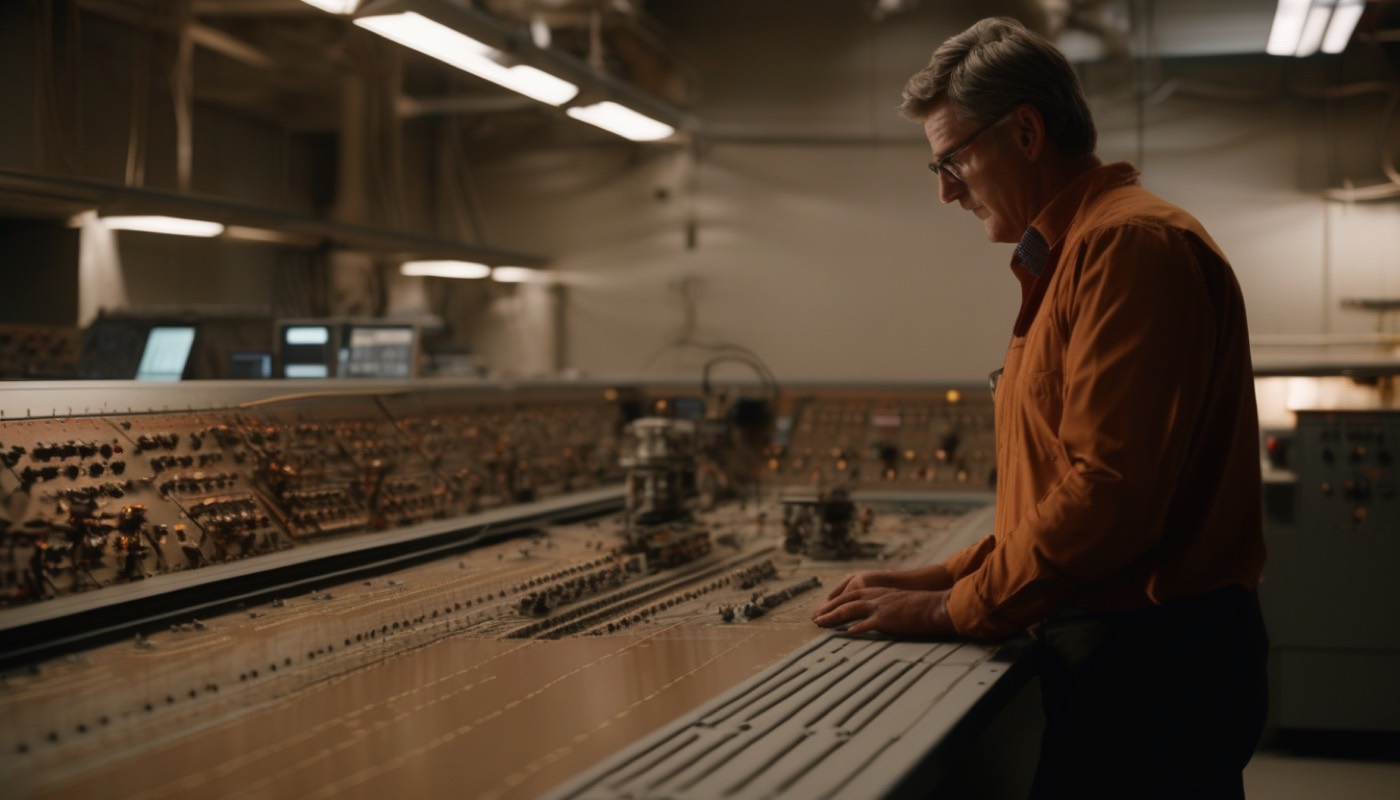
Every hydroelectric dam, from the smallest village scheme to Medog itself, works on the same basic idea, and it is worth understanding properly before anything else in this video will make sense.
A dam holds back a river, creating a reservoir - a lake of stored water sitting behind it, waiting to be let through in a controlled way. Two things decide how much power that stored water can make: head, the vertical drop from the reservoir's surface down to the turbines, and flow, how much water moves through every second. Height times flow is everything. Double either one, and the power roughly doubles with it.
Water leaves the reservoir through a huge pipe called a penstock, which carries it down toward the turbines under enormous pressure. Inside the powerhouse, that racing water spins the blades of a turbine, and the turbine turns a generator - the part that actually makes the electricity. None of this is exotic engineering. It is the same idea as a watermill, built at a scale that can power a city.
Every large dam needs one more part: a spillway, a separate channel or gate that lets floodwater pass safely around or over the structure without going through the turbines at all. Skip a big enough spillway, or size it for the wrong storm, and a large flood has nowhere to go but over the dam itself - a mistake this video comes back to twice, with very different consequences each time.
Head is why dam size varies so much from one river to the next. Three Gorges works with a head of barely a hundred metres, spread across a very wide river. Medog, cut into a Himalayan gorge, will work with a drop of around two thousand metres - a fraction of the water, moving through a vastly steeper fall.
Not every dam stores water for long. A run-of-river dam lets most of the flow pass straight through, with only a small pond behind it, trading a lower head and less power for less impact on the river and the land around it. Most of the world's smaller hydropower stations work this way; it is the giant reservoir dams, like the ones in this video, that reshape entire valleys.
3. Why grids love hydro

Not all electricity is equal to a grid operator, even when it comes from a source that produces no carbon at all. Wind and solar depend on the weather, and neither can simply be told to produce more power when a grid needs it. Coal and nuclear plants can be told to run harder, but it takes them hours to actually change how much power they put out. Hydropower can do something neither of those can: switch on, or switch off, within minutes.
Engineers call that quality dispatchable power - electricity a grid operator can call up on demand, rather than power that only arrives when the wind happens to blow or the sun happens to shine. Hydropower can also ramp, meaning change its output quickly, faster than almost any other large power source built at scale. When a cloud crosses a solar farm or a heatwave spikes air-conditioning demand, hydro is often the plant a grid calls first.
Hydropower supplied about fourteen per cent of the world's electricity in 2024. Forecasters expect that share to hold at roughly the same level through 2030, even as wind and solar keep growing faster around it - which makes hydro, quietly, the largest single source of low-carbon electricity most grids have.
There is a second reason grids love hydro: dams last. A well-built hydropower station can keep running for fifty to a hundred years with major refurbishment, far longer than a wind turbine or a solar panel, and often longer than the coal or gas plant it replaced. A dam finished today could still be generating power for a child not yet born.
That combination - dispatchable, fast-ramping, long-lived - is exactly why governments have kept building dams for a century, even after learning, twice, how badly it can go wrong.
4. Hoover and the age of big dams

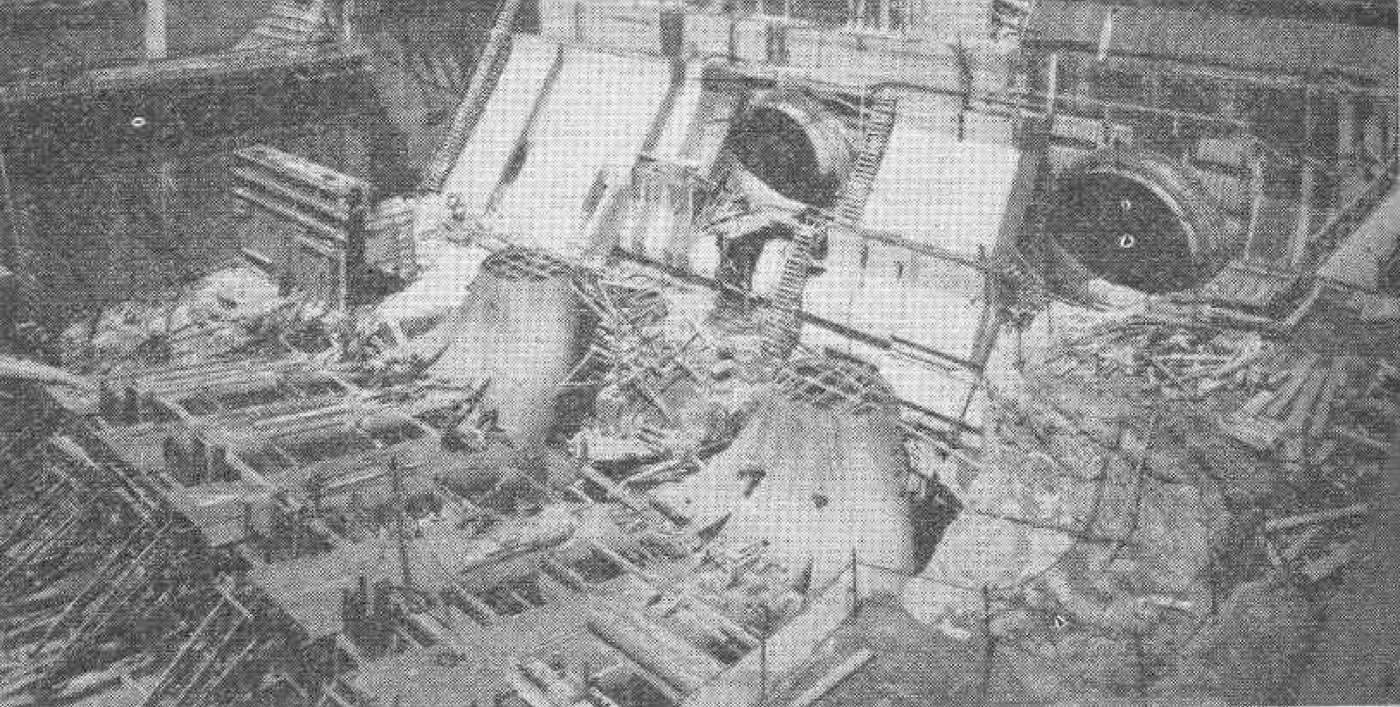
For most of the twentieth century, a big dam was more than a power station. It was a statement, built to be photographed as much as used.
In the United States, three projects built in the same decade turned dam-building into a symbol of national ambition, at a moment when the country badly needed one.
The Tennessee Valley Authority was created in 1933, to build dams and bring electricity to one of America's poorest regions. Hoover Dam, on the Colorado River, was dedicated on 30 September 1935. It was handed over to its operators the following March, more than two years ahead of schedule - a rare thing for a project this size, then or now. By 1938, workers further north were already pouring concrete for an even larger structure: Grand Coulee Dam, on the Columbia River.
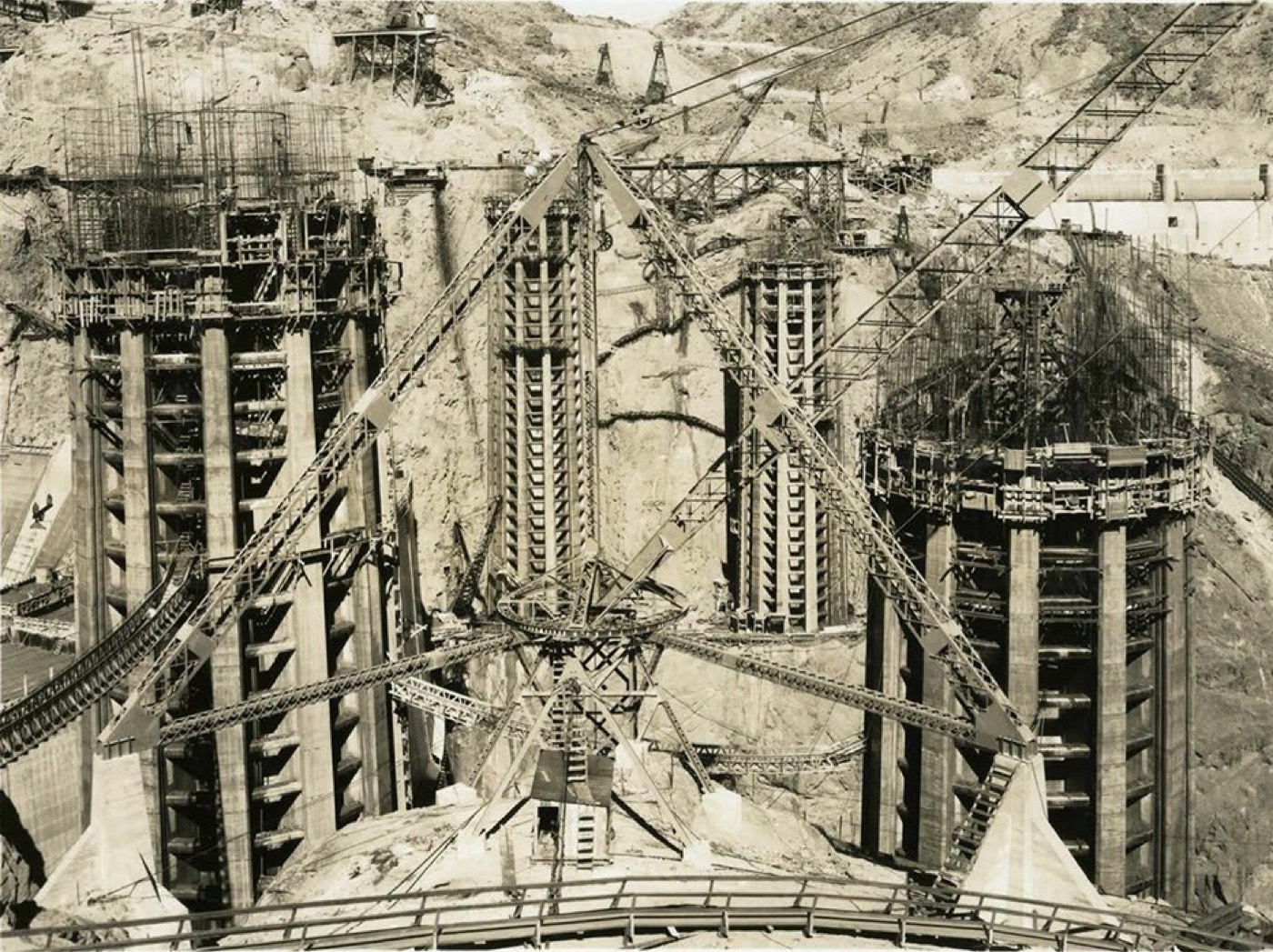
This is Hoover Dam itself, under construction, its intake towers rising from the Colorado River. It would go on to become the most photographed dam on Earth, and the model other countries tried to copy for the next fifty years.
The Tennessee Valley Authority did more than make electricity. It brought power to farms and small towns that had never had it before, and turned flood-prone river valleys into some of the country's more reliable farmland - proof that a dam could rebuild a region's economy, not just light its houses.
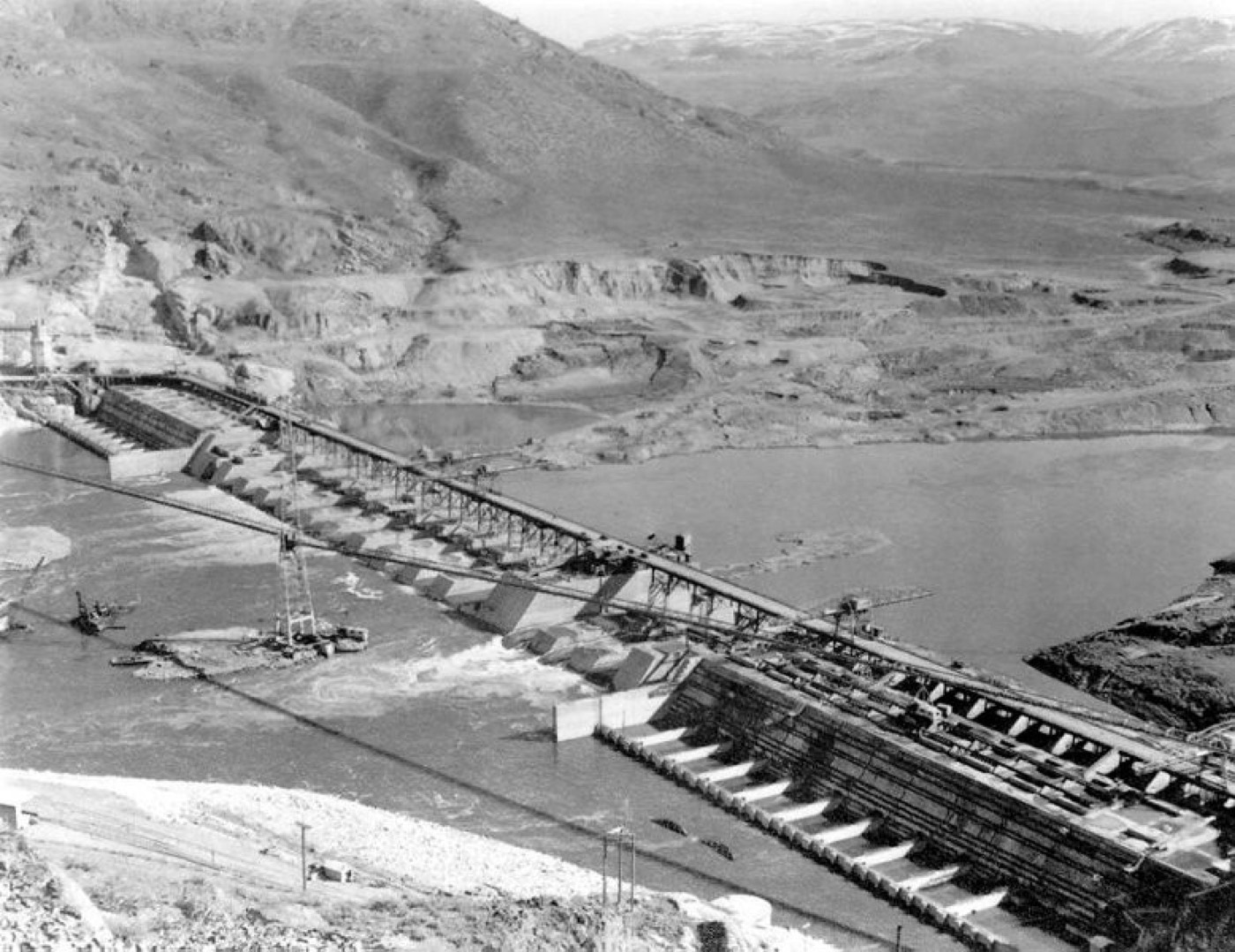
This is Grand Coulee Dam under construction on the Columbia River, in March 1938. When it was finished, it was one of the largest concrete structures ever built, and one of the largest hydropower plants in the United States. It was built, in part, to power the aluminium and weapons plants of the coming war.
Hoover, Grand Coulee and the TVA's dams turned an engineering project into a national story. They meant flood control, jobs during the Depression, and cheap power for growing cities. That was proof, to many people at the time, that a country could build its way out of hardship.
This is Norris Dam's powerhouse under construction, on the Clinch River in Tennessee, part of the same TVA system. It was one of the first dams the TVA finished, and it set the pattern the rest of the agency's dams would follow for a generation.
5. Vajont, 1963
Not every dam story ends well. On the ninth of October 1963, in the Italian Dolomites, the Vajont Dam produced one of the deadliest disasters in the history of civil engineering. Strangely, the dam itself did not even fail.
A mass of rock, larger than a small mountain, broke free from the valley side above the reservoir and slid into the water in under a minute. The wave it threw up went straight over the top of the dam and down into the valley on the other side, at a height nobody watching that night could have imagined possible.
Close to two thousand people died that night. Italy's own parliamentary inquiry counted 1,917 dead; the dam-safety literature puts the toll as high as 2,056. Either figure makes Vajont one of the deadliest single-night disasters in twentieth-century Europe.
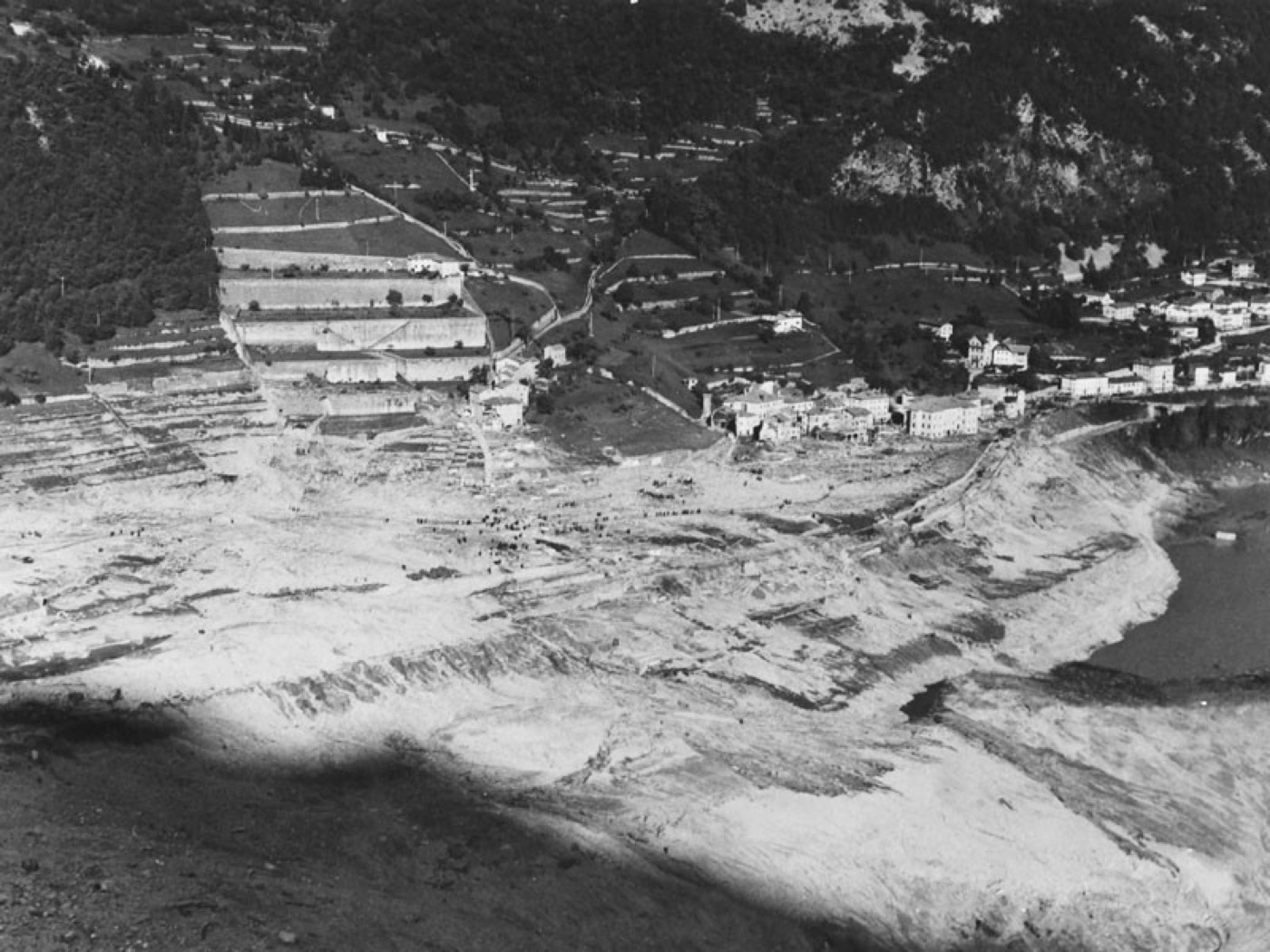
This is Longarone, the town below the dam, photographed by the US Army the day after the wave hit it. Almost the entire town was destroyed in a matter of minutes, in the middle of the night, while most of its people were asleep in their beds.
The landslide fell from the mountainside above the reservoir, sending its wave straight down the narrow Vajont valley toward Longarone, in the Piave river valley below. The dam itself, wedged between two steep mountainsides, was almost the only structure in the area left standing afterward.
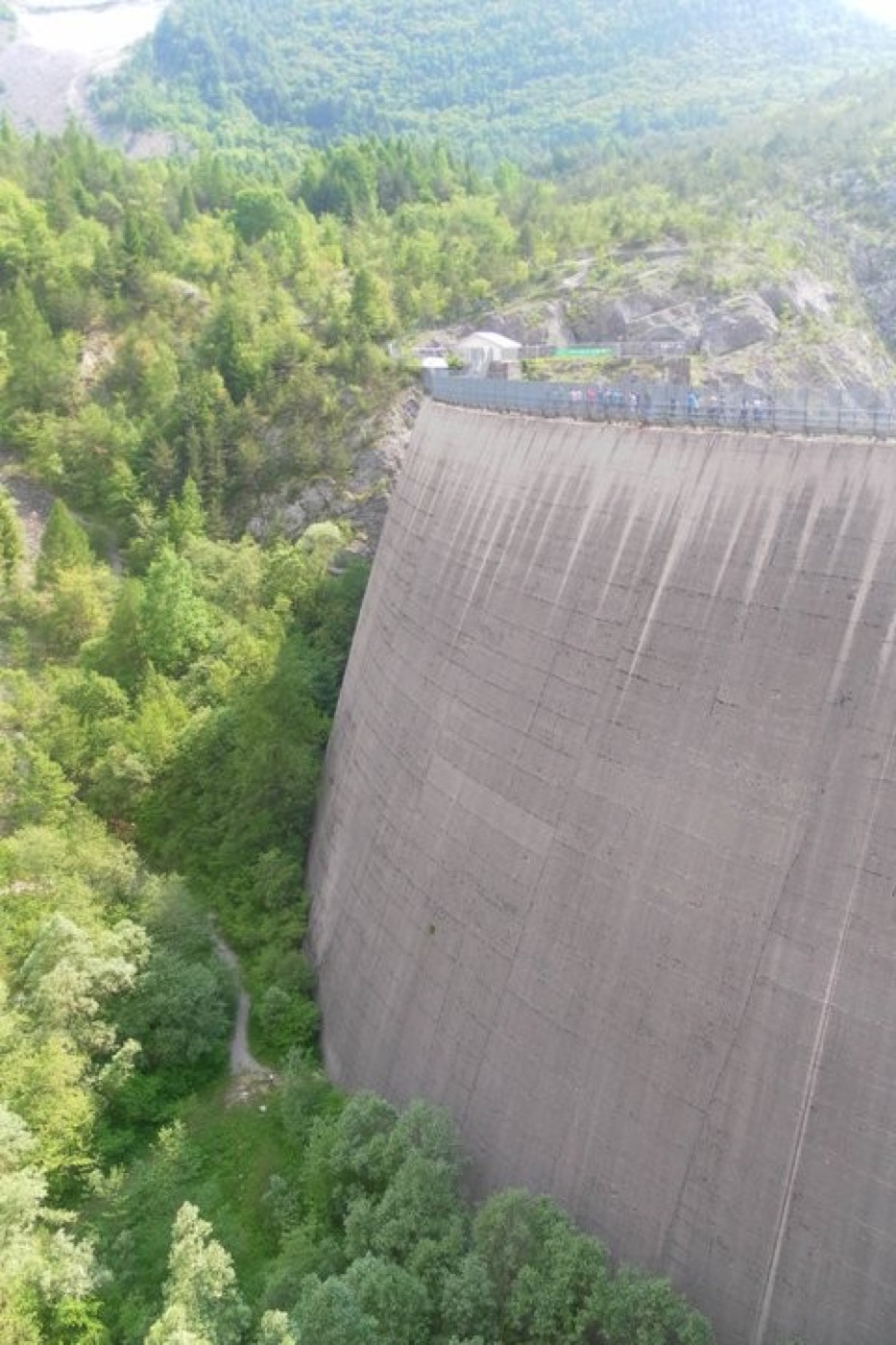
This is the Vajont Dam today, seen from the village of Erto e Casso, still standing more than sixty years later. The dam held. It was the mountain, and the people living beneath it, that did not survive - a distinction that still shapes how the disaster is understood.
Investigators later found that nobody had properly studied whether that valley side could slide, before or after the dam was built. A smaller slide in 1960 had already been a warning. The slide that followed in 1963 was about four hundred times larger, and this time nobody was given enough warning to leave.
6. Banqiao, 1975
Twelve years later, on the other side of the world, a dam failure killed far more people than Vajont ever did. This time, the dam broke because of rain, not rock.
On the eighth of August 1975, Typhoon Nina stalled over Henan province in China and dropped more than a metre of rain in twenty-four hours - close to double what the Banqiao Dam's spillway had been built to handle. The dam failed just after one in the morning, sending a wall of water down the valley while most people downstream were still asleep.
The official death toll from the flooding itself is around twenty-six thousand people. Human Rights Watch's own 1995 report put the wider toll, including the famine and disease that followed in the flood's wake, at around two hundred and thirty thousand. The true number, decades later, is still disputed.
Banqiao's failure set off a chain reaction. Water from its reservoir overwhelmed the next dam downstream, and that failure overwhelmed the next - by the end of the day, at least sixty-one other dams and reservoirs across the same province had failed the same way.
The offices meant to warn people downstream were themselves built on the reservoir's rim. When the flood hit them, it cut the telephone lines before a single evacuation order could reliably go out - the warning system failed at the exact moment it was needed most.
7. What the failures taught

Vajont and Banqiao did not just kill people. Between them, they rewrote how the rest of the world builds dams, and the rules that came out of both disasters are still in force today.
Spillways are no longer sized against the worst storm on record. Engineers now plan for the worst storm a site could plausibly ever see, even one nobody alive has actually lived through - a much harder, much more conservative standard than the one Banqiao was built to.
After Vajont, reservoir-slope surveys became standard practice, so engineers now map whether the ground around a reservoir can slide before anyone builds on it, not after. After Banqiao, dam operators were required to build warning systems that cannot be knocked out by the same flood they exist to warn about.
There is a third lesson, less famous than the other two: filling a reservoir can trigger earthquakes of its own. Engineers call this reservoir-induced seismicity - the sheer weight of new water sitting on strained rock can be enough to set a fault moving, and large dams are now studied for that risk before they are ever approved.
Every rule this chapter names exists because somewhere, first, a dam broke.
8. Three Gorges
China had already built the largest dam on Earth once before Medog. Three Gorges, on the Yangtze River, is still the benchmark everything else in this video gets measured against.
Three Gorges has twenty-two and a half gigawatts of installed capacity, and generates around one hundred terawatt-hours of electricity most years. That is enough power for tens of millions of homes, from a single dam on a single river.
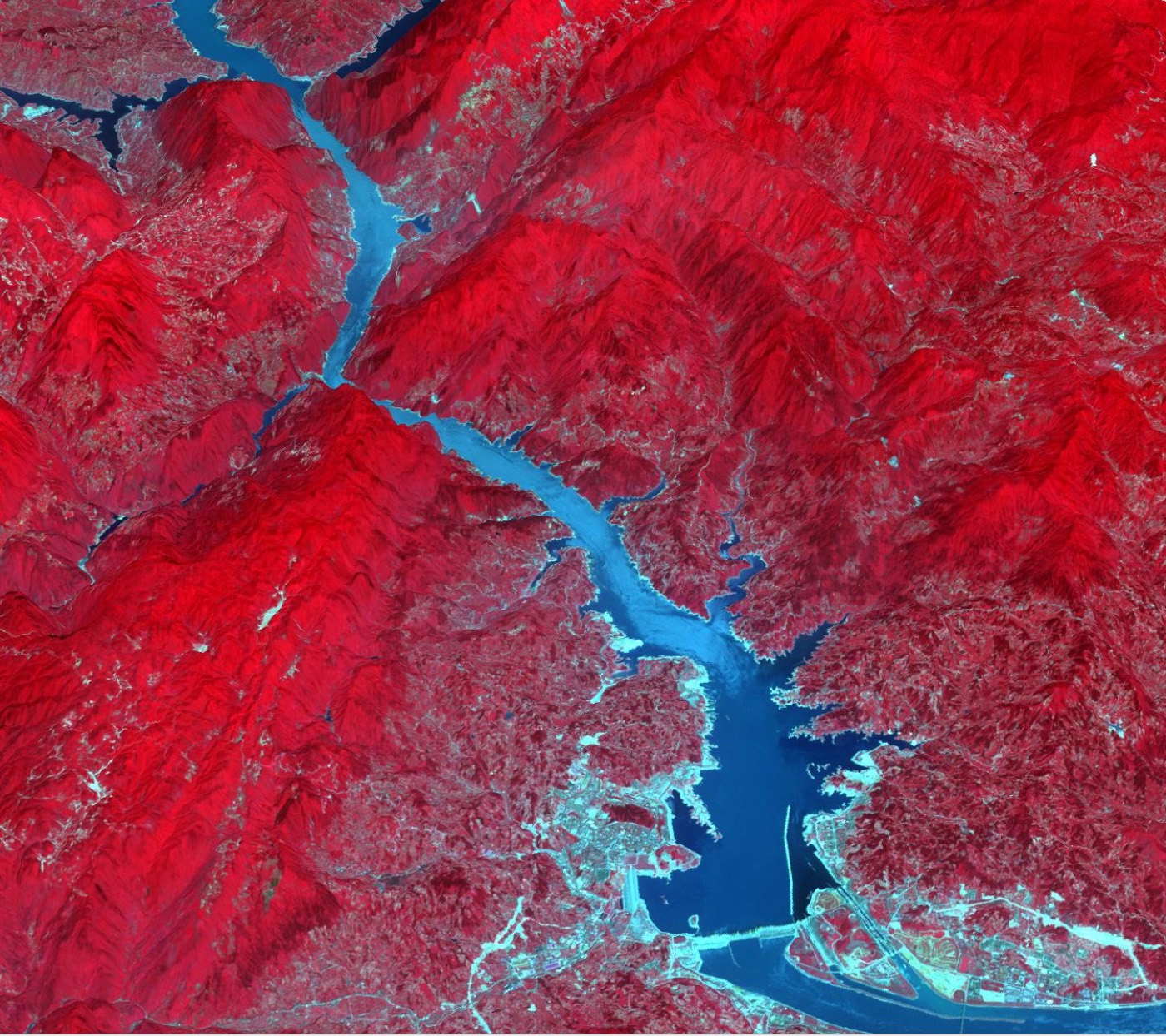
This is Three Gorges Dam on the Yangtze, seen from orbit in a NASA satellite image. Its reservoir stretches back for hundreds of kilometres, deep into central China, reshaping the geography of an entire region.
The reservoir behind Three Gorges runs almost six hundred kilometres upriver into central China. Filling it meant flooding thirteen cities and well over a thousand villages, land that had been settled and farmed for centuries before the water rose.
About one point three million people were relocated to make way for the reservoir - the largest resettlement any hydropower project has ever caused. The dam also traps silt that used to feed the river delta downstream, and its steep reservoir banks have seen landslides of their own since the water rose behind them.
Three Gorges is proof hydropower can be built at almost unimaginable scale, and that the country doing the building is willing to accept enormous social cost to do it. It is also a preview of everything Medog will have to answer for, at roughly three times the size.
9. Rivers across borders
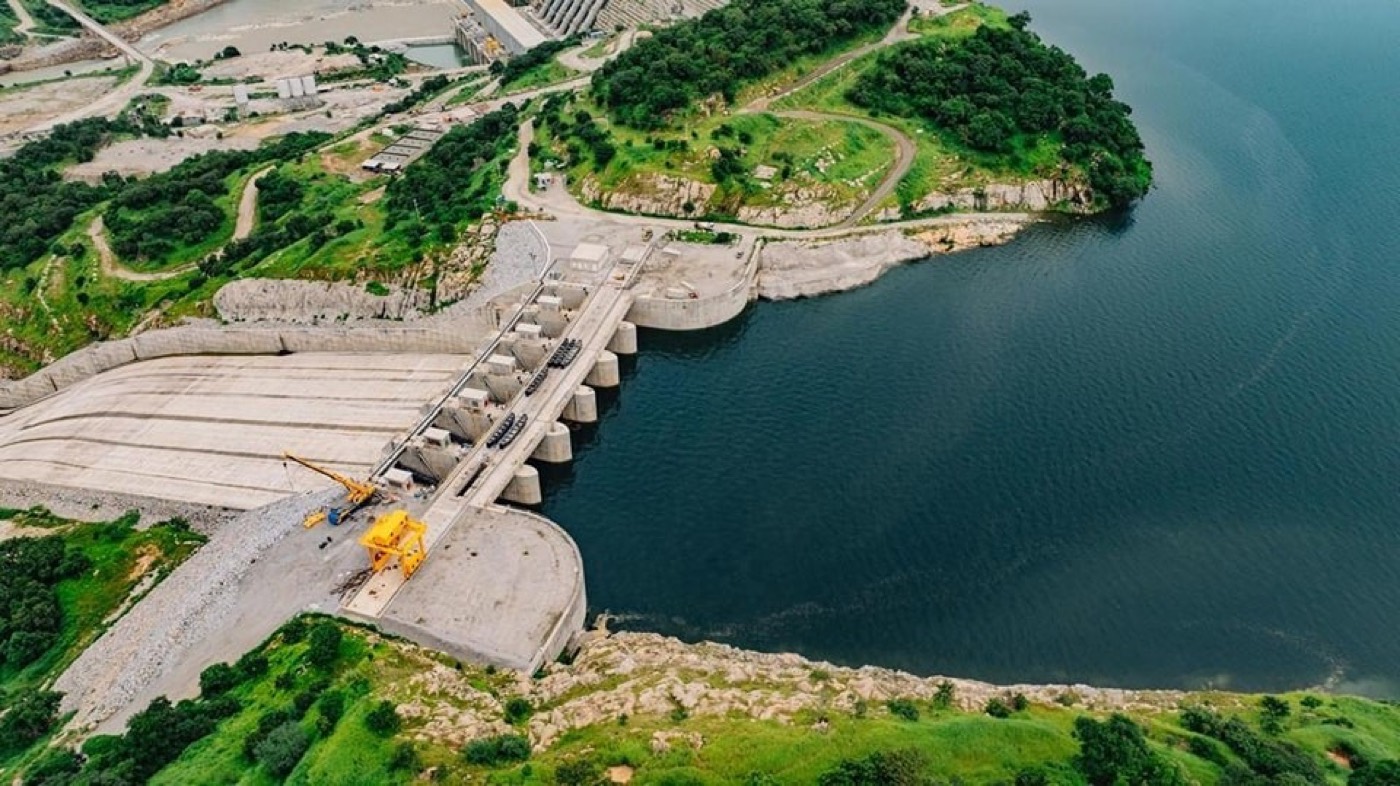
A river does not stop at a border, but a dam's benefits, and its risks, often do. Two rivers, on two different continents, show exactly what that means: the Nile, and the Mekong.
This is the Grand Ethiopian Renaissance Dam on the Blue Nile, photographed from the air. Ethiopia inaugurated it on the ninth of September 2025, and it is now Africa's largest power station, more than a decade after construction first began.
Downstream, Egypt and Sudan depend on the Nile for almost all of their fresh water, and both have spent more than a decade disputing how fast Ethiopia can fill and run the dam. Further east, China has built roughly a dozen large dams on the upper Mekong, and Laos has added two more on the river itself, with several more proposed.
Downstream countries on the Mekong - Thailand, Cambodia and Vietnam - say the dams upstream have already changed the river's rhythm. Less sediment reaches their farms than before, and the seasonal floods that once fed their fisheries now arrive lighter and less predictable.
A dam upstream can hold back water a country downstream was counting on, or release it suddenly when nobody downstream expects it. That is the pattern this video is about to follow much further upstream, on the river that becomes Medog.
10. Medog on the Great Bend
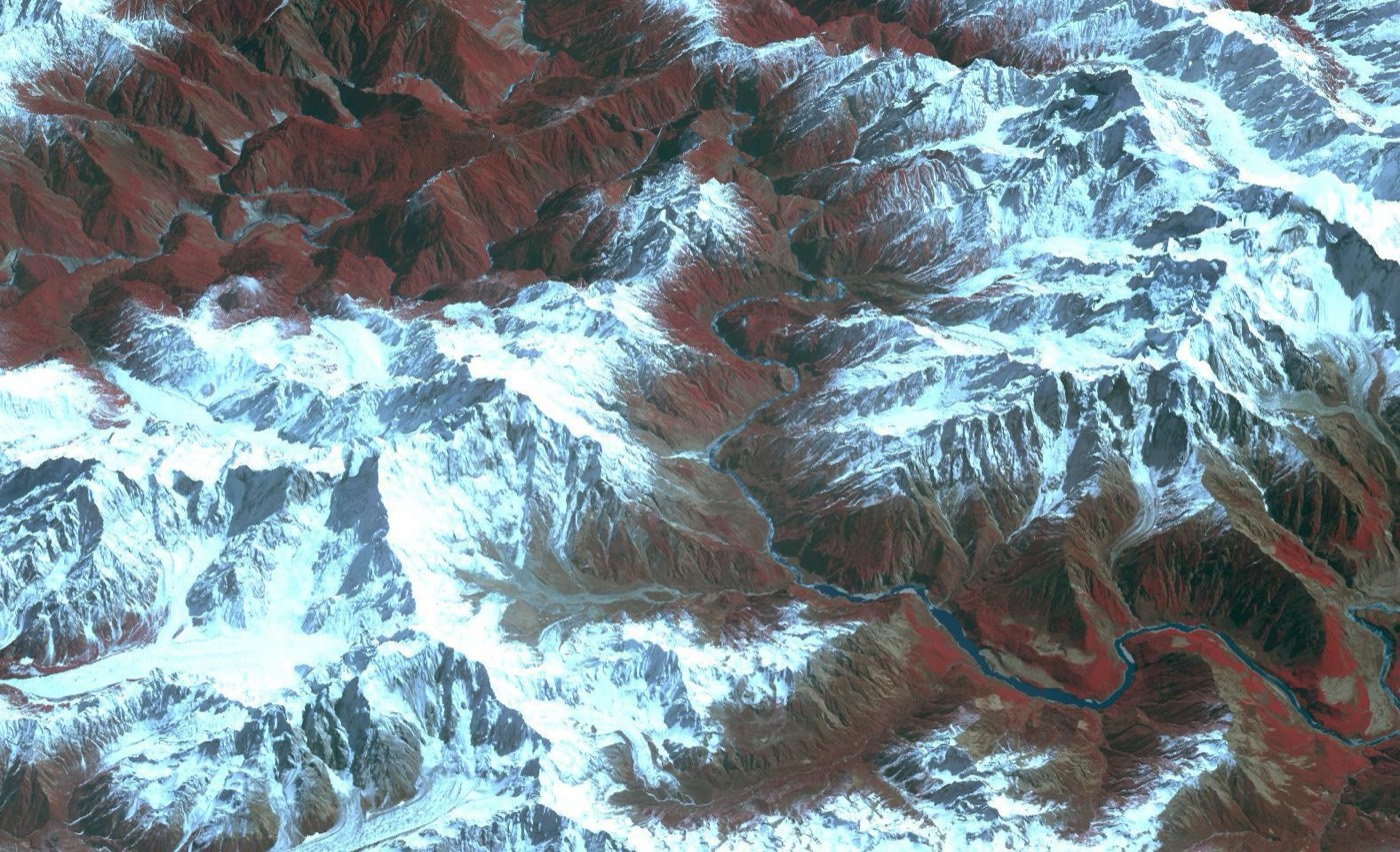
Which brings this video back to where it started: the Great Bend of the Yarlung Tsangpo, and the machine now rising there, on a scale nothing in this video has matched yet.
Medog is designed as five cascade power stations, one after another, along about fifty kilometres of river. Between them, they will use a vertical drop of close to two thousand metres. Together, they are meant to produce about sixty gigawatts of capacity, generating roughly three hundred terawatt-hours a year - about three times what Three Gorges manages today.
This is the Yarlung Tsangpo's Great Bend, and the peak of Namcha Barwa, seen from orbit. Four of Medog's tunnels, each about twenty kilometres long, are being bored straight through that mountain, carrying water between the cascade's stations underground.
This gorge has a violent history of its own. On the fifteenth of August 1950, an earthquake measuring magnitude eight point six struck close to this same stretch of river - still the largest inland earthquake ever instrumentally recorded. In November 2017, a smaller earthquake struck near the same spot, at magnitude six point nine. It triggered more than eighteen hundred landslides on its own.
Chinese geologists have since reported finding an active fault, the Paizhen Fault, running directly beneath the project site. They describe the surrounding rock as loose and prone to slope failure, especially once a reservoir's water sits on top of it for years at a time.
Every lesson chapter seven listed - the surveys, the seismic risk, the sizing of a spillway for a storm nobody has seen yet - gets its hardest test on this one river, in this one gorge.
11. India's answer
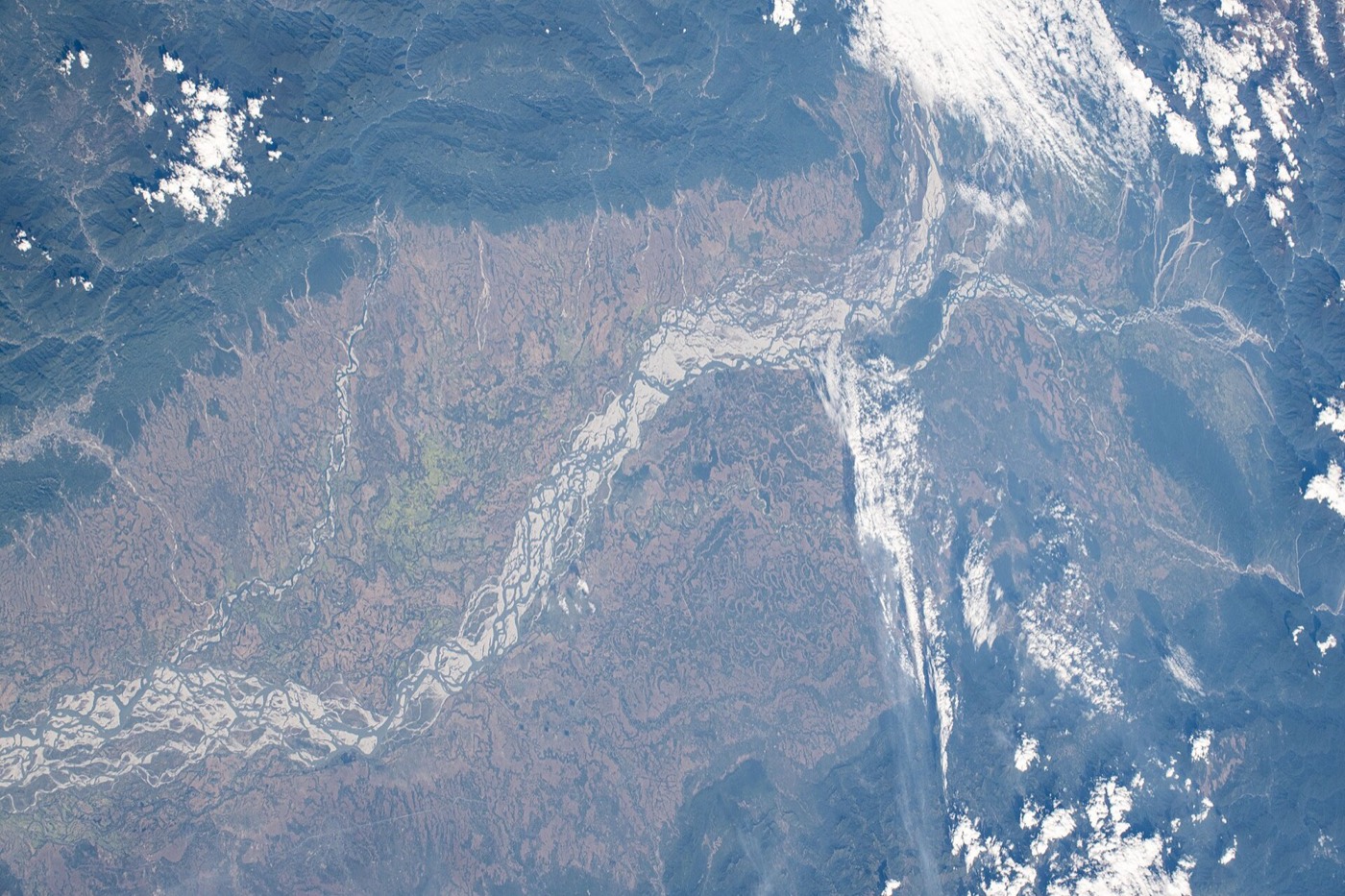
Downstream, in India, people are not waiting to see what Medog does before they start worrying about it.
India's answer is a dam of its own: the Siang Upper Multipurpose Project, planned by the state-run NHPC near Geku village in Arunachal Pradesh. At around eleven gigawatts, it would be India's largest hydropower project ever built. Officials say it is partly for power, and partly to give India some control of its own over a river Medog already sits upstream of.
This is the Brahmaputra - the same river, once it crosses into India - photographed from the International Space Station. It carries the water that both Medog and the Siang project would eventually control, from opposite ends of the same valley system.
Geku sits on the Siang river, which becomes the Brahmaputra as it flows on through Assam and into Bangladesh, directly downstream of the gorge where Medog is being built. That geography is exactly why the two projects cannot really be considered apart from each other.
In the final days of September 2026, villagers at Geku clashed with security forces over survey work for the project, and four people were arrested. Arunachal Pradesh's chief minister has since said the project will not go ahead over local communities' objections.
The Siang project may never be built quite as planned. But the fear driving the protests against it is a direct answer to what is already under construction upstream, on the same river, under a different flag.
12. Forwards or backwards?
So: clean power, or a dangerous bet? By now, the honest answer is both, depending which dam, and which decade, you happen to be looking at.
Hydropower is still the largest source of dispatchable, low-carbon electricity on the planet, and it is not going anywhere - the fourteen per cent of world electricity it supplies today is not likely to shrink much before 2030. That part of the case for dams is simply true, and worth remembering before the rest of this chapter turns to risk.
But scale changes the risk. A project the size of Medog concentrates enormous power, enormous cost and an enormous downstream population in one place. It also sits on one of the most active fault systems on the planet - the same ground that produced the largest inland earthquake ever measured.
Vajont and Banqiao show what happens when engineers underestimate a site. Medog and the Siang project are both still years from finished. Together they are the test of whether anyone has actually learned that lesson, or whether the next chapter in this story is still being written, somewhere in that gorge, right now.
Hydropower is not going away, and dams like Medog are not going to stop being built. Whether they turn out to be the clean power the world needs, or the dangerous bet history warns against, depends on decisions being made in gorges like this one right now, by engineers and officials whose names most of the world will never learn. Forwards, or backwards, is still an open question.
Sources and credits
Photo credits (Wikimedia Commons)
- Li Qiang, Chinese Premier (with US Treasury Secretary Yellen, Jul 2023): Office of U.S. Treasury Secretary, Public domain - https://commons.wikimedia.org/wiki/File%3AChinese_Premier_Li_Qiang_with_Yellen_Jul_2023.jpg
- Hoover Dam under construction, intake towers, 27 Sep 1934: National Archives, Herbert Hoover Presidential Library and Museum, Public domain - https://commons.wikimedia.org/wiki/File%3AConstruction_Intake_Towers_Hoover_Dam_1934.jpg
- Grand Coulee Dam under construction, March 1938: U.S. Bureau of Reclamation, Public domain - https://commons.wikimedia.org/wiki/File%3AGrand_Coulee_Dam_construction.jpg
- Norris Dam powerhouse under construction, TVA, Clinch River, Tennessee, 1930s: Tennessee Valley Authority, Public domain - https://commons.wikimedia.org/wiki/File%3ANorris-dam-construction-tva3.jpg
- Longarone destroyed by the Vajont wave, 10 Oct 1963 (US Army): US Army, Public domain - https://commons.wikimedia.org/wiki/File%3ALongarone_1963.jpg
- Vajont Dam today, seen from Erto e Casso: Andre86, Public domain - https://commons.wikimedia.org/wiki/File%3AVajont_Dam.jpg
- Three Gorges Dam on the Yangtze, ASTER satellite image: NASA/METI/AIST/Japan Space Systems, and U.S./Japan ASTER Science Team, Public domain - https://commons.wikimedia.org/wiki/File%3AThree_Gorges_Dam%2C_China_%28ASTER%29.jpg
- Grand Ethiopian Renaissance Dam, aerial view, Aug 2024: Prime Minister Office Ethiopia, Public domain - https://commons.wikimedia.org/wiki/File%3AGERD_Dam.jpg
- Yarlung Zangpo Grand Canyon and Namcha Barwa, Tibet, satellite image: NASA/GSFC/METI/ERSDAC/JAROS, and U.S./Japan ASTER Science Team, Public domain - https://commons.wikimedia.org/wiki/File%3AYarlung_Zangpo_Grand_Canyon%2C_Tibet.jpg
- Brahmaputra River in eastern India at the foot of the Himalayas, ISS photo: NASA Johnson Space Center, Public domain - https://commons.wikimedia.org/wiki/File%3AThe_Brahmaputra_River_in_eastern_India_at_the_foot_of_the_Himalayas_%28iss072e397228%29.jpg


Primary sources
- Xinhua, 19 July 2025, and Bloomberg, 'China Kicks Off Controversial Mega-Dam Project in Tibet,' 19 Jul 2025 - Medog groundbreaking, Li Qiang's role, cost figure and verbatim quote.
- Newsweek, 'China's project of the century,' Jul 2025; ABC News Australia, 22 Jul 2025 - 'project of the century' framing.
- Wikipedia, 'Medog Hydropower Station,' fetched 29 Sep 2026 - capacity, output, cost, timeline and Paizhen Fault cross-checks.
- The Diplomat, 'What's Driving China's Mega Medog Hydropower Project?,' Feb 2026; the 2033 completion date it is cited for is corroborated independently via Wikipedia and Newsweek.
- Tennessee Valley Authority - TVA founding and mission, 1933.
- ASDSO/damfailures.org, 'Vajont Dam (Italy, 1963)' and 'Banqiao Dam (China, 1975)' case studies, both fetched directly 29 Sep 2026.
- Human Rights Watch, 'The Three Gorges Dam in China,' 1995 - Banqiao's wider death-toll estimate.
- China Three Gorges Corporation, 'China's Three Gorges dam generates 1,600 TWh of power in 20 years,' 2023-24 - capacity, output, reservoir length, resettlement figure.
- International Hydropower Association, World Hydropower Outlook 2025 - hydropower's share of world electricity and dispatchable/ramping characteristics.
- IEA, Renewables 2025 - hydropower forecast share to 2030.
- Webuild GERD inauguration press release, 9 Sep 2025; Al Jazeera/France24, 9 Sep 2025 - GERD inauguration date and status.
- Stimson Center, 'Analysis of Hydropower Impacts in the Mekong's 3S Basin,' 2023 - Mekong dam counts and downstream impacts.
- GeoLog/EGU, 'The 1950 Assam-Tibet Earthquake: a singular Himalayan earthquake on its 75th anniversary,' Aug 2025.
- NHPC pre-feasibility reporting on the Siang Upper Multipurpose Project, via MyInd/vajiramandravi/Insights on India, 2022-2026.
- Arunachal Observer, 'Villagers & security forces clash at Geku over SUMP,' 30 Sep 2026; NE Now and Hub Network corroboration, 28-30 Sep 2026.
- Hub Network, 'Siang Project: Khandu assures community consultations amid Geku clashes,' 29-30 Sep 2026 - paraphrased, not quoted verbatim, per requirement 7.
Not regulated financial advice.