
The Female Codebreakers Who Helped Win WWII
Bletchley Park's codebreaking is usually told as Alan Turing's story. By January 1945, nearly 10,000 people worked at Bletchley Park and its outstations, and about 75% of them were women — Wrens posted in from the Women's Royal Naval Service, women picked for foreign languages, and mathematics graduates recruited straight from Cambridge women's colleges like Newnham and Girton.
This video follows what they actually did: Joan Clarke's path from a Cambridge double first Cambridge would not award her, to deputy head of Hut 8 in 1944, developing Banburismus alongside Alan Turing; Mavis Lever (later Batey) and Margaret Rock's March 1941 break of the Italian navy's Enigma variant, which fed the intelligence behind the Royal Navy's victory at the Battle of Cape Matapan; the nearly 2,000 operators, the great majority Wrens, who ran about 200 Bombe machines in round-the-clock eight-hour shifts; and the 273 women who operated ten Colossus machines against the German Lorenz cipher, billeted at Woburn Abbey.
It then asks why this is remembered as a men's story: how women's analytical work was logged under lower-ranked job titles that left a thinner paper trail, and how the Official Secrets Act kept everyone silent for nearly thirty years until F. W. Winterbotham's 1974 book The Ultra Secret broke the silence — with the full technical record of the Lorenz attack not declassified until 2000. The video closes on how recognition has built since the Bletchley Park Trust's museum opened in 1993, up to Sir Dermot Turing's 2025 book Misread Signals and the public events discussing it into 2026.
Every figure is on screen with its source and date.
In these topics
Chapters
Video notes
1. A country house full of secrets
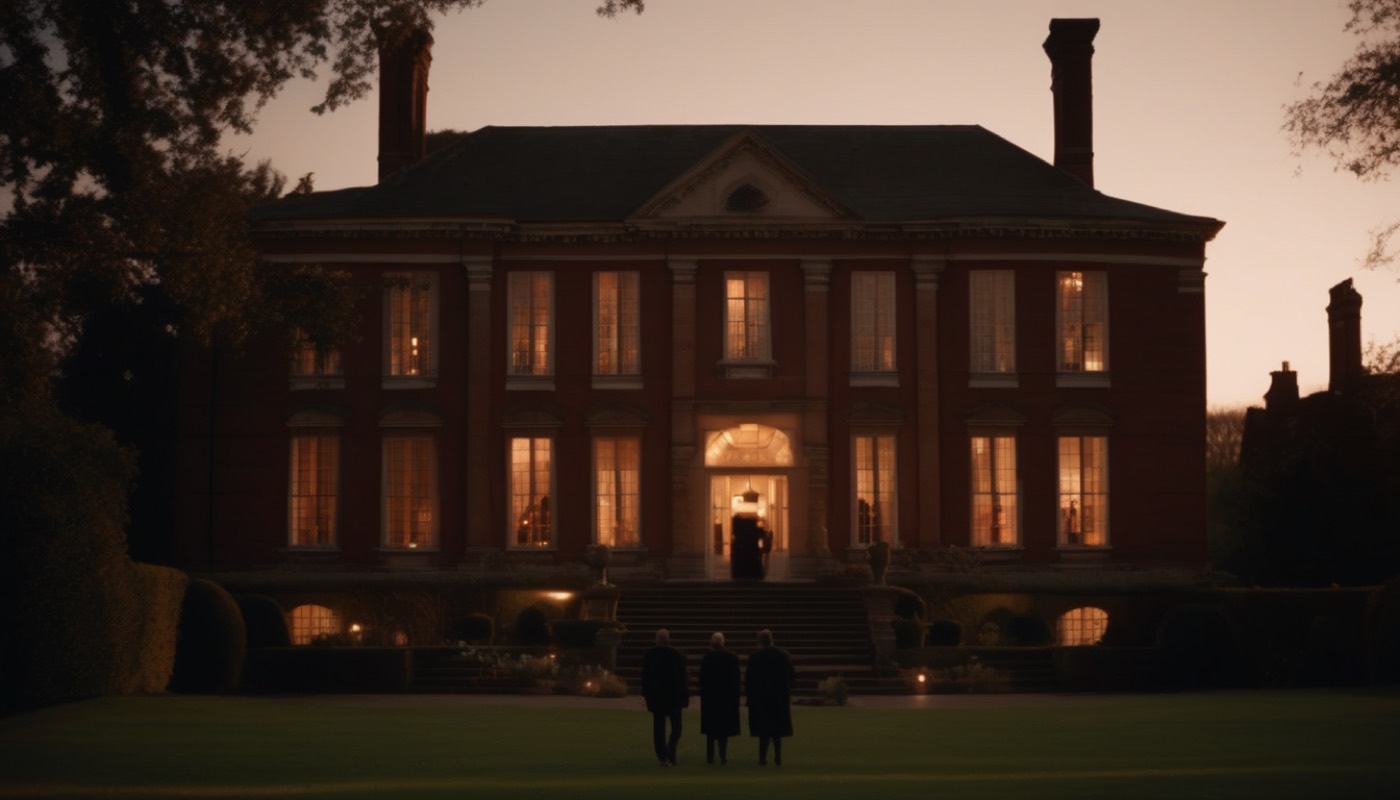
In 1939, a redbrick mansion in Buckinghamshire became Britain's most important secret. Bletchley Park sat quietly in the English countryside, and inside it, a wartime codebreaking operation grew from a handful of staff into a small town's worth of people.
Most people who know this story know one name from it: Alan Turing.
Turing was real, and his work was real. But the popular memory of Bletchley Park is almost entirely a story about a small number of men, and that memory leaves out most of the people who actually worked there.
Most of the staff at Bletchley Park were not men at all. They were women, doing codebreaking work usually credited to the men standing near them.
So this video asks a simple question. If most of the people inside Bletchley Park were women, why is almost everything we remember about it a story about men? Finding the answer means going back to who these women actually were, and what they actually did.
2. Who they recruited
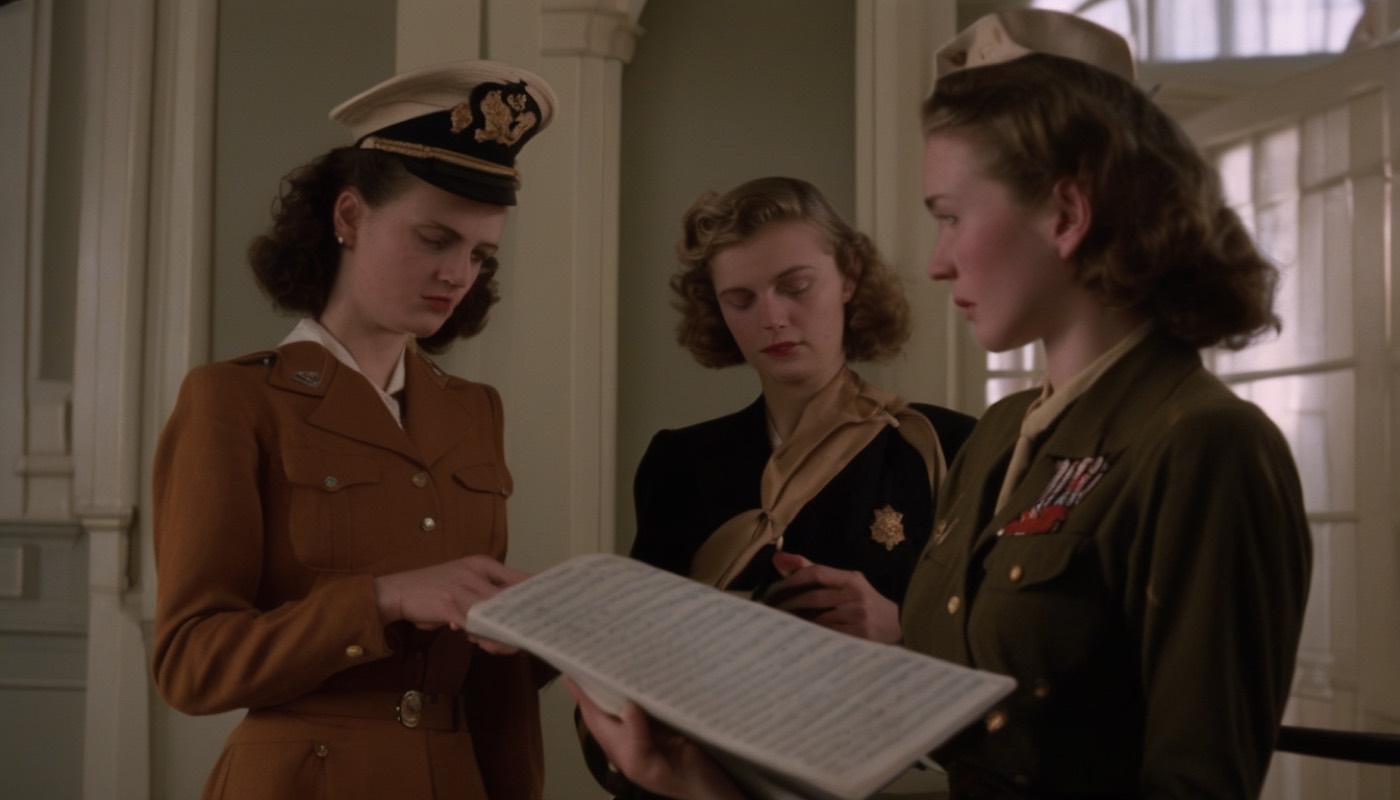
Bletchley Park did not recruit the way an ordinary wartime office might. It pulled women in from three quite different directions at once.
Some arrived in uniform, posted in from the Women's Royal Naval Service — the Wrens. Others were picked for their foreign languages, including young women from fashionable social circles who had learned French, German or Italian at finishing school. A third group came straight from university mathematics departments.
That third stream ran through a small number of Cambridge colleges that, at the time, only admitted women.
At Newnham College, three former students quietly identified promising mathematicians and recommended them for war work. More than seventy Newnham students were recruited this way, and Girton College supplied mathematics graduates through a similar informal network.
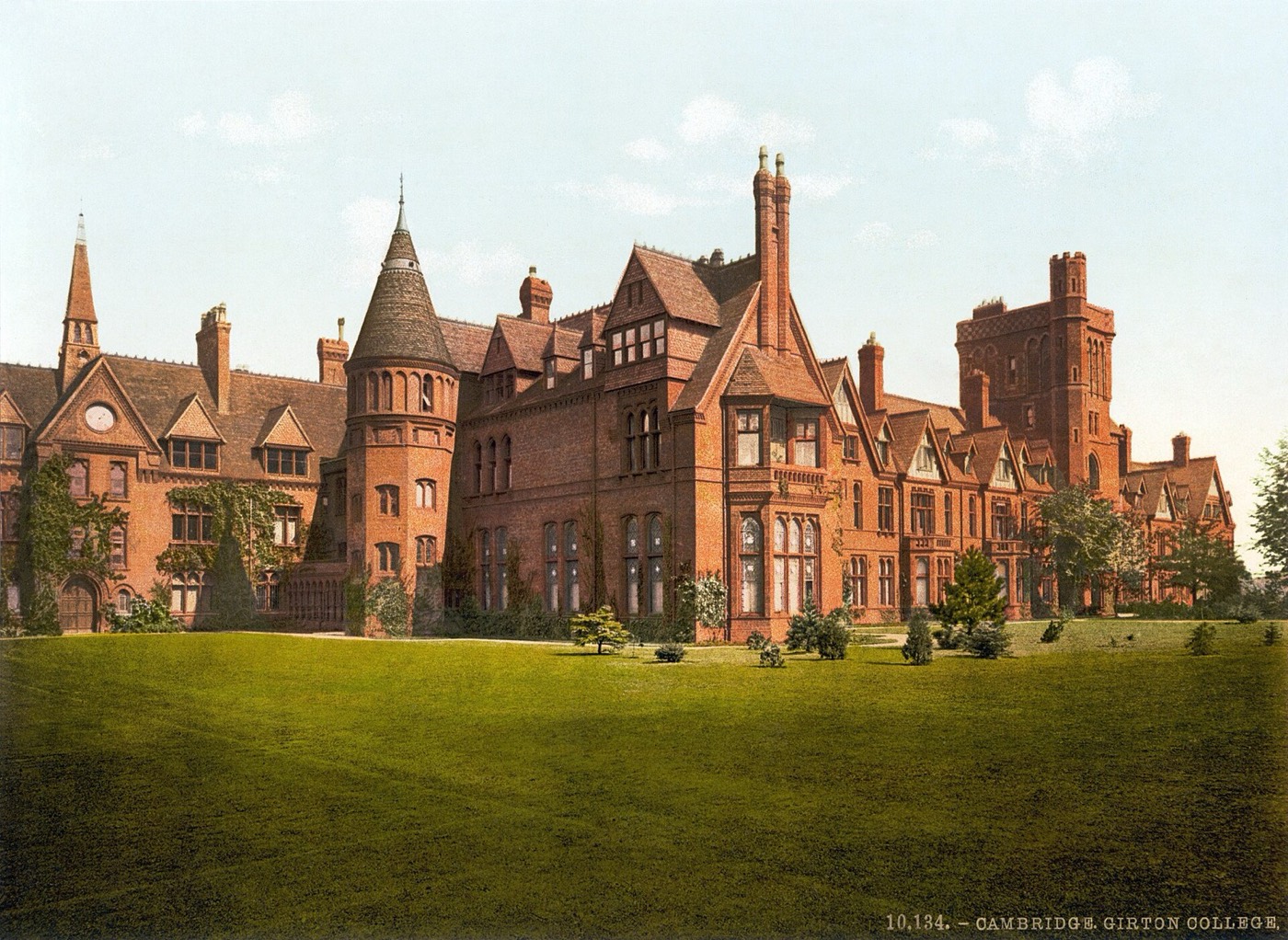
Girton's own buildings still stand much as they did then.
This is Girton College, Cambridge, photographed in the 1890s. It was one of the women's colleges that sent its mathematics graduates straight into Bletchley Park's codebreaking huts.
Three recruitment streams, three different kinds of women. All three ended up breaking codes, by hand and by machine, for a department that officially barely existed.
3. The scale of it
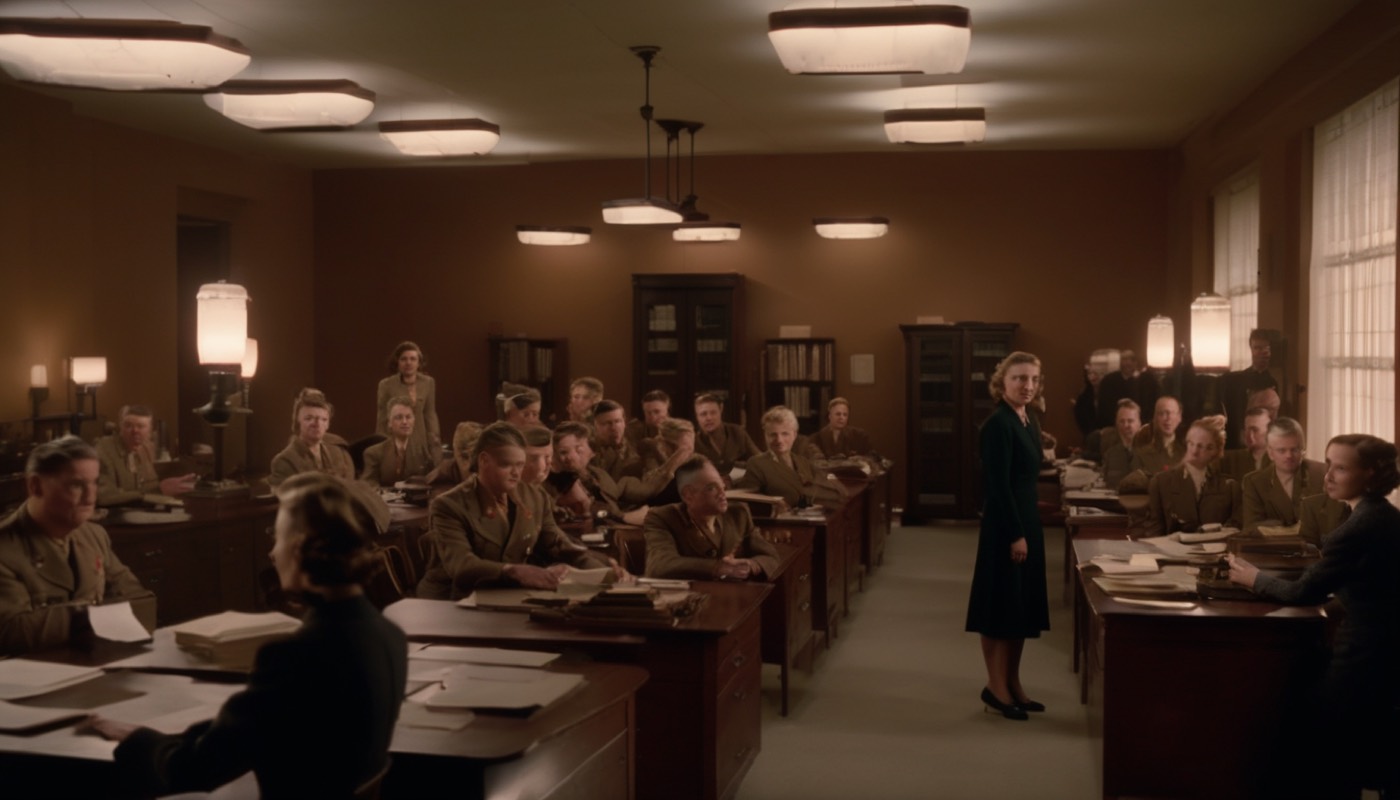
It is easy to picture Bletchley Park as a handful of boffins in one hut. By the war's final winter, it was nothing like that.
By January 1945, nearly ten thousand people worked at Bletchley Park and its outstations. About three in four of them were women.
That is not a side detail in this story. It is the shape of the whole organisation.
Six out of every ten women working at Bletchley Park were serving in Britain's armed forces at the time, wearing a service uniform to do codebreaking work. The effort usually pictured as a handful of brilliant men was, on the numbers alone, mostly a women's workforce.
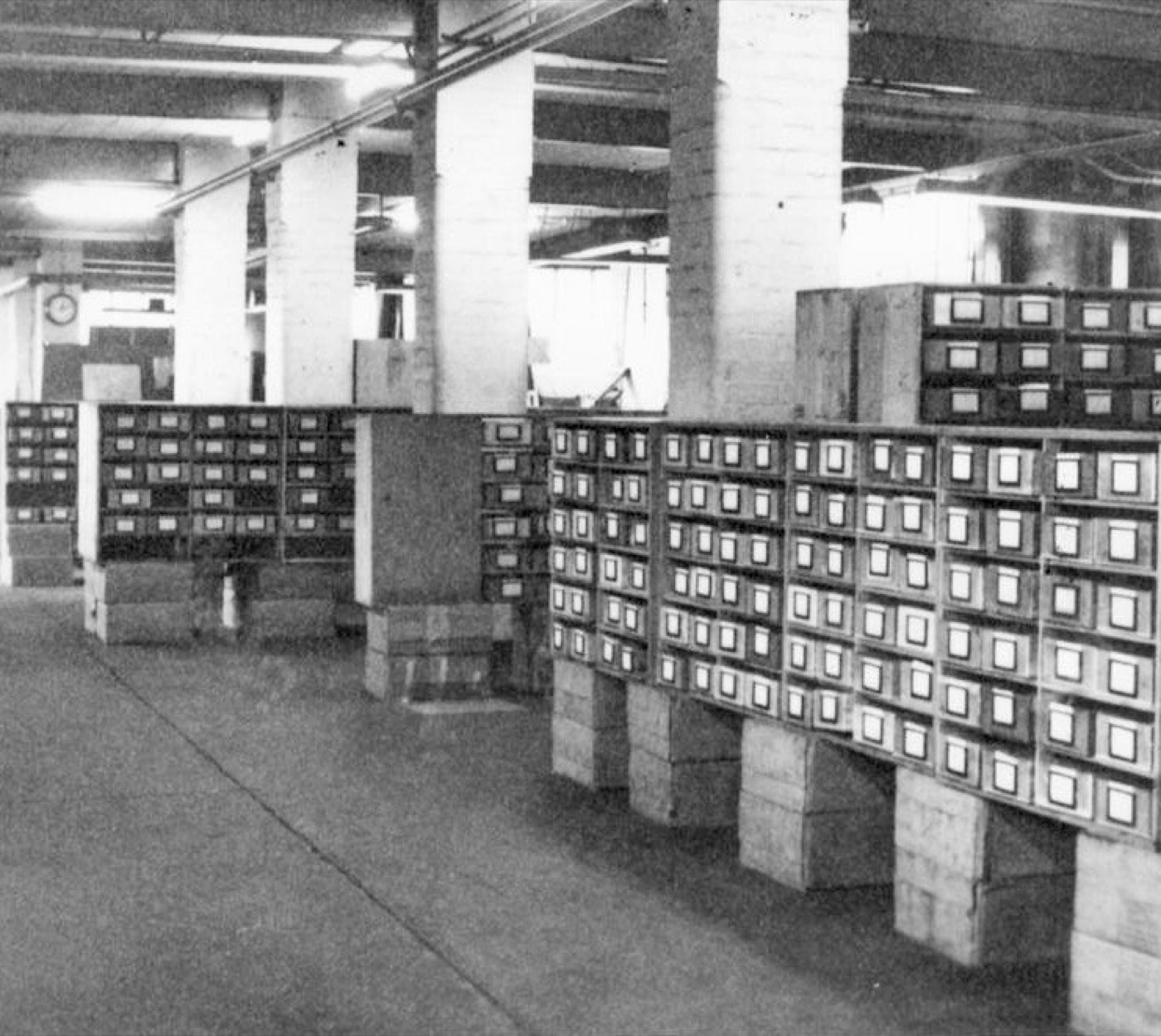
A workforce that size needed somewhere to keep its paperwork in order, as well as its people.
This is the Central Index room at Bletchley Park, photographed in 1945. Rows of punched cards held the names, call signs and codewords the whole operation depended on.
4. Joan Clarke and Hut 8
One of those recruits arrived at Bletchley Park on the seventeenth of June, 1940, straight from a Cambridge mathematics degree.
Joan Clarke had taken a double first in mathematics there, one of the best results of her year. Cambridge would not award full degrees to women for several more years, so she left university with the result but not the qualification.
She started in an all-women clerical section, then moved into Hut 8 — the section attacking the German navy's Enigma traffic, run by Alan Turing.
In Hut 8, Clarke became the only woman who specialised in Banburismus, a statistical method Turing had devised to narrow down naval Enigma settings before the bombes even ran. Hugh Alexander, who later led the section, called her "one of the best Banburists in the section."
That skill eventually earned her the section's second most senior job, though not the pay that should have come with it.
Clarke became deputy head of Hut 8 in 1944, the most senior role any woman held there. She was still paid less than the men doing equivalent work.
To get any pay rise at all, she had to accept an odd compromise.
Clarke was reclassified under the Civil Service grade of Linguist, despite speaking no other language, because that grade paid more than the one open to her. She would later say she took "great pleasure in filling in forms with the line: 'grade: linguist, languages: none.'"
Her engagement to Turing, in the spring of 1941, lasted only months before he told her he was gay; the two stayed friends for the rest of his life.
Laid out in order, Clarke's Bletchley years run through three moments. She arrived in 1940. Her engagement and her Banburismus breakthroughs both came in 1941. And she became deputy head of Hut 8 in 1944 — each step moving her further up the section, without ever closing the pay gap.
A career built almost entirely on being underpaid for first-rate work, with one brief, unrelated chapter in the middle of it.
5. Mavis Batey and the Italian Enigma
Not every breakthrough at Bletchley Park came from a slow statistical method. Some came from a teenager staring hard at a single message.
Mavis Lever — later Mavis Batey — joined Bletchley Park in May 1940, aged nineteen, to work for the cryptanalyst Dilly Knox on the Italian navy's own variant of Enigma. She had no training in codebreaking at all, only a language degree and a sharp eye for patterns.
In March 1941, working alongside a colleague named Margaret Rock, she broke a message that mattered immediately rather than eventually.
The decrypted text ended with a short, chilling phrase: "is the day minus three." It was part of a countdown to an Italian attack on a Royal Navy convoy, and the break reached the fleet while there was still time to act on it.
Admiral Sir Andrew Cunningham used that warning to set a trap, not just dodge a threat.
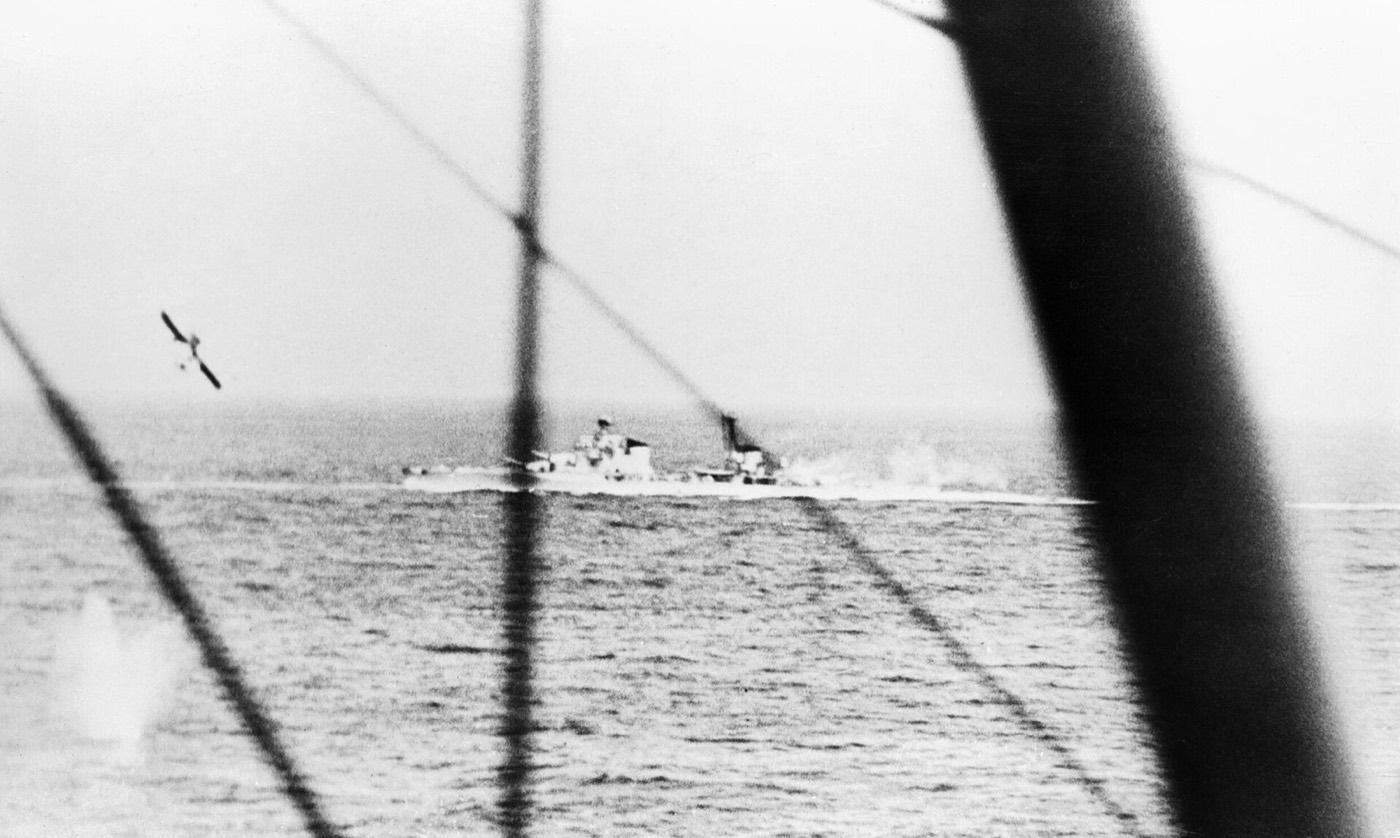
The engagement that followed is remembered as the Battle of Cape Matapan, fought over three days in late March 1941. Cunningham's fleet sank five Italian warships that night, and none of them had any warning before the attack began.
A single naval engagement, decided in part by a line of Italian text that two women had read before anyone on the other side knew it had been read at all.
The naval historian Vincent O'Hara later called the battle "Italy's greatest defeat at sea." It is still described that way by historians writing about the war at sea.
Lever herself, decades on, remembered it in plainer terms, as a thrilling experience for someone so young and so new to the work.
This aerial photograph was taken during the Battle of Cape Matapan on 27 March 1941. It records the engagement that followed directly from Lever and Rock's break of the Italian naval cipher.
6. Running the Bombe
Breaking a single message by hand, the way Lever and Rock did, was the exception. Most of Bletchley Park's output came from a machine, run around the clock by hand-picked operators.
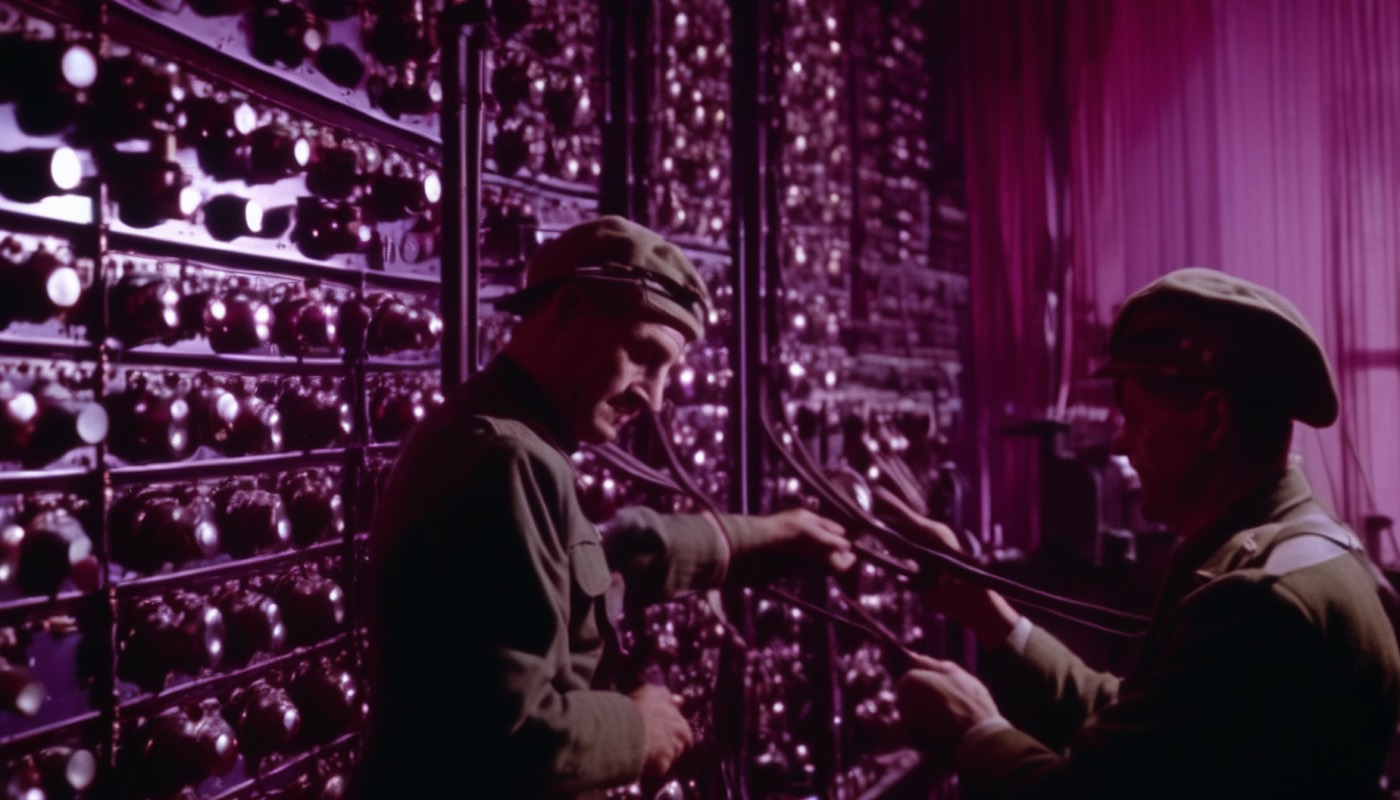
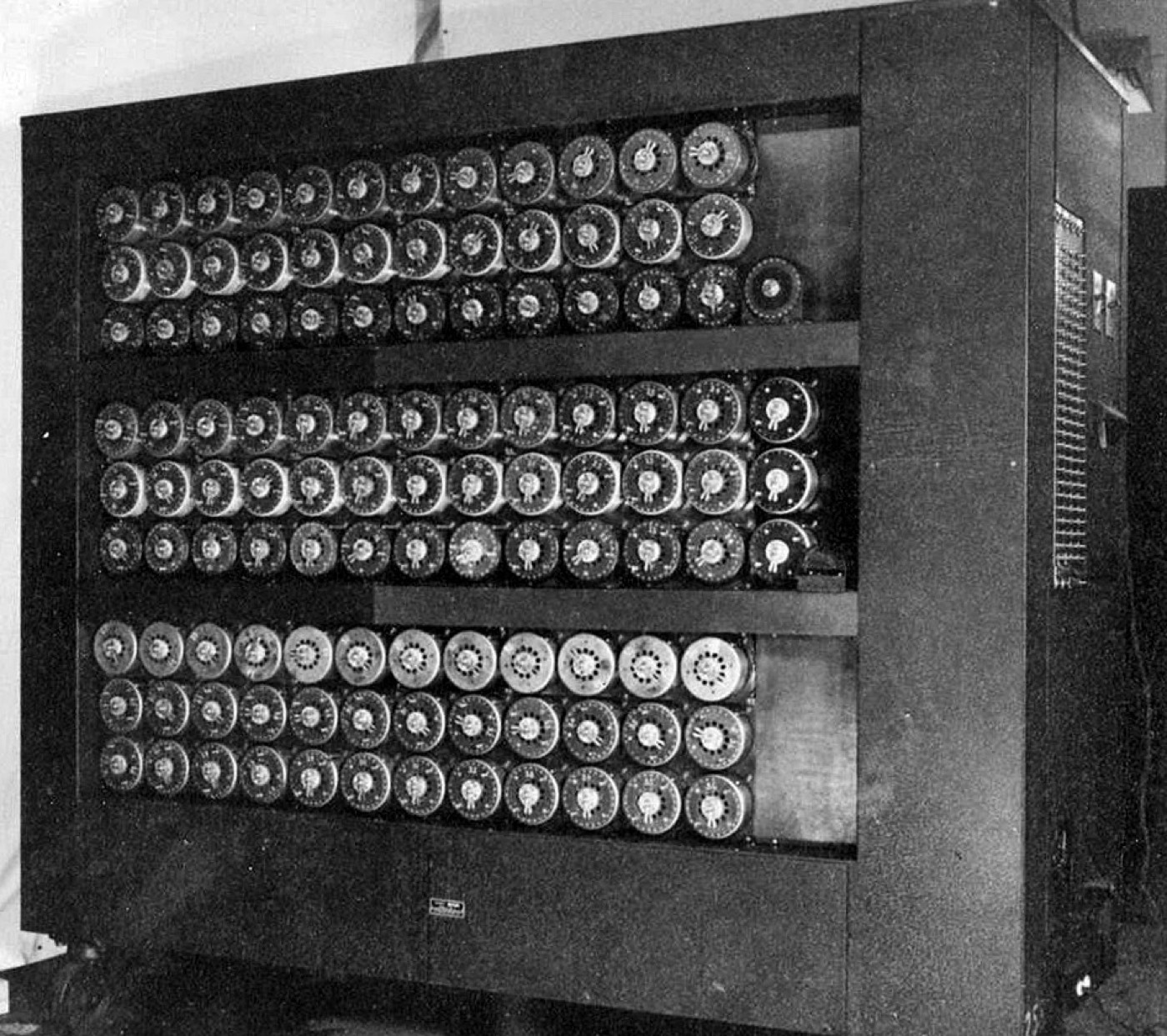
The bombe was an electromechanical machine that tested thousands of possible Enigma settings at speed, to a design Turing and Gordon Welchman had worked out. Around two hundred of them were built, chiefly at the outstations of Eastcote and Stanmore, just outside Bletchley Park itself.
Both outstations sat only a short drive from the Park, close enough to share staff and signals traffic.
Eastcote and Stanmore, on the edge of north-west London, each held dozens of bombes. Results were telephoned or driven back to the analysts at Bletchley Park itself.
A photograph from the period shows just how large, and how industrial, these machines actually were.
This is a wartime photograph of a bombe machine at Bletchley Park. It shows a wall of rotating drums, each one testing a possible Enigma wiring in seconds rather than hours.
Running that wall of drums took a very large number of hands.
By the end of the war, nearly two thousand people operated the bombes, and the great majority of them — one thousand, six hundred and seventy-six — were Wrens. Two women worked each machine on an eight-hour shift, three shifts a day, with no pause for Sundays.
The job was not simply switching the machine on. It demanded real, learned skill.
Before a bombe could run, its operators had to wire up a "menu" — a precise plan of connections based on a guessed fragment of plaintext — entirely by hand. One wrong connection could send the machine searching for hours and find nothing.
That is a mathematician's task, done standing up, in a hot and deafening room, by women the official record mostly described as simply running a machine.
7. Colossus and the Lorenz cipher
The bombe attacked Enigma. A separate German cipher, used for the most sensitive high-command traffic, needed an entirely different machine, and an entirely separate workforce of women to run it.
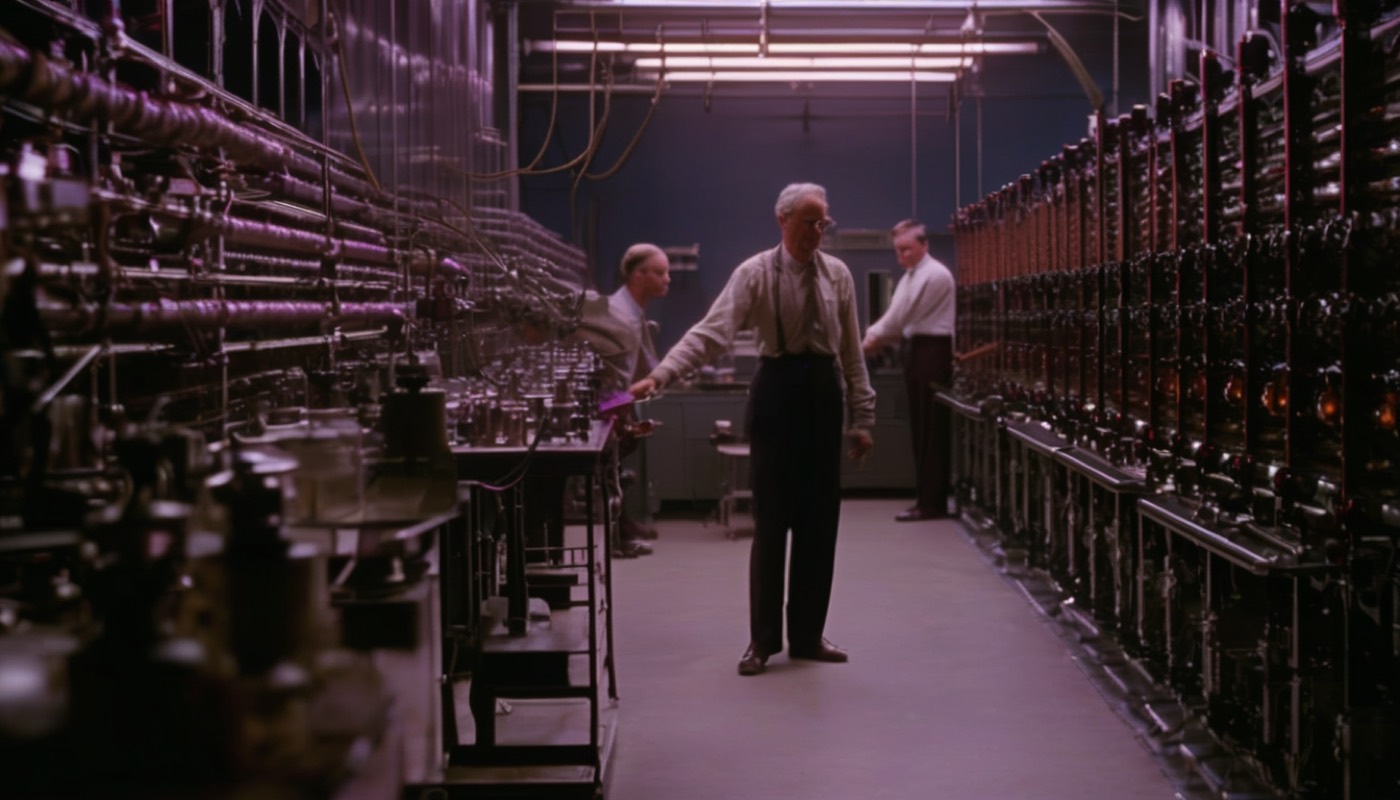
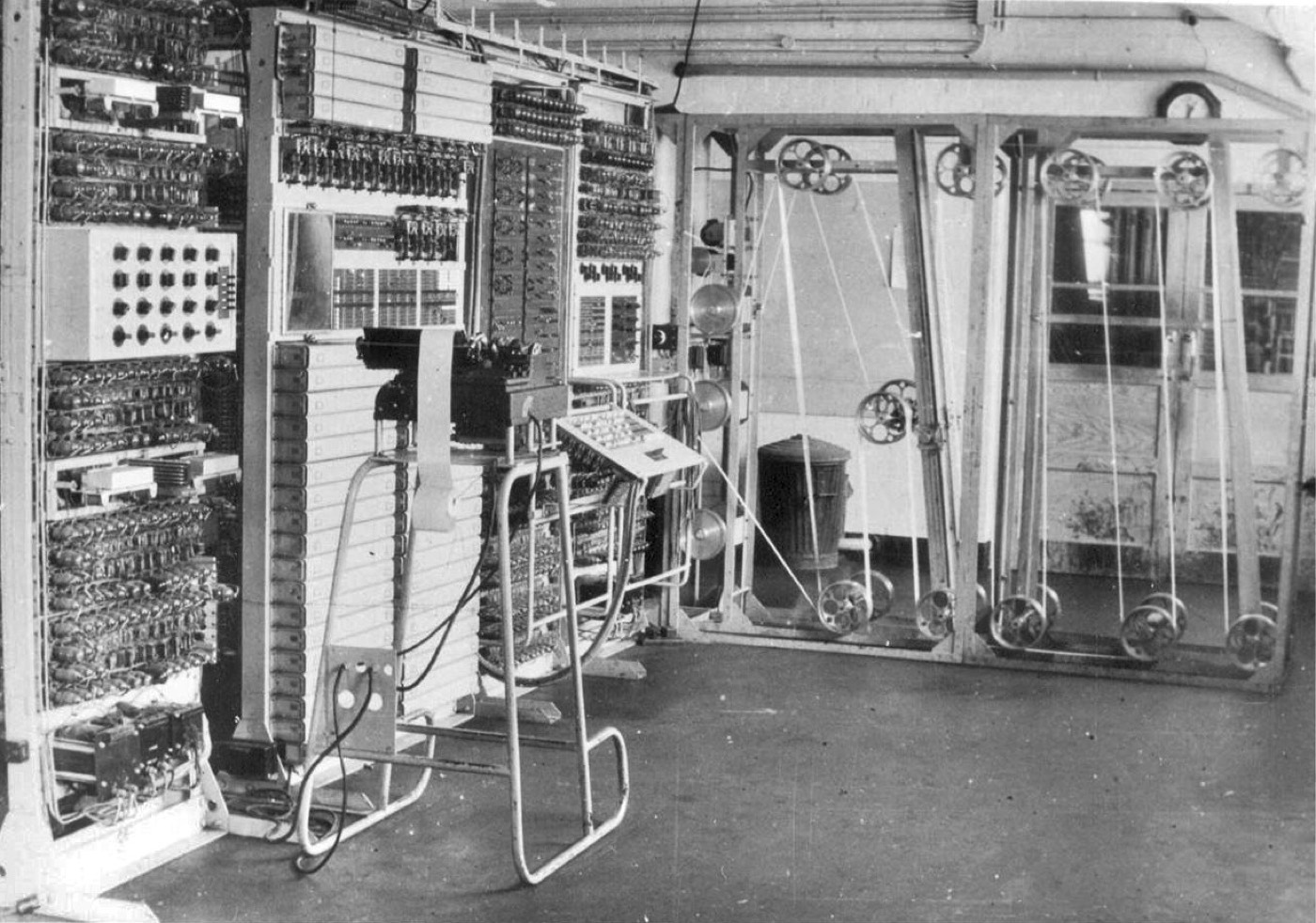
That cipher was called Lorenz, and the machine built to attack it was Colossus — one of the earliest electronic computers anywhere. Beginning in 1943, 273 women were recruited into the section that ran it, a group known as the Newmanry after its head, the mathematician Max Newman.
Nobody arrived already knowing how to operate a computer, because almost nobody in the world did yet.
New recruits spent about two weeks learning binary mathematics, the teleprinter alphabet, and how to read a punched paper tape, before being tested and assigned to a machine. By the end of the war, ten Colossus machines were running against Lorenz traffic.
A wartime photograph of one of those machines survives, taken inside the section where the women worked.
This wartime photograph shows Colossus 10, in Block H at Bletchley Park. It was one of the ten machines the Newmanry's women kept running day and night.
Lorenz carried Germany's most senior messages, so breaking it meant feeding something close to the enemy's own command conversations straight to Allied commanders.
The signal path ran in one direction only: a Lorenz-enciphered message, intercepted off the air, fed through Colossus, and out as decrypted high-command text. From there it went straight to military intelligence.
Two hundred and seventy-three women ran the most advanced computing machinery of the war, for a machine whose very existence was a secret for decades afterwards.
8. Inside the Newmanry
Running Colossus was only half the women's working life. Where they slept mattered just as much to what that work cost them.
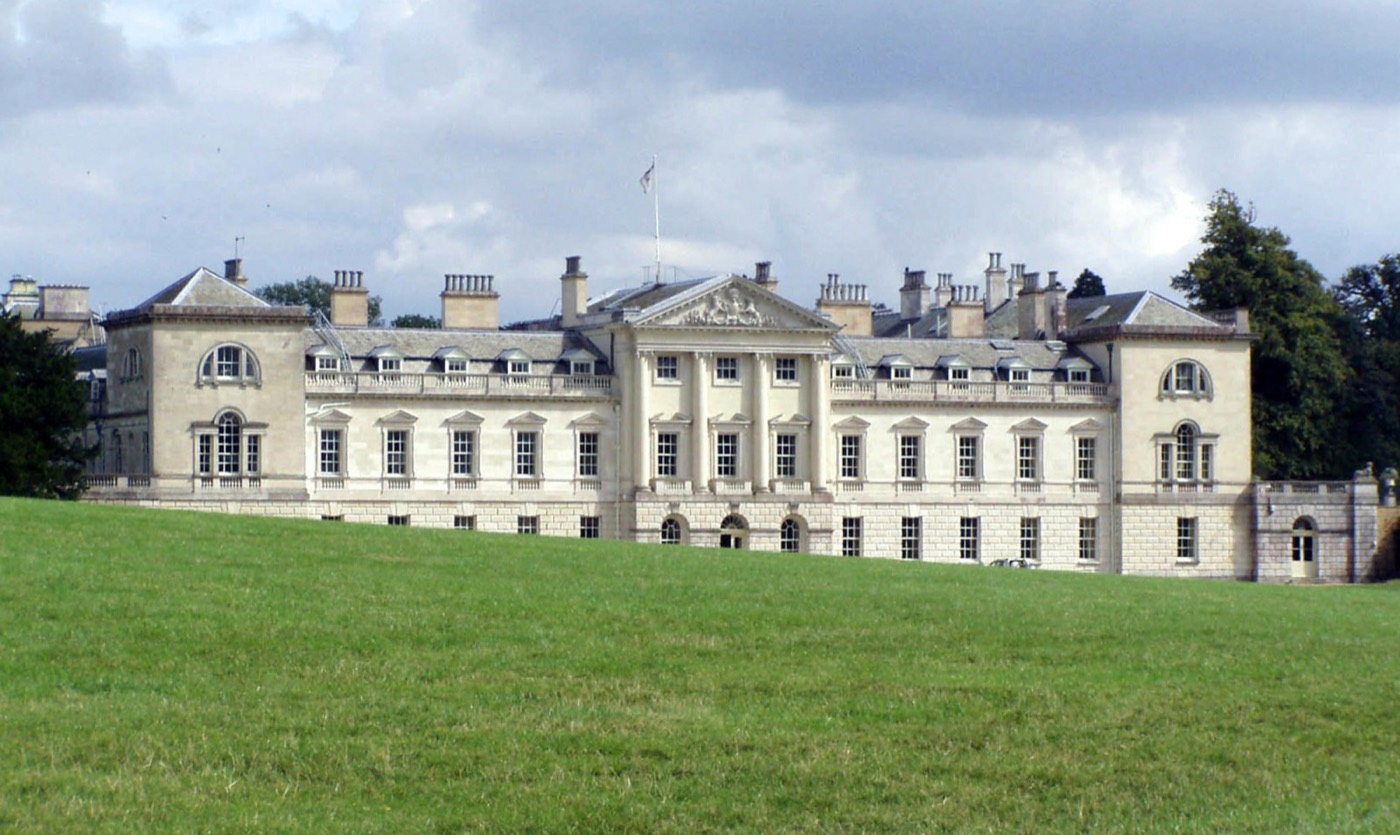
This is Woburn Abbey, in Bedfordshire. Many of the Colossus operators were housed here, some distance from Bletchley Park, and bussed in for their shifts.
It was not the glamorous country-house posting the address might suggest.
Operators were billeted four to a room in the cold, poorly plumbed servant quarters of Woburn Abbey. It was a world away from the mansion's grand public rooms.
The shift pattern they worked was just as unforgiving as the housing.
The rota ran a week of day shifts, then a week of evenings, then a week of nights, with one weekend off in an entire month. Inside the machine room itself, Colossus's valves threw off heat equivalent to a hundred electric fires running at once.
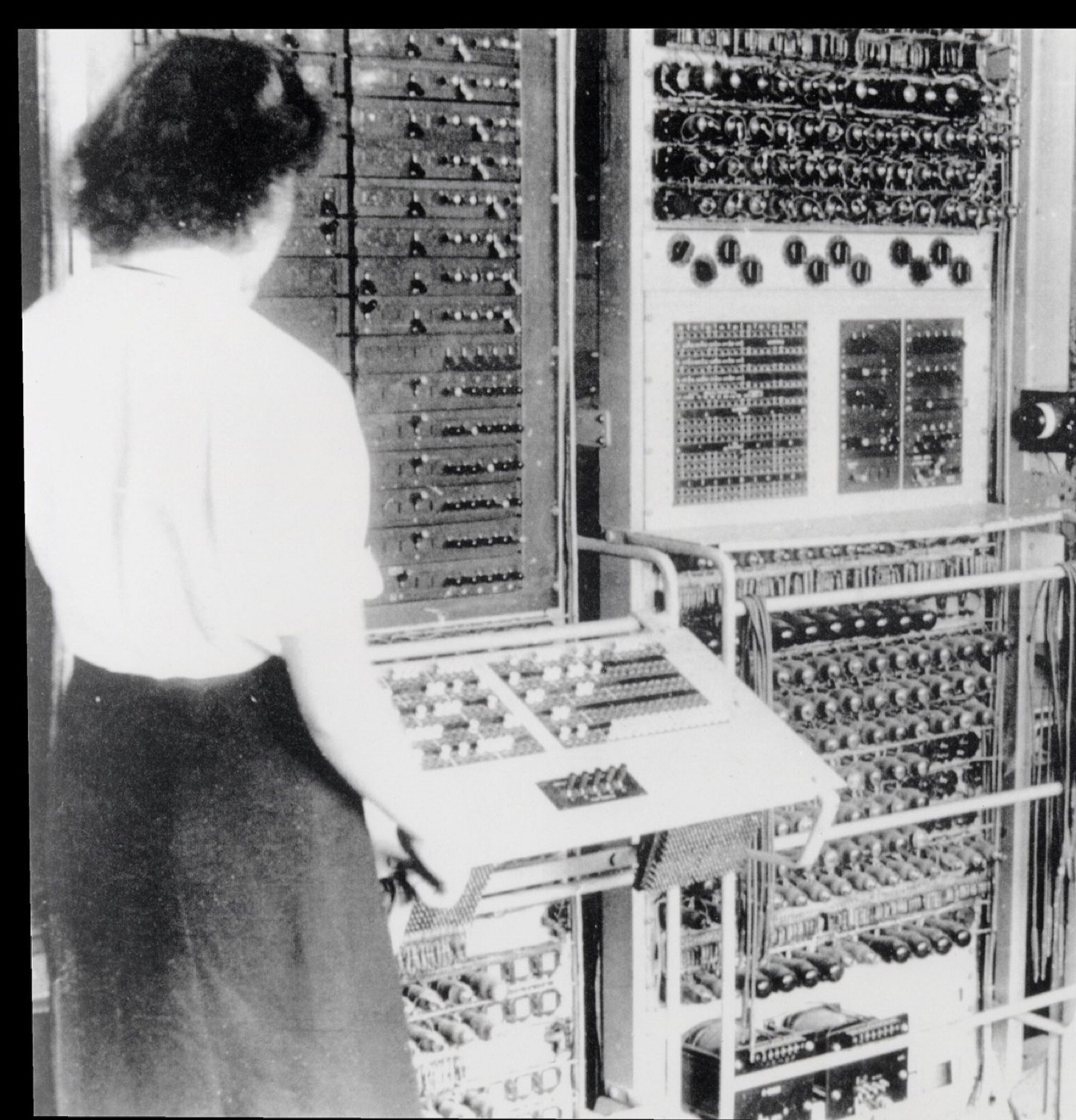
One of those operators, a Wren, was photographed at her machine during the war — rare, because almost nothing about Colossus could be shown or described at the time.
This wartime photograph shows a Wren operating a Colossus-type machine at Bletchley Park. Elsewhere, she is identified by name as Dorothy Du Boisson.
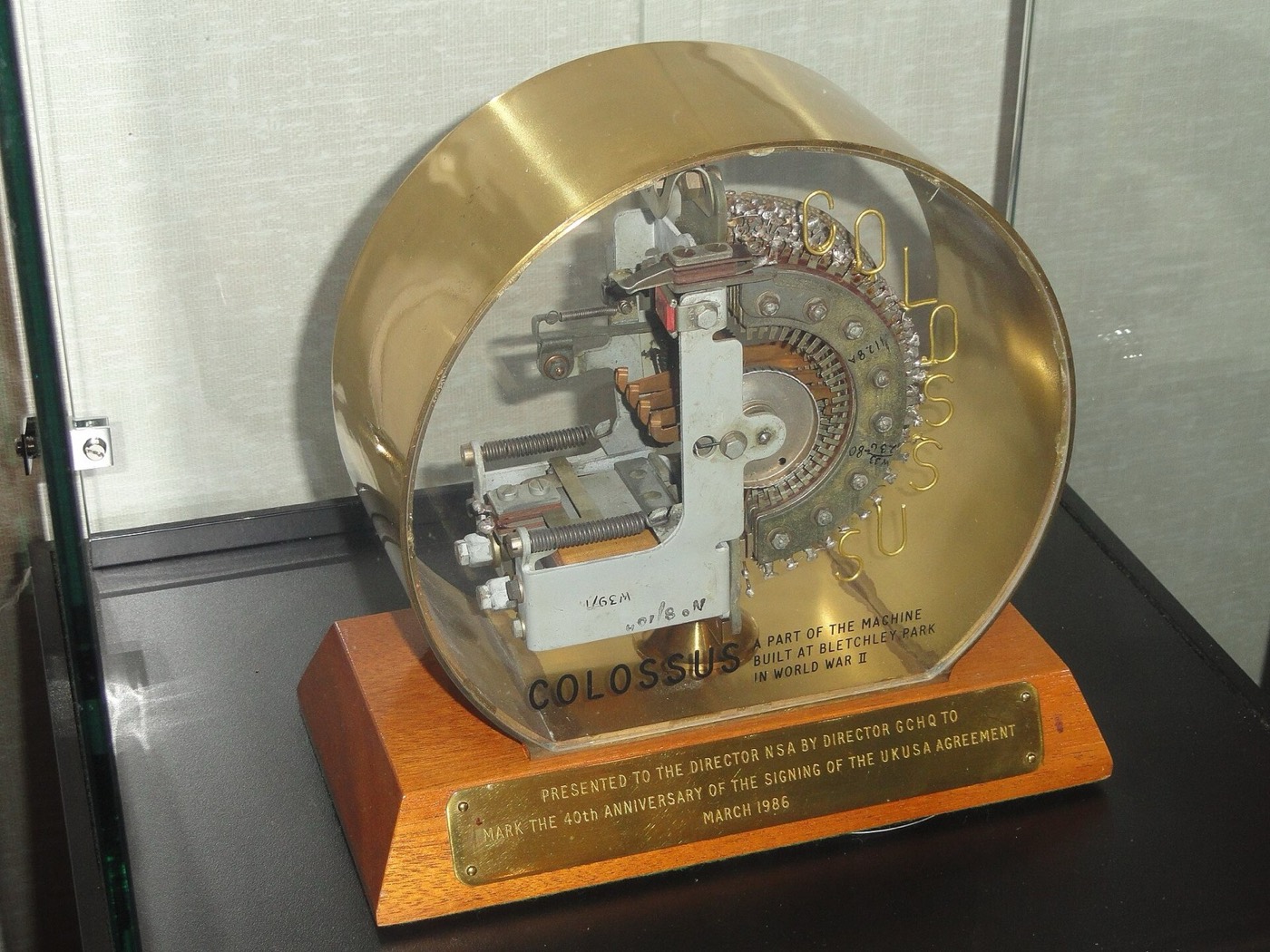
Very little of the physical machine survived the war intact, but one piece did.
A section of an original Colossus machine survives today, preserved in a museum collection and presented by Britain's GCHQ in 1986. It is one of the few physical pieces of the computer anyone can still see.
A cold bedroom, a punishing rota, and a machine room hot enough for shirtsleeves in midwinter. That was the daily reality behind the official phrase, operated a computer.
9. Work credited to others
None of this — the Banburismus, the bombe menus, the Colossus shifts — was hidden from the people running Bletchley Park at the time. It got hidden afterwards, in how the story was told.
Postwar accounts of Bletchley Park tended to focus on a small number of senior, named cryptanalysts, most of them men. They were the ones who signed reports, gave lectures, and later wrote memoirs. Women's work, even where the task itself was genuinely analytical, was usually logged under plainer, lower-ranked job titles.
That difference in job title became, over the following decades, a difference in who got remembered at all.
A woman graded as an "operator" running a bombe, or a "linguist" with no language on her file, left a thinner paper trail than the men whose names appeared on technical reports. When historians later went looking for who had done the work, the paper trail pointed disproportionately toward the men.
So the credit did not have to be stolen on purpose for the story to end up lopsided. The record itself was built that way, one job title at a time — and the Official Secrets Act made sure nobody with a different memory of it could speak up to correct it.
10. Decades of silence
Every single person at Bletchley Park, whatever their job, signed the same document on the way in.
All staff swore an oath under the Official Secrets Act, promising never to discuss their work. That meant not with family, not with friends, and not even with colleagues working in a different hut on the same problem. Breaking it was a criminal matter, not an awkward conversation.
That oath did not expire when the war did, in 1945.
The ban held for nearly thirty years. Women who had spent years running bombes or Colossus machines went home unable to tell even their own husbands what they had actually done during the war.
A silence that long does not just hide facts. It erases the sense that there was ever anything worth telling.
11. The secret breaks
The silence ended with one book, written by the man who had administered the secrecy oath himself.
In 1974, the former RAF officer F. W. Winterbotham published The Ultra Secret, the first popular account of Bletchley Park's wartime work. It broke almost thirty years of official silence in a single volume.
British authorities considered prosecuting him, and decided against it.
Officials took legal advice on charging Winterbotham under the Official Secrets Act, then concluded a prosecution would do more damage than the book itself had. Once one account was out and unpunished, a slow, cautious release of everything else began.
That release moved at very different speeds for different parts of the story.
The pace of that release shows clearly on a timeline. Winterbotham's book came in 1974, and the first Colossus photographs followed in 1975. Engineer Tommy Flowers was allowed to publish about the machine's design in 1983, but the full technical report on the Lorenz attack was not declassified until 2000 — each step releasing a little more than the one before it.
Only once that last, full record was public could the women who ran Colossus be named and credited in any detail at all.
12. Recognition at last
With the files finally open, the people who had actually done the work started to get their names back.
The Bletchley Park Trust opened the site to the public as a museum in 1993. Veterans, including Mavis Batey, began giving interviews about work they had carried in silence for decades.
That recognition did not stop once the museum opened. It is still actively being written.
Set on a timeline, the recognition starts with the museum opening in 1993, then the full declassification of the Lorenz report in 2000. A book on the women specifically followed in 2025, with public events discussing it still running in 2026 — each point adding a little more detail than the last.
That last book is worth naming directly.
In 2025, the historian Sir Dermot Turing published "Misread Signals," examining specifically how history overlooked Bletchley Park's women codebreakers. Public events discussing it were still running in 2026.
Eighty years on, the women who ran the machines are still, one book and one interview at a time, being written back into the story they were always part of.
13. Why it matters now
Lay the whole story on one timeline, and the pattern is hard to miss.
Bletchley Park opened in 1939. Lever and Rock's break helped win Cape Matapan in 1941. Staff numbers peaked, three-quarters women, in 1945. Winterbotham's book broke the official silence in 1974. And the fullest public recognition of the women specifically only arrived from 1993 through to the new book of 2025.
That is not a short story with one missing name. It is a long story that spent most of its life with the wrong people left out of it.
The women of Bletchley Park were never a footnote to the codebreaking effort. On the numbers, they were most of it: most of the staff, most of the shifts. And a fair share of the breakthroughs reached commanders in time to matter — which is the story this video has tried to put back in proportion.
Alan Turing's work does not need to shrink for that to be true. It just needs company it has been missing from the story for about eighty years.
Sources and credits
Photo credits (Wikimedia Commons)
- Wren operating a Colossus-type codebreaking machine, Bletchley Park, WWII (identified elsewhere as Dorothy Du Boisson): Unknown authorUnknown author, Public domain - https://commons.wikimedia.org/wiki/File%3ADorothy_Du_Boisson.jpg
- Wartime photograph of a Bombe machine at Bletchley Park: Unknown authorUnknown author, Public domain - https://commons.wikimedia.org/wiki/File%3AWartime_picture_of_a_Bletchley_Park_Bombe.jpg
- Wartime photograph of Colossus 10 in Block H, Bletchley Park: Good, Jack; Michie, Donald; Timms, Geoffrey (1945), General Report on Tunny: With Emphasis on Statistical Methods, UK Public Record Office HW 25/4 and HW 25/5, Public domain - https://commons.wikimedia.org/wiki/File%3AWartime_photo_of_Colossus_10.png
- Surviving Colossus machine section, National Cryptologic Museum (presented by GCHQ to NSA, 1986): Daderot, CC0 - https://commons.wikimedia.org/wiki/File%3ACOLOSSUS%2C_part_of_the_machine%2C_presented_by_Director_GCHQ_to_Director_NSA_in_1986_-_National_Cryptologic_Museum_-_DSC07890.JPG
- Aerial photograph of the Battle of Cape Matapan, 27 March 1941: Wallington, A (Mid), Public domain - https://commons.wikimedia.org/wiki/File%3ABattle_of_Matapan._27_March_1941%2C_Aerial_Photograph._A9801.jpg
- Girton College, Cambridge - one of the women's colleges that supplied mathematics-graduate recruits to Bletchley Park: Adam Cuerden, Public domain - https://commons.wikimedia.org/wiki/File%3AGirton_College%2C_Cambridge%2C_England%2C_1890s.jpg
- Woburn Abbey, Bedfordshire - housed Colossus operators during the war: unknown, Public domain - https://commons.wikimedia.org/wiki/File%3AWoburn_Abbey.jpg
- 1945 photograph of the punched-card Central Index room, Bletchley Park: Good, Jack; Michie, Donald; Timms, Geoffrey (1945), General Report on Tunny: With Emphasis on Statistical Methods, UK Public Record Office HW 25/4 and HW 25/5, Public domain - https://commons.wikimedia.org/wiki/File%3ABletchley_Park_1945_photo_of_card_index.jpg


Primary sources
- Wikipedia, 'Mavis Batey' - Mavis Lever's recruitment, the March 1941 break, Cape Matapan.
- Wikipedia, 'F. W. Winterbotham' - The Ultra Secret, 1974, and the decision not to prosecute.
- Google Arts & Culture, 'The women of Bletchley Park' (a Bletchley Park Trust exhibit) - nearly 10,000 staff / 75% women by January 1945.
- Wikipedia, 'Colossus computer' - the 1975/1983/2000 declassification timeline.
- Vincent P. O'Hara, 'Struggle for the Middle Sea: The Great Navies at War in the Mediterranean Theater, 1940-1945', Naval Institute Press, 2009 - 'Italy's greatest defeat at sea.'
- British Computer Society events calendar, Kellogg College Oxford event listing, and Forces News, 'Female WWII codebreakers gather for book launch' - Sir Dermot Turing's 2025 book and 2026 events.
Not regulated financial advice.