
Universal Basic Income: Did the Pilots Work?
A decade ago, universal basic income was a seminar argument. Then real governments and charities ran it: Finland paid 2,000 unemployed people €560 a month; Ontario paid thousands of low-income residents before cancelling the pilot early; Stockton, California paid 125 residents $500 a month; Germany paid 122 people €1,200 a month for three years; Wales paid care leavers £1,600 a month; and GiveDirectly has been paying Kenyan villagers a basic income since 2017.
This video traces where the idea came from - Milton Friedman's 1962 negative income tax and Richard Nixon's 1971 Family Assistance Plan, which passed the House and died in the Senate - through each of those pilots' own published results, to a 2026 comparative review of nine pilots and England's still-unfunded proposal for a pilot of its own.
The pattern across every pilot is consistent: work did not fall, and wellbeing rose. What no two-or-three-year pilot, funded outside the ordinary tax system, can answer is whether a country can afford to do this permanently. That is the question the last decade left standing, not the one it settled.
Every figure on screen is traced to its own dated source; two figures reported in earlier research for this video were corrected after reading the primary report, and are flagged as corrections in the accompanying fact sheet.
In these topics
Chapters
- The question AI put back on the table
- What UBI actually means
- Where the idea came from
- Finland's national experiment
- Ontario's cancelled pilot
- Stockton's cash experiment
- Germany's three-year study
- Wales and the care leavers pilot
- A global south comparison
- The 2026 scorecard
- England's next pilots
- What a pilot can't tell you
Video notes
1. The question AI put back on the table

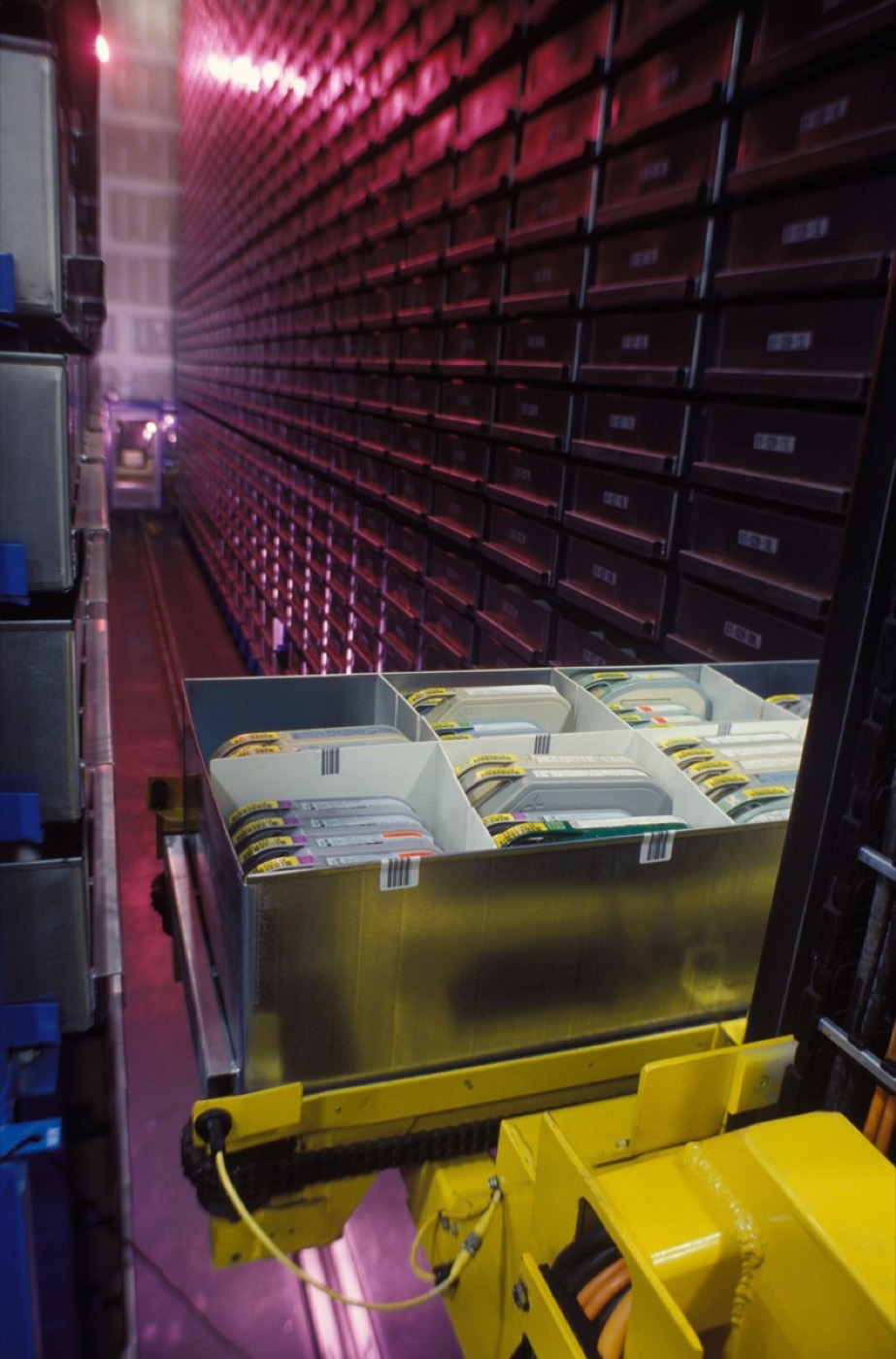
A warehouse floor with no people on it. Robots lift pallets, scan barcodes, and sort boxes onto belts, all night, with nobody watching.
That image is why a decades-old idea is back on the table. If machines keep taking over the jobs people used to do, and new jobs do not appear fast enough to replace them, what happens to the people left over?
One answer is simple to state: give everyone cash, no conditions, no work test, and let them manage. It has been argued since the 1960s, and tested for real over the last ten years.
This video calls that idea universal basic income, or UBI. It is an old theory that a decade of real pilots has now actually tested, in Finland, Canada, the United States, Germany, Wales and Kenya.
This is an Automated Storage and Retrieval System, a real warehouse technology already doing work that used to need people. Fear of machines like this is a large part of why basic income is being discussed again.
So the question this video asks is not whether free cash would be nice. It is narrower and harder: did the pilots that have already happened settle whether unconditional cash works, or did they just move the argument somewhere else?
Forwards would mean the pilots answered the question, and basic income is a workable response to an automated economy. Backwards would mean the pilots were too small and too short to answer anything a government could act on.
2. What UBI actually means

Start with what the term actually means, because it is often used loosely.
Universal basic income is a regular cash payment, made to every person in a group without exception, with no conditions attached. It does not shrink as a person's other income rises, and it is not taken away if they refuse a job.
That is a genuinely different design from the welfare and unemployment systems most countries already run.
Ordinary welfare and unemployment benefits are means-tested: the payment falls, or stops, as a person's income from other sources goes up. Most are also conditional, requiring the recipient to be actively looking for work to keep receiving it.
So the practical difference a recipient actually feels is this: welfare asks you to prove you need it and prove you are looking for work. Basic income does neither.
Every pilot in this video tested some version of that second, unconditional design, usually on a smaller group rather than an entire country.
3. Where the idea came from
Basic income is not an idea the AI era invented. It is at least sixty years old.
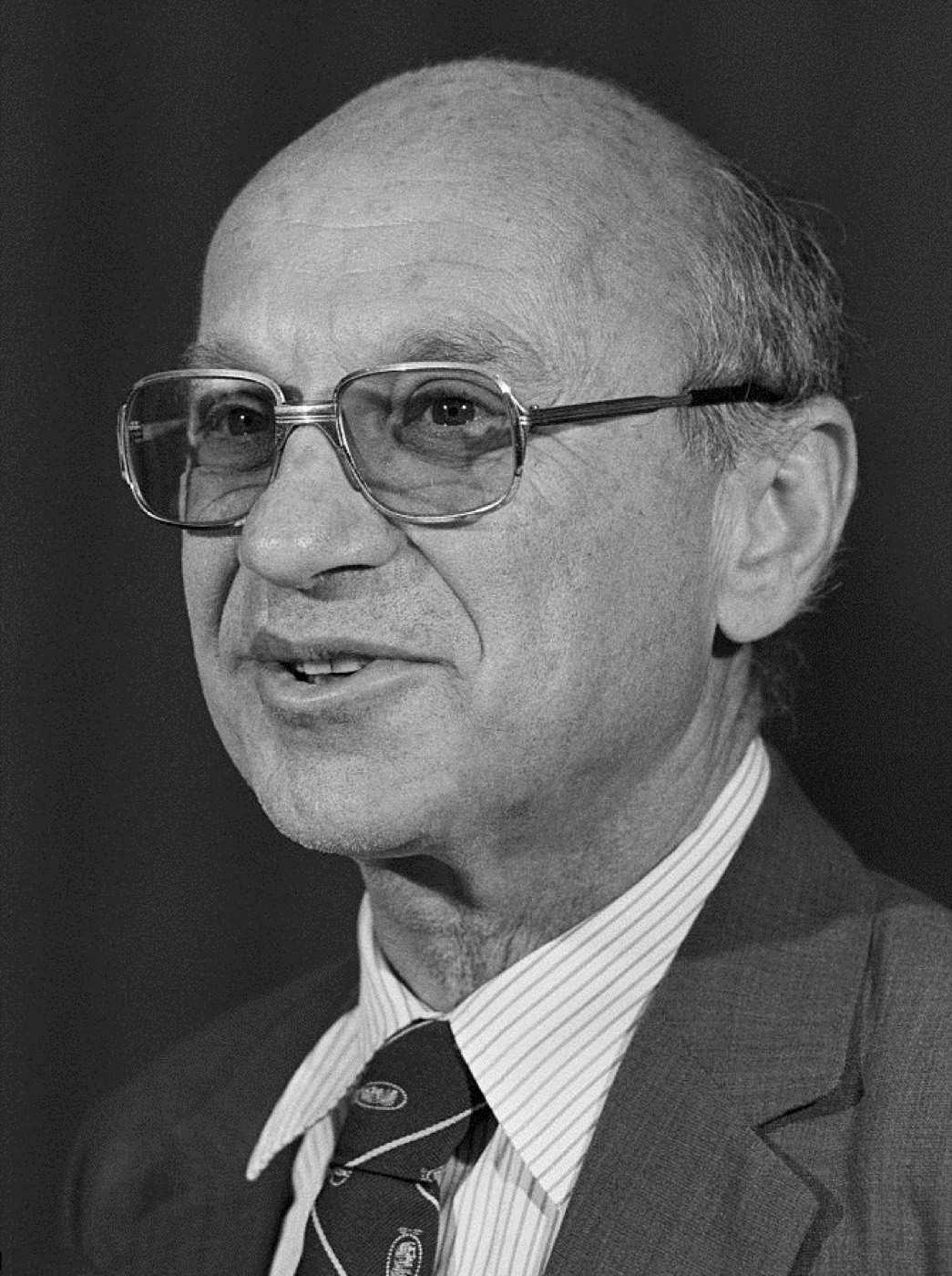
In 1962, the economist Milton Friedman proposed an idea called the negative income tax, in a book called Capitalism and Freedom. Instead of dozens of separate welfare programmes, the tax system itself would top up anyone earning below a set level. As their earnings rose, that top-up would shrink automatically, through the tax system rather than a separate welfare office.
Friedman's idea found a real, if short-lived, political champion less than a decade later.
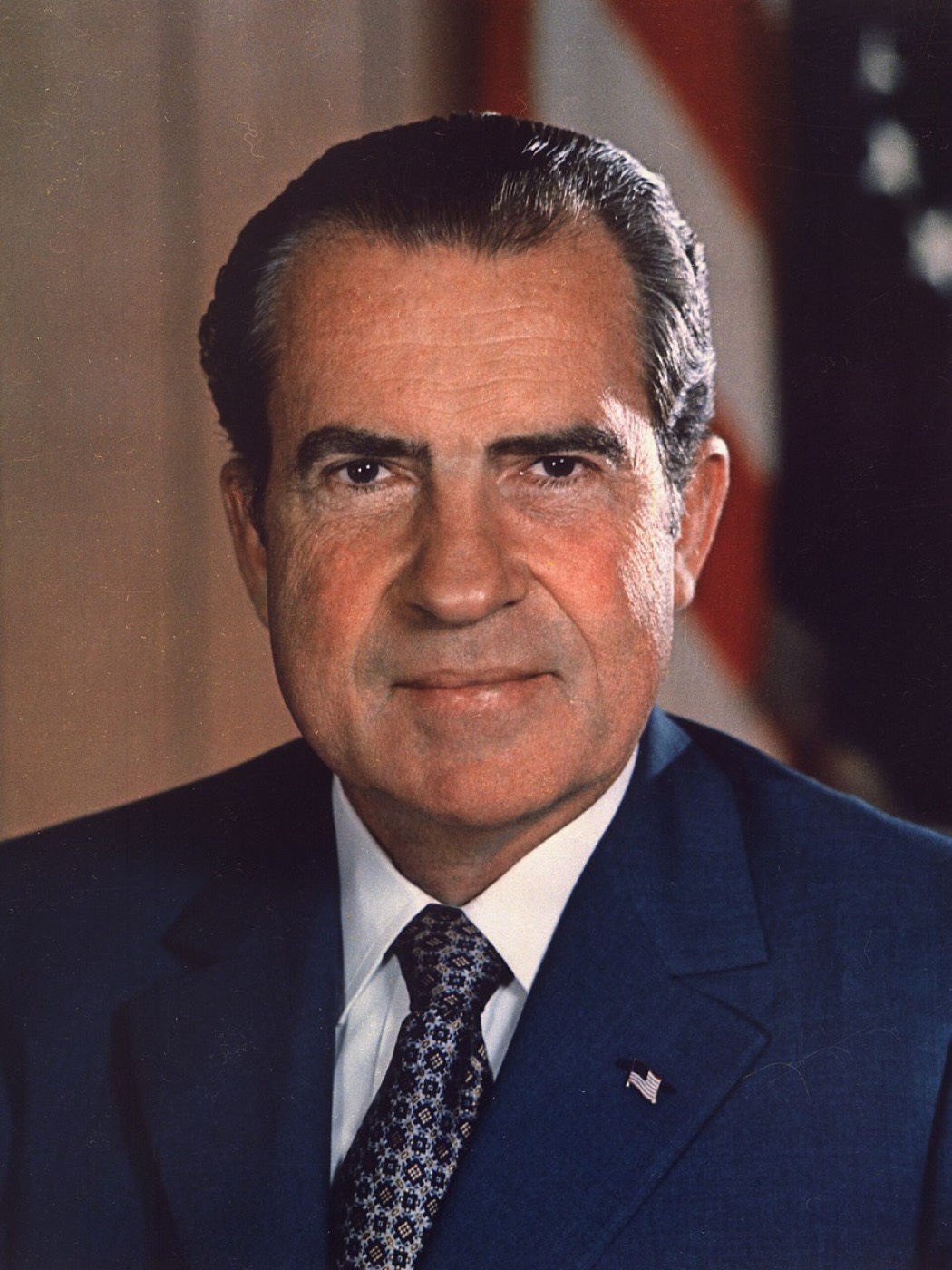
President Richard Nixon built a Family Assistance Plan on the same logic, and in June 1971 it passed the House of Representatives. It then went to the Senate Finance Committee, where conservative members thought it undermined work, and some liberal senators thought the payment too low. The plan never reached the Senate floor, and was dropped before Nixon signed a narrower welfare bill the following year.
So the timeline runs from 1962 to 1972. Friedman's negative income tax came first; Nixon's version passed the House in 1971; it died in committee the following year.
That matters for what follows. Every pilot in this video is a descendant of an argument that is older than the automation fear reviving it, and that already failed once in Congress for reasons that still apply today: cost, and whether unconditional cash discourages work.
4. Finland's national experiment

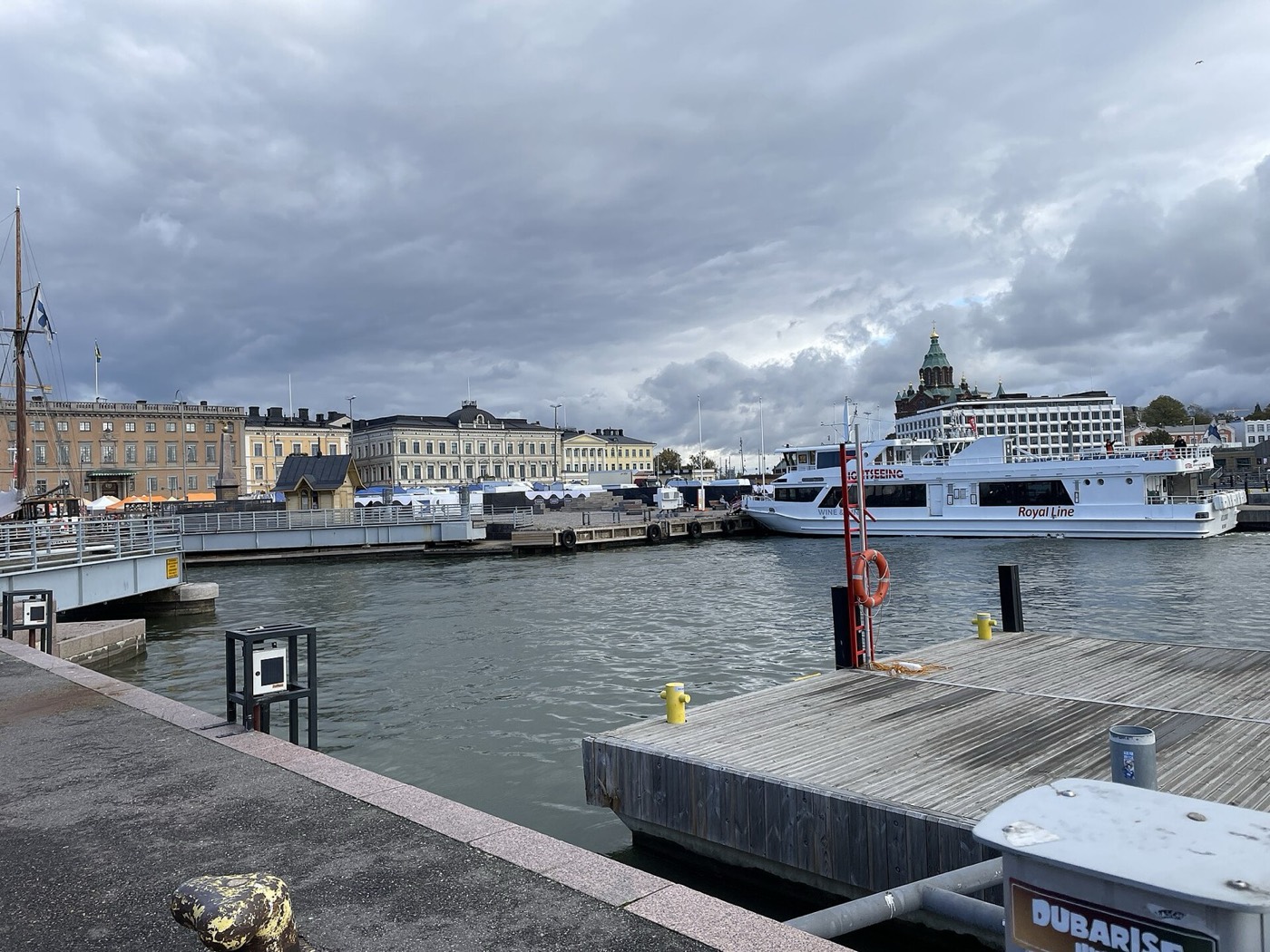
The first pilot in this video is also the most rigorously designed: a nationwide trial run by Finland's own government, with everyone picked at random.
Here is Helsinki's market square seafront, the kind of everyday Finnish street the trial's two thousand recipients walked past every day. Kela, Finland's social insurance institution, ran the trial from November 2017 to October 2018.
Kela paid each of them five hundred and sixty euros a month, with no conditions and no reduction if they found work.
Because recipients were chosen at random and compared against a similar group who received ordinary unemployment support instead, called a control group, the result is one of the cleanest basic income findings anywhere.
The employment effect was small, not zero. Over the two-year period, basic income recipients were in work for about six more days, on average, than the control group. Finland's own officials summarised the labour-market effect as minor, not as nothing and not as a breakthrough.
The wellbeing effect was much clearer. Recipients reported less mental strain, greater satisfaction with their lives, and more trust in other people and in public institutions than the control group did.
So Finland's own verdict, from its own final report, is this: unconditional cash did not meaningfully change whether people worked, but it measurably improved how they felt about their lives.
5. Ontario's cancelled pilot

Canada ran a similar experiment, at a larger scale, and then stopped it before it could finish.
In April 2017, the Government of Ontario launched a basic income pilot across three regions: Hamilton, Thunder Bay and Lindsay. Around four thousand low-income residents took part, with a single person eligible for up to roughly seventeen thousand Canadian dollars a year, reduced as other income rose.
The pilot was meant to run three years. It did not. A provincial election in 2018 brought in a new government that cancelled it, and payments stopped the following year, about a year early.
That early end did not erase what the data showed up to that point.
A follow-up survey of two hundred and seventeen former participants, run by researchers from McMaster University and Toronto Metropolitan University, found that nearly three-quarters of those who had been working when the pilot began were still working afterwards, several in better jobs.
Almost every person surveyed said the pilot's early cancellation had forced them to put plans on hold. Ontario is the clearest case in this video of a pilot answering the question it was designed to ask, and then being shut down anyway, for reasons that had nothing to do with its results.
6. Stockton's cash experiment

California tested a pointed version of the same question: does free cash make people work less? The data says no.
This is downtown Stockton, California. Here, the Stockton Economic Empowerment Demonstration, known as SEED, paid one hundred and twenty-five residents a monthly, unconditional cash payment. The amount was five hundred dollars a month, from February 2019 to February 2021.
The year-one results, released in March 2021 by researchers Stacia Martin-West and Amy Castro Baker, found that full-time employment among recipients rose by about twelve percentage points, against a much smaller rise in the comparison group that received nothing.
That is the opposite of what the standard objection to basic income predicts.
The usual worry is that free money removes the need to work. Stockton's recipients moved into full-time jobs faster than people getting no payment at all, because a little financial security made it easier to take the time a job search or a career move actually needs.
Stockton alone does not prove basic income always increases employment. It does show that the simplest argument against it — that cash makes people stop working — did not hold in this trial.
7. Germany's three-year study
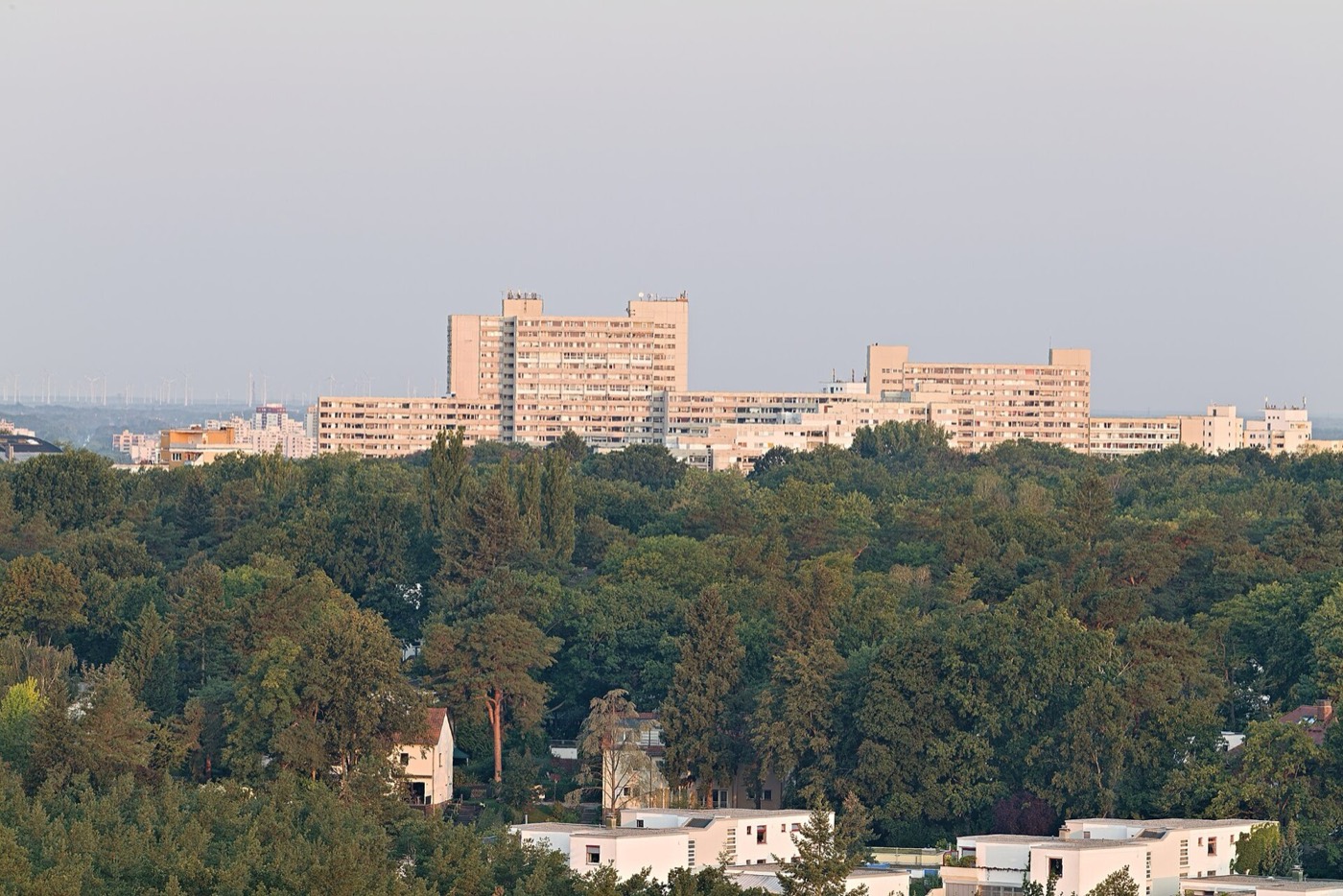
Germany ran the longest individual-level trial in this video, and published its results only last year.
The Pilotprojekt Grundeinkommen began in June 2021. It ran for three years, ending in May 2024. Core results were published on the ninth of April 2025.
One hundred and twenty-two people took part. Each received twelve hundred euros a month, for three years, unconditionally. A comparison group of over fifteen hundred people received nothing.
Recipients did not reduce their working hours and did not drop out of the labour market, even temporarily. At the same time, their life satisfaction rose by a clearly measurable amount, and their mental health improved too.
This is a residential street in Berlin, the kind of ordinary German neighbourhood most of the study's recipients lived in. Recipients also saved heavily: over a third of the payments went into savings, more than twice as much as the comparison group managed.
So Germany's pattern echoes Finland's and Stockton's: work did not fall, and wellbeing rose. Three different countries, three different payment levels, the same basic shape of result.
8. Wales and the care leavers pilot
Wales took a different approach: instead of a random sample of the general population, it targeted one specific, vulnerable group.
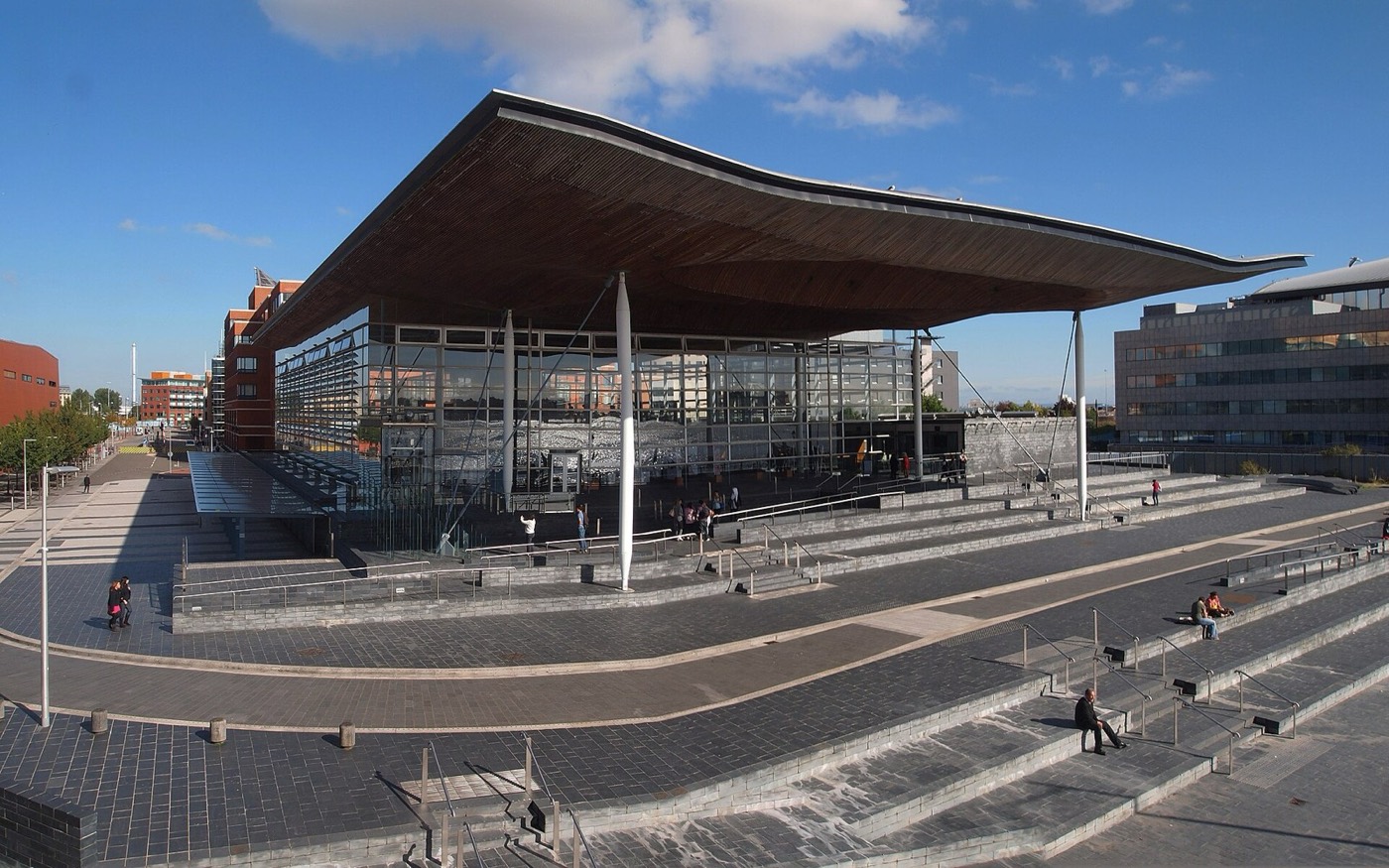
This is the Senedd, the Welsh Parliament building in Cardiff Bay, where the policy behind the Basic Income for Care Leavers pilot was approved.
From July 2022, Wales began offering a basic income to every young person leaving council care at eighteen. The payment was sixteen hundred pounds a month before tax. After tax, that came to twelve hundred and eighty pounds a month. It ran for two years.
Ninety-seven per cent of those eligible took part: six hundred and forty-four young people in total, an unusually high participation rate for a voluntary pilot.
One participant described what the payment meant to them while it lasted.
"It would just be like that little safety net... I've got that money saved up to be able to live alone... and not worry about losing the place I'm at," one care leaver told evaluators.
The pilot itself ran from 2022 to 2024. The latest evaluation, covering 2025 to 2026, was published in February 2026 — the first report written after every participant had left the scheme.
So Wales shows the same emotional pattern as the other pilots: security while the payment lasts, without yet being able to say what happens to this specific group years afterward.
9. A global south comparison
Every pilot so far has happened in a wealthy country. Kenya tests whether the same idea works somewhere much poorer.
Since 2017, the charity GiveDirectly has been paying people in rural Kenyan villages a small, regular, unconditional sum of cash. About five thousand people receive it, compared with a much larger group of nearly twelve thousand who do not.
The amount works out to about twenty dollars a month, with a promise to keep paying for twelve years.
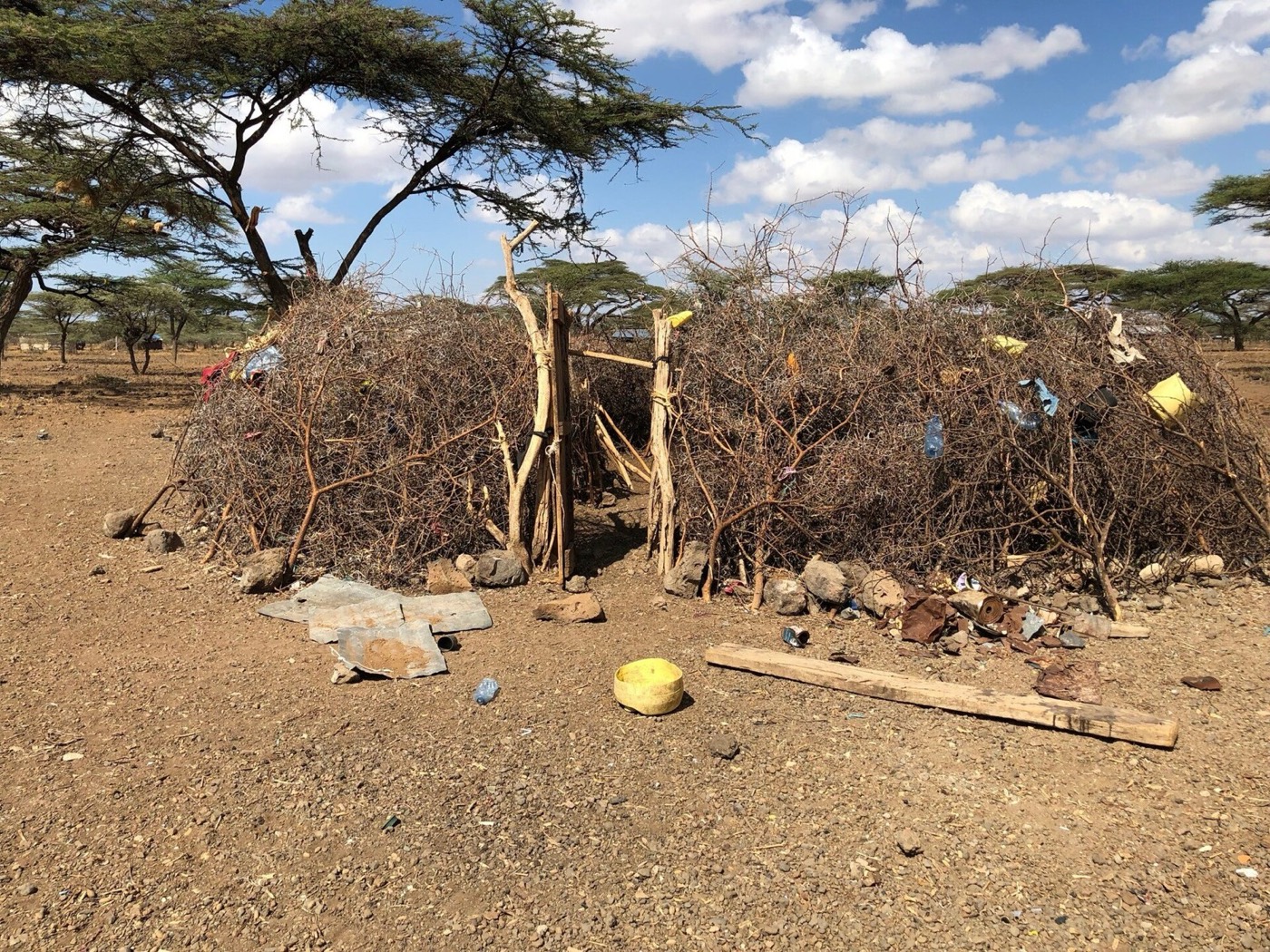
This is a rural village enclosure in Isiolo County, Kenya, typical of the communities in the study. After two years, recipients owned about sixty per cent more in high-value assets, such as savings, metal roofs and livestock, than the comparison group.
Communities receiving the payments also saw more businesses started, higher revenues, and a shift away from wage labour toward people working for themselves. Overall work did not fall; people simply changed what kind of work they did.
So the Kenya trial answers a question the rich-country pilots could not: the basic pattern of more assets, more enterprise, and no collapse in work held up in a setting with far less existing welfare support to fall back on.
10. The 2026 scorecard

With nine separate pilots now completed or well under way, somebody has tried to add the results up.
A 2026 comparative review by researcher Sarah Sachar looked across nine basic income pilots, including most of the ones in this video. It was published in the Newport International Journal of Current Research in Humanities and Social Sciences, a journal most viewers will not have heard of.
The review's own scorecard is consistent on two points and genuinely mixed on a third.
Poverty fell, and child development outcomes improved, fairly consistently across the nine pilots studied. Labour-market effects, by contrast, varied by how each pilot was designed: some found no change in work, a few found more, none found the dramatic fall critics predicted.
This video treats that review as one researcher's synthesis, not as settled consensus. That distinction matters whenever a single comparative study is the source for a broad claim.
11. England's next pilots

The most recent chapter of this story is also the least finished, and it is worth being precise about why.
A pilot proposed by the think tank Autonomy with Northumbria University would pay thirty people a basic income, split between Jarrow in north-east England and East Finchley in north London. The payment would be sixteen hundred pounds a month, for two years.
The pilot would run in two places: Jarrow, in north-east England, and East Finchley, in north London. Both were chosen for strong community ties alongside real financial hardship.
The proposal was first widely reported in June 2023. Autonomy has put the cost of running it, including payments, evaluation and community support, at around one point one five million pounds.
As of a London Assembly report from September 2025, the most recent public confirmation this video could find, that funding had still not been secured.
So the honest timeline is 2023 to 2026: proposed, costed, still unfunded. This video does not claim England's next pilots have started, or even that they are definitely going to happen — only that the question of whether to run one is still live.
12. What a pilot can't tell you

Put every pilot in this video side by side, and a pattern appears that no single trial shows on its own.
Line them up: Finland, Ontario, Stockton, Germany, Wales, Kenya, and the proposed English pilots. Monthly payments ranged from about twenty dollars to sixteen hundred pounds.
Each trial ran two to three years. Group sizes ran from a hundred and twenty-five people to several thousand.
None of them ran on ordinary tax revenue, and none of them ran permanently. Every one was funded by a government pilot budget, a research grant, or private philanthropy, for a fixed and fairly short period.
That is the honest limit of what a pilot, by its nature, can tell you.
A two or three-year trial can show whether people stop working when given cash. It cannot show what happens to prices, to taxes, or to a whole country's economy, after a policy like this runs for decades on everyone's taxes rather than a grant to a few thousand.
So the pilots have done real work. They have moved the question of whether cash helps people from an argument toward something close to an answer: it does, and it does not stop them working. What the pilots cannot answer, because none of them was built to, is whether a country can afford to do this forever. That is not the question the last decade settled. It is the question it left standing.
Sources and credits
Photo credits (Wikimedia Commons)
- Milton Friedman, economist who proposed the negative income tax: UPI, Public domain - https://commons.wikimedia.org/wiki/File%3AMilton_Friedman_1976.jpg
- Richard Nixon, proposed the 1971 Family Assistance Plan: Department of Defense. Department of the Army. Office of the Deputy Chief of Staff for Operations. U.S. Army Audiovisual Center. (ca. 1974 - 05/15/1984), Public domain - https://commons.wikimedia.org/wiki/File%3ARichard_Nixon_presidential_portrait_%281%29.jpg
- Helsinki Market Square seafront, Finland: Ypsilon from Finland, CC0 - https://commons.wikimedia.org/wiki/File%3AHelsinki_Kauppatori_seafront.jpg
- Downtown Stockton, California: LPS.1, CC0 - https://commons.wikimedia.org/wiki/File%3ADowntown_Stockton_California.jpg
- Residential apartment building, Berlin: Leonhard Lenz, CC0 - https://commons.wikimedia.org/wiki/File%3AResidential_building_Angerburger_Allee_seen_from_Drachenberg_Berlin_2020-09-14_01.jpg
- Senedd, Welsh Parliament building, Cardiff Bay: User: (WT-shared) Cardiff at wts wikivoyage, Public domain - https://commons.wikimedia.org/wiki/File%3ASenedd%2C_Welsh_parliament%2C_Cardiff_Bay.jpg
- Rural village enclosure, Isiolo County, Kenya: Matthew Groenewold / U.S. Centers for Disease Control and Prevention, Public domain - https://commons.wikimedia.org/wiki/File%3ABoma_%28enclosure%29_in_Isiolo_County%2C_Kenya%2C_2018.jpg
- Automated Storage and Retrieval System, warehouse automation: Lance Cheung, Public domain - https://commons.wikimedia.org/wiki/File%3AAutomated_Storage_and_Retrieval_System_-_Defense_Visual_Information_Center_%C2%B7_DD-ST-96-00253.JPEG


Primary sources
- Kela (Finnish Social Insurance Institution), Basic Income Experiment 2017-2018, final results released 6 May 2020; summarised by Finland's Ministry of Social Affairs and Health (stm.fi) and VATT (vatt.fi) - 2,000 people, €560/month, +6 days worked over 2 years, wellbeing gains.
- Government of Ontario, Ontario Basic Income Pilot brochure, April 2017 (files.ontario.ca) - ~4,000 residents, up to CAD $16,989/year; McMaster University / Toronto Metropolitan University, 'Southern Ontario's Basic Income Experience', 2020 - 217-person follow-up survey, ~75% still working.
- Stacia Martin-West (University of Tennessee) and Amy Castro Baker (University of Pennsylvania), SEED year-one preliminary analysis, released 2 March 2021 - 125 residents, $500/month, Feb 2019-Feb 2021, +12 percentage points full-time employment.
- DIW Berlin / Mein Grundeinkommen e.V., Pilotprojekt Grundeinkommen press release, published 9 April 2025 (diw.de) - 122 people, €1,200/month, June 2021-May 2024, no reduction in working hours, wellbeing gains quantified.
- GiveDirectly, Kenya universal basic income study summary (givedirectly.org/kenya), cross-checked against public-radio coverage of the published two-year results (KUOW/WFAE/Connecticut Public, December 2023) - ~5,000 recipients since 2017, ~$20/month, 12-year commitment, ~60% rise in high-value assets.
- Sarah Sachar, 'Universal Basic Income Pilots: Comparative Outcomes and Design Lessons', Newport International Journal of Current Research in Humanities and Social Sciences, 2026 (KIU Publications, publications.kiu.ac.ug/5141) - named as a single-author comparative review, not settled consensus.
- Nixon Presidential Library welfare-reform history (nixonlibrary.gov) and U.S. Senate Finance Committee's own archived 1970 bill text (finance.senate.gov), cross-checked against the public legislative record - Family Assistance Plan passed the House June 1971, died in the Senate Finance Committee, dropped before Nixon signed a narrower bill in October 1972.
Not regulated financial advice.