
Vertical Farming: Did It Fail?
On 8 September 2026, a Dutch court declared the vertical-farming company Infinite Acres bankrupt — the latest in a run of failures that has the industry asking whether the whole model still works.
This video traces vertical farming from a 1999 Columbia University classroom project by Dickson Despommier, through his 2010 book and the 2010s venture-capital boom, into the bankruptcy wave that followed: AeroFarms and Fifth Season (2022-23), Bowery Farming and Plenty Unlimited (2024-25), and 80 Acres Farms and its Dutch joint venture Infinite Acres (2026). One count puts 2025 alone at 14 controlled-environment-agriculture bankruptcies and over $1.37 billion in lost historical funding.
It explains what actually broke: not the racks, the LEDs or the hydroponics, all of which worked exactly as designed, but the arithmetic underneath them — energy, labour and debt service, set against the wholesale price of a crop that has always sold cheap. And it follows the survivors' pivot: Plenty's exit from Chapter 11 backed by infrastructure-style investors, and its bet on a Richmond, Virginia strawberry farm that sells for far more per pound than lettuce ever did — alongside the honest counter-example, Ocado-backed Jones Food Company, which shows that new money does not guarantee survival either.
Every figure is on screen with its date and source. Where named sources disagree — AeroFarms' funding total, or the vertical-farming market's projected size — the video says so rather than picking one.
Educational documentary. Not financial or investment advice.
In these topics
Chapters
Video notes
1. A bankruptcy in The Hague

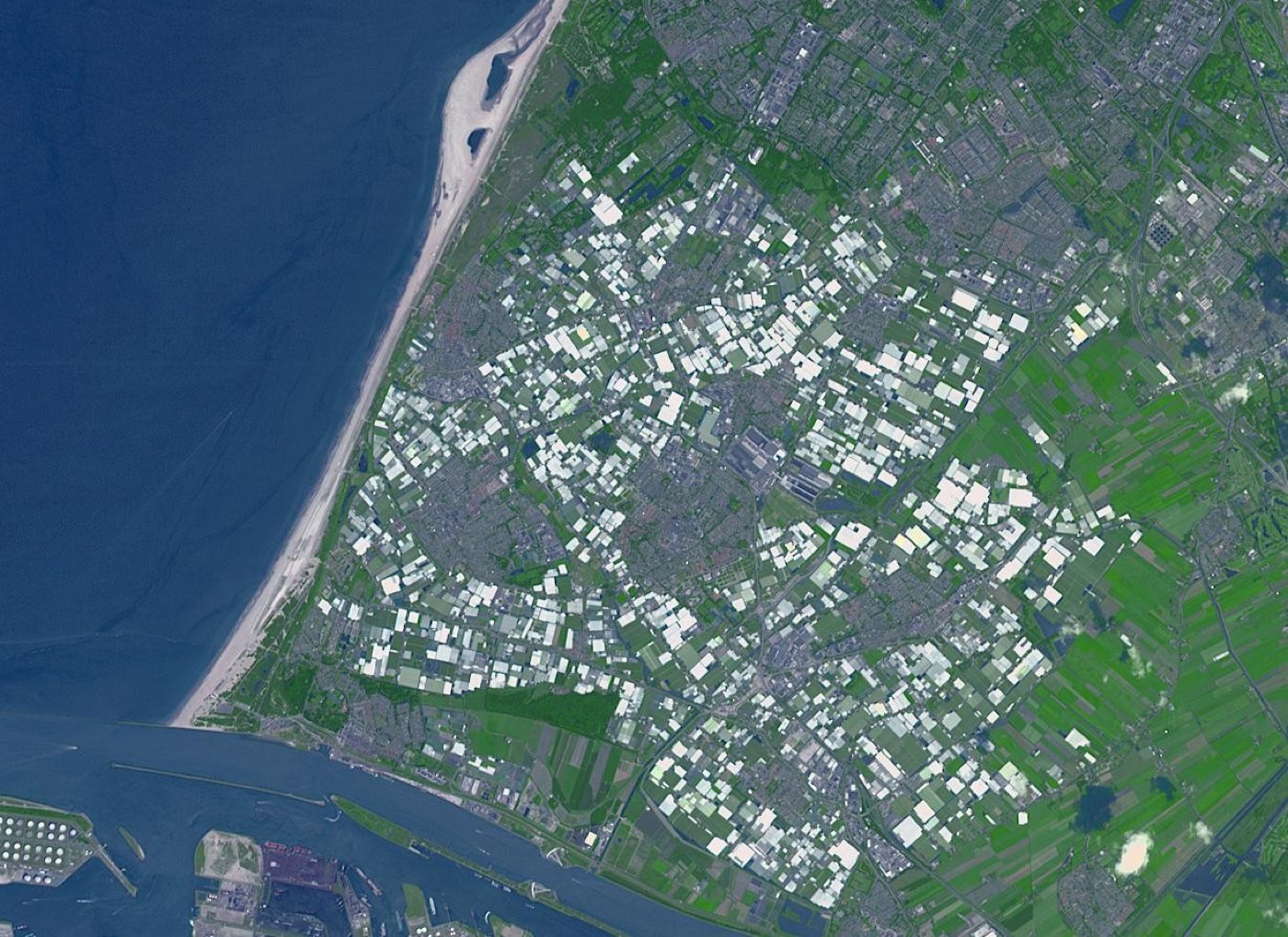
On the eighth of September twenty twenty-six, a court in the Dutch city of The Hague declared a company called Infinite Acres bankrupt. Infinite Acres grew its crops in the Netherlands, a country long known for Westland, the dense cluster of greenhouses that has made Dutch horticulture famous far beyond its borders.
Infinite Acres grew leafy greens indoors, stacked on racks under grow lights, with no soil and no sunlight. It was founded in 2019 as a joint venture. A joint venture is a company owned jointly by two or more other companies, rather than by one parent alone. Infinite Acres' owners were the American grower 80 Acres Farms, the Dutch technology firm Priva, and the British online retailer Ocado. 80 Acres bought out its partners and took full ownership in 2021.
This was not an isolated failure. It was the latest entry on a list of vertical-farming bankruptcies that, by the time this video was made, ran into the dozens across the United States and Europe. A court-appointed trustee is reported to be exploring whether the business can restart under new ownership. So this is not necessarily the end of the company, even if it is the end of this chapter of its story.
It is, though, a good place to start asking a harder question.
Vertical farming promised a way to grow food closer to the people who eat it. It promised to do that indoors, on far less land, protected from weather and from pests. Some of that promise turned out to be true. Almost none of it turned out to be affordable at the scale investors expected.
This video traces that gap. It starts with where the idea began, in a university classroom decades before any investor had heard of it. It follows the boom that funded it, the machinery that made it work, and the wreckage the boom left behind. And it ends by asking whether vertical farming failed, or whether it is still working out what it should actually grow.
2. The skyscraper farm idea
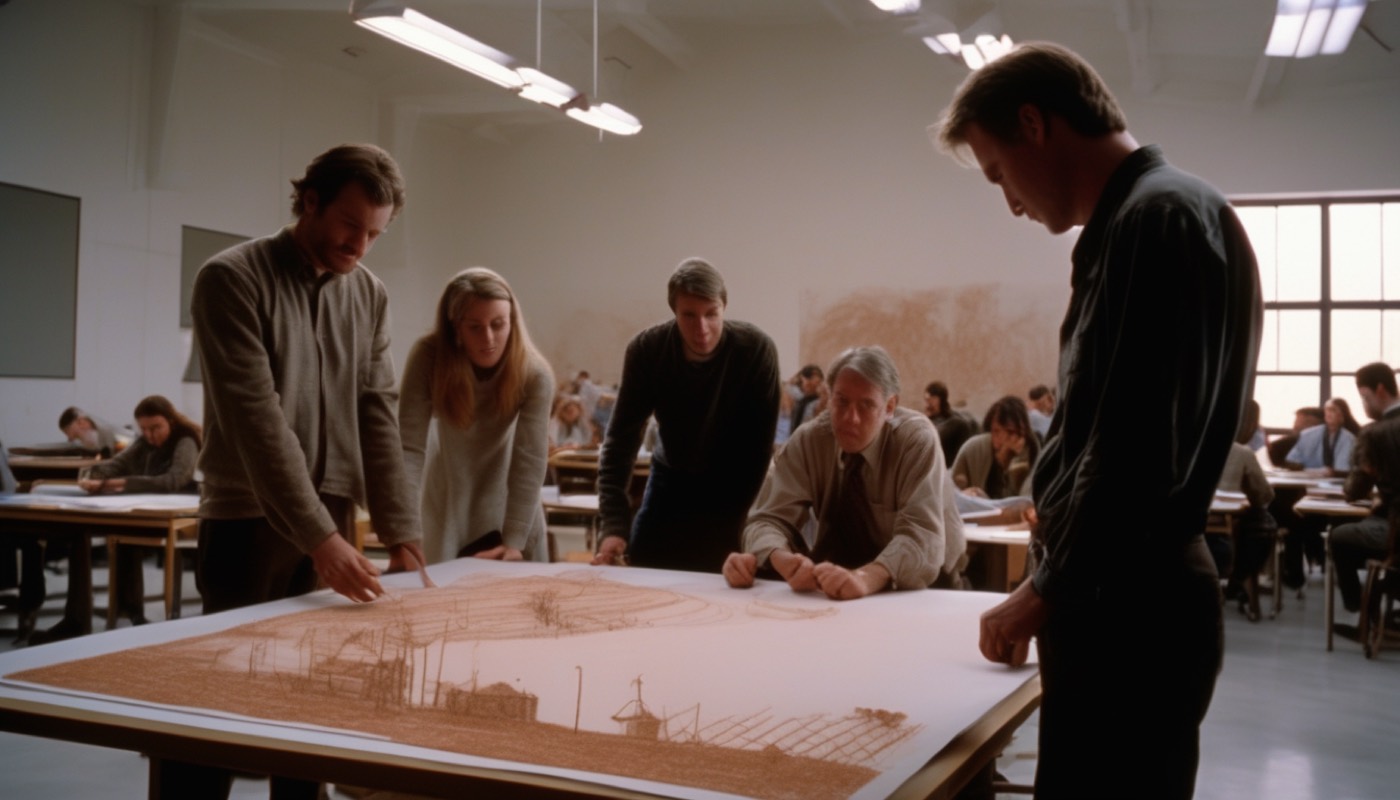
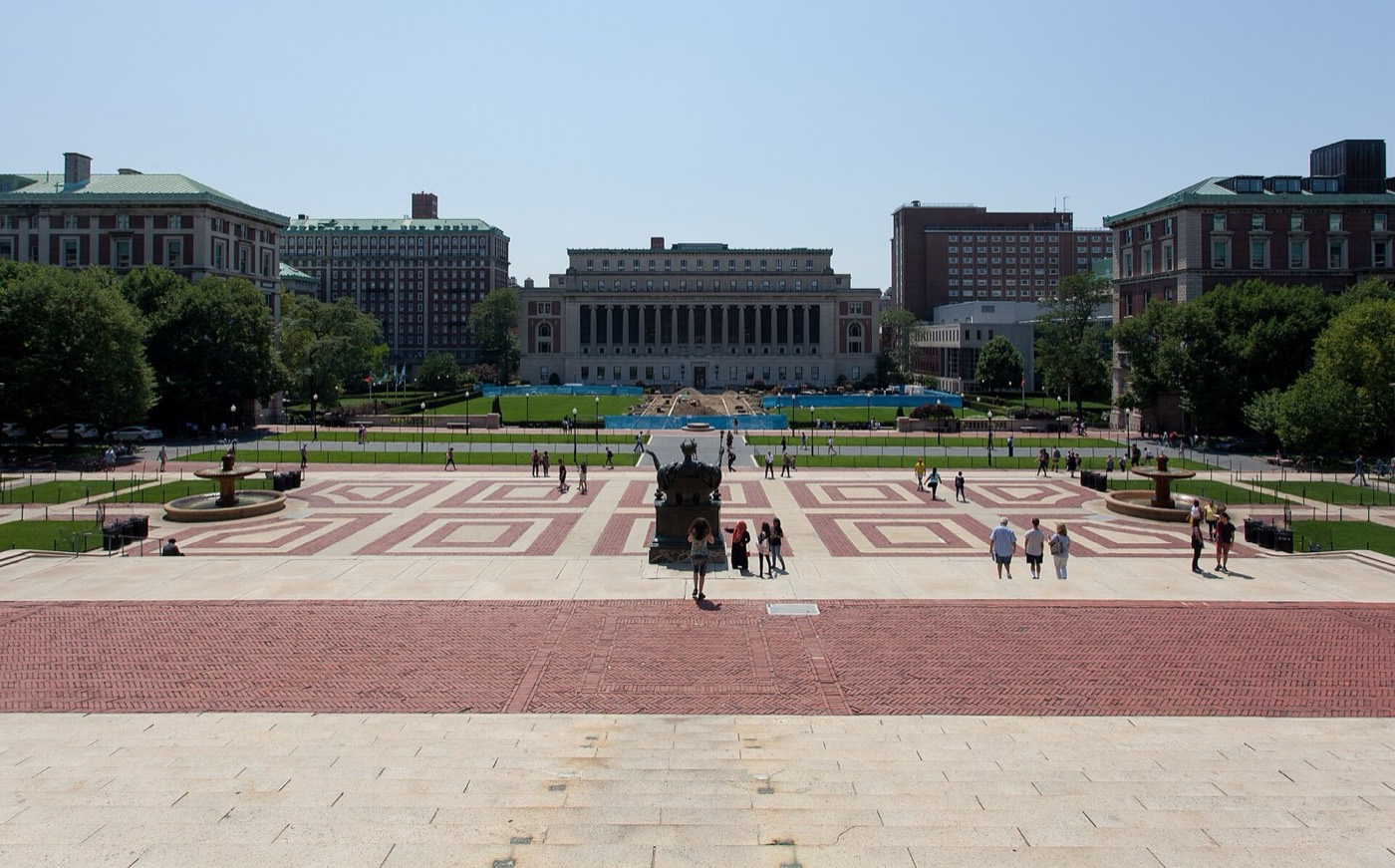
The idea of stacking a farm inside a building did not begin with a company. It began in a classroom.
In 1999, the Columbia University professor Dickson Despommier set his medical ecology class a project on growing food on New York City's rooftops. About a hundred and five graduate students worked the numbers. They found that rooftops alone could not come close to feeding the city. So the class asked a bigger question instead: what if the farm went up, rather than out?
Their answer was a skyscraper farm — a single building designed to grow enough food for around fifty thousand people, using floor after floor that an ordinary farm would need open fields to match. Despommier spent the next decade refining that idea with later classes at Columbia, long before a single company had tried to build one for real.
In 2010, Despommier published a book laying the idea out in full. It was called The Vertical Farm: Feeding the World in the Twenty-First Century. The book gave the idea a name, a shape and an argument: that climate change and a growing urban population made it necessary. It became the reference point for almost every vertical-farming company that followed, quoted in investor pitches and press releases long after most of its readers had forgotten the original classroom project behind it.
None of those companies ever built the actual tower Despommier had originally drawn. Despommier died in New York City in February 2025. That was three years before the wave of failures this video describes reached its current size. He was old enough to be called, fairly, the idea's grandfather. And he was gone before its harshest test arrived.
3. The boom years

For a decade, the idea sat mostly in books and conference talks. Then money arrived.
Through the twenty-tens, interest rates stayed low. Cheap borrowing pushed investors to look for bigger, riskier returns than a savings account or a government bond could offer. At the same time, worry about climate change and food supply chains was rising fast. Vertical farming answered both worries at once, because it promised faster growth than an ordinary company, and it promised to matter.
Venture capital is money invested in young companies in exchange for a share of the business, in the hope that a few of them grow huge enough to cover the losses on all the rest. It poured into stacked, LED-lit indoor farms across the United States, across Europe, and beyond both.
Company after company raised sums that would have seemed extraordinary for a lettuce grower a decade earlier. Much of that money went straight into building large, automated facilities. Many of those facilities were built before their backers had proven the underlying numbers worked on a small one first.
By 2021, interest rates were rising again. Money that had been cheap for a decade suddenly wasn't. The companies built for a world of easy funding now had to survive without it, growing a crop that still sold for roughly what lettuce always sold for.
4. How a vertical farm works
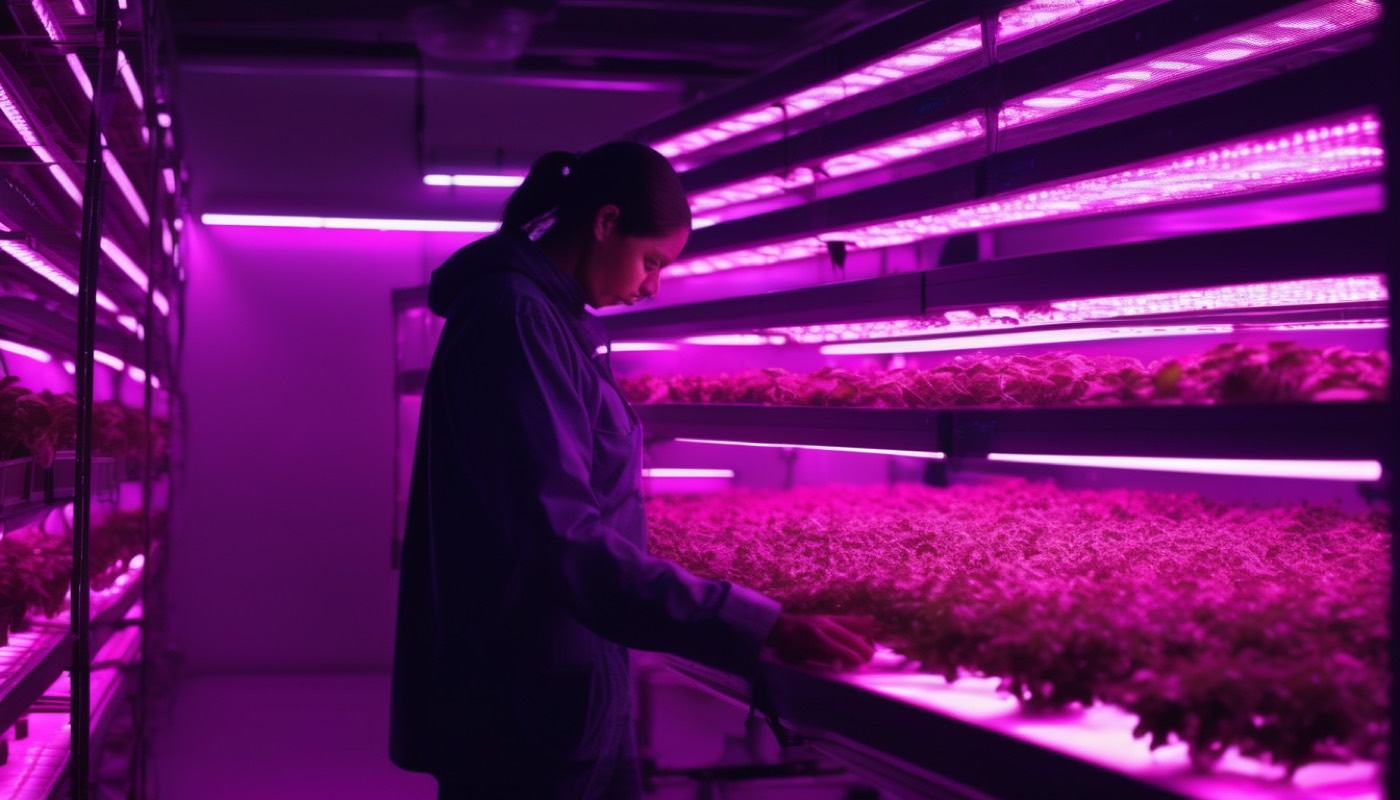
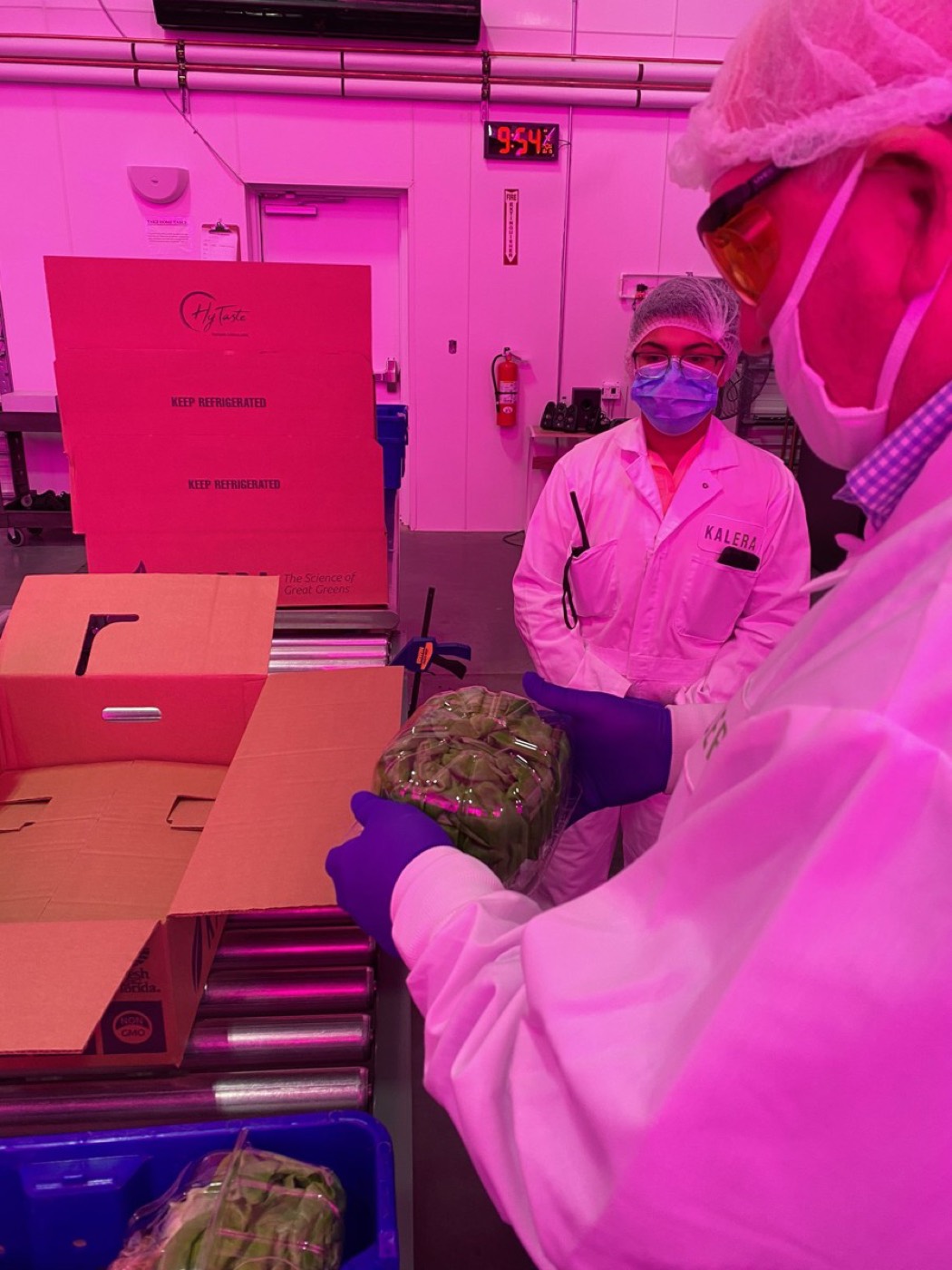
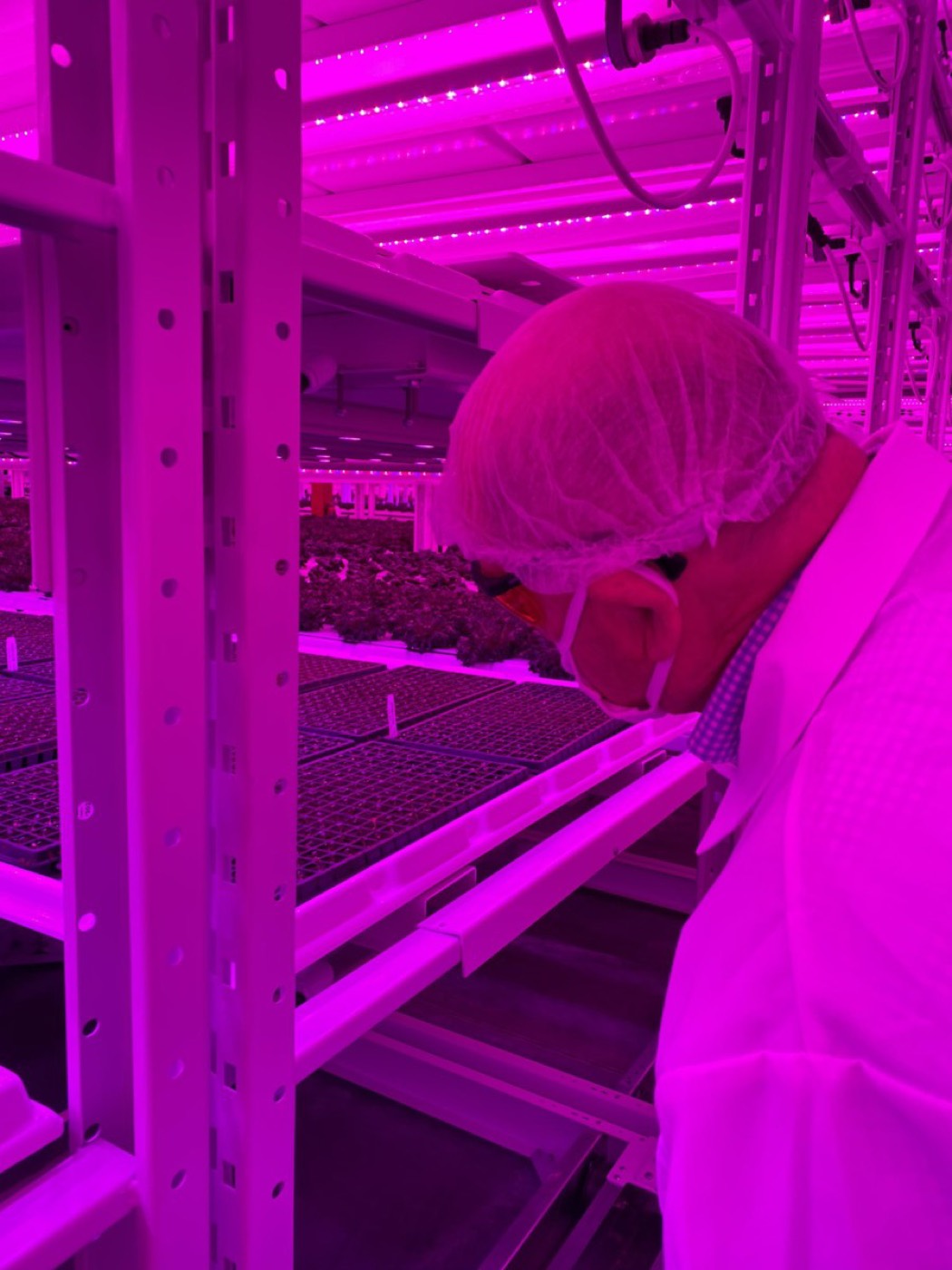
Before the wreckage, it is worth being clear about what these farms actually do. The technology itself is not the part that failed.
A vertical farm grows crops on stacked racks inside a sealed building. LED lights, tuned to the wavelengths plants use for photosynthesis, replace the sun. The plants sit in hydroponic trays. To grow something hydroponically simply means growing it in a nutrient-rich water solution, with the roots bathed directly in that mix, rather than buried in soil.
Climate-control systems hold temperature, humidity and carbon dioxide at whatever level makes the crop grow fastest. They do that all year round, regardless of the weather outside, whether it is a heatwave or a hard frost beyond the walls. Sensors and software adjust each of those settings continuously, without a person needing to touch a dial.
The result is a plant that grows faster and more predictably than one grown outdoors. It also uses a fraction of the land, and a fraction of the water, because none of that water evaporates into open soil or runs off into a river.
What it costs instead is energy. Sunlight is free. The LEDs that replace it are not, and neither is the electricity needed to run the climate control every hour of every day. That single substitution — free light, traded for a very large power bill — turns out to be the whole story of what went wrong.
That picture — racks of greens lit by LEDs instead of the sun — is what every vertical farm in this video looked like inside, whatever eventually happened to the company that built it.
5. The economics that broke

Racks, LEDs and hydroponics all worked exactly as designed. What broke was the arithmetic underneath them.
A vertical farm's biggest ongoing costs are energy and labour. Energy pays for the lights and the climate control. Labour is needed because someone still has to plant, monitor and harvest the crop, even in a highly automated building. On top of both sits debt service — the repayments on the loans and bonds used to build a facility that can cost tens of millions of dollars before it grows a single leaf.
Set against all of that is the wholesale price of a bag of lettuce, or a box of salad greens. That price is set by open-field farms, which pay for their sunlight with nothing at all. A vertical farm's cost has to compete with a crop that costs its rival almost nothing to light and heat.
For a company still growing, funded by investors expecting rapid expansion, that gap could be papered over with more capital. For a company that had run out of new investors willing to cover it, the gap became the company's balance sheet. And the balance sheet is what the courts saw next.
6. AeroFarms and Fifth Season
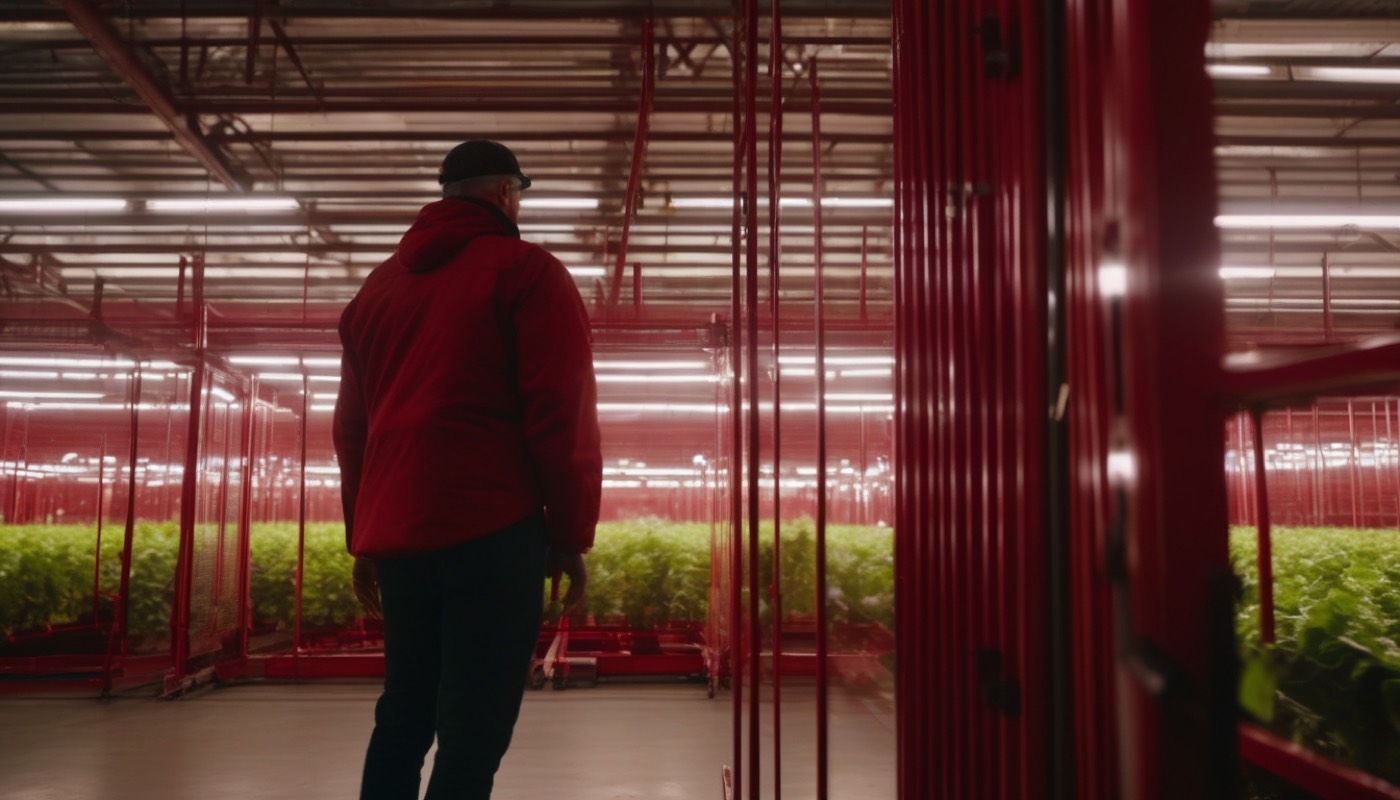
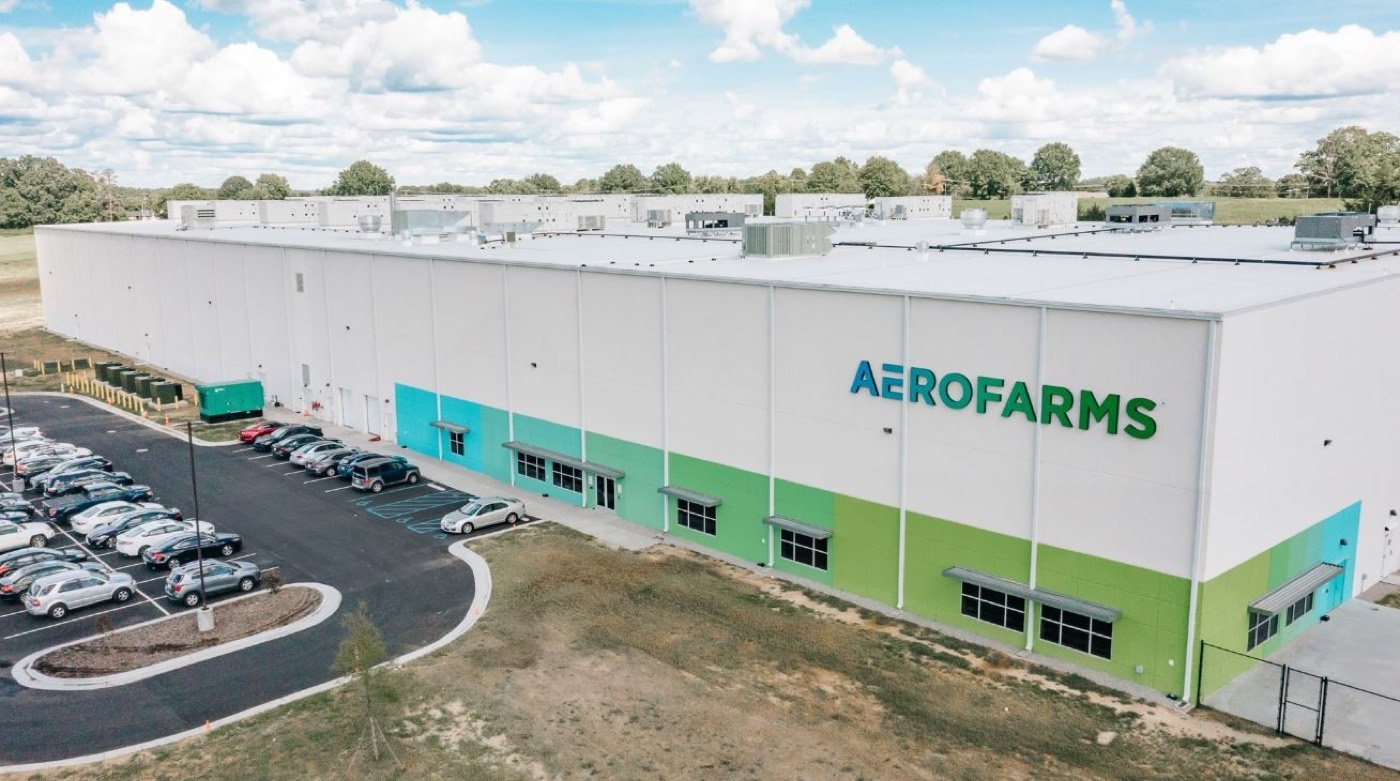
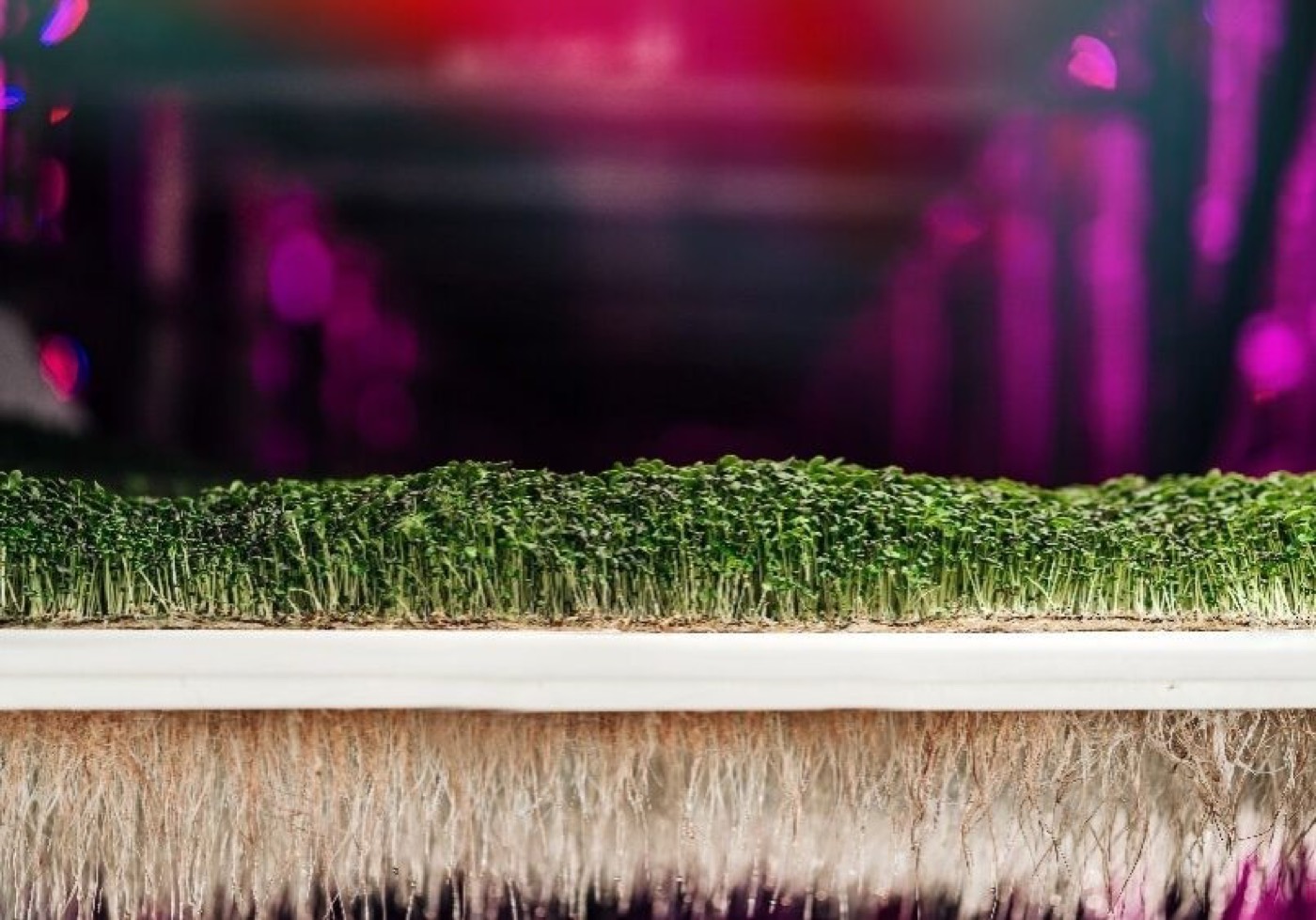
The first big names to go were among the industry's earliest and most admired.
AeroFarms was one of the pioneers of the whole category. It filed for Chapter 11 bankruptcy protection in June 2023. Chapter 11 is the part of US law that lets a struggling company keep operating while a court oversees its debts, rather than being shut down outright.
AeroFarms ran its flagship growing facility out of a converted industrial building, filled with stacked growing trays under LED light. By Crunchbase's own count, checked directly for this video, AeroFarms had raised around $238 million over its history. That figure is considerably short of the far larger sums sometimes quoted for it elsewhere.
A year earlier, in 2022, a company called Fifth Season had already shut its heavily automated indoor farm, near Braddock, Pennsylvania, just outside Pittsburgh. Fifth Season had built its case around robots doing almost all of the growing and packing work. That was meant to cut the labour cost weighing on every other vertical farm. It closed anyway, having answered one half of the cost problem and still lost to the other.
AeroFarms also grew microgreens indoors under that same LED light — delicate, fast-growing greens that sell at a premium other crops cannot match. Even that higher-value crop was not enough on its own to cover the facility's power bill and its debt.
Between them, AeroFarms and Fifth Season showed that neither a long track record nor heavy automation was enough on its own. One had the industry's deepest roots. The other had solved the labour side of the cost problem. Both still met the same wall: a power bill and a debt schedule that a bag of salad greens could not cover.
7. Bowery and Plenty's first fall
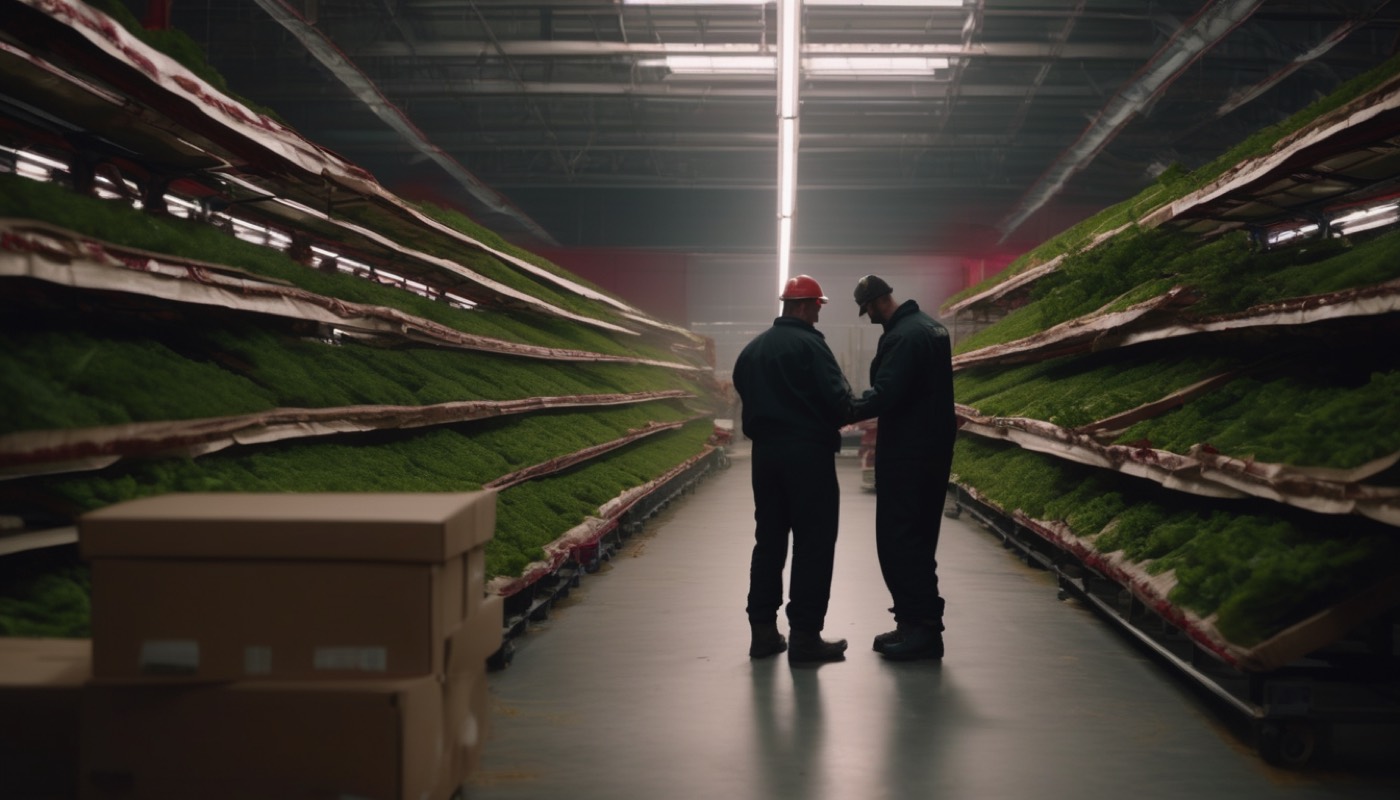
The failures that followed were bigger, and better funded, than the ones before them.
Bowery Farming told its staff by email on the third of November 2024 that it was closing every one of its farms, in New Jersey, Maryland and Pennsylvania, along with its New York headquarters. Bowery had raised more than $700 million over its life. It had once been valued at $2.3 billion — a number based on what investors were willing to pay for a share of the company, not on what the company was actually earning. Bowery could not find a buyer, or new funding, in time.
Four months later, Plenty Unlimited filed its own Chapter 11 case. It filed in the Southern District of Texas, on the twenty-third of March 2025. Plenty had raised an even larger sum historically: close to $1.2 billion, from investors that included Jeff Bezos and Eric Schmidt.
A $2.3 billion valuation, and roughly $1.2 billion actually raised, were both real numbers, checked by name against their own reported sources. Neither protected the company that held them. The gap between what investors thought a vertical farm was worth, and what it could actually sell its lettuce for, had simply taken longer to catch up with the sector's largest, best-funded companies.
8. 80 Acres and Infinite Acres
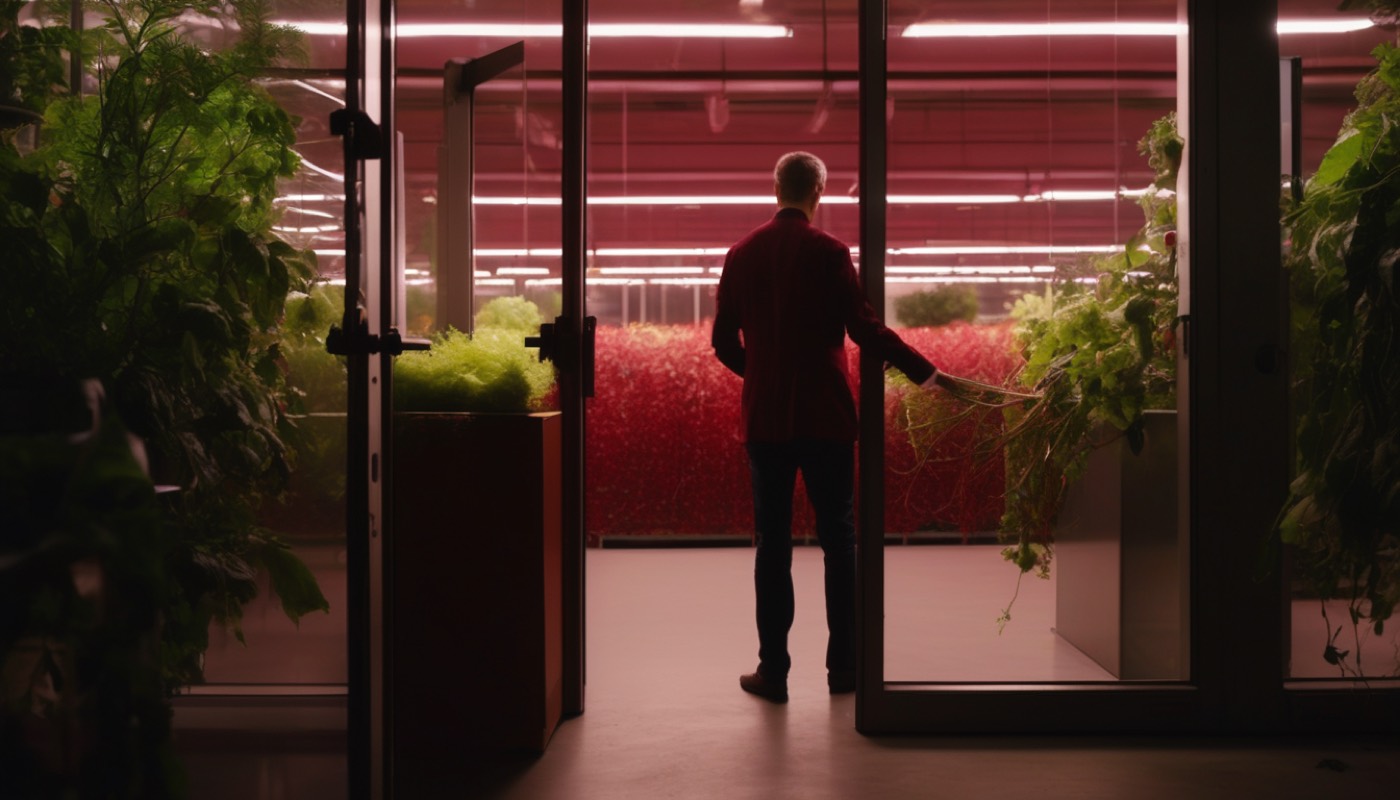
By the summer of 2026, the wave had reached the industry's remaining giants.
80 Acres Farms was founded in Ohio in 2015. On the third of August 2026, it announced it was winding down, after a buyer walked away from an acquisition deal the night before. Over its eleven years, 80 Acres had raised roughly $350 million, and had supplied greens to more than eighteen thousand US stores. About three hundred jobs were lost.
Weeks later, on the eighth of September 2026, the court in The Hague declared Infinite Acres bankrupt — the same company this video opened with. Infinite Acres had been 80 Acres' joint venture with Priva and Ocado since 2019. It became 80 Acres' full subsidiary in 2021. Its Dutch arm followed its American parent into failure within the same season.
80 Acres' life ran from 2015 to 2026. That is just eleven years, start to finish. It was founded in 2015, joined into a European venture in 2019, and made a full subsidiary of that venture in 2021. It wound down in August 2026, and its own Dutch offshoot followed it into bankruptcy a month later. Very little else in this story moved that fast at the end, and the two failures were close enough in time that customers in Ohio and Dutch growers a continent away read about them within the same few weeks.
9. Counting the wreckage
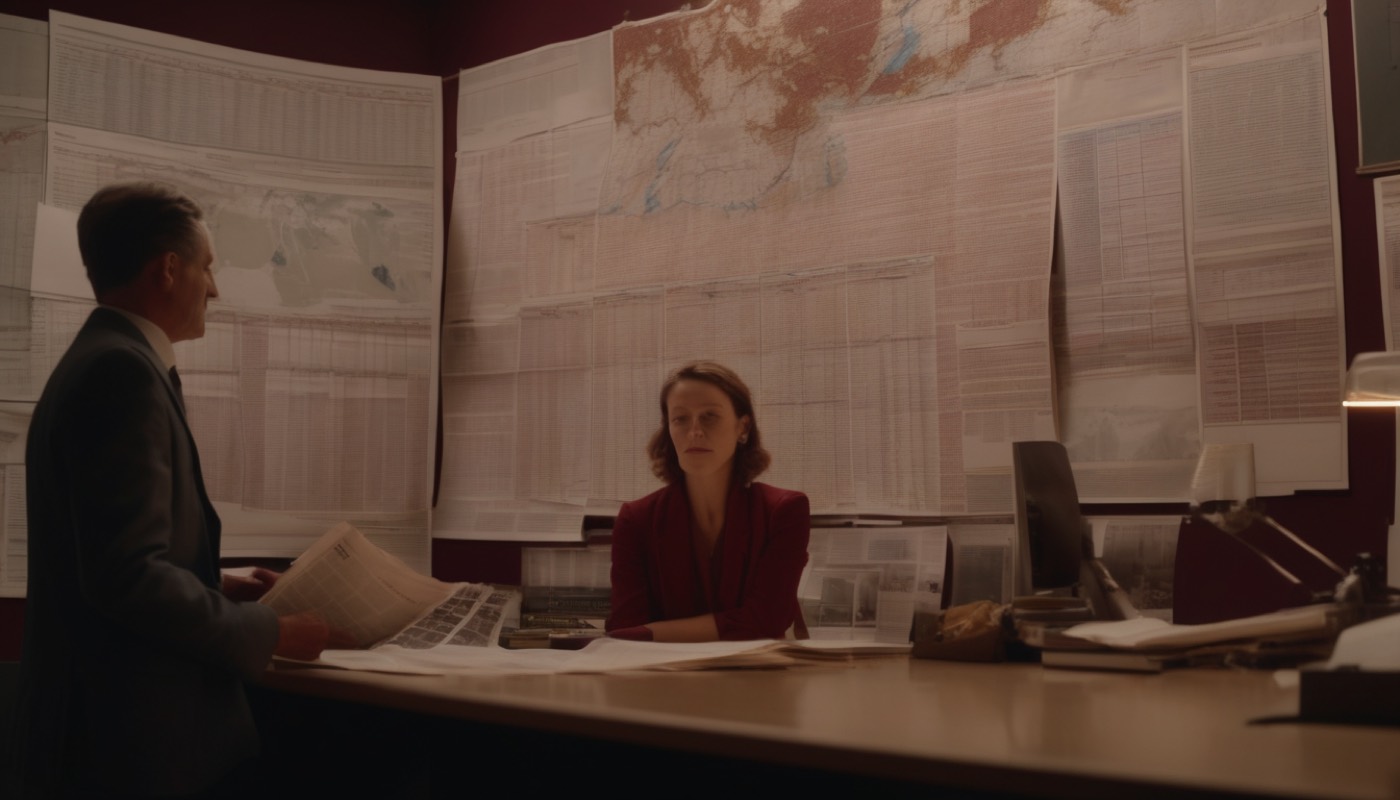
Put every one of those failures next to each other, and a pattern, not a string of accidents, comes into view.
One count, published by the food-industry newsletter foodlore and checked for this video, puts the number of controlled-environment farming bankruptcies in 2025 alone at fourteen. Controlled-environment agriculture is the industry's own term for growing indoors under artificial light and climate control, whether stacked in racks or laid out flat in a greenhouse. Vertical farming is one form of it.
Those fourteen companies had raised over $1.37 billion between them, historically, money that had gone into buildings, racks and lighting that in several cases now sat idle. That single year, 2025, is also when Plenty filed and then exited its own Chapter 11 case, which makes it both the worst year on record for the sector and the year its most-watched survivor found a way through.
Fourteen bankruptcies, and well over a billion dollars in lost funding, counted by one publication in one twelve-month stretch, is not the record of a few companies making bad individual bets. It is the record of an entire funding model meeting a cost structure it could not support.
None of that means every indoor farm failed, or that the technology stopped working. It means the version of the business that venture money was willing to fund ran out of runway across the sector at roughly the same time.
10. The pivot to berries
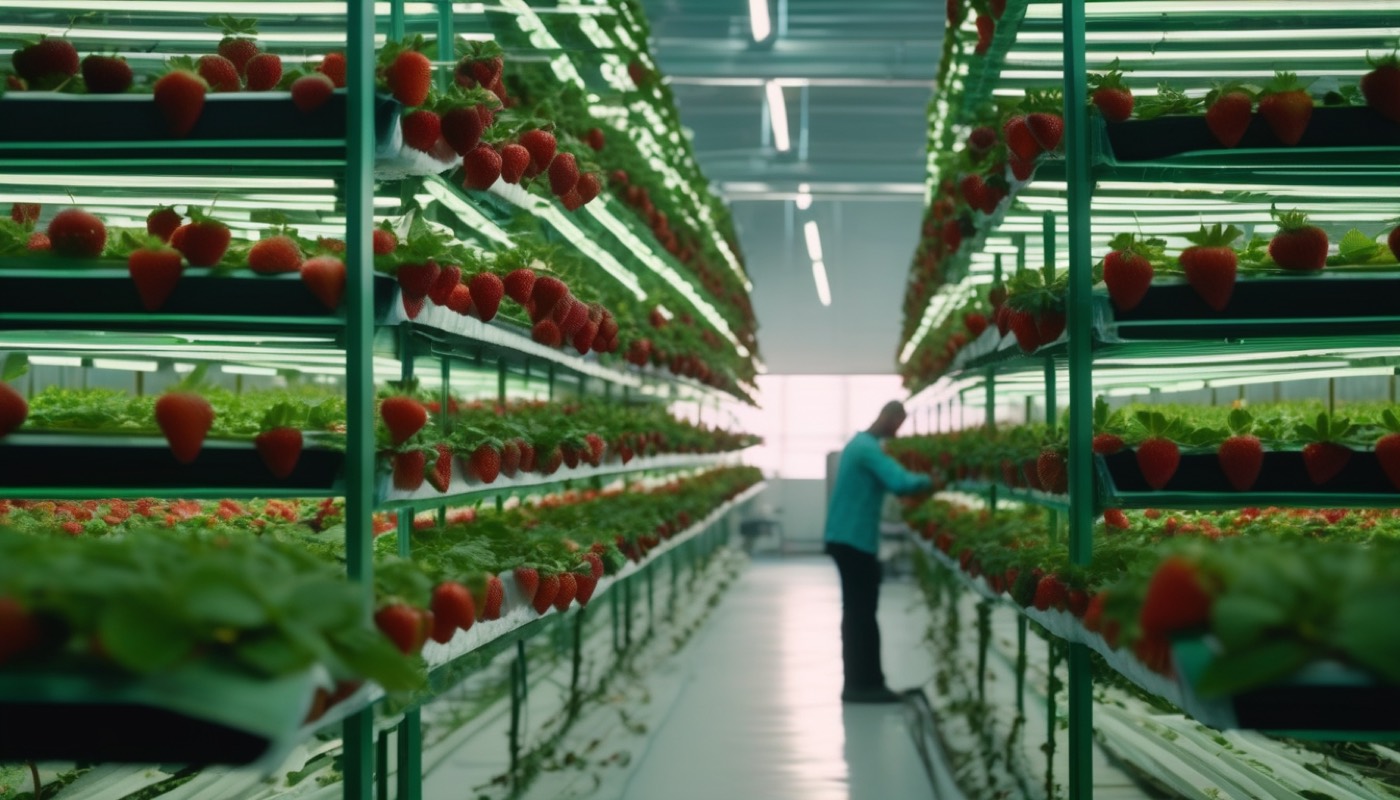
Not every company that hit that wall stayed down. Plenty is the clearest example of one that got back up, by changing what it grew.
Plenty had actually opened its newest farm, in Richmond, Virginia, on the twenty-fourth of September 2024. That was five months before it filed for Chapter 11. The farm was built to grow strawberries, not lettuce: more than four million pounds of them a year, using Driscoll's own berry varieties, grown on thirty-foot towers inside under forty thousand square feet.
Plenty completed its restructuring, and exited Chapter 11, on the twenty-ninth of May 2025. Its exit was backed by interim and exit financing from One Madison Group and SoftBank's Vision Fund 2. The company's post-bankruptcy strategy leaned entirely on that Richmond farm and its strawberries.
Strawberries sell in supermarkets for far more per pound than a bag of salad leaves. That changes the arithmetic from chapter five, without changing anything about the racks, the LEDs or the climate control underneath them. The technology stayed exactly the same. What Plenty grew inside it is what changed.
11. New money, different backers
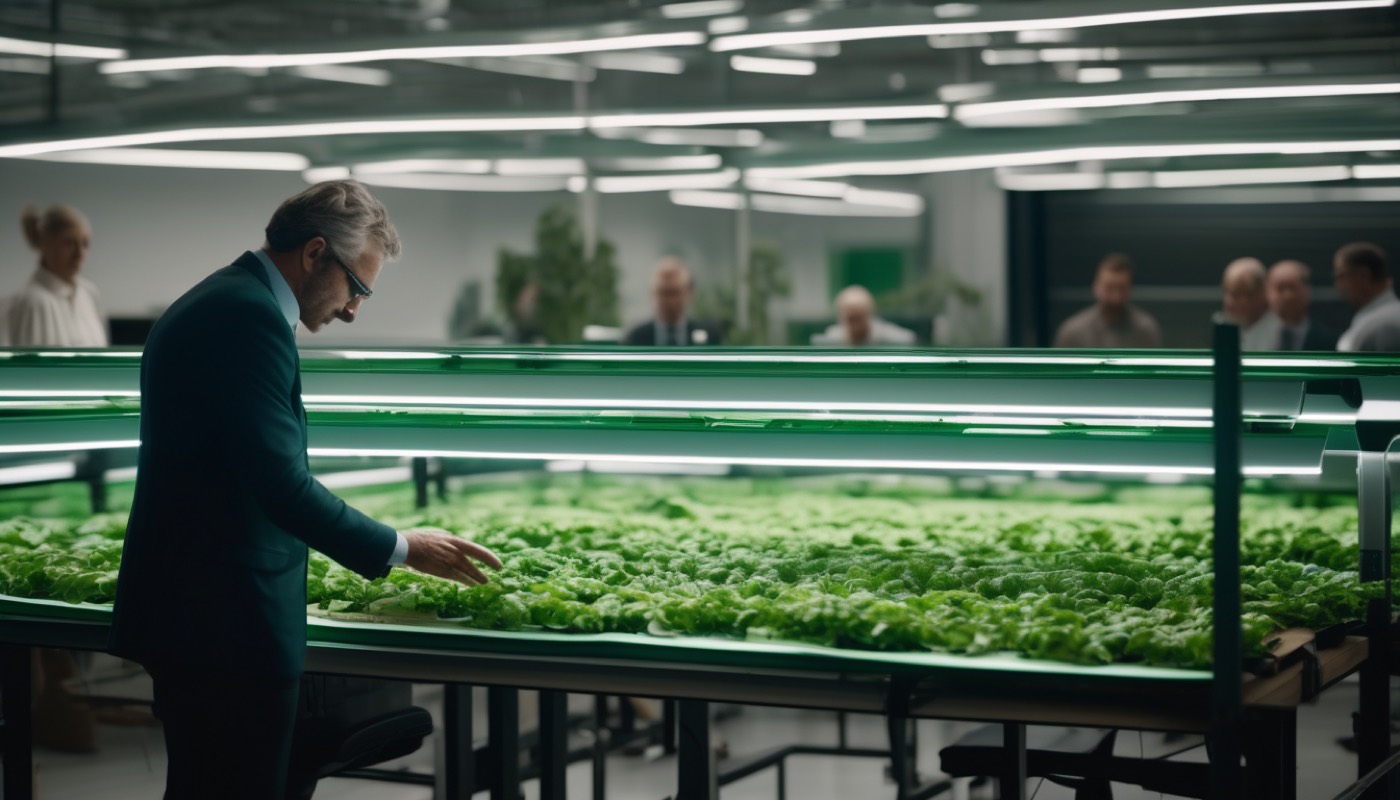
The crop was not the only thing that changed. Who paid for these farms changed too.
Plenty's exit financing came from One Madison Group and SoftBank Vision Fund 2. Neither behaves like the venture-capital funds that back young, fast-growing startups looking for a quick, large return. Both behave more like infrastructure investors. An infrastructure investor is used to funding things such as toll roads or power plants — assets that earn steady money over decades, rather than doubling in value overnight.
Retailers have also become direct backers, betting on secure local supply rather than a quick financial return. Ocado is the clearest example. It bought a 58% stake in Jones Food Company in 2019, and later increased that holding to around 70%. Jones Food Company was, at that point, Europe's largest operating vertical farm, based in Gloucestershire, in the UK.
That retailer backing did not guarantee survival either. Jones Food Company entered administration on the third of April 2025. Administration is the UK's version of a court-supervised rescue, broadly similar to America's Chapter 11. The farm stopped growing at its Lydney site four days later, at the cost of sixty-one jobs. New money and different backers changed the pressure on these businesses. They did not remove it.
12. Forwards or backwards?
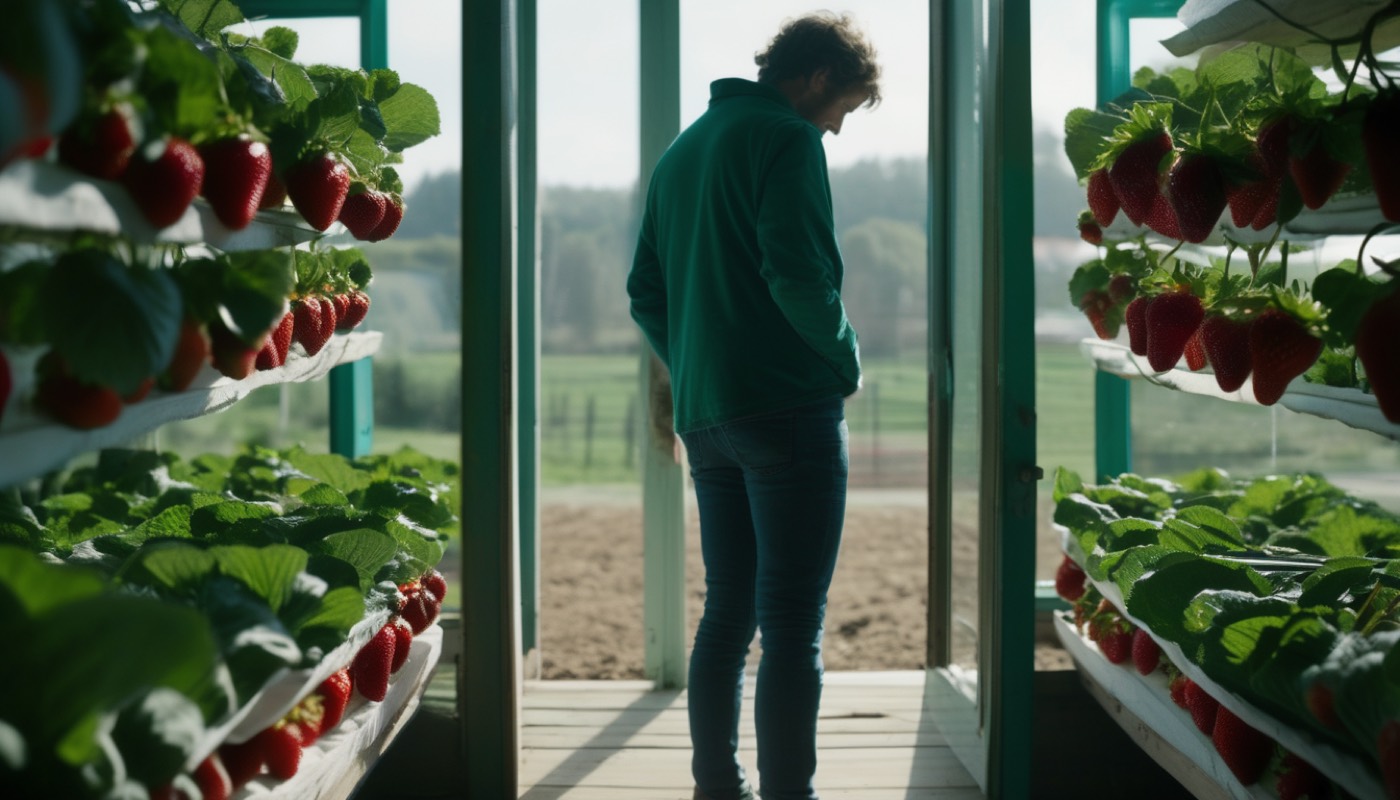
So did vertical farming fail, or is it still working out what it should grow?
The case for failure is on the record throughout this video. An early pioneer and an automated farm were both gone by 2023. A $2.3 billion valuation and a company that had raised over a billion dollars both filed within a year of each other. Two of the sector's largest remaining names collapsed within weeks of each other in 2026. Fourteen more companies failed in a single year, carrying over a billion dollars of lost investment between them.
The case for a technology still finding its footing rests on what survived, and how it survived. Plenty's strawberries sell for a price that can cover the electricity a bag of lettuce never could, and its exit financing came from investors built to wait decades, not quarters, for a return.
One named market-research firm puts the whole sector's size at somewhere from nine to eleven billion dollars in the middle of this decade. The same firm expects it to grow several times larger within the next few years, even after everything this video has described.
The racks, the LEDs, the hydroponics and the climate control never stopped doing exactly what they were built to do, from a university classroom to a courthouse in the Netherlands. What broke was a specific bet: cheap money, grown fast, sold as lettuce. Whether that counts as vertical farming moving forwards, or slipping backwards, may depend on which of those two sentences a viewer weighs more heavily. This video has put both of them on the record.
Sources and credits
Photo credits (Wikimedia Commons)
- AeroFarms indoor vertical farm facility, Danville, Virginia: Kristian Bottini, CC0 - https://commons.wikimedia.org/wiki/File%3AAeroFarms_Danville_Location.jpg
- AeroFarms microgreens grown indoors: Kristian Bottini, CC0 - https://commons.wikimedia.org/wiki/File%3AAerofarms_Microgreens.jpg
- Vertical hydroponic farm racks and LED lighting - Kalera, Orlando FL (angle 1): USDAgov, Public domain - https://commons.wikimedia.org/wiki/File%3AAgriculture_Secretary_Perdue_at_Kalera_Farms_%2820200608-OSEC-UNC-0001%29.jpg
- Vertical hydroponic farm racks and LED lighting - Kalera, Orlando FL (angle 2): USDAgov, Public domain - https://commons.wikimedia.org/wiki/File%3AAgriculture_Secretary_Perdue_at_Kalera_Farms_%2820200608-OSEC-UNC-0002%29.jpg
- Westland, Netherlands - the world's greenhouse capital (satellite view): NASA/METI/AIST/Japan Space Systems, and U.S./Japan ASTER Science Team, Public domain - https://commons.wikimedia.org/wiki/File%3AWestland%2C_The_Netherlands_%28ASTER%29.jpg
- Columbia University campus, present day: Marco Almbauer, CC0 - https://commons.wikimedia.org/wiki/File%3AButler_Library_%28Columbia_University%29.jpg


Primary sources
- verticalfarmdaily.com, 'Infinite Acres declared bankrupt in the Netherlands' and 'Infinite Acres bankruptcy curator explores restart options', 8-9 Sep 2026, re-checked 1 Oct 2026.
- Greenhouse Management / WVXU / Fox19 / AgFunderNews, 80 Acres Farms wind-down coverage, 3-4 Aug 2026.
- Columbia University 'State of the Planet', 'Vertical Farms: From Vision to Reality', 2011 retrospective; Columbia University Emeritus Professors, 'Dickson D. Despommier, 1940-2025'; Dickson Despommier, The Vertical Farm: Feeding the World in the 21st Century, St Martin's Press, 2010.
- Crunchbase, AeroFarms company/financial profile, checked 1 Oct 2026; Food Dive, AeroFarms Chapter 11 coverage, 2023.
- Fast Company, 'The vertical farming bubble is finally popping' (Fifth Season, 2022).
- TechCrunch, 'Bowery Farming is ceasing operations', 4 Nov 2024; PitchBook and Axios, Bowery coverage, Nov 2024.
- PR Newswire, 'Plenty Completes Restructuring, Emerges From Chapter 11', 29 May 2025, and 'Plenty Opens World's First Farm to Grow Indoor, Vertically Farmed Berries at Scale'; Bondoro, Plenty Chapter 11 case summary.
- foodlore.blog, '14 Vertical Farms Went Bankrupt in 2025. Here's What Killed Them.'
- hortidaily.com, just-food.com, BusinessGreen, The Grocer — Jones Food Company administration, Apr 2025.
- Grand View Research, Global Vertical Farming Market press releases (both figures found and checked, 1 Oct 2026; neither presented as the sole authority).
Not regulated financial advice.