
Asteroid Mining: The Trillion-Dollar Gamble
A handful of near-Earth asteroids are thought to be fragments of a shattered planet's metal core - rich enough in platinum-group metals that a single one could hold more than has ever been mined on Earth. This video explains that claim, and then tests it against what has actually flown.
It follows the 2010s asteroid-mining wave - Planetary Resources, backed by Google's Eric Schmidt and filmmaker James Cameron, and Deep Space Industries - which raised roughly $50 million and $3.5 million respectively, built no prospecting hardware, and folded by 2018-19 against mission costs NASA's own $1.2 billion OSIRIS-REx mission shows were always out of reach.
It then follows AstroForge, a 2022 startup that skipped prospecting for a cheap rideshare bet: Odin, lost 21 hours after a February 2025 launch when its radio amplifier failed and an Australian ground station's own equipment broke down; and Vestri, a lander twice Odin's mass, now delayed by NASA from second-half 2026 to 'the first part' of 2027.
It sets out who is legally allowed to keep mined asteroid material - the 1967 Outer Space Treaty's non-appropriation rule, and the 2015 US and 2017 Luxembourg laws built around it - and why no court has ever tested either law, because nobody has extracted enough to fight over. It uses NASA's own Psyche mission, and principal investigator Lindy Elkins-Tanton's $10-quintillion valuation of its metal, to show the difference between a metal's value and a sellable fortune: dumping that much metal on Earth's market would collapse the very price the valuation assumes.
It closes by weighing hardware actually flown - one lost probe, one NASA sample-return mission that brought home dust, not platinum - against the lander, extraction, processing and return hardware a real mine still needs and that nobody has built. The honest verdict: the geology is real, and the industry built to act on it has not yet caught up to its own claims.
Educational documentary. Not financial or investment advice.
In these topics
Chapters
- A trillion-dollar rock
- What platinum-group metals are for
- The 2010s gold rush that wasn't
- Why the first wave failed
- AstroForge's bet
- Odin: the first attempt
- Vestri: the next attempt
- Who owns a mined asteroid?
- The legal grey zone in practice
- The Psyche comparison
- How close is a working mine?
- Verdict: industry or story?
Video notes
1. A trillion-dollar rock
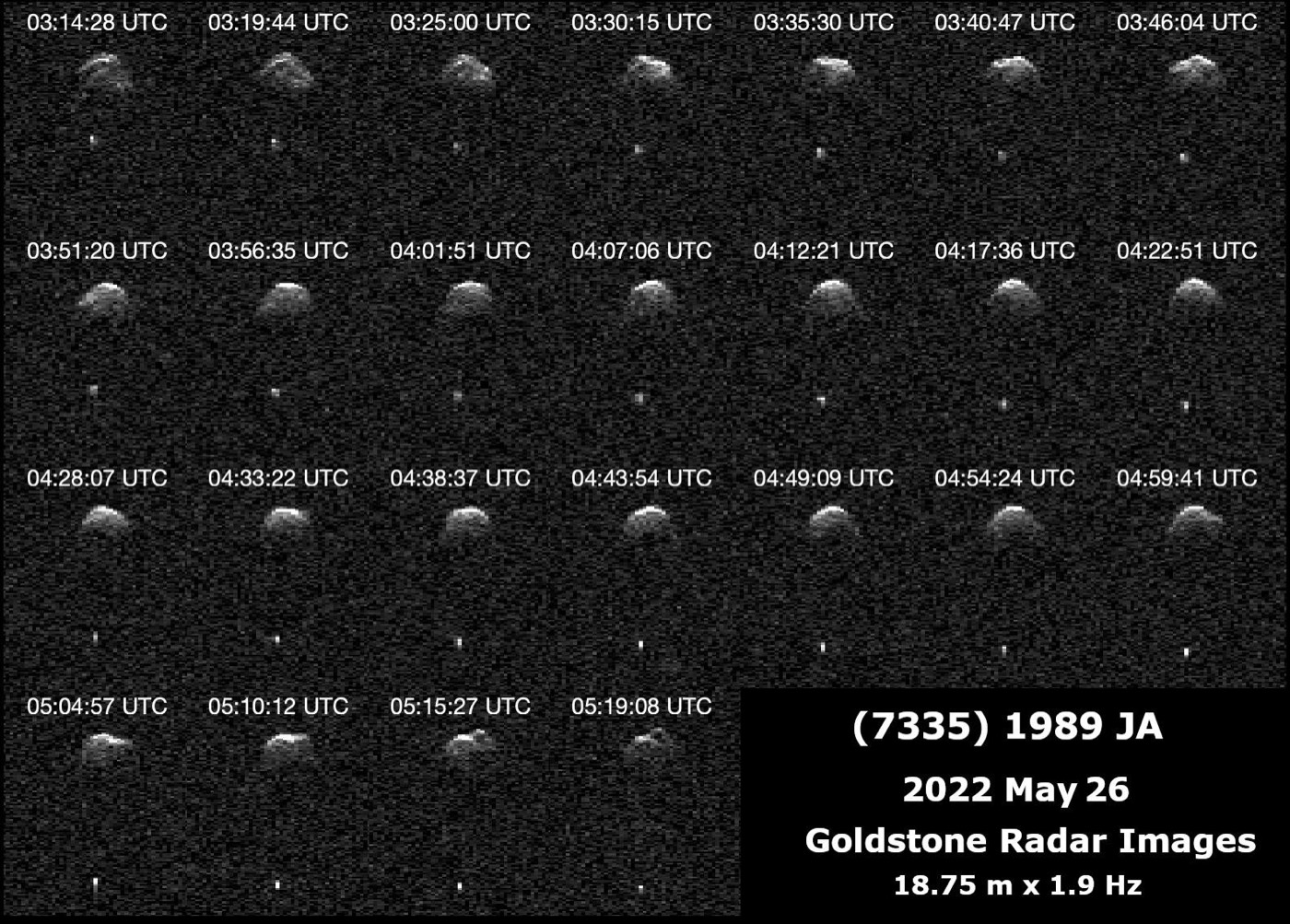
Somewhere among the rocks drifting near Earth's orbit, a handful are not rocks at all. They are metal.
A small number of near-Earth asteroids are thought to be fragments of the core of an early planet that shattered billions of years ago, long before Earth finished forming. On Earth, heavy metals like platinum sank into the molten core as the planet cooled, which is why they are rare at the surface today. A chunk of exposed planetary core never had that problem. It kept its metal on the outside, where a spacecraft could reach it.
That is the claim behind every headline about trillion-dollar asteroids: a single metallic rock a few hundred metres across could hold more platinum-group metal than humans have ever mined on Earth.
Nobody has measured this directly. No spacecraft has ever landed on one of these metallic asteroids and tested what is actually inside it. The claim is built on geology and chemistry, not on a sample in a lab. This video spends the next fifteen minutes finding out what that gap between a claim and a measurement actually costs — in money, in hardware, and in time.
2. What platinum-group metals are for
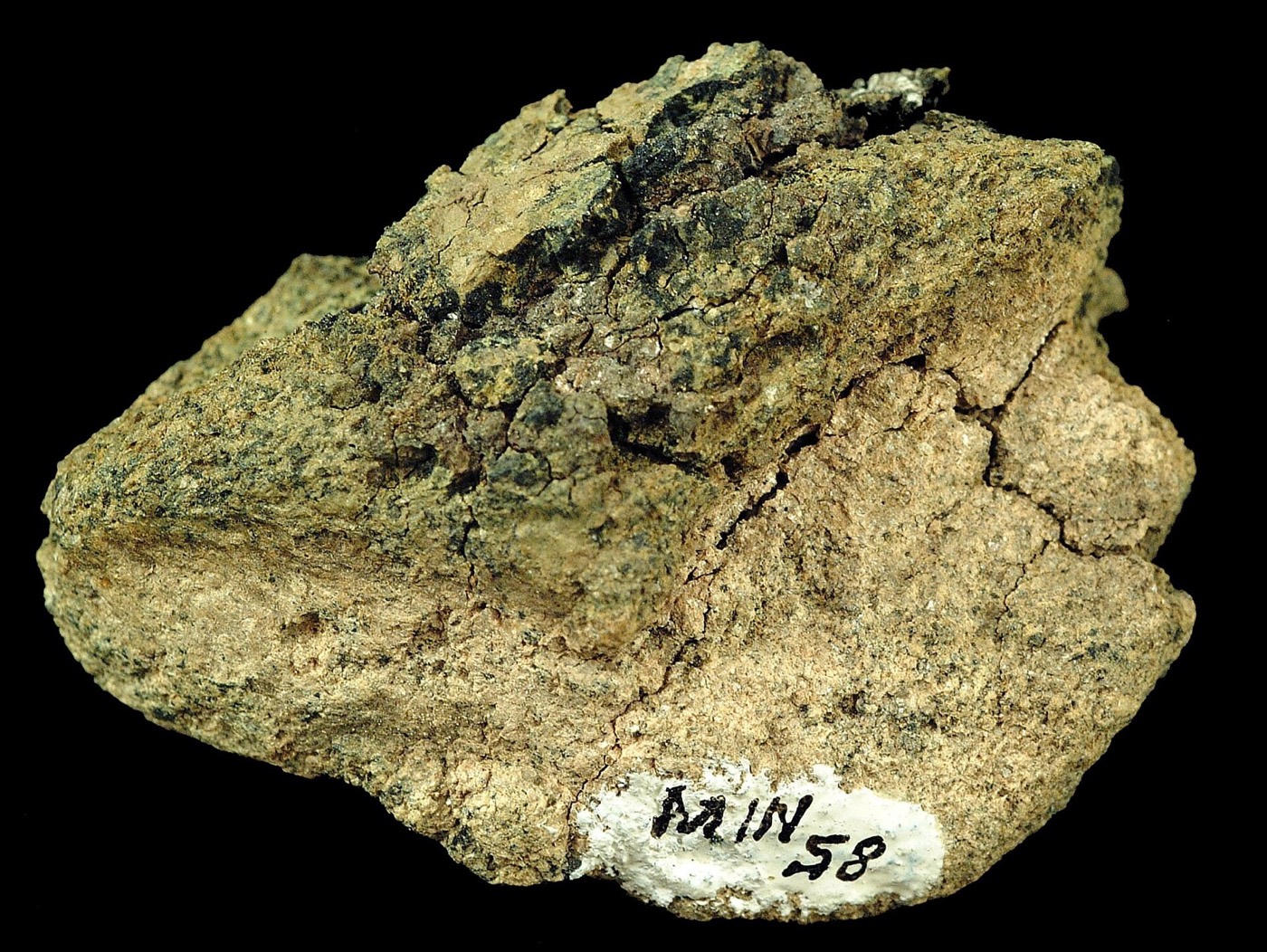
Start with what the fuss is actually about: a group of six rare metals, of which this video names three — platinum, palladium and rhodium.
All three are rarer in the Earth's crust than gold, and most of the world's supply comes from one region, South Africa's Bushveld Complex. Their biggest single use is the catalytic converter fitted to almost every petrol and diesel car — a device that uses these metals to turn harmful exhaust gases into less harmful ones before they leave the tailpipe.
They also go into electronics, where tiny amounts improve the reliability of components, and into dental and medical alloys. A sample like this one shows the raw metal before any of that refining begins.
Prices for all three have swung wildly through the 2020s, which is why this video will not give you one number and call it the price. By the time you watch this, it would already be wrong.
What does not change is the underlying fact: these are metals industry needs, there is not much of them, and almost all of what exists on Earth comes from a single place.
3. The 2010s gold rush that wasn't
This is not the first time someone has promised investors a trillion dollars in space rock. It happened once already, and it is worth knowing exactly how that one ended.
Planetary Resources was founded in 2009, renamed in 2012, and backed by genuinely famous money — Google's Eric Schmidt and Larry Page, the filmmaker James Cameron. It raised about fifty million dollars by 2016, including a direct investment from the government of Luxembourg. A rival, Deep Space Industries, founded in 2013, raised far less — about three and a half million dollars.
Both companies built small technology-demonstration satellites and flew them to ordinary Earth orbit. Neither one ever sent a probe to an actual asteroid. By 2018, Planetary Resources' funding had dried up and its assets were sold to a blockchain company. Deep Space Industries was bought out the following year, having pivoted to building water-fuelled thrusters instead.
The rocks in space had not changed. The money to go and get them had simply run out.
4. Why the first wave failed

It is worth asking why fifty million dollars, from serious investors, was not enough — because the answer is the same problem this video returns to again and again.
"There was more of a focus on the religion of space than the business of space." That is how Peter Marquez, Planetary Resources' former Washington policy lead, summed it up afterwards. Asteroid mining needed prospecting probes, extraction hardware and a way to process the metal — an entire supply chain that did not exist yet, and that no single company could build alone.
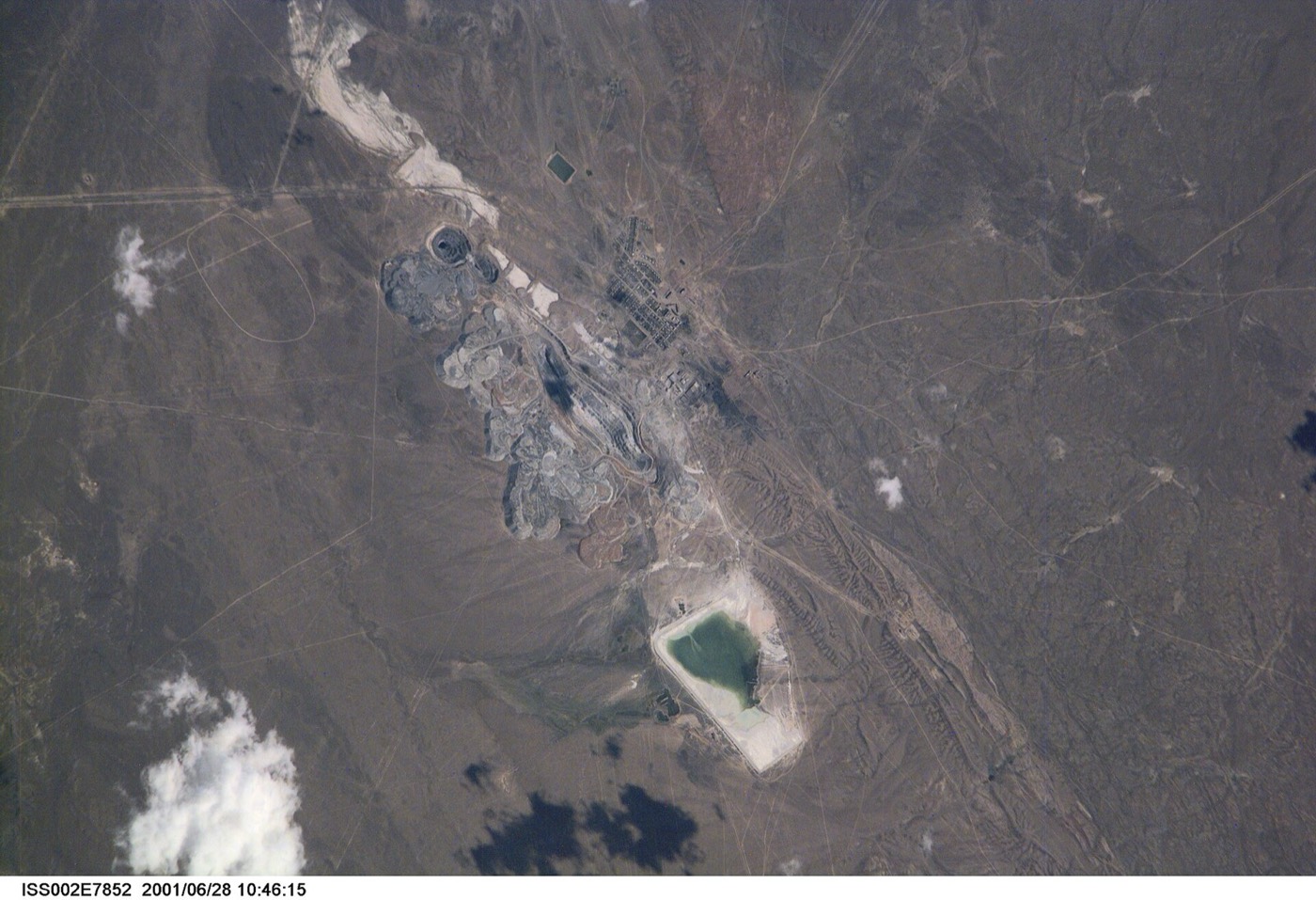
That policy fight played out far from any mine, in an office in Washington. The metal itself comes from somewhere else entirely — mining belts that already run from South Africa to Kazakhstan.
NASA's own OSIRIS-REx mission simply visited an asteroid called Bennu, scooped up a sample, and brought it home. It cost roughly one point two billion dollars on its own. That mission did not extract or sell anything. It only looked and returned a handful of dust.
Measured against that, fifty-five million dollars between two companies was never going to reach an asteroid, let alone mine one.
Terrestrial mines, from South Africa to Kazakhstan, already have roads, refineries and buyers in place. None of that infrastructure exists yet anywhere near an asteroid. Nobody has built, or costed, a working mine, because nobody has gotten that far.
5. AstroForge's bet
A new company decided the first wave's mistake was trying to do everything at once. AstroForge, founded in 2022, chose to do almost nothing at first — on purpose.
Rather than design and build its own rocket, AstroForge buys cheap, already-proven small satellite platforms. It rides them to space as a secondary payload — a smaller, lower-priority cargo bolted onto someone else's launch — at a fraction of the cost of flying alone. The company has raised about fifty-five million dollars in total. Most of that arrived in a single round in 2024.
That is still far short of a billion-dollar NASA mission. AstroForge's bet is that going cheap and fast, and accepting a real chance of failure, beats spending years and still not reaching the asteroid at all.
6. Odin: the first attempt
In February 2025, that bet got its first real test.
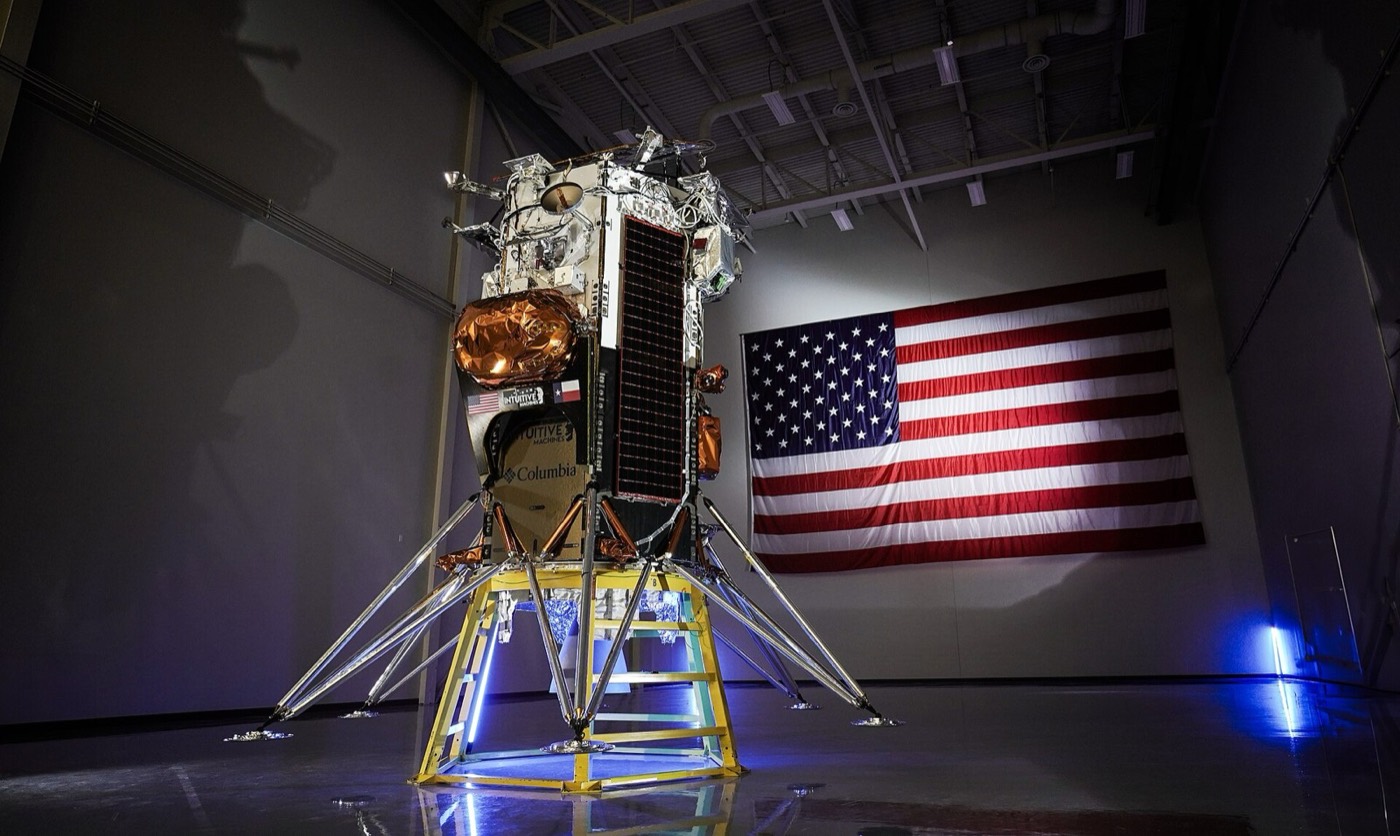
On the twenty-sixth of February 2025, AstroForge's Odin probe launched from Kennedy Space Center in Florida, riding alongside Intuitive Machines' Athena lunar lander on the same rocket. Odin's own job had nothing to do with the Moon — it was headed past a small asteroid called 2022 OB5, to photograph it and check whether it really is metallic.
Odin's radio amplifier, the part that boosts its signal strong enough to reach Earth, failed to switch on by itself after launch. Engineers sent well over a hundred commands trying to activate it by remote control. At the same time, the company's main tracking dish, in Australia, had its own equipment fail, cutting into the narrow window left to reach the spacecraft at all.
The last signal from Odin arrived about twenty-one hours after launch. AstroForge confirmed the mission was over on the sixth of March. The probe never reached the asteroid it was sent to photograph.
7. Vestri: the next attempt
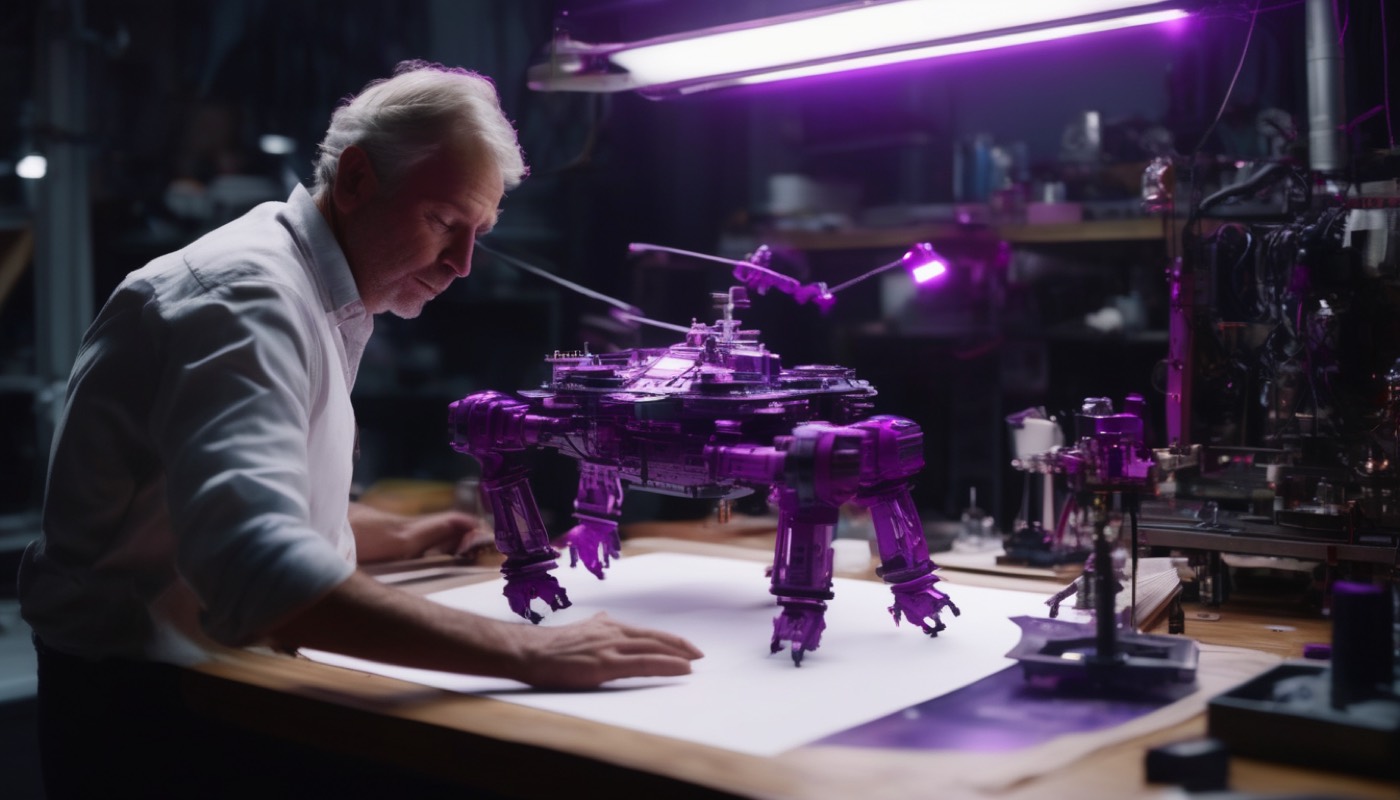
AstroForge did not stop. It built a second, more ambitious spacecraft, and aimed it at the same target.
Vestri is roughly twice Odin's mass, at about two hundred kilograms. It carries landing legs and its own propulsion, built not to fly past asteroid 2022 OB5 but to land on it. A landing would make it the first commercial spacecraft ever to touch down on an asteroid.
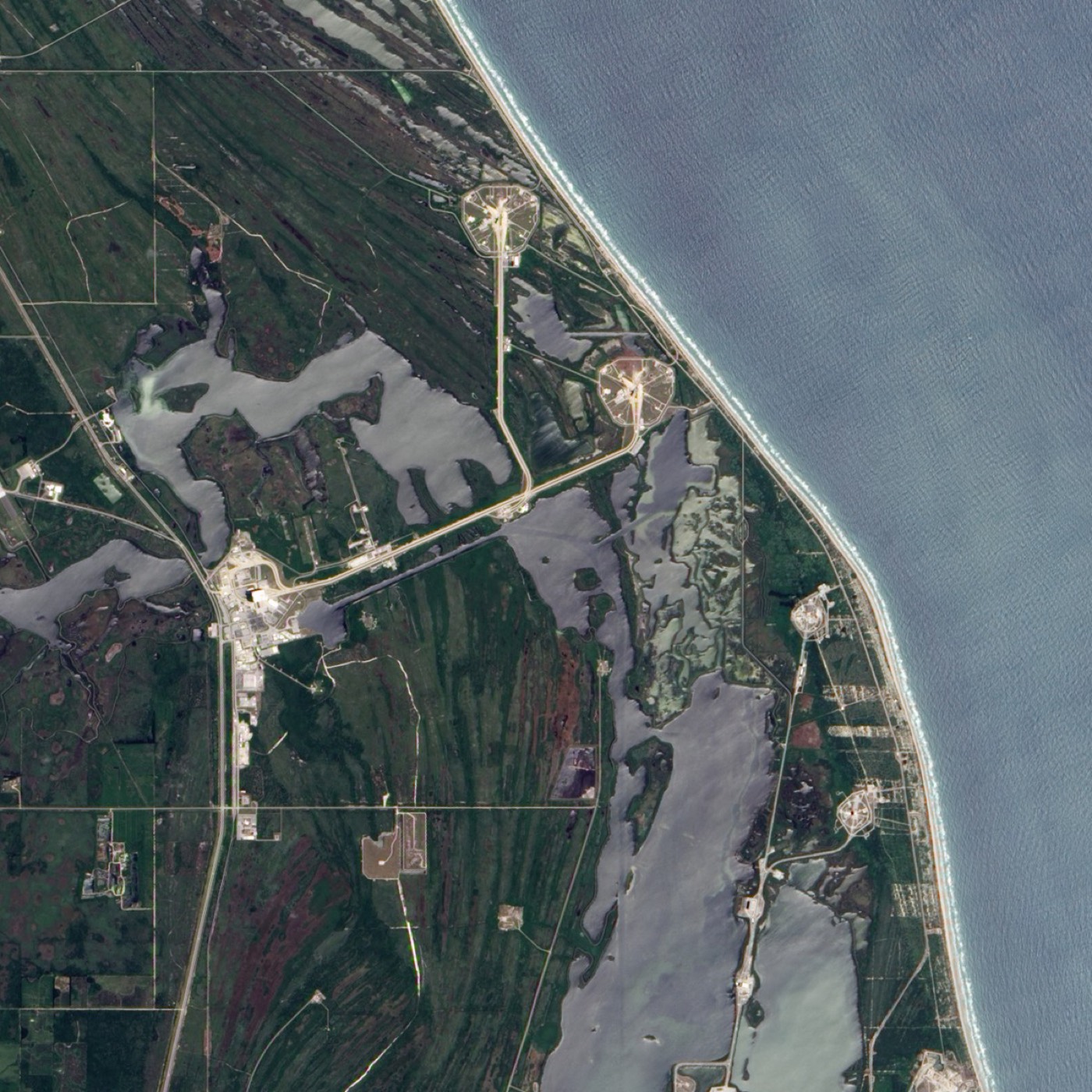
Vestri is booked as a secondary payload again, launching from the same Cape Canaveral complex on Intuitive Machines' IM-3 mission, alongside eleven other payloads bound for the Moon. NASA confirmed that full passenger list in August 2026.
The following month, NASA said the whole mission had slipped from the second half of 2026 to the first part of 2027. AstroForge first identified 2022 OB5 as Vestri's target years earlier, long before either date was set.
So as this video is being made, AstroForge has one probe lost in deep space, and a second one still waiting on the ground for a rocket that keeps slipping.
8. Who owns a mined asteroid?

Suppose a landing works, and a company actually digs metal out of an asteroid. A much older question sits underneath that: who is legally allowed to keep it?
The 1967 Outer Space Treaty, still in force today, says no country may claim ownership over a celestial body — not the Moon, not an asteroid, nothing. What it does not say, because nobody imagined it in 1967, is whether a private company may keep resources it has physically dug up and brought home.
Two countries decided not to wait for an answer. In 2015, the United States passed a law granting its own citizens the right to own, use and sell any space resource they extract, while explicitly claiming no ownership over the asteroid itself. In 2017, Luxembourg passed a similar law of its own, becoming the first country on the continent to do so.
Both laws thread the same needle: a company can own the metal it brings home, without either country claiming the rock it came from. That distinction — owning what you take, not owning the body you took it from — is the whole legal trick both laws rely on.
9. The legal grey zone in practice

Here is the part most coverage skips: nobody actually knows if that trick holds up, because nobody has ever had to test it.
No company has ever extracted and sold a gram of asteroid metal, so no court anywhere has ever ruled on a dispute over one. Legal scholars split into two camps. One reads the treaty strictly, and argues it should block private ownership of extracted resources too. The other reads it narrowly, and argues the two national laws fit comfortably inside it.
A real test would need two rival claimants — two companies, or two countries' laws — both reaching for resources from the same body or the same shipment of extracted material. Nobody has come close to that yet, because nobody has returned enough material from anywhere beyond the Moon for a fight over it to be worth having.
10. The Psyche comparison
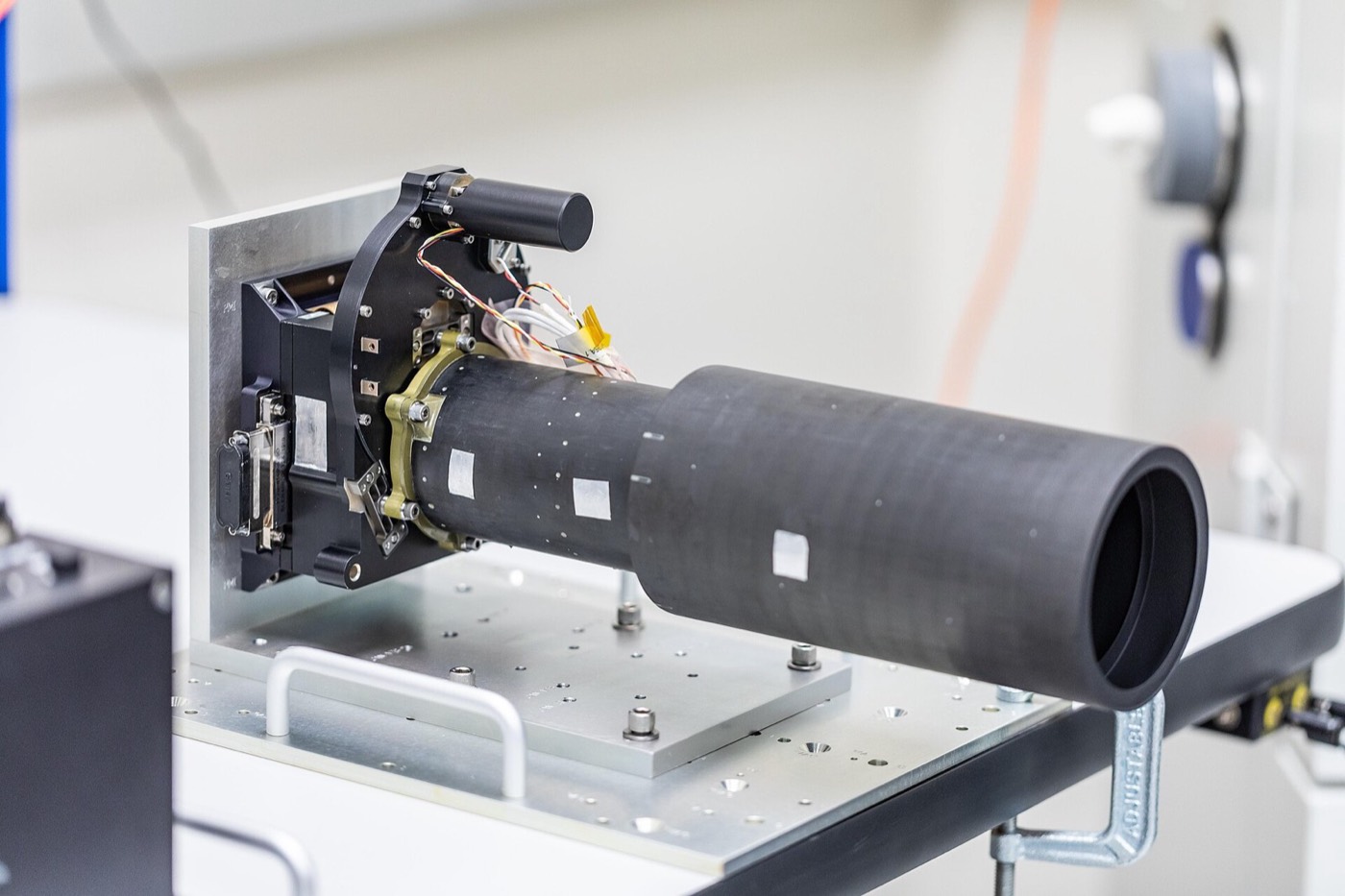

If you want to see how far a "trillion-dollar asteroid" claim can be pushed before it means almost nothing, look at NASA's own Psyche mission.
Psyche launched on the thirteenth of October 2023, bound for a metallic asteroid of the same name, far out in the main asteroid belt between Mars and Jupiter. It is due to arrive in 2029, after a six-year cruise that includes a flyby of Mars along the way.
Psyche's principal investigator, planetary scientist Lindy Elkins-Tanton, once calculated what the asteroid's estimated iron content would be worth at ordinary metals-market prices. The number she got was roughly ten quintillion dollars.
Elkins-Tanton has been clear that this is not a fortune anyone could actually collect. Sixteen Psyche sits in the main belt, far beyond any spacecraft's ability to bring material home at scale. And dumping even a small fraction of that metal onto Earth's market would collapse its own price — the ten-quintillion-dollar figure assumes today's price holds for a flood of supply the market has never had to absorb.
There is one more wrinkle. More recent research suggests Psyche may be less solid metal, and more a porous mix of metal and rock, than earlier estimates assumed — something the mission itself is flying out there to settle.
11. How close is a working mine?

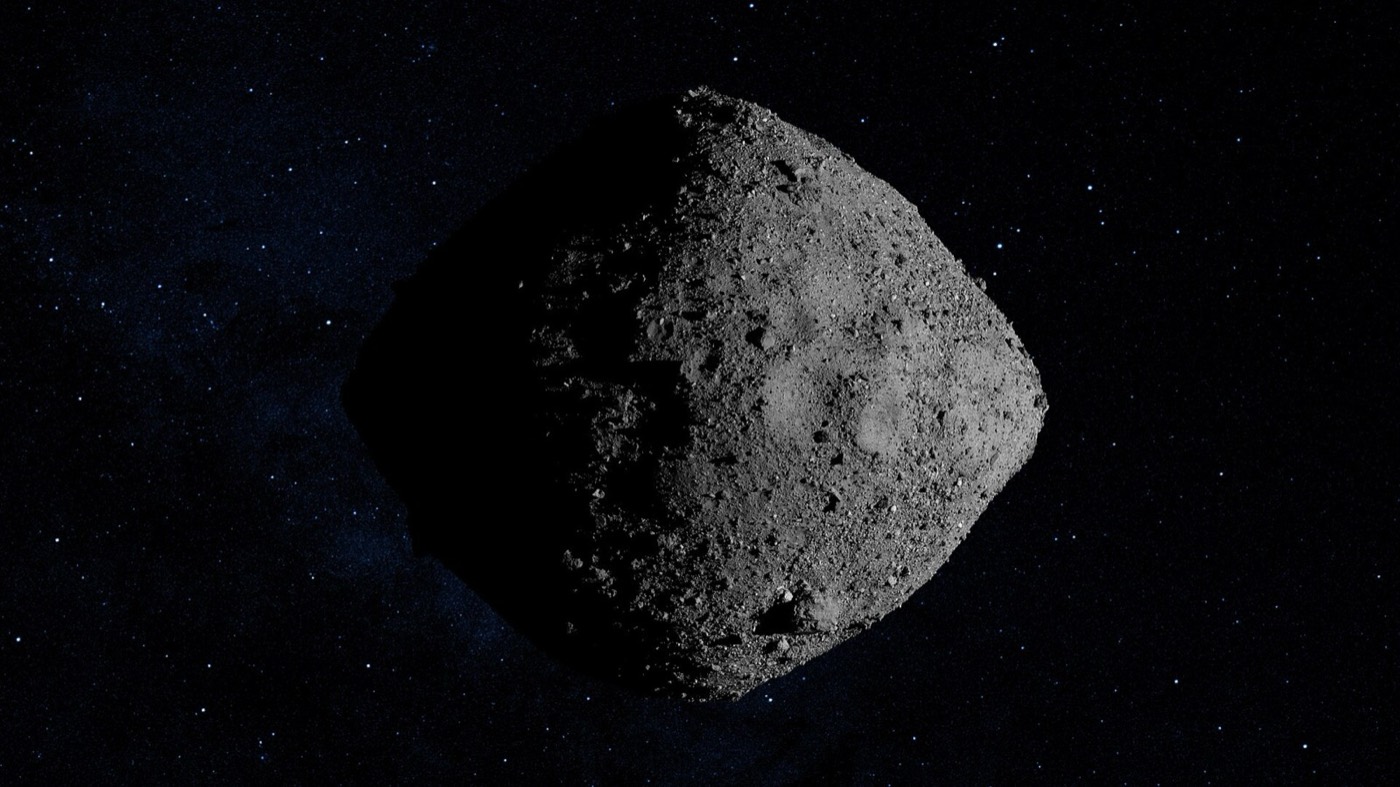
Pull all of it together, and weigh what has actually flown against what a real mine would still need.
What has flown so far is one small probe, Odin, lost twenty-one hours after launch. NASA's OSIRIS-REx mission did successfully bring material home from an asteroid called Bennu — a little over a hundred grams of rock and dust. But that was a government science mission, not a company mining metal, and it returned dust, not platinum.
A real mine still needs a lander that can anchor itself to a small, spinning, nearly weightless body. It needs equipment that can actually extract material at meaningful scale — nobody has built or tested any of that in space. It needs a way to process raw asteroid rock into refined metal, and a vehicle capable of bringing that metal home. None of those four things exists today, from any company, anywhere.
Every trillion-dollar estimate you have heard describes metal that is believed to be present. It is not a costed, working way to get that metal out and sell it.
12. Verdict: industry or story?
So: is asteroid mining becoming a real industry, or is it still a story that outruns the engineering?
The honest answer is both halves at once. The geology behind the trillion-dollar claim is real and taken seriously by scientists who are not selling anything. The industry built to act on it has raised roughly a hundred million dollars across two entire waves of companies. A single NASA science mission, just to visit one asteroid and bring home a handful of dust, cost over a billion dollars.
One probe has flown toward a metallic asteroid, and it never arrived. A second is still waiting for a rocket. The legal right to keep what you dig up exists on paper in two countries, and has never once been tested in a courtroom, because nobody has had anything worth fighting over yet.
None of that means the rock out there is worth less than people say. It means the gap between finding something valuable and actually being able to take it is still, for now, the entire story.
Sources and credits
Photo credits (Wikimedia Commons)
- Lindy Elkins-Tanton, NASA Psyche mission principal investigator: Bill Ingalls, Public domain - https://commons.wikimedia.org/wiki/File%3ALindy_Elkins-Tanton_%28NHQ201812310038%29.jpg
- Psyche spacecraft's multispectral imager during assembly, 2021, Malin Space Science Systems: NASA/JPL-Caltech/ASU/MSSS, Public domain - https://commons.wikimedia.org/wiki/File%3APsyche_spacecraft_cam%C3%A9ra_PIA24894.jpg
- Cape Canaveral launch pad 39A and neighboring pad 39B: Robert Simmon, Public domain - https://commons.wikimedia.org/wiki/File%3ACape_Canaveral_launch_pad_39A_and_neighboring_pad_39B.jpg
- Intuitive Machines' Nova-C lunar lander, the program Odin and Vestri rode as secondary payloads on: NASA Marshall Space Flight Center / Intuitive Machines, Public domain - https://commons.wikimedia.org/wiki/File%3AIntuitive_Machines%E2%80%99_Nova-C_lunar_lander_%28IM_00309%29.jpg
- Platinum sample in graywacke rock: Darla Sondrol, CC0 - https://commons.wikimedia.org/wiki/File%3APlatinum_in_graywacke_%28GeoDIL_number_-_921%29.jpg
- Kazakhstan landscape (astronaut photograph), for Earth-side metal/mining context: Earth Science and Remote Sensing Unit, Lyndon B. Johnson Space Center, Public domain - https://commons.wikimedia.org/wiki/File%3AISS002-E-7852_-_View_of_Kazakhstan.jpg
- Radar imaging of near-Earth asteroid 7335 (1989 JA): NASA/JPL-Caltech, Public domain - https://commons.wikimedia.org/wiki/File%3APIA25251_-_Radar_Observations_of_Near-Earth_Asteroid_7335_1989_JA.jpg
- Asteroid Bennu's surface, imaged by NASA's OSIRIS-REx spacecraft: NASA's Scientific Visualization Studio - KBR Wyle Services, LLC/Dan Gallagher, ADNET Systems, Inc./James Tralie, KBR Wyle Services, LLC/Jonathan North, Advocate, Public domain - https://commons.wikimedia.org/wiki/File%3AAsteroid_Bennu%E2%80%99s_Surprising_Surface_Revealed_by_OSIRIS-REx_%28SVS14179%29.jpg


Primary sources
- MIT Technology Review, 'How the asteroid-mining bubble burst', Erin Winick, 26 June 2019 - Planetary Resources ~$50m by 2016, Deep Space Industries ~$3.5m, the ConsenSys and Bradford Space acquisitions, the Marquez and Bonin quotes.
- NASA, OSIRIS-REx mission cost and Bennu sample-mass reporting (~$1.2bn mission cost, 121.6g returned 24 Sept 2023).
- Fenwick, O'Melveny, SpaceNews and Payload Space, AstroForge's $40m August 2024 Series A and ~$55m total raised.
- Space.com, ''I think we all know that hope is fading.' Private Odin asteroid probe is tumbling in space' (2025) - the 21-hours figure, Australia ground-station power-amplifier fault, recovery commands.
- SpaceflightNow and NASA Spaceflight, Athena/IM-2 launch coverage, 26 February 2025, Kennedy Space Center.
- NASA, Intuitive Machines IM-3 payload-manifest confirmation (4 August 2026) and launch-date slip to 'first part' of 2027 (15 September 2026).
- United Nations Office for Outer Space Affairs, Outer Space Treaty text, Article II (1967).
- Congress.gov, H.R.2262, U.S. Commercial Space Launch Competitiveness Act, 114th Congress, Title IV, signed 25 November 2015.
- Luxembourg Space Agency, press release, 13 July 2017 - space resources law, in force 1 August 2017.
- NASA JPL, Psyche mission pages - launch 13 October 2023, Falcon Heavy, 2029 arrival.
Not regulated financial advice.