
Starship Reaches Orbit: What Changes Now?
On 28 September 2026, Starship Flight 14 reached a stable Earth orbit for the first time - carrying 26 Starlink V3 satellites, the first of SpaceX's newest, highest-bandwidth satellite design.
This video explains why that is hard: why rockets have always been thrown away after one use, why catching a 33-engine Super Heavy booster between two tower arms is a fundamentally different problem to landing on legs, and why surviving re-entry at hypersonic speed nearly ended the whole programme before Flight 13's heat-shield breakthrough in July 2026 made this flight possible.
It also corrects the record on what actually happened. Booster 21 was not caught on this flight - it performed a planned soft splashdown in the Gulf, on 11 of its 13 landing engines, before being deliberately destroyed. Ship 41 lost a Raptor Vacuum engine on ascent but still reached orbit, deployed its satellites, and cut its mission short from a planned six orbits to two before splashing down in the Pacific near Hawaii.
And it asks the harder question: does this prove reusable super-heavy rockets are actually cheap? The answer, as of today, is not yet. The first publicly disclosed commercial Starship launch price - $90 million, for Voyager Technologies' Starlab space station, disclosed in a March 2026 SEC filing - is nine times Elon Musk's long-stated $10 million target. Orbital propellant transfer, which NASA's Artemis Moon landing depends on, has never been demonstrated. No booster and ship have yet been reflown together as a matched pair. And the next real test - Booster 22's catch attempt on Flight 15 - is targeted for no earlier than 19 October 2026.
In these topics
Chapters
- A rocket the size of a skyscraper reaches orbit
- Why rockets are normally thrown away
- What Starship actually is
- The hard problem: catching a booster
- The other hard problem: surviving re-entry
- The road to Flight 14: from fireballs to orbit
- What happened on the flight
- Why 26 satellites is the real payload story
- What reusable heavy-lift could unlock
- The economics: promise versus 2026 reality
- What still has to go right
- One flight, or a turning point?
Video notes
1. A rocket the size of a skyscraper reaches orbit

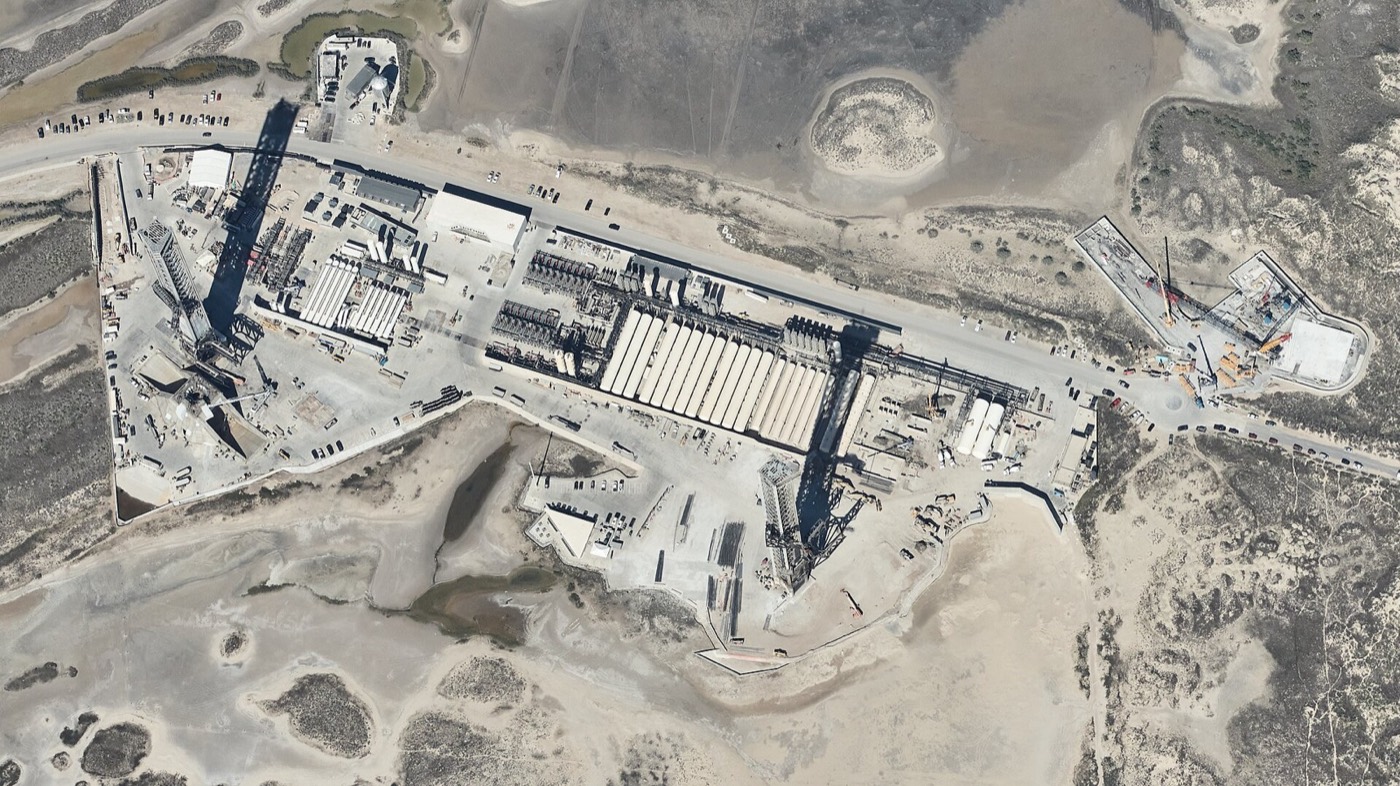
On the twenty-eighth of September twenty twenty-six, a rocket taller than most buildings left the ground in south Texas and, for the first time, stayed in space.
Starship lifted off from Starbase, SpaceX's launch site on the Texas Gulf coast. Starbase is where every Starship test flight has flown from since the programme began, and this was flight number fourteen.
That alone would not be news. Starship had flown thirteen times before. What made this flight different is where it ended up.
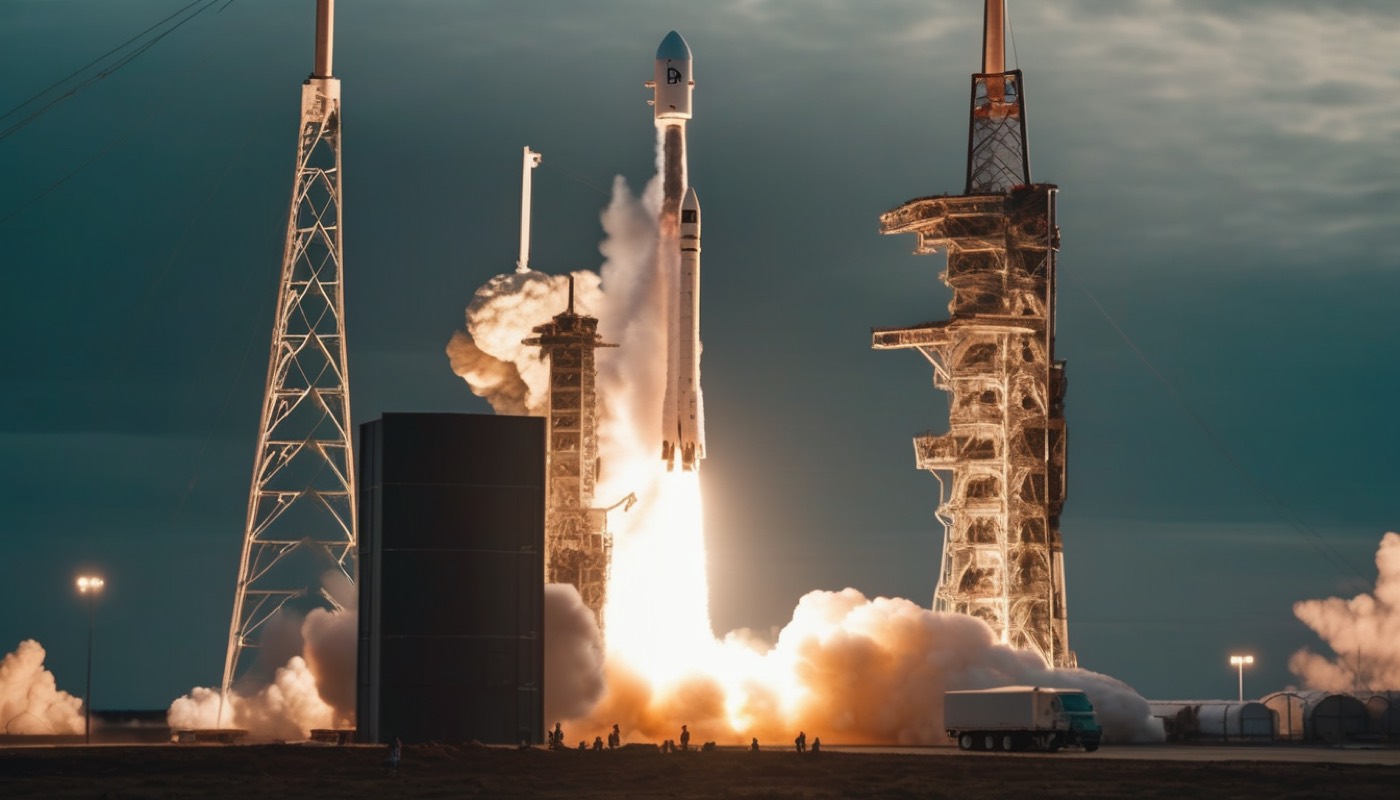
It reached a stable orbit roughly two hundred and sixty-two by two hundred and seventy-five kilometres high - the first time anything this size had ever settled into a path around the Earth. A booster with thirty-three engines put it there, and it released twenty-six satellites once it arrived.
This video asks what that actually proves, and what it does not.
It follows that flight through twelve chapters: why rockets are normally thrown away, what Starship actually is, and the two hardest problems in making a rocket reusable. Then the road that led to this launch, what happened on the day itself, and what one successful flight does and does not prove about the cost of reaching orbit. By the end you should be able to judge the gap between a rocket that worked once and a rocket that has changed the economics of spaceflight.
2. Why rockets are normally thrown away
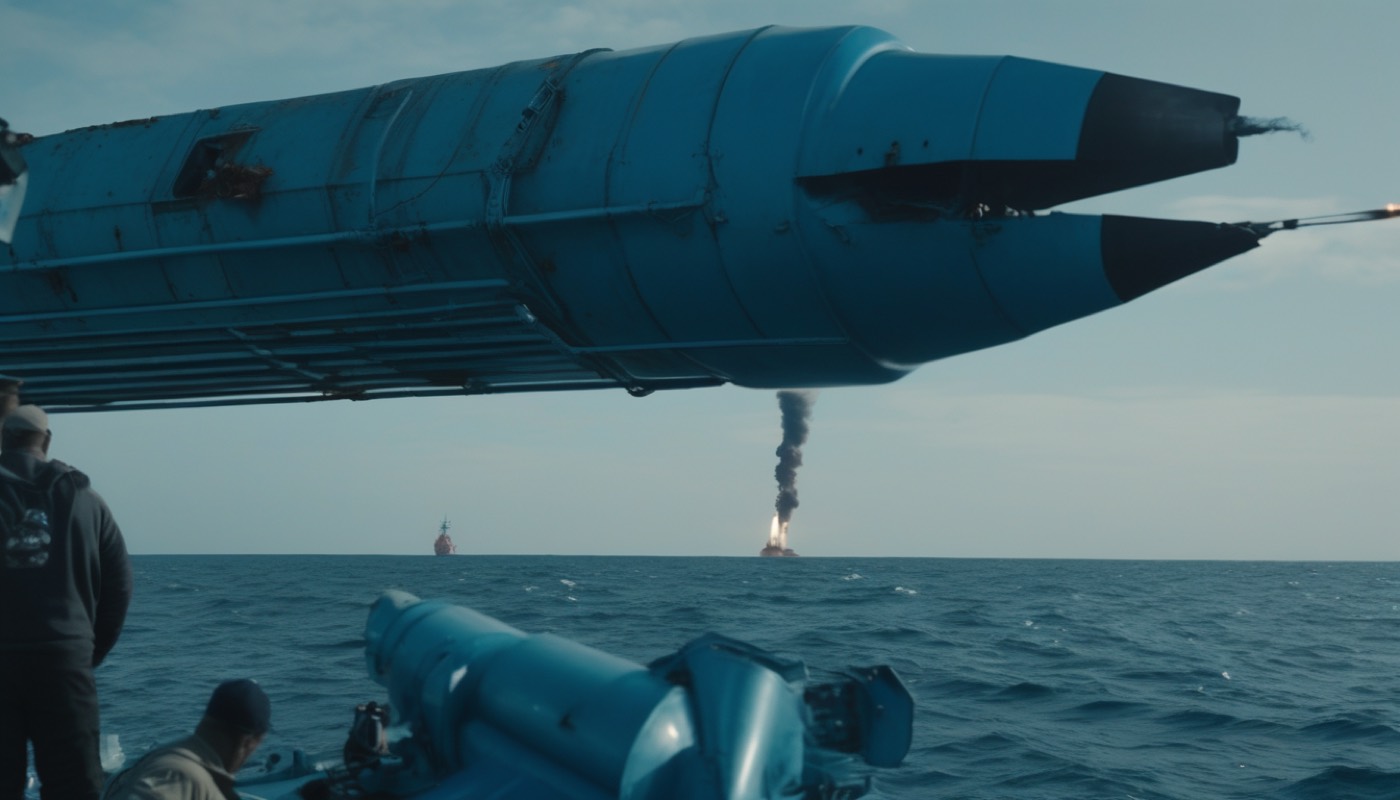
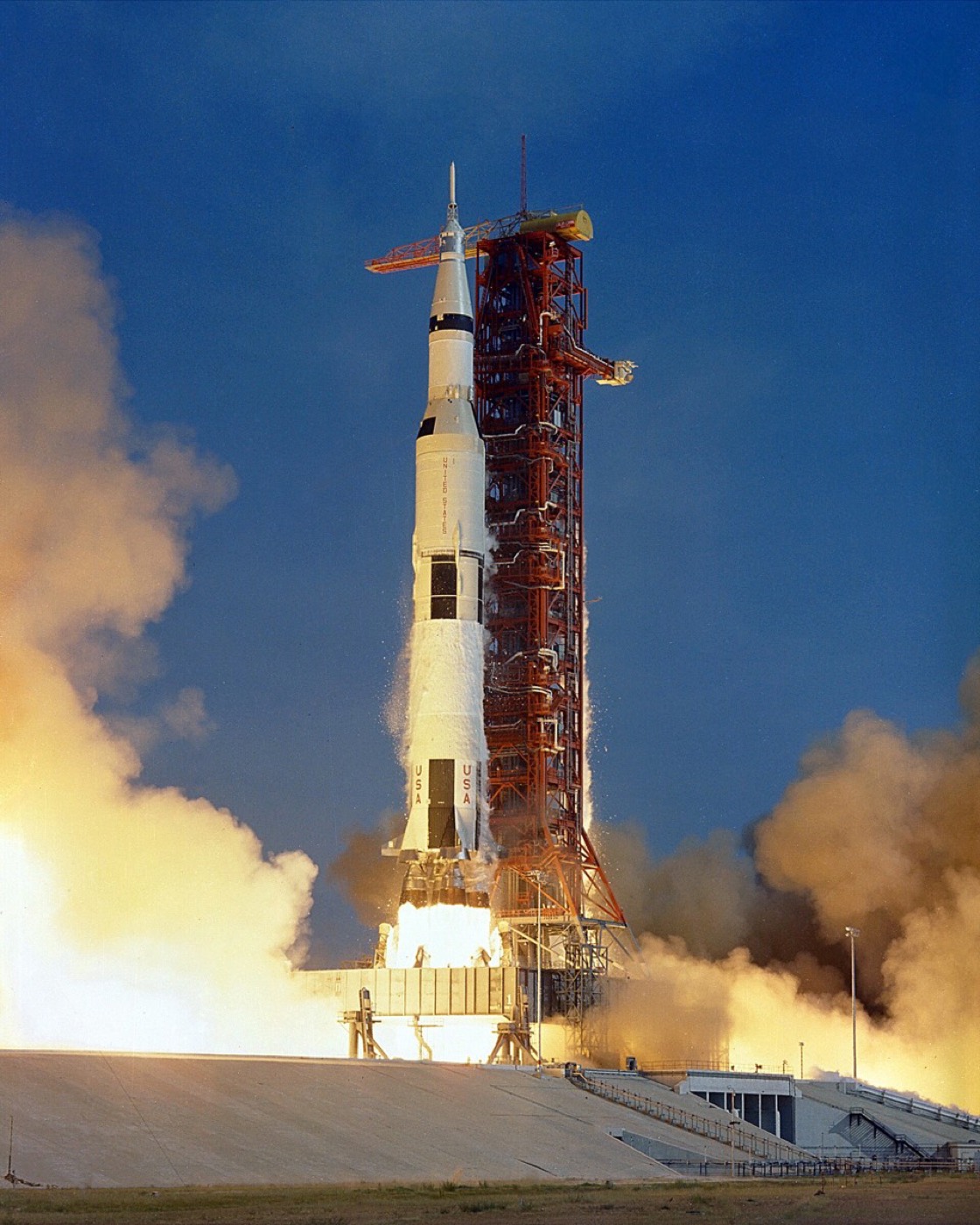
For most of the space age, a rocket has been a machine you use once.
The Saturn V, which sent astronauts to the Moon, dropped each of its three stages into the ocean or into space as it climbed, and none of them ever flew again. That was normal. A rocket only has to survive one trip, so building it to survive a second one seemed like wasted weight.
The same idea still applies to most rockets flying today.
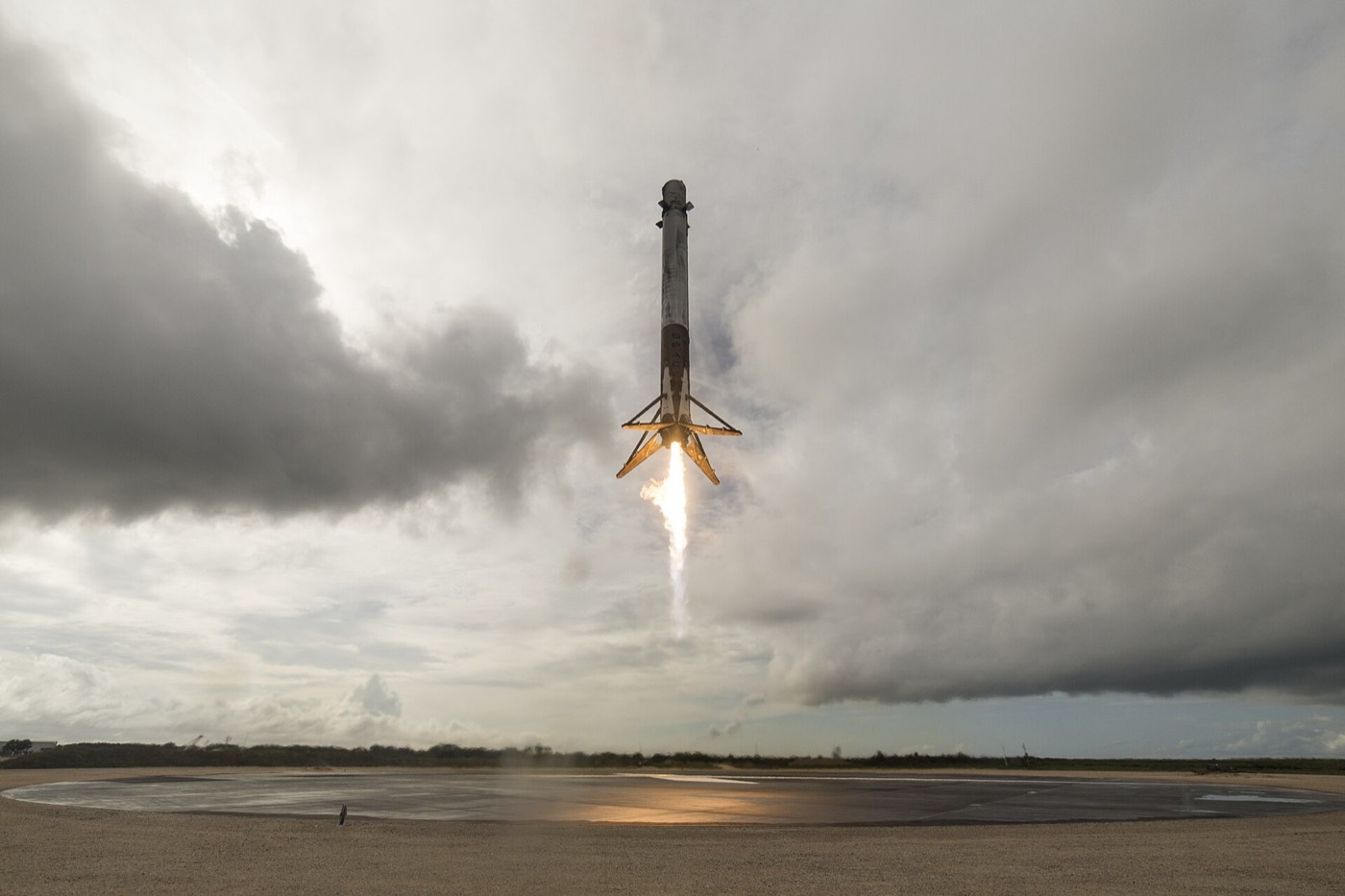
A rocket's job is to push its payload up and away as fast as possible, then get out of the way. Each stage burns its fuel, falls back or drifts off, and is never seen again. SpaceX's own Falcon 9 still expends its upper stage on every single flight - only the lower, first stage comes back.
That first stage does land itself, upright, usually on a floating platform at sea. SpaceX has done this routinely since 2015, and reusing that one stage is most of what makes Falcon 9 cheaper than the rockets that came before it. Starship tries to do the same thing with the whole vehicle, not just one part of it.
Reusing one stage cut costs. Starship is a bet that reusing everything cuts them much further.
3. What Starship actually is
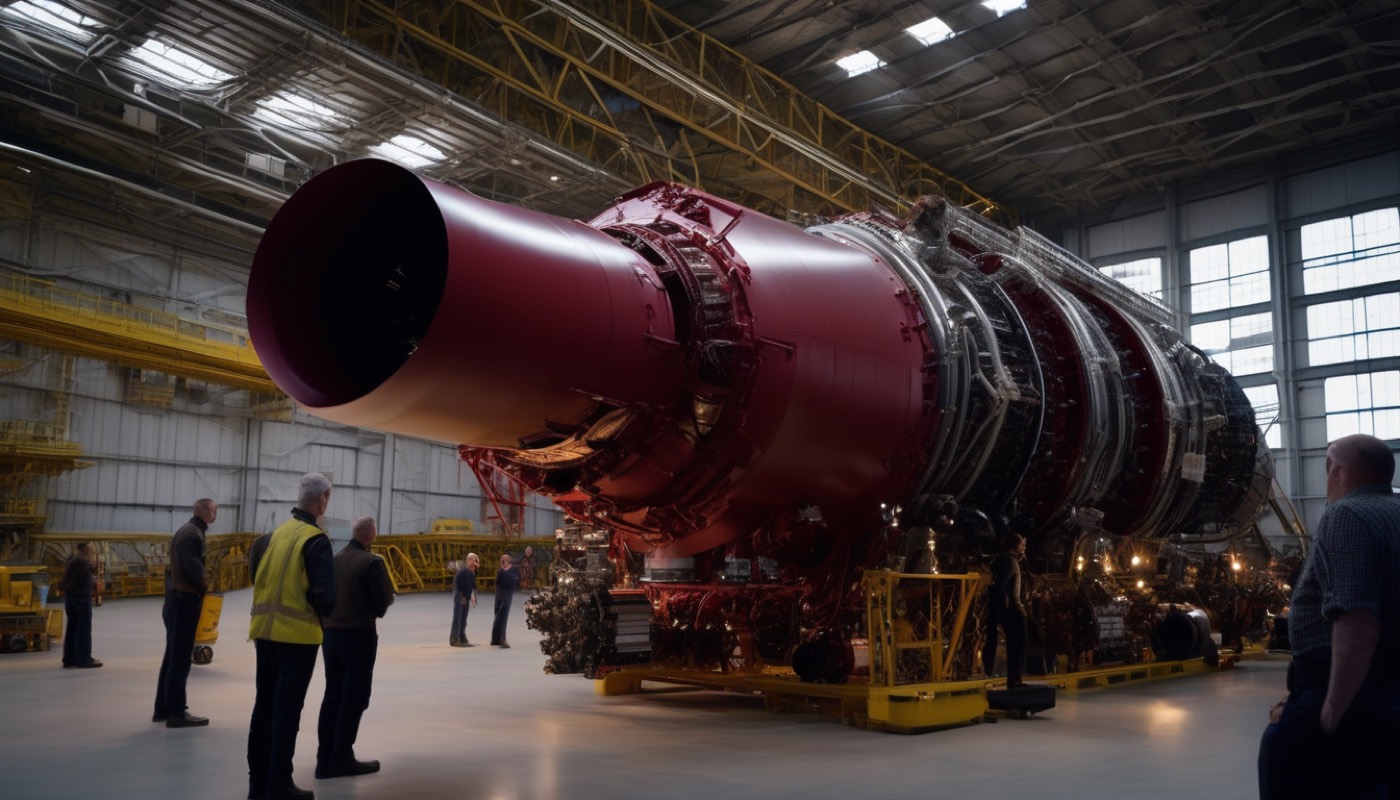
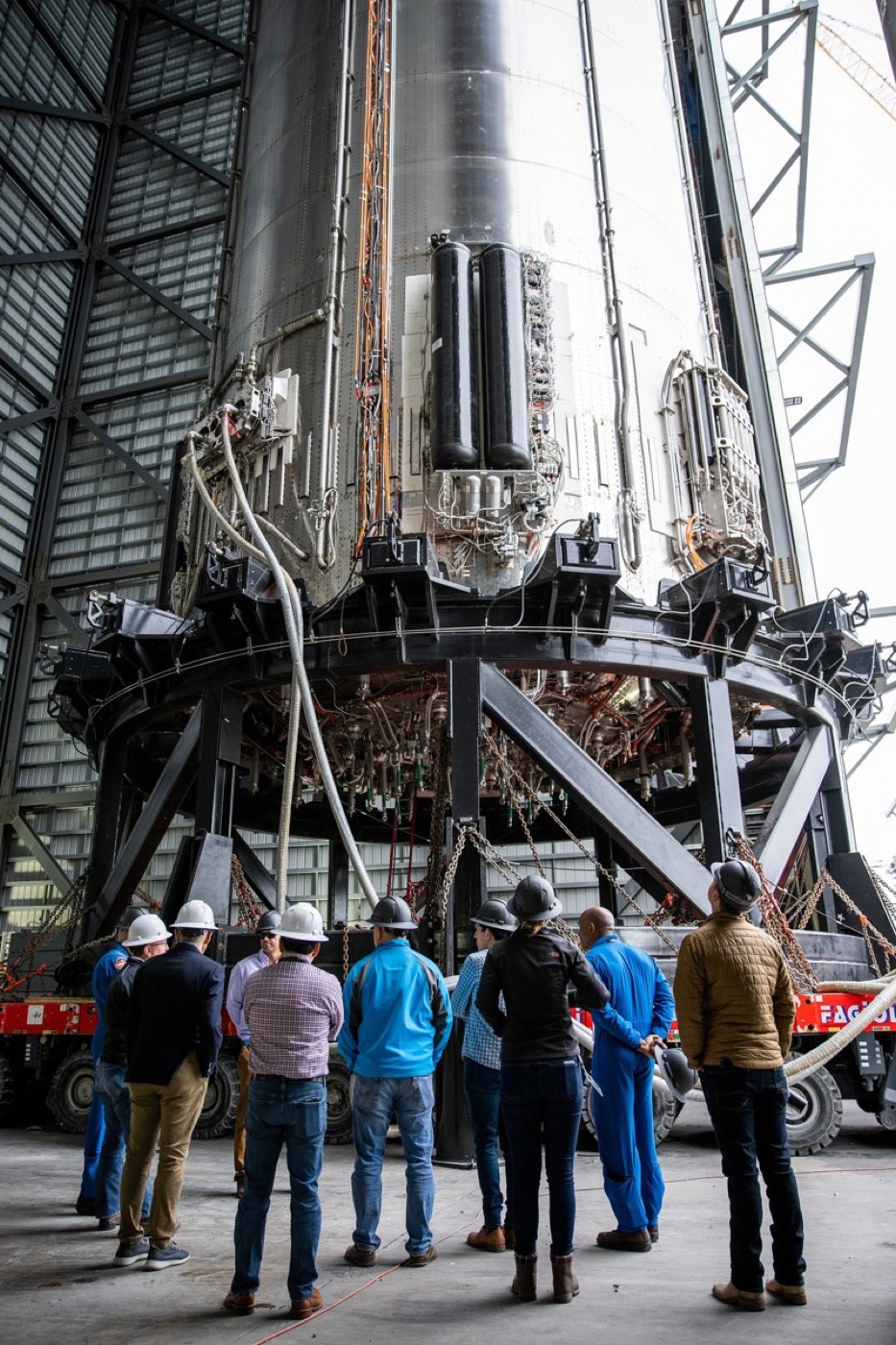
Starship is not one rocket. It is two, stacked on top of each other, and both are meant to be reusable.
The bottom half, called Super Heavy, is the booster: it does the heavy lifting off the ground and is meant to fly again within hours of landing, not months. On top of it sits the ship itself - also confusingly called Starship - which carries the cargo and, eventually, people.
The booster alone carries thirty-three engines, called Raptors, clustered underneath it. Together the booster and the ship stand well over a hundred metres tall, taller than the Saturn V that flew to the Moon.
The two halves do not simply fly off together and separate at the top like older rockets. They hand off the job mid-flight.
The booster fires its engines to get the stack moving, and while it is still burning, the ship's own engines light underneath it - a manoeuvre called hot-staging, because the handover happens while both are still under power. The booster then lets go and falls back toward Texas, while the ship keeps climbing alone.
That handover is well understood by now. What is much harder is what happens to each half afterwards.
4. The hard problem: catching a booster
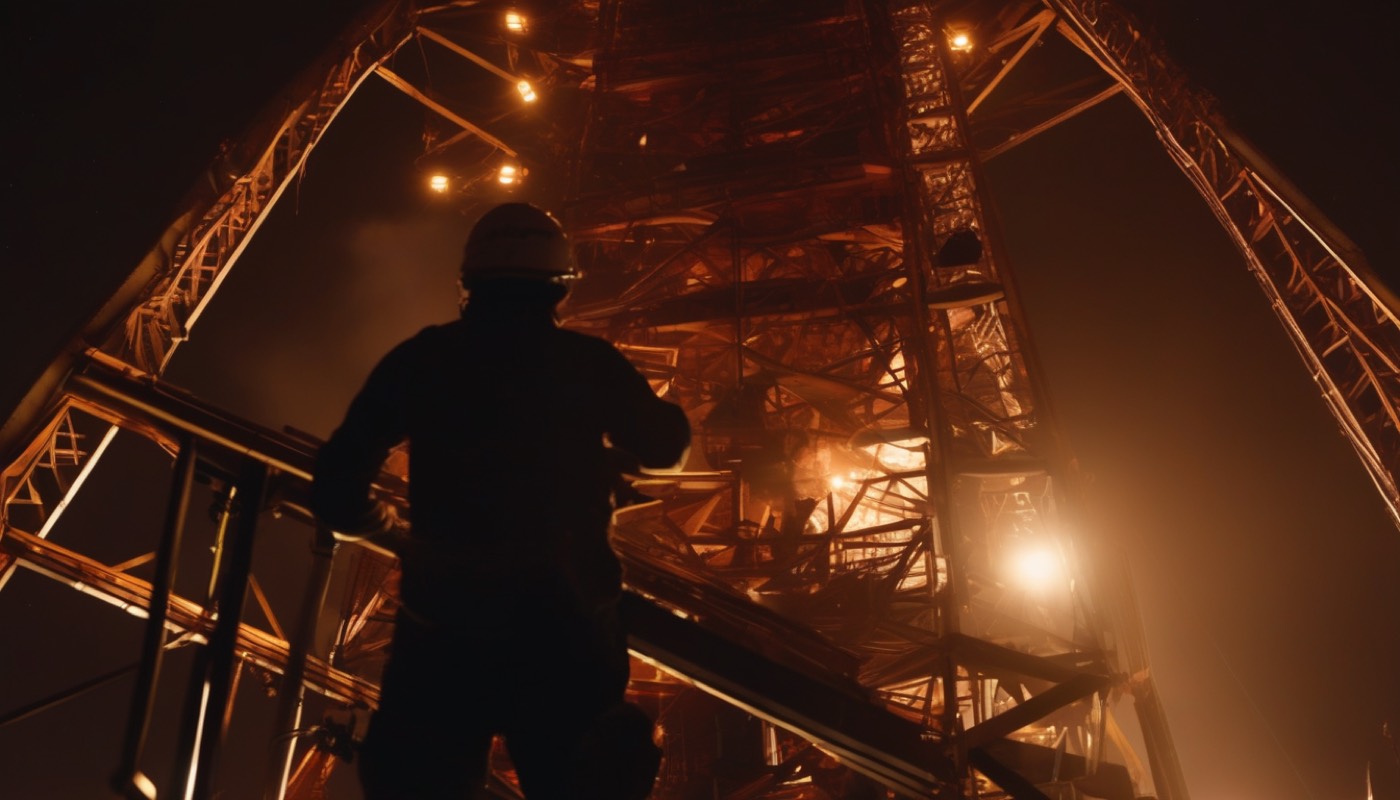
Getting a booster back has never meant simply letting it fall. SpaceX catches it. The Starbase tower carries two enormous metal arms, nicknamed chopsticks, and a returning booster flies itself down between them until the arms close and take its full weight.
That sounds almost casual, said quickly. It is not.
A booster coming home is seventy-one metres of steel and empty fuel tank, falling from the edge of space, with no legs and no second chance to try again. It has to slow itself with its own engines, line up with a fixed tower on the ground, and arrive within centimetres of the exact spot the arms are waiting - because any more and the catch fails.
Three things have to go right at once for that to work: the booster's guidance has to be accurate to a few centimetres, its engines have to throttle precisely on the way down, and the tower's arms have to close at exactly the right moment. Landing on legs, like Falcon 9 does, gives a rocket room for error. Catching gives it almost none.
SpaceX proved this was possible two years before Flight 14. It took longer to prove it could be done safely enough to rely on.
5. The other hard problem: surviving re-entry
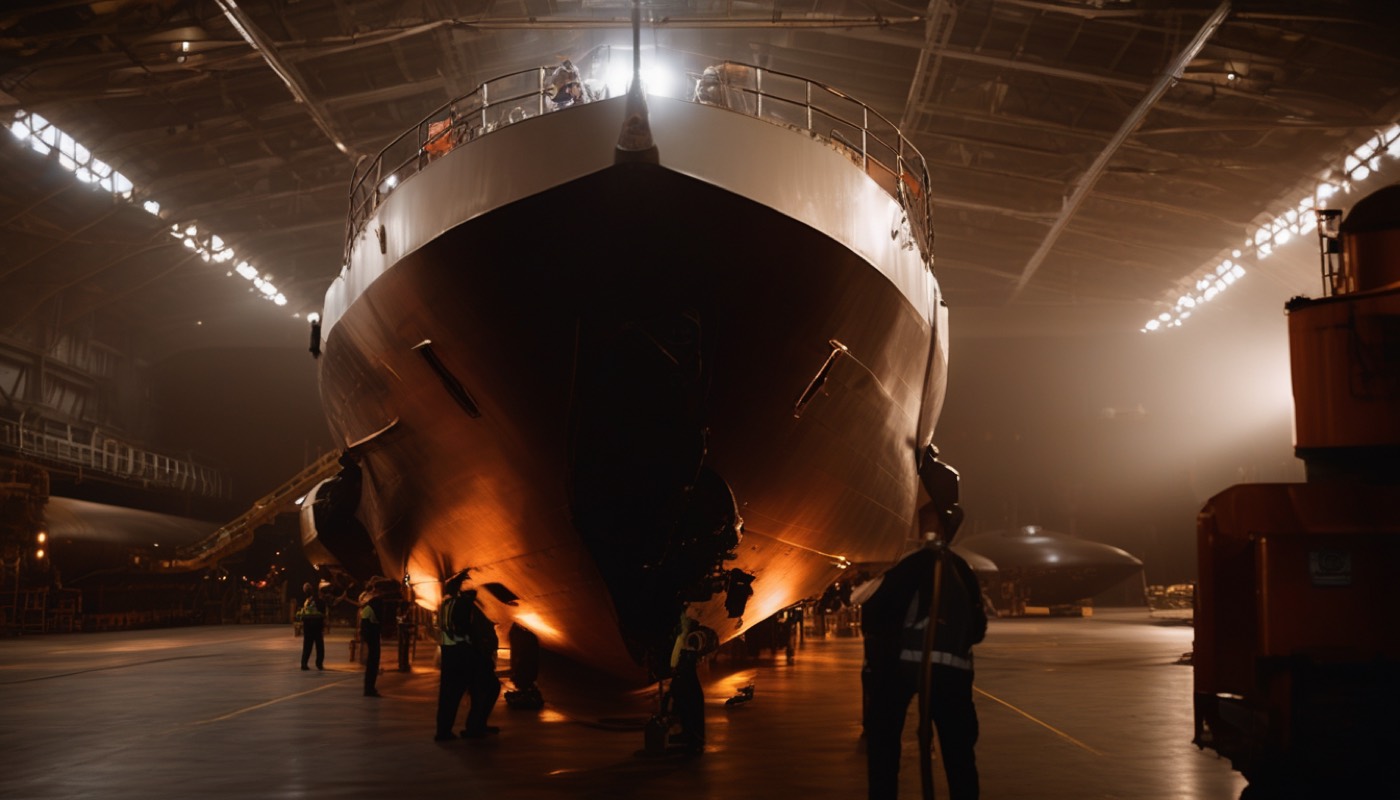
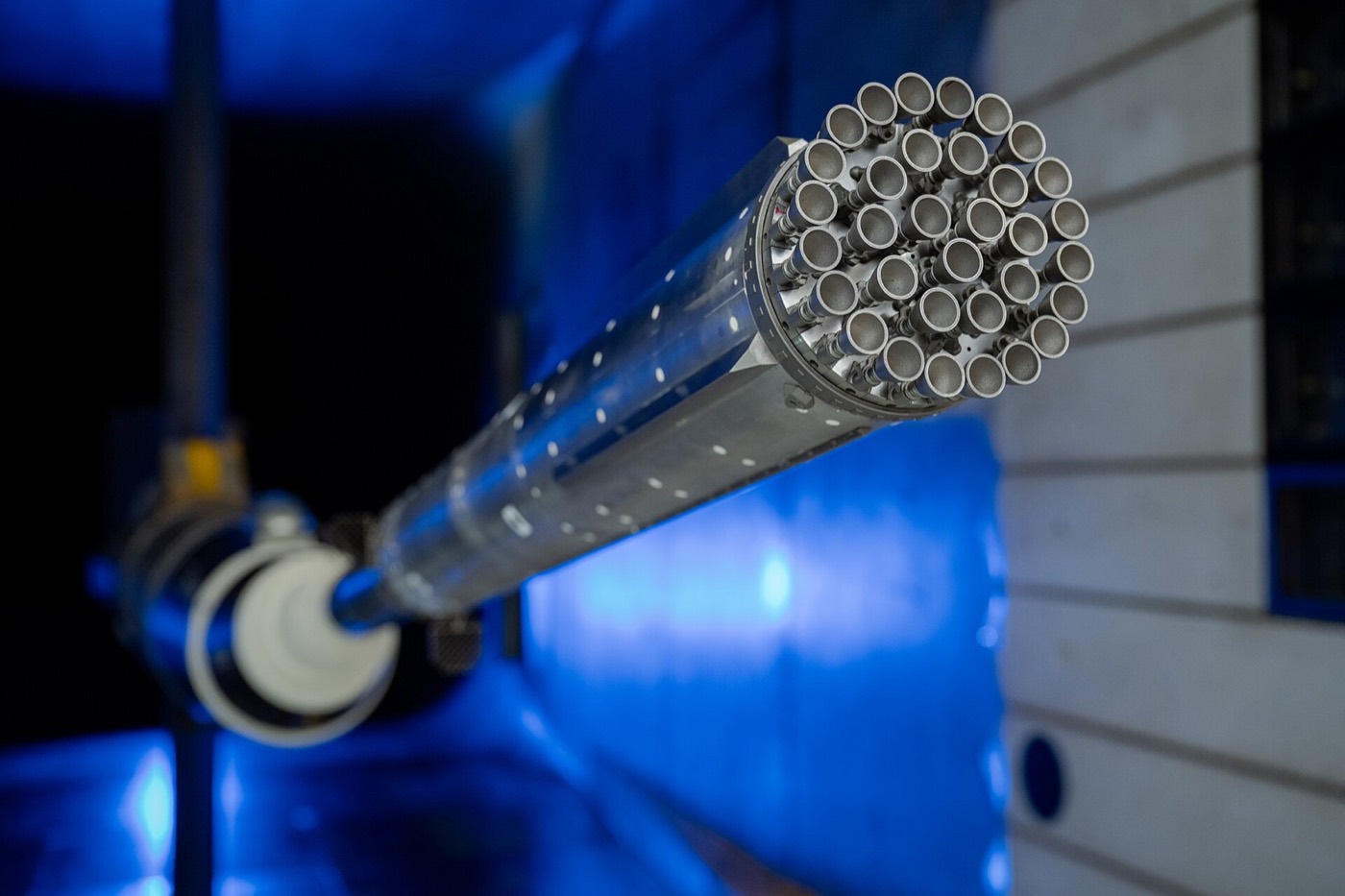
Getting the booster back is a problem of the last few minutes of flight. Getting the ship back is a problem of the whole trip home, at far higher speed.
Coming back from orbit, the ship re-enters the atmosphere at hypersonic speed, and friction with the air turns its outer surface white hot. Thousands of black ceramic tiles, fitted to its underside like scales, are what stand between that heat and the steel structure underneath.
The tiles are a thin outer skin over a much larger structure: a layer of ceramic only centimetres thick, then the steel skin of the ship itself, then the tanks and machinery inside. Lose even a few tiles in the wrong place during descent and the heat can reach the steel beneath.
That is exactly the failure Starship spent years struggling with. It took until the flight before this one to look solved.
Flight 13, in July twenty twenty-six, was the turning point. Its ship survived re-entry well enough to relight an engine in space and make the gentlest splashdown any Starship had managed, in the Indian Ocean. Without that result, SpaceX would not have attempted the orbital flight that followed.
6. The road to Flight 14: from fireballs to orbit
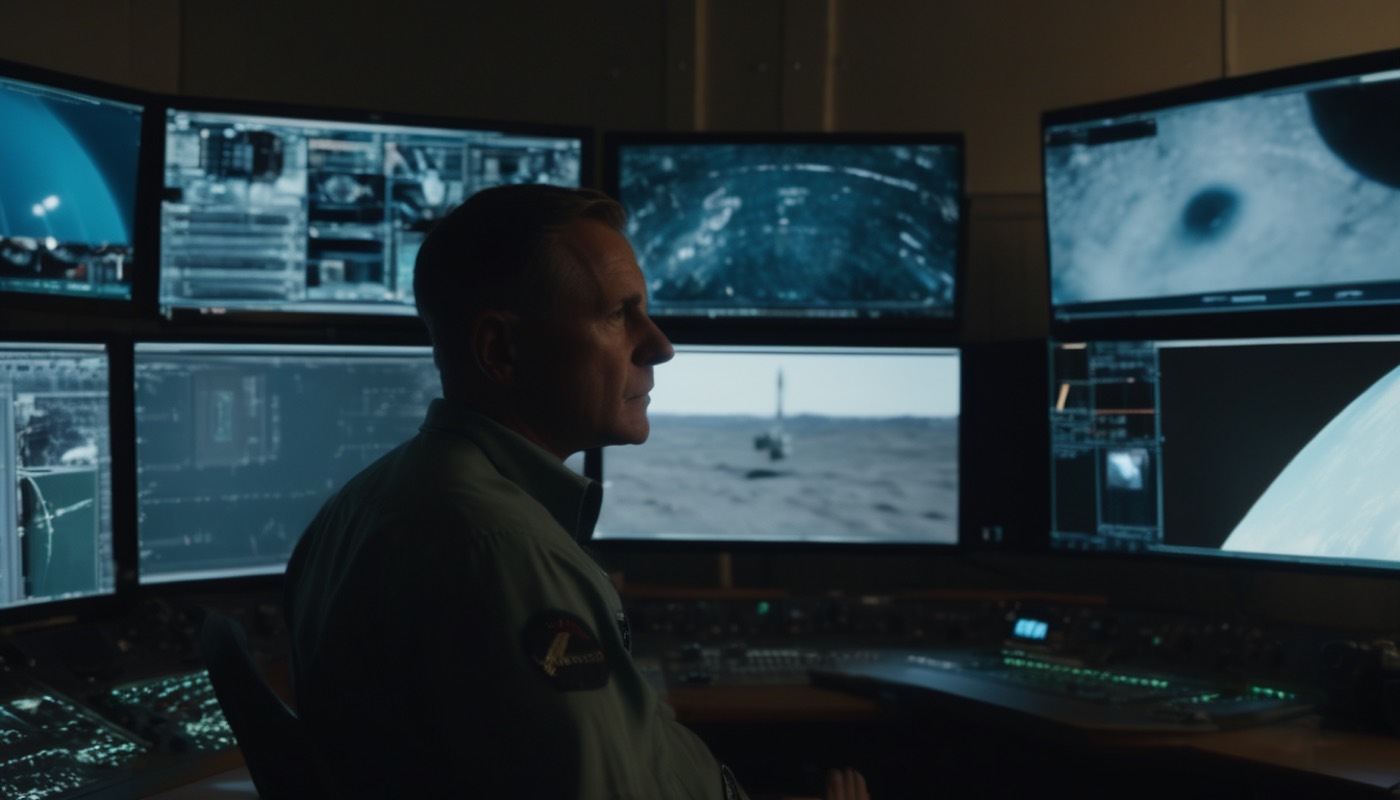
Flight 14 did not happen on the first try, or the fifth. It followed years of rockets that did not survive their own test flights.
Starship's first integrated test flight lifted off in April twenty twenty-three and ended in an explosion, what engineers call a RUD - a rapid unscheduled disassembly, their dry way of saying a rocket blew up. More flights followed the same pattern through the rest of that year: get further, then fail differently.
The booster's first successful catch came on Flight 5, in October twenty twenty-four - the moment described in chapter four. Nearly two years passed. Then, in July twenty twenty-six, Flight 13 proved the ship could survive coming home. Flight 14, in September twenty twenty-six, put both achievements together and reached orbit.
What changed between those flights was not luck. Each failure told SpaceX exactly which part to fix next.
A booster that once tumbled out of control now catches itself between two arms. A ship that once burned through on the way down now splashes down gently enough to float. Orbit was the next item on that list, and Flight 14 was where it got crossed off.
7. What happened on the flight
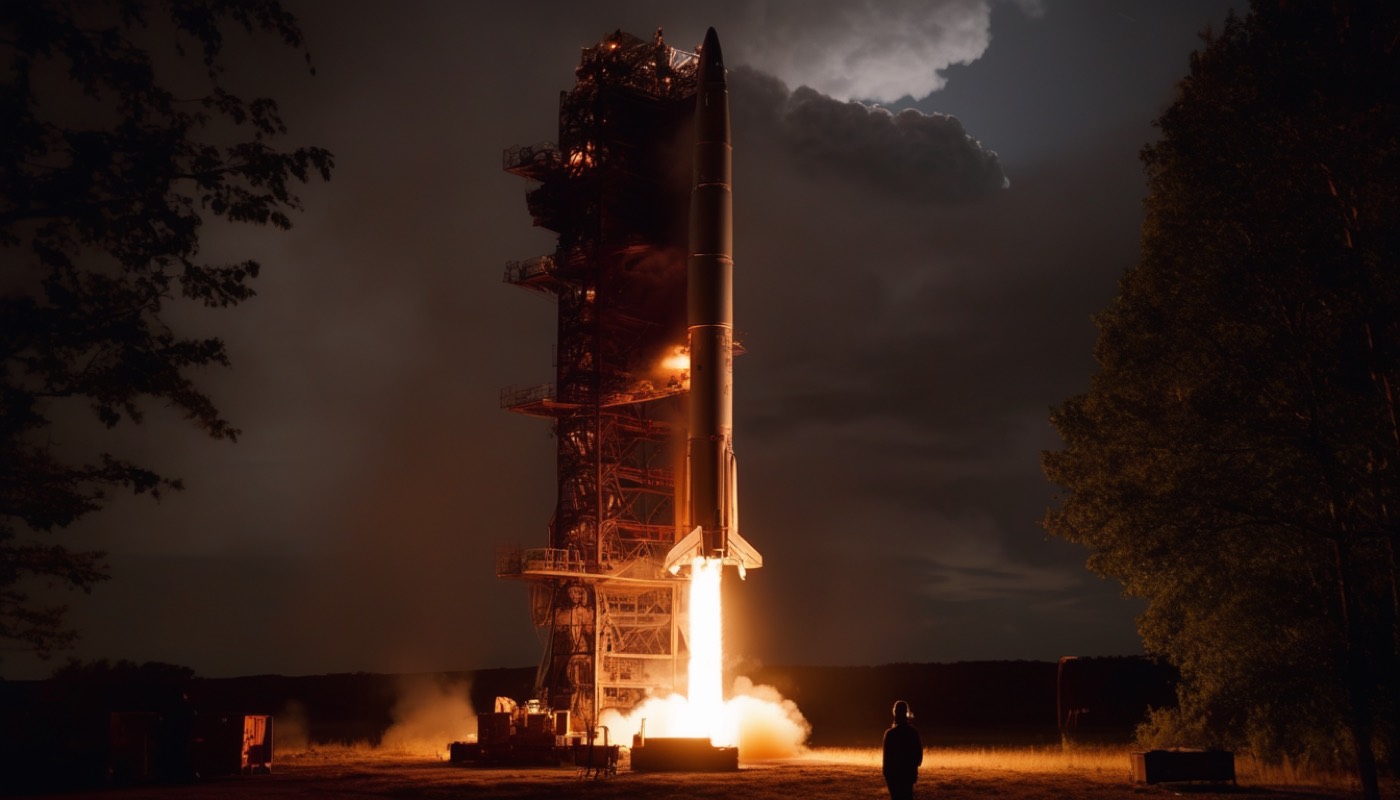
Flight 14 was not a clean run. It was a flight with two separate problems that did not stop it from succeeding.
The booster, Booster 21, lifted off with all thirty-three engines lit but lost one of its centre engines on the way up. It was never going to attempt a catch on this flight. The plan all along was a controlled splashdown in the Gulf, and that is exactly what happened: eleven of its thirteen landing engines fired to bring it down gently, before the booster was deliberately destroyed.
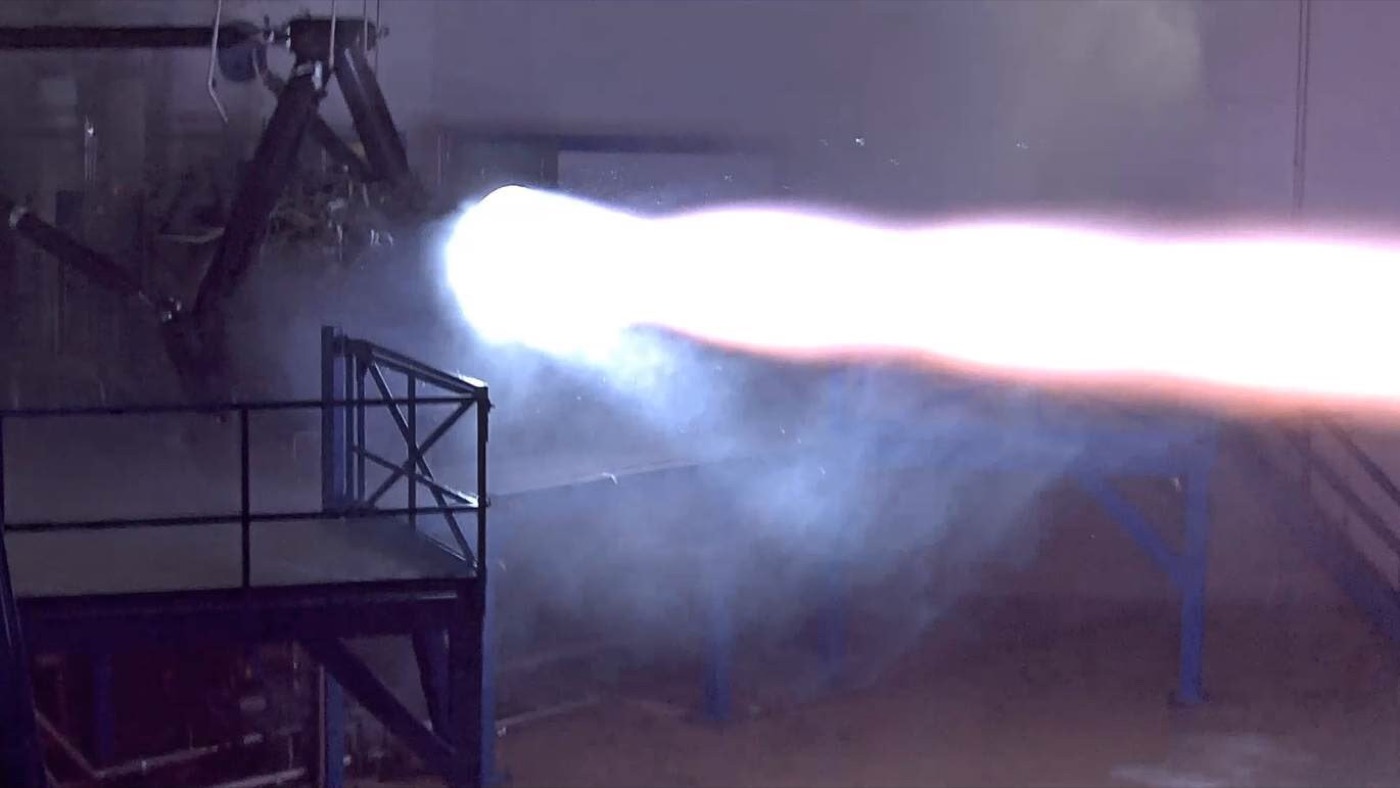
The ship, Ship 41, lost one of its own engines during the climb to orbit - a Raptor Vacuum engine, the version built to fire in the near-vacuum of space rather than in the thicker air near the ground. Even with an engine down, it still reached orbit and released its satellites.
Losing that engine was not free. It cost the mission most of its planned flight.
Flight 14 was meant to circle the Earth several times over about ten hours. Engineers cut that short to about two orbits, then brought the ship home early with a deorbit burn - an engine firing that slows a spacecraft enough to fall back into the atmosphere - ending in a splashdown in the Pacific, near Hawaii.
Two engines lost, on two different vehicles, and the flight still did what no Starship had done before.
8. Why 26 satellites is the real payload story
It is easy to focus on the rocket and miss what it was actually carrying.
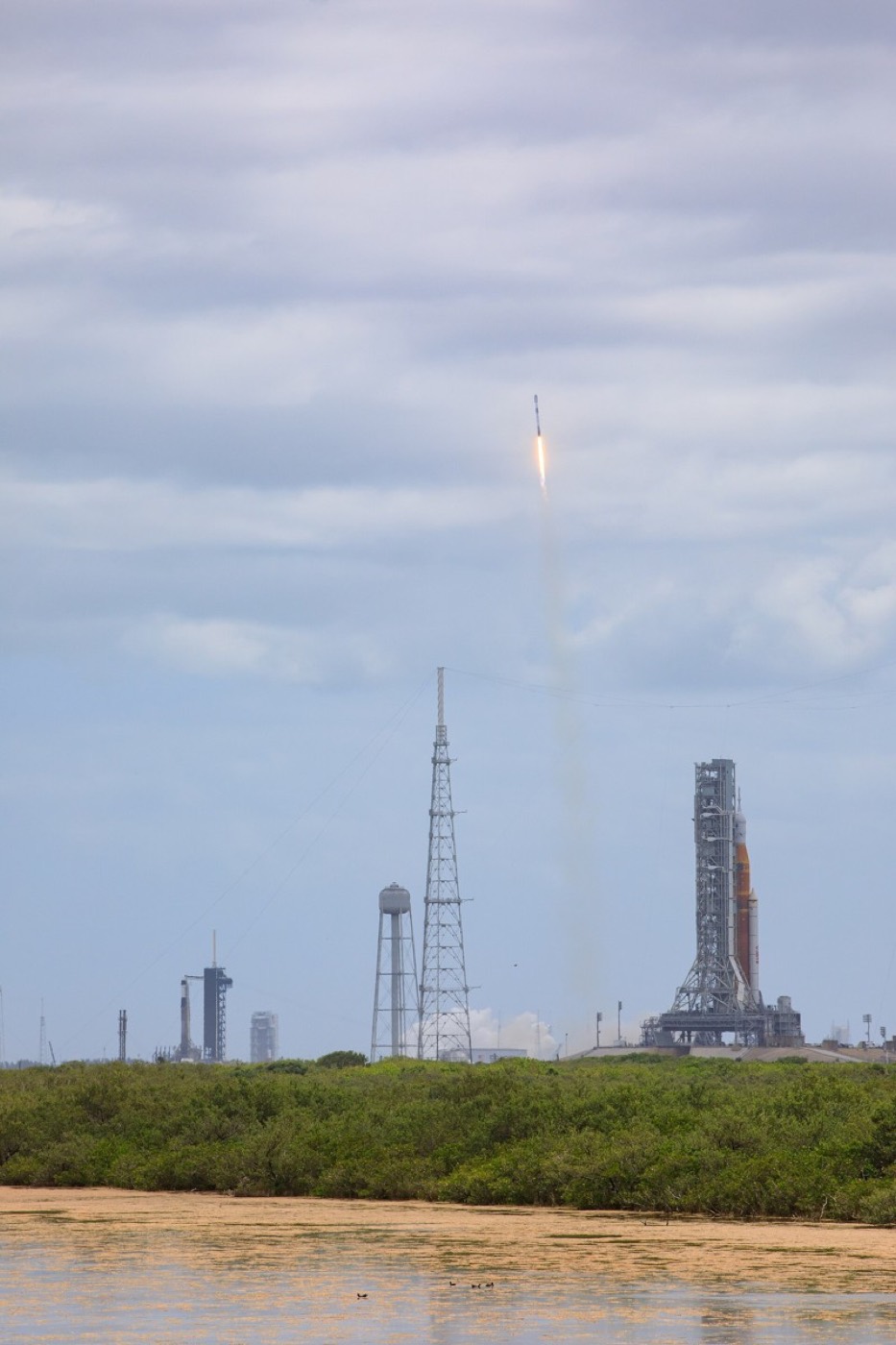
Ship 41 released twenty-six Starlink satellites into orbit - the first flight of Starlink's newest design, known as V3. Elon Musk has said each V3 satellite carries roughly a hundred times the bandwidth of the V2 satellites that Falcon 9 has been launching for years.
That gap in bandwidth is also a gap in size, and size is the real constraint.
A V2 satellite fits in Falcon 9's cargo hold alongside dozens of others. A V3 satellite is built bigger specifically because it carries more equipment, and only Starship's far larger cargo bay has room for it at all. Falcon 9 could not launch this generation of satellite even one at a time.
Put the two side by side on one measure and the difference is stark: if a V2 satellite's bandwidth is worth one unit, SpaceX's own figure puts a V3 satellite at roughly a hundred of the same units. Twenty-six of them, in one flight, is why this payload mattered as much as the rocket underneath it.
9. What reusable heavy-lift could unlock

A rocket that can carry more, more often, and more cheaply does not just launch satellites faster. It opens doors that stayed shut before.
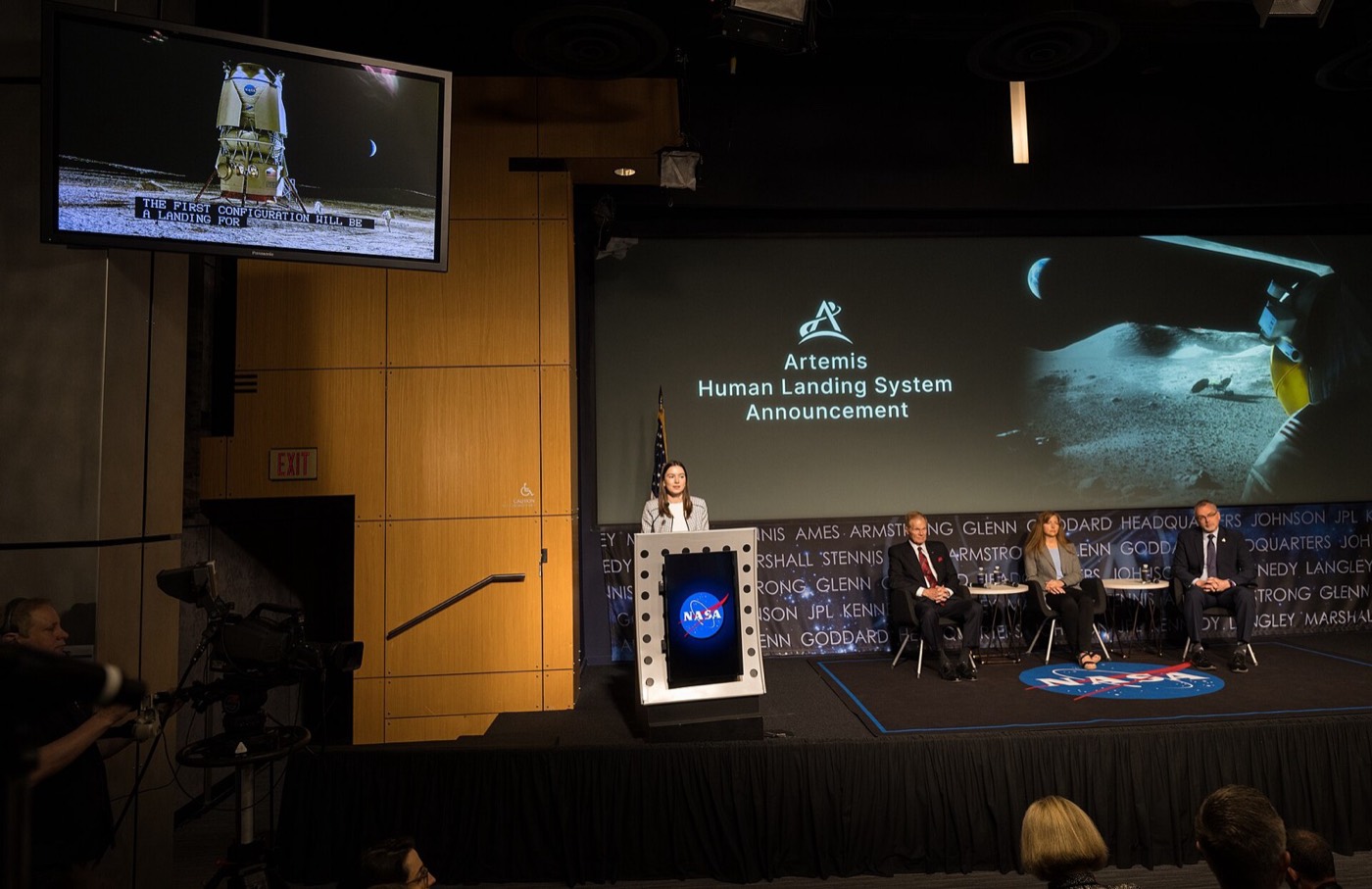
NASA has already bet on one of those doors: Starship is the selected lander for Artemis, the programme meant to put astronauts back on the Moon. NASA's original award was worth two point nine billion dollars; a later addition, for another crewed landing, brought the total closer to four point four billion.
NASA made that bet years before Starship had ever reached orbit, on a vehicle that was still blowing up in testing at the time. Flight 14 is the first result that starts to look like it might pay off - though only starts to, because the landing itself still depends on a step nobody has ever performed.
That contract does not work yet, because it depends on something Starship has not done.
Landing astronauts on the Moon with Starship means transferring propellant from one Starship to another while both are in orbit - filling up, in effect, before the trip onward. Picture one ship, already in orbit, acting as a fuel depot. A second ship docks with it, and propellant moves across the connection between them before the second ship continues toward the Moon.
Nobody has done that yet, with any spacecraft, at this scale. Until someone does, the Artemis lander stays theoretical.
10. The economics: promise versus 2026 reality
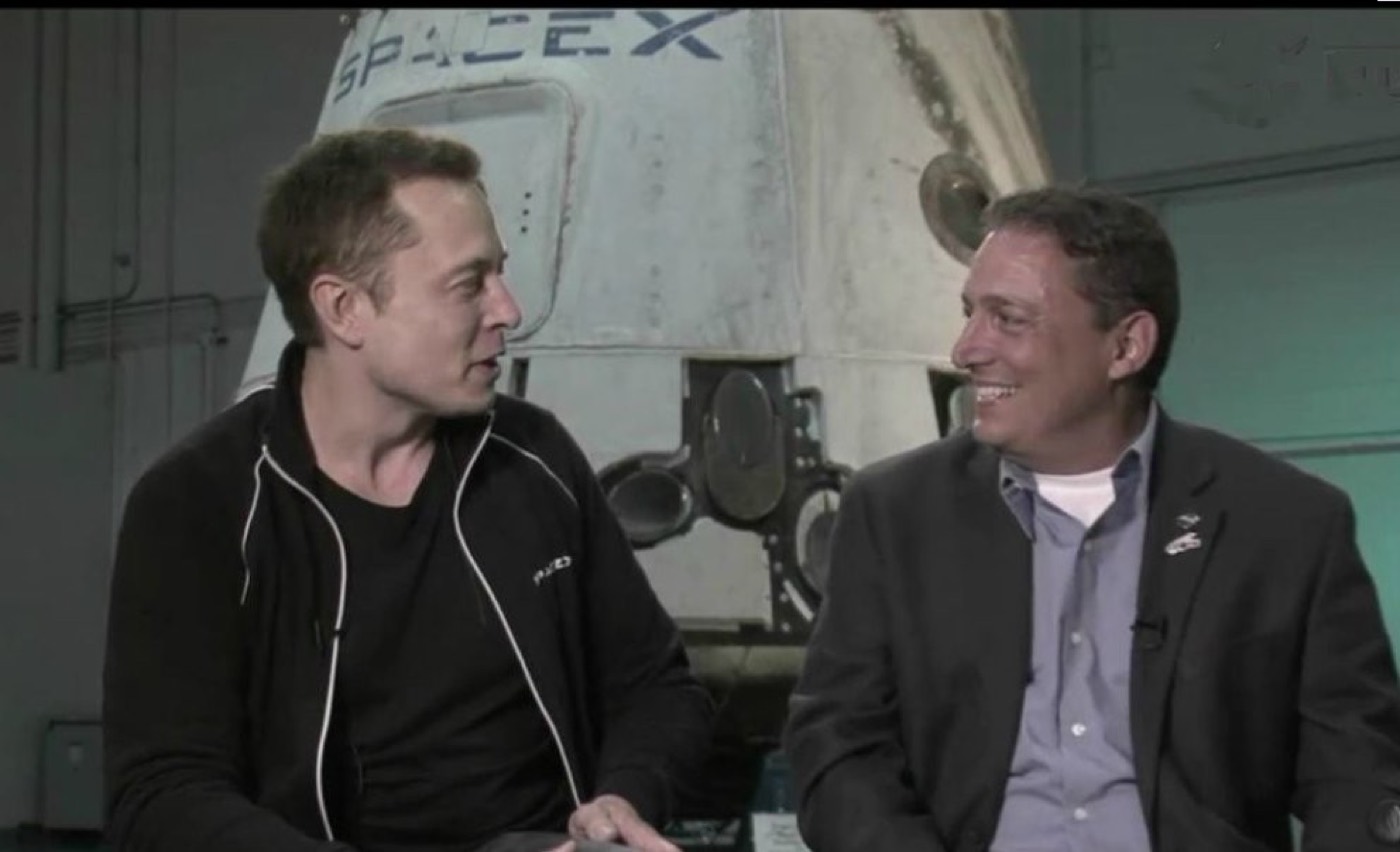
Everything so far is about whether Starship works. This chapter is about whether it is actually cheap.
Elon Musk has talked for years about a long-run target of roughly ten million dollars a launch, once Starship is flying often and reliably. Today's test flights cost far more than that - commonly estimated at around a hundred million dollars each, largely because so much of every flight is still experimental.
Test-flight cost is not the same as what a paying customer actually pays, and in 2026 that figure finally became public.
In a filing with US securities regulators in March twenty twenty-six, the company Voyager Technologies disclosed a ninety million dollar contract to launch its Starlab space station on Starship - the first commercial Starship launch price anyone has confirmed in public. Ninety million is a long way below a hundred, but it is nine times Musk's ten-million-dollar target.
So three figures sit side by side: the ten-million-dollar target SpaceX says it wants, the roughly hundred-million-dollar cost of a test flight today, and the ninety-million-dollar price a real customer has actually agreed to pay. Reusable rockets have always promised to close that kind of gap. Whether Starship can close it as far as Falcon 9 did is still unproven.
11. What still has to go right
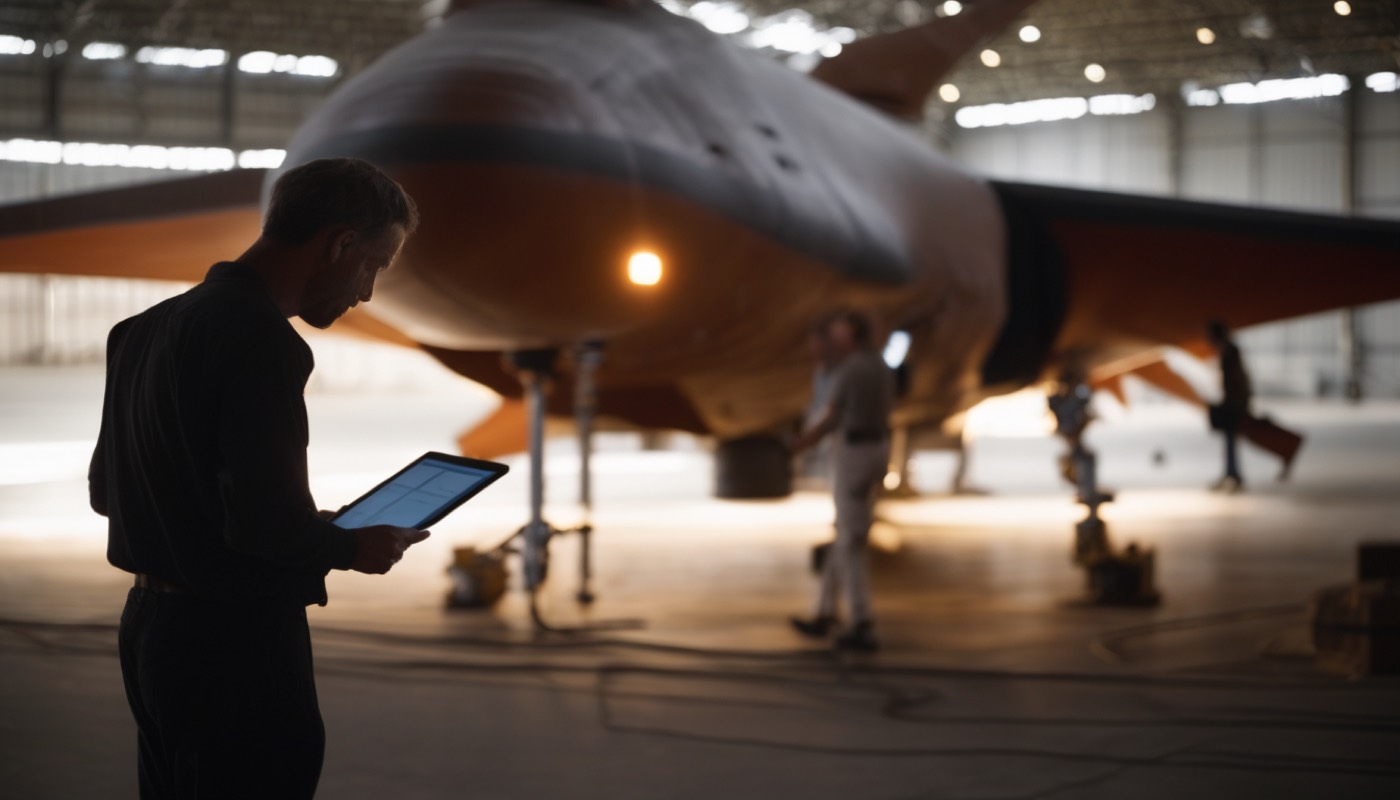
Flight 14 answered one question. It left several others open.
Orbital refuelling - the propellant transfer described in chapter nine - has never been demonstrated by anyone, and Artemis cannot fly without it. Nobody has yet flown the same booster and the same ship twice, so full reuse of both halves together is still unproven. And SpaceX still flies Starship only a handful of times a year, nowhere near often enough to make the low-cost case work.
The next test of the hardest problem, catching a booster, comes soon. A new booster, Booster 22, is due to attempt a catch on Flight 15. It is targeted for October - not much more than three weeks after Flight 14 reached orbit.
Orbit was one milestone. A second successful catch, on a newer booster, is the next one due.
None of that is a small list. Zero full refuelling demonstrations, zero repeat-flown booster-and-ship pairs, and one upcoming catch attempt stand between where Starship is now and the routine, reusable system it is meant to become.
12. One flight, or a turning point?

So does one successful flight prove reusable super-heavy rockets work?
As engineering, yes. A booster with thirty-three engines survived losing one and still flew its planned profile. A ship that once burned through on re-entry carried a new class of satellite into a stable orbit and came home under control. That is a real result, not a lucky one - it follows directly from what Flight 13 proved about re-entry and what Flight 5 proved about catching a booster.
As economics, not yet. The price a customer has actually paid is ninety million dollars, not ten. Nobody has refuelled a spacecraft in orbit. Nobody has reflown the same booster and ship as a pair. Flight 15's catch attempt, due within weeks, is the next real test of whether this becomes routine or stays remarkable.
A rocket the size of a skyscraper reached orbit and came home. Whether that becomes ordinary is still being decided, one flight at a time.
Sources and credits
Photo credits (Wikimedia Commons)
- Super Heavy booster hardware (Starship program) at SpaceX: NASA, Public domain - https://commons.wikimedia.org/wiki/File%3ANASA_Marshall_visit_to_Super_Heavy_booster.jpg
- SpaceX Starbase, Boca Chica, Texas - launch site: NOAA / NODD, Public domain - https://commons.wikimedia.org/wiki/File%3ASpaceX_Starbase_Launch_Site_Early_2026.jpg
- Falcon 9 first stage landing (reusable booster): SpaceX, CC0 - https://commons.wikimedia.org/wiki/File%3AFalcon_9_Booster_CRS-11_Landing_at_LZ-1.jpg
- Saturn V launch, Apollo 11 (expendable rocket): NASA, Public domain - https://commons.wikimedia.org/wiki/File%3AApollo_11_Launch_-_GPN-2000-000630.jpg
- SpaceX Raptor rocket engine, test firing: SpaceX/Elon Musk, CC0 - https://commons.wikimedia.org/wiki/File%3ARaptor_test_firing%2C_2015-09-25.jpg
- NASA/SpaceX wind-tunnel test of a Super Heavy V3 scale model (re-entry aerodynamics): NASA Marshall Space Flight Center / NASA/Brandon Torres, Public domain - https://commons.wikimedia.org/wiki/File%3ANASA%2C_SpaceX_Advance_Wind_Tunnel_Tests_at_NASA_Ames_%28ACD25-0156-012%29.jpg
- Elon Musk, SpaceX CEO and Chief Designer: credit given to NASA/VOA, Public domain - https://commons.wikimedia.org/wiki/File%3AElon_musk_nasa_tv.jpg
- Falcon 9 launch carrying Starlink satellites: Kim Shiflett, Public domain - https://commons.wikimedia.org/wiki/File%3AArtemis_I%2C_Crew-4%2C_%26_Starlink_Rockets_on_the_Pad_%28KSC-20220421-PH-KLS01_0054%29.jpg
- NASA Artemis Human Landing System announcement: NASA Headquarters / NASA/Aubrey Gemignani, Public domain - https://commons.wikimedia.org/wiki/File%3AArtemis_Human_Landing_System_Announcement_%28NHQ202305190012%29.jpg


Primary sources
- NASASpaceFlight.com, 'Ship 41 Makes it to Orbit, Booster 21 Nearly Perfect', 28 Sep 2026 - orbit achieved, Booster 21 engine loss and planned Gulf splashdown, Ship 41 engine loss.
- Space.com, 'SpaceX Starship Flight 14 live updates: Mission success!', 28 Sep 2026 - 26 Starlink V3 satellites deployed, Pacific splashdown near Hawaii.
- Starlust, 'SpaceX Starship Flight 14: Booster splashes down in the Gulf', 28 Sep 2026 - Booster 21 no catch attempted, 11 of 13 landing engines, flight termination.
- Payload Space, 'Starship Reaches Orbit on 14th Test Flight', 28 Sep 2026 - Ship 41 Raptor Vacuum engine loss, shortened mission.
- basenor.com Flight 14 analysis, 30 Sep 2026 (cross-aggregated NSF/Payload Space reporting) - mission shortened from planned ~6 orbits to 2; McDowell orbital tracking figures.
- Astronomy.com, 'SpaceX achieves historic booster catch during Starship test', Oct 2024 - first chopstick catch, Flight 5, 13 Oct 2024.
- CNN, 'SpaceX Starship megarocket hits key milestones in Lucky 13 test flight', 24 Jul 2026, and Space.com coverage - Flight 13 relight and softest splashdown, Indian Ocean.
- NASASpaceFlight.com, 'Starship makes orbit, Flight 15 preps in full swing', 29 Sep 2026 - Booster 22 catch attempt on Flight 15, NET 19 Oct 2026.
- SEC EDGAR, Voyager Technologies Inc. Form 10-K, filed 10 Mar 2026 - the $90 million Starlab launch contract, the first disclosed commercial Starship launch price.
- CBS News / SpaceNews reporting on NASA's Human Landing System award - original $2.9bn (2021) and the Option B modification bringing the cumulative total to roughly $4.4bn.
- Musk, public statement (X), cross-confirmed by Notebookcheck, 2026 - Starlink V3's roughly 100x bandwidth over V2.
Not regulated financial advice.