
The Engine Shortage Grounding Aeroplane Orders
Airbus and Boeing hold more than 15,000 orders between them, yet airlines cannot get the aircraft they ordered. At the end of June 2026 Airbus reported a backlog of 9,222 aircraft, and Boeing's commercial backlog was over 6,200. This video shows why the engine, not the airframe, sets the pace.
It explains how a turbofan works, why its turbine blades sit in gas hotter than their own metal melts, and how single-crystal blades, nickel superalloys, ceramic coatings and cooling air keep them alive. It shows how few companies cast and forge those parts, and why GE Aerospace agreed to pay $11.75 billion for one of them.
Then the Pratt & Whitney geared turbofan: the gearbox idea, the claimed 16% fuel saving, and the powder metal flaw announced by RTX on 11 September 2023, which left hundreds of A320neos waiting for inspections that grew from 60 days to more than 300. It covers the repair queue, Pratt's fix - the GTF Advantage, EASA-certified in April 2026 and delivered to United Airlines in September 2026 - the CFM LEAP's own supply squeeze, and why airlines keep old jets flying at a cost in fuel, money and emissions.
Every figure is on screen with its source and date.
In these topics
Chapters
Video notes
1. The planes nobody can deliver
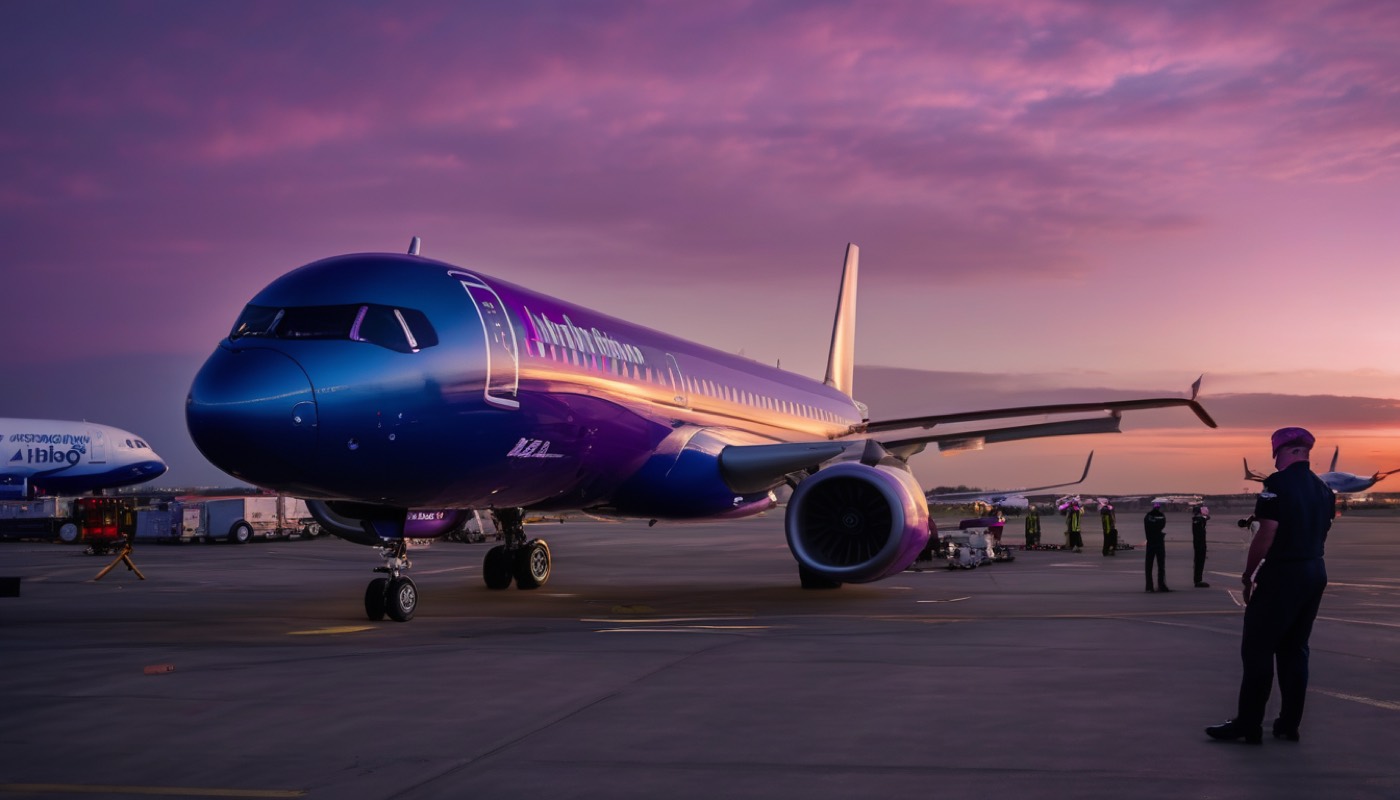
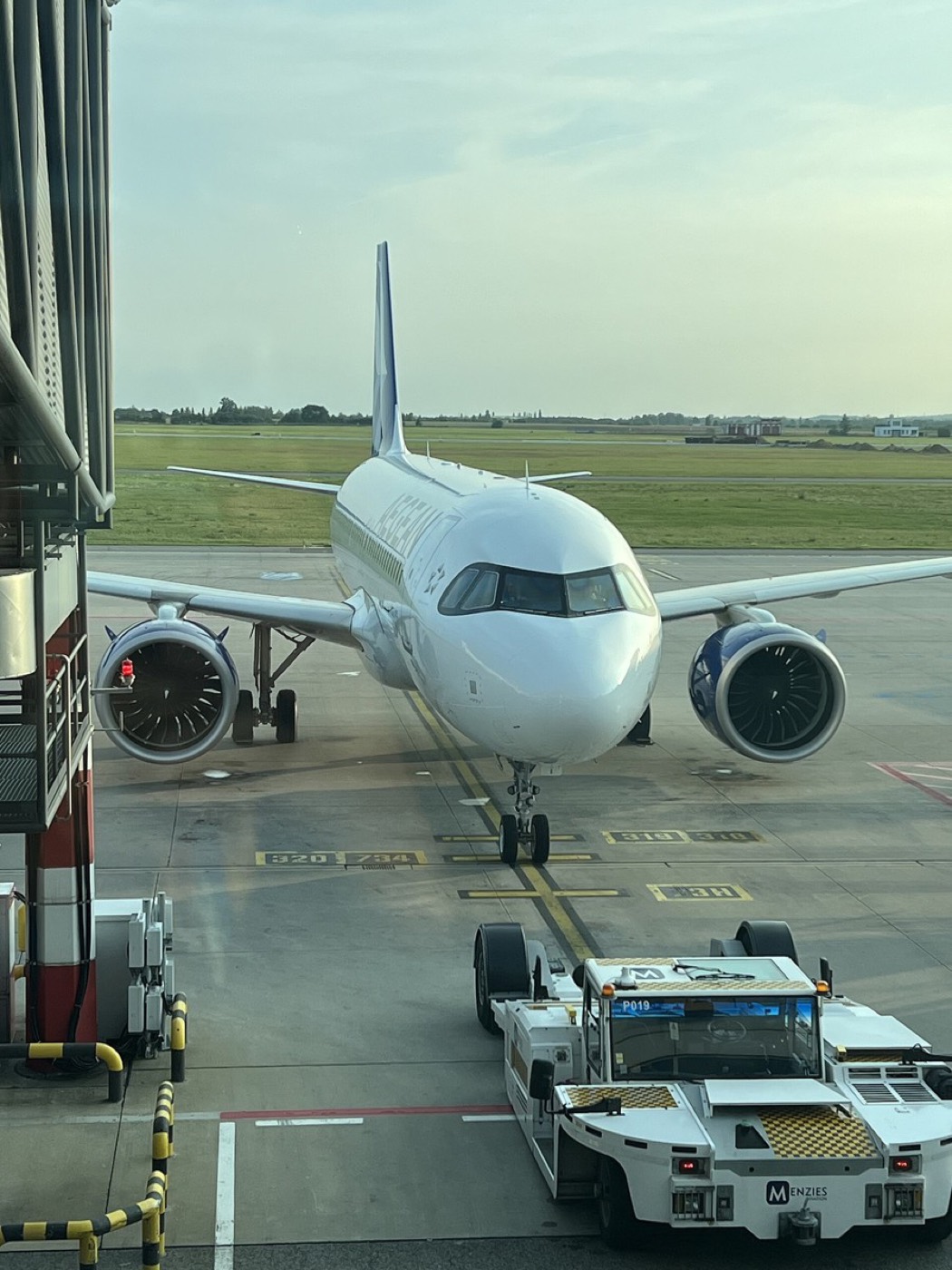
Airbus and Boeing hold more than fifteen thousand orders between them. Airlines have paid deposits, planned routes and retired old jets on the strength of those orders. Yet the new aircraft keep arriving late.
This is an Airbus A320neo, a single-aisle jet that flies short and medium routes. Airlines are still waiting for many more of them, and each one needs two engines.
The body of the aircraft is not what holds them up. The airframe, meaning the wings, fuselage and tail, can be built. The engine is the part that is running late.
That makes the engine the hidden bottleneck. A bottleneck is the narrowest point in a process, and it sets the pace for everything behind it. At the end of March twenty twenty-six, Airbus and Pratt and Whitney, an American engine maker, had still not agreed an engine supply deal for the year.
This video follows that bottleneck through the factory. It starts with blades made from a single crystal of metal. It ends in a repair shop with a queue at the door.
The question is whether aviation is going forwards, to record output, or held back by a handful of factories. First come the order books. Then how an engine works, and why its hottest parts are so hard to make. Then the geared turbofan, the powder metal flaw and the repair queue. Last, what it all means for old jets, and when the squeeze may ease.
2. The order book in numbers
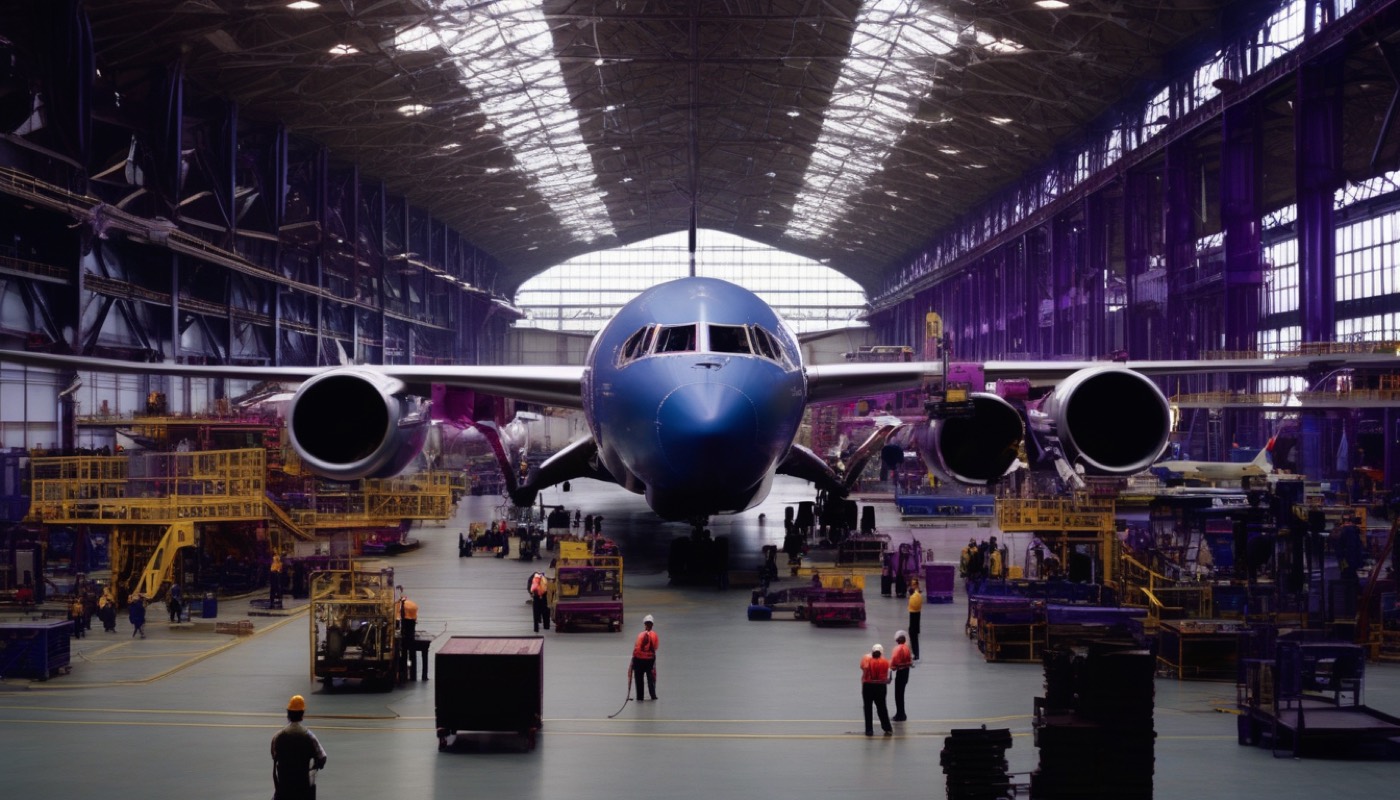
Start with the size of the queue. A backlog is every aircraft that has been ordered and not yet delivered.
At the end of June twenty twenty-six, Airbus reported a backlog of nine thousand, two hundred and twenty-two aircraft. It published the figure on the twenty-ninth of July, with its half-year results.
Airbus delivered three hundred and fifty-one aircraft in the first half of the year, and two hundred and seventy-one of them were the A320 family. For the whole year, its target is around eight hundred and seventy.
Now Boeing, which reported its second-quarter results on the twenty-eighth of July.
Boeing's commercial backlog was over six thousand, two hundred aircraft, worth a record five hundred and ninety-seven billion dollars. Its total backlog, which includes defence and services, was seven hundred and fifteen billion.
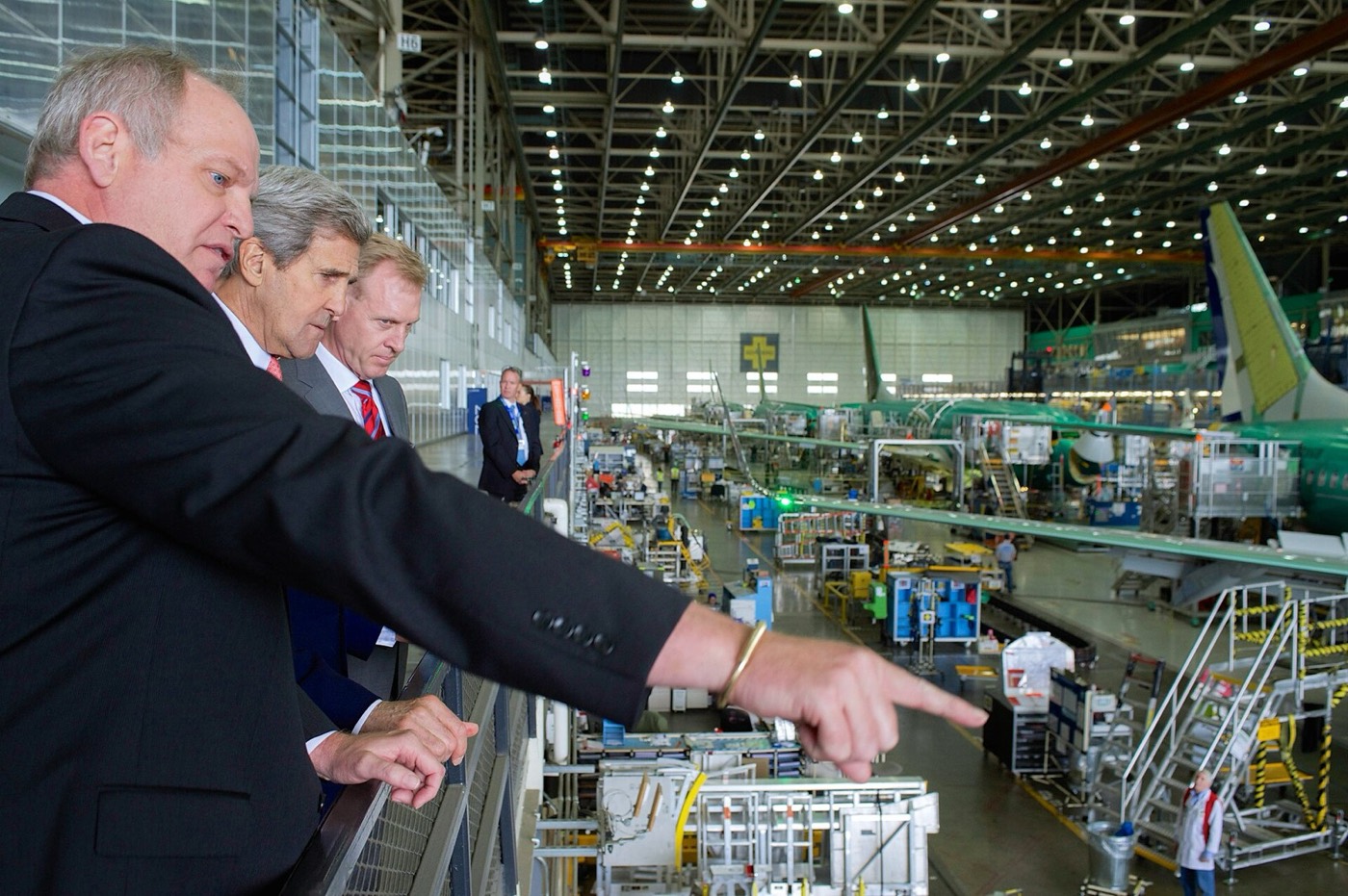
This is the Boeing assembly line at Renton in twenty fifteen. The aircraft on it is the 737, Boeing's single-aisle jet.
That 737 is being built faster. In the second quarter, Boeing moved the programme up to forty-seven aircraft a month, and it started low-rate production on a second 737 line in July.
Side by side, the two queues look like this. Airbus is at nine thousand, two hundred and twenty-two, and Boeing is over six thousand, two hundred. Together, that is well over fifteen thousand aircraft.
What matters next is not the orders. It is how many engines can be made to fit them.
3. How a turbofan works
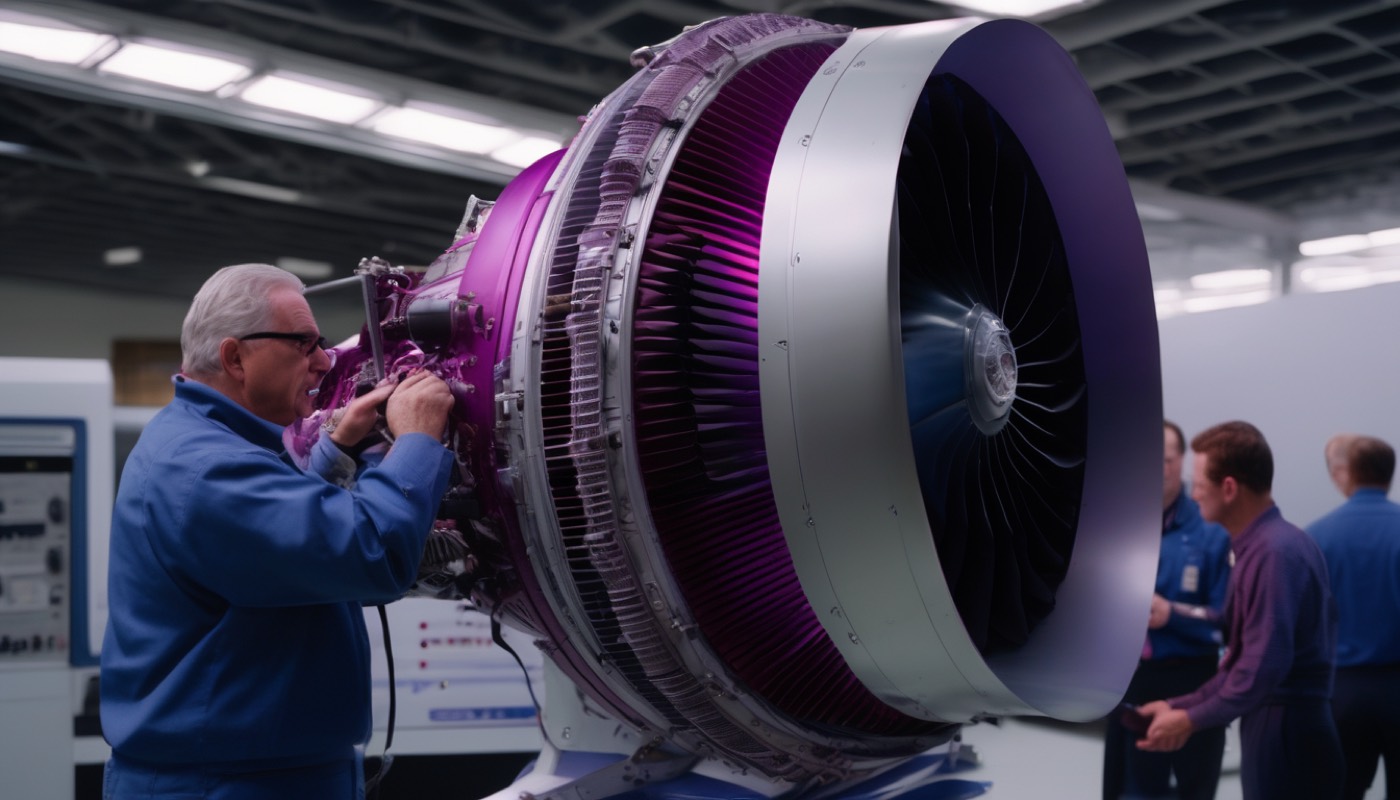
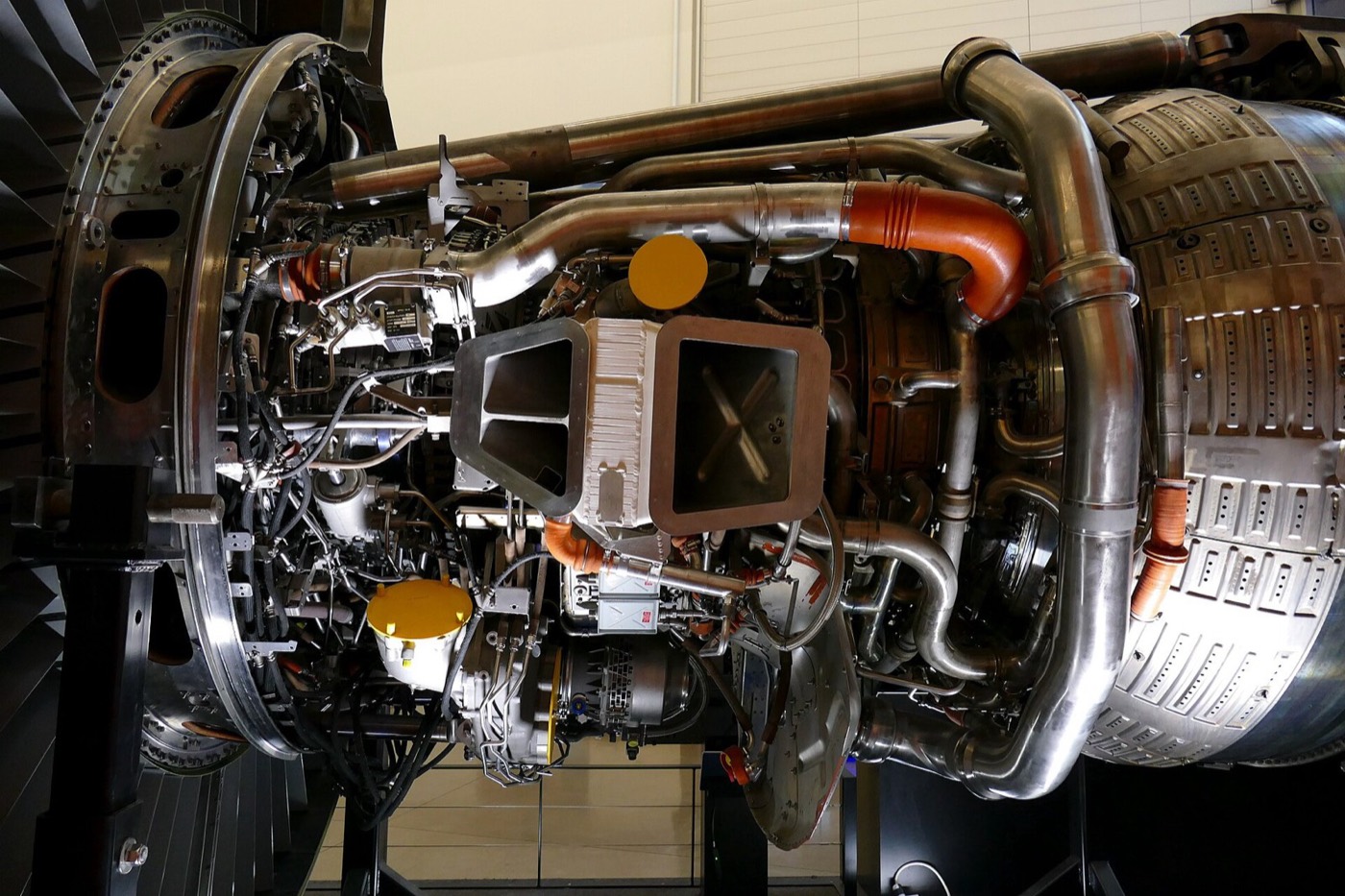
Almost every large airliner today is pushed by a turbofan. A turbofan is a jet engine with a big ducted fan at the front, and it works by burning fuel to spin that fan.
Follow the air through the engine. The fan pulls it in, and some of it goes around the outside, which is called bypass air. The rest goes into the core, where a compressor squeezes it to a high pressure. Fuel is then burned in that air, in a chamber called the combustor.
The hot gas from the combustor rushes through the turbine, which is a wheel of blades. The turbine takes energy from the gas, and uses it to drive the compressor and the fan. What is left of the gas leaves at the back as a jet.
The cool bypass air matters more than it looks. Between thirty and seventy per cent of the thrust comes from it, depending on the engine.
This is the front of a GE90, a very large turbofan built by General Electric. It was photographed on the Boeing factory tour at Everett. Behind those fan blades sits the whole stack of spinning parts.
That stack is why the engine is the hardest part of an aircraft to build. A wing has to be strong and light. An engine has to be strong and light while it spins at high speed inside a fire.
So an engine asks three things of its metal at once. It must spin fast, stay strong, and survive fire. The rest of this video is about the parts that manage all three, and the few places that make them.
4. Blades hotter than the metal can bear
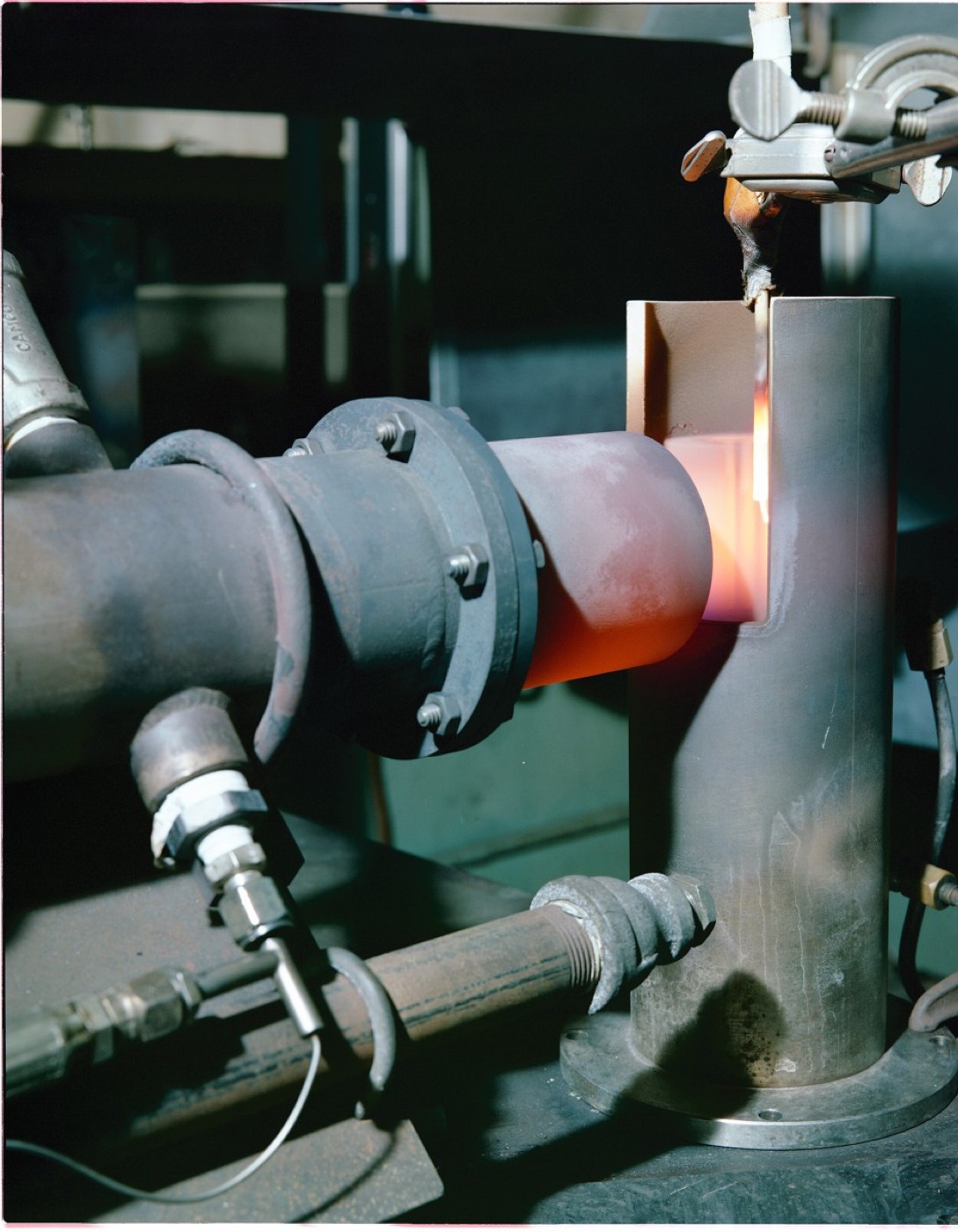
The hottest place in an engine is just behind the combustor. There the hot gas meets the first turbine blades, and the metal is pushed past what it should be able to take.
The gas there can be anywhere between one thousand, three hundred and one thousand, eight hundred kelvin. Kelvin is a temperature scale whose degrees are the same size as Celsius degrees. The blade's metal begins to melt at about one thousand, three hundred to one thousand, four hundred kelvin.
So the gas can be hotter than the metal melts. A blade survives that with four defences working at once.
The first defence is the alloy. A nickel-based superalloy is a metal designed to keep its strength when it is red hot. The second is the crystal. Ordinary metal is made of many tiny grains, and a single-crystal blade has none of the boundaries between them.
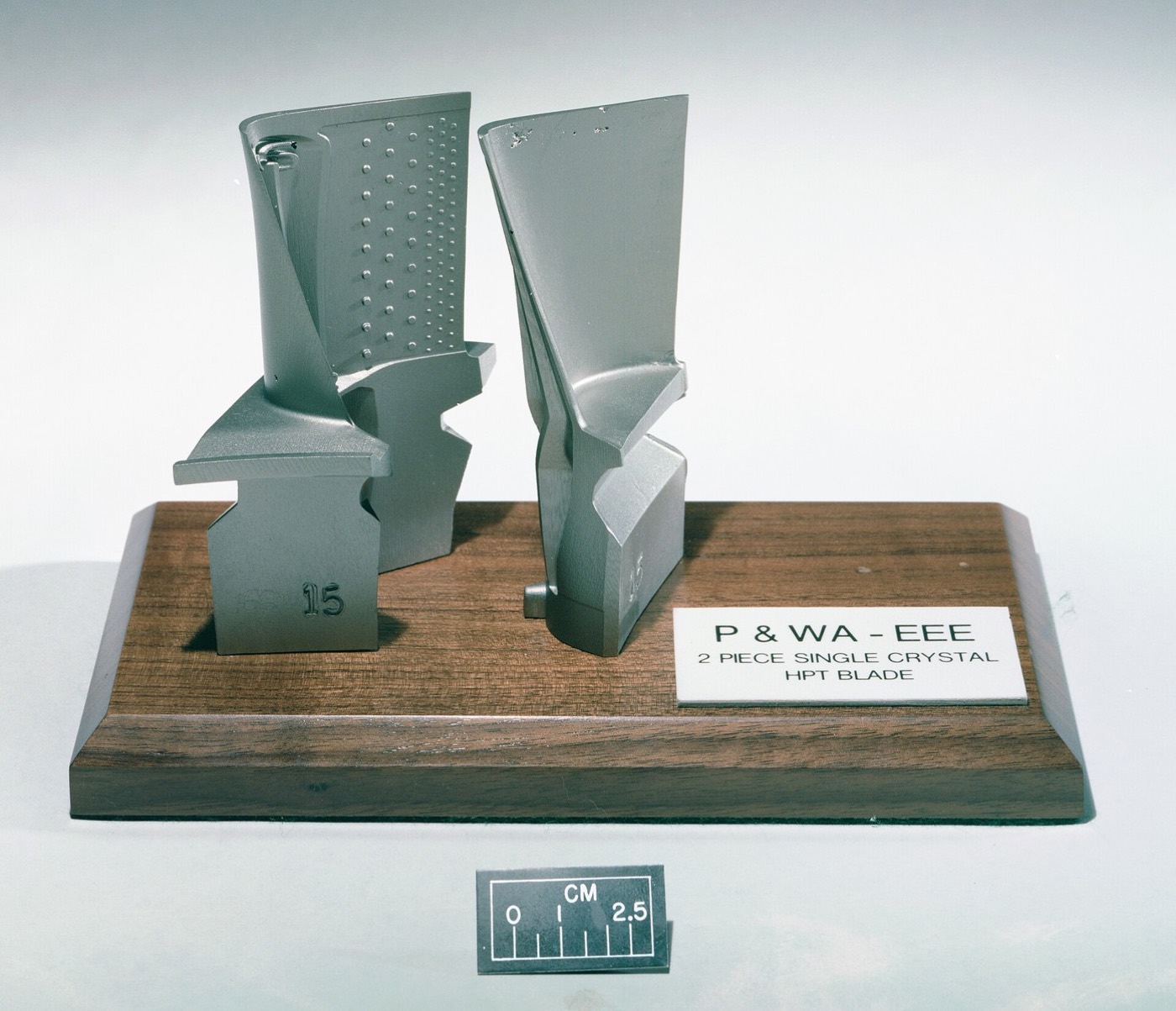
NASA photographed this two-piece single-crystal blade in nineteen seventy-nine. Blades of this kind have been standard in the hottest part of engines for decades.
Removing those boundaries makes the blade far better at resisting creep. Creep is the slow stretching of metal under heat and load, and a blade that stretches will eventually touch the casing around it.
The third defence is a ceramic coating, a thin heat shield sprayed on the surface. NASA tested blades like this one on a burner rig, and a coating of this kind adds roughly ninety degrees Celsius. The fourth defence is cooling air, pushed out through tiny holes to form a thin layer of cool air over the metal.
Put together, a blade can sit in gas hotter than its own melting point. It does so by being an exact shape, in an exact alloy, with exact holes drilled through it. An engine needs many of them.
5. Casting, forging and the few who do it
Two processes make the hardest parts.
Casting means pouring molten metal into a mould. Forging means squeezing hot metal into shape under a huge press. A foundry is a factory that does the casting.
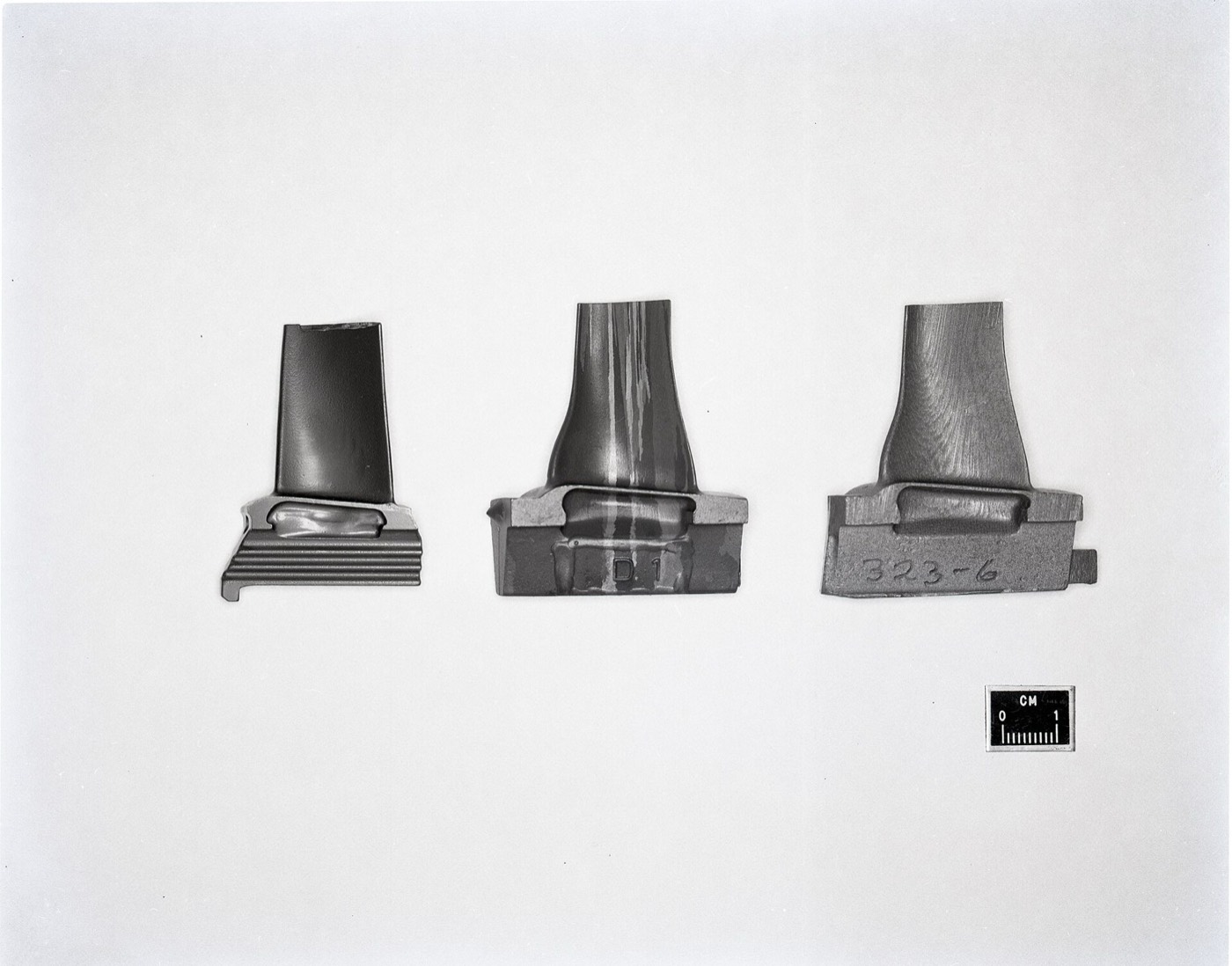
These are cast turbine blades, from a United States National Archives photograph. Each one began as molten alloy poured into a mould, and the shape of the mould sets the shape of the part.
Who does this work for engines? Not many companies.
In September twenty twenty-six, GE Aerospace moved to buy Consolidated Precision Products, a casting maker known as CPP, for eleven point seven five billion dollars. RTX, which owns Pratt and Whitney, is adding casting capacity in Asheville, North Carolina. And Safran, GE's engine partner, has invested in forging near Paris.
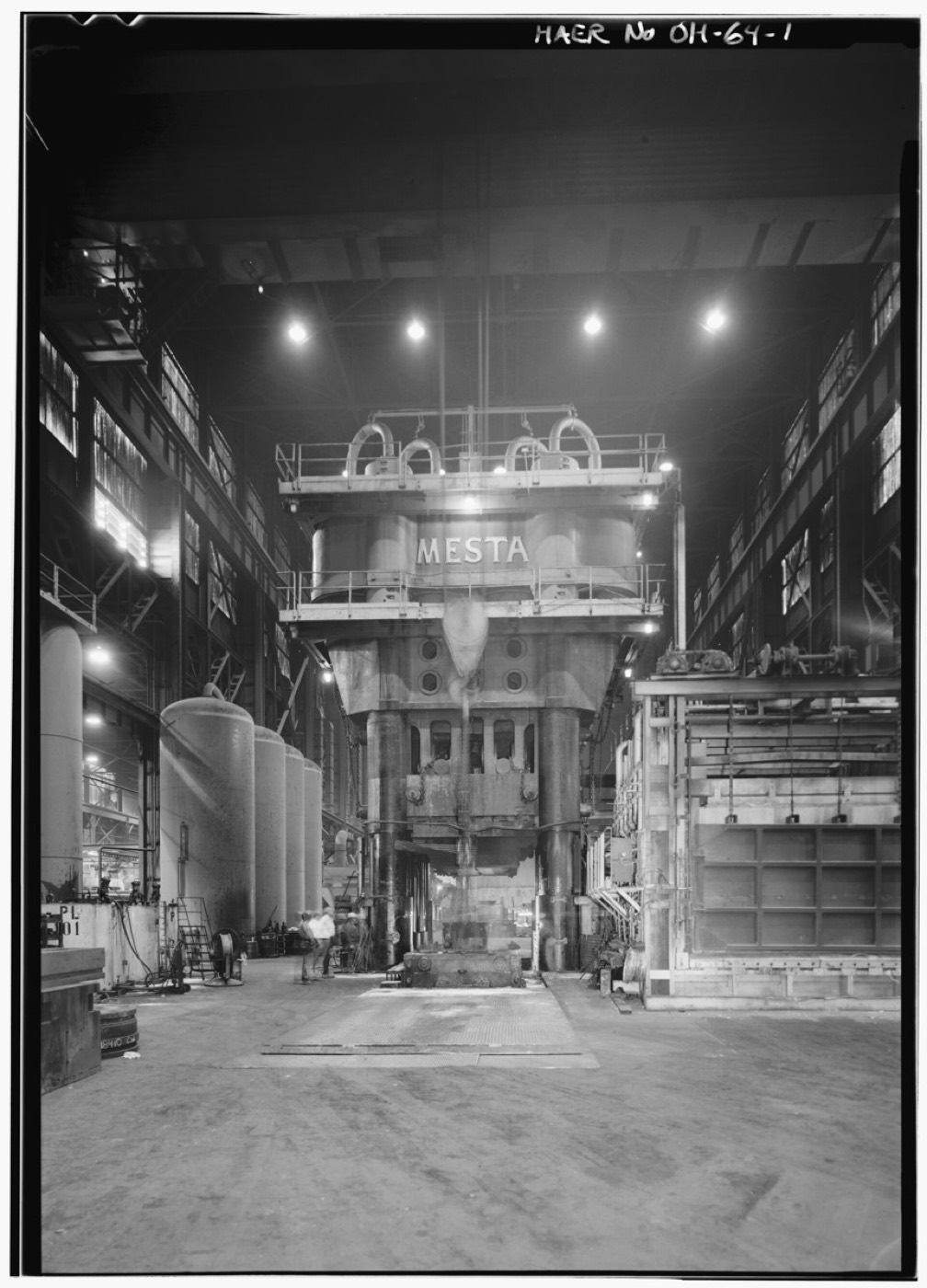
This is a forging press in Cleveland, built by Alcoa. It was rated at fifty thousand tons. A press this size can squeeze red-hot metal into the rough shape of a large part.
GE says demand for airfoils, the blade-shaped parts inside an engine, will grow by roughly thirty per cent by the end of the decade. It will keep buying from other casting suppliers, including Howmet and ATI. But the CPP deal is not expected to close until the second half of twenty twenty-seven.
Look at that list. It is short, and GE is willing to pay eleven point seven five billion dollars to be sure of one name on it.
6. The geared turbofan bet
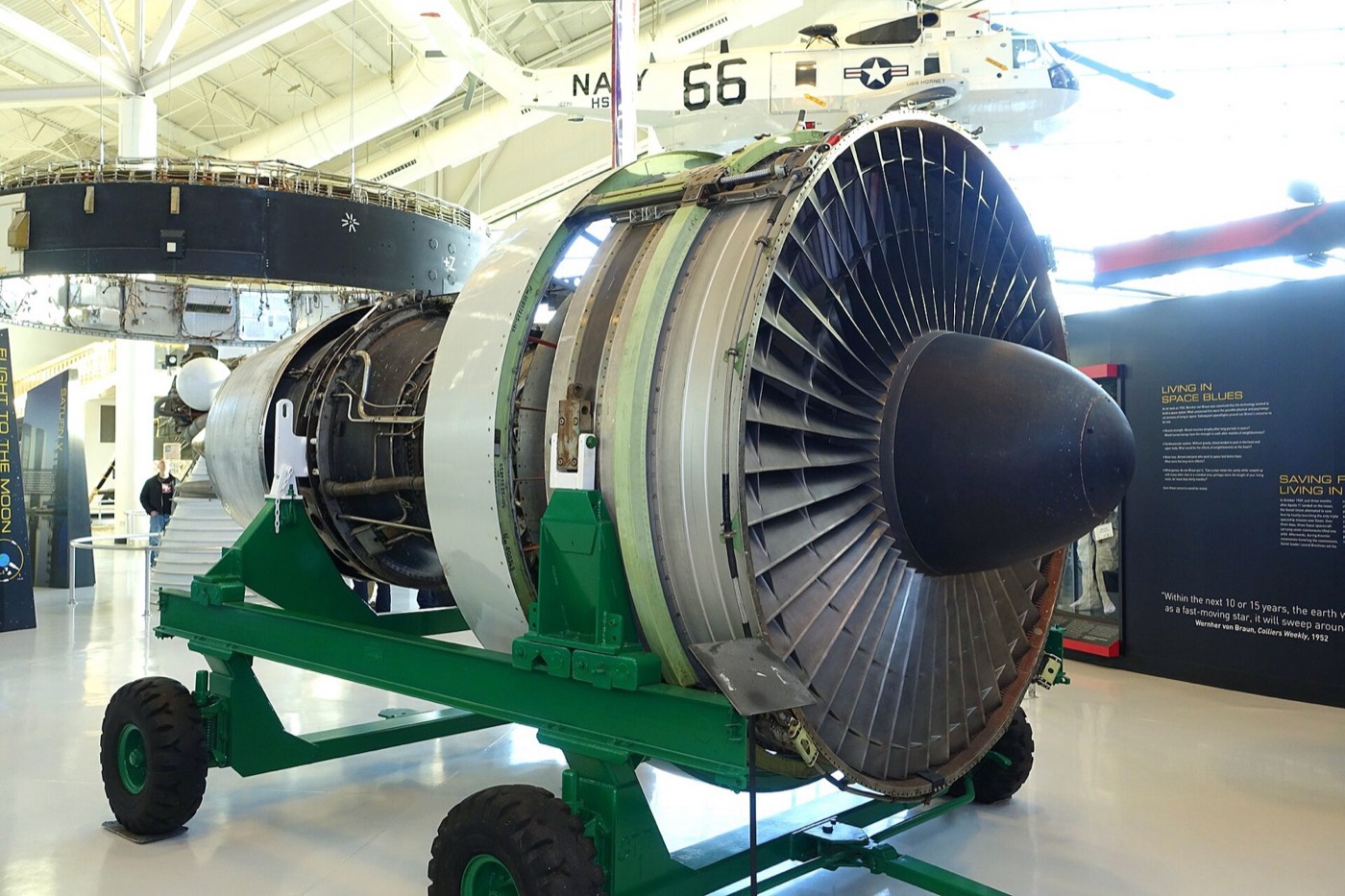
Pratt and Whitney made a bet on a new kind of engine. In an ordinary turbofan, the big fan at the front is turned by a turbine at the back, on the same shaft. The two spin at the same speed, and that speed is a compromise, because a huge fan wants to turn slowly and a turbine wants to turn fast.
This is a Pratt and Whitney JT9D-7 turbofan, in a museum. It is an earlier engine with no gearbox, so its fan and turbine turn together on one shaft.
The geared turbofan puts a gearbox between them. The gearbox is a set of planetary gears with a ratio of about three to one. Each part can then run at the speed it likes best.
Pratt and Whitney claims that the engine burns sixteen per cent less fuel than the generation before it. Less fuel is less cost for an airline, and less carbon dioxide in the air.
The idea took years to prove. Ground testing began in November two thousand and seven. The first flight test was in July two thousand and eight, on a Boeing 747SP, and the first delivery to an airline came in January twenty sixteen.
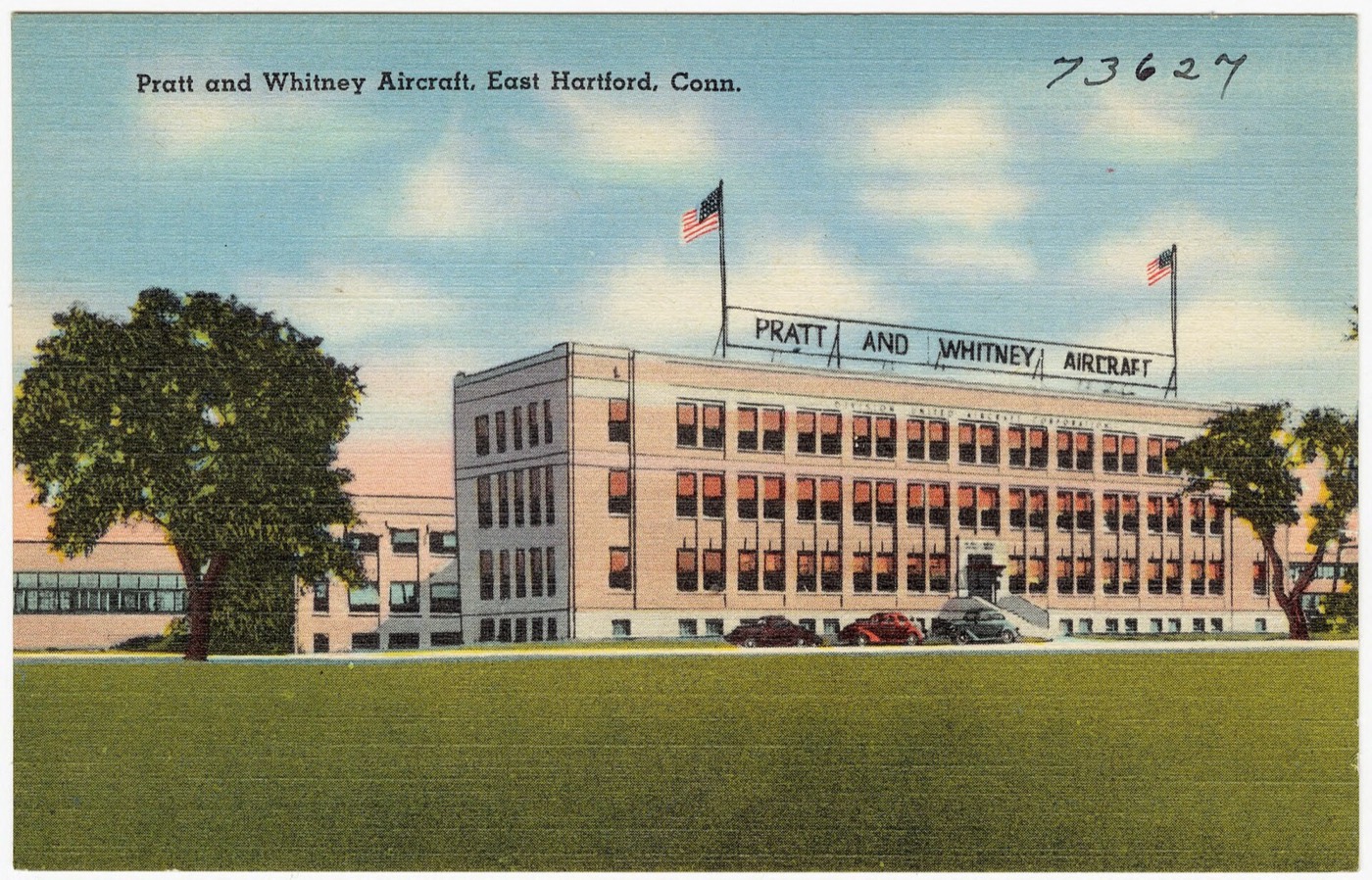
This old picture shows Pratt and Whitney's plant at East Hartford, from the nineteen thirties or forties. The company had been building engines there long before the first geared engine flew.
The bet paid off with the airlines. But an engine that spins its parts harder and faster has less room for a flaw.
7. The powder metal flaw
Some engine parts are not cast at all. Their metal starts as a fine powder, which is pressed and heated into one solid piece. Discs, the heavy wheels that the blades are mounted on, can be made this way.
In September twenty twenty-three, RTX, the parent company of Pratt and Whitney, announced a rare condition in that powder metal. It affected discs in the turbine and the compressor of the PW1100G, the geared engine used on the A320neo. AirInsight reported that the affected turbine discs were made between the last quarter of twenty fifteen and the third quarter of twenty twenty-one.
RTX said that about six to seven hundred engines would have to come off aircraft for extra shop visits. That was on top of the normal plan, and it ran through twenty twenty-six. RTX put the charge at about three billion dollars.
By June twenty twenty-four, IATA, the airlines' trade body, had counted the Pratt-powered aircraft on the ground. Six hundred and thirty-seven of one thousand, three hundred and thirty-four were waiting to be inspected.
Nothing about the airframes was wrong. The aircraft were complete, paid for and parked, because of a defect in one small family of parts.
8. The repair queue
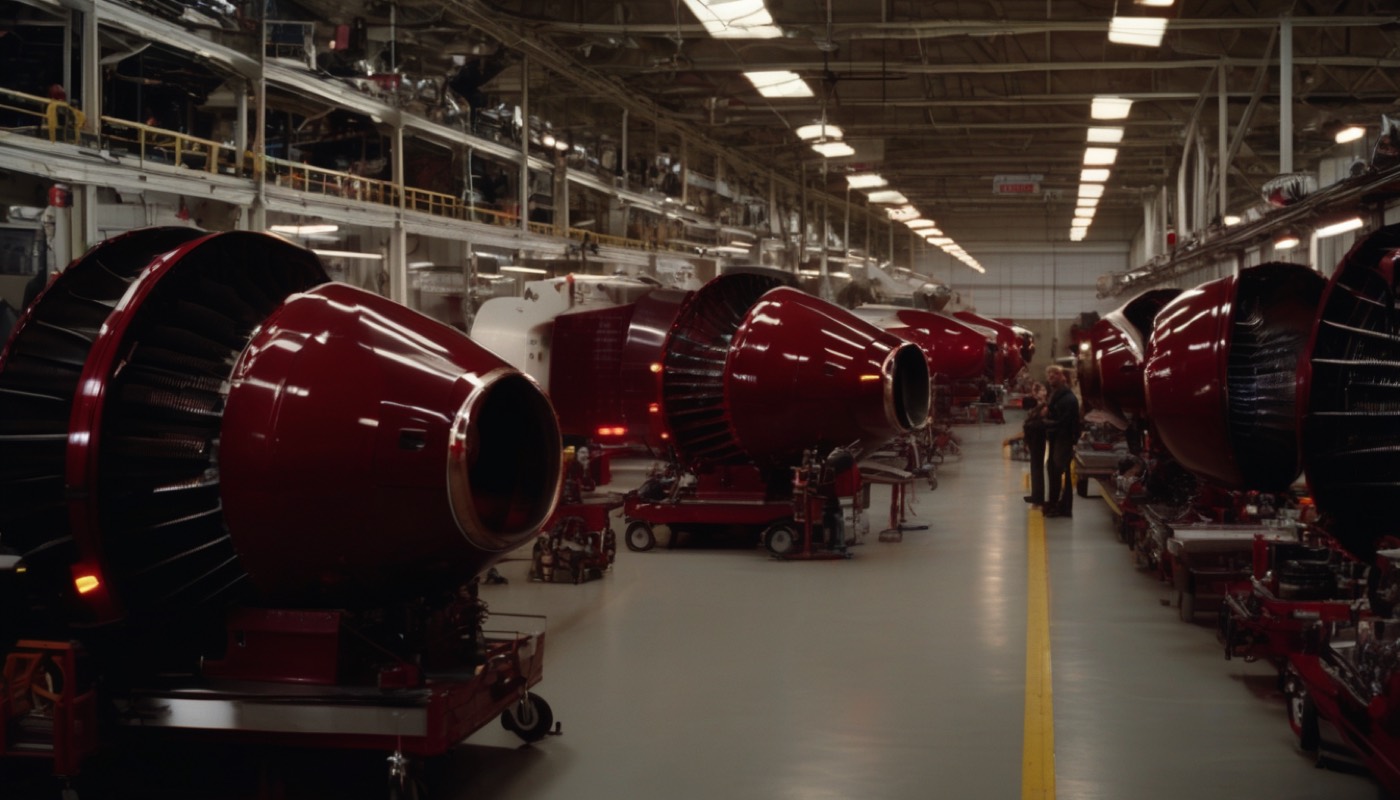
A grounded jet does not wait for a new engine. It waits for a shop visit, and shop visits are limited by capacity and by spare parts.
IATA reported that inspections had stretched from sixty days to more than three hundred. It said that maintenance facilities were overwhelmed. And replacement lease aircraft were scarce, because Boeing and Airbus were late as well.
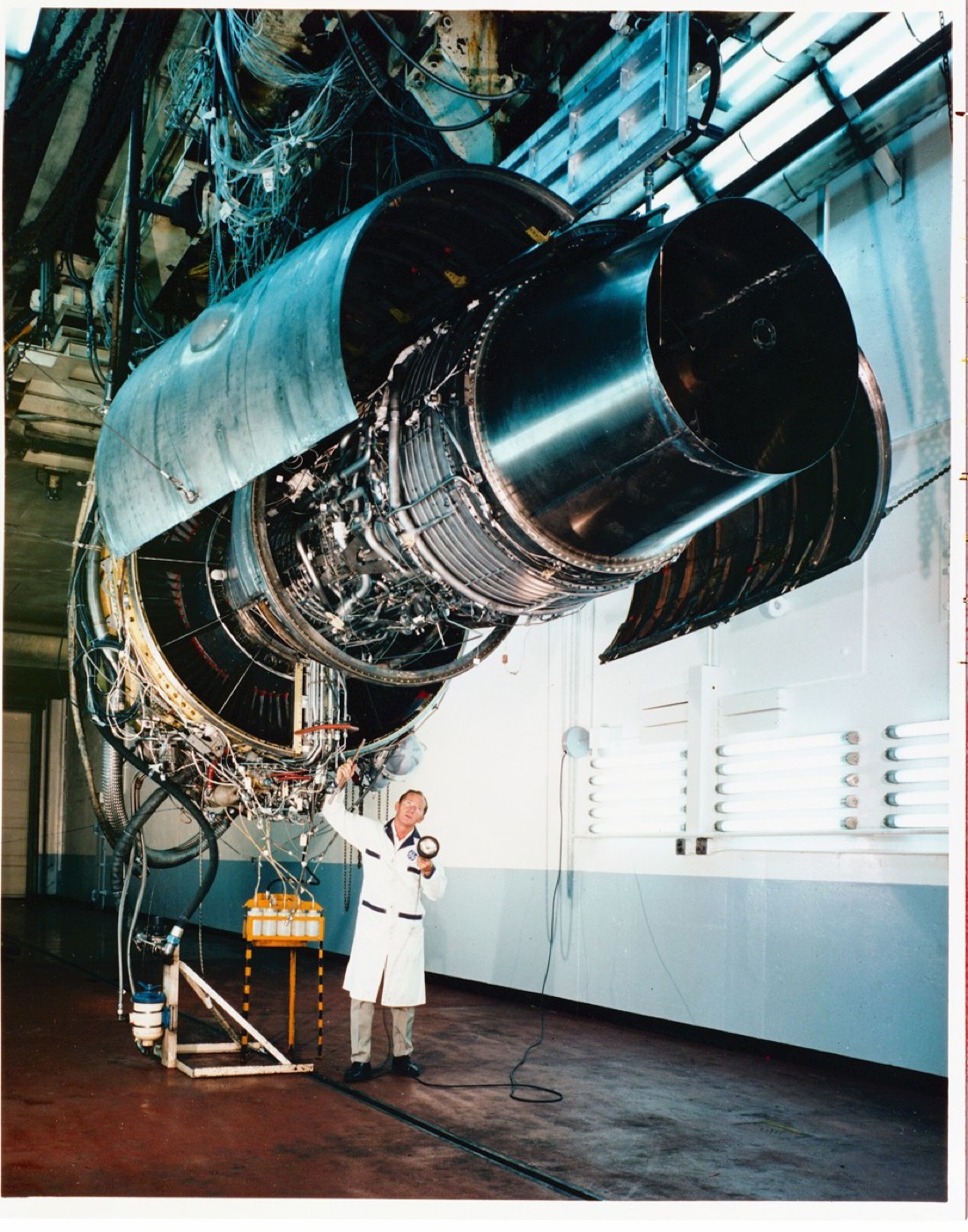
This is a CF6 engine in a General Electric test cell in nineteen seventy-eight. A test cell is a room where an engine is run at full power to check it.
Pratt and Whitney had to choose where its engines and parts should go. Airbus wanted engines for new aircraft. Airlines wanted their grounded aircraft back.
On the thirty-first of March, Pratt and Whitney's top commercial executive, Rick Deurloo, told The Air Current: "Our key priority right now is lifting the airline fleet." So the aircraft already in service came first.
Airbus pushed back. That same month, it began a formal process to seek damages from Pratt and Whitney over the delays, though no legal claim had been filed by the end of September.
The scale was large. More than two thousand A320neo-family aircraft use this engine, flown by seventy-two airlines. It is fitted to forty-six per cent of about four thousand, four hundred Airbus neo deliveries so far.
The other engine maker has the same squeeze.
In June twenty twenty-six, GE Aerospace said it had cut engine turnaround times by between a quarter and a half, depending on the shop. It is running a billion-dollar programme to expand its own repair facilities and to approve outside ones.
9. CFM LEAP and the wider squeeze
Pratt and Whitney's answer to the powder metal flaw is a new version of the same engine, called the GTF Advantage.
The GTF Advantage promises up to double the time an engine can stay on the wing between shop visits, and four to eight per cent more take-off thrust. It is built to swap in and out with today's engine on the same aircraft.
Europe's aviation safety regulator approved the GTF Advantage for the Airbus A320neo family on the seventeenth of April twenty twenty-six. Full production is not expected to switch over to the new standard until twenty twenty-eight.
The first aircraft built with it, an Airbus A321XLR, was delivered to United Airlines on the twenty-fourth of September twenty twenty-six.
That is the fix for one engine. The other big engine on narrow-body jets, the LEAP, is still stretched. It is built by CFM International, a fifty-fifty partnership between the American company GE Aerospace and the French company Safran.
The LEAP powers the Airbus A320neo, competing there with Pratt's engine. It is the only engine on the Boeing 737 MAX. So the two biggest families of single-aisle aircraft depend on just two engine makers.
In July twenty twenty-six, GE said its LEAP deliveries in the first half were forty-one per cent higher than a year earlier. It raised its full-year guidance to growth in the high teens. That growth followed a rise of twenty-five per cent the year before.
Yet the chief executive, Larry Culp, said that the limit is on the supply side rather than on demand.
Spare parts show the strain. GE's spare parts orders rose thirty-four per cent in the half. But delinquencies, meaning parts delivered later than promised, rose twenty per cent.
Among its critical suppliers, GE said output had risen by double digits for nine quarters in a row. That is progress. GE still calls the supply chain the biggest challenge in the industry.
And the same casting and forging plants have other customers. New commercial engines want their parts. So do the spare parts for engines already flying, and so do defence programmes. All three draw on one supply chain.
10. Old jets stay in the air
When new aircraft are late, airlines keep the old ones flying. IBA, an aviation consultancy, wrote on the thirty-first of July twenty twenty-six that uncertainty over delivery slots was encouraging operators to extend leases and keep aircraft for longer. A delivery slot is a place in the factory queue.
IBA said that limited slots for replacement aircraft were supporting lease rates. It put the monthly lease on a twelve-year-old A320-200 at about two hundred and twenty thousand dollars. A year earlier, it had been about two hundred and fifty-three thousand.
Older jets do not just cost money to lease. They cost more to fly.
Take Pratt and Whitney's own claim. If the new engine burns sixteen per cent less fuel, the old one burns about nineteen per cent more for the same work. Burning more fuel puts more carbon dioxide into the air.
So every extra year an old jet stays in service has a cost in fuel, in money and in emissions. The engine shortage does not just delay new aircraft. It keeps the less efficient ones flying.
11. Forwards or held back?
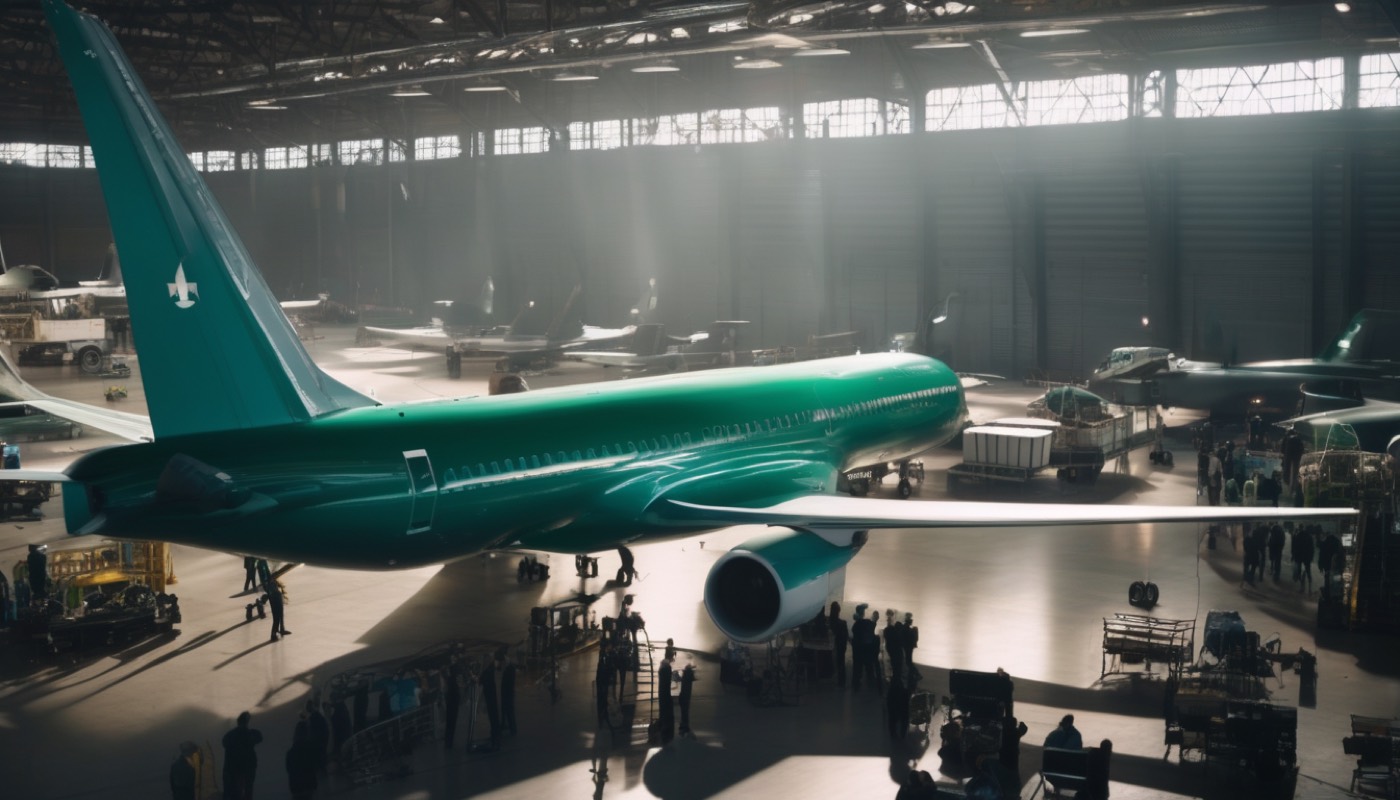
Can record output be reached? The makers say it can, and they are giving dates.
Airbus expects to reach between seventy and seventy-five A320-family aircraft a month by the end of twenty twenty-seven. After that, it plans to hold at seventy-five. GE expects to close its CPP deal in the second half of that same year.
There are signs of easing. IBA says that more Pratt and Whitney spare engines are available, and that lease rates for them have come down from their peak. GE's shops are turning engines round faster.
But the limits are physical. A casting plant or a forging press cannot be conjured in a year. And the blades inside every engine still pass through a short list of them.
So which is it? Aviation is going forwards, because more engines and more aircraft are being built than a year ago. It is also held back, because the engine sets the pace, and the engine depends on a handful of foundries and presses.
The next time an airline announces a delay, do not look at the wings. Look at the engine, and at the small number of places where its blades are made.
Sources and credits
Photo credits (Wikimedia Commons)
- Aegean Airbus A320neo at Prague airport: I-moiSuomi, CC0 - https://commons.wikimedia.org/wiki/File%3AAegean_airways_Airbus_A320neo_at_Prague_V%C3%A1clav_Havel_international_airport.jpg
- Boeing 737 assembly line, Renton, 2015: U.S. Department of State from United States, Public domain - https://commons.wikimedia.org/wiki/File%3ABoeing_Co._Officials_Show_Secretary_Kerry_737_Assembly_Line_Following_Trade_Speech_at_Plant_in_Washington_%2817685396230%29.jpg
- GE90 turbofan engine detail, Boeing Everett: Hermann Luyken, CC0 - https://commons.wikimedia.org/wiki/File%3A2016.10.13.112619_GE90_jet_engine_Future_of_Flight_Center_%26_Boeing_Tour_Everett_Washington.jpg
- Two-piece single-crystal turbine blade, NASA 1979: Photographer: JACK DARGINSKY, Public domain - https://commons.wikimedia.org/wiki/File%3A255_GRC_1979_03464_EEE_-_2_piece_single_crystal_HTP_blade.jpg
- Turbine blade with thermal barrier coating on burner rig, NASA: Unknown authorUnknown author or not provided, Public domain - https://commons.wikimedia.org/wiki/File%3ABURNER_RIG_SHOWING_SPECIMENS_ROTATING_AND_NOT_ROTATING_-_UTILITY_TURBINE_BLADE_WITH_THERMAL_BARRIER_COATING_-_J_BROWN_COATING_UTILITY_TURBINE_BLADE_AND_HOLLOW_EROSION_SPECIMEN_-_NARA_-_17472845.jpg
- Cast turbine blades, 1979: Unknown authorUnknown author or not provided, Public domain - https://commons.wikimedia.org/wiki/File%3ACAST_TURBINE_BLADES_-_NARA_-_17470242.jpg
- Alcoa Mesta 50,000-ton closed-die forging press, Cleveland: unknown, Public domain - https://commons.wikimedia.org/wiki/File%3AMesta_Press_looking_east%2C_during_preparation_of_die_-_Alcoa_Forging_Division%2C_Mesta_50%2C000-Ton_Closed_Die_Forging_Press%2C_1600_Harvard_Avenue%2C_Cleveland%2C_Cuyahoga_County%2C_OH_HAER_OHIO%2C18-CLEV%2C41-1.tif
- Pratt & Whitney Aircraft plant, East Hartford (c.1930-45 postcard): Tichnor Brothers, Publisher, Public domain - https://commons.wikimedia.org/wiki/File%3APratt_and_Whitney_Aircraft%2C_East_Hartford%2C_Conn_%2873627%29.jpg
- Pratt & Whitney JT9D-7 turbofan: Daderot, CC0 - https://commons.wikimedia.org/wiki/File%3APratt_%26_Whitney_JT9D-7_turbofan_engine%2C_1970_-_Evergreen_Aviation_%26_Space_Museum_-_McMinnville%2C_Oregon_-_DSC00895.jpg
- CF6 turbofan on General Electric test cell, 1978: Unknown authorUnknown author or not provided, Public domain - https://commons.wikimedia.org/wiki/File%3ACF-6_ENGINE_IN_GENERAL_ELECTRIC_GE_TEST_CELL_-_NARA_-_17442158.jpg


Primary sources
- Airbus, 'Airbus reports Half-Year (H1) 2026 results', 29 July 2026 - backlog 9,222 at 30 June 2026; 351 deliveries in the first half (271 A320 Family); around 870 deliveries in 2026; rate 70-75 by the end of 2027, then 75..
- Boeing, 'Boeing Reports Second Quarter Results', 28 July 2026 - commercial backlog over 6,200 aircraft, a record $597 billion; total backlog a record $715 billion; 171 deliveries; 737 at 47 a month; low-rate production on a second 737 line in July..
- RTX, 'RTX provides update on Pratt & Whitney GTF fleet', 11 September 2023 - rare condition in powder metal; high-pressure turbine and compressor disks; about 600 to 700 engines removed for shop visits 2023-2026; about $3 billion charge in Q3 2023..
- AirInsight, 'Material anomaly requires more Geared Turbofan inspections', 18 August 2023 - high-pressure turbine stage 1 disks made between Q4 2015 and Q3 2021.
- IATA, 'Pratt & Whitney Engine Issues', 25 June 2024 - 637 of 1,334 PW GTF aircraft grounded; inspection times from 60 to over 300 days; replacement lease aircraft scarce.
- The Air Current, 'Caught between Airbus and airlines, Pratt prioritizes the grounded fleet', 31 March 2026 - Rick Deurloo quotation; more than 2,000 aircraft; 72 operators; 46% of about 4,400 Airbus neo deliveries; no supply deal with Airbus.
- Leeham News, 'GE Aerospace Moves to Secure Critical Engine Casting Capacity', 9 September 2026 - CPP $11.75 billion, close second half of 2027; airfoil demand up about 30% by 2030; Howmet and ATI; RTX Asheville; Safran forging near Paris.
- RTX, 'RTX's Pratt & Whitney GTF Advantage engine certified for Airbus A320neo aircraft family', 17 April 2026 - EASA certification; up to double time on wing; 4-8% more take-off thrust; intermixable with today's GTF; production cutover by 2028..
- RTX, 'RTX's Pratt & Whitney marks delivery of first GTF Advantage-powered aircraft to United Airlines', 24 September 2026 - first GTF Advantage aircraft, an Airbus A321XLR, delivered to United..
- Leeham News, 'Q2 2026 earnings: GE Aerospace keeps the beat', 16 July 2026 - LEAP deliveries up 41% in the first half; guidance high-teens growth; supply-side constraint; spare parts orders +34%, delinquencies +20%; nine quarters of double-digit supplier output growth.
- Leeham News, 'GE's MRO expansion, supply chain improvements to reduce engine turnaround time', 2 June 2026 - turnaround cut 25% to 50%; billion-dollar programme; LEAP output +25% in 2025.
- IBA, 'Aircraft values stay resilient as lease rates evolve', 31 July 2026 - lease extensions; A320-200 lease rate $253,000 to $220,000 a month; PW1100G spare engine availability.
- Wikipedia, 'Pratt & Whitney PW1000G', 'Geared turbofan', 'Turbofan', 'Turbine blade' and 'CFM International LEAP' - 3:1 gearbox, 16% claim, 2008 flight test, 2016 first delivery; turbofan operation; blade temperatures, single crystals, coatings; LEAP applications.
- Aerospace Global News, 'Airbus to launch legal claim against Pratt & Whitney over GTF delays', 19 March 2026 - Airbus began a formal process to seek damages over delivery delays; no legal forum yet identified.
Not regulated financial advice.