
High-Speed Rail: Why Britain Can't Build What Japan Did
A Shinkansen leaves Tokyo every few minutes. Britain's HS2 has cost more than £40bn and no passenger will ride it before 2036 at the earliest. This video asks why.
First, what makes a railway high-speed: new lines built for 250 km/h or more (EU Directive 96/48/EC, 1996), curves several kilometres wide, signals shown in the cab rather than beside the track, and power from a 25,000-volt overhead wire.
Then the builders. Japan's Tokaido Shinkansen opened on 1 October 1964, nine days before the Tokyo Olympics, at almost double its 1958 estimate; JNR president Shinji Sogo and chief engineer Hideo Shima resigned in 1963. France's TGV opened Paris-Lyon from 27 September 1981, reusing the old city stations, and set the 574.8 km/h wheeled record on 3 April 2007. Spain opened Madrid-Seville on 21 April 1992 and now has more than 4,000 km, at about €17.7m a kilometre by the state engineering company Ineco's own study. China opened Beijing-Tianjin on 1 August 2008 and passed 50,000 km in December 2025.
Then HS2: HS2 Ltd in 2009, a Y-shaped plan in 2010, the go-ahead in 2012, the eastern arm cut in the Integrated Rail Plan (18 November 2021) and the Manchester leg cancelled on 4 October 2023. The Stewart review (18 June 2025) on why it cost so much. And the reset of 19 May 2026: £87.7bn to £102.7bn in 2025 prices, first trains between May 2036 and October 2039, Euston between 2040 and 2043, top speed cut from 360 to 320 km/h.
Every figure is dated and sourced. Where a source is an advocacy group or a state body describing its own work, the video says so.
Educational documentary. Not financial or investment advice.
In these topics
Video notes
1. Two trains, one question
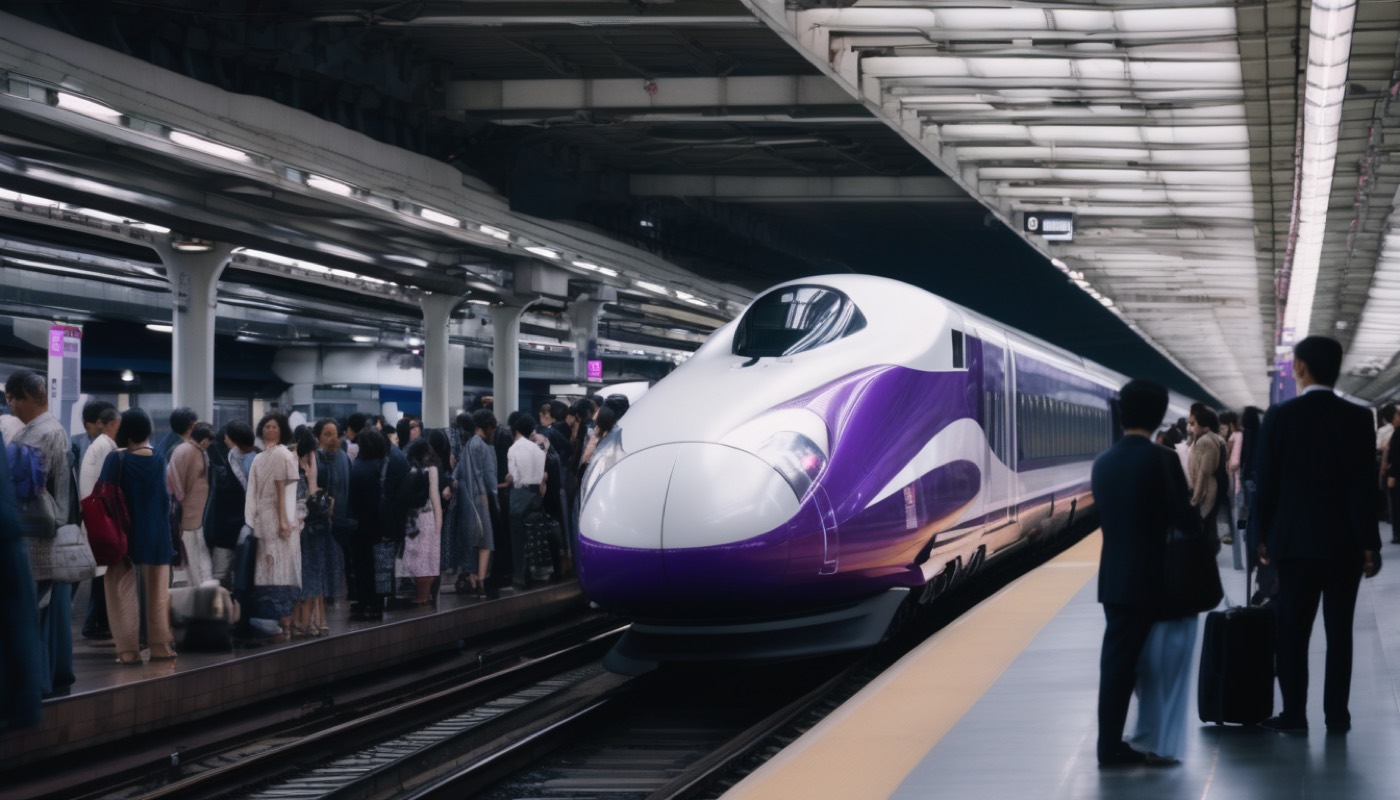
It is a weekday morning at Tokyo Station. A white train with a long, flattened nose slides out of the platform, and a few minutes later another one follows it. By the end of the day, this one line will have carried hundreds of thousands of people.
This video asks one question about that platform. What makes a railway high-speed in the first place? How did Japan, France, Spain and China build theirs? And why has Britain, the country that gave the world the railway, found it so hard to do the same?
The line leaving that platform is the Tokaido Shinkansen. It is the one that started it all, and it is still one of the busiest high-speed railways on Earth.
Its operator, JR Central, publishes the numbers every year. In its latest full year of figures, it ran three hundred and eighty-three trains a day. At the busiest times, up to twelve of its fastest Nozomi services leave Tokyo every hour. The average delay per train was one point four minutes, and that counts delays caused by storms and earthquakes.
Now cross to Britain. Its new high-speed line, HS2, has been under construction for six years. Its first passenger trains are not expected until somewhere between twenty thirty-six and twenty thirty-nine.
Set the two routes side by side. Tokyo to Shin-Osaka is about five hundred and fifteen kilometres. The first stage of HS2, from London to the edge of Birmingham, is about two hundred and twenty-five kilometres. That shorter line has already cost more than forty billion pounds, and no passenger has ridden on it yet.
So why? The answer is not that one country has cleverer engineers than another. It lies in how each country decided, designed, paid and kept its nerve. To see that, start with what a high-speed railway actually is.
2. What makes rail high-speed
Speed on a railway is not only about the train. An ordinary line can carry a fast train, but only up to a point, and then the track itself becomes the limit. The fastest lines are also built for fast trains alone, because a slow freight train in front would hold everything up.
There is an official yardstick. A European Union directive of nineteen ninety-six called a line high-speed if it was newly built for two hundred and fifty kilometres an hour or more. An older line upgraded to around two hundred kilometres an hour also counts. Below that, it is simply a fast railway.
The first limit is the curve. On every bend, a train pushes outwards, and that push grows with the square of the speed. Double the speed and the push is four times as strong. So a faster railway needs gentler curves, and a gentle curve is a very wide one.
Compare the curves. France's first high-speed line was laid out with curves no tighter than a radius of four kilometres. HS2 was designed for trains at up to four hundred kilometres an hour, so its curves were drawn wider still, at about seven point two kilometres. A curve that wide cannot bend around a village or a hill, so it goes over them on viaducts, or under them in tunnels.
The second limit is the signal. On an ordinary railway, the driver reads coloured lights beside the track. At high speed, a light flashes past before it can be read properly, and the train needs a very long way to stop.
So high-speed lines move the signal into the cab. Information about the track ahead reaches the train through equipment on the track or by radio. It appears on the driver's display as a safe speed, and if the driver does not slow down in time, the train brakes itself. British rules allow signals beside the track only up to one hundred and twenty-five miles an hour.
The third piece is power, and it comes from above.
High-speed trains draw electricity from an overhead wire at twenty-five thousand volts. A sprung arm on the roof, called a pantograph, presses up against the wire and collects the current as the train runs beneath it. The French lines use this system, and so will HS2.
Separate track, wide curves, signals in the cab and power from above. Together they turn a fast train into a high-speed railway. And every one of them costs money before a single passenger is carried.
3. The bullet train, 1964
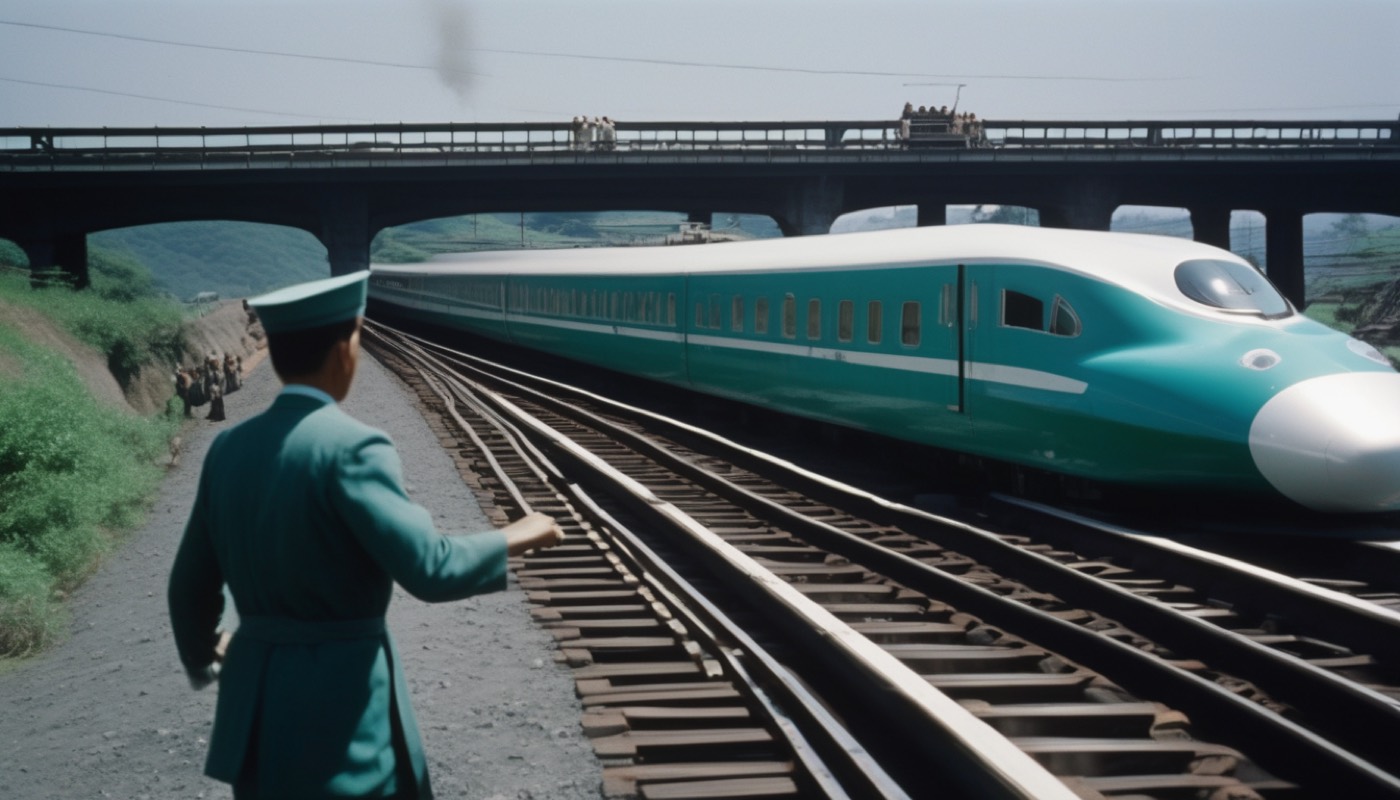
Japan came first, and it came first under pressure. After the war, the old main line along the coast was full. The national railway, Japanese National Railways, proposed something nobody had built before: a separate new line, on a wider track, for fast passenger trains only.
The route ran from Tokyo along the Pacific coast, through Nagoya and Kyoto, to Shin-Osaka. It is about five hundred and fifteen kilometres long. It opened on the first of October, nineteen sixty-four, nine days before the Tokyo Olympic Games began.
The deadline was real, and so was the money problem.
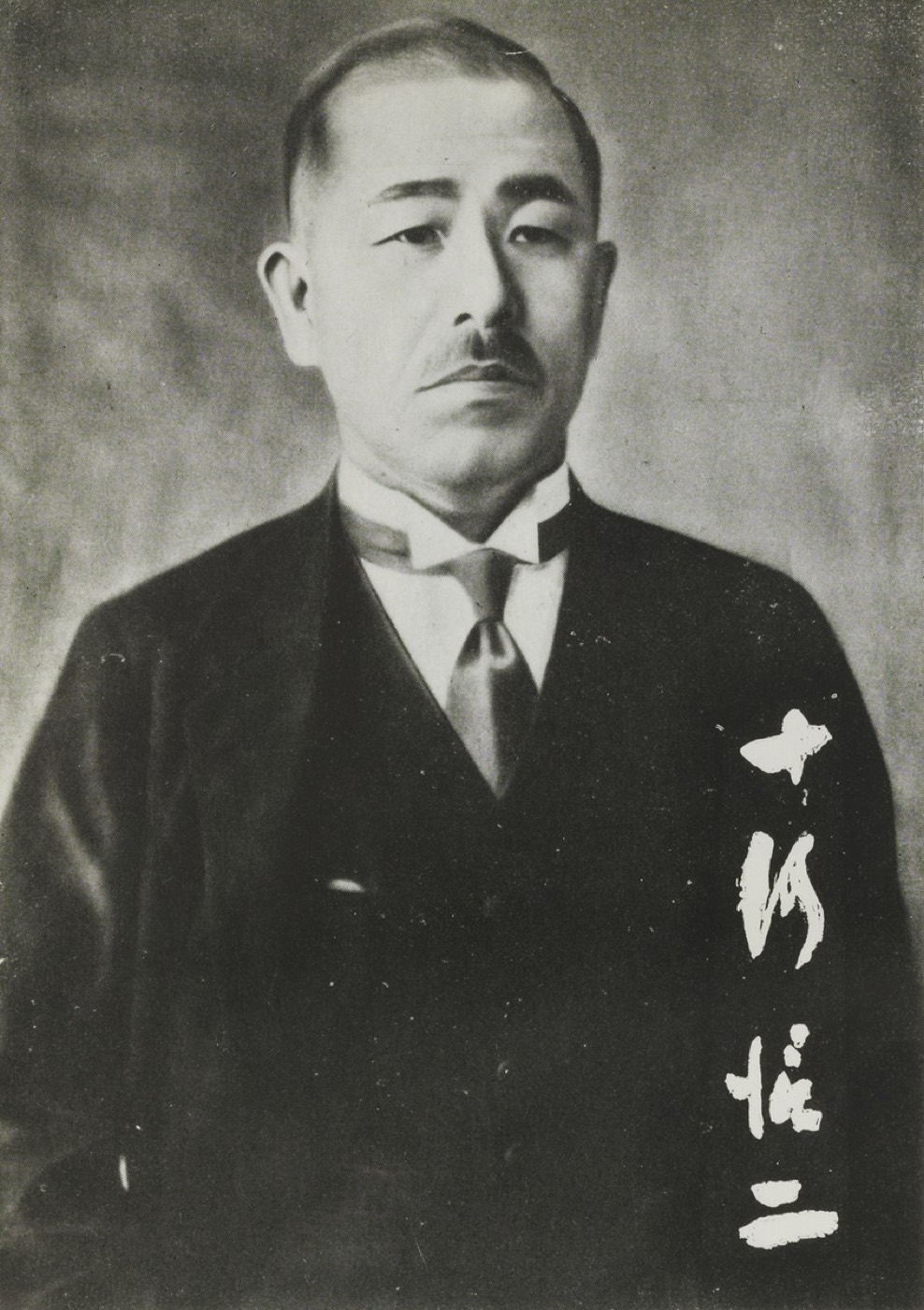
The man who drove the project through was Shinji Sogo, the president of the national railway. He kept the official estimate low, knowing the true cost would frighten the government. When the money ran short, he moved funds from other railway projects to keep the line going.
That could not stay hidden for ever. In nineteen fifty-eight, the estimate had been about one hundred and seventy-two billion yen. The final bill was about three hundred and seventy-nine billion, almost double. In nineteen sixty-three, Sogo resigned, and his chief engineer, Hideo Shima, went with him. Neither man was invited to the opening ceremony.
But the line opened, and it worked.
The first bullet trains ran at up to two hundred and ten kilometres an hour. The fastest took four hours from Tokyo to Shin-Osaka. By November nineteen sixty-five, the fastest trains took just over three hours.
And it has been remarkably safe. JR Central says that since the line opened, no passenger on board has been killed or injured in a train accident. That record covers derailments and collisions, over six decades of service.
Over budget, then, but on time. Japan paid for the overrun, and it got a railway it has relied on ever since.
4. France copies and improves
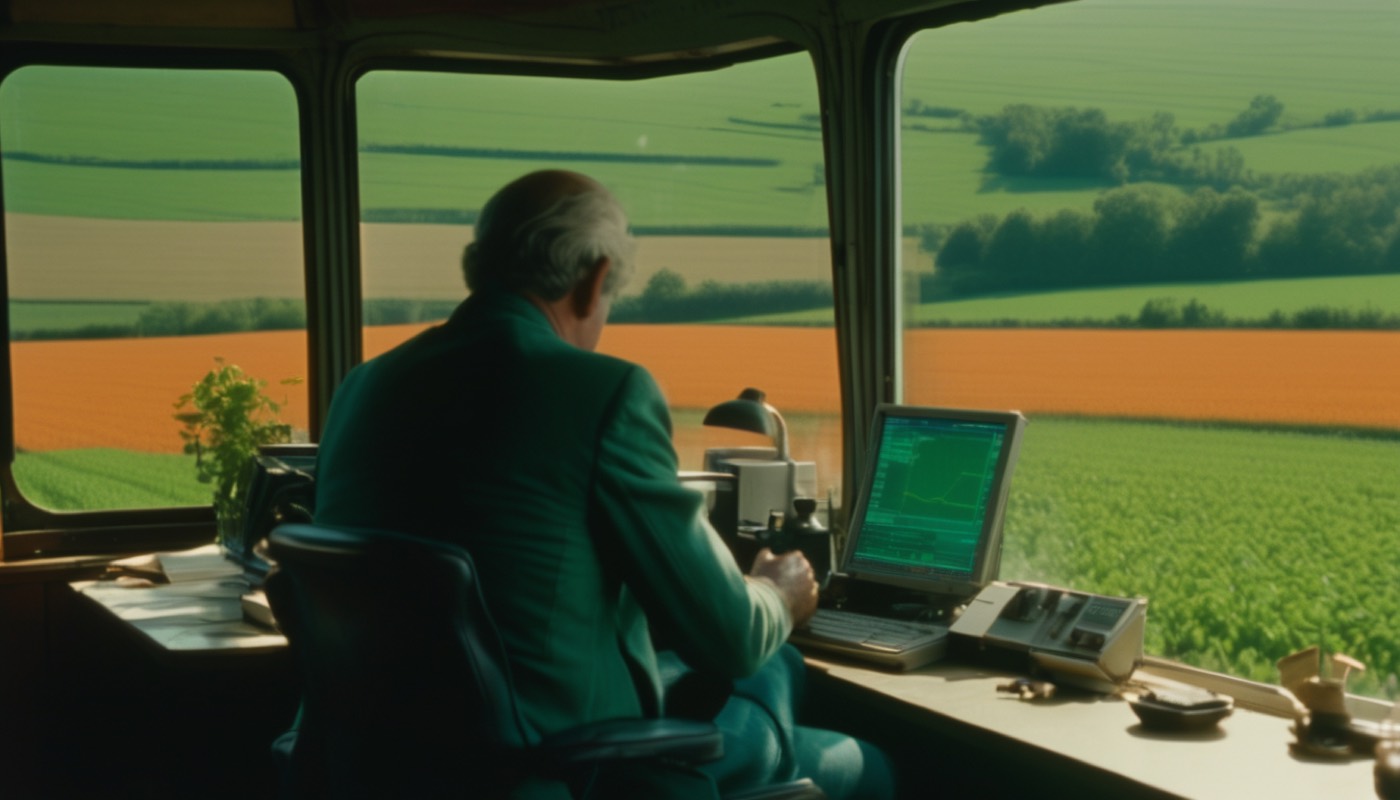
France watched Japan and drew a different lesson. French trains already ran on the standard track width, so the national railway, SNCF, did not need a whole new system. It could build new track only where the old line was too slow, and use the old tracks for the rest.
The first TGV line opened in stages. TGV simply means high-speed train in French. Its southern section entered service on the twenty-seventh of September, nineteen eighty-one, with trains at two hundred and sixty kilometres an hour. The northern section, closer to Paris, followed in nineteen eighty-three. Paris to Lyon came down to two hours and forty minutes.
The trick was at each end. The new line started outside the cities. Inside them, the TGV ran on existing tracks into the old stations, the Gare de Lyon in Paris and Part-Dieu in Lyon. So nothing new had to be dug or demolished in the crowded city centres.
That choice saved money in several ways. There were no new city stations to build, and no tunnels under streets. Out in the countryside, the line was laid mostly on the surface, with the earth dug from the cuttings reused for the embankments. And the trains could carry on over ordinary tracks to towns far beyond the new line.
France kept improving the train itself as well.
On the third of April, two thousand and seven, a specially modified TGV reached five hundred and seventy-four point eight kilometres an hour on the new line to eastern France. It is still the world speed record for a train running on ordinary rails.
France built fast, and it built cheaply, because it built only what it had to.
5. Spain builds cheaply
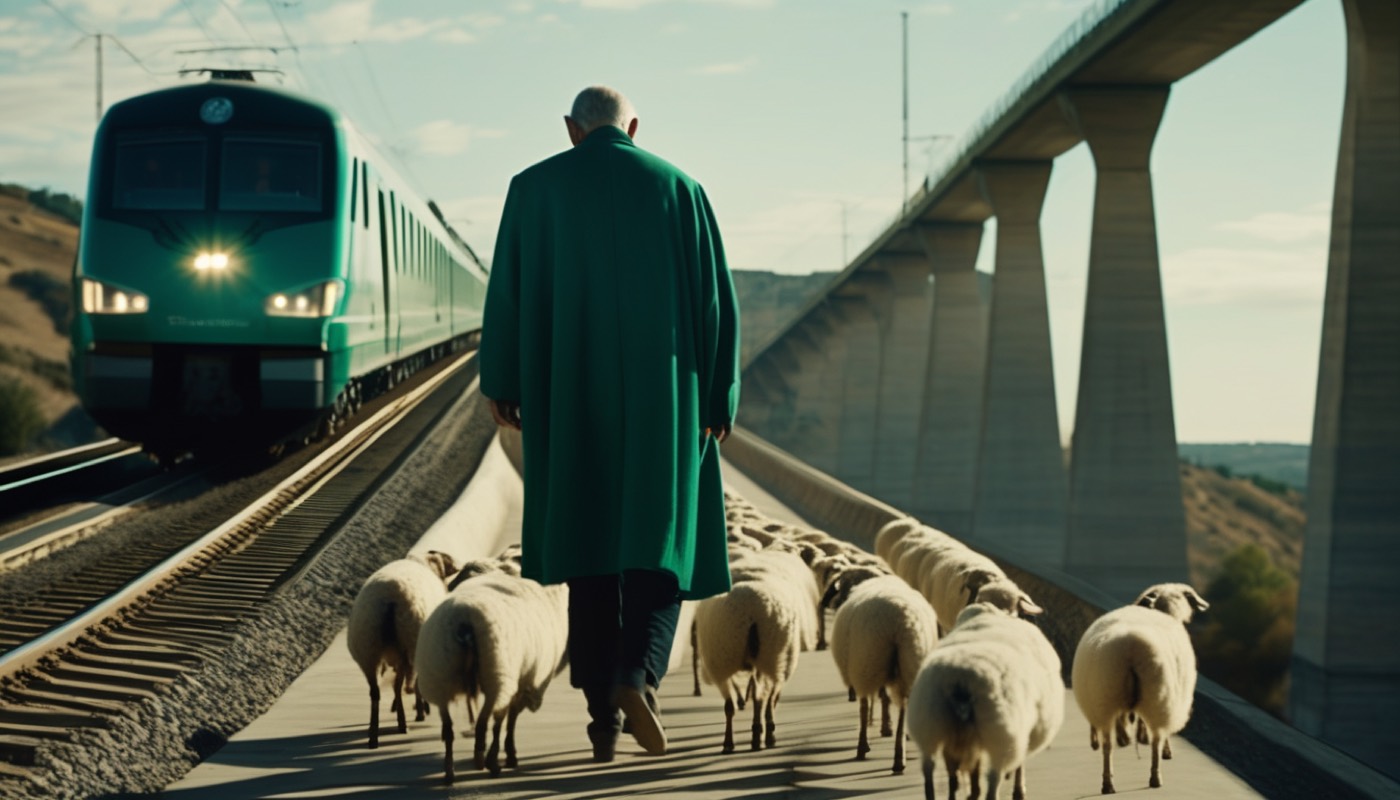
Spain came later and went further. Its first high-speed line, from Madrid to Seville, opened on the twenty-first of April, nineteen ninety-two, in time for the world fair in Seville.
From that first line, Spain built a network that spreads out from Madrid like the spokes of a wheel. Lines now run to Barcelona and the French border, to Valencia, to Malaga and to the north-west. The Spanish transport ministry says the country has more than four thousand kilometres of high-speed line, the most in Europe and second only to China.
And it built them cheaply. A study by Ineco, the Spanish state's own engineering company, put the average cost at about seventeen point seven million euros a kilometre. The international average in the same study was about forty-five point five million. Ineco is owned by the state, so this is Spain's own figure rather than an independent one.
Why is Spain so much cheaper? Land and labour cost less than the average in the rest of the European Union, and much of the country is thinly populated. Successive governments backed the programme, so teams stayed together and learned as they went. And Spain used standard designs over and over, instead of drawing each structure from scratch.
Cheap, though, is not the same as free of risk.
On the eighteenth of January, twenty twenty-six, a train derailed near Adamuz, on the Madrid to Seville line, and a second train ran into the wreckage. Forty-six people were killed. Spain's Civil Guard has said that a section of rail had broken the day before.
It was the country's worst rail disaster in more than a decade. It is also a reminder that a railway is only as good as the care taken of it, every day, after it opens.
6. China's 50,000 kilometres
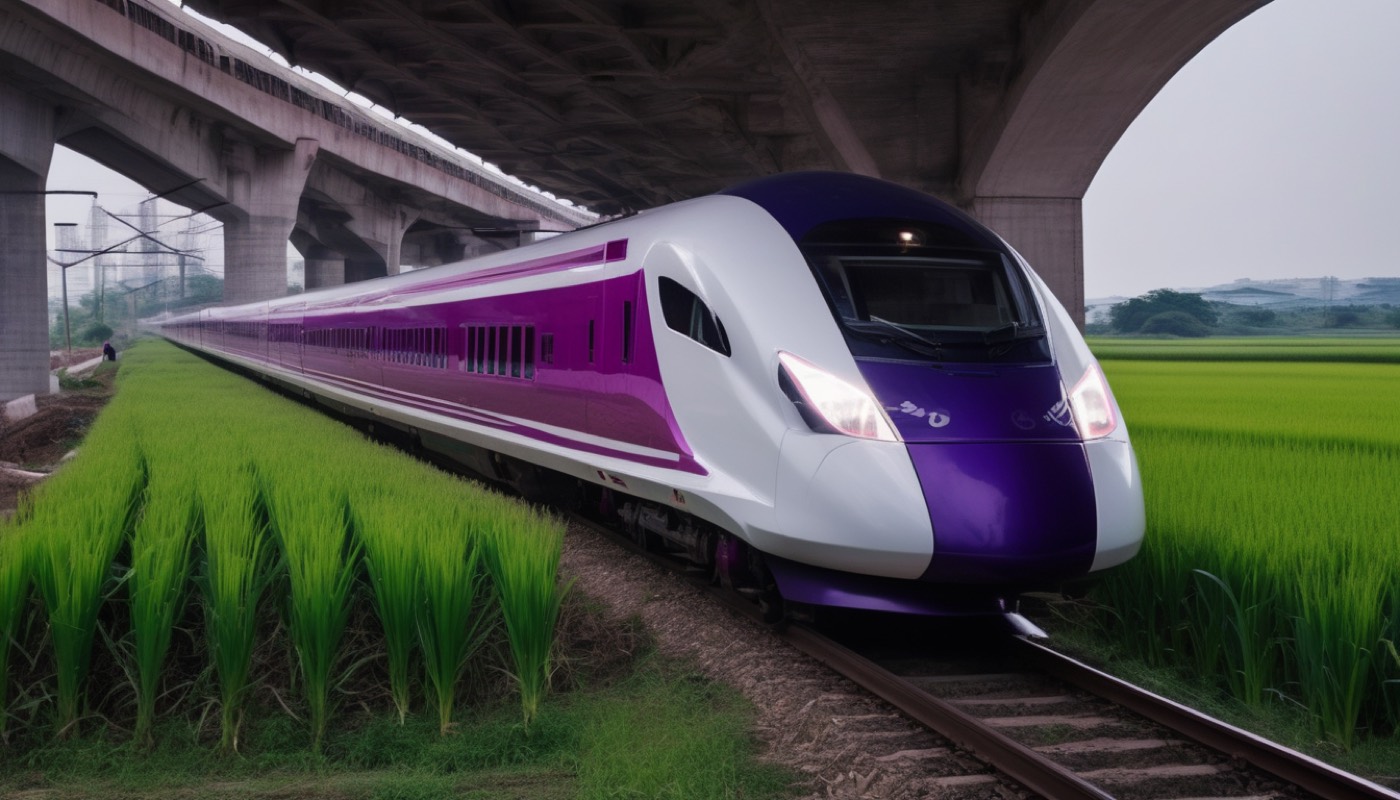
China started last and built the most, by far.
Its first true high-speed line opened on the first of August, two thousand and eight, just before the Beijing Olympics. It joined Beijing to the port city of Tianjin, about a hundred and seventeen kilometres away. Trains ran at three hundred and fifty kilometres an hour.
Then came the building boom. In July twenty eleven, two trains collided near Wenzhou and forty people died. The building went on. By the end of twenty twenty-four, China had about forty-eight thousand kilometres of high-speed line. In December twenty twenty-five, it passed fifty thousand. The plan is about sixty thousand by twenty thirty.
No other country is building on anything like that scale.
Put that next to everyone else. China's network is now more than twelve times the size of Spain's, which is the next largest. Japan has about three thousand one hundred kilometres, and France about twenty-seven hundred. Britain, with only its line from London to the Channel Tunnel, has about one hundred and thirteen.
The speed and the scale came at a price. China State Railway Group, which runs the network, reported total debts of about six point two trillion yuan at the end of twenty twenty-four. Building at that pace was paid for, in large part, with borrowed money.
China shows what a state can build when it decides to, and does not stop. It also shows that the bill arrives later.
7. Britain's plan
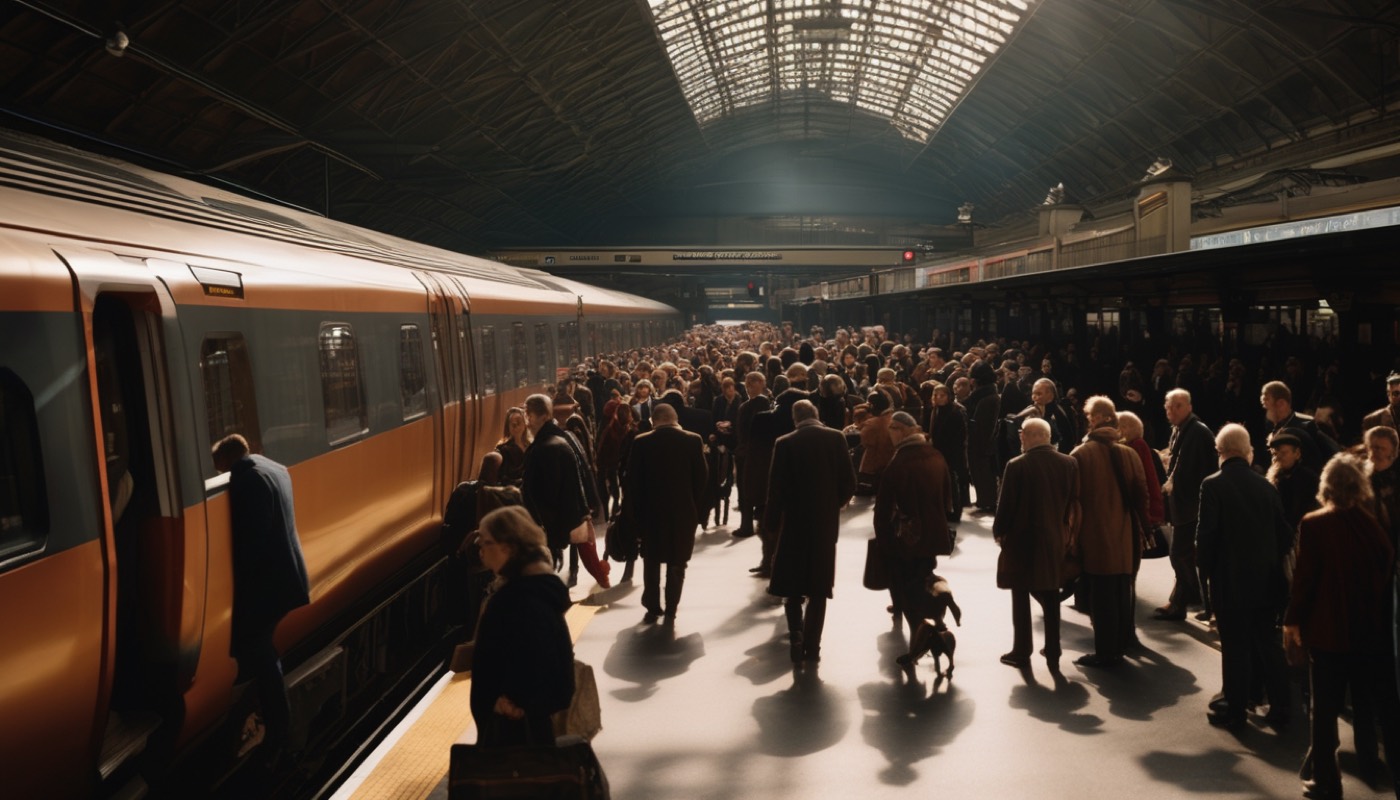
Britain was not absent from this story. It already had one short high-speed line, to the Channel Tunnel. But by the late two thousands, the main lines north from London were filling up.
The plan took shape quickly. A new company, HS2 Limited, was set up in January two thousand and nine to plan the line. In March twenty ten, the government published a plan for a Y-shaped network. In January twenty twelve, it gave the go-ahead for the first stage, and the route of the second stage followed in January twenty thirteen.
The shape was the point. The trunk would run from London to Birmingham. From there, one arm would reach Manchester in the north-west, and the other would reach the East Midlands and Leeds.
The government's case was about room, not speed. Its decision paper said "HS2 is the most effective way to provide much-needed additional rail capacity." It warned that many trains on the West Coast Main Line would be full by the middle of the next decade.
Here is how the extra room was meant to appear. The fastest long-distance trains would move onto the new line. That would free space on the old main lines for more commuter trains and more freight. Speed was a bonus. Capacity was the reason.
The first stage became law on the twenty-third of February, twenty seventeen. Parliament had approved it. Now it had to be built.
8. The line shrinks
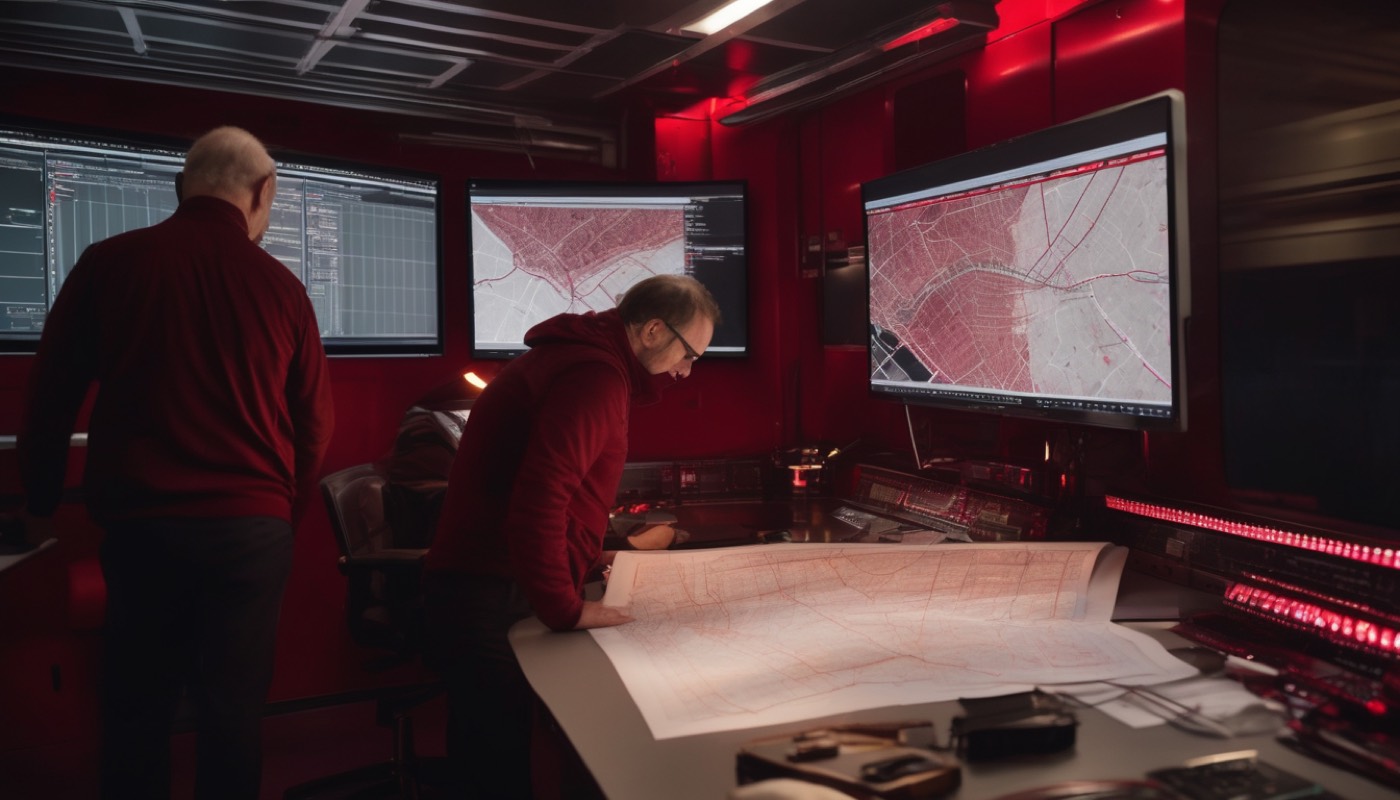
The cutting started almost as soon as the digging did.
In February twenty twenty, Prime Minister Boris Johnson confirmed that HS2 would go ahead in full. Construction formally began that September. Then, in November twenty twenty-one, the government's Integrated Rail Plan cut the eastern arm short.
The plan was plain about it: "We will build HS2 from the West Midlands to East Midlands Parkway". Leeds would not get the new line after all. Instead, the government would look at other ways to run fast trains there.
Two years later, the western arm went too. On the fourth of October, twenty twenty-three, at his party's conference in Manchester, Prime Minister Rishi Sunak cancelled the line from Birmingham to Manchester. What had been a Y was now a single stroke, from London to the West Midlands.
He told the conference hall "I am cancelling the rest of the HS2 project." He said the facts had changed, and promised to spend the money on other transport schemes across the North and the Midlands instead.
And while the line got shorter, the price went up.
Look at the estimates in order. In twenty twelve, the whole Y was costed at thirty-two point seven billion pounds. By twenty fifteen, the budget was fifty-five point seven billion. In twenty twenty, the Oakervee review put the full network at up to eighty-seven point seven billion.
Each of those estimates used a different year's prices, so they are not exact comparisons. But the direction is clear. And the latest estimate, for the London to Birmingham section alone, is higher than all of them.
9. Why it cost so much
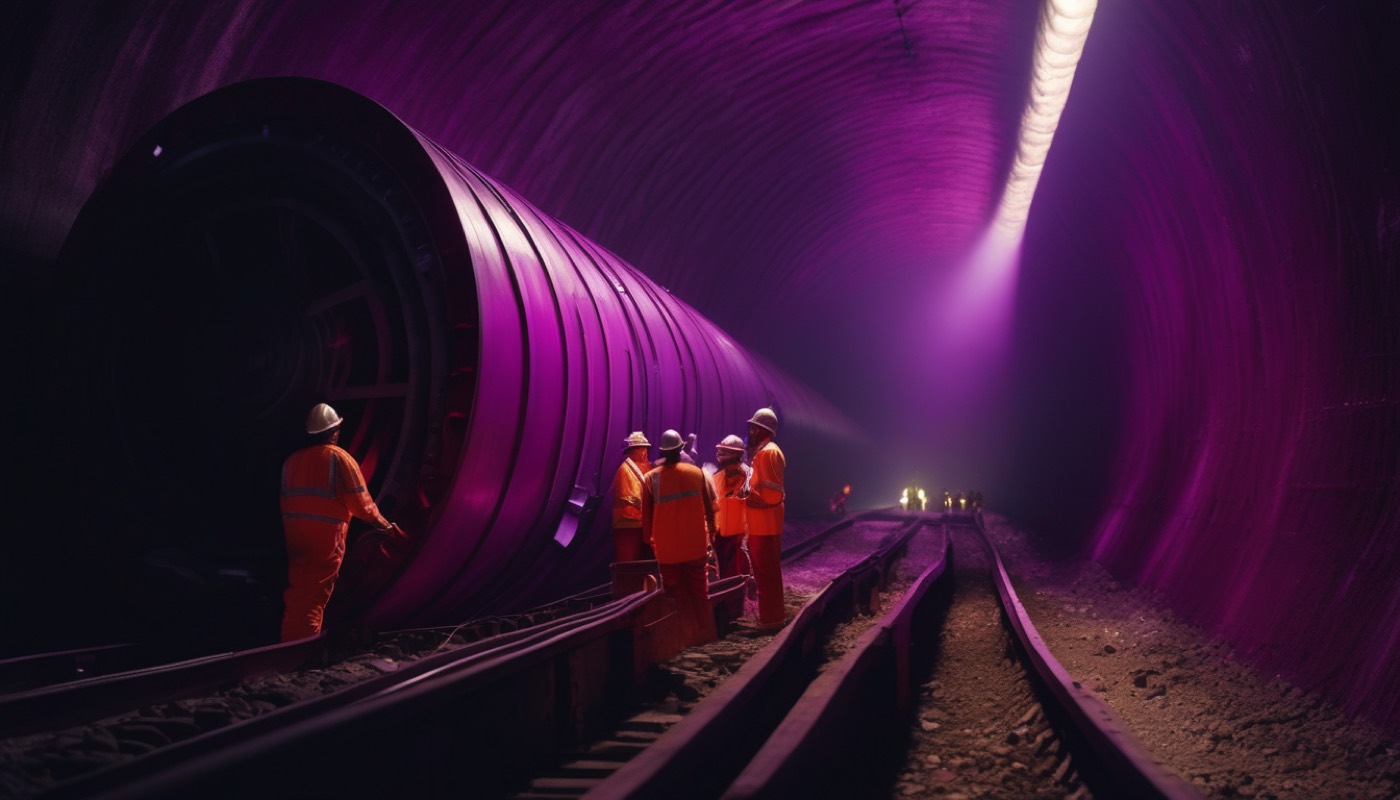
So what went wrong? The fullest official answer came from a review led by the construction executive James Stewart.
It was published in June twenty twenty-five, and its findings were hard. It found that keeping to the timetable had been put ahead of controlling cost. It called the main construction contracts a collective failure. And it found a system for running the project where nobody was clearly accountable.
Stewart was blunt about ambition, too. He wrote that the aim of a railway that would be the best and fastest "has been a major factor in undermining attempts to introduce a culture of cost control". In plain terms, HS2 was designed to be the best, and nobody was made to ask whether it needed to be.
Then there was the route itself. Long stretches were put in tunnels, or in cuttings with a roof over them, to answer objections from the places they passed. The tunnel under the Chiltern Hills alone is sixteen kilometres long.
The paperwork grew with the line. The environmental statement ran to more than fifty thousand pages. A committee of MPs heard over one thousand five hundred petitions from people and bodies along the route. And one structure, built to protect bats in a Buckinghamshire wood, cost more than a hundred million pounds.
Now compare a French line built in the same years. The new line from Tours to Bordeaux is three hundred and two kilometres long, and it opened in July twenty seventeen. It cost about seven point eight billion euros.
Measured by the mile, the gap is stark. The campaign group Britain Remade put HS2's London to Birmingham section at about three hundred and ninety-six million pounds a mile. The same analysis put France's line at about forty-six million pounds a mile. Britain Remade campaigns for cheaper building, but a government benchmarking study also placed HS2's costs at the high end of the international range.
10. The 2026 reset
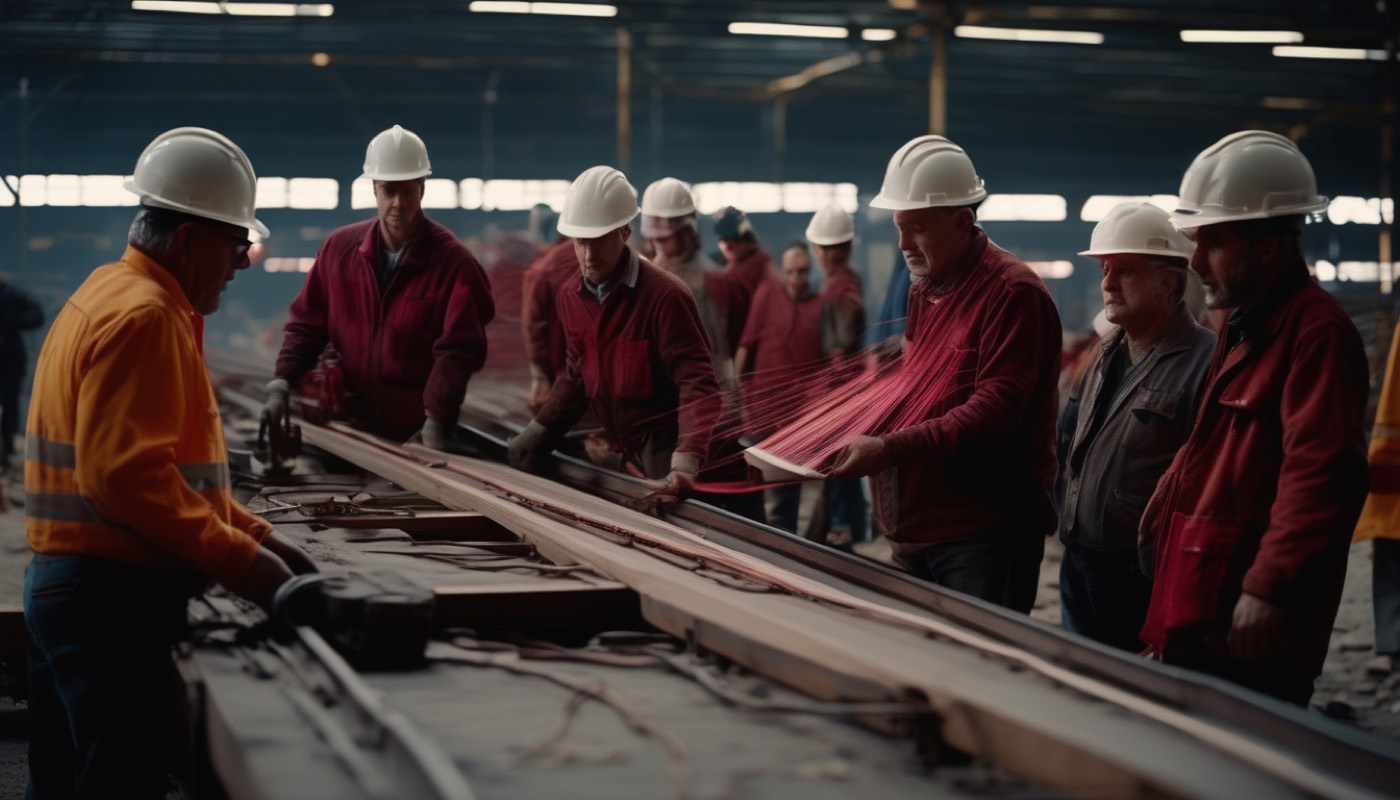
The reckoning, when it came, came in stages.
Mark Wild took over as chief executive of HS2 Limited in December twenty twenty-four. In June twenty twenty-five, the Transport Secretary, Heidi Alexander, told Parliament she saw no route to trains running by twenty thirty-three. Then, on the nineteenth of May twenty twenty-six, she set out the full reset.
She did not soften it. "HS2 became a symbol of this country's decline," she told the House of Commons. It was an unusual thing for a minister to say about a project the government still intends to finish.
The new estimate for finishing HS2 is between eighty-seven point seven and one hundred and two point seven billion pounds, in twenty twenty-five prices. By the end of March twenty twenty-six, forty-four point two billion had already been spent.
Where did the increase come from? Two-thirds of it, the government said, came from work that had been missed or underestimated, and from inefficient delivery. The remaining third was inflation.
The dates moved, and so did the speed. The first trains, between Old Oak Common in west London and Birmingham Curzon Street, are now due between May twenty thirty-six and October twenty thirty-nine. The full line into Euston is due between twenty forty and twenty forty-three. And the top speed is being cut from three hundred and sixty to three hundred and twenty kilometres an hour, which the government says saves up to two and a half billion pounds.
The reset is due to be finished in the first half of twenty twenty-seven, so even these numbers are not final.
11. Forwards or backwards?
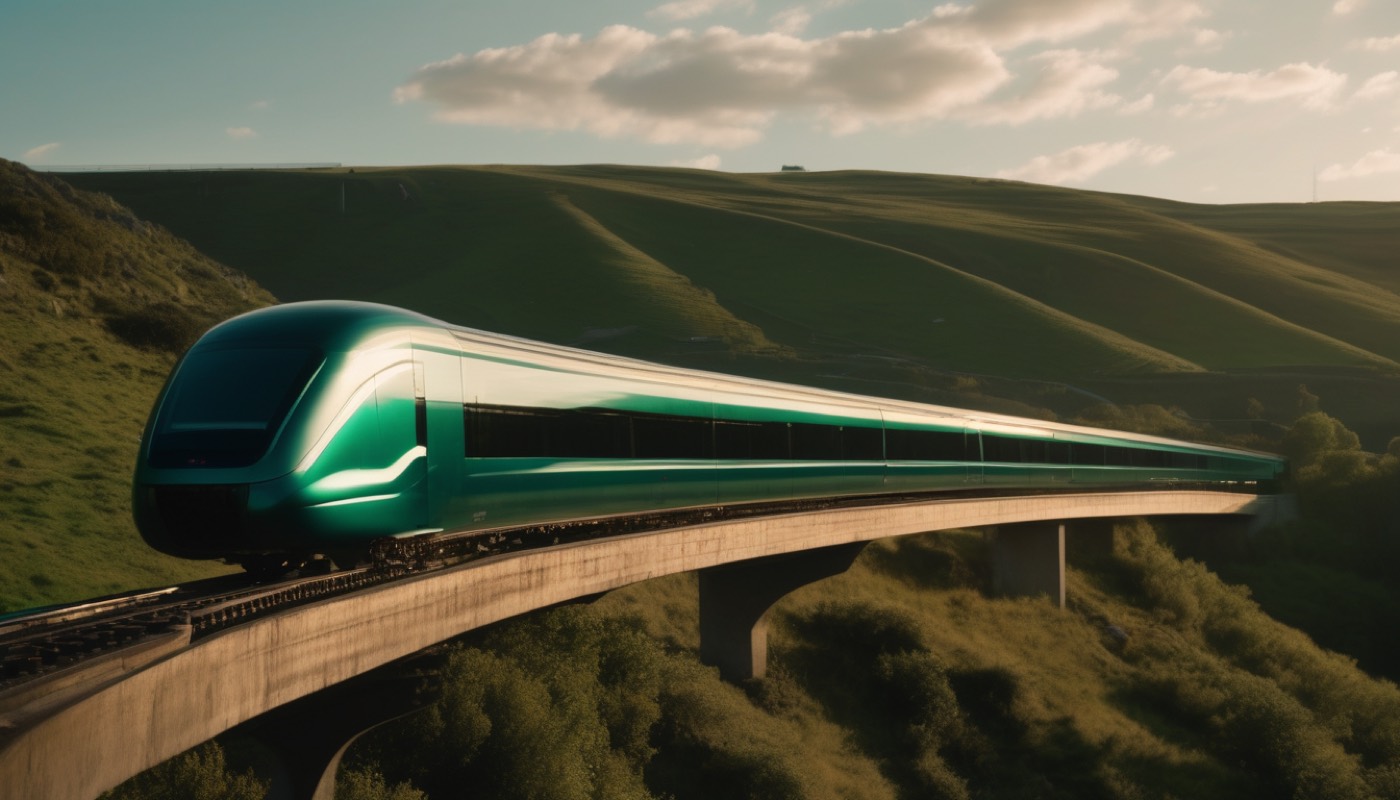
So is high-speed rail still the forwards choice for moving people between cities? The countries that built it early have not torn it up. They kept building after their first line, and their trains are full.
Look at what the successful builders did. They decided once, and kept to that decision for decades. They reused what they already had, as France did with its city stations. They repeated standard designs, as Spain did. And they built only as fast and as grand as they needed to.
Each of them took a different road. Japan paid almost double, but opened on time and has run the line ever since. France built on the surface and used its old stations. Spain standardised. China borrowed on a vast scale. Britain changed its mind, again and again.
The Transport Secretary put the challenge herself: "We can and must build big infrastructure projects in Britain." The Stewart review's answer was a clear chain of command, cost put ahead of the timetable, and designs only as grand as they need to be.
Four numbers sum up where things stand. Up to one hundred and two point seven billion pounds. A top speed of three hundred and twenty kilometres an hour. First trains as late as twenty thirty-nine. And, for comparison, China's fifty thousand kilometres.
Japan built its bullet train over budget, but on time, and a train still leaves Tokyo every few minutes. Britain's line is still being built. Whether HS2 ends up as a warning or a late success depends on whether Britain learns to build the way the others did.
Sources and credits
Photo credits (Wikimedia Commons)
- Shinji Sogo, JNR president who drove the Shinkansen: Unknown authorUnknown author, Public domain - https://commons.wikimedia.org/wiki/File%3ASOGO_Shinji.jpg

Primary sources
- JR Central, Annual Report 2025 (FY2024 results) - 383 trains a day, up to 12 Nozomi an hour, average delay 1.4 minutes per train including natural disasters, no passenger fatalities or injuries on board from train accidents since operations began.
- Japan Railway & Transport Review No. 64 (October 2014), '50 Years of Tokaido Shinkansen History' - opening 1 October 1964, 210 km/h, 4 hours Tokyo-Shin-Osaka; Wikipedia, 'Tokaido Shinkansen' - 515.4 km, November 1965 speed-up; Nippon.com, 'The Shinkansen Turns 50' (1 Oct 2014) - Olympics opened 10 October 1964.
- Trains To Beyond, 'Bullet at 60 - Timeline #2' - 1958 estimate ¥172.5bn, final ¥379bn 'almost double', Sogo and Shima resigned 1963, not invited to the opening; Wikipedia, 'Shinji Sogo' - fund diversion, resignation 1963.
- Council Directive 96/48/EC of 23 July 1996, Annex I - definition of high-speed lines.
- French Wikipedia, 'LGV Sud-Est' - 27 September 1981, 25 September 1983, 260 km/h, 2h40, 4,000 m minimum radius, reuse of classic lines into Paris and Lyon; Wikipedia, 'TGV' - 574.8 km/h on 3 April 2007, in-cab signalling.
- Spanish Ministry of Transport press release, 20 May 2025 - more than 4,000 km, first in Europe, second to China, Ineco study €17.7m/km vs €45.5m/km; Global Railway Review, 8 Nov 2023 - reasons for low cost.
- Euronews, 8 April 2026, and CTIF - Adamuz derailment and collision, 18 January 2026, 46 dead, Civil Guard: rail broke the day before.
- Xinhua, 'China's high-speed rail mileage tops 50,000 km', 26 December 2025; Xinhua, 2 January 2025 - 48,000 km end 2024, about 60,000 km by 2030; Asia Times, 17 June 2025 - China State Railway Group liabilities 6.2 trillion yuan end 2024; Wikipedia - Beijing-Tianjin 1 August 2008, Wenzhou 23 July 2011.
- UIC, 'High Speed Lines in the World 2023 (Summary)', updated 1 December 2024 - km in operation by country.
- DfT, 'High Speed Rail: Investing in Britain's Future - Decisions and Next Steps', January 2012 - capacity case and quotation; Railnews, 11 March 2010 - Y network command paper.
- legislation.gov.uk - High Speed Rail (London - West Midlands) Act 2017, Royal Assent 23 February 2017.
- gov.uk, 11 Feb 2020 - PM confirms HS2; HS2 Ltd, 4 Sep 2020 - formal start of construction; DfT, Integrated Rail Plan, 18 November 2021 (quotation).
- Rishi Sunak, speech to Conservative Party Conference, Manchester, 4 October 2023 (UKPOL transcript) - quotation.
- James Stewart, 'Major Transport Projects Governance and Assurance Review: The HS2 Experience', DfT, 18 June 2025 - findings and quotation.
- Sir Patrick McLoughlin, Third Reading speech, 23 March 2016 - 50,000+ pages of environmental assessment, over 1,500 petitions heard; Construction Enquirer, 8 Nov 2024 - Sheephouse Wood bat structure over £100m; HS2 Ltd - Chiltern tunnel 16 km.
- Wikipedia and Railway Gazette - LGV Sud Europe Atlantique (Tours-Bordeaux), 302 km, €7.8bn, opened 2 July 2017; Britain Remade (after The Telegraph, 4 Oct 2023) - £396m a mile vs about £46m a mile - AN ADVOCACY GROUP, attributed on screen; DfT/PwC, 'High speed rail international benchmarking study' (2020).
- HS2 Ltd - Mark Wild CEO from 2 December 2024; Heidi Alexander, oral statement 'Resetting the HS2 programme', 18 June 2025.
- Heidi Alexander, oral statement 'HS2 reset', and DfT press release, both 19 May 2026 - £87.7bn-£102.7bn priced in 2025, two-thirds scope/underestimation/inefficiency and one-third inflation, May 2036-October 2039, 2040-2043, 320 km/h saving up to £2.5bn, quotations; HS2 6-monthly report to Parliament, 19 May 2026 - £44.2bn spent to end March 2026, reset to conclude in first half of 2027; Railnews, 19 May 2026.
Not regulated financial advice.