
Humanoid Robots: Are They Actually Ready for Work?
A Figure 03 humanoid robot lifts a part from a bin on BMW's line in Spartanburg, South Carolina, and sets it onto a sequencing trolley. It looks exactly like a worker doing a job. This video asks whether that's actually true - and checks three companies' own numbers against what their robots are really doing on real factory floors in 2025-2026.
It starts with how a humanoid robot actually works: the actuators and balance control that keep it upright, the force-sensing grippers that let it handle factory parts, and the vision-language-action models that let it follow a spoken instruction instead of running one fixed program.
The video closes on what none of these companies' own numbers show: how much of today's "autonomy" still depends on controlled environments, remote human help or teleoperation - and what would have to change before 2027 makes a genuinely general-purpose humanoid worker real, rather than aspirational.
Educational documentary. Not financial or investment advice.
In these topics
Chapters
- Cold open: a robot on the line
- How it walks
- How it grips
- The brain: from fixed code to spoken instruction
- Figure at BMW: the Spartanburg trial
- Figure's own numbers
- Optimus inside Tesla's own plants
- Musk's own caveat
- Unitree's volume play
- Three companies, three bets
- What the numbers leave out
- Verdict: worker or costume?
Video notes
1. Cold open: a robot on the line
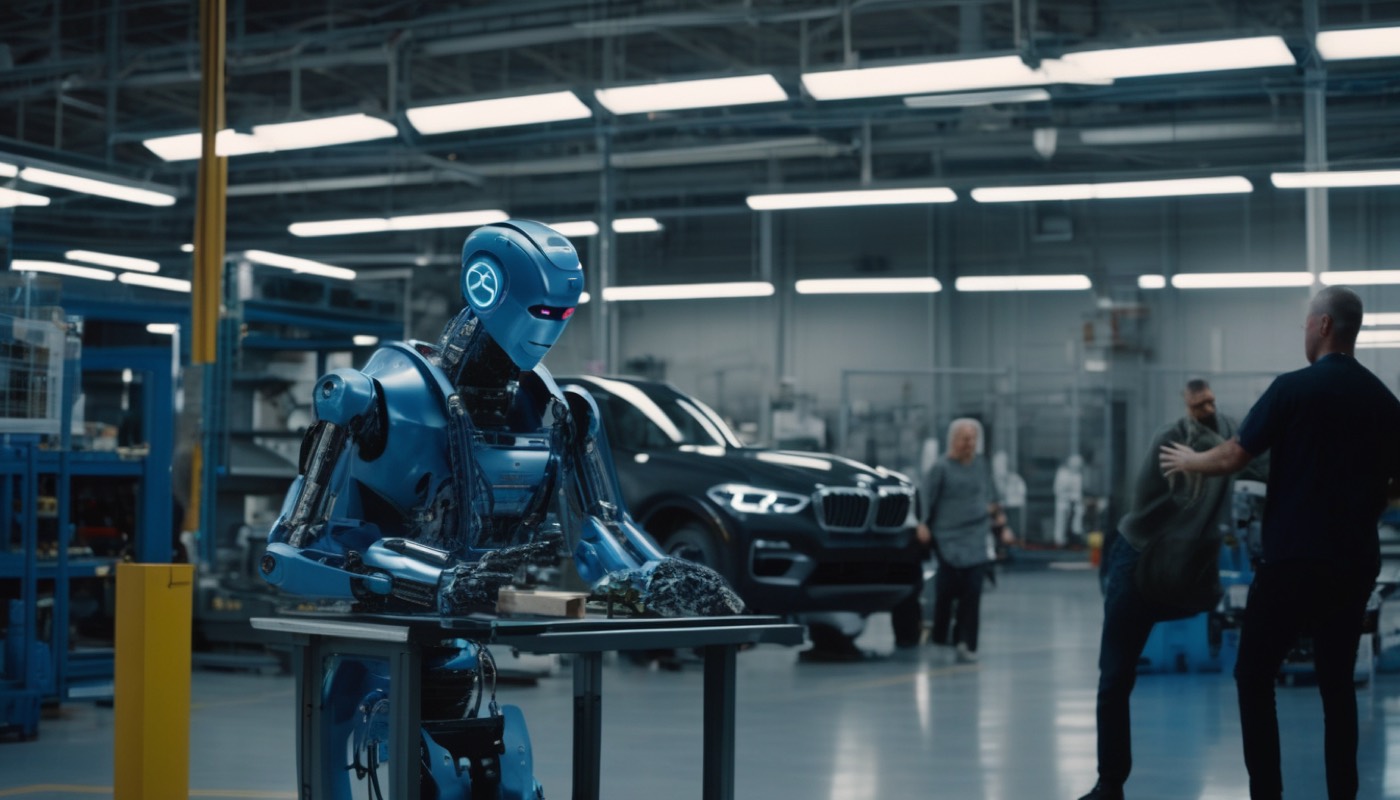
On BMW's line in Spartanburg, South Carolina, a Figure 03 humanoid robot lifts a part from a bin and sets it onto a sequencing trolley, ready for the next stage of assembly. It looks exactly like a worker doing a job. The question this video keeps coming back to is whether that is actually true.
This is a real humanoid robot working a real shift on BMW's own production floor, not a demo clip filmed once and never repeated. BMW has had Figure's robots running at Spartanburg since late 2024, and in 2026 it brought in a newer model for a harder job.
Coverage of this industry has swung between two extremes: claims that machines like this are already workers, and warnings that every public clip is the best few seconds pulled from hours of failure. Both can be true at once, and this video weighs them chapter by chapter. It covers how a humanoid robot walks and grips, the software that lets it follow a spoken instruction, and what three very different companies are actually doing with that technology on real factory floors right now.
Lab demonstrations in 2024 gave way to the first real factory trials in 2025 — Figure at BMW, an early internal test of Tesla's Optimus, Unitree's first shipments. By 2026, all three companies were making production-scale claims, which this video checks against what each factory floor actually shows.
By the end, you will know what a humanoid robot can actually do on a production line today, in late 2026 — and what each of these companies still has to prove.
2. How it walks
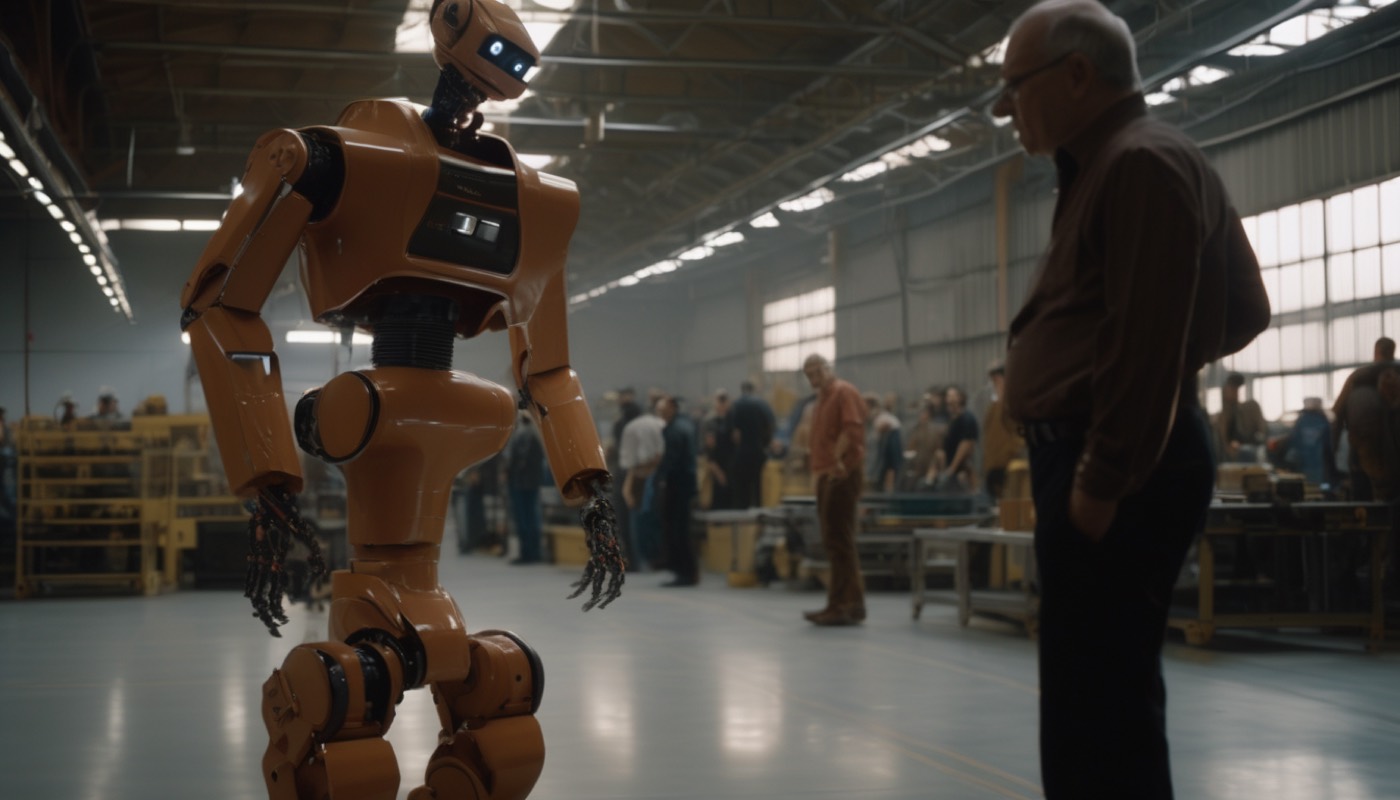
Before a humanoid robot can do any job, it has to stay upright — and that turns out to be most of the engineering.
A walking robot balances the way a tightrope walker does: by constantly sensing which way it is tipping, and correcting before it falls. Sensors in the feet and torso measure that tilt many times a second, and the correction is sent to the robot's actuators — the motors inside each joint that turn a signal into a push or a turn.
An actuator is simply the part that does the moving. A humanoid needs dozens of them, roughly one for every joint a person has, from hip to ankle to toe. Get the timing wrong on even one of them, and the whole machine tips.
Balance control repeats three steps, over and over, every fraction of a second. It senses which way the robot is drifting. It computes the correction needed. Then it sends that correction to the actuators, before the robot tips too far to recover.
That loop is why a humanoid robot can cross an uneven factory floor, catch itself after a stumble, and carry a load without toppling — all without a person steering it.
3. How it grips
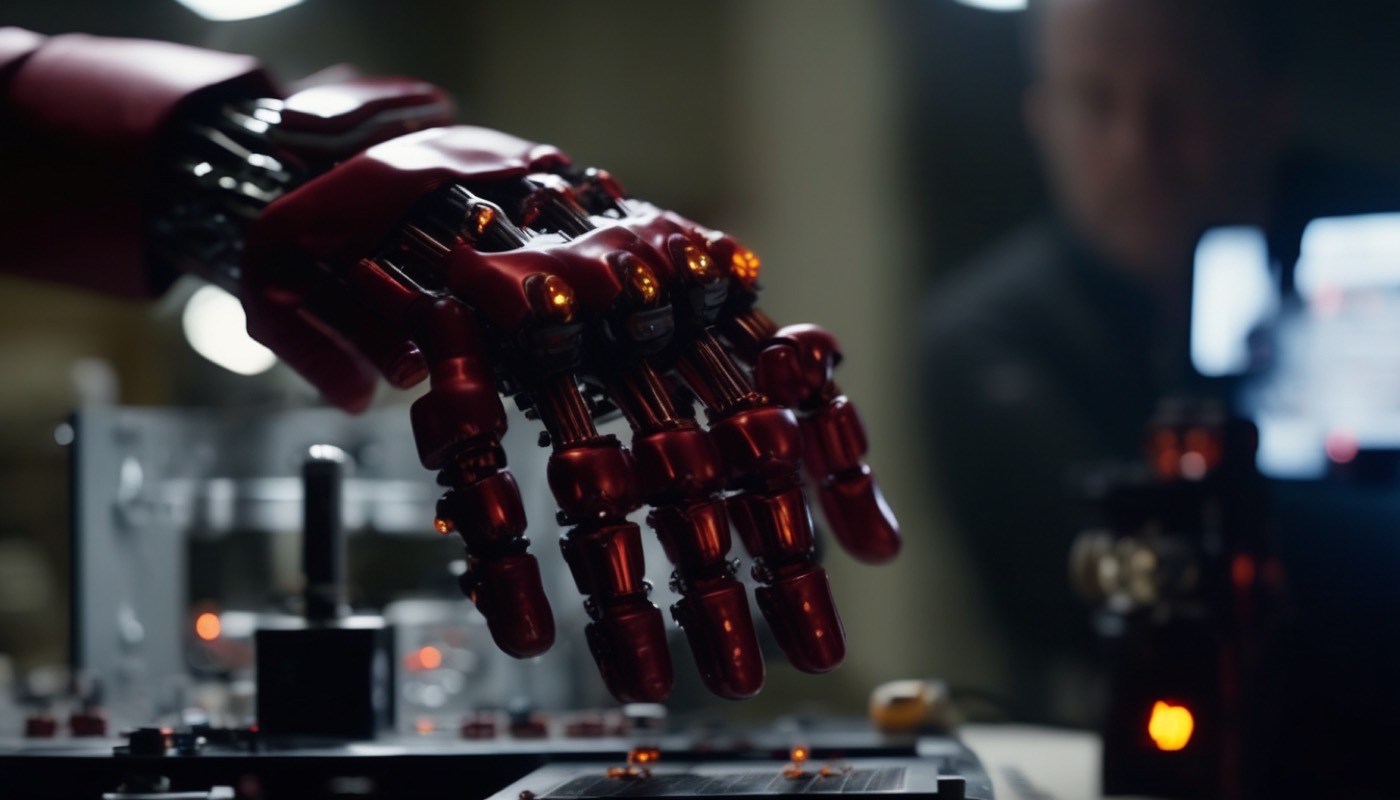
Walking gets a humanoid robot to the part. Gripping decides whether it can actually do anything with it once it's there.
Most factory grippers use two or three fingers, driven by small motors, with sensors built into the fingertips that measure how hard they are squeezing. That force sensing stops the robot from crushing a plastic clip or dropping a metal bracket, adjusting its grip in real time the way a person tightens or loosens their hold without thinking about it.
Dexterity is the harder problem: rotating an object in the fingers, feeling its shape, adjusting blind the way a human hand does. Most factory-robot hands still cannot do that reliably. A hand that usually lifts a bracket cleanly can still fumble occasionally, and on a moving line, one fumble is enough to stop the whole process.
A gripper built for one job — lifting a known bracket from a known bin, at a known angle — is simpler and far more reliable than a general-purpose hand that has to recognise whatever is put in front of it. Most of today's factory deployments use the simpler kind.
That distinction, a purpose-built hand against a general-purpose one, comes up again and again in this video — it is the clearest sign of how far a robot's "autonomy" really goes on a real line.
4. The brain: from fixed code to spoken instruction
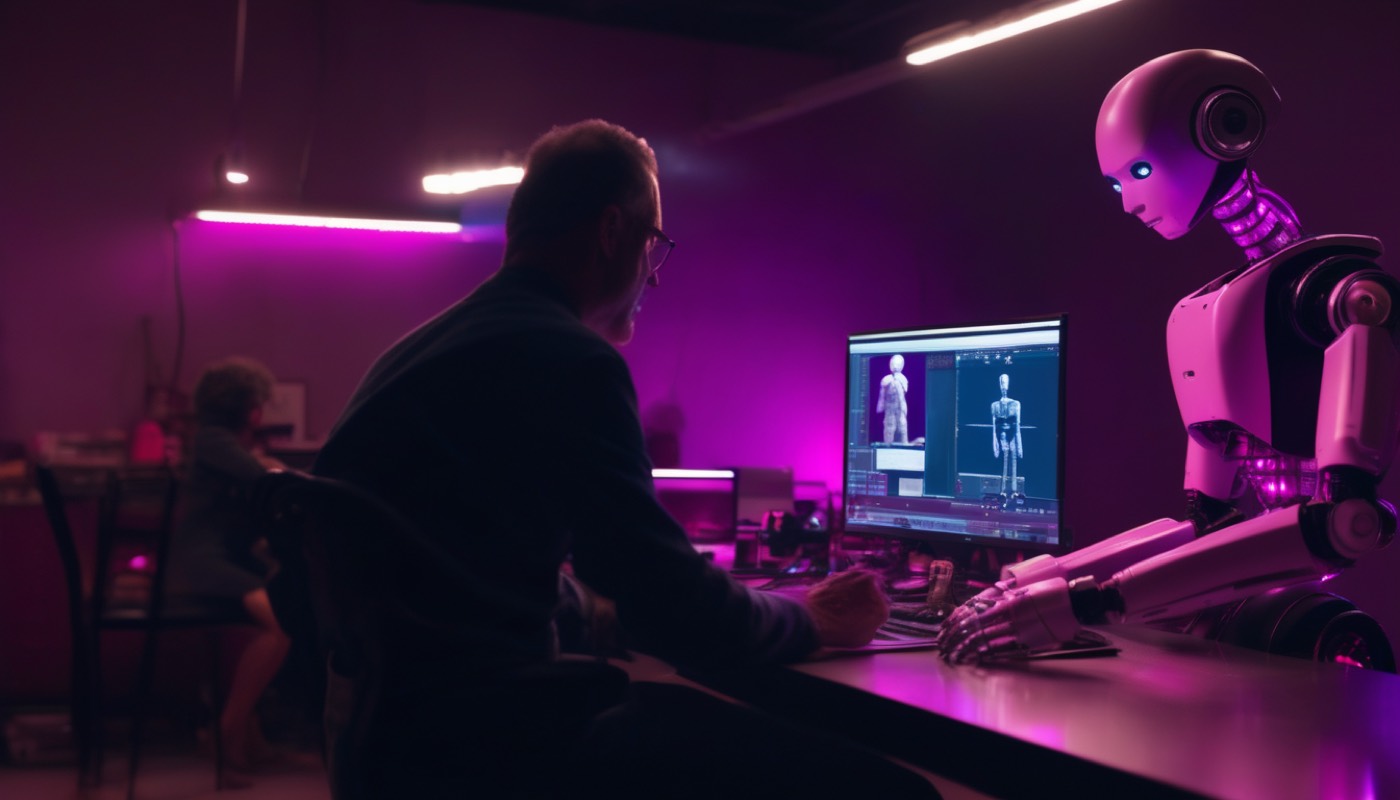
Walking and gripping are old problems in robotics. What is new is the part that decides what to do next.
A vision-language-action model's pipeline runs in three steps. A camera captures what is in front of the robot. The model interprets that image alongside a spoken instruction. Its own output then drives the robot's actuators directly, with no fixed script sitting in between.
Until recently, a factory robot ran one fixed program, in the same order, forever. A vision-language-action model is the AI that lets it work differently: it takes in a camera image and a spoken instruction, and produces a physical action directly, instead of running code written for one task alone. Tell an older robot to pick up the blue part instead of the red one, and it cannot — tell a robot running one of these models, and in principle it can.
That change means the same robot body can be redeployed to a new task by being told what to do, rather than being reprogrammed by an engineer line by line. It also means a mistake can come from the model misreading the instruction, not just from a broken part.
That is the theory. How far it has actually reached a real factory floor is the rest of this video.
5. Figure at BMW: the Spartanburg trial
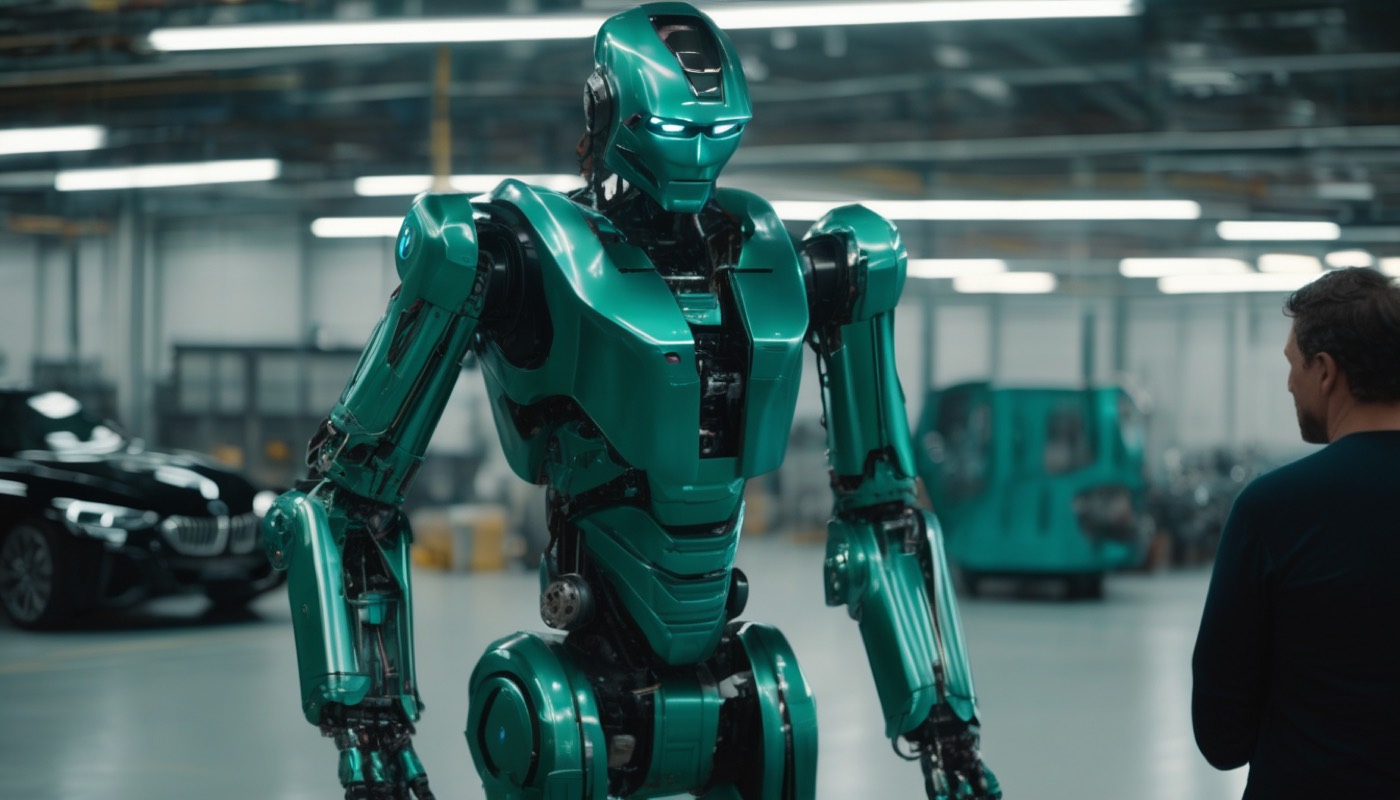
Figure AI's robots have the longest continuous record of any humanoid maker inside a real factory, and BMW's plant in Spartanburg, South Carolina is where that record was built.
Figure's second-generation robot, Figure 02, worked ten-hour shifts in BMW's Spartanburg body shop. That run lasted about eleven months, ending in November 2025. BMW and Figure both say the robots contributed to the production of more than thirty thousand BMW X3 units over that time.
Eleven months of shift work is long enough to show whether a robot holds up to a real production schedule, not just a single filmed afternoon. Figure also says the robots loaded tens of thousands of sheet-metal parts over that run, shift after shift, without the task ever changing. That is a vendor-reported detail, but it matches the kind of repetitive job this generation of robot is actually built for.
In 2026, BMW brought a newer model, Figure 03, into Spartanburg for a different job: picking parts from unsorted bins and loading them onto trolleys in the exact order the next stage of the line needs them.
Moving a robot from body-shop assembly to a harder, more varied logistics task, inside the same plant, is the clearest sign yet that BMW sees more than a single staged trial here.
6. Figure's own numbers
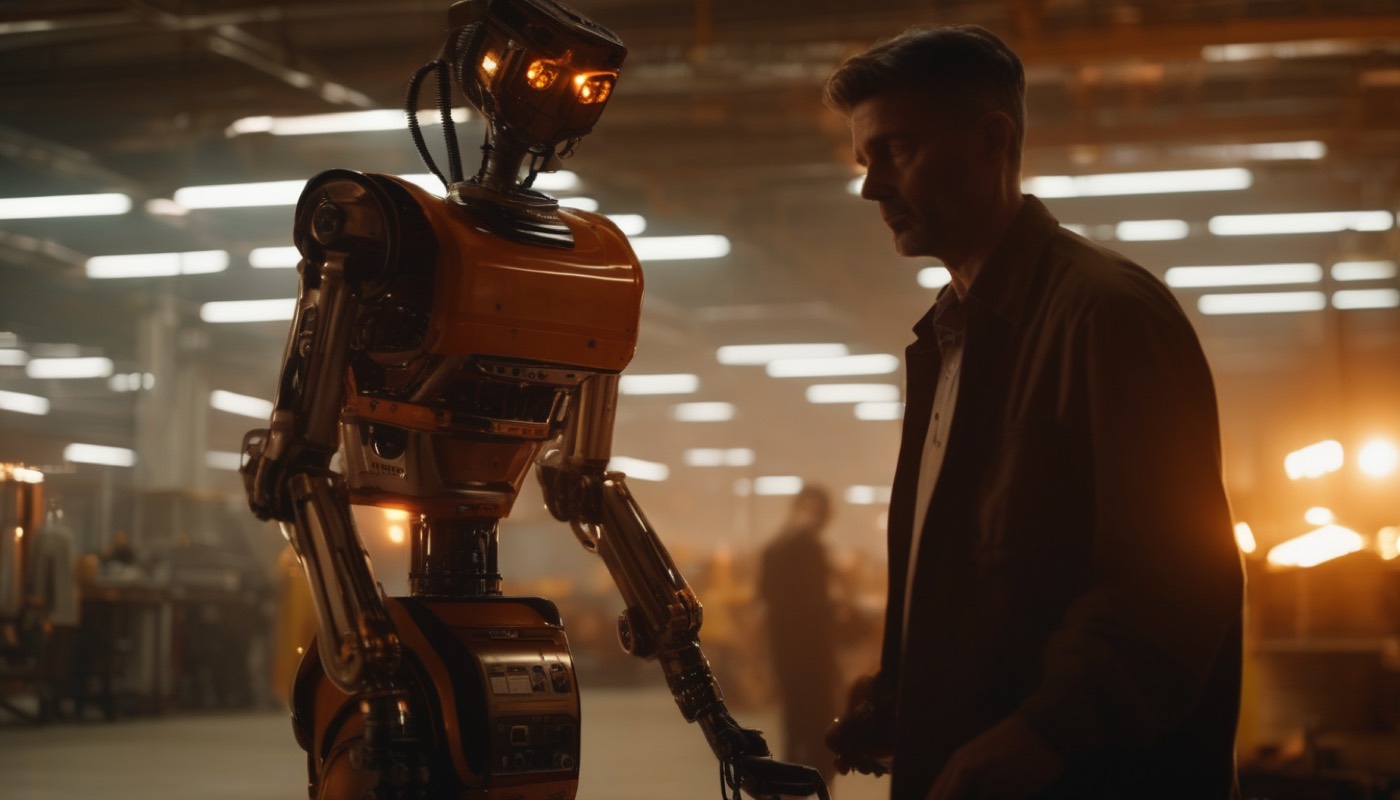
Figure has put detailed numbers on that Spartanburg run, and they are worth taking seriously — and worth treating with some caution, because every one of them is Figure's own.
None of Figure's Spartanburg figures have been independently audited. They are the company's own account of its own deployment, reported by the business that benefits from the robots looking good.
That does not make the numbers false. It means they should be read as a vendor's claim, not as a verified fact, until an outside party checks them. This video also found another headline figure, a cost-per-hour claim, attached to Figure's deployments in several places online. It could not be confirmed directly in the article usually cited for it, so it is left out here entirely rather than repeated on trust.
Figure reports placement accuracy above ninety-nine per cent on the Spartanburg logistics task. It also says each robot costs roughly ninety to a hundred thousand dollars, paid back in eighteen to twenty-four months.
Placement accuracy means how often the robot puts a part exactly where the line needs it, out of every attempt it makes. A task performed the same way many thousands of times, at a cost and accuracy its own maker reports, is real progress — it is not yet independent proof the same robot could do a different job just as well.
7. Optimus inside Tesla's own plants
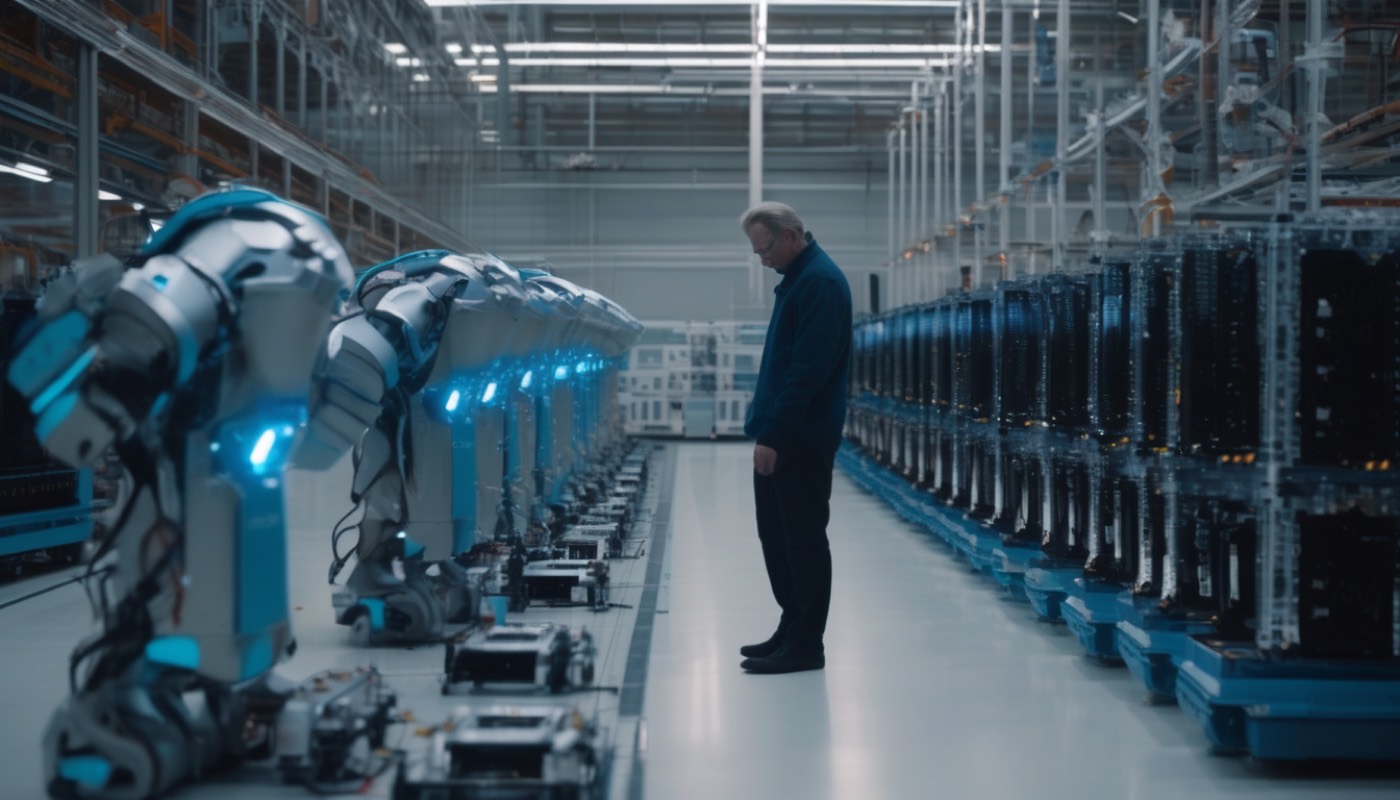
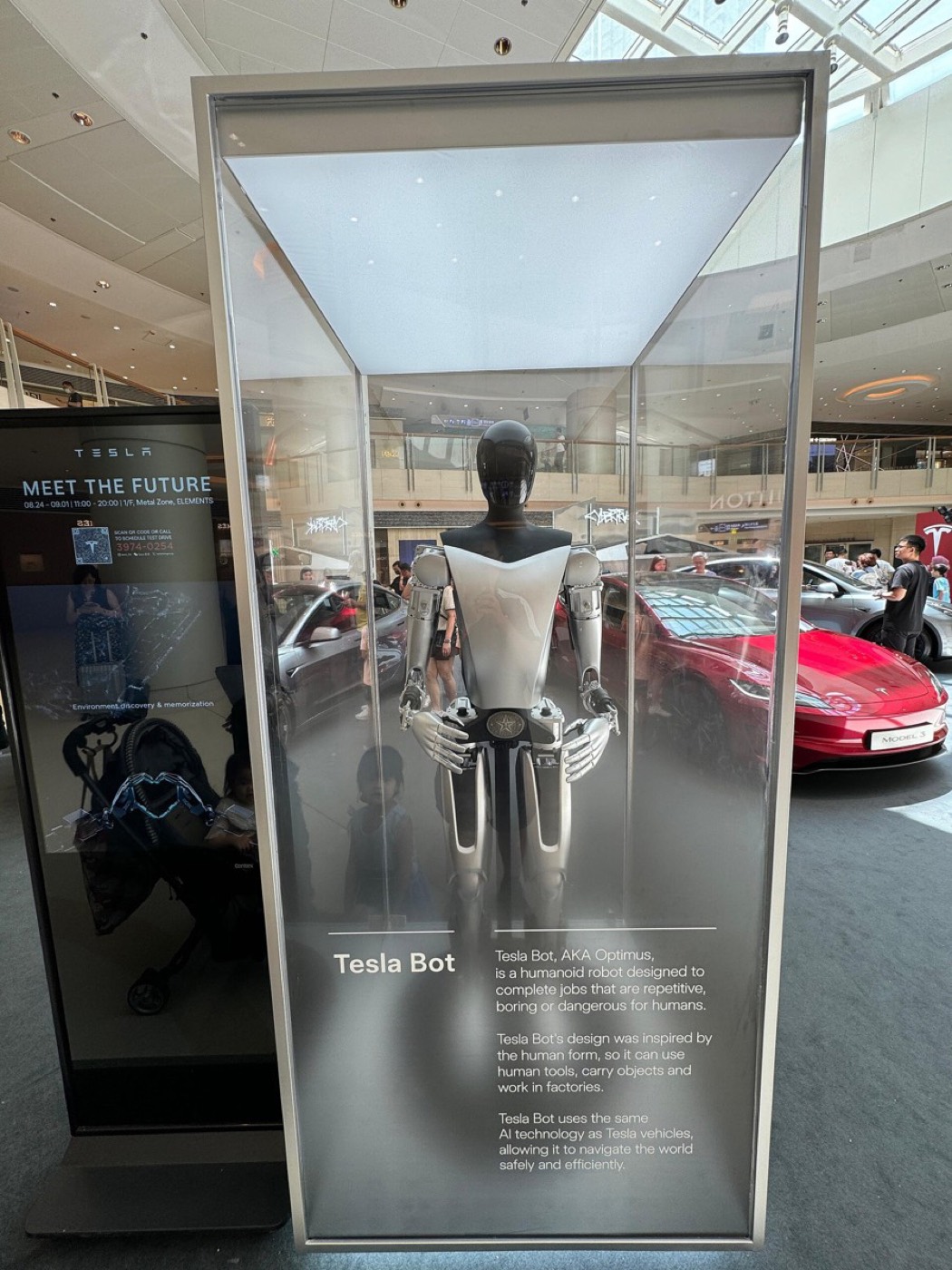
Tesla is not selling or leasing its humanoid robots to anyone else yet. It is testing them inside its own factories first.
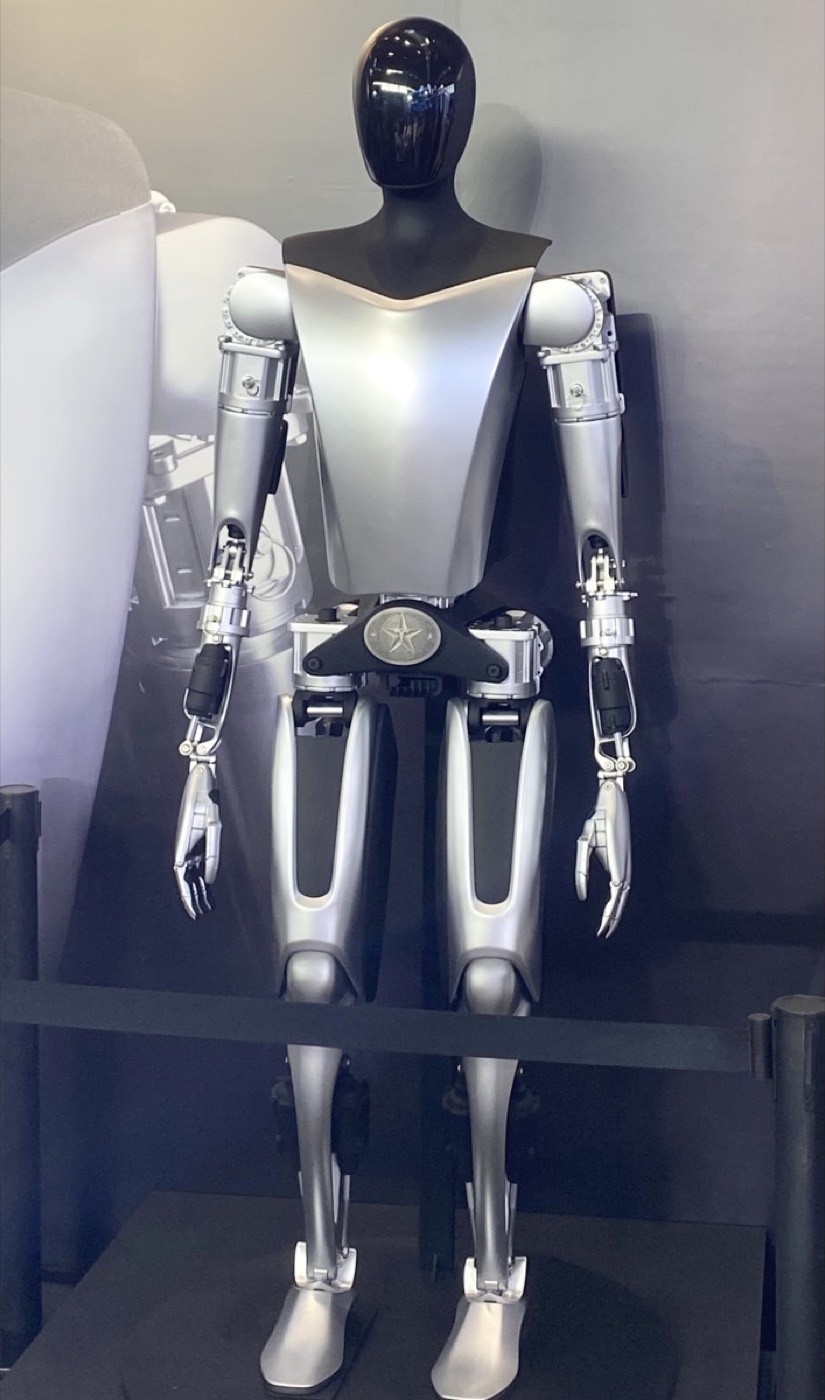
This is Tesla's Gen 3 Optimus, the version now running trials inside Tesla's own plants rather than on a stage or a trade-show floor.
Inside Fremont, California and Giga Texas, Austin, engineers have Optimus doing three kinds of work. It sorts battery cells. It kits parts into sets for assembly. And it handles general parts movement around the floor.
Tesla has publicly targeted building fifty to a hundred thousand Optimus units in 2026. How many of those are actually working inside Tesla's own plants, rather than sitting in testing and development, is a smaller and less settled number. Building a robot and putting it to reliable daily work on a line are two different achievements, and Tesla's own public figures mostly describe the first one.
This closer view shows the same Gen 3 design: the hands, the torso, the sensor cluster in the head, built for Tesla's own factory floor rather than for sale to another company.
Unlike Figure's arrangement with BMW, these are Tesla's own robots, in Tesla's own buildings, judged so far mostly by Tesla's own account of how useful they are.
8. Musk's own caveat

Tesla's own chief executive has been the clearest voice yet on how far that in-house testing has actually gone.
Before Musk's own account, it is worth being honest about what is not yet confirmed: no independent source has verified exactly how many Optimus units are actually working inside Tesla's plants today, as opposed to being tested or developed.
This photograph shows Elon Musk, Tesla's chief executive, photographed in 2022 — years before Optimus reached a factory floor at all.
On Tesla's Q4 2025 earnings call, held in January 2026, Musk told investors: "It's not in usage in our factories in a material way." He described Optimus as still being in its early research-and-development phase, not yet doing work Tesla counts as production.
That is Tesla's own chief executive, on the record, saying the robots inside Tesla's own plants are not yet doing real, counted work.
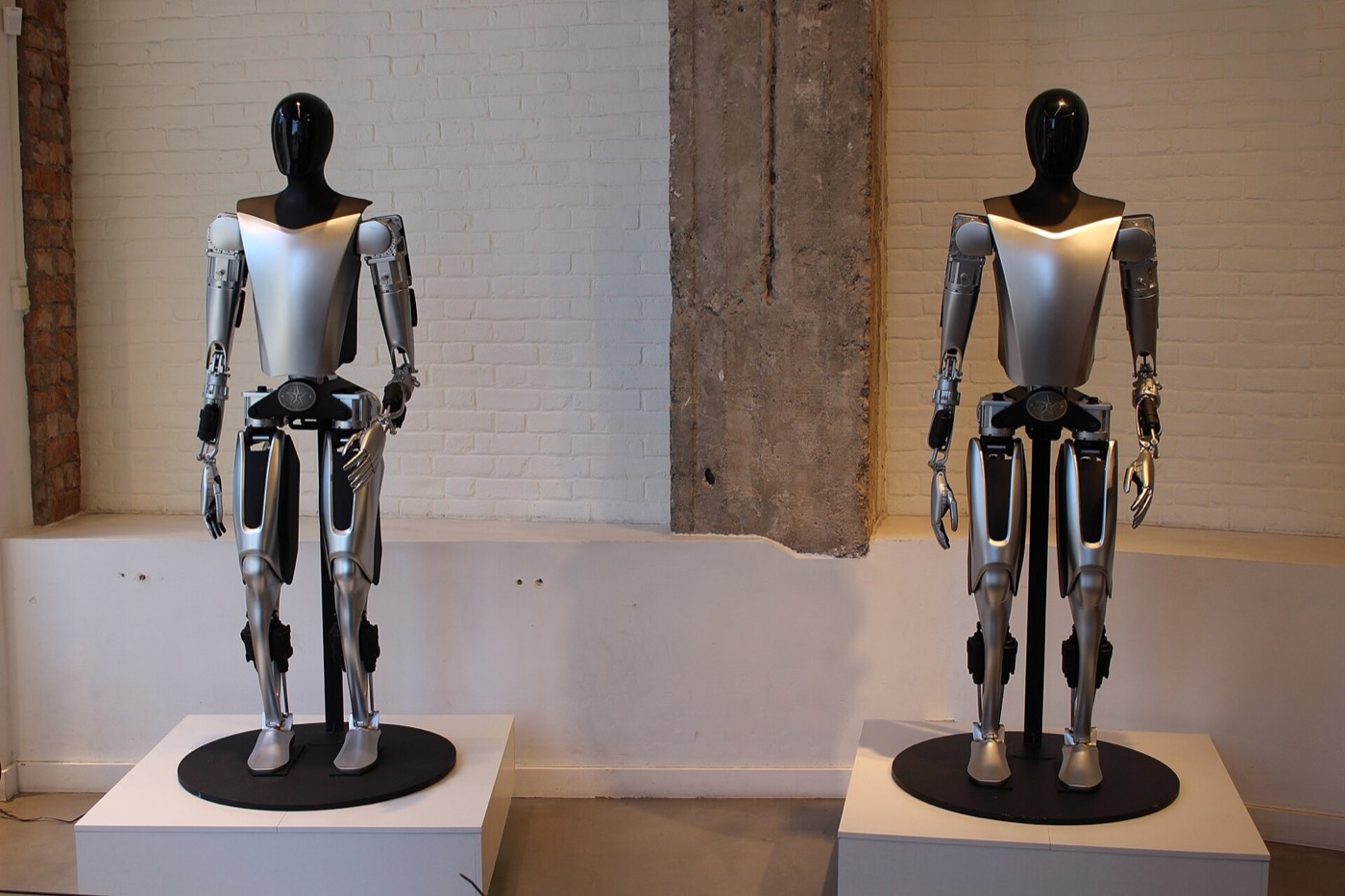
This photograph shows an Optimus unit on public display — the same generation of robot Musk was describing as still an internal test, not yet a finished product.
Musk's comment does not mean Optimus is failing at its tasks. It means Tesla itself is not yet counting the robots as a working part of its factories — by its own founder's account, they are still a test running alongside production, not production itself.
9. Unitree's volume play
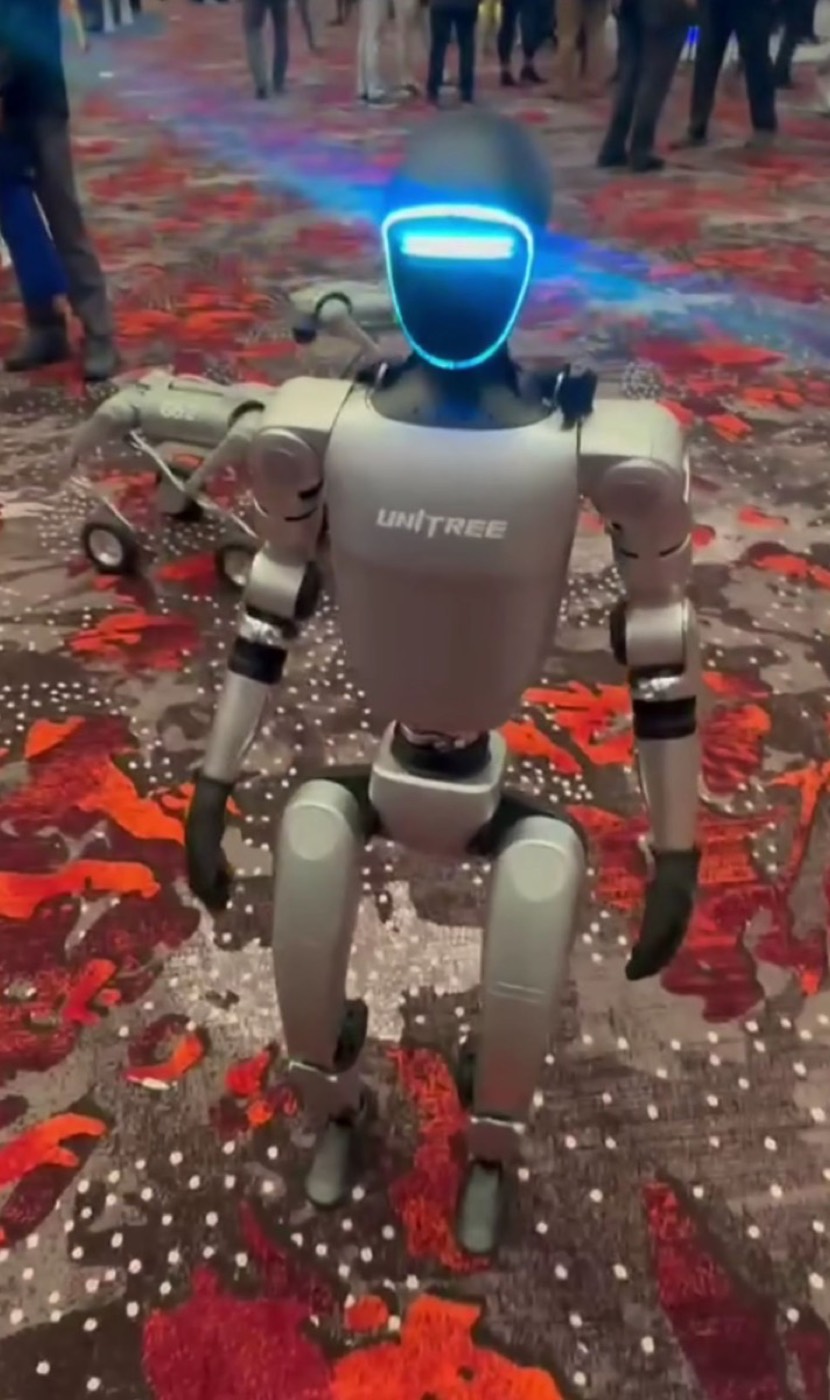
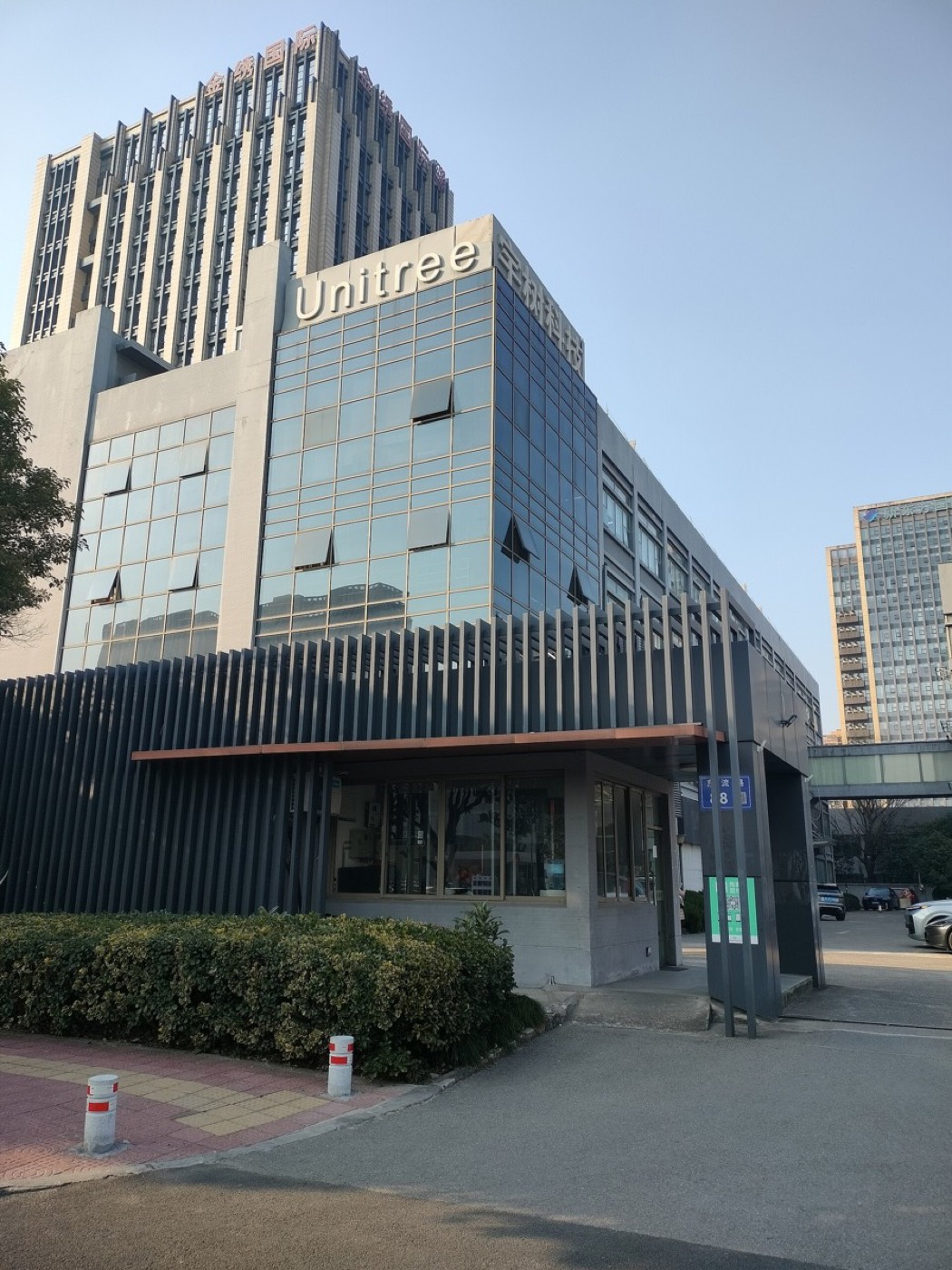
While Figure and Tesla run trials inside single plants, a third company is making a very different bet: just build a lot of robots.
Unitree, based in Hangzhou, China, shipped about five thousand five hundred humanoid robots in 2025. Its chief executive, Wang Xingxing, has set a target of ten to twenty thousand units for 2026. That is a range because the company has not committed to one exact figure yet.
That is a hardware-volume strategy: sell robots as a product, in bulk, rather than selling a robot's labour by the hour the way Figure does at BMW. It bets that getting many machines into the world, even doing simpler jobs, teaches a company more than perfecting one machine on one line.
This is Unitree's G1, shown at a trade expo in 2024 — a smaller humanoid than Figure's or Tesla's factory robots, built to be sold in volume.
Those 2025 shipment numbers made Unitree the highest-volume humanoid robot maker in the world that year, ahead of every Western competitor on unit count. Its robots are, on average, doing narrower tasks than Figure's or Tesla's.
This is Unitree's headquarters in Hangzhou, where that volume strategy is built and shipped from.
Three different bets on how a humanoid robot actually reaches a factory floor — and the next chapter puts all three side by side.
10. Three companies, three bets
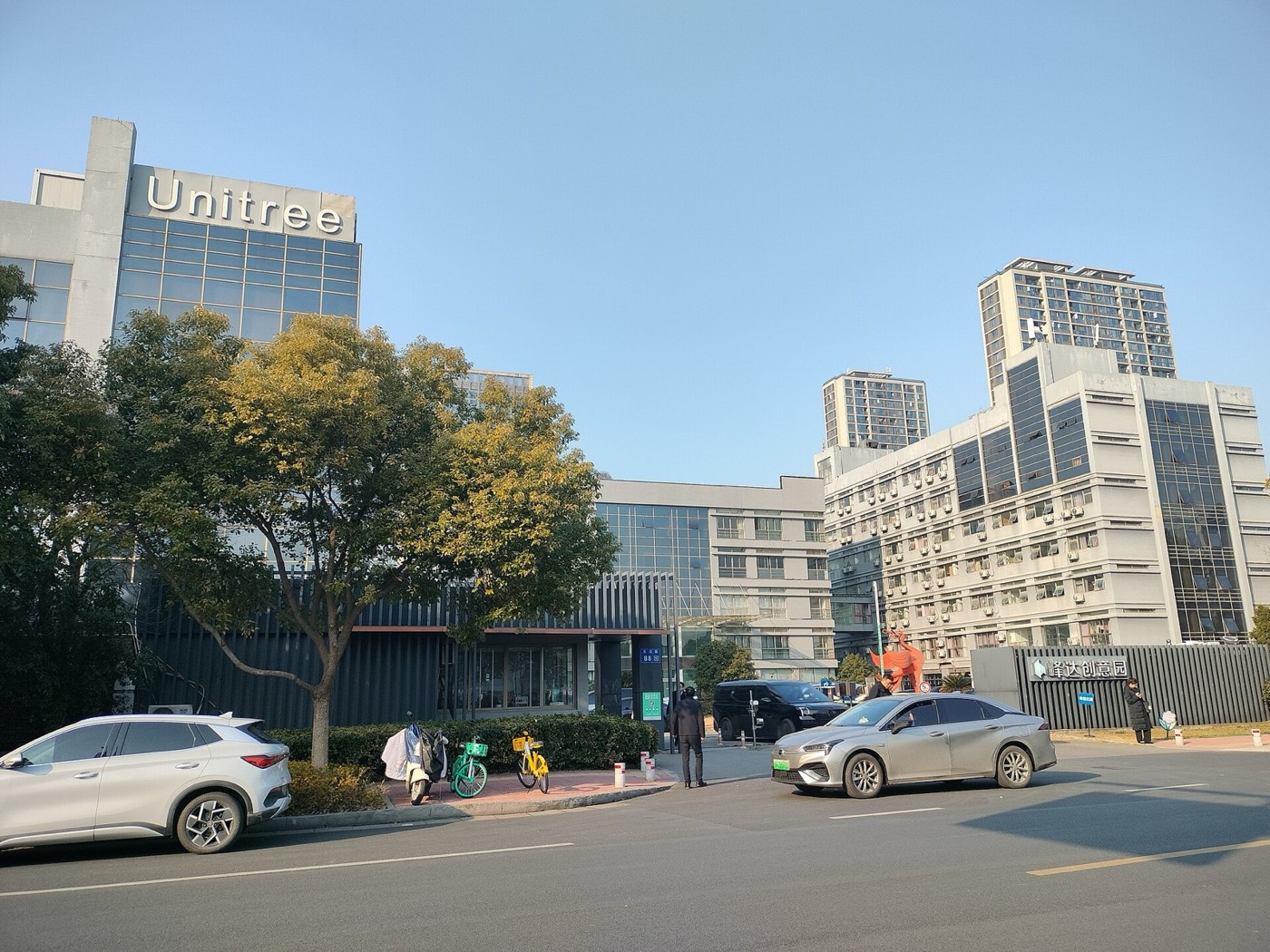
Three companies, three different theories about how a humanoid robot actually reaches a factory floor.
Figure sells its robots as a labour service, billed by the hour, the way a staffing agency sells a worker's time. Tesla keeps its robots inside its own plants, folding them into its own manufacturing. Unitree sells hardware in volume, the way any equipment maker sells a machine outright.
No single strategy has proven itself yet. Figure has the longest real deployment and the narrowest task. Tesla has the deepest pockets and, by its own chief executive's account, the least finished result so far. Unitree has shipped the most robots and arguably assigned them the least ambitious jobs. Each company is, in effect, running its own separate experiment, and 2026 is the first year all three have enough real-world data to be judged against each other at all.
This second view of Unitree's Hangzhou building is a reminder that, of these three companies, this is the one betting hardware volume will win before full autonomy does.
11. What the numbers leave out
Every number in this video so far has come from a company describing its own robots. None of them tell you how much of the "autonomy" is actually a person, somewhere else, helping.
Unitree's own chief executive, Wang Xingxing, said in August 2026 that what some call a ChatGPT moment for humanoid robots could still take years to arrive. That moment is the point where a robot handles open-ended tasks reliably, not just a narrow, trained-for job. Progress could reach it faster, Wang said, or much slower — and that is a striking admission from the maker shipping the most units.
Teleoperation means a human operator, often working from elsewhere, guiding a robot's movements directly rather than the robot deciding on its own. Several of today's deployments still lean on some of it, especially for tasks a robot has not been trained on. None of the three companies in this video publish what share of their robots' working hours is teleoperated, which makes it the single hardest figure in this whole story to check.
Controlled environments, remote human help, and teleoperation are the three things today's accuracy and cost figures tend not to break out separately. A ninety-nine per cent accuracy figure says nothing about how often a remote person stepped in to stop the other one per cent from failing.
That gap, between a number a company reports and the mix of robot and human effort behind it, is the single biggest thing separating today's trials from a genuinely autonomous worker.
12. Verdict: worker or costume?
So: real worker, or expensive costume? The honest answer, in late 2026, is somewhere in between — and depends on which company you ask.
For 2027 to make a genuinely general-purpose humanoid worker real rather than aspirational, three things would need to change. Tasks would need to vary without reprogramming. Accuracy figures would need remote human help broken out separately. And at least one company would need numbers an outside auditor had actually checked.
Until that happens, the clips coming out of Spartanburg, Fremont, Giga Texas and Hangzhou are real — they are just showing you a narrow slice of a much bigger job. None of that is a reason to dismiss what these three companies have built so far; it is a reason to read their own numbers carefully, chapter by chapter, the way this video just has.
This video's answer: humanoid robots are doing real, scheduled, repeated work on real production lines today. That part is no longer staged. What they are not yet doing is the open-ended, any-task-you-hand-them work of a human employee — call that a worker in training, not a worker.
Whether that changes by 2027 is the one figure none of these three companies can simply report. It will have to be shown, not claimed.
Sources and credits
Photo credits (Wikimedia Commons)
- Tesla Optimus humanoid robot, exhibition photo: Benjamin Ceci, Public domain - https://commons.wikimedia.org/wiki/File%3AOptimus_Tesla.jpg
- Tesla Optimus humanoid robot on display, Stockholm: Ulkl, Public domain - https://commons.wikimedia.org/wiki/File%3AStockholmOptimus01.jpg
- Tesla Optimus humanoid robot, close view: X120412, CC0 - https://commons.wikimedia.org/wiki/File%3AOptimus_HK.jpg
- Elon Musk, Tesla CEO, speaking at U.S. Air Force Academy, April 2022: U.S. Air Force / Trevor Cokley, Public domain - https://commons.wikimedia.org/wiki/File%3AElon_Musk_Colorado_2022_%28cropped2%29.jpg
- Unitree G1 humanoid robot at UAV Expo 2024: Sayanesy, CC0 - https://commons.wikimedia.org/wiki/File%3AUnitree_G1.jpg
- Unitree Robotics company building, Hangzhou: Huandy618, CC0 - https://commons.wikimedia.org/wiki/File%3AUnitree_Building_01.jpg
- Unitree Robotics company building, Hangzhou (second view): Huandy618, CC0 - https://commons.wikimedia.org/wiki/File%3AUnitree_Building_02.jpg


Primary sources
- Figure AI newsroom, 'F.02 Contributed to the Production of 30,000 Cars at BMW,' figure.ai, ~19 November 2025 (vendor-reported) - the 11-month Spartanburg run and 30,000+ X3 units.
- Interesting Engineering, 'Figure humanoid robots retire bruised after 11 months of work at BMW,' 25 November 2025; RepairerDrivenNews, 25 November 2025.
- BMWBLOG, 'BMW Figure 03 Humanoid Robot Joins Spartanburg Plant,' 26 June 2026; BMW Group press release, press.bmwgroup.com, article T0458778EN - Figure 03's 2026 logistics role.
- iiot-world.com, 'Physical AI Deployment ROI: BMW's 30,000-Car Proof,' ~13 April 2026 - Figure's 99%+ placement accuracy, $90,000-$100,000 unit cost and 18-24 month payback (vendor-reported).
- Motley Fool, 'Tesla (TSLA) Q4 2025 Earnings Call Transcript,' fool.com, 28 January 2026; Electrek, 'Musk admits no Optimus robots are doing useful work at Tesla,' 28 January 2026 - Musk's verbatim quote.
- Gasgoo Autonews, 'Unitree Announces Over 5,500 Humanoid Robot Shipments,' January 2026; South China Morning Post, Unitree 2025 shipment coverage.
- SCMP and eWeek, Unitree's 10,000-20,000 unit 2026 target, citing CEO Wang Xingxing.
- PR Newswire/Bennington Banner, 'Unitree Ranks No.1 Globally in Humanoid Robot Shipments, Exceeding 5,500 Units in 2025' (vendor-reported, independently corroborated).
- CNBC, 'Humanoid robots' ChatGPT moment could be 10 years away, Unitree founder says,' 20 August 2026.
Not regulated financial advice.