
North Korea's Nuclear Arsenal: How Big Is It Now?
On 24 September 2026, North Korea's foreign minister said the country will keep its nuclear weapons "through all ages" and called that status irreversible. Four days earlier it had fired two ballistic missiles into the sea off its east coast. This video asks whether thirty years of sanctions and diplomacy ever actually slowed North Korea's nuclear programme, or whether it has simply outrun every attempt to stop it.
It follows the programme from its Soviet roots - scientists sent to train at Dubna in 1956, the Yongbyon research reactor the USSR supplied in 1965 - through the secret plutonium reprocessing that triggered the first nuclear crisis in 1993, the 1994 Agreed Framework that froze it for eight years, and its collapse in 2002-2003 when North Korea expelled IAEA inspectors and withdrew from the Non-Proliferation Treaty for good.
Then six nuclear tests between 2006 and 2017, the 2018 Singapore and 2019 Hanoi summits between Donald Trump and Kim Jong Un that produced statements but no dismantlement, and the satellite-only picture the IAEA has worked from since inspectors left in 2009 - including the new Yongbyon enrichment building, able to house up to 28 centrifuge cascades, that the IAEA reported on 28 August 2026.
It lays out why SIPRI, South Korea's defence ministry and Donald Trump do not agree on how many warheads North Korea actually has, looks at the Hwasong-19 and the untested Hwasong-20 ICBMs, and asks what twenty years of UN sanctions resolutions have actually achieved against ship-to-ship transfers, eroded Chinese and Russian enforcement, and over $6.7 billion in North Korean state-linked cryptocurrency theft.
The verdict: not that diplomacy achieved nothing, but that nothing it achieved has lasted.
Educational documentary. Not financial or investment advice.
In these topics
Chapters
- The 2026 flashpoint
- Soviet roots, 1956-1965
- Secret reprocessing and the first crisis, 1980s-1993
- The Agreed Framework, 1994
- Collapse and withdrawal, 2002-2003
- Six tests, six years of missiles, 2006-2017
- The Trump-Kim summits, 2018-2019
- Yongbyon and Kangson today
- How many warheads, really
- The missile arsenal
- Sanctions: did they work?
- Verdict: outrun or contained?
Video notes
1. The 2026 flashpoint
On the twenty-fourth of September twenty twenty-six, North Korea's foreign minister stood in front of a KCNA camera and said something final.
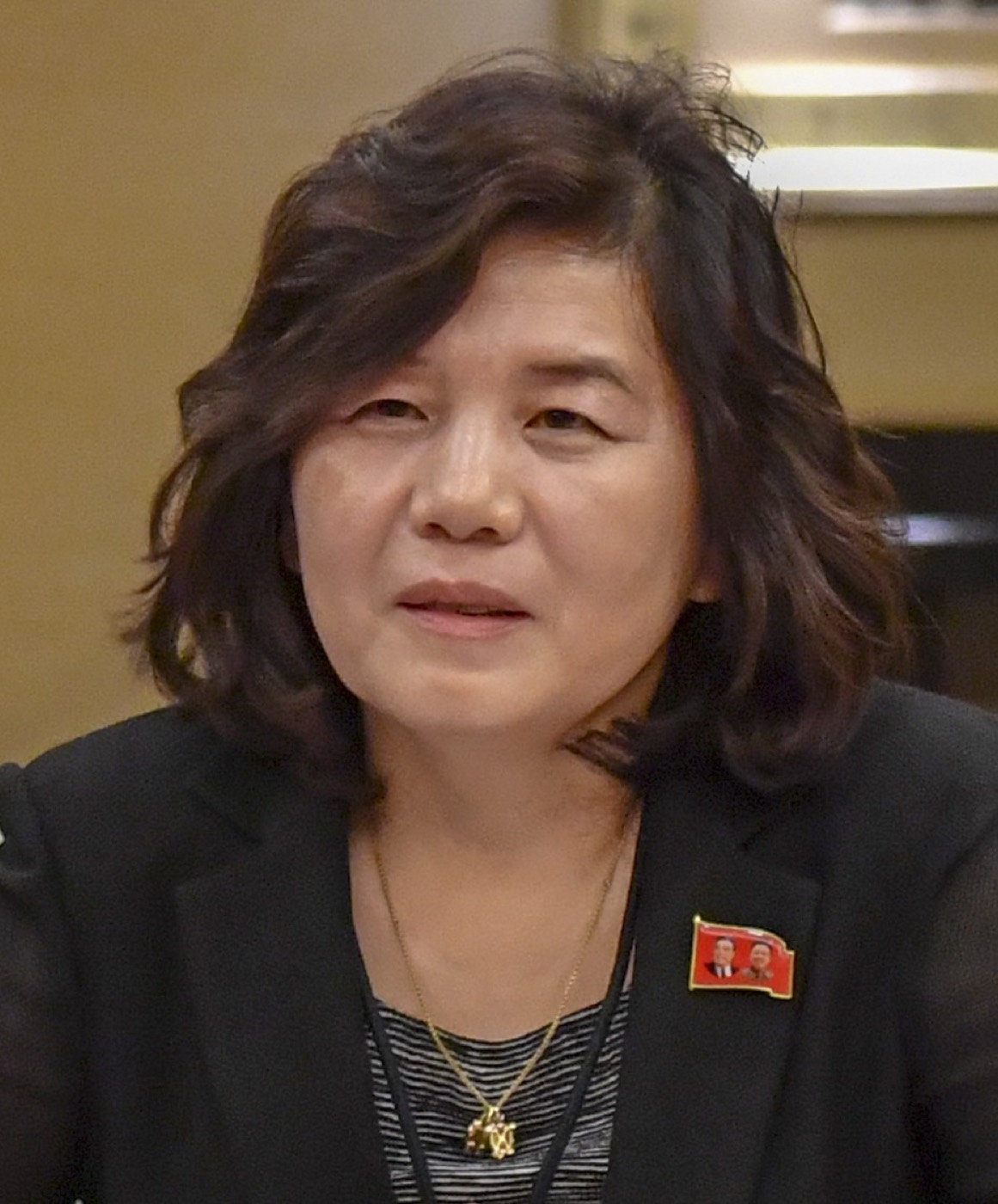
"I reaffirm and reconfirm in the strongest tone of voice the steadfast will of our state to keep nuclear weapons through all ages, which is irreversible in any case and will remain unchanged forever." Her name is Choe Son Hui, North Korea's foreign minister.
This photograph shows Choe Son Hui meeting American officials in an earlier role. By September 2026 she was North Korea's foreign minister, delivering the government's clearest statement yet that the nuclear arsenal is not on the table in any negotiation.
Four days earlier, North Korea had fired two short-range ballistic missiles from Wonsan, three hours apart. Both fell into the sea, outside Japan's economic waters.
Japan's defence ministry tracked both flights. The first reached about sixty kilometres of altitude and flew about four hundred and forty kilometres. The second went higher and further still, at seventy kilometres and five hundred and ninety kilometres.
Both missiles launched from Wonsan, on North Korea's east coast, and came down in the sea between there and Japan. Neither crossed into Japan's own waters. That is close enough to be noticed and far enough to stop short of a direct confrontation.
Neither event, on its own, was unusual. North Korea has fired missiles for decades, and its officials have said similar things before. What is different in twenty twenty-six is the sheer weight of everything sitting behind those two statements.
This video asks one question. For thirty years the world has used sanctions and summits to try to stop this programme, or at least slow it. Has that effort actually worked? Or has North Korea now simply outrun it?
To answer that, we have to go back to the beginning, long before there was a bomb to argue about.
2. Soviet roots, 1956-1965
North Korea's nuclear story starts with the Soviet Union, and it starts earlier than most people assume.
In 1956, North Korea signed an agreement that sent its scientists to study at a Soviet nuclear research centre in the town of Dubna. That is where the first generation of North Korean nuclear scientists was trained, more than a decade before the country had a single reactor of its own.
A further agreement in 1959 set up technical cooperation between the two countries, and construction began on a dedicated nuclear research site north of Pyongyang, at a town called Yongbyon.
Dubna sits deep inside Russia, north of Moscow. Yongbyon is the site those Dubna-trained scientists came home to build. Knowledge travelled a long way before the first reactor ever existed.
The Soviet Union supplied a small research reactor, the IRT-2000, which began operating at Yongbyon in 1965. It was built for research and for producing medical and industrial isotopes. It was not designed to make weapons material, but it gave North Korean engineers their first hands-on experience of running a reactor.
That experience mattered more than the reactor itself. Within two decades, North Korean engineers would design and build a second reactor at the same site, on their own, with a very different purpose.
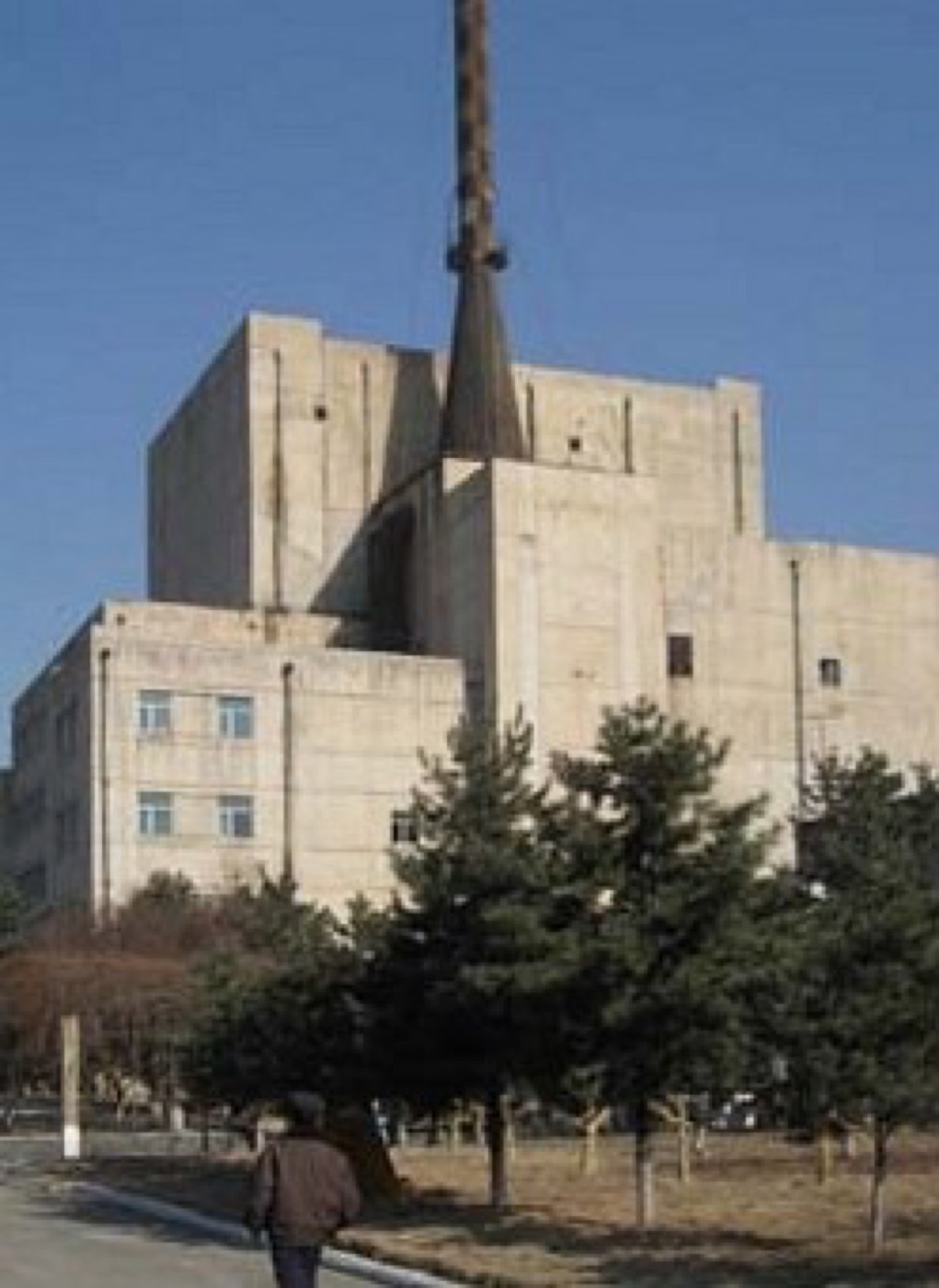
This photograph shows Yongbyon's five-megawatt reactor. It is not the Soviet one. It is the plutonium-production reactor North Korea built for itself, a generation later, using what that Soviet-era training had taught its engineers.
3. Secret reprocessing and the first crisis, 1980s-1993
North Korea joined the Nuclear Non-Proliferation Treaty in 1985, under pressure from Moscow. The treaty requires a member to let the International Atomic Energy Agency inspect its nuclear sites.
Moscow pushed North Korea into the treaty. Washington is where the crisis was eventually talked down, in direct negotiations once the withdrawal threat was made. Neither place is where the actual plutonium sat.
North Korea delayed signing the actual safeguards agreement for seven years, and its own five-megawatt reactor at Yongbyon started running in 1986 while that argument dragged on.
When inspectors finally got access in 1992, they found a mismatch. North Korea had declared reprocessing plutonium only once. The evidence pointed to several separate batches. Reprocessing is the chemical step that pulls plutonium out of a reactor's used fuel, and the IAEA's own numbers did not match what North Korea had told them.
The agency asked to inspect two further sites it suspected were built to hide the evidence. North Korea refused, and in March 1993 it announced it would withdraw from the treaty altogether.
That announcement was the first North Korean nuclear crisis. A member walking away from the Non-Proliferation Treaty, with an unresolved question about plutonium still open, was something the treaty had never faced before. North Korea suspended the withdrawal three months later, after direct talks with the United States, but the underlying dispute was not resolved. It was deferred.
Lay the dates out in order. North Korea joined the treaty in 1985. Inspectors found the mismatch in 1992. The withdrawal threat came in March 1993, and the suspension in June 1993. Four years, and the question underneath all of it was still open.
What came next was an attempt to resolve it with a deal.
4. The Agreed Framework, 1994
On the twenty-first of October 1994, after months of negotiation in Geneva, the United States and North Korea signed what became known as the Agreed Framework.
The deal was negotiated far from the reactor it was actually about. Geneva is where the two sides talked. Yongbyon, thousands of kilometres away, is where the agreement would actually have to hold.
North Korea agreed to freeze and eventually dismantle its plutonium-producing reactors at Yongbyon. In exchange, it would receive two modern light-water reactors, a reactor design that is far harder to use for making weapons material, plus regular shipments of heavy fuel oil while those reactors were built.
The deal looked, at the time, like exactly what nonproliferation diplomacy is supposed to produce. The reactor that worried everyone stopped running. IAEA inspectors returned to monitor the freeze. A multinational body was created just to manage construction of the new reactors.
It held for eight years, which made it the most durable agreement anyone had reached with North Korea on this subject. Signed in 1994, it finally broke in 2002. Nothing North Korea has agreed to since has lasted longer.
5. Collapse and withdrawal, 2002-2003
In October 2002, American officials visiting Pyongyang said North Korea had admitted running a separate, secret programme to enrich uranium, a second route to a bomb that the Agreed Framework had never addressed.
North Korea's own account of that meeting has always differed from the American one. What is not in dispute is what happened afterwards. The fuel oil shipments stopped. The framework collapsed within weeks, and both sides blamed the other.
In December 2002, North Korea expelled the IAEA's inspectors, removed the agency's monitoring cameras and seals, and announced it was restarting the five-megawatt reactor the Agreed Framework had frozen. On the tenth of January 2003, it declared its withdrawal from the Non-Proliferation Treaty complete.
This time, nothing walked it back. North Korea has not rejoined the treaty, and it has not allowed IAEA inspectors back into the country since.
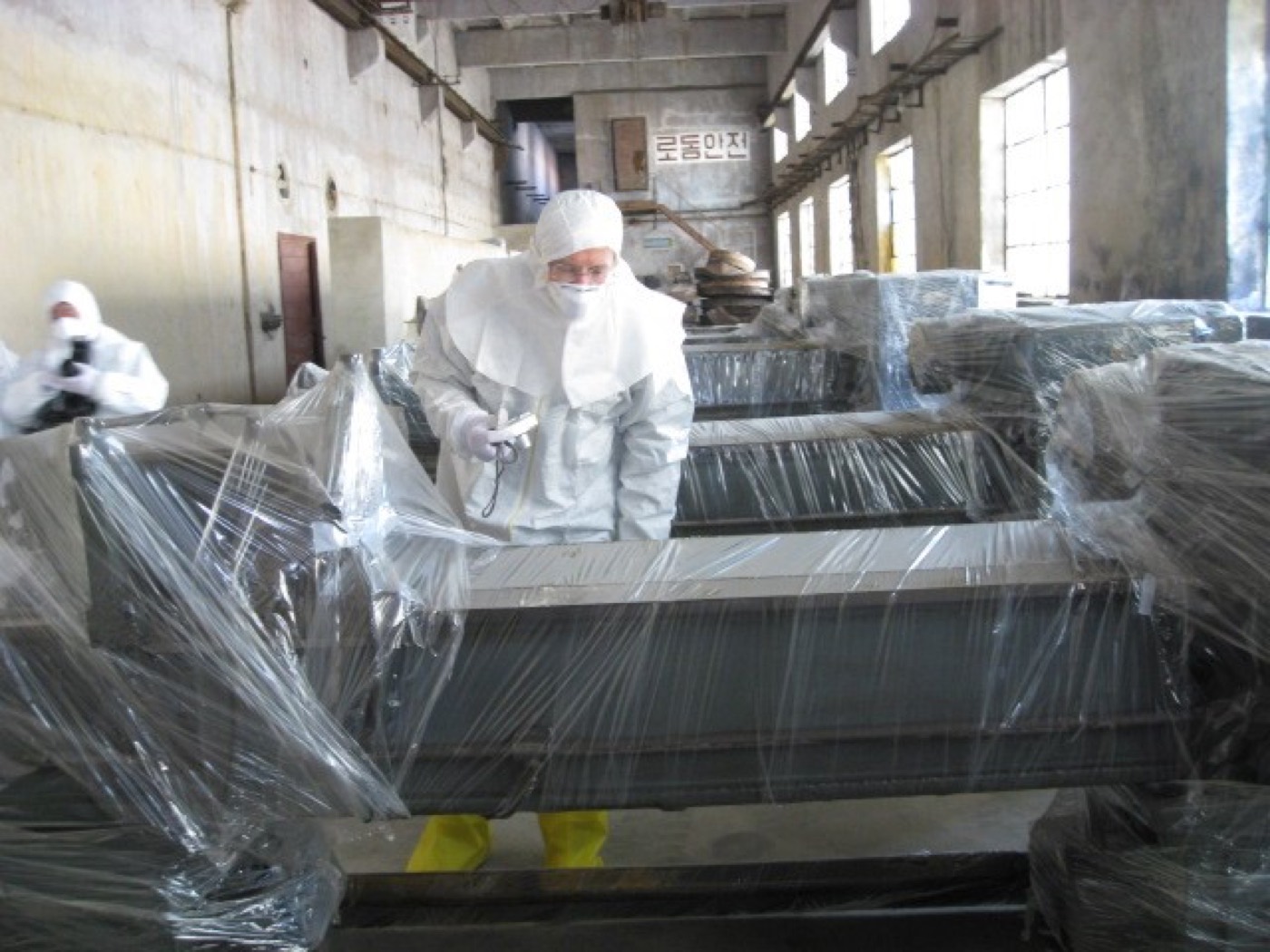
This photograph shows the Yongbyon fuel fabrication building after that collapse, photographed during a rare outside visit in 2008. Even disabled, the scale of what North Korea had built by then was already clear to the people allowed to see it.
6. Six tests, six years of missiles, 2006-2017
With inspectors gone and no treaty obligation left to break, North Korea moved from secrecy to open demonstration.
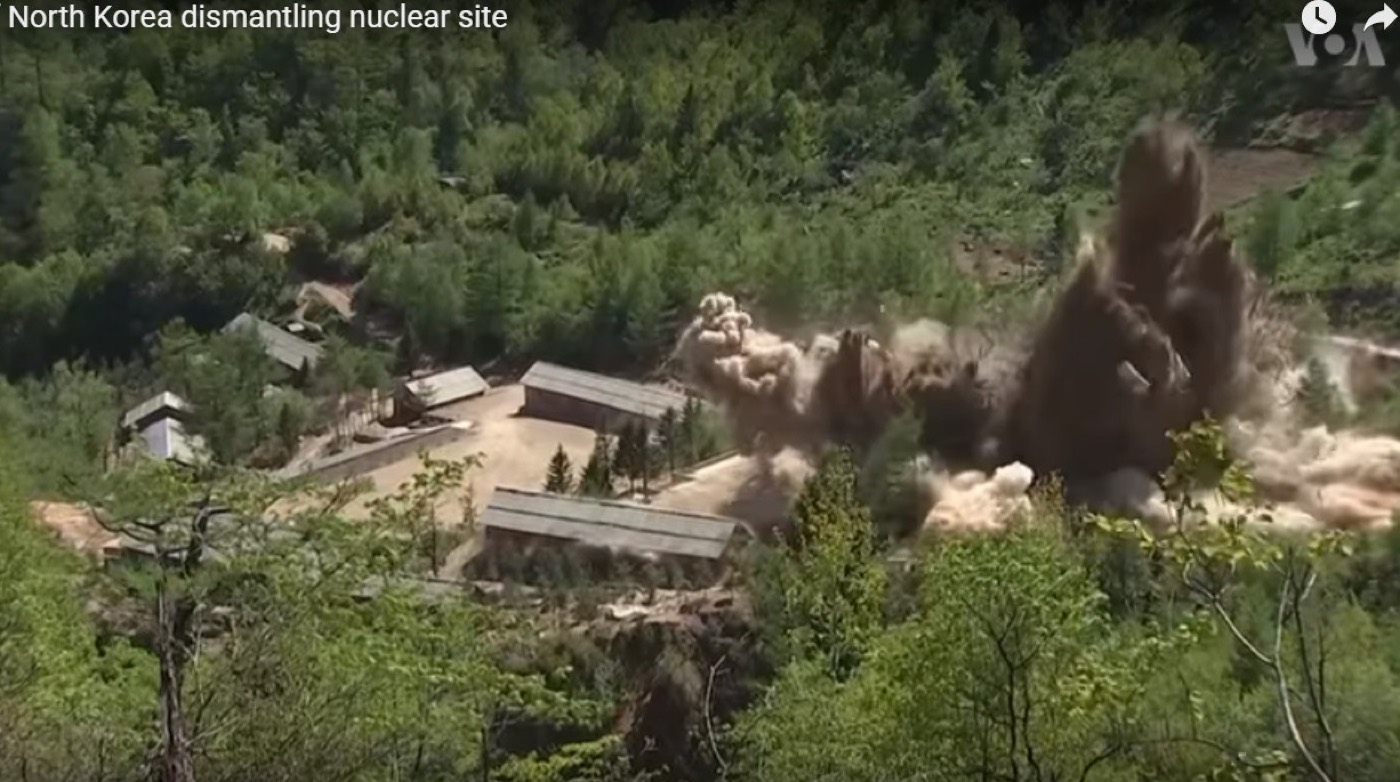
It conducted its first underground nuclear test on the ninth of October 2006, at the Punggye-ri test site. Five more tests followed over the next eleven years. The last, in September 2017, North Korea said was a thermonuclear weapon, a far more powerful design than its earlier tests.
Here are all six tests, laid out on a timeline in the order they happened. Notice how they bunch together later on. Three of the six came within a single twelve-month stretch, in 2016 and 2017.
A thermonuclear weapon is not simply a bigger version of the earlier design. It uses a first, smaller explosion to trigger a second, much larger one.
This photograph shows the Punggye-ri test site's tunnels being demolished, in a rare moment of outside access during a 2018 goodwill gesture. North Korea has not allowed anyone back in to check whether the site could still be used.
The missile programme grew alongside it. By 2017, North Korea had test-launched missiles it said could reach the continental United States, a claim that, if true, changed the strategic calculation for every country involved.
Six tests, eleven years, and an arsenal that had moved from a theoretical threat to a demonstrated one. The question of what to do about it moved to the very top of the table.
7. The Trump-Kim summits, 2018-2019
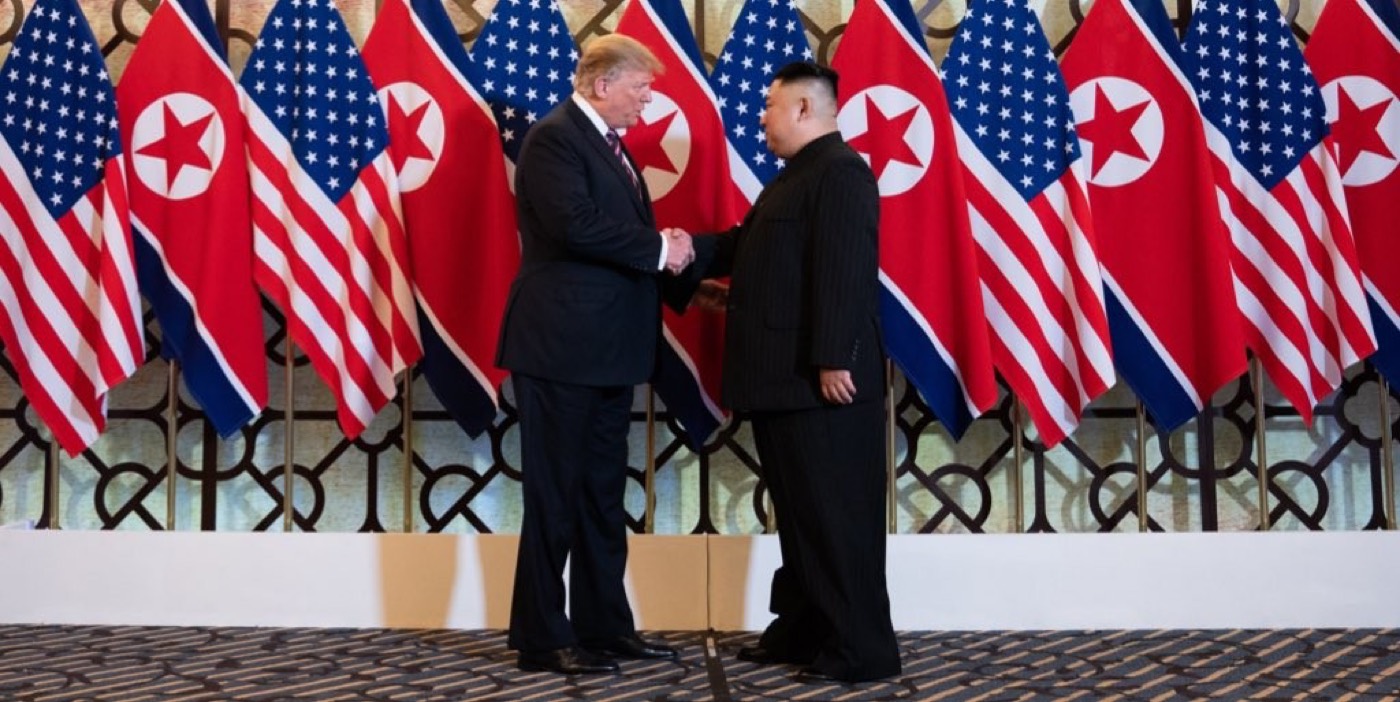
In 2018, for the first time, a sitting American president agreed to meet a North Korean leader directly.
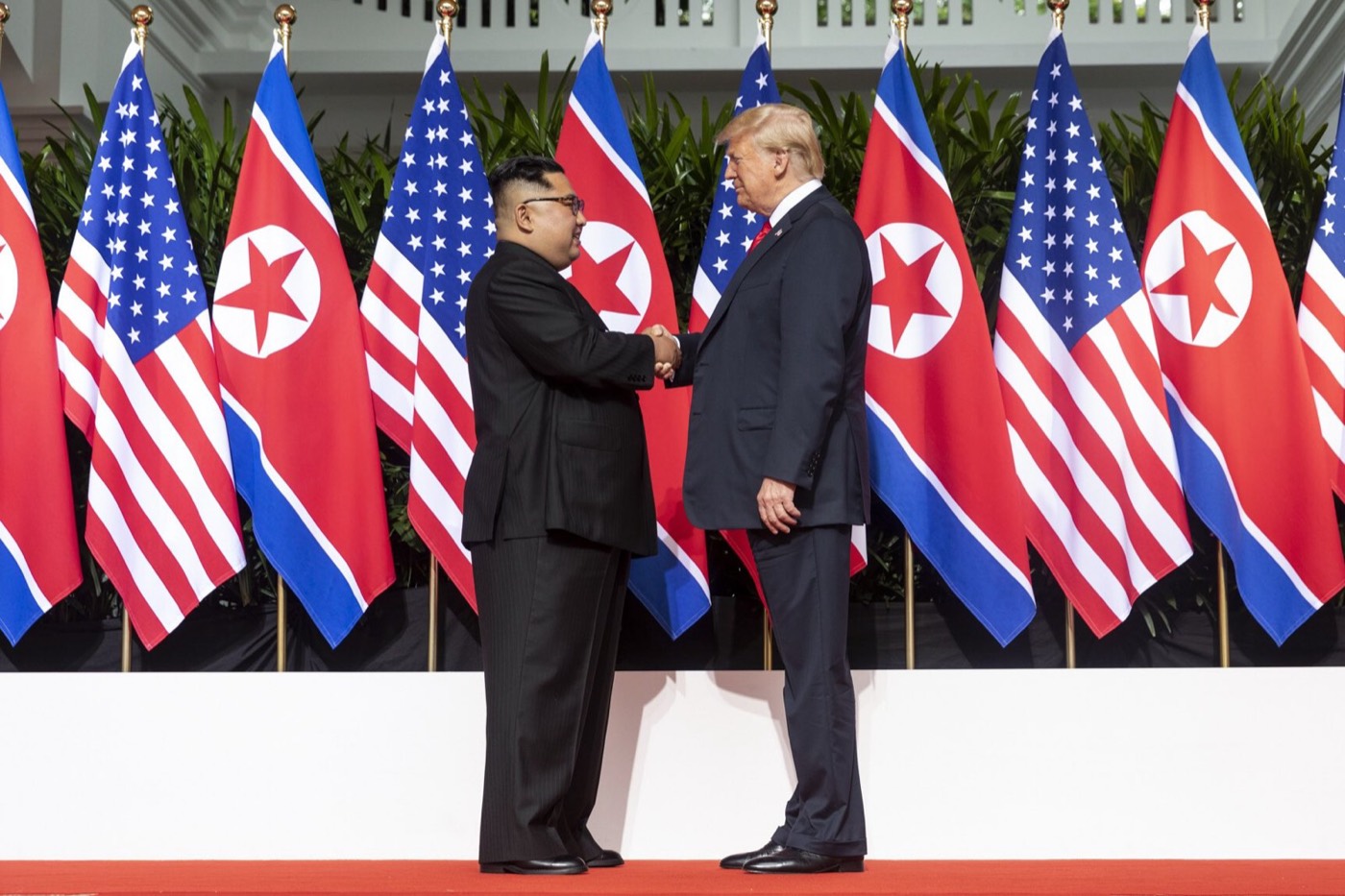
Donald Trump and Kim Jong Un met in Singapore on the twelfth of June 2018. They signed a joint statement committing to work toward denuclearisation of the Korean peninsula. The statement set no timeline, no verification process and no definition of what denuclearisation would actually mean in practice.
Singapore and Hanoi are a long way apart, and so is what each summit actually produced. Singapore gave the two leaders a joint statement. Hanoi, fourteen months later, was supposed to give them a deal.
A second summit, in Hanoi in February 2019, was meant to turn that vague commitment into a real agreement.
It broke down on its second day. North Korea offered to dismantle its Yongbyon complex in exchange for the lifting of most UN sanctions. The United States wanted a far broader deal covering undeclared sites as well, and judged the sanctions relief being asked for was out of proportion to what was on the table. Neither side moved, and the two leaders left without signing anything.
Nothing North Korea had built was dismantled at either summit. Two meetings, two photographs of a handshake, and not one centrifuge or reactor taken offline. The diplomacy failed, and the programme did not pause to wait for it.
8. Yongbyon and Kangson today
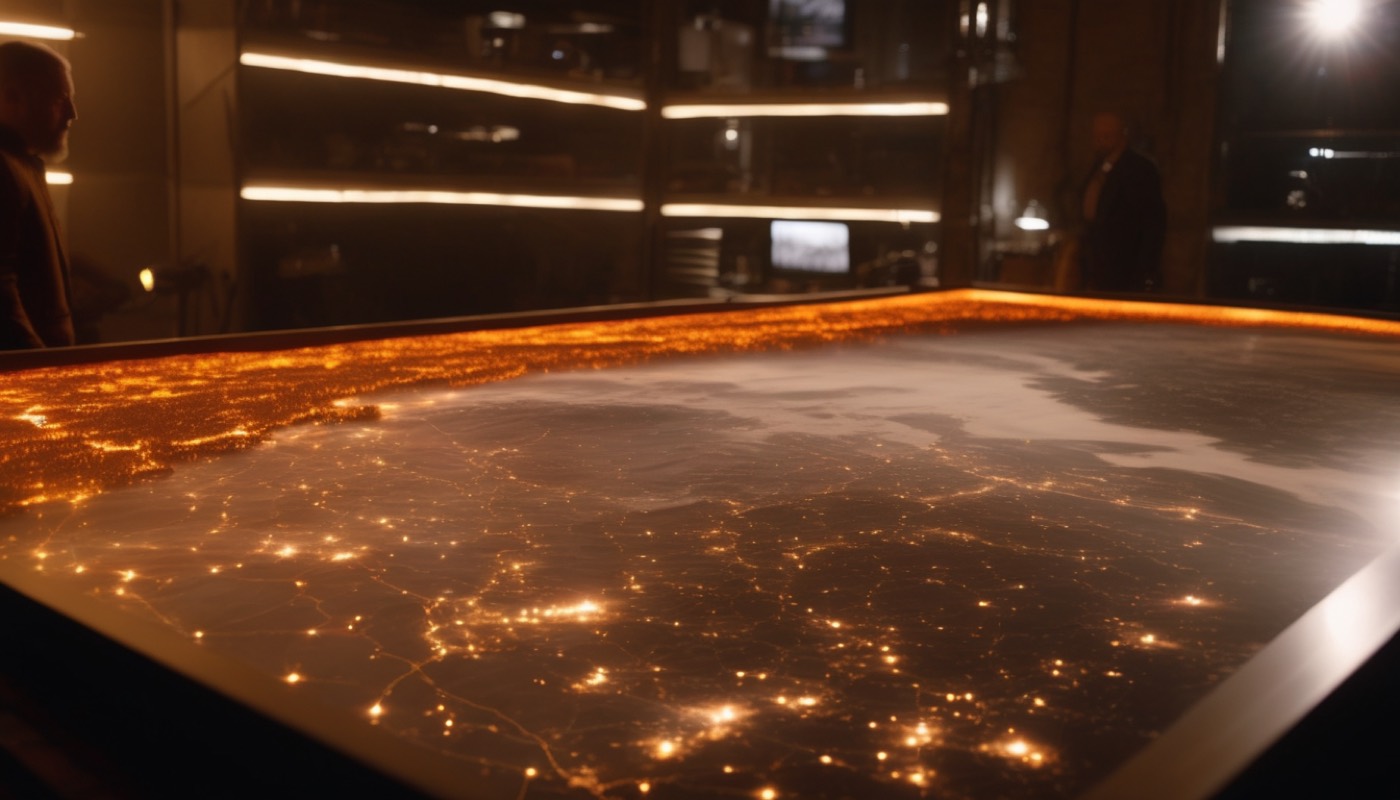
Since the IAEA's inspectors were expelled from North Korea in 2009, the agency has had no access on the ground at all. Everything it knows now comes from satellite images and open-source material, pieced together from the outside.
That outside view got a major update in 2026. Kim Jong Un's state media published photographs from a June visit to Yongbyon showing centrifuge cascades, the machines that enrich uranium, arranged across two floors of a building under construction. The IAEA matched those photographs against its own satellite imagery of the same building.
On the twenty-eighth of August 2026, the IAEA reported the result: a new Yongbyon enrichment building able to house up to twenty-eight centrifuge cascades. That sits alongside the Kangson site near Pyongyang, whose own 2024 expansion appears to have become operational by early 2026.
Put the two sites on the map. Yongbyon sits north of Pyongyang, where this whole story began. Kangson is a separate site, much closer to the capital itself. North Korea now has at least three buildings making enriched uranium between them, and the world can watch only from orbit.
This is the scale of what satellite monitoring alone has to work with. Inspectors expelled in 2009. A new Kangson annex built in 2024, running by 2026. A second Yongbyon enrichment building photographed under construction, identified in August 2026. Seventeen years of growth, assessed entirely from outside the fence.
9. How many warheads, really

So after all of that, how many nuclear warheads does North Korea actually have? The honest answer is that nobody outside North Korea knows for certain, and the published estimates do not agree with each other.
The Stockholm International Peace Research Institute estimates North Korea has probably assembled around sixty warheads, with enough separated fissile material on hand for at least thirty more. South Korea's defence ministry works with a wider range, from eighty to a hundred and twenty. In August 2026, Donald Trump put the number at fifty-seven.
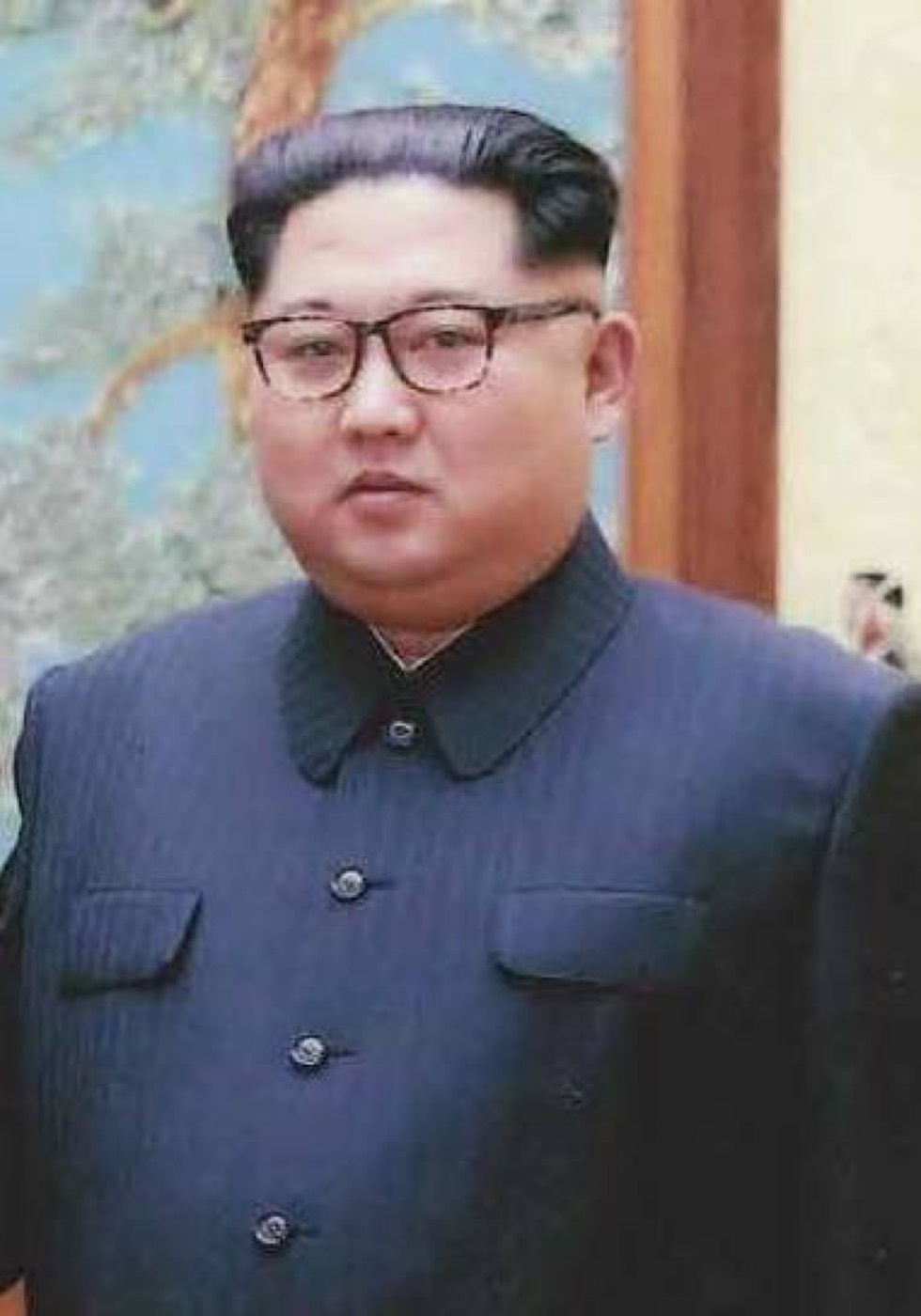
This is Kim Jong Un, the man these estimates are all trying to describe from the outside. North Korea does not publish a number of its own, and has never confirmed any outside figure as accurate.
The gap between these estimates is not really disagreement about the evidence. It is disagreement about method.
Fissile material estimates work backwards from how much plutonium and enriched uranium North Korea is believed to have produced over time. Assembled-warhead estimates try to judge how much of that material has actually been built into a usable weapon. The two numbers answer different questions, which is why South Korea's range and the Stockholm institute's figure do not need to match.
Whatever the true number is, it sits inside missiles, and that is the next part of the picture.
10. The missile arsenal
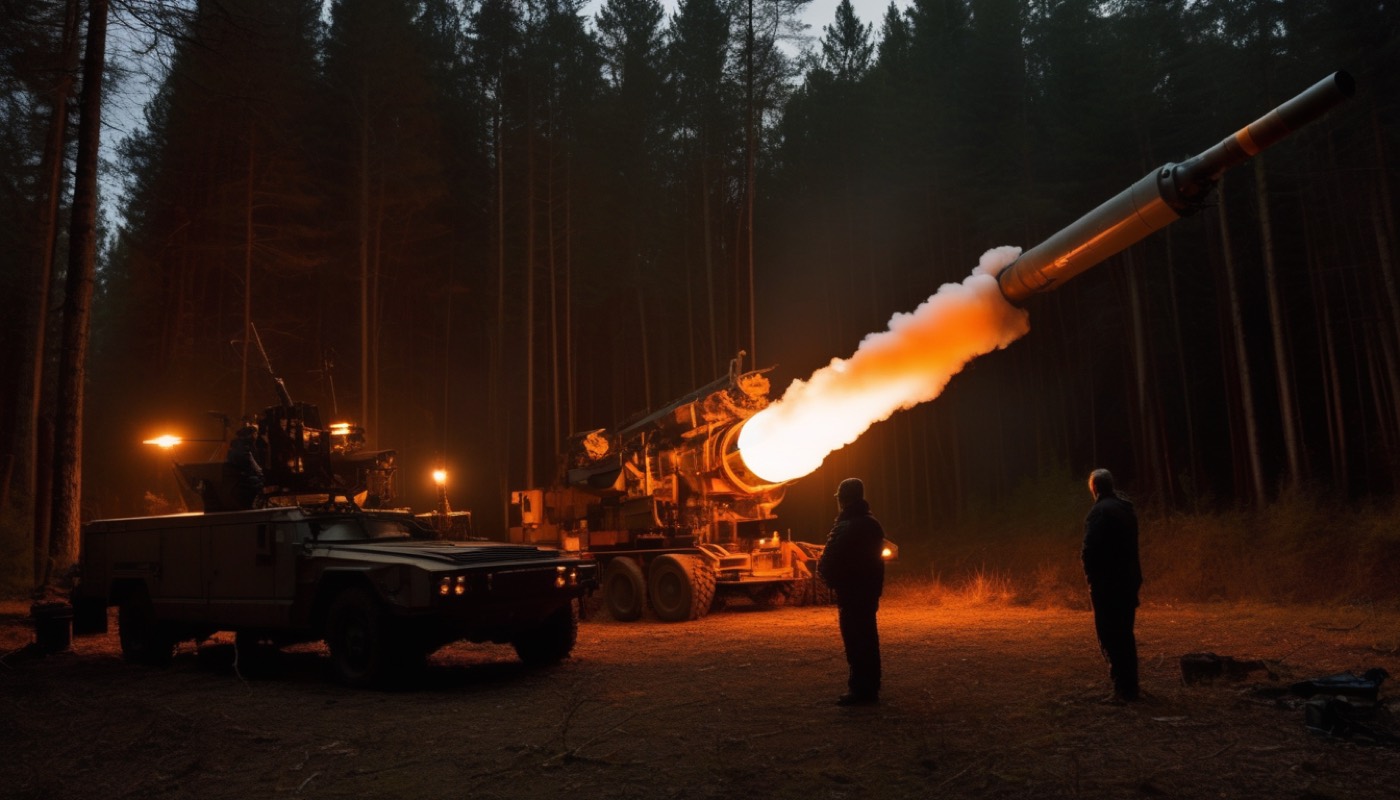
North Korea's missile programme runs from short-range rockets that can barely clear the Korean peninsula to a weapon built to cross an ocean.
The Hwasong-19, first test-launched on the thirty-first of October 2024, is North Korea's largest solid-fuel, road-mobile missile to have actually flown. A solid-fuel missile can be launched almost immediately, without the hours of fuelling a liquid-fuel missile needs. On that test flight, it reached an altitude of about seven thousand six hundred kilometres before coming down roughly a thousand kilometres away, a trajectory built to prove range rather than distance travelled.
A year later, at a parade marking the Workers' Party's eightieth anniversary in October 2025, North Korea displayed something new: the Hwasong-20. It is wider than the Hwasong-19, and its nose section is shaped differently, which analysts read as room for more than one warhead. As of this video, it has never been flight-tested.
This map shows the two points that matter: Pyongyang, and the continental United States. The 2024 test flew almost straight up rather than along this line, to prove the engine without overflying anyone. But the distance a missile can reach is the same distance either way.
What either missile would mean in practice is simple to state and hard to watch play out: a North Korean weapon flown on a trajectory meant to reach the continental United States, rather than a neighbour.
That is the fact that separates this missile programme from almost any other being discussed anywhere in the world right now. Short-range missiles threaten the region. A proven intercontinental missile changes the calculation for a nuclear power on the other side of the Pacific.
11. Sanctions: did they work?
The United Nations Security Council passed its first sanctions resolution against North Korea in October 2006, days after that first nuclear test. More resolutions followed through 2017, each one tightening trade, finance and shipping restrictions further.
On paper, those resolutions now ban North Korean coal and textile exports, cap its oil imports, and block most of its access to the international banking system. They are among the most comprehensive sanctions ever placed on a single country.
In practice, enforcement has eroded badly, in three specific ways.
Ship-to-ship transfers at sea let North Korean cargo change hands without ever entering a port that tracks it. China and Russia, both veto-holding Security Council members, have scaled back enforcement on their own borders. And in March 2024, Russia vetoed the renewal of the UN panel that had monitored sanctions compliance since 2009, with China abstaining rather than voting to keep it.
The panel's mandate ended that April, and nothing with its formal authority has replaced it since. A looser, like-minded group of countries now tracks violations informally, without the UN's backing.
The third loophole runs through computers rather than ships. Blockchain analysts at Chainalysis attribute roughly six point seven five billion dollars in stolen cryptocurrency to North Korean state-linked hackers since 2019. Twenty twenty-five alone was their biggest year yet, at just over two billion dollars, most of it from one theft at an exchange called Bybit. That money funds the same programmes the sanctions were built to starve.
Lay the whole twenty years out. The first resolution in 2006. More by 2017. The Panel of Experts, watching since 2009, loses its mandate in 2024. And by 2025, cyber theft alone was outrunning what sanctions ever blocked, with 2019 the year that theft total starts counting from.
Twenty years of resolutions, and the money and the material still move.
12. Verdict: outrun or contained?

So we return to where this video began: has anything actually slowed North Korea's nuclear programme, or has it simply outrun every attempt to stop it?
Set the record side by side. One agreement, in 1994, held for eight years before it broke. Two summits, in 2018 and 2019, produced statements but no dismantlement. Six nuclear tests. A missile that can plausibly reach the United States. And a sanctions regime whose own monitoring body no longer exists.
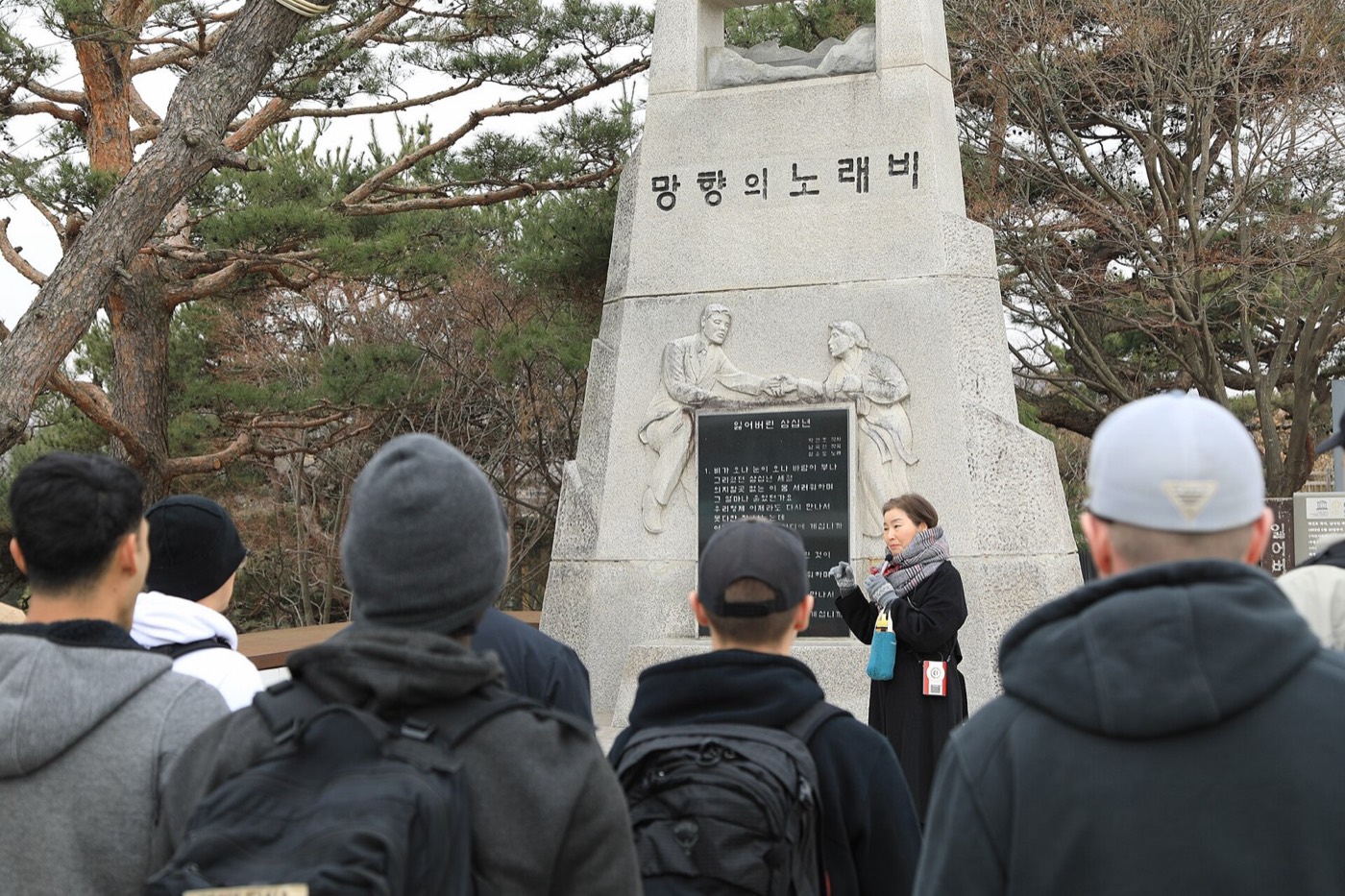
This is the Demilitarized Zone, the line that has separated the two Koreas since 1953. It is the most visible monument to a stand-off that nuclear weapons have made permanent rather than temporary.
Nothing in that record points to a programme that has been stopped. Individual deals bought individual pauses, sometimes for years at a time, but every pause ended with the programme further along than when it began.
That is the honest verdict this video can offer: not that diplomacy achieved nothing, but that nothing it achieved has lasted. North Korea's foreign minister called its nuclear status irreversible. On the evidence of the last thirty years, nobody has yet proved her wrong.
Whether anything can still change that is a question for the next thirty years, not this one.
Sources and credits
Photo credits (Wikimedia Commons)
- Choe Son Hui, North Korean Foreign Minister (then Vice Foreign Minister), meeting U.S. officials: U.S. Department of State from United States, Public domain - https://commons.wikimedia.org/wiki/File%3AChoe_Son-hui.jpg
- Yongbyon 5MWe Magnox reactor, North Korea's original plutonium-production reactor: Keith Luse, Senior Professional Staff Member, U.S. Senate, Public domain - https://commons.wikimedia.org/wiki/File%3AYongbyon_5MWe_Magnox_reactor.jpg
- Yongbyon Nuclear Scientific Research Center, disabled nuclear fuel fabrication facility: W. Keith Luse, Senior Professional Staff Member, U.S. Senate, Public domain - https://commons.wikimedia.org/wiki/File%3AYongbyon%2C_disabled_nuclear_fuel_fabrication_facility.jpg
- Destruction of the Punggye-ri nuclear test site tunnels, May 2018: https://www.voanews.com/, Public domain - https://commons.wikimedia.org/wiki/File%3ADestruction_of_North_Korea_Punggye-ri_Nuclear_Test_Site_v2.jpg
- Kim Jong Un, official portrait: White House, Public domain - https://commons.wikimedia.org/wiki/File%3AKim_Jong_Un_Portrait_Size.jpg
- Kim Jong Un and Donald Trump shaking hands, DPRK-USA Singapore Summit, 12 June 2018: Shealeah Craighead, Public domain - https://commons.wikimedia.org/wiki/File%3AKim_and_Trump_shaking_hands_at_the_red_carpet_during_the_DPRK%E2%80%93USA_Singapore_Summit.jpg
- Donald Trump and Kim Jong Un shaking hands, Hanoi Summit, 27 February 2019: Dan Scavino, Public domain - https://commons.wikimedia.org/wiki/File%3ATrump_shaking_hands_with_Kim_in_Hanoi_Summit.jpg
- Korean Demilitarized Zone at Imjingak Peace Park, Paju, South Korea: U.S. Army photo by Stanley James, Public domain - https://commons.wikimedia.org/wiki/File%3AThunder_Brigade_Soldiers_embrace_history_during_iconic_tour_of_the_DMZ_%288927608%29.jpg


Primary sources
- IAEA Board of Governors report on North Korea's nuclear programme, 28 August 2026 - the new Yongbyon enrichment building able to house up to 28 centrifuge cascades, identified against June 2026 Kim Jong Un state-media photographs, and the Kangson site's 2024 annex appearing operational by early 2026. Confirmed via ExchangeMonitor, 10 September 2026, and The Diplomat, 'Where Does North Korea's Nuclear Program Stand in 2026?', September 2026..
- Korea Times, 'N. Korea's will to keep nuclear weapons through "all ages" irreversible: FM', 24 September 2026 - the Choe Son Hui KCNA statement, quoted verbatim..
- CNN / UPI / NK News, reporting the 20 September 2026 Wonsan launches - South Korea's Joint Chiefs of Staff and Japan's Ministry of Defense figures: first missile ~60km altitude / ~440km range, second ~70km altitude / ~590km range, both outside Japan's EEZ..
- SIPRI Yearbook 2026, World Nuclear Forces chapter - North Korea probably assembled around 60 warheads as of January 2026, with fissile material for at least 30 more. Confirmed via NK News, 'Think tank raises estimate for North Korean nuclear arsenal to 60 warheads', June 2026..
- Korea Herald, 'Defense Minister shares N. Korea nuke estimate above Trump's', 2026 - South Korea's working estimate of 80 to 120 warheads..
- Fox News / Axios / Korea JoongAng Daily, reporting Donald Trump's remarks of August 2026 - North Korea has '57 very powerful nuclear weapons'..
- Wikipedia 'Hwasong-19', corroborated against CNN, 30 October 2024 - the 31 October 2024 test: altitude about 7,687km, range about 1,001km, flight time about 86 minutes.
- Korea Times, 'N. Korea unveils new Hwasong-20 ICBM, signaling multi-warhead ambitions', 12 October 2025 - unveiled at the 10 October 2025 Workers' Party 80th-anniversary parade; wider body, different nose shape, untested as of this video.
- CSIS Beyond Parallel, 'Yongbyon Declassified' series, and the Wikipedia 'Timeline of the North Korean nuclear program' and 'Nyongbyon Nuclear Scientific Research Center' pages - the 1956 Dubna agreement, the 1959 Soviet-DPRK technical cooperation treaty, and the Soviet-supplied IRT-2000 research reactor operating at Yongbyon from 1965.
- Arms Control Association, 'Arms Control and Proliferation Profile: North Korea' - the 1985 NPT accession, the delayed 1992 safeguards inspections and reprocessing discrepancy, the March/June 1993 first nuclear crisis, the 21 October 1994 Agreed Framework, the October 2002-January 2003 collapse and NPT withdrawal, the six 2006-2017 nuclear tests, and the 12 June 2018 Singapore and 27-28 February 2019 Hanoi summits.
- Chainalysis, crypto crime reporting, 2025-2026 - cumulative North Korea-linked cryptocurrency theft of about $6.75 billion since 2019, including a record $2.02 billion in 2025 (driven by the ~$1.46bn Bybit theft, February 2025).
- Arms Control Association / CNN / Al Jazeera / The Diplomat / Chatham House, reporting Russia's 28 March 2024 veto (China abstaining) of the UN Panel of Experts' mandate renewal, which lapsed 30 April 2024.
Not regulated financial advice.