
The Machines Digging the World's Biggest Tunnels
A modern tunnel boring machine is not a drill. It is a hundred-metre-long factory pushed through the ground nose first: a rotating cutterhead that fractures rock or soil at the face, conveyors that haul the broken material out, and a robotic segment erector that builds the tunnel's own concrete wall metres behind the cutting face, all in one continuous pass.
This video explains how that machine actually works, then traces the idea back two centuries - from Marc Isambard Brunel's hand-dug 1825 Thames Tunnel shield to Beaumont and English's 1882 compressed-air attempt at a Channel tunnel - before reaching the benchmark every tunnelling megaproject since has been measured against: the 1994 Channel Tunnel, built by 11 machines, roughly 80% over its construction budget and never close to its own traffic forecasts.
It then follows three tunnelling megaprojects that all reached a milestone in 2026: Melbourne's Suburban Rail Loop East, where three machines named Alice, Hacia and Aayushi are boring twin tunnels; the $16 billion Gateway Hudson Tunnel Project, cutting a mile of Palisades rock toward New York; and Lesotho's Polihali-Katse transfer tunnel, where two machines are boring 38.5 kilometres through the Maluti Mountains. It asks what has actually changed since 1994 - bigger machines, real-time guidance, automation, and the rise of Chinese manufacturers - and what has not: financing, planning approval and political will, which is where the Channel Tunnel's own overrun actually came from.
Every figure is on screen with its date and source, and where a figure needed re-checking against its primary source before this video could use it, that check is recorded in the description of the process, not glossed over.
Educational documentary. Not financial or investment advice.
In these topics
Chapters
- A factory a mile underground
- The cutterhead
- Segment lining
- Two centuries of shields
- The Channel Tunnel benchmark
- Why it's faster and cheaper now
- Melbourne digs for its rail loop
- New York and New Jersey bore again
- Lesotho's mountain water tunnel
- Why so many countries are digging at once
- Old risks, new machines
- What happens when the machines break through
Video notes
1. A factory a mile underground
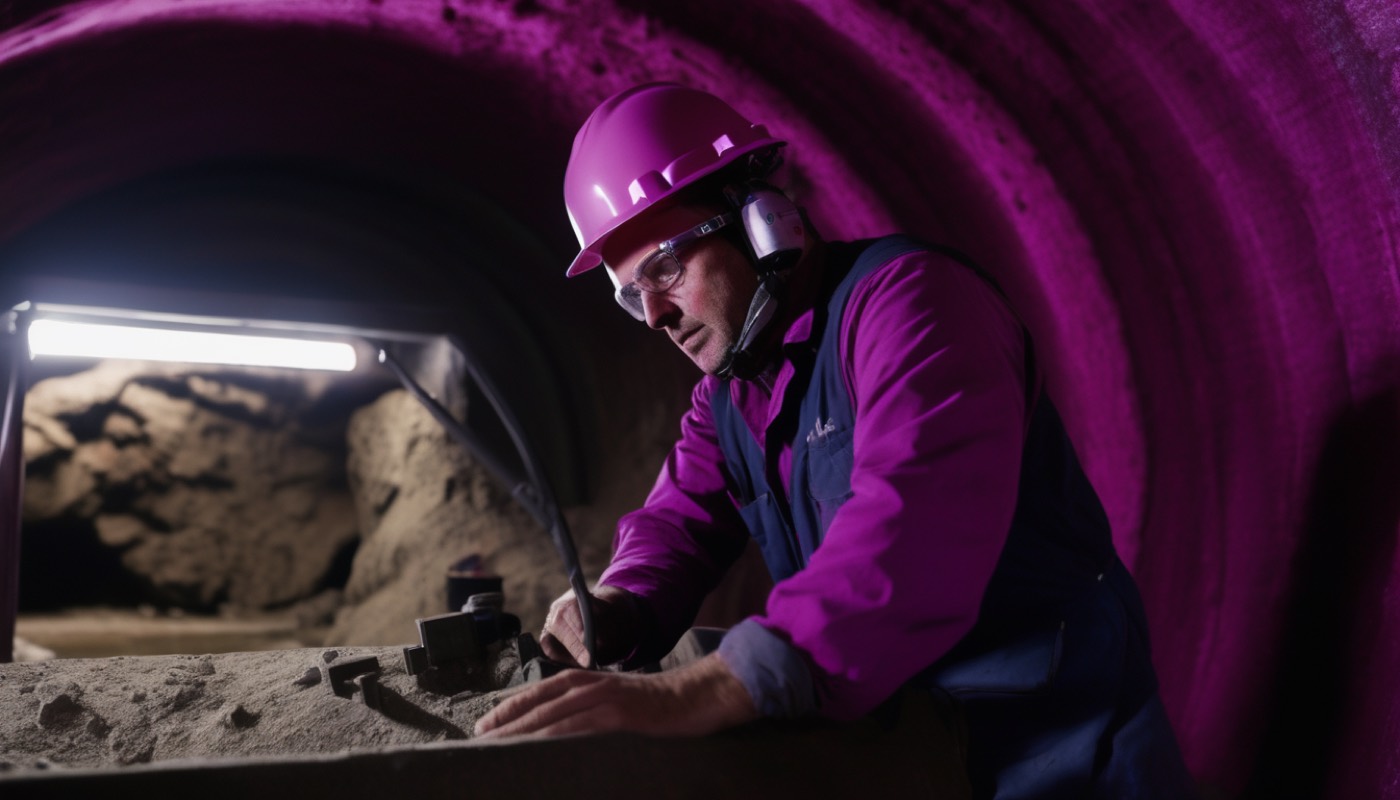
Somewhere under a city or a mountain right now, a machine the length of a football pitch is grinding forward through solid rock, at a pace measured in feet a day, and building a finished tunnel behind itself as it goes.
A modern tunnel boring machine is not one tool. It is a whole factory, laid out in a single line and pushed through the ground nose first. At the front, a rotating wheel breaks up the rock or soil. Behind that, conveyors and pipes haul the broken material back out of the tunnel. Further back still, robotic arms lift and place the concrete rings that become the tunnel's permanent wall, metres behind the cutting face.
The whole assembly can run over a hundred metres from the cutting face to its last trailing car. Every part of it moves forward together, day and night, for months or years at a stretch. Nothing about it pauses to let one stage finish before the next begins.
That is the idea this video follows underground: cutting, hauling and lining are not three separate jobs done one after another. They happen at the same time, in the same moving machine, which is why a tunnel boring machine gets called a mile-long factory rather than a drill. The rest of this video explains how that factory actually works, where the idea came from, and why so many countries are building one right now.
2. The cutterhead
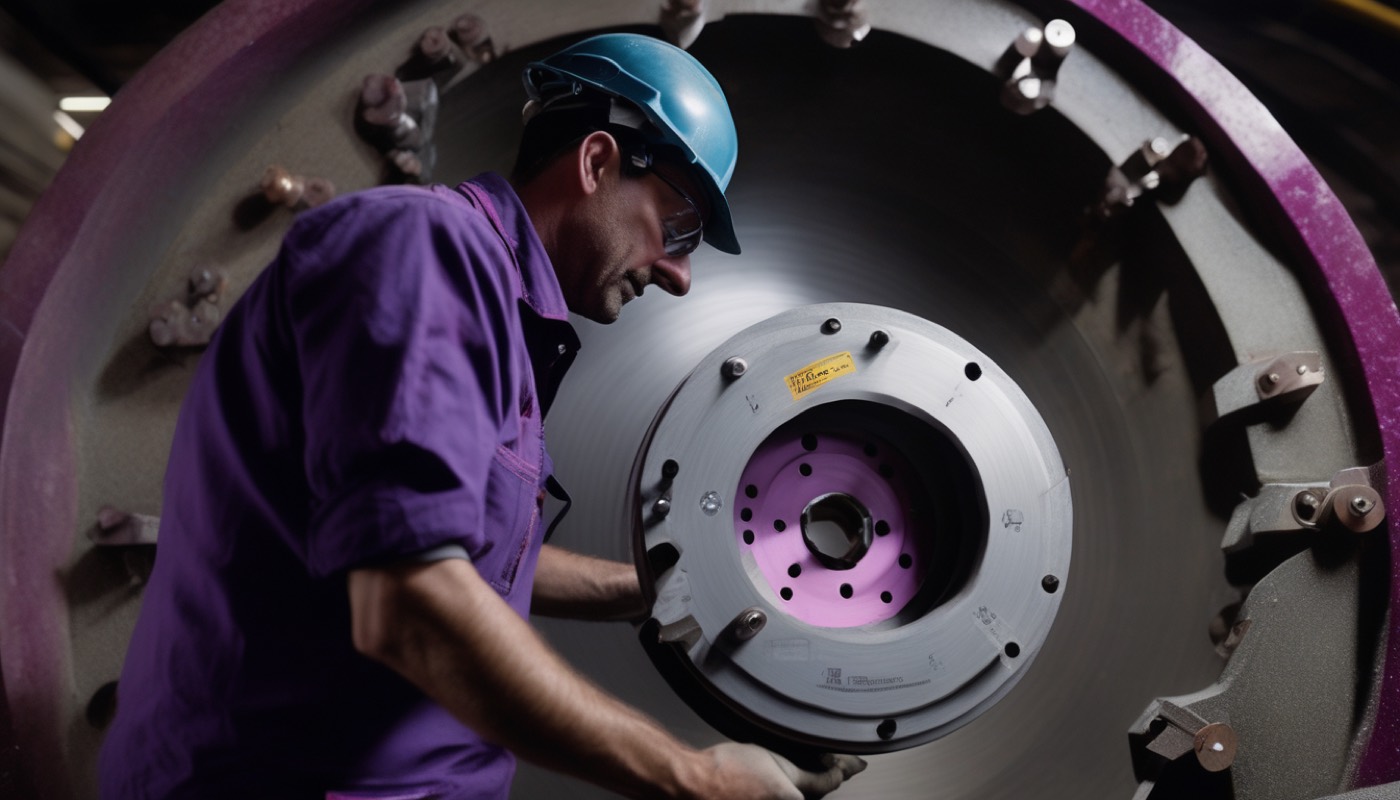
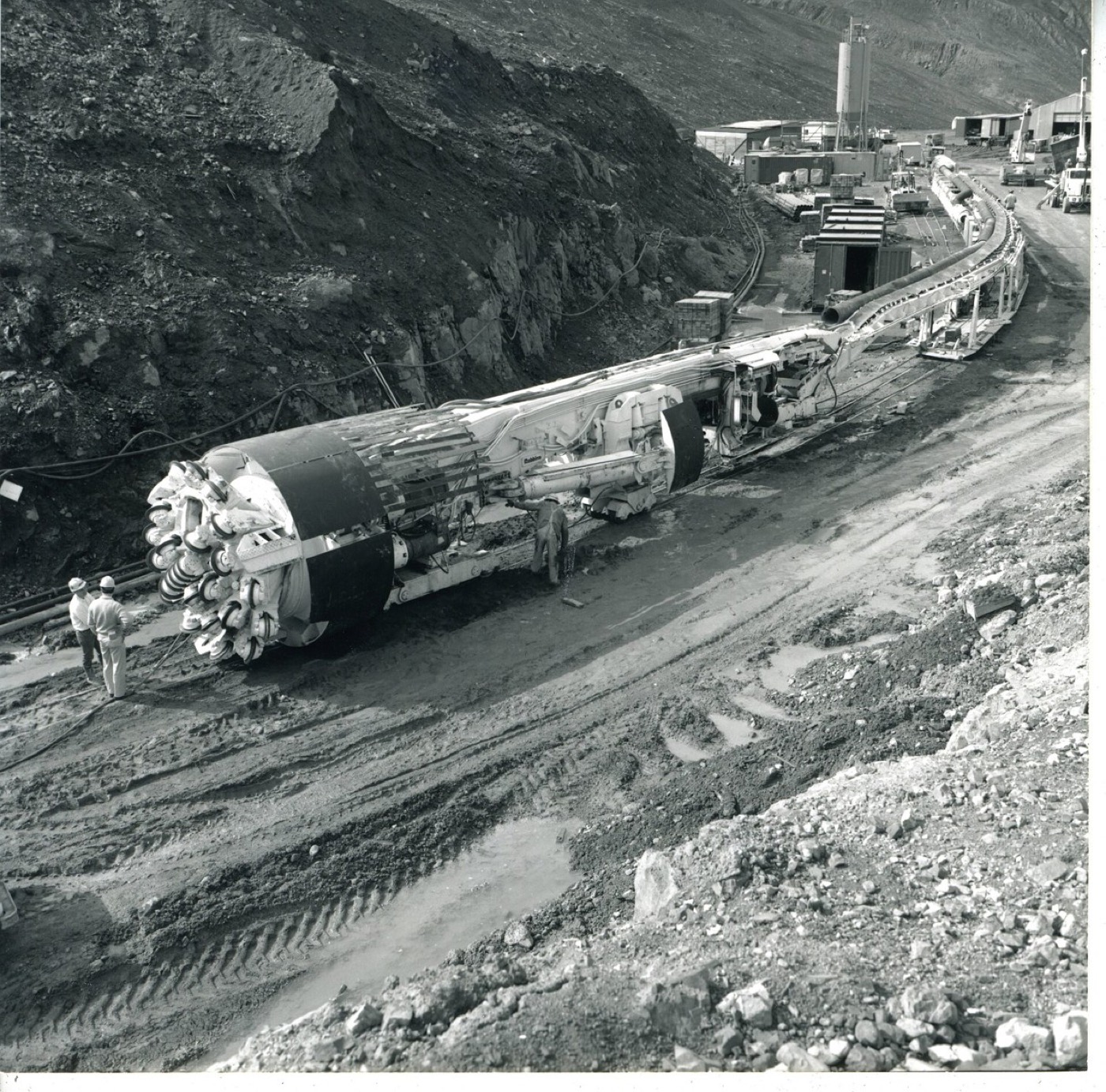
The business end of any tunnel boring machine is a single flat wheel, pressed hard against the rock in front of it and spinning slowly. Engineers call it the cutterhead.
The cutterhead is studded with a ring of steel discs, called disc cutters, each one free to spin on its own axle. As the whole wheel turns, those discs roll across the rock face under enormous pressure. They do not chip the rock like a drill bit. They crush a thin strip of it directly beneath each disc, and that crushing cracks chips of rock away from the surface on either side.
Two forces make that possible, and both have plain names once you strip the jargon away. Thrust is simply how hard the whole machine pushes forward against the face, using rams braced against the tunnel wall behind it. Torque is how hard the cutterhead is turned, the twisting force that keeps it rotating against the rock's resistance. A soft ground needs less of both. Hard granite needs a great deal of both, and the machine is built to the rock it expects to meet.
Get that balance wrong and the consequences are immediate. Too little thrust and the cutters barely mark the rock. Too little torque and the whole wheel can stall. So every cutterhead is designed and even rebuilt for the specific ground it is about to cross, using boreholes drilled ahead of the route to tell engineers what that ground is made of before the machine ever reaches it.
3. Segment lining
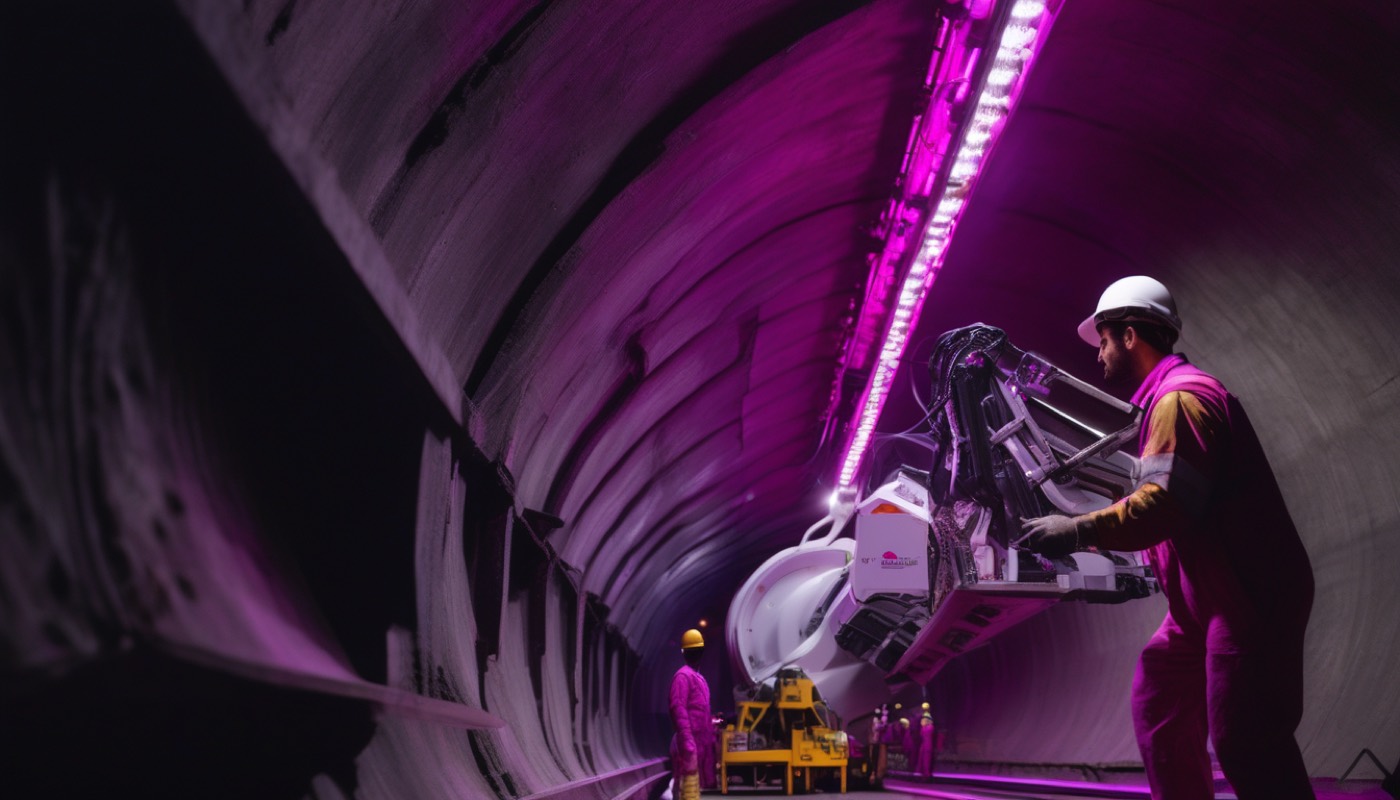
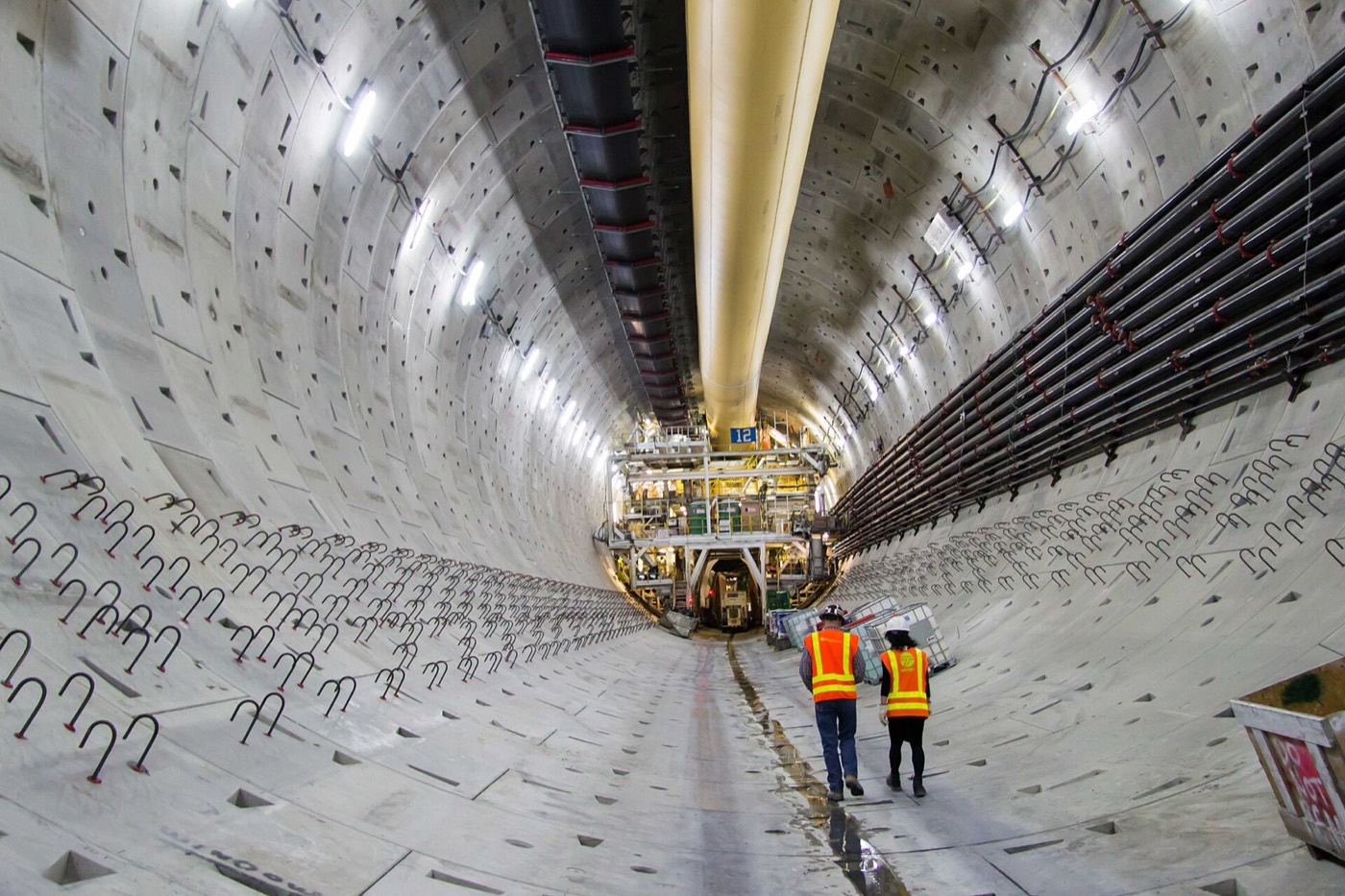
A tunnel boring machine does not leave a bare hole behind it. It builds the tunnel's own wall as it advances, a few metres at a time.
Precast concrete segments, cast and cured at a factory long before the machine reaches that stretch of ground, are carried up through the machine on the same conveyors that haul spoil out. A robotic arm called the segment erector lifts each curved segment into place against the tunnel wall and holds it there while the next one is bolted in beside it. Six or eight segments, joined edge to edge, form one complete ring.
The finished tunnel under Seattle's Highway 99, dug by a machine nicknamed Bertha, shows exactly what that ring looks like once the machine has passed through and moved on. Each ring becomes the tunnel's permanent structural wall the moment it is built, holding back the ground around it while the machine's own hydraulic rams push forward against the ring just completed to drive the cutterhead into fresh rock ahead.
That is the trick that makes the whole machine self-supporting. It does not simply cut a hole and hope the ground stays open behind it. It builds its own support structure metres behind the cutting face, continuously, so cutting and lining happen almost as one motion.
4. Two centuries of shields
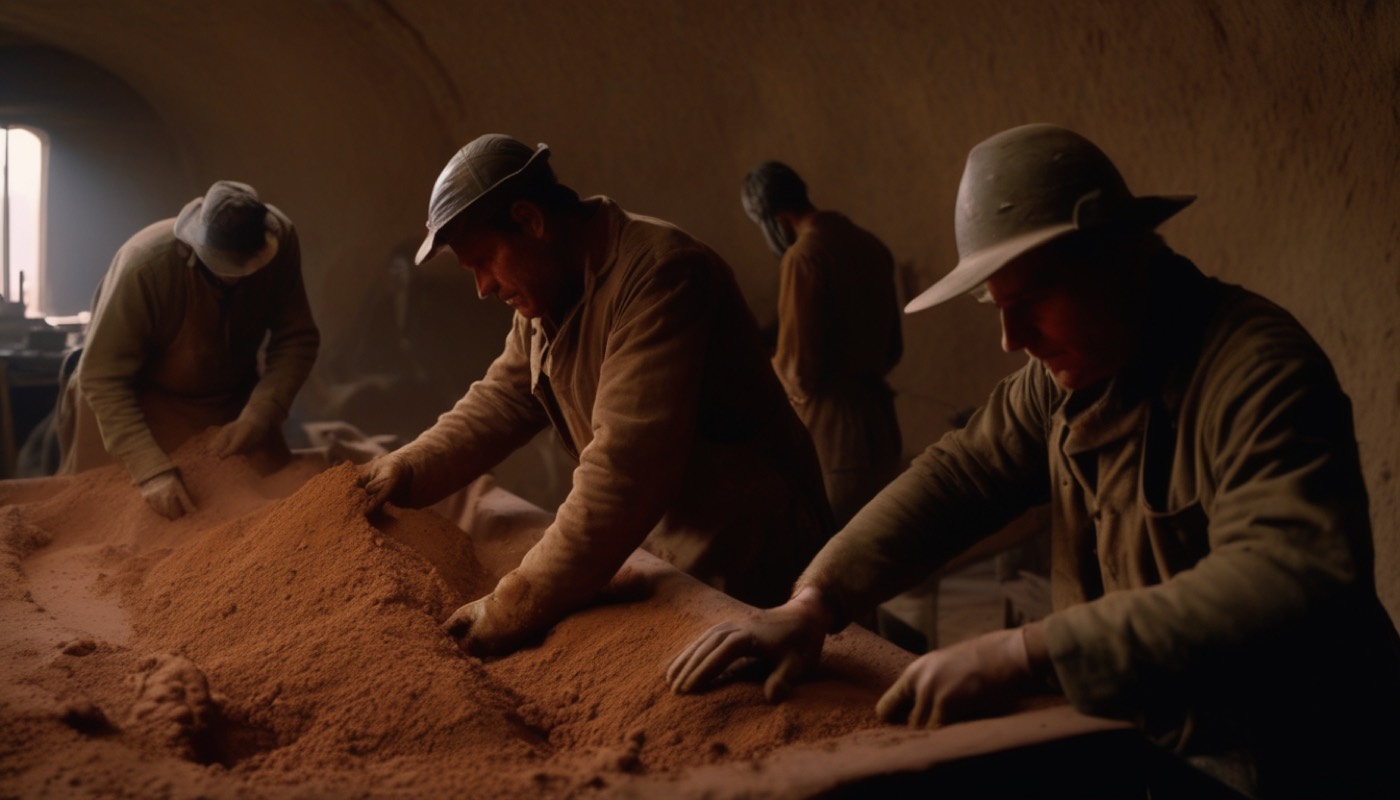
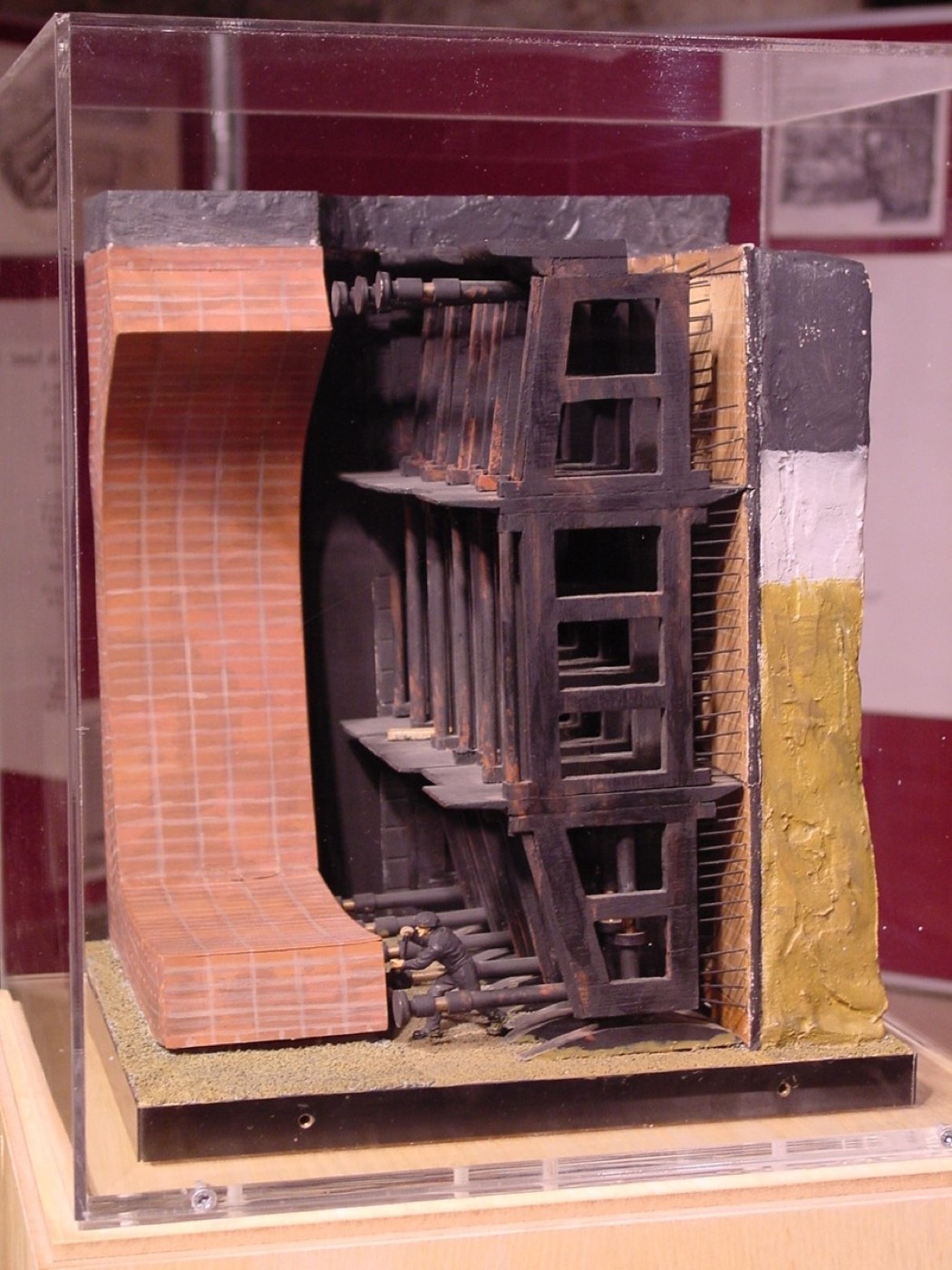
A rotating cutterhead is a nineteenth and twentieth century invention. The idea that made it possible at all is two centuries old.
London sits on soft, waterlogged clay beside the River Thames, and digging through wet ground without support means the tunnel collapses in on the diggers as fast as they cut it. In 1825, the engineer Marc Isambard Brunel began digging the Thames Tunnel using a shield of his own design. It was an iron frame that held the ground open ahead of the workers while they dug by hand inside it, section by section, and was then jacked forward into the space just cleared.
Brunel's shield protected the workers, but it did not cut the rock itself, and the project was slow, dangerous and twice flooded. The Thames Tunnel did not open until 1843, eighteen years after work began.
Decades later, engineers tried to go further and power the digging itself. Major Frederick Beaumont and Captain Thomas English built a machine driven by compressed air and used it, in 1882, to start boring a Channel tunnel from Shakespeare Cliff, near Dover, working from both the English and French coasts. The British government halted the attempt the following year, worried about a tunnel giving an invading army easy access to English soil, not because the machine had failed.
Between Brunel's shield and Beaumont's compressed-air cutter, and the work of later engineers who fitted a shield with screw jacks so it could drive itself forward, every piece of a modern tunnel boring machine had already been invented once, in isolation. It took decades more before anyone combined them into a single rotating whole.
5. The Channel Tunnel benchmark
A century after Beaumont's abandoned attempt, engineers finally finished the job, and it became the benchmark every tunnelling megaproject since has been measured against.
The Channel Tunnel opened on the sixth of May 1994, linking Folkestone in England to Coquelles, near Calais, in France. Eleven tunnel boring machines cut the two rail tunnels and the service tunnel between them, six launched from the English side and five more from the French side, meeting partway under the seabed.
The project was planned at roughly two point six billion pounds. The actual construction cost, measured on the same basis, came to about four point six five billion pounds — an overrun of around eighty per cent. Financing costs, the cost of servicing the debt raised to build it, ran even further over their own forecast, at around a hundred and forty per cent more than planned.
The tunnel also fell badly short of its own traffic forecasts. Pre-opening projections expected close to sixteen million Eurostar passengers in its first full year. Actual traffic that year was under three million, a fraction of what had been promised to the investors who financed it. The Channel Tunnel works, and still carries millions of passengers a year today. It simply never delivered the numbers its own business case was built on.
6. Why it's faster and cheaper now
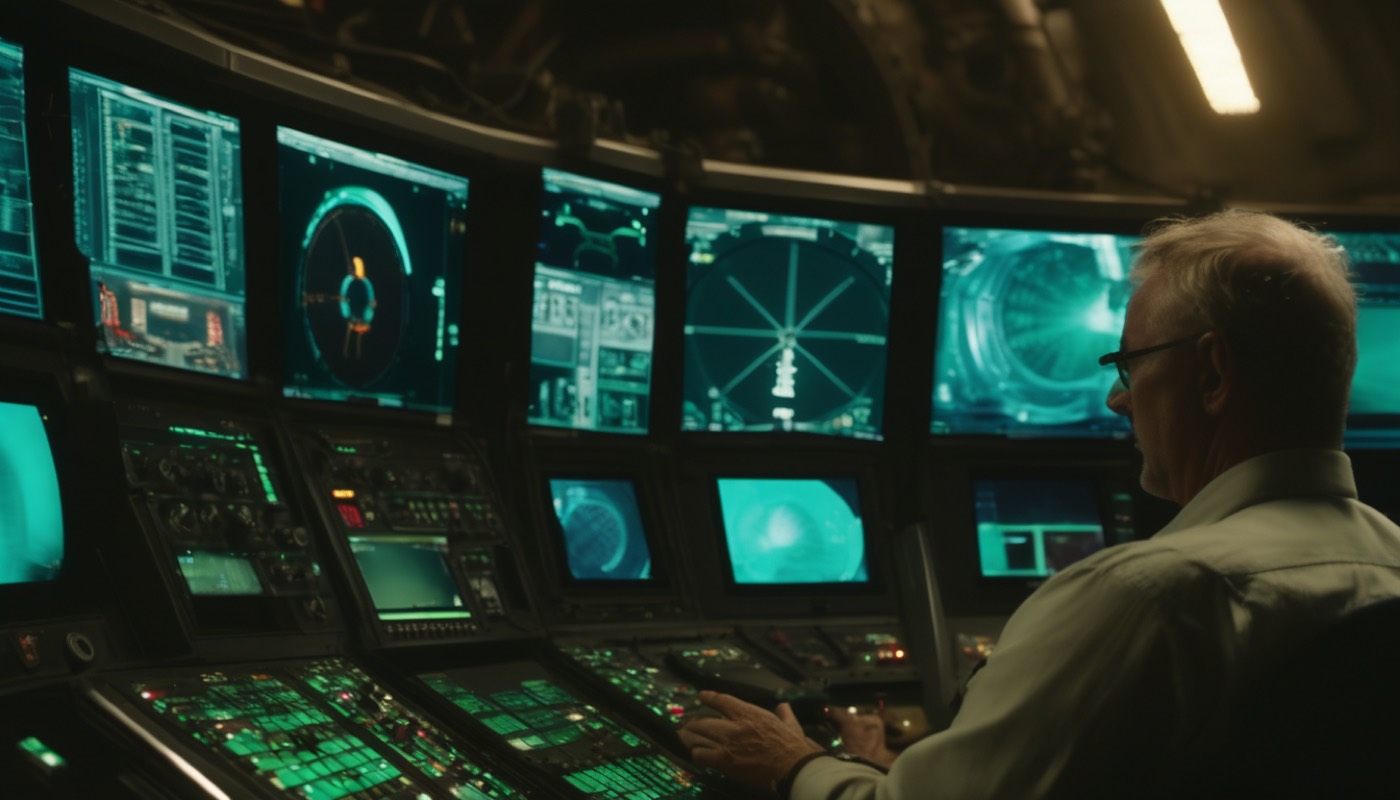
If the Channel Tunnel set the benchmark for how badly a tunnelling megaproject could overrun, the machines being launched in 2026 are being built to answer it.
Modern tunnel boring machines are bigger in diameter than their nineteen-nineties equivalents, so one machine now often does the work that once took a narrower bore and a separate widening pass. Real-time guidance systems steer the cutterhead automatically, using lasers and sensors to hold the machine's line to within millimetres over kilometres of travel, work that used to depend on manual surveying checks. Automation has also cut how many workers need to be inside the machine itself at any one time.
The other big change is who builds the machines. Chinese manufacturers, building their own tunnel boring machines rather than importing them, scaled up fast through the twenty-tens. One industry estimate now puts Chinese-built machines at close to seventy per cent of global production, competing hard on price against the older European manufacturers that once had the market largely to themselves.
None of that removes the risk a megaproject carries. It does mean the machines themselves are faster, better guided and cheaper to buy than the generation that dug the Channel Tunnel, which is a real part of why so many countries are willing to start digging again at once.
7. Melbourne digs for its rail loop
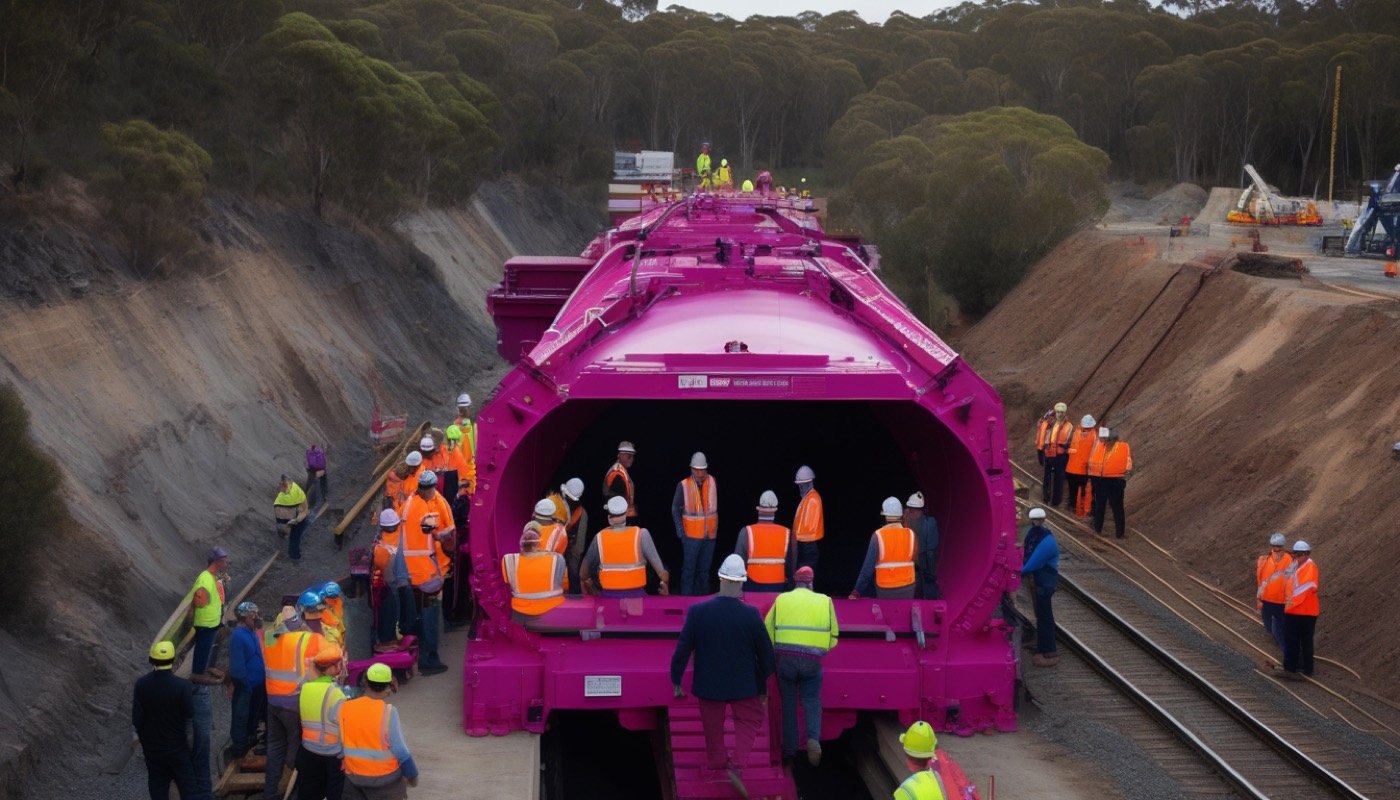
The clearest place to see those newer machines at work is Melbourne, where three of them started boring within the same few weeks in 2026.
On the seventh of September 2026, the Suburban Rail Loop East project launched its first tunnel boring machine, named Alice, from Burwood, driving toward Glen Waverley. A second machine, Hacia, was lowered into the same launch shaft days later to dig the parallel tunnel alongside Alice's.
Alice is about a hundred and thirty-seven metres long, with a cutterhead just over seven metres across. A third machine, Aayushi, arrived at Clarinda, near Clayton, at around the same time, being assembled to drive its own section of tunnel toward Box Hill.
All three machines are named after Melbourne women: the musician Alice Ivy, the construction advocate Hacia Atherton, and the medical student and health campaigner Aayushi Khillan. Between them, Alice, Hacia and Aayushi are boring the twin tunnels that will carry Suburban Rail Loop East trains under Melbourne's inner south-eastern suburbs, one of the largest public transport projects the state has ever built, and one of the first anywhere to launch three machines from a single project inside the same month.
8. New York and New Jersey bore again
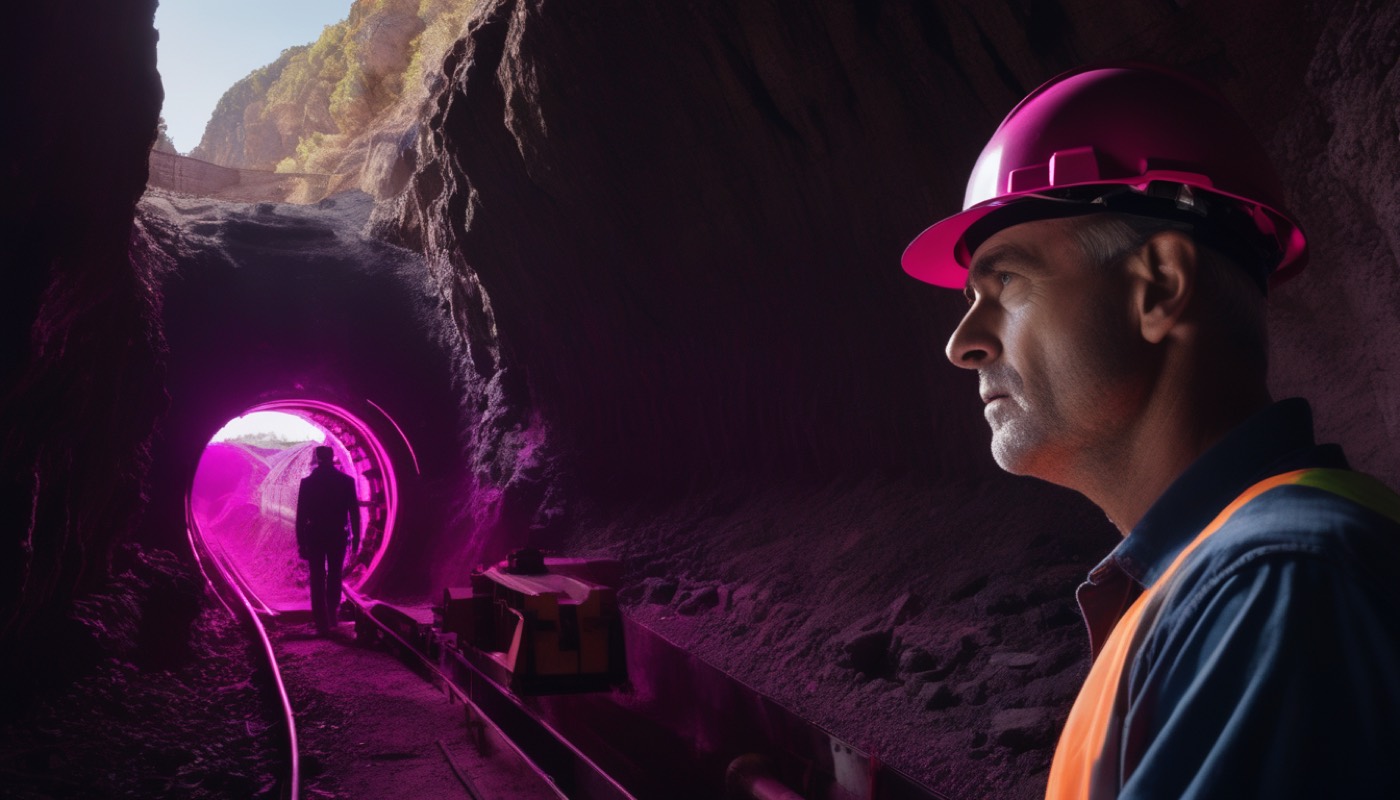
While Melbourne's machines were starting their runs, a very different project reached the same milestone under the Hudson River.
On the twenty-eighth of September 2026, the Gateway Development Commission marked the start of tunnel boring on its sixteen billion dollar Hudson Tunnel Project, at North Bergen. Two rock-boring machines will each cut roughly a mile through the Palisades cliffs, advancing at around thirty feet a day, to reach an access shaft on the Weehawken and Hoboken border.
Governor Hochul called it a milestone for the region's ambition. "This is a historic day for New York and a clear demonstration of our ambitions to once again be a state that dreams and builds big," she said at the launch.
The new tunnel is being built to add capacity, not invent demand from nothing. Today's single-tube-each-way rail crossing already carries something like four hundred and fifty NJ Transit and Amtrak trains a day, moving around two hundred thousand passenger trips through it. That is the load the existing, century-old tunnel already carries, and the reason a second one is being dug rather than a projection for what the new tube alone will someday hold.
9. Lesotho's mountain water tunnel
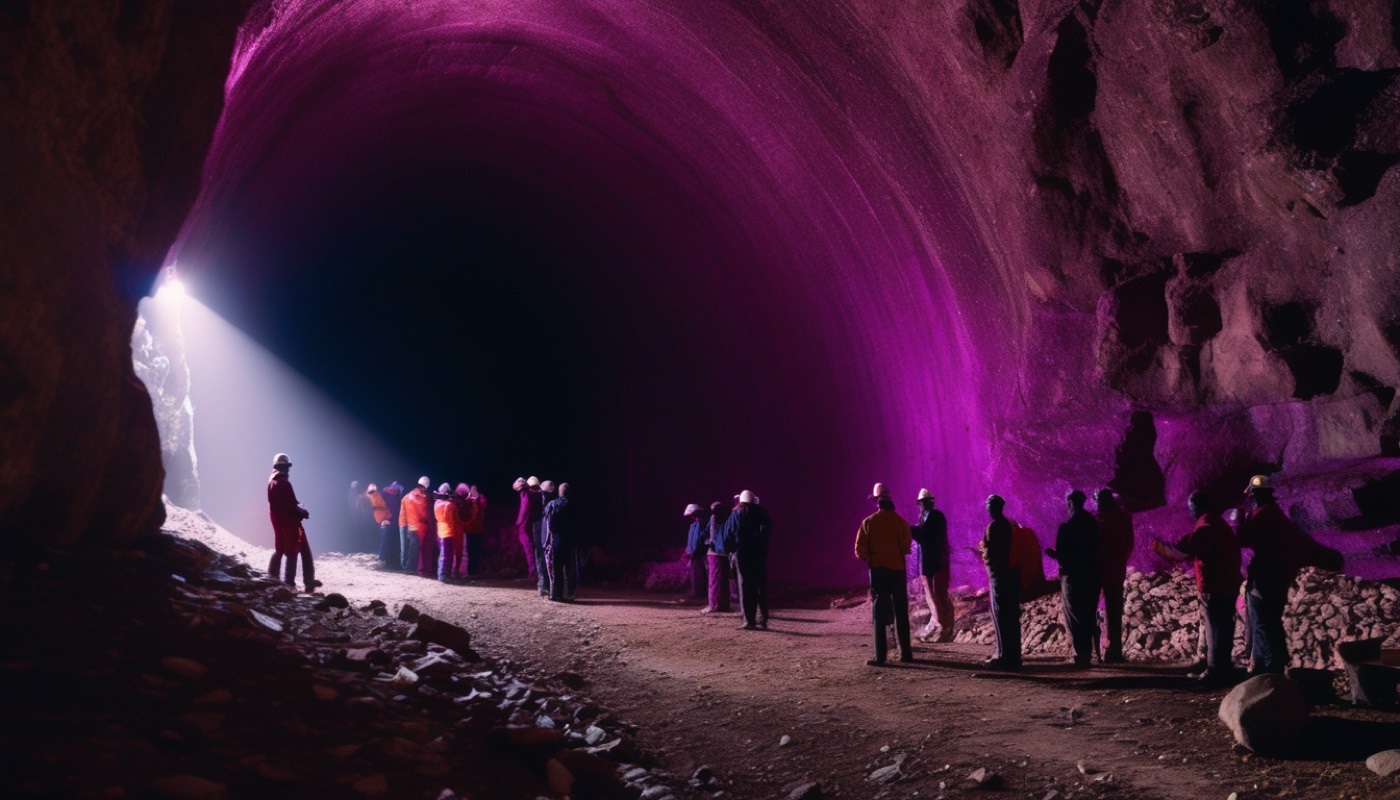
The third 2026 project shares almost nothing with the first two except the machines, and it is boring under mountains, not cities.
Two tunnel boring machines are cutting toward each other through Lesotho's Maluti Mountains. One was launched at the Katse dam site in February 2025, the other at the Polihali end in April 2026.
Each machine is about four hundred and twenty-three metres long, with a cutterhead five point three eight metres across. Together they are boring the thirty-eight and a half kilometre transfer tunnel that will eventually link the two dams.
The Polihali dam itself sits deep in the same mountain range the tunnel crosses, one of the more remote large-dam sites anywhere in the world, reached only by roads built specifically to serve the project. Once the tunnel is finished, it will roughly double the amount of water the Lesotho Highlands Water Project can transfer each year, up from seven hundred and eighty million cubic metres to one point two seven billion cubic metres.
Unlike the Melbourne or Gateway machines, these two are not digging toward a city at all. They are digging toward each other, under a mountain range, so that water from one river valley can reach a country that needs it hundreds of kilometres away.
10. Why so many countries are digging at once
Three unrelated projects, on three different continents, all reaching a tunnel-boring milestone in the same year is not really a coincidence.
Cities have mostly run out of cheap surface land to build new railways or water pipes across, so a new route increasingly has to go under the ground that is already built on, rather than through it. Building on the surface also means years of community objections to noise, disruption and lost property value, arguments a tunnel bored deep underground mostly avoids. And the machines themselves have simply become cheaper to buy and faster to run than they used to be.
Put those three pressures together and going underground stops being the expensive last resort it used to be. Land scarcity pushes projects downward. Community objection pushes them downward again. And falling machine costs mean the resulting tunnel no longer has to cost a fortune just because it is a tunnel. None of those three forces caused the others, but together they explain why Melbourne, the Gateway project and the Lesotho water transfer are all boring at once, rather than any one of them being a special case.
11. Old risks, new machines
None of that answers the harder question this video opened with. Are today's megaprojects actually different, or just newer?
The Channel Tunnel opened in 1994, eighty per cent over its planned construction cost. The first of 2026's projects broke ground in February 2025, the second launched its machine in April 2026, a third launched in September 2026, and a fourth followed it the same month. Every one of them is still under construction, so none has yet reached the point where a cost overrun, or a shortfall against its own forecasts, would actually show up.
That is the honest limit of what this video can say. A machine that bores faster and costs less to buy does not, by itself, guarantee a project delivered on budget — the Channel Tunnel's overrun came mostly from financing, design changes and construction delays, not from the tunnelling machines themselves being slow or expensive.
What has genuinely changed is the machine, and machines are not where megaprojects usually go wrong. Real-time guidance, bigger cutterheads and cheaper manufacturing reduce the tunnelling risk specifically. They do nothing about financing structures, planning approvals or political will, which is exactly where the Channel Tunnel's own overrun actually came from. Whether that is enough will not be knowable until these tunnels are finished.
12. What happens when the machines break through
Eventually, every one of these machines reaches the far end of its drive, and the digging stops.
When a tunnel boring machine finally punches through into a receiving shaft, its job as a cutting machine is over. Some machines are dismantled and hauled back out through the finished tunnel, piece by piece, to be rebuilt for another project elsewhere. Others, especially long single-use drives, are simply parked in a purpose-built chamber at the far end and left underground for good, because removing them would cost more than building a small chamber to bury them in.
What follows breakthrough is a second, quieter phase of construction. Rail tracks or water pipes are fitted along the finished tunnel. Ventilation shafts and fans are installed and tested, because a sealed tunnel a mile long needs continuous fresh air for the trains, passengers or workers that will eventually use it. None of that work is as dramatic as the boring itself, but a tunnel is not actually finished until it is done.
The machines that dug Melbourne's rail loop, New York and New Jersey's new Hudson crossing, and Lesotho's mountain water tunnel are all still cutting as this video is made. Whichever of them breaks through first, the quieter work of finishing what they started will still be waiting for it.
Sources and credits
Photo credits (Wikimedia Commons)
- Marc Brunel's 1825 Thames Tunnel shield (scale model, Brunel Museum, Rotherhithe): Dunks58 at English Wikipedia, Public domain - https://commons.wikimedia.org/wiki/File%3ABrunel-shield.JPG
- Tunnel boring machine with rotating cutterhead and disc cutters, Mt. St. Helens intake tunnel project (US Army Corps of Engineers): United States. Army. Corps of Engineers. Portland District, Public domain - https://commons.wikimedia.org/wiki/File%3AMt._St._Helens_tunnel_boring_machine_-_USACE-p15141coll5-16946.jpeg
- Finished tunnel with precast concrete segment ring lining, SR 99 tunnel (Bertha TBM), Seattle: Seattle City Council from Seattle, CC0 - https://commons.wikimedia.org/wiki/File%3ASeattle_SR_99_Tunnel_Tour_%2832198663686%29.jpg
- Polihali Dam site in the Maluti Mountains, Mokhotlong, Lesotho: usembassy maseru, Public domain - https://commons.wikimedia.org/wiki/File%3AMokhotlong_-_Polihali_Dam.png


Primary sources
- Wikipedia, 'Tunnel boring machine', 'Channel Tunnel', 'Tunnelling shield', 'James Henry Greathead' - mechanism and history reference, cross-checked 29 Sep 2026.
- Public Domain Review, 'Liberal Visions and Boring Machines: The Early History of the Channel Tunnel' - Beaumont & English's 1882 compressed-air machine.
- Bloomberg, 28 Sep 2026; amNewYork; gatewayprogram.org - Gateway Hudson Tunnel Project boring launch.
- Engineering News (South Africa), 20 Apr 2026; Ground Engineering, 24 Apr 2026 - Polihali-Katse transfer tunnel.
- IndexBox, 'Tunnel Boring Machines Market To 2035', 2026 - global TBM market size and forecast.
Not regulated financial advice.